In today’s digital age, LED displays have become an integral part of how information is presented and consumed. From the vibrant billboards that light up cityscapes to the high-definition screens on smartphones and televisions, LED technology is everywhere. This article delves into the world of LED displays, exploring their technology, applications, advantages, and the future trends shaping this dynamic industry.
Understanding LED Display Technology
What is an LED Display?
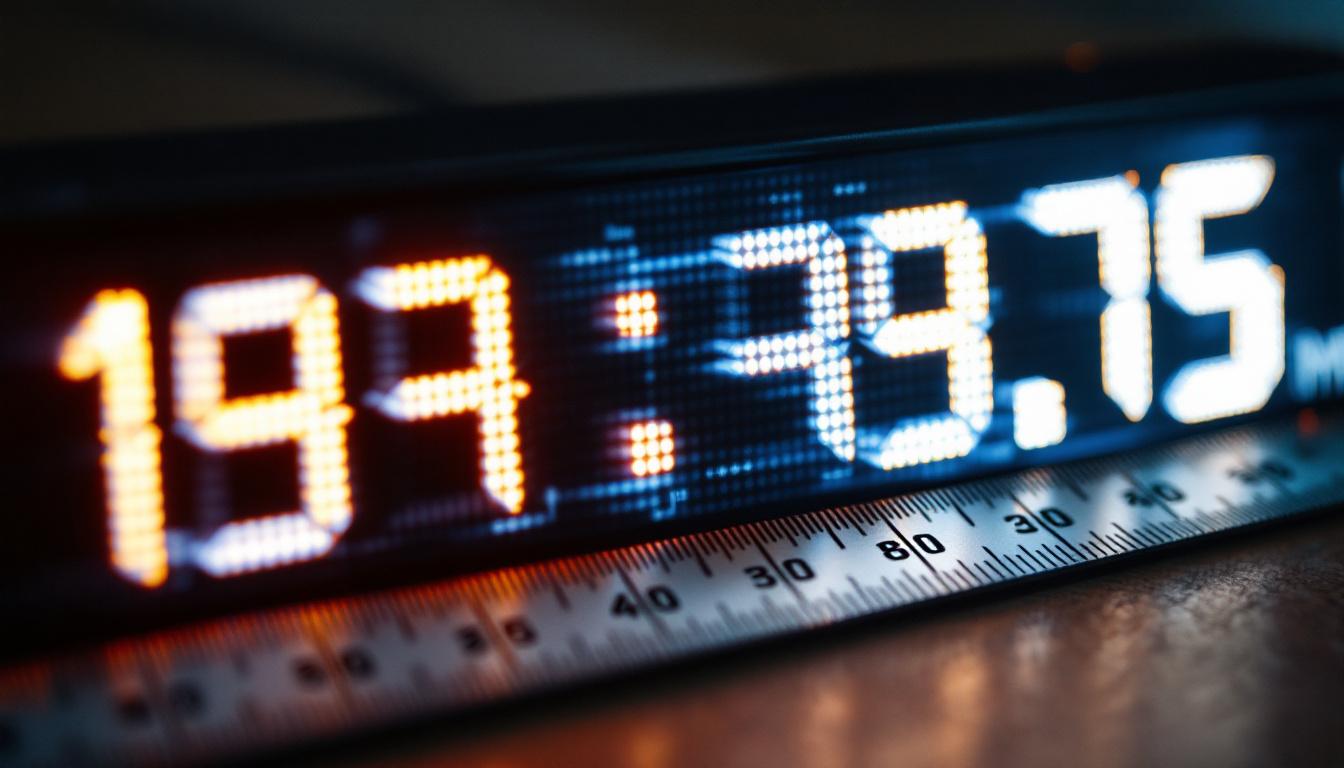
LED stands for Light Emitting Diode, a semiconductor device that emits light when an electric current passes through it. An LED display is a flat panel display that uses an array of these tiny LEDs to produce images, videos, or text. Unlike traditional LCD (Liquid Crystal Display) screens that rely on backlighting, LED displays use the LEDs themselves as the light source, which allows for brighter images and better contrast.
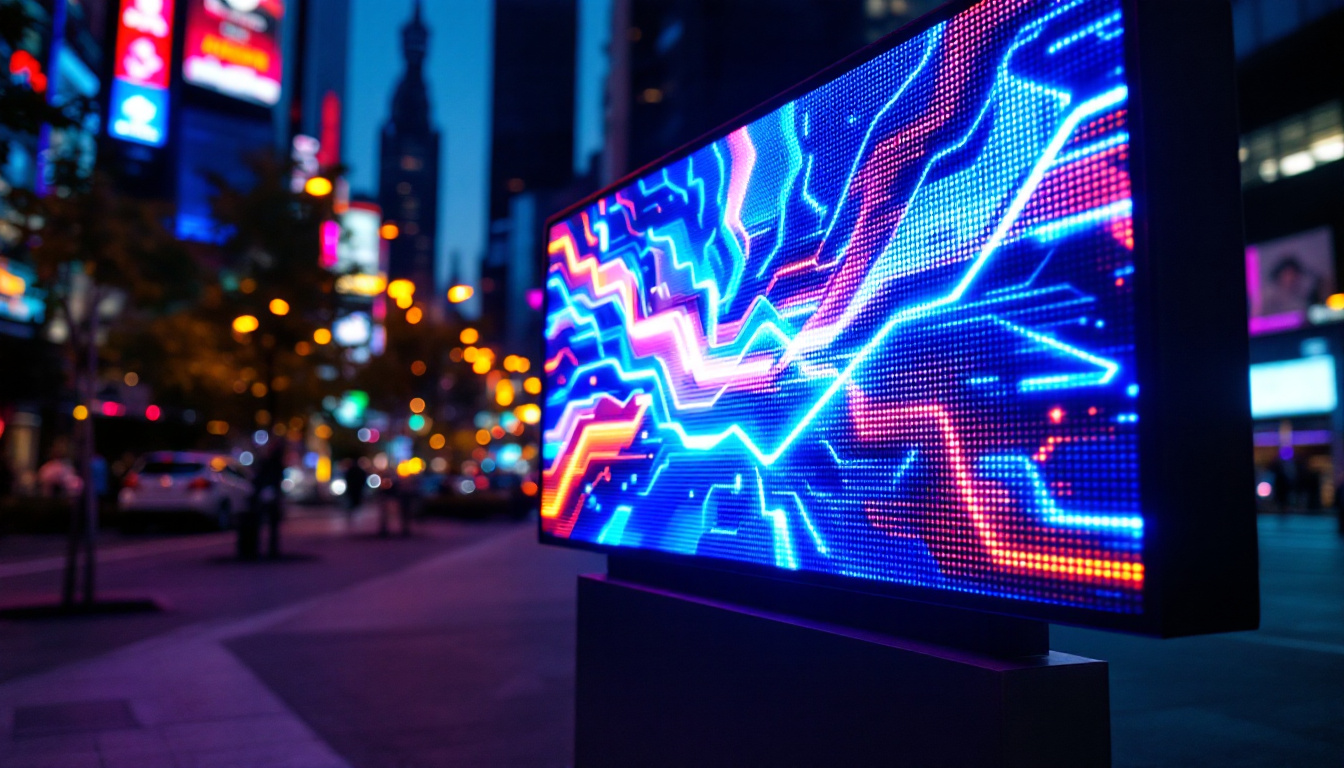
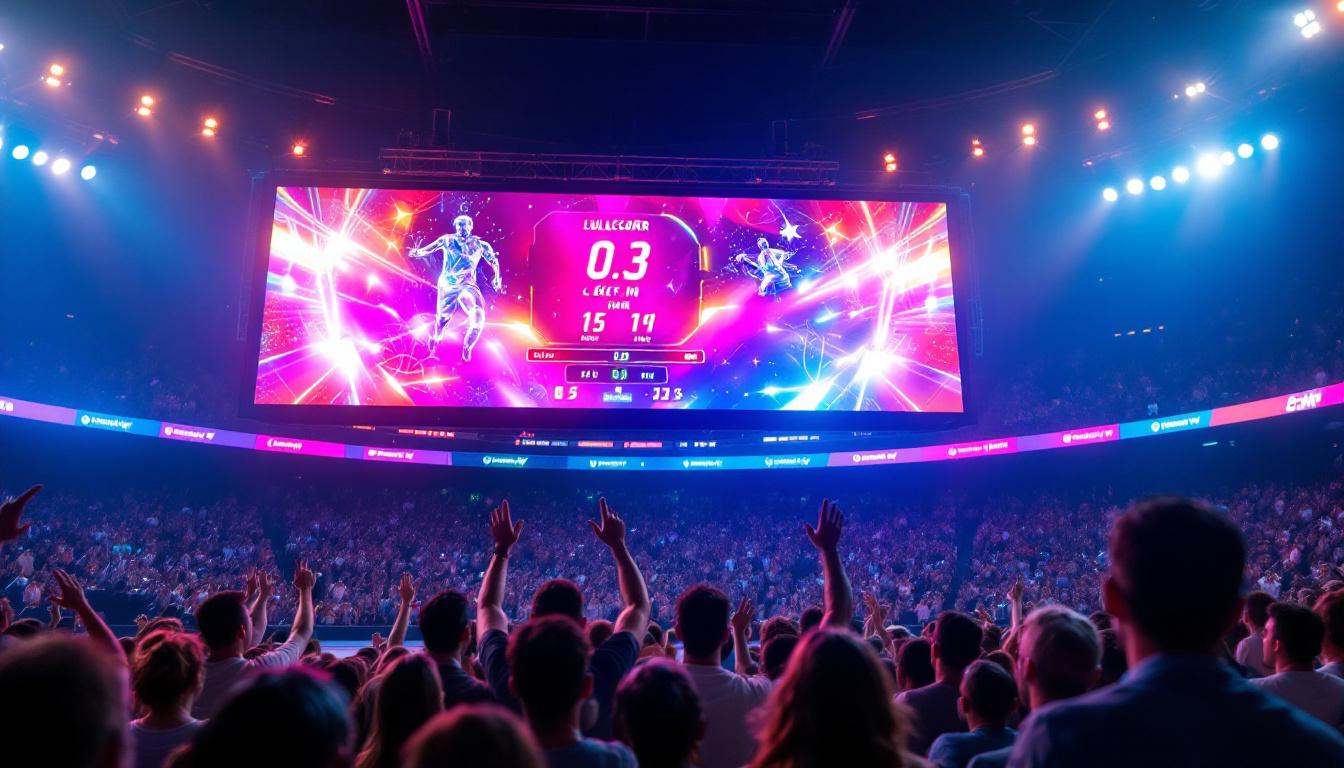
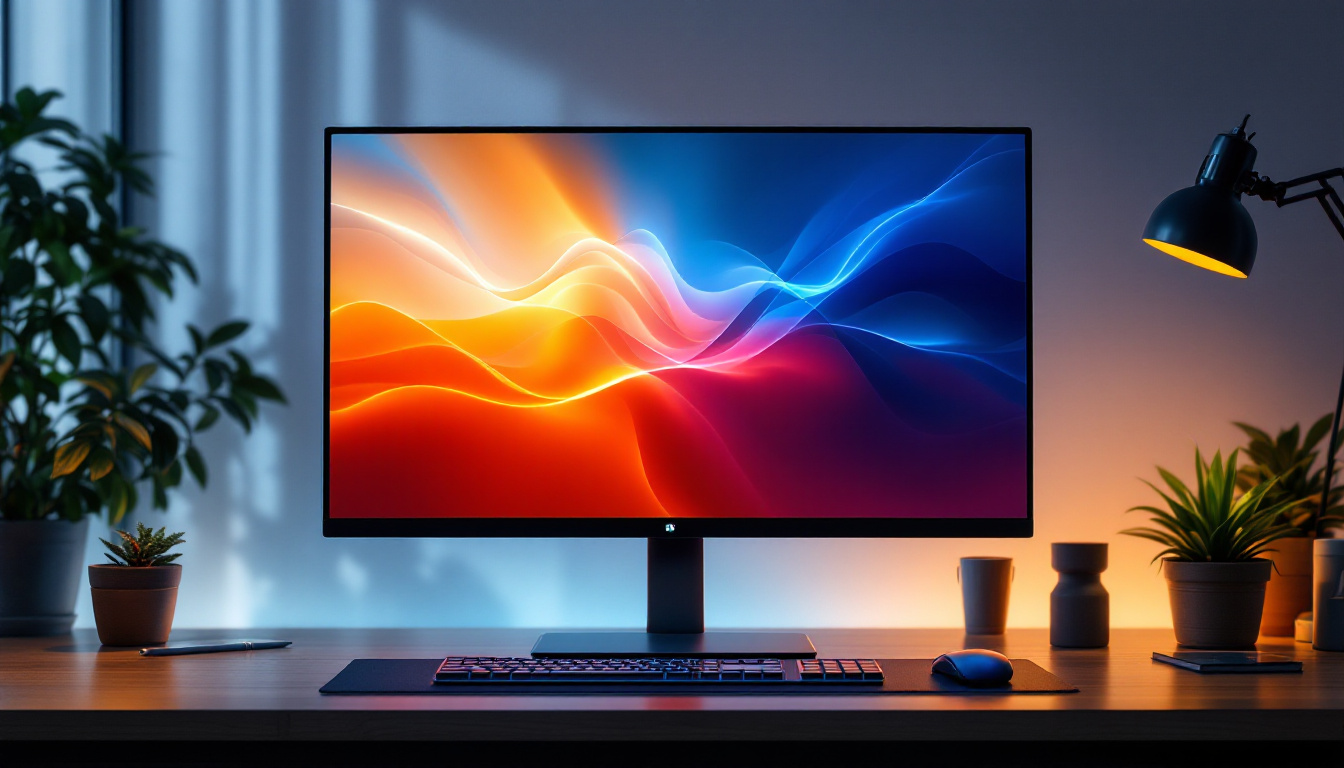
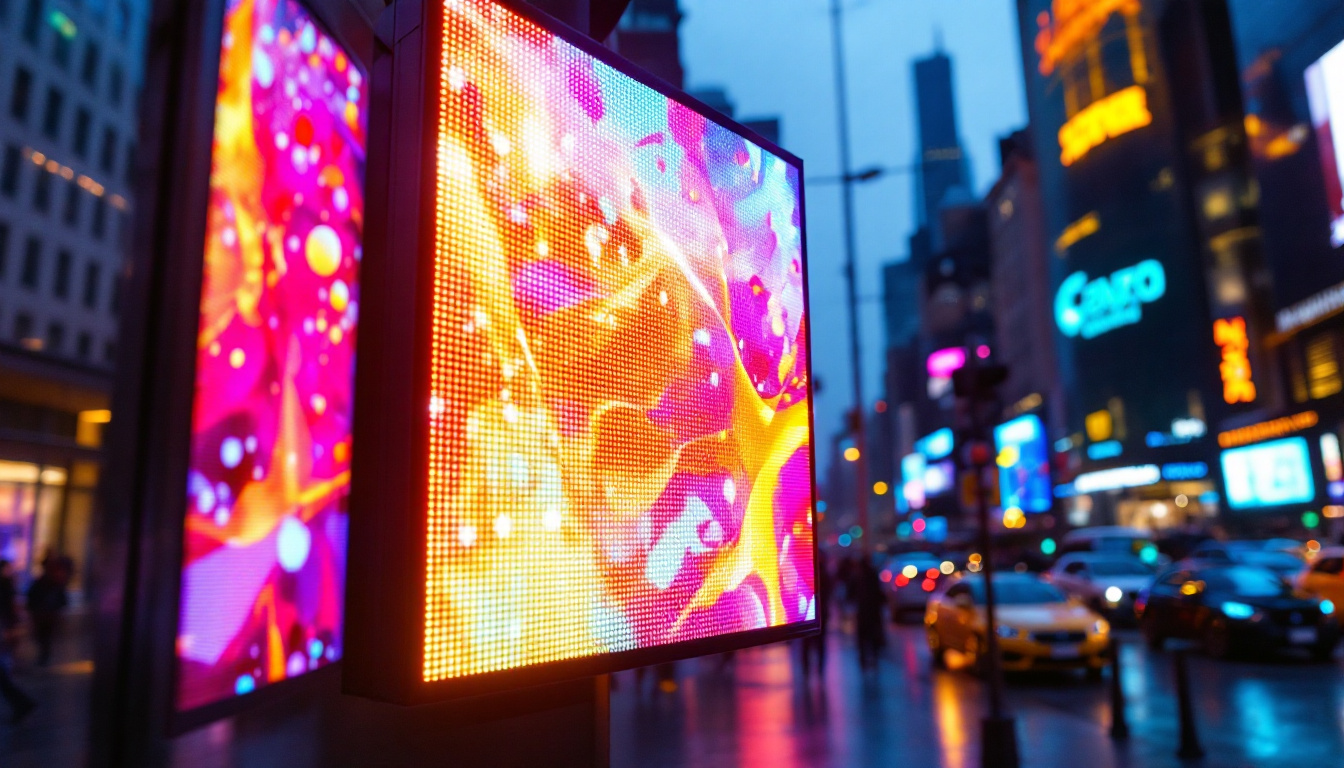
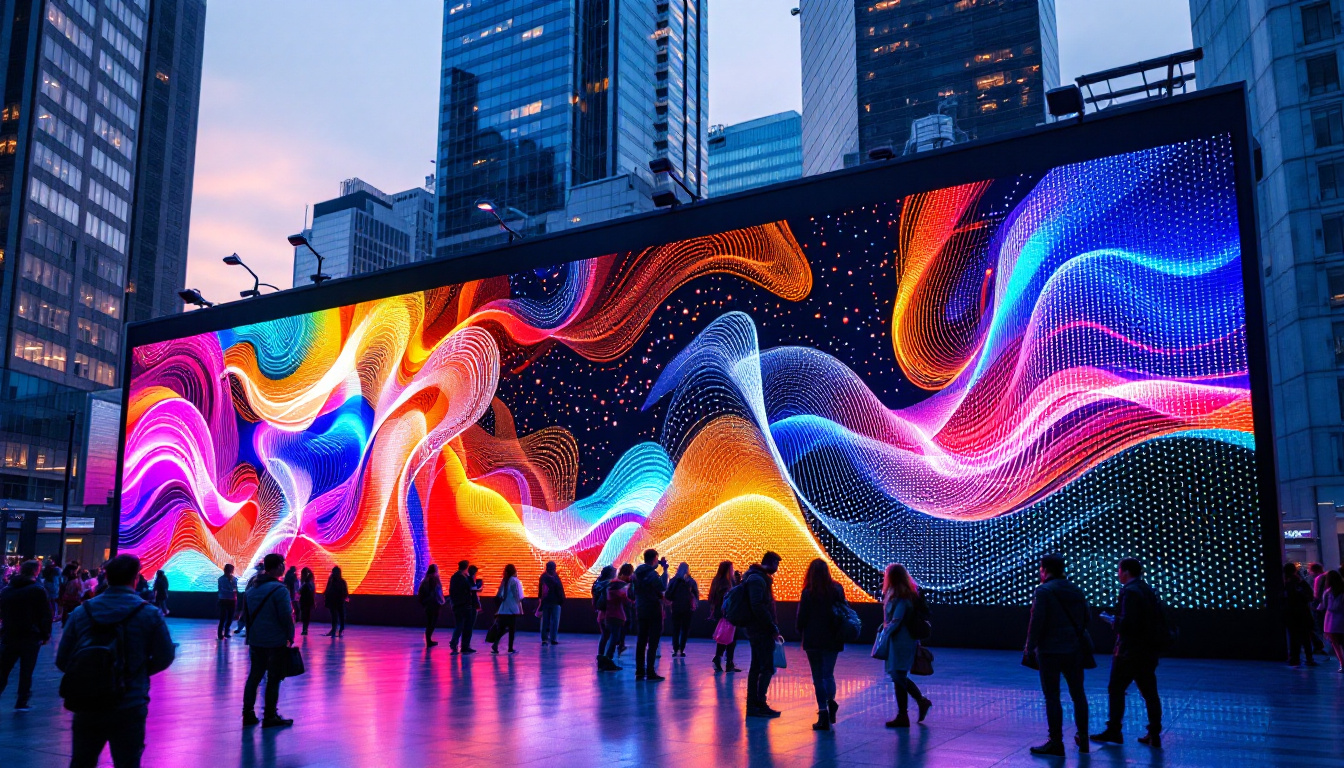
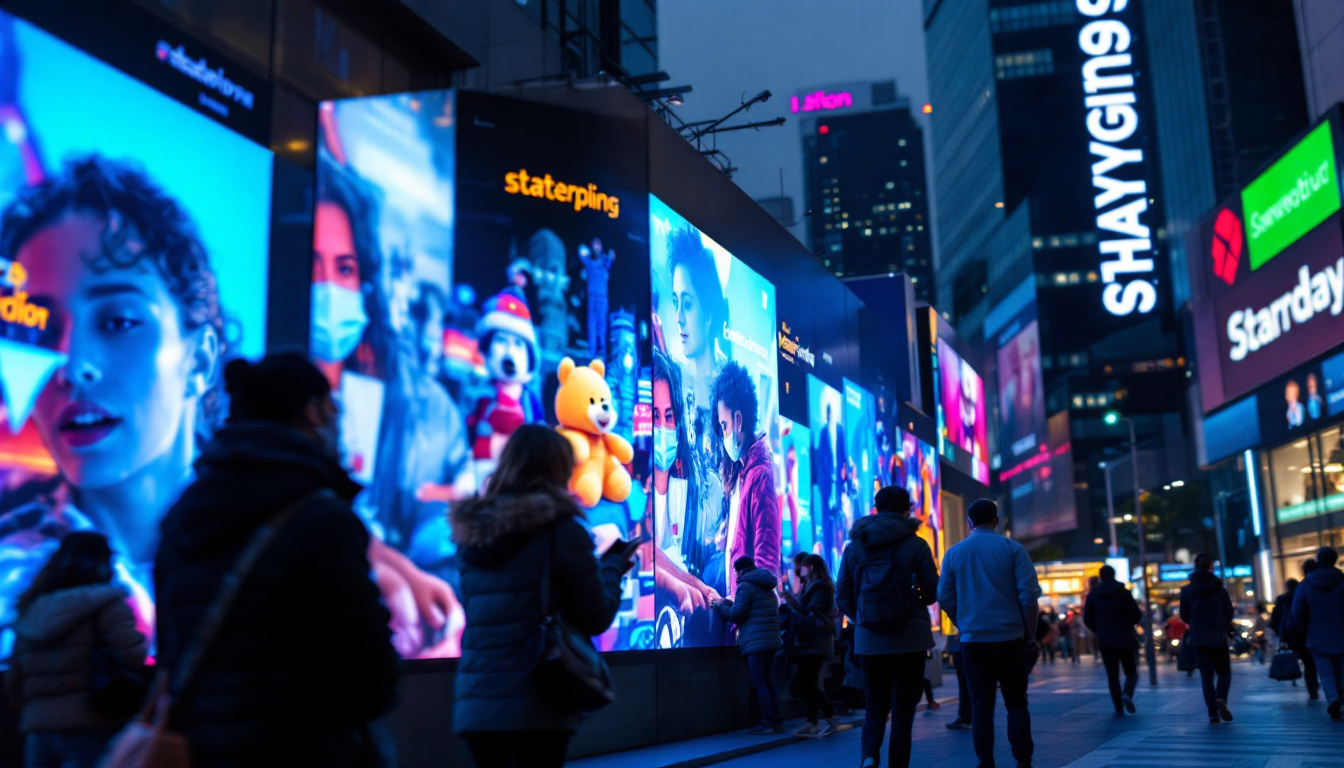
LED displays can be categorized into two main types: direct-view LED displays and LED-backlit LCDs. Direct-view LED displays consist of individual LEDs arranged in a matrix to form images, commonly seen in large outdoor screens. LED-backlit LCDs, on the other hand, use LEDs to illuminate an LCD panel, typical in consumer electronics like TVs and monitors. The versatility of LED technology has made it a popular choice for a wide range of applications, from billboards and sports arenas to indoor theaters and digital signage, providing vibrant visuals that capture attention and engage viewers.
How Do LED Displays Work?
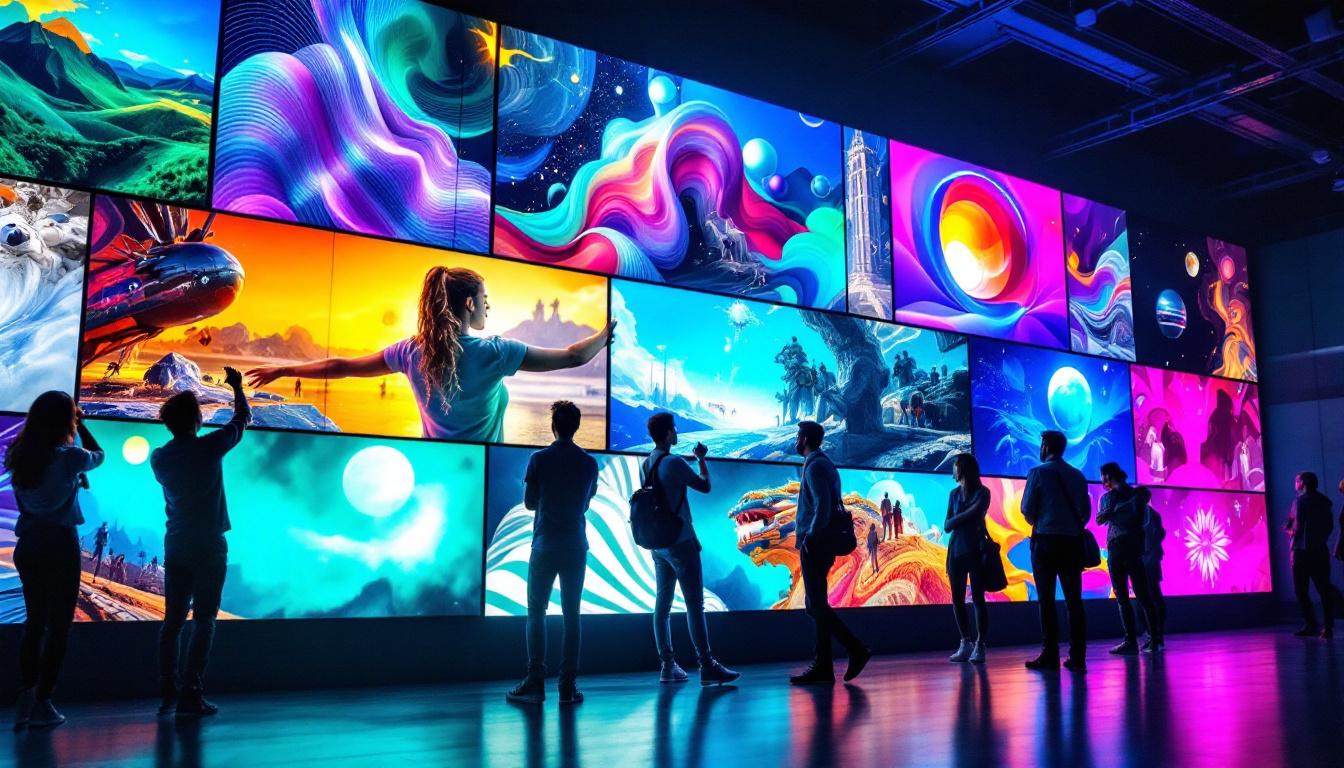
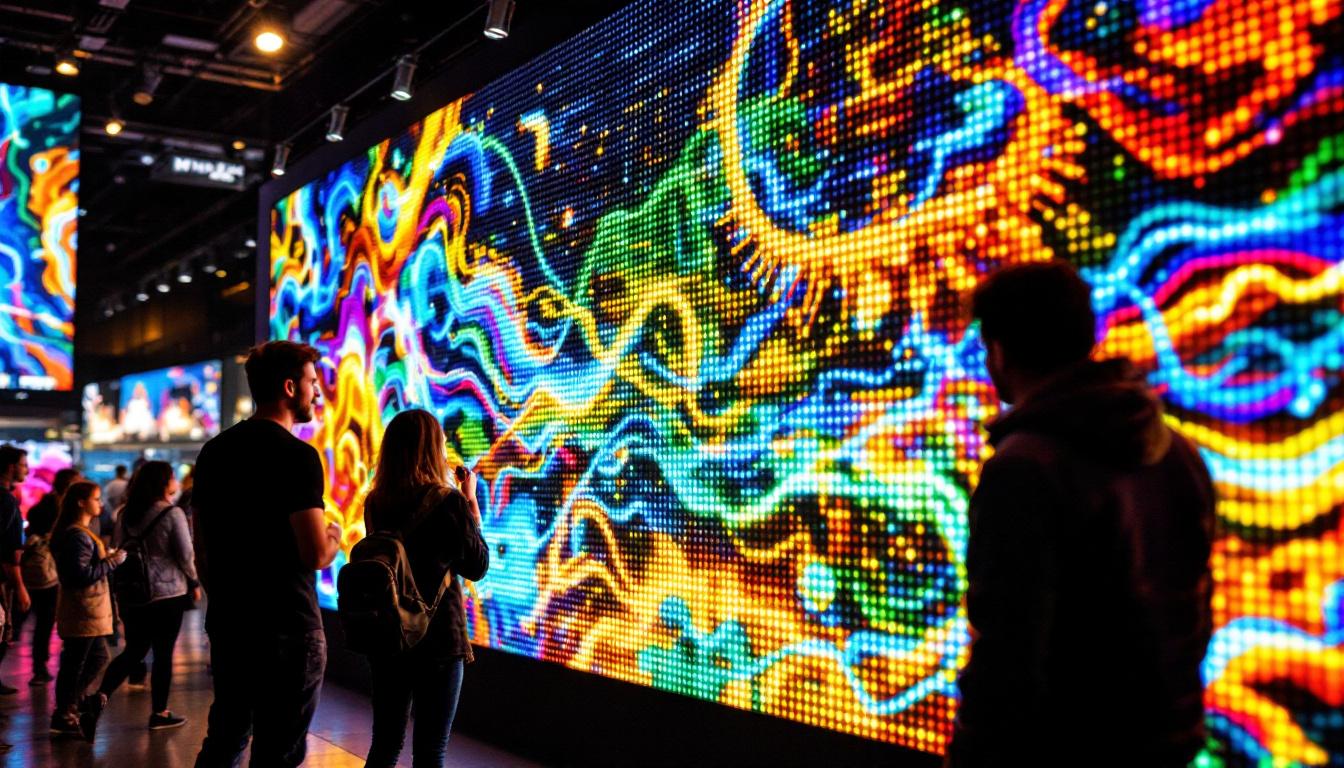
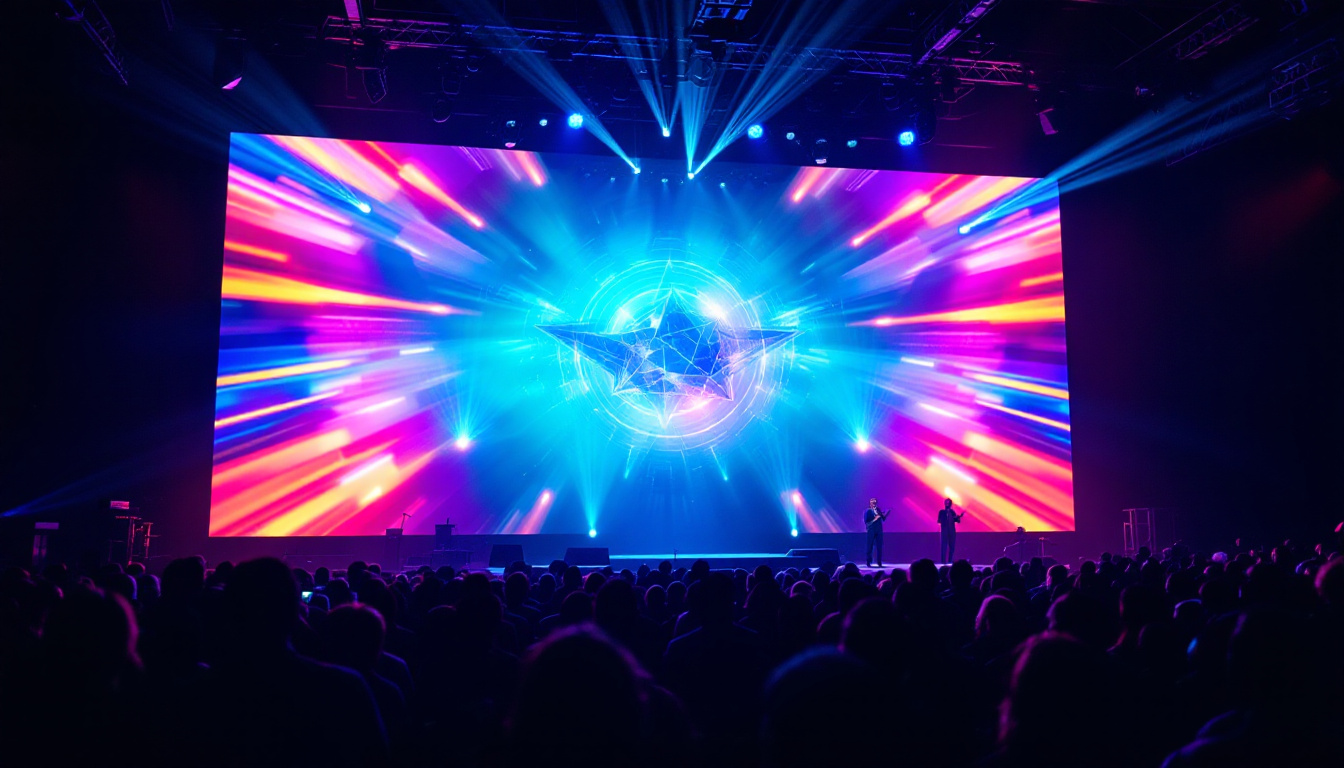
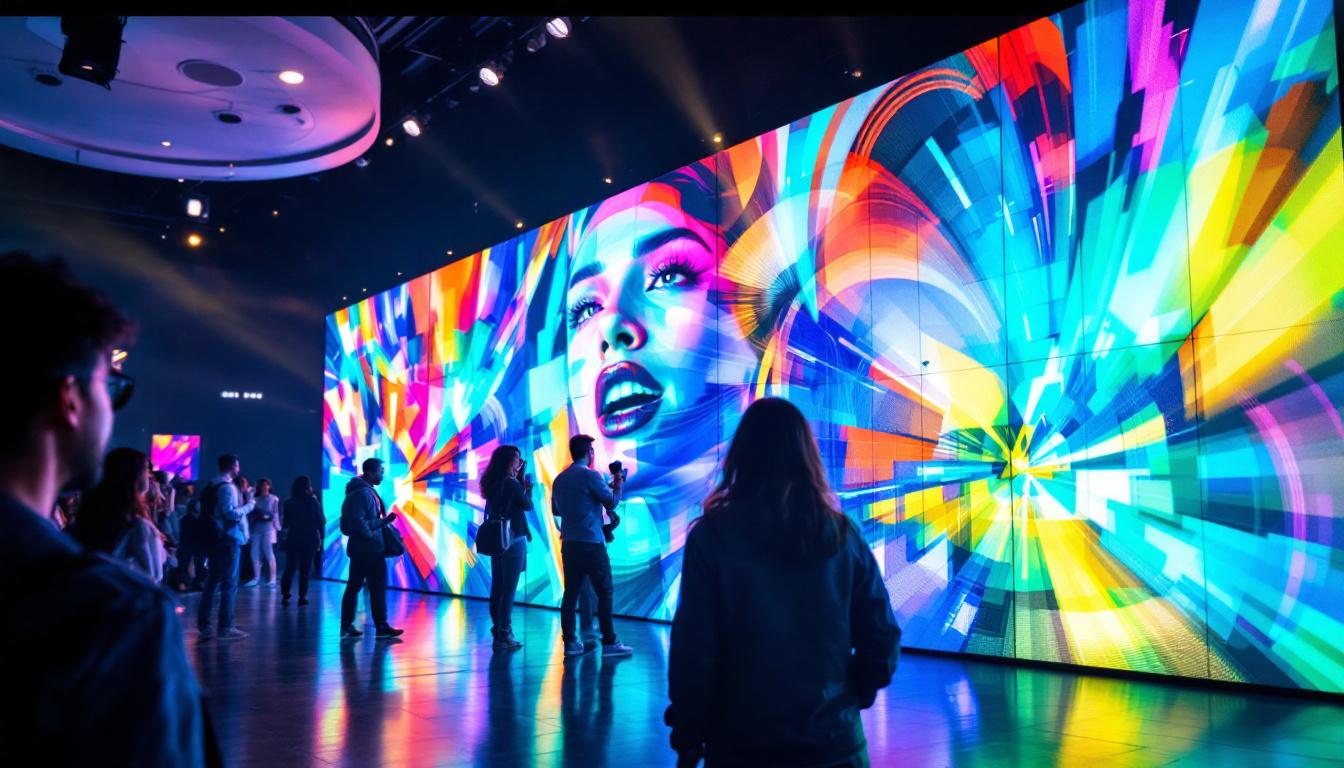
Each LED in a display functions as a pixel or part of a pixel. By controlling the intensity and color of each LED, the display can render complex images. In full-color LED displays, red, green, and blue LEDs are combined to create a wide spectrum of colors through additive color mixing. This ability to produce rich colors and sharp images makes LED displays ideal for environments where visual clarity is paramount, such as in art galleries or live concerts.
The control system behind the LEDs manages the timing and brightness of each diode, enabling the display to show dynamic content. Advanced LED displays use pulse-width modulation (PWM) to adjust brightness levels smoothly, enhancing image quality and reducing power consumption. Furthermore, the modular design of many LED displays allows for easy scalability and maintenance, as individual panels can be replaced without needing to overhaul the entire system. This adaptability not only extends the lifespan of the display but also ensures that it can be tailored to meet specific requirements, whether for a small venue or a massive outdoor installation.
Types of LED Displays and Their Applications
Indoor vs. Outdoor LED Displays
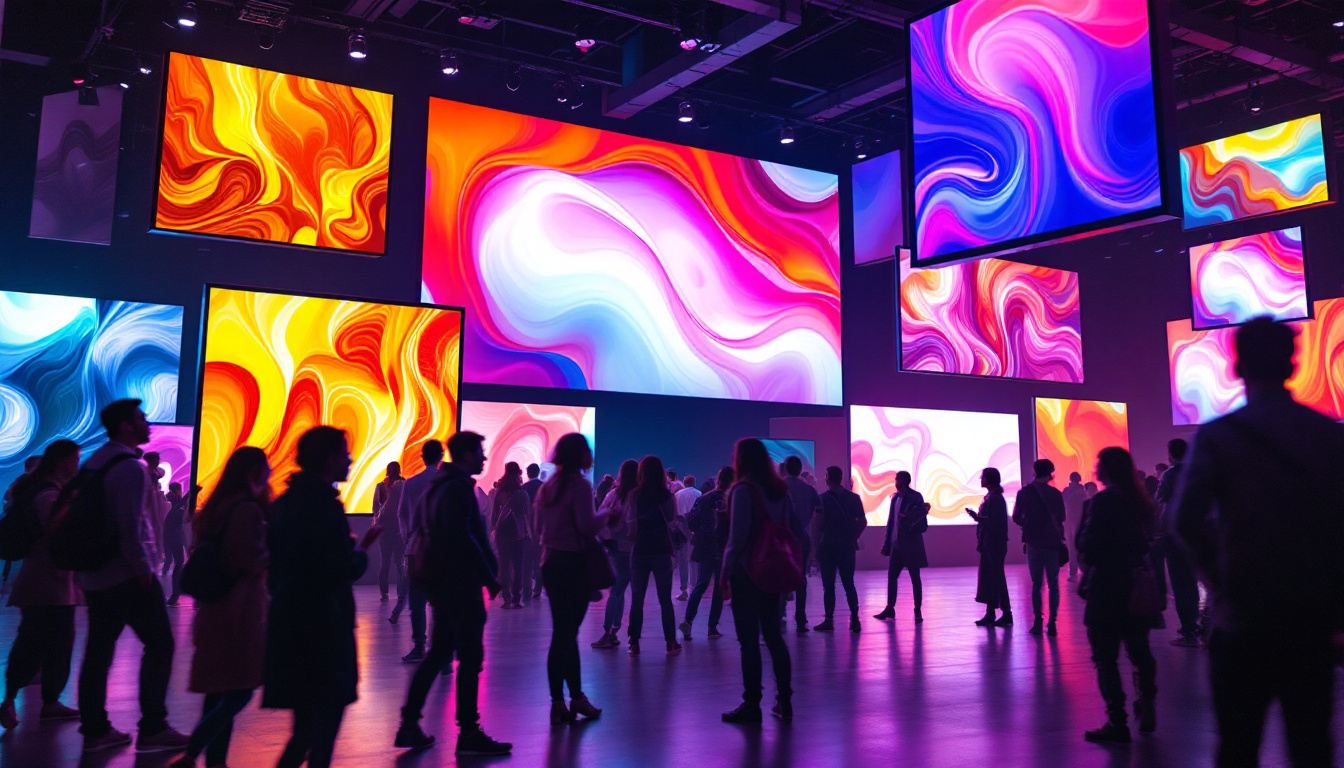
LED displays are designed differently depending on their environment. Indoor LED displays typically have a higher pixel density, meaning the LEDs are packed closer together to provide sharper images at shorter viewing distances. They are used in conference rooms, retail stores, and event venues. The vibrant colors and high resolution of indoor displays make them perfect for engaging presentations and advertisements, often enhancing the overall atmosphere of the space. For instance, in retail environments, these displays can showcase products dynamically, drawing customers’ attention and increasing sales.
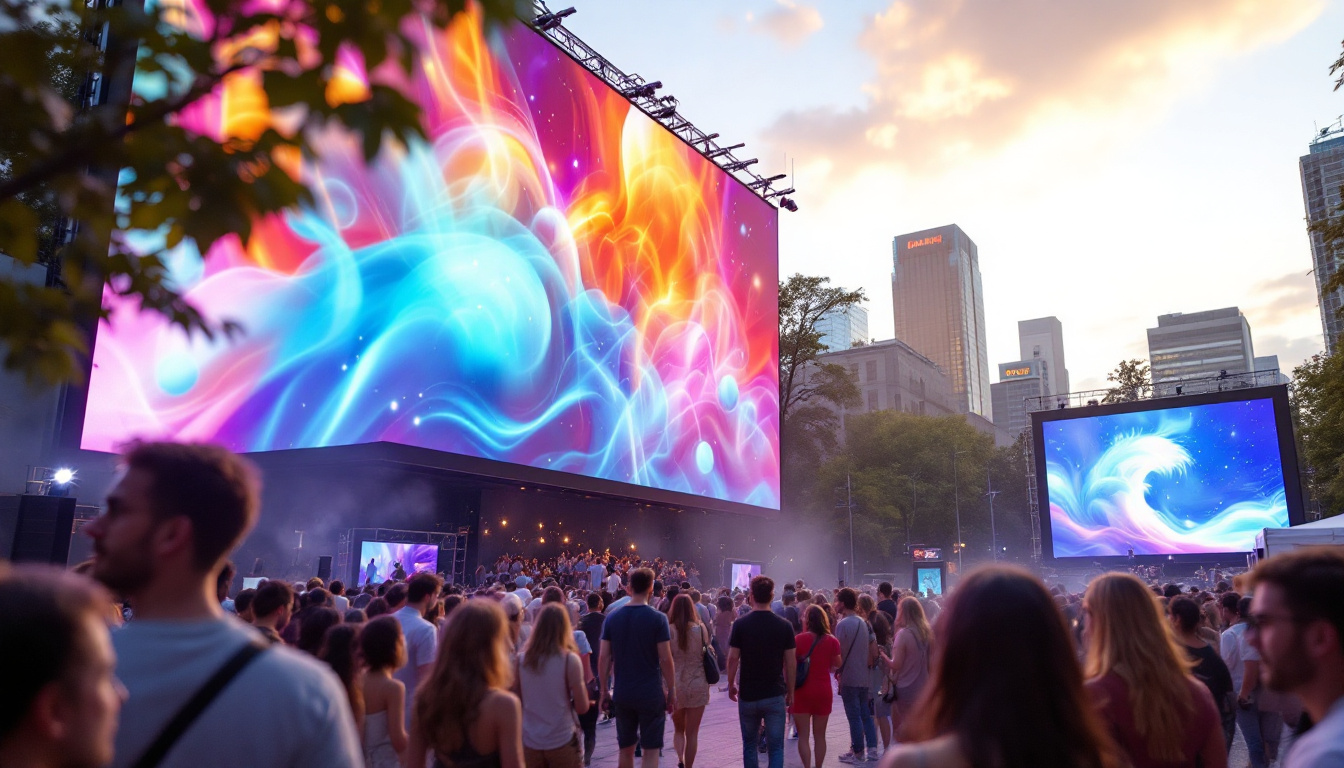
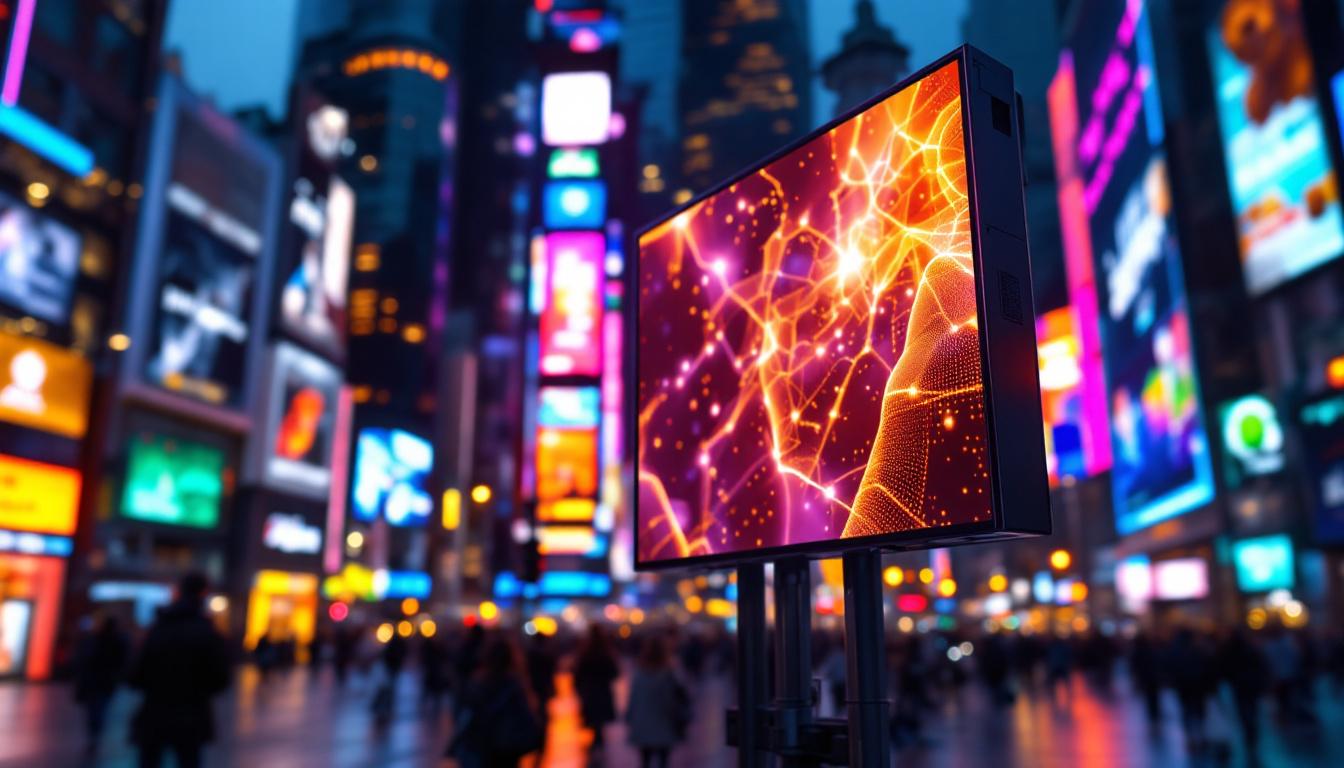
Outdoor LED displays, by contrast, prioritize brightness and durability. They must be visible even in direct sunlight and withstand harsh weather conditions. These displays often have larger pixel pitches (the distance between LEDs) since viewers are usually farther away, such as on billboards, stadium screens, and transportation signage. The technology used in outdoor displays includes advanced weatherproofing and UV-resistant coatings, ensuring longevity and consistent performance. Additionally, outdoor displays are frequently equipped with sensors that adjust brightness levels based on ambient light, ensuring optimal visibility at all times.
Specialized LED Displays
Beyond the standard indoor and outdoor categories, LED displays come in specialized forms tailored for unique applications:
- Transparent LED Displays: These displays allow light to pass through, making them ideal for storefront windows and architectural installations where maintaining visibility is important. They create a striking visual effect, allowing brands to advertise without obstructing the view of the products behind them, effectively merging advertising with the physical space.
- Flexible LED Displays: Utilizing bendable substrates, these displays can curve around surfaces, opening possibilities in automotive dashboards, wearable technology, and creative advertising. Their adaptability allows for innovative designs that can fit into unconventional spaces, providing designers with new avenues for creativity and functionality.
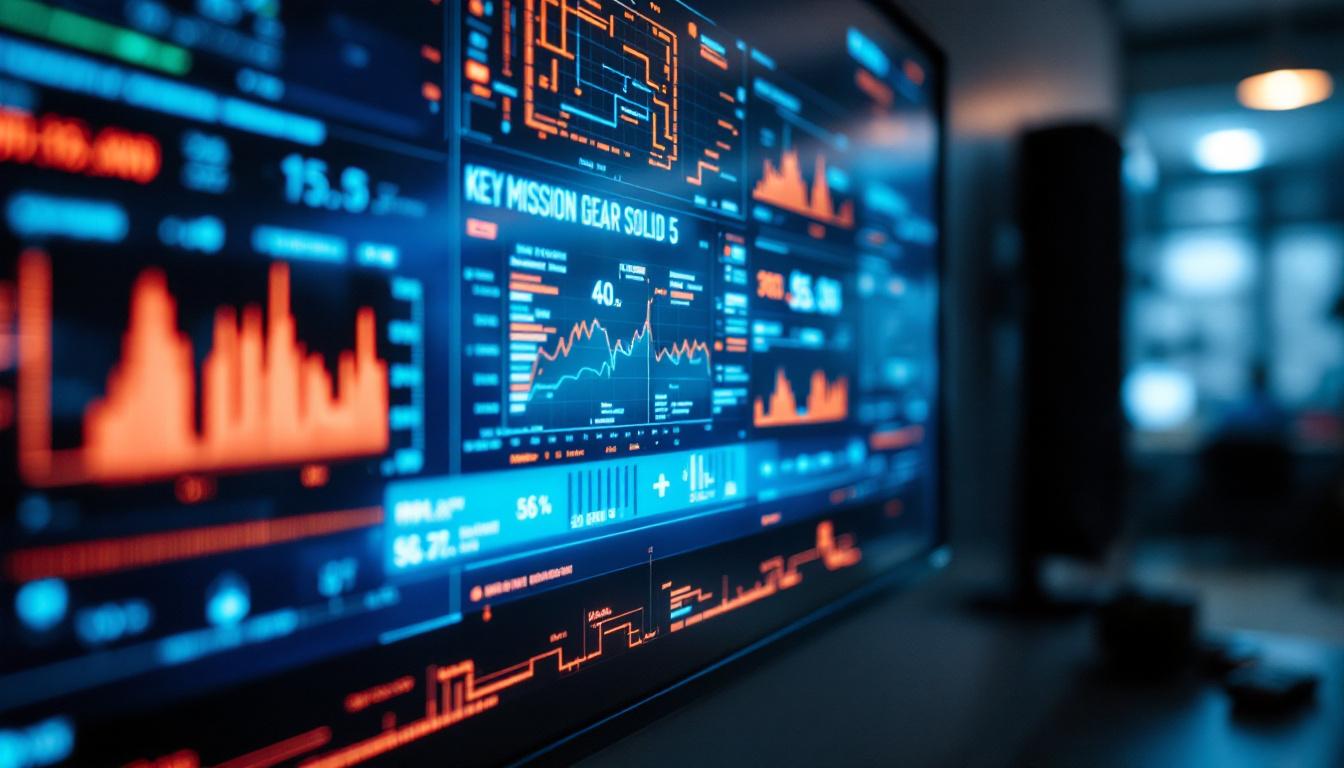
- High-Resolution LED Walls: Used in broadcast studios and control rooms, these displays offer ultra-high resolution for detailed visuals and real-time data monitoring. The precision of these displays is critical for live broadcasts, where clarity and detail can significantly impact viewer engagement and information dissemination.
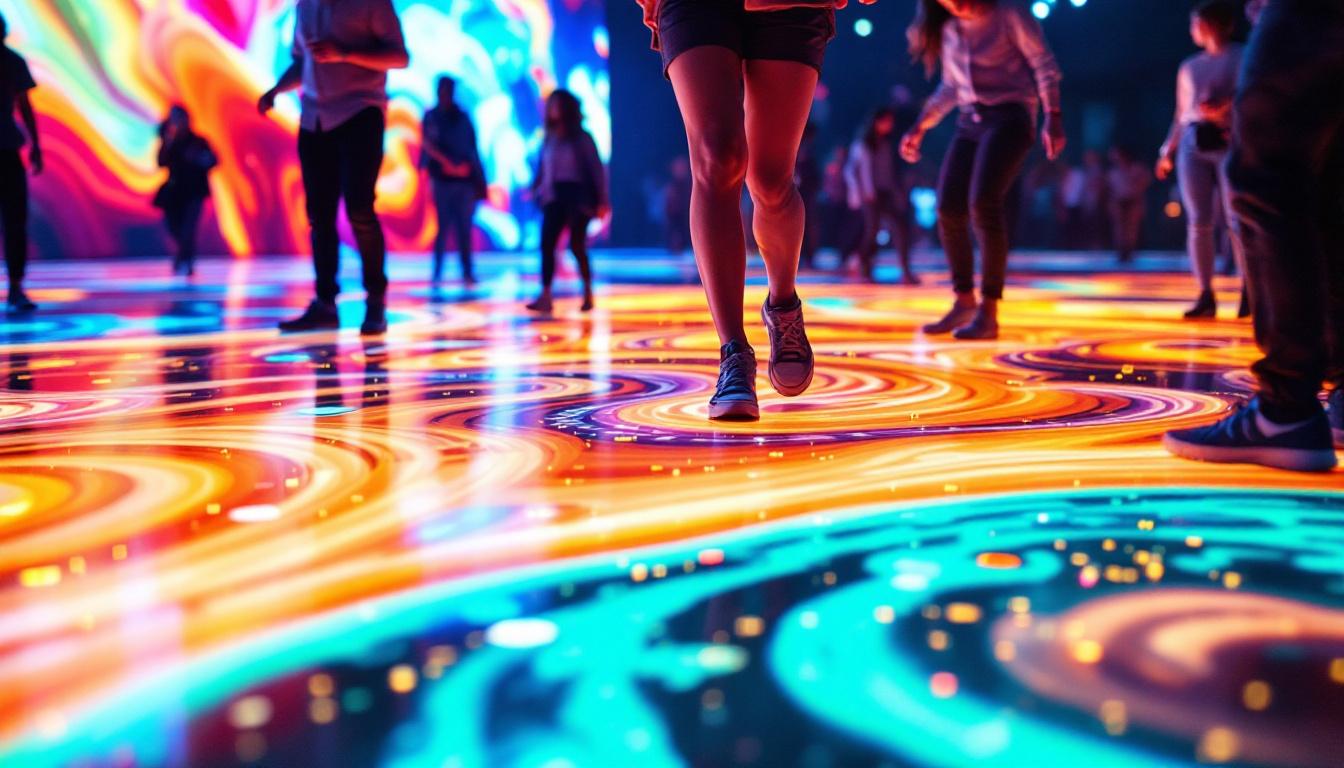
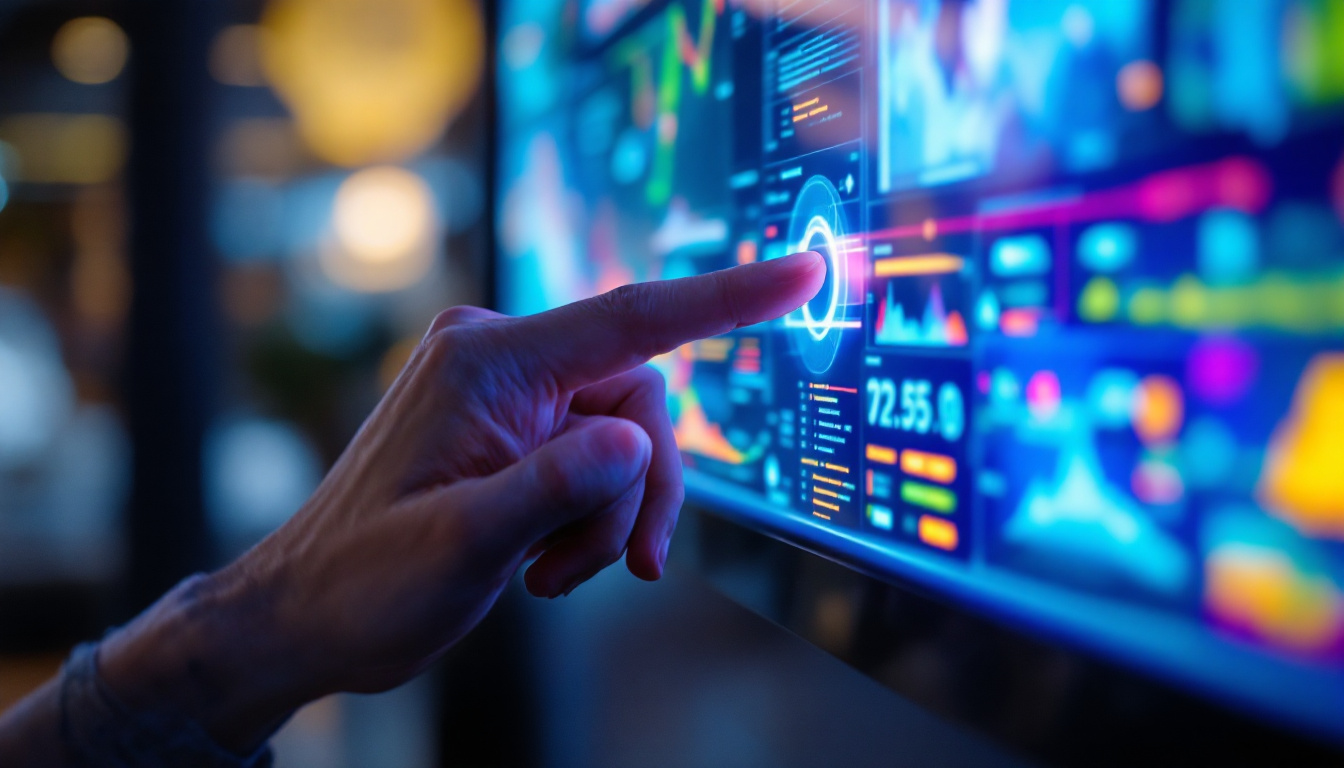
Moreover, the advancements in LED technology have led to the emergence of interactive LED displays. These displays can respond to touch or motion, creating engaging experiences in museums, exhibitions, and retail environments. By incorporating sensors and software, these interactive displays can provide personalized content, enhancing user engagement and making information more accessible. As technology continues to evolve, the applications of LED displays are expanding, paving the way for even more innovative uses in various industries.
Advantages of LED Displays Over Other Technologies
Brightness and Visibility
One of the most significant advantages of LED displays is their superior brightness. LEDs can achieve brightness levels exceeding 5,000 nits, making them easily visible in bright outdoor conditions where LCDs often struggle. This makes LED displays the preferred choice for outdoor advertising and public information systems. In addition to their impressive brightness, LED technology also enables a wider viewing angle, ensuring that images and text remain clear and legible from various perspectives. This characteristic is particularly beneficial in crowded environments, such as sports stadiums or concert venues, where viewers are spread out across a large area.
Energy Efficiency and Longevity
LEDs are inherently energy-efficient since they convert most of the electrical energy into light rather than heat. This efficiency translates into lower operating costs, especially for large-scale displays that run continuously. Additionally, LEDs have a long lifespan, often rated between 50,000 to 100,000 hours, reducing maintenance and replacement expenses. The reduced energy consumption not only lowers electricity bills but also contributes to a smaller carbon footprint, making LED displays an environmentally friendly choice. As sustainability becomes increasingly important, businesses and organizations are turning to LED technology as a way to showcase their commitment to eco-conscious practices.
Color Accuracy and Contrast
LED displays offer excellent color reproduction and contrast ratios. Because each LED emits light directly, blacks appear deeper and colors more vivid compared to LCDs that rely on backlighting. This enhances the viewing experience, particularly for video content and dynamic advertising. Furthermore, advancements in LED technology have led to the development of high dynamic range (HDR) displays, which can produce an even broader spectrum of colors and improved brightness levels. This capability allows for more lifelike images, making LED displays ideal for applications in art galleries, museums, and high-end retail environments where visual impact is paramount.
Design Flexibility
The modular nature of LED panels allows for versatile design options. Displays can be assembled in various shapes and sizes, from massive curved walls to small, intricate installations. This flexibility supports creative applications in retail, entertainment, and public spaces. Moreover, the lightweight design of LED panels facilitates easier installation and transportation, enabling quick setup for events or temporary displays. As technology continues to evolve, innovations such as transparent LED screens and flexible displays are emerging, further expanding the possibilities for architects and designers to integrate LED technology into their projects seamlessly. This adaptability not only enhances aesthetic appeal but also allows for unique storytelling opportunities in advertising and branding efforts.
Challenges and Considerations in LED Display Deployment
Cost Implications
While LED display prices have decreased over the years, high-quality LED installations still require significant upfront investment. Factors influencing cost include pixel pitch, resolution, size, and protective features for outdoor use. Budgeting for installation and ongoing maintenance is essential for long-term success.
Pixel Pitch and Viewing Distance
Choosing the correct pixel pitch is crucial to ensure optimal image clarity. A smaller pixel pitch means higher resolution but also increases cost. For example, a pixel pitch of 1.5 mm is suitable for close viewing distances indoors, whereas a 10 mm pitch may suffice for a large outdoor billboard viewed from hundreds of feet away.
Environmental and Technical Challenges
Outdoor LED displays must be designed to withstand weather extremes, dust, and moisture. Proper sealing, cooling systems, and robust materials are necessary to maintain performance and longevity. Additionally, managing heat dissipation in densely packed LED arrays is a key engineering challenge.
Future Trends in LED Display Technology
Mini-LED and Micro-LED Innovations
Emerging technologies like Mini-LED and Micro-LED are pushing the boundaries of LED display performance. Mini-LEDs are smaller than traditional LEDs and used primarily as backlighting for LCDs, offering improved contrast and brightness. Micro-LEDs are even smaller and can function as individual pixels, enabling ultra-high resolution, better energy efficiency, and longer lifespans.
Micro-LED displays hold promise for next-generation televisions, augmented reality devices, and smartphones, combining the best attributes of OLED and traditional LED technologies without some of their limitations, such as burn-in issues.
Integration with Smart Technologies
LED displays are increasingly integrated with smart control systems and IoT (Internet of Things) technologies. This integration allows for real-time content updates, remote diagnostics, and adaptive brightness control based on ambient lighting conditions. Such advancements improve user experience and operational efficiency.
Sustainability and Eco-Friendly Designs
As environmental concerns grow, manufacturers are focusing on sustainable LED display solutions. This includes using recyclable materials, reducing power consumption further, and designing displays that are easier to repair and upgrade. Energy-efficient LED displays contribute to reducing the carbon footprint of digital signage and public displays worldwide.
Conclusion
LED displays have revolutionized the way visual content is delivered across numerous sectors. Their brightness, energy efficiency, and design versatility make them indispensable in advertising, entertainment, public information, and beyond. Understanding the technology behind LED displays, their applications, and future trends is essential for businesses and professionals looking to leverage this powerful medium.
As LED technology continues to evolve, it promises even more immersive, efficient, and sustainable display solutions that will shape the future of digital communication and visual storytelling.
Explore Cutting-Edge LED Solutions with LumenMatrix
Ready to elevate your visual communication? Discover LumenMatrix’s innovative LED display technology and see how our range of solutions, from Indoor and Outdoor LED Wall Displays to Custom and All-in-One LED Displays, can transform your space and captivate your audience. Whether you’re looking to enhance brand visibility or create immersive experiences, LumenMatrix is here to illuminate your vision. Check out LumenMatrix LED Display Solutions today and join the revolution in digital storytelling.