Touch Screen LCD Display: LED Display Explained
In today’s digital age, touch screen LCD displays have become an integral part of everyday life, powering everything from smartphones and tablets to industrial machinery and automotive dashboards. Understanding the technology behind these displays—especially the role of LED backlighting and touch capabilities—can help consumers, designers, and engineers make informed decisions when selecting or developing display solutions. This article explores the fundamentals of touch screen LCD displays, the significance of LED technology, and the practical applications and innovations shaping the future of visual interfaces.
Understanding LCD Technology
What is an LCD?
LCD stands for Liquid Crystal Display, a technology that uses liquid crystals to modulate light and produce images. Unlike traditional cathode ray tube (CRT) monitors, LCDs are thin, lightweight, and energy-efficient, making them ideal for portable and compact devices. The liquid crystals themselves do not emit light; instead, they manipulate light passing through them to create visible images.
At its core, an LCD panel consists of several layers: two polarized glass substrates, liquid crystal molecules sandwiched between them, and electrodes that control the orientation of these crystals. When an electric current passes through the electrodes, the crystals align in a way that either blocks or allows light to pass, creating pixels that form images on the screen. This intricate arrangement allows for a high degree of control over the display, enabling vibrant colors and sharp images that have made LCDs the go-to choice for everything from televisions to computer monitors and smartphones.
Additionally, the advancements in LCD technology have led to various types of displays, including IPS (In-Plane Switching) and TN (Twisted Nematic) panels. IPS panels are known for their superior color reproduction and wider viewing angles, making them ideal for graphic design and professional applications. On the other hand, TN panels are favored for their faster response times, which are beneficial in gaming and fast-paced video content. This diversity in LCD types caters to different consumer needs and preferences, showcasing the versatility of liquid crystal technology.
The Role of Backlighting in LCDs
Since liquid crystals do not produce light, LCDs require a backlight to illuminate the display. Early LCDs used cold cathode fluorescent lamps (CCFLs) for backlighting, which provided uniform light but were bulky and consumed more power. The transition to LED (Light Emitting Diode) backlighting revolutionized LCD technology by offering thinner panels, improved brightness, better color accuracy, and greater energy efficiency.
LED backlights can be arranged in different ways, such as edge-lit or direct-lit configurations. Edge-lit LED displays place LEDs along the edges of the screen, using light guides to distribute illumination evenly. Direct-lit LED displays position LEDs directly behind the screen, allowing for more precise local dimming and higher contrast ratios. Furthermore, advancements in backlighting technology have introduced features like dynamic contrast, where the brightness of the backlight adjusts in real-time based on the content being displayed, enhancing the viewing experience by providing deeper blacks and brighter whites.
Moreover, the introduction of quantum dot technology has further enhanced the capabilities of LCDs. Quantum dots are semiconductor nanocrystals that emit specific colors when illuminated by a light source, allowing for a broader color spectrum and improved color accuracy. This technology has led to the development of QLED displays, which combine the benefits of LCDs with the vibrant colors of quantum dots, resulting in stunning visuals that are increasingly popular in high-end televisions. As the demand for high-quality displays continues to grow, innovations in backlighting and panel technology will likely play a crucial role in shaping the future of LCDs.
Touch Screen Technology: How It Works
Types of Touch Screens
Touch screen technology enables users to interact directly with the display by detecting touch input. There are several types of touch screens, each with distinct mechanisms and advantages:
- Resistive Touch Screens: These consist of two flexible layers separated by a small gap. When pressure is applied, the layers make contact, registering the touch. Resistive screens are cost-effective and work with any input method but offer lower clarity and multi-touch capabilities.
- Capacitive Touch Screens: These use a layer of capacitive material that stores electrical charge. When a finger touches the screen, it changes the local electrostatic field, allowing the system to detect the touch location. Capacitive screens provide high clarity, multi-touch support, and are commonly used in smartphones and tablets.
- Infrared and Optical Touch Screens: These detect touch by interrupting infrared light beams or using cameras to track finger positions. They are durable and can detect any input type but are less common in consumer devices.
Integrating Touch with LCD Displays
Combining touch functionality with LCD displays requires careful engineering to maintain image quality and responsiveness. The touch sensor layer is typically laminated on top of the LCD panel or integrated within it. Modern manufacturing techniques allow for ultra-thin, highly responsive touch screens that do not compromise display brightness or color accuracy.
Advancements such as in-cell and on-cell touch technologies integrate the touch sensors directly within the LCD layers, reducing thickness and improving optical performance. These innovations are critical for devices where slim form factors and high display quality are paramount.
LED Display Explained: Advantages and Innovations
Why LED Backlighting Matters
LED backlighting has become the standard for LCD displays due to its multiple benefits over older technologies. LEDs offer higher brightness levels, which improve visibility in various lighting conditions, including direct sunlight. They also enable better color reproduction, contributing to richer and more vibrant images.
Energy efficiency is another key advantage. LED backlights consume significantly less power than CCFLs, extending battery life in portable devices and reducing energy costs in larger displays. Additionally, LEDs have a longer lifespan and are more environmentally friendly, containing no mercury or other hazardous materials.
Mini-LED and Micro-LED: The Next Generation
Recent innovations in LED technology have led to the development of Mini-LED and Micro-LED displays, which push the boundaries of brightness, contrast, and color accuracy.
Mini-LED backlighting uses thousands of tiny LEDs to create more precise local dimming zones. This results in deeper blacks and higher contrast ratios, approaching the performance of OLED displays while maintaining the advantages of LCD technology. Mini-LED displays are increasingly popular in high-end monitors, laptops, and TVs.
Micro-LED technology takes this a step further by using microscopic LEDs as individual pixels. Unlike LCDs, Micro-LEDs are self-emissive, meaning each pixel produces its own light. This leads to exceptional brightness, perfect blacks, and outstanding energy efficiency. While still emerging, Micro-LED displays are poised to revolutionize the industry in the coming years.
Applications of Touch Screen LCD LED Displays
Consumer Electronics
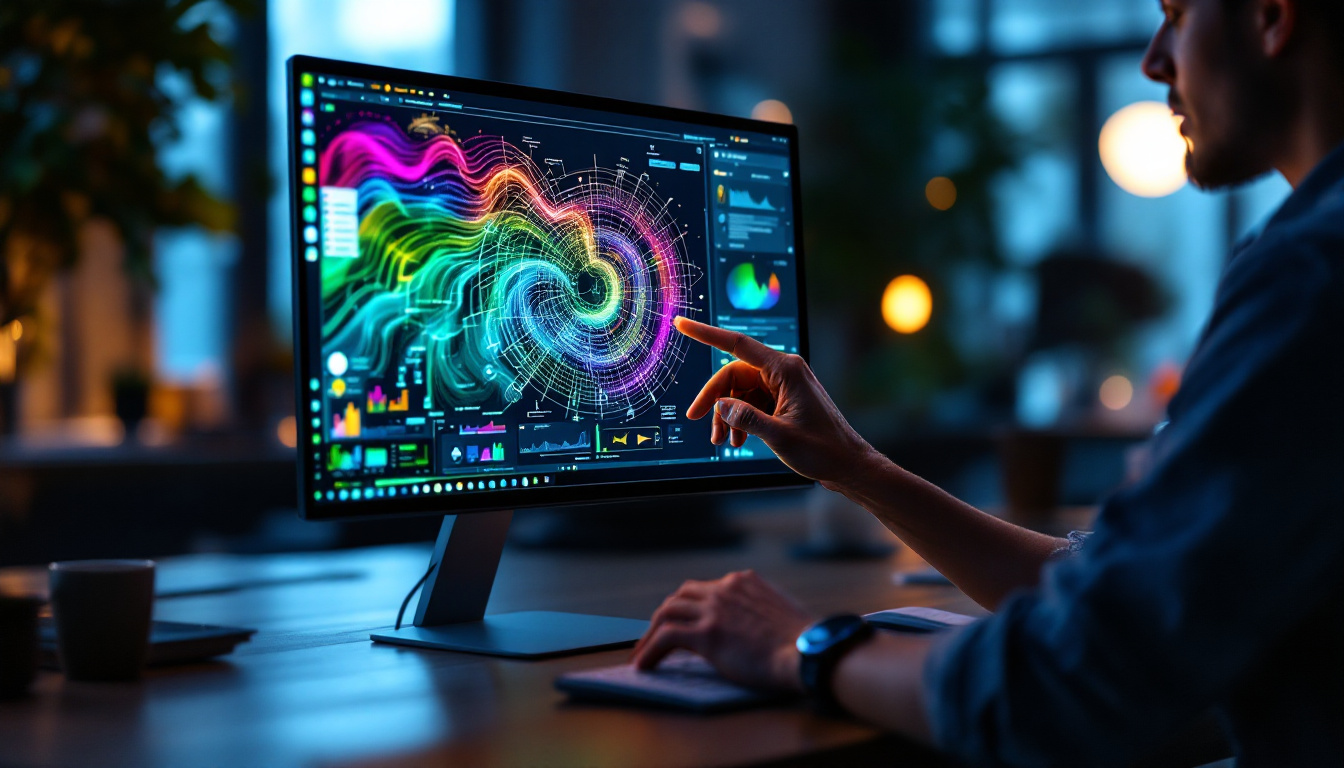
Touch screen LCD displays with LED backlighting dominate the consumer electronics market. Smartphones, tablets, laptops, and smartwatches rely on these technologies to deliver crisp visuals and intuitive user interfaces. The combination of capacitive touch and LED illumination enables responsive, vibrant screens that enhance user experience.
For example, the latest smartphones feature high-resolution LCDs with LED backlighting capable of displaying millions of colors with wide color gamuts and HDR support. These devices also incorporate advanced touch sensors to support multi-finger gestures and stylus input, catering to diverse user needs.
Automotive and Industrial Uses
In automotive applications, touch screen LCDs are used for infotainment systems, instrument clusters, and control panels. The durability and clarity of LED-backlit LCDs make them suitable for varying lighting conditions inside vehicles, from bright sunlight to nighttime driving.
Industrial environments benefit from ruggedized touch screen LCD displays that can withstand harsh conditions such as dust, moisture, and temperature extremes. These displays facilitate machine control, monitoring, and data visualization, improving operational efficiency and safety.
Healthcare and Education
Touch screen LCD displays are increasingly integrated into medical devices and educational tools. In healthcare, they enable intuitive interfaces for diagnostic equipment, patient monitoring, and telemedicine platforms. The clarity and responsiveness of LED-backlit LCDs support accurate data presentation and ease of use.
Educational institutions utilize interactive whiteboards and tablets featuring touch screen LCDs to foster engaging learning environments. The combination of touch interactivity and high-quality displays enhances collaboration and content delivery.
Choosing the Right Touch Screen LCD LED Display
Factors to Consider
Selecting the appropriate touch screen LCD with LED backlighting depends on several factors:
- Display Size and Resolution: Larger displays with higher resolutions provide better detail but may require more power and processing capability.
- Touch Technology: Capacitive touch is preferred for consumer devices due to its responsiveness, while resistive touch may be suitable for industrial applications requiring stylus input.
- Brightness and Contrast: Consider the environment where the display will be used; outdoor or brightly lit settings demand higher brightness and contrast ratios.
- Durability and Environmental Resistance: For harsh environments, choose displays with protective coatings, reinforced glass, and IP ratings for water and dust resistance.
- Power Consumption: Energy-efficient LED backlighting is crucial for battery-powered devices and applications with sustainability goals.
Future Trends to Watch
The display industry continues to evolve rapidly, with emerging technologies influencing the design and capabilities of touch screen LCD LED displays. Flexible and foldable displays, driven by advancements in materials and manufacturing, promise new form factors for mobile and wearable devices.
Integration of artificial intelligence and machine learning is enhancing touch sensitivity and gesture recognition, enabling more natural and adaptive user interactions. Furthermore, the push for higher refresh rates and lower latency is improving the performance of displays in gaming and virtual reality applications.
Conclusion
Touch screen LCD displays with LED backlighting represent a cornerstone of modern digital interfaces, combining visual clarity, energy efficiency, and interactive functionality. Understanding the underlying technologies—from liquid crystals and LED illumination to touch sensing—empowers users and developers to make informed choices tailored to specific needs.
As innovations like Mini-LED and Micro-LED mature and new touch technologies emerge, the capabilities and applications of these displays will expand further, shaping the future of how people interact with digital content across industries and everyday life.
Discover LumenMatrix’s Innovative LED Display Solutions
Ready to experience the future of digital display technology? LumenMatrix is at the forefront of creating immersive visual experiences with our comprehensive range of LED display modules. From vibrant Indoor and Outdoor LED Wall Displays to dynamic Vehicle and Sports LED Displays, our solutions are designed to captivate your audience and amplify your message. Whether you’re looking for a Custom LED Display, an All-in-One solution, or the striking transparency of LED Transparent Displays, LumenMatrix has the cutting-edge technology to revolutionize your visual communication. Check out LumenMatrix LED Display Solutions today and see how we can enhance your brand visibility and engagement.