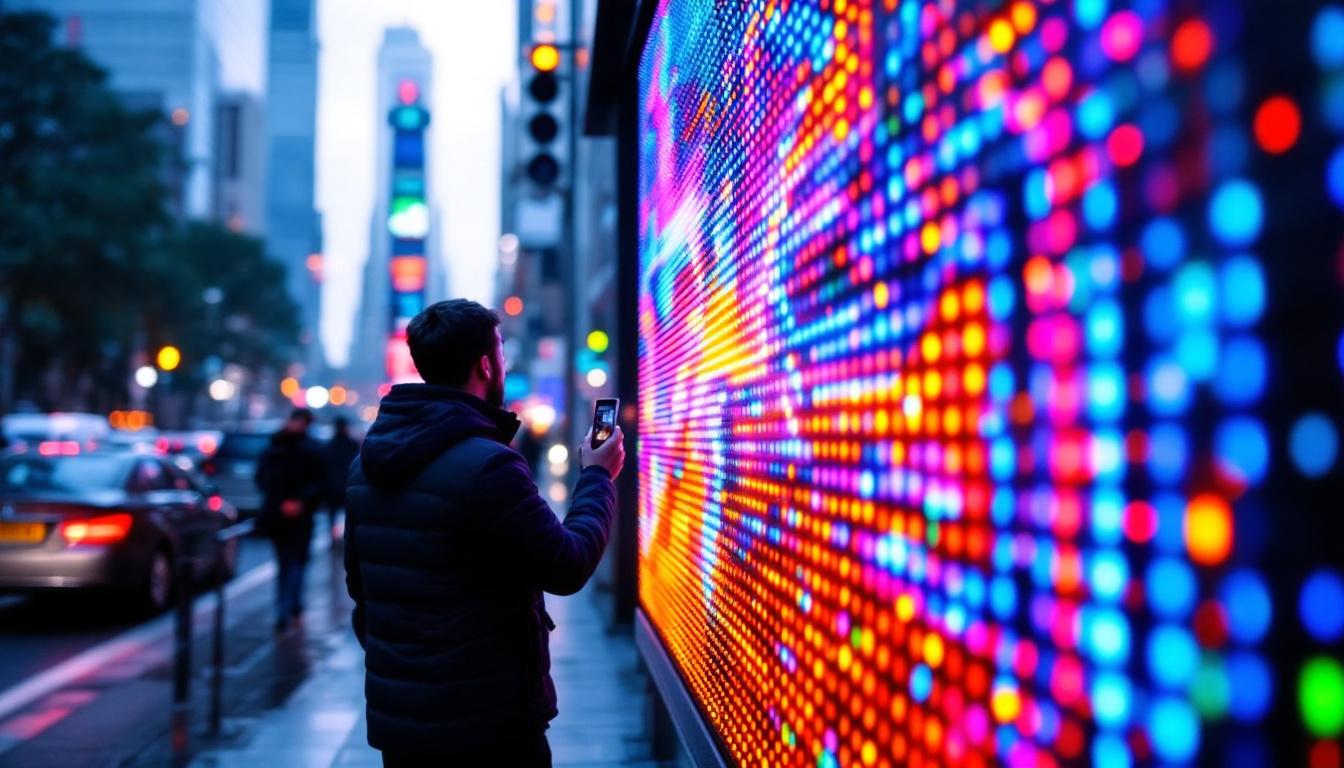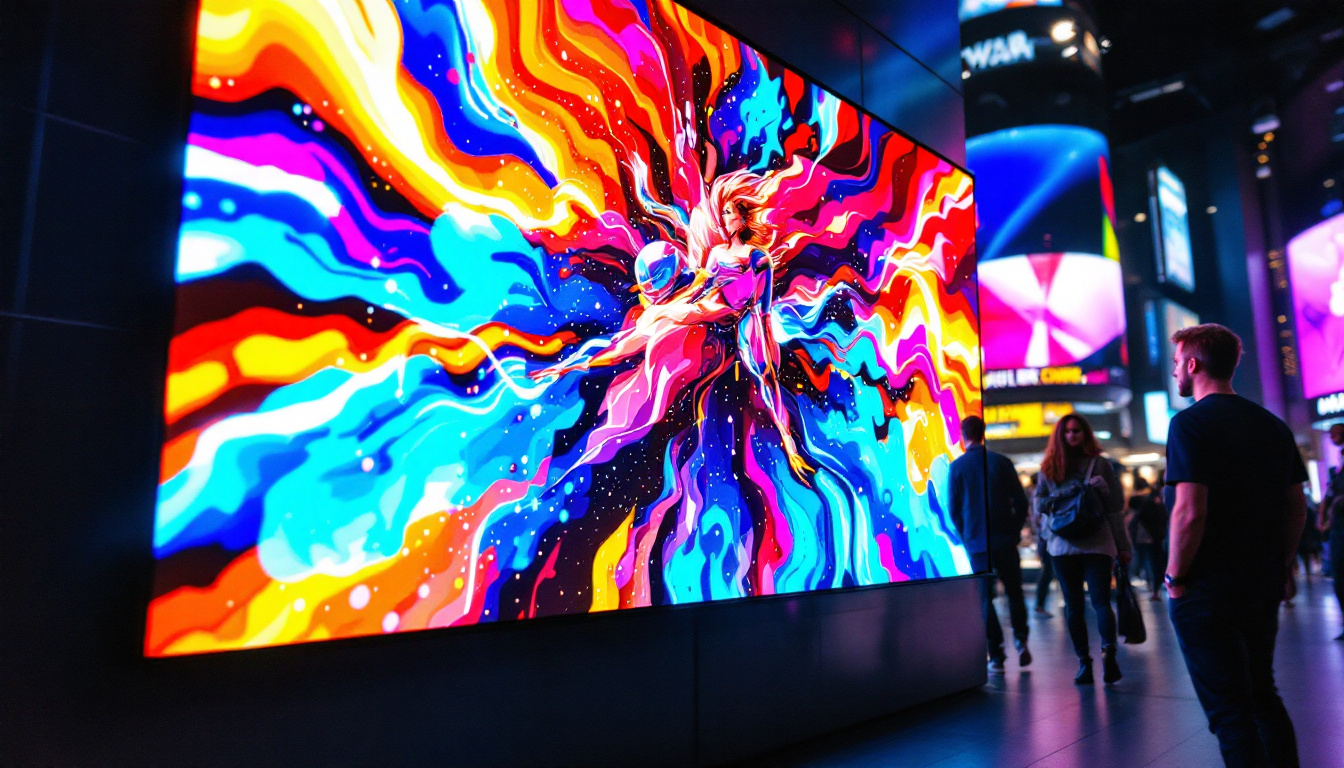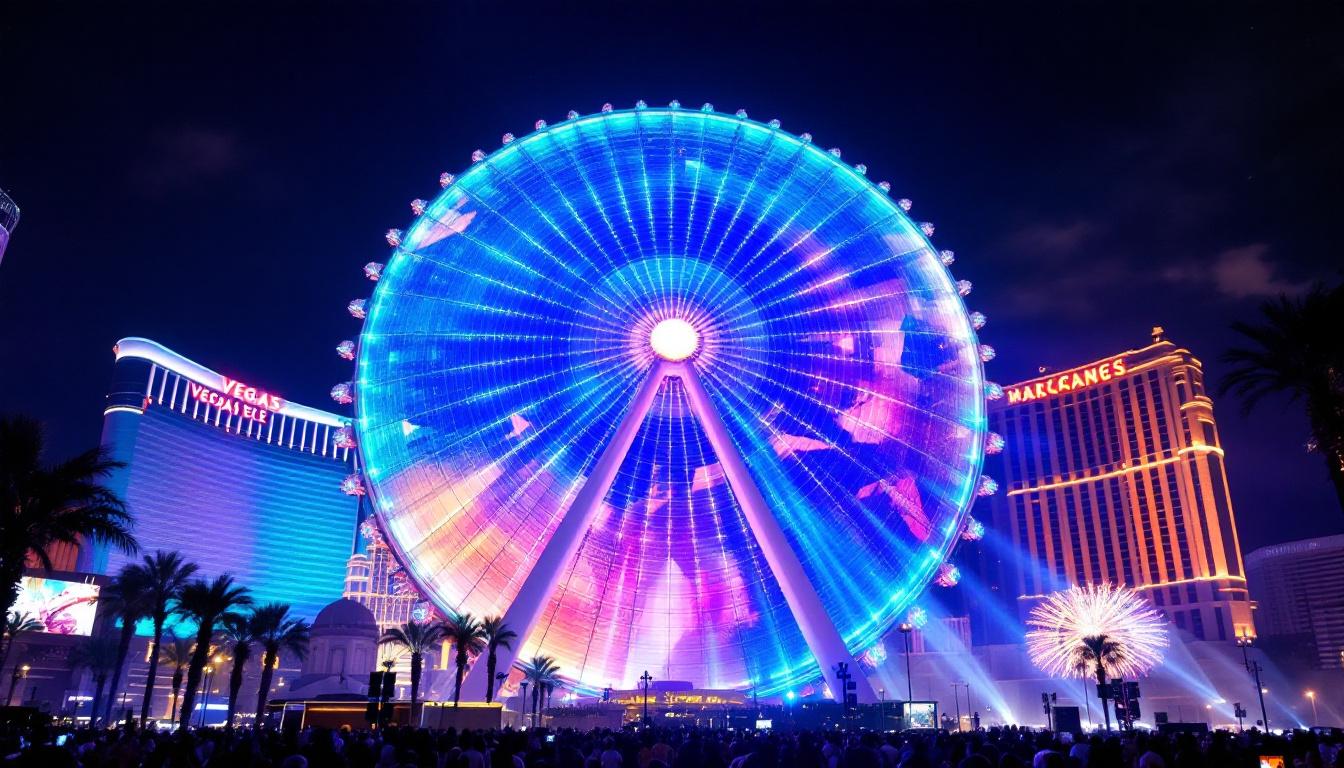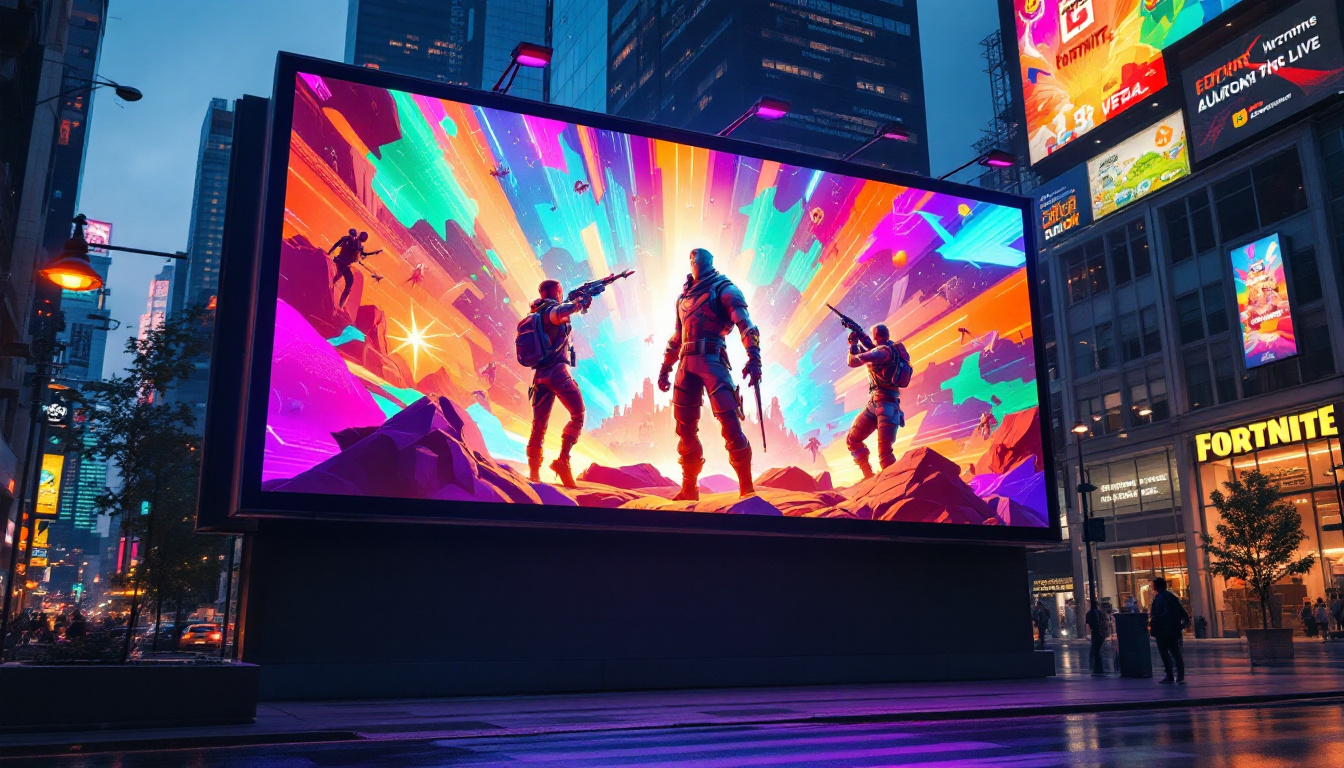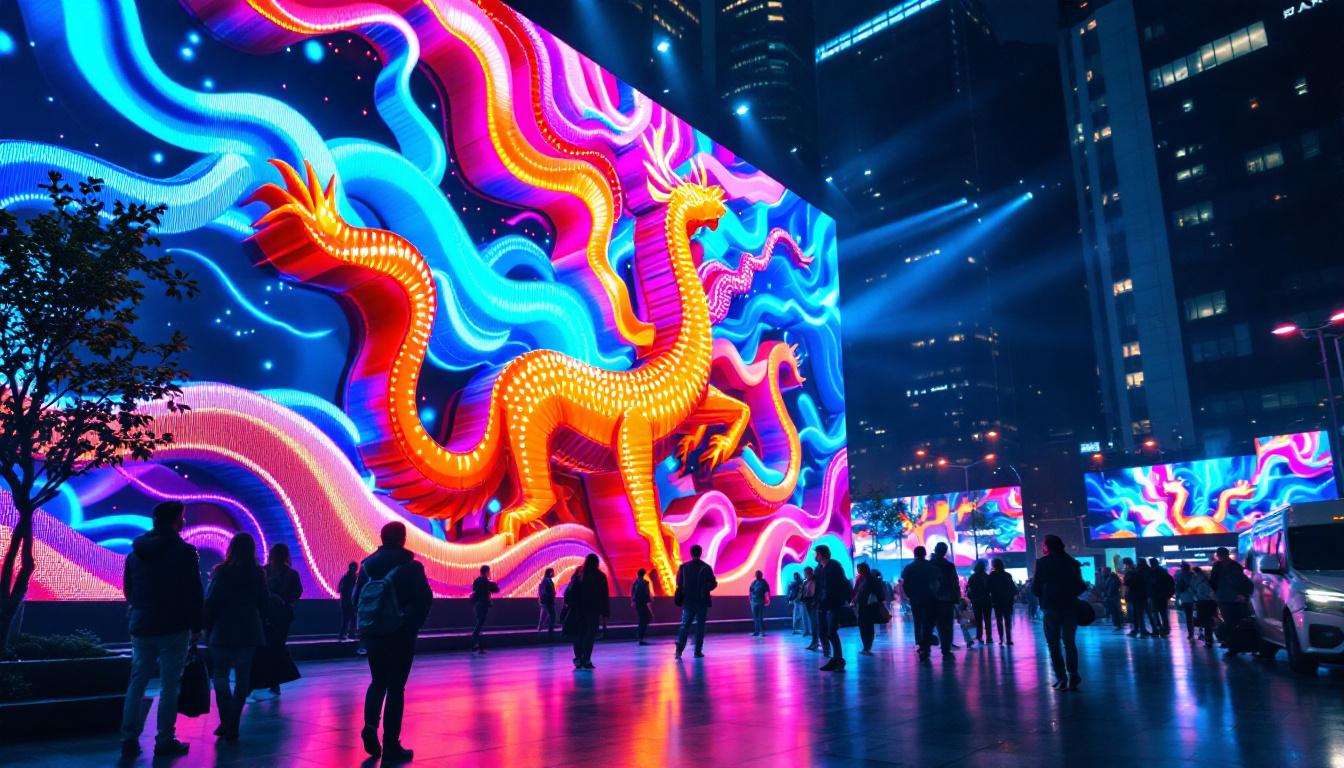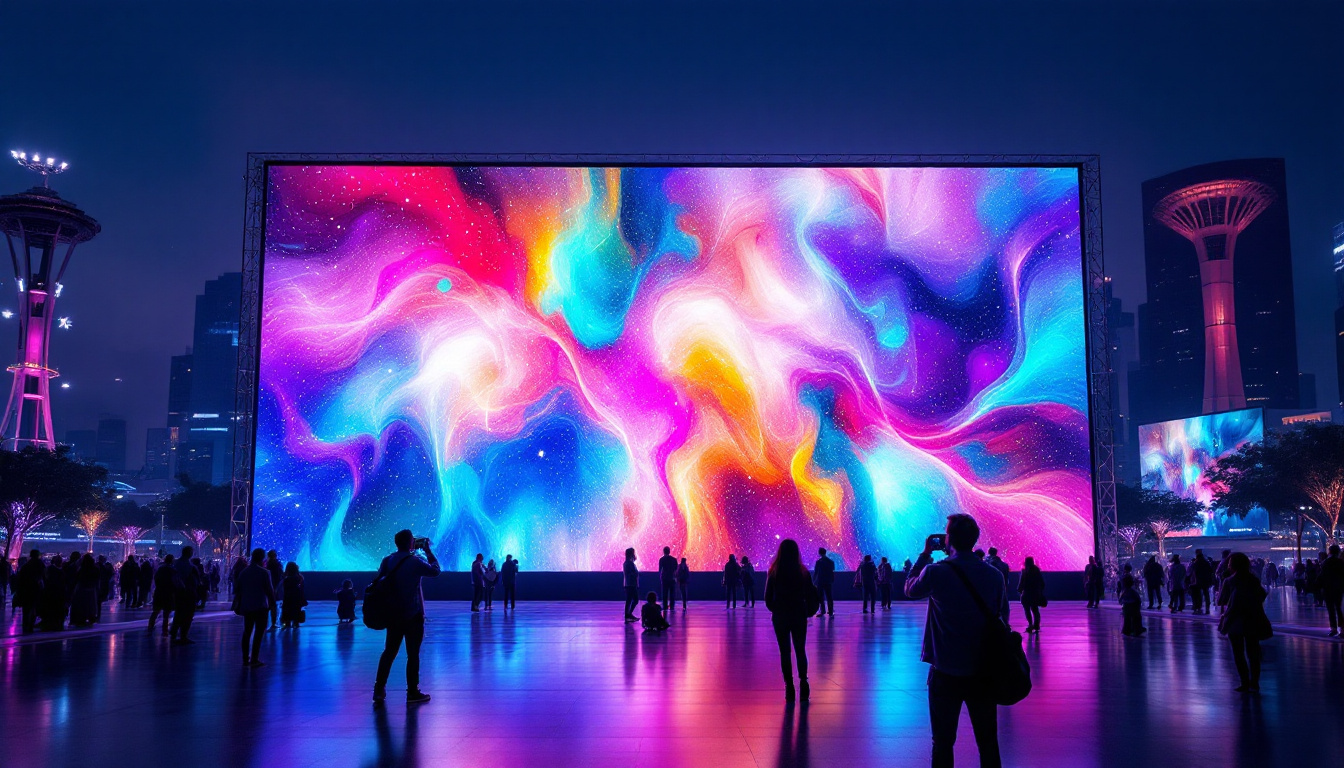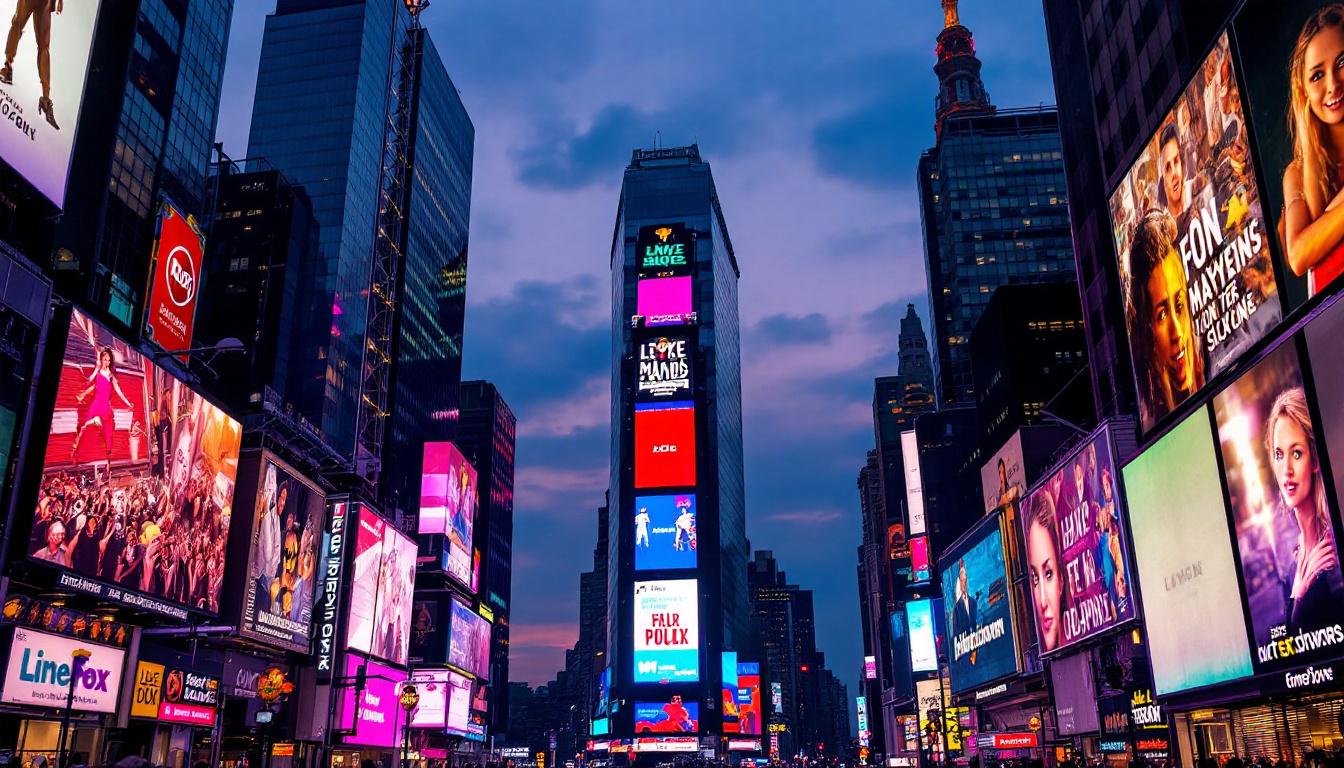
Times Square, often called “The Crossroads of the World,” is renowned for its dazzling digital billboards and massive LED displays that light up the heart of New York City. These screens are not just advertising tools; they are cultural icons that define the urban landscape and attract millions of visitors annually. But what does it take to create and maintain such an impressive visual spectacle? This article dives deep into the pricing and technology behind Times Square’s LED displays, explaining the factors that influence their cost and the innovations that make them stand out.
The Significance of LED Displays in Times Square
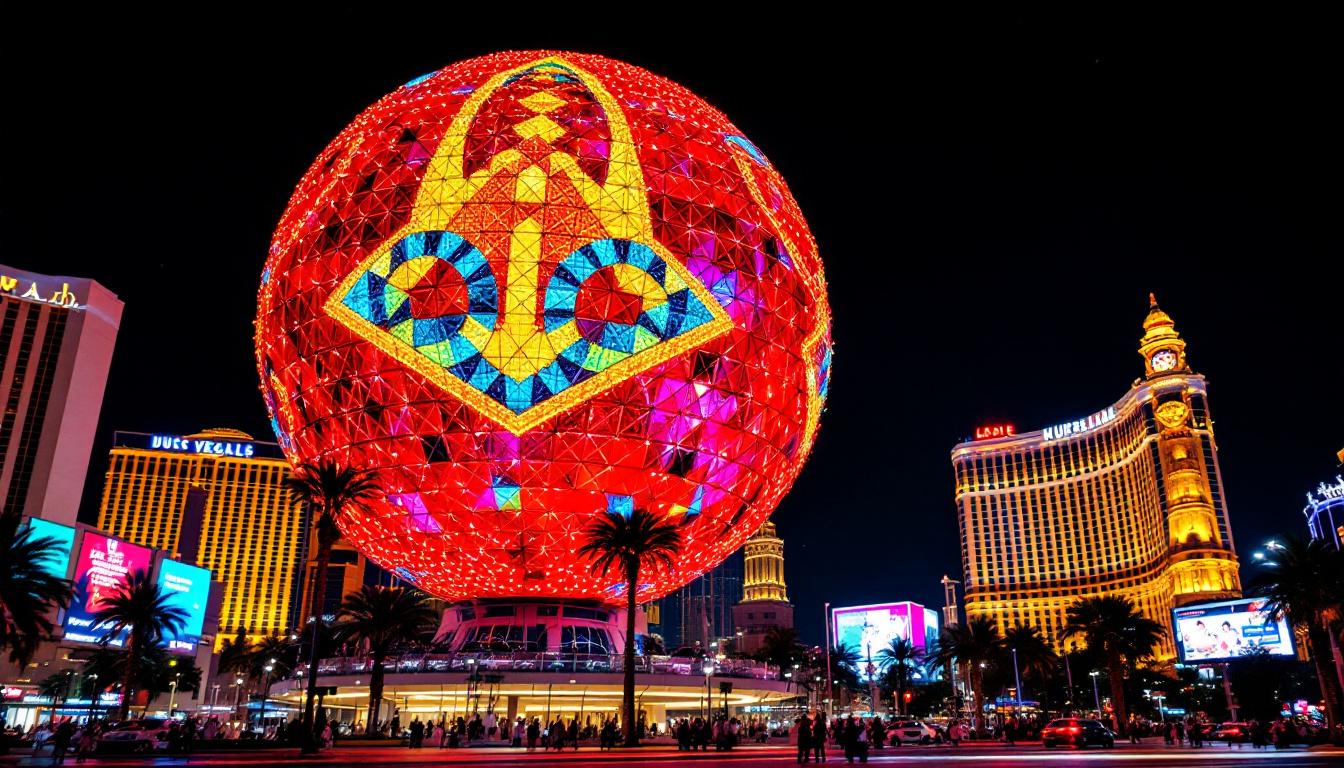
Times Square’s LED screens are more than mere advertisements; they are a symbol of modern urban communication and entertainment. The vibrant, high-resolution displays contribute significantly to the area’s unique atmosphere, making it a hub for both tourists and businesses. The sheer scale and brightness of these screens are designed to capture attention in a city that never sleeps. As visitors stroll through the bustling streets, they are enveloped in a kaleidoscope of colors and images that reflect the energy of New York City itself, creating an unforgettable sensory experience that draws millions each year.
LED technology has revolutionized outdoor advertising by offering dynamic, eye-catching visuals that can be updated in real-time. This flexibility allows brands to deliver timely messages, promotional campaigns, and interactive content that resonates with a diverse audience. The economic impact of these displays is substantial, with advertising space in Times Square commanding some of the highest prices in the world. In fact, the competition for visibility on these iconic screens has led to innovative advertising strategies, including live feeds, countdowns for major events, and even interactive displays that invite passersby to engage directly with the content, thereby enhancing the overall experience of the square.
Why LED Technology is Preferred
Light Emitting Diode (LED) technology offers several advantages over traditional display methods such as neon signs or printed billboards. LEDs provide superior brightness, energy efficiency, and durability, which are essential for outdoor environments exposed to varying weather conditions. They also enable high-definition visuals with vibrant colors and smooth motion, enhancing viewer engagement. The ability to display a wide range of content—from simple text to complex animations—means that advertisers can constantly refresh their messages, keeping the audience intrigued and informed.
Moreover, LEDs have a longer lifespan, typically lasting 50,000 to 100,000 hours, reducing maintenance costs and downtime. This reliability is crucial in a high-profile location like Times Square, where any display downtime can result in significant revenue loss and diminished brand presence. Additionally, the environmental benefits of LED technology cannot be overlooked; they consume less power than traditional lighting solutions, contributing to a reduction in the carbon footprint of the area. As cities around the world strive for sustainability, the adoption of LED displays in urban centers like Times Square sets a precedent for future developments in advertising technology, showcasing how innovation can harmonize with environmental responsibility.
Factors Influencing Times Square Screen Prices
The cost of installing and operating an LED screen in Times Square varies widely depending on multiple factors. Understanding these elements is key for advertisers, property owners, and investors considering a presence in this iconic location.
Screen Size and Resolution
One of the most significant cost drivers is the physical size of the LED display. Screens in Times Square range from modest billboard-sized panels to massive installations covering entire building facades. Larger screens require more LED modules, structural support, and power, all of which increase the overall price.
Resolution, measured by pixel pitch (the distance between individual LEDs), also impacts cost. Higher resolution screens with smaller pixel pitches deliver crisper images and are more expensive due to the increased density of LED components. For example, a screen with a 4mm pixel pitch will cost considerably more than one with a 10mm pitch, but it will provide superior image quality, especially at close viewing distances. The choice of resolution is crucial for brands aiming to make a lasting impression, as the visual clarity can significantly influence audience engagement and brand recall.
Location and Visibility
Times Square is a highly competitive advertising market, and location plays a pivotal role in pricing. Screens situated at prime intersections with maximum pedestrian and vehicular traffic command premium rates. Visibility from multiple vantage points, including elevated views and proximity to subway entrances, enhances the value of the display space.
Additionally, the complexity of installation can affect costs. Mounting a screen on a historic building or in a location with limited access may require specialized equipment and permits, adding to the expense. Furthermore, the surrounding architecture can influence the perceived value of the advertising space; a screen integrated into a modern structure may attract different clientele compared to one affixed to a classic building, thus affecting pricing strategies. Advertisers must also consider the impact of competing displays in the vicinity, as saturation can dilute the effectiveness of their messaging.
Content Management and Technology Integration
Modern LED displays are not just static screens; they are integrated digital platforms capable of displaying dynamic, interactive content. The cost of content management systems (CMS), software licenses, and hardware for real-time updates contributes to the overall investment.
Advanced features such as motion sensors, audience analytics, and augmented reality integration can further increase costs but offer advertisers valuable data and engagement opportunities. For instance, some Times Square screens use facial recognition technology (in compliance with privacy laws) to tailor content based on demographics, enhancing campaign effectiveness. The ability to adapt content in real-time based on audience reactions not only maximizes engagement but also allows brands to optimize their advertising strategies on the fly, ensuring that they remain relevant and impactful in a constantly changing environment.
Energy Consumption and Maintenance
Operating large LED displays requires substantial electrical power, which translates into ongoing costs. Energy-efficient LEDs help mitigate this expense, but the scale of Times Square installations means power bills remain significant. Additionally, routine maintenance, including cleaning, repairs, and software updates, is necessary to keep screens functioning optimally.
Maintenance contracts and warranties are often included in the pricing structure, ensuring quick response times and minimizing downtime. The harsh urban environment, with pollution and weather fluctuations, demands regular upkeep to preserve image quality and screen longevity. Moreover, as technology evolves, screens may require upgrades to stay competitive, which can add an additional layer of financial consideration. The integration of smart technology not only enhances operational efficiency but also helps in monitoring energy consumption, allowing operators to make informed decisions about usage and sustainability practices, which are increasingly important to consumers and brands alike.
Estimated Costs of Times Square LED Screens
While exact prices vary, industry data and case studies provide a general idea of the investment required for Times Square LED displays.
Installation Costs
Installing a medium-sized LED billboard (approximately 300 to 500 square feet) can range from $250,000 to $750,000. Larger installations spanning thousands of square feet may cost several million dollars, depending on complexity and location.
For example, the iconic Nasdaq MarketSite LED screen, which stands 120 feet tall and wraps around the building, reportedly cost upwards of $10 million to install. This figure includes structural modifications, LED modules, software systems, and labor.
Advertising Rates
Advertising on Times Square LED screens is among the most expensive in the world. Rates depend on screen prominence, time of day, and campaign duration. A 15-second spot on a prime screen during peak hours can cost between $5,000 and $50,000 per day.
Annual contracts for continuous advertising on a large, high-traffic screen can exceed $1 million. These prices reflect the unparalleled exposure and brand prestige associated with Times Square.
Operational Expenses
Energy consumption for a large LED screen can range from 10 to 50 kilowatts per hour, depending on brightness and size. Monthly electricity costs may run from $1,000 to $10,000 or more. Maintenance contracts typically add another 10-15% of the installation cost annually.
Technological Innovations Shaping Times Square Displays
Times Square continues to be a testing ground for cutting-edge display technologies, pushing the boundaries of what LED screens can achieve.
Ultra-High Definition and Curved Screens
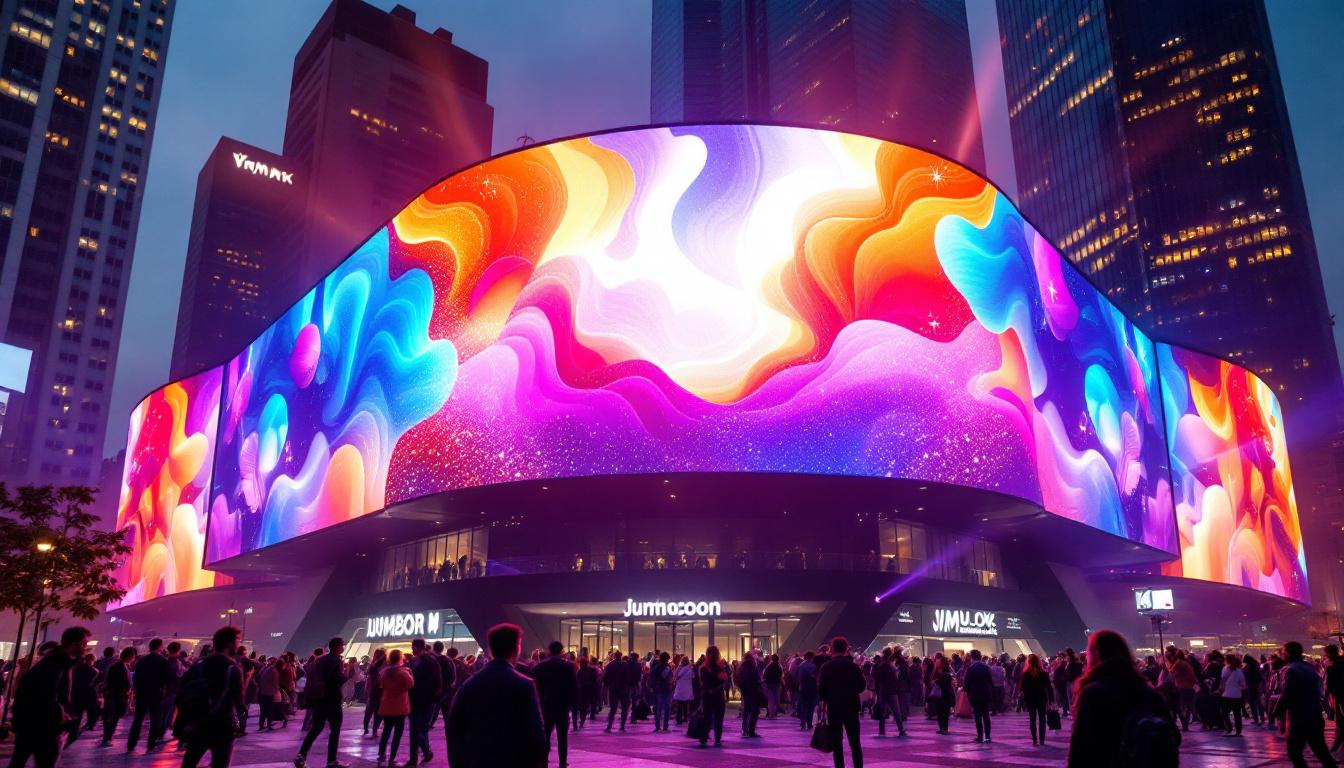
Recent installations feature ultra-high-definition (UHD) LED panels with pixel pitches as low as 2mm, delivering stunning clarity even at close range. Curved and wrap-around screens create immersive experiences that engage viewers from multiple angles.
These innovations enhance storytelling possibilities for advertisers, allowing for more creative and memorable campaigns.
Interactive and Responsive Displays
Interactive LED screens equipped with touch sensors, motion detection, and mobile connectivity enable real-time audience participation. Campaigns can adapt dynamically based on viewer behavior, time of day, or social media trends.
For example, some Times Square displays incorporate live social media feeds or respond to pedestrian movements, creating a personalized and engaging experience.
Sustainability and Energy Efficiency
Environmental concerns have driven the adoption of more energy-efficient LEDs and solar-powered auxiliary systems. Newer screens use adaptive brightness controls to reduce power consumption during low-light conditions, contributing to sustainability goals.
Green building certifications and eco-friendly practices are increasingly important for property owners and advertisers seeking to align with corporate social responsibility initiatives.
Conclusion: The Value Behind Times Square’s LED Screens
Times Square’s LED displays represent a significant investment in technology, infrastructure, and creativity. Their prices reflect not only the physical components and installation but also the immense value of reaching a global audience in one of the world’s most iconic locations.
For advertisers, the opportunity to showcase their brand on these vibrant screens offers unparalleled visibility and impact. For city planners and property owners, these displays contribute to the economic vitality and cultural identity of Times Square.
As LED technology continues to evolve, Times Square will remain at the forefront of digital display innovation, blending art, commerce, and technology in a spectacular urban canvas.
Illuminate Your Brand with LumenMatrix
Ready to make your mark in the vibrant tableau of Times Square or any bustling urban space? LumenMatrix is at the forefront of LED display innovation, offering a wide array of solutions from Indoor and Outdoor LED Wall Displays to specialized options like Vehicle, Sports, and Floor LED Displays. Our mission is to transform your visual communication with displays that not only captivate audiences but also amplify your message with unparalleled clarity and impact. Check out LumenMatrix LED Display Solutions today and see how we can illuminate your brand in the digital age.