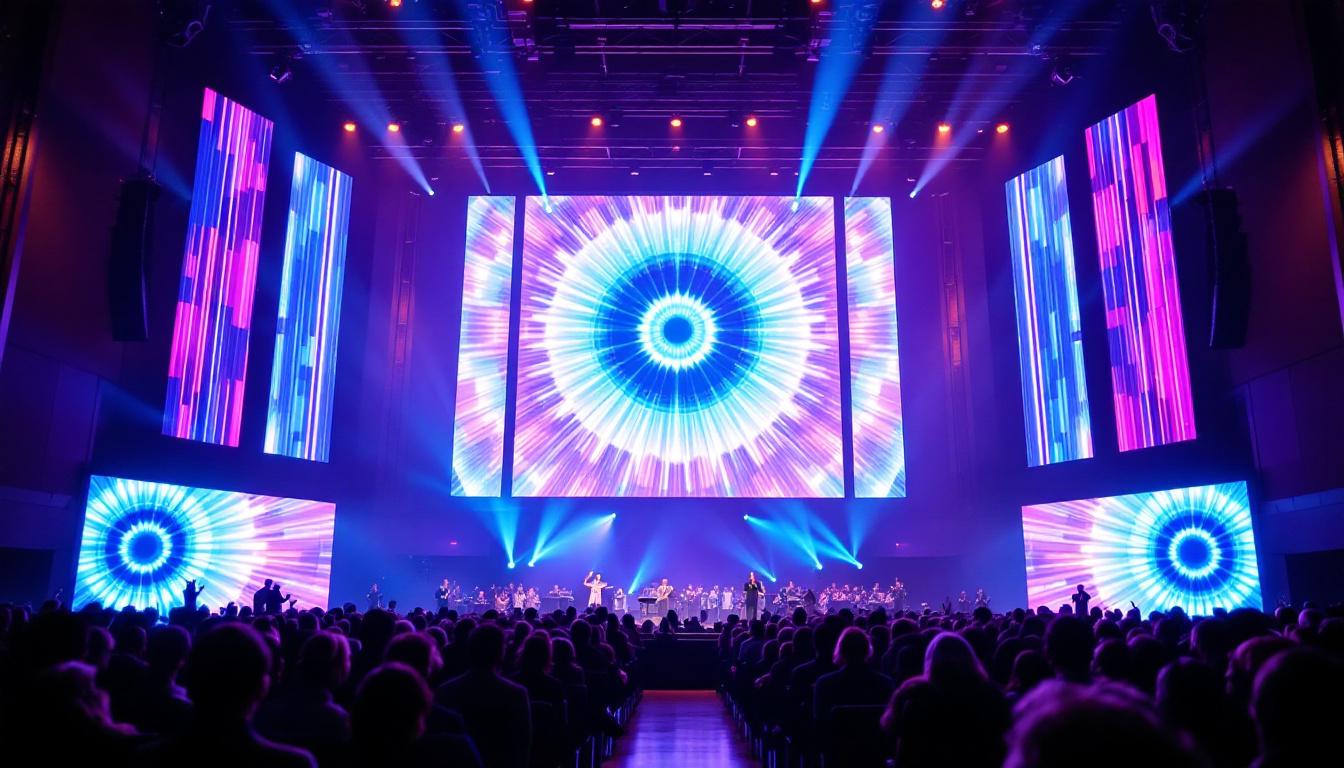
In an era where digital communication and immersive visual experiences dominate, ceiling screen panels equipped with LED displays are becoming a transformative technology in both commercial and public spaces. These innovative installations offer a unique way to capture attention, convey information, and enhance ambiance by utilizing overhead surfaces that were once overlooked. This article explores the technology behind ceiling screen panels, their applications, benefits, and key considerations for implementation.
Understanding Ceiling Screen Panels and LED Displays
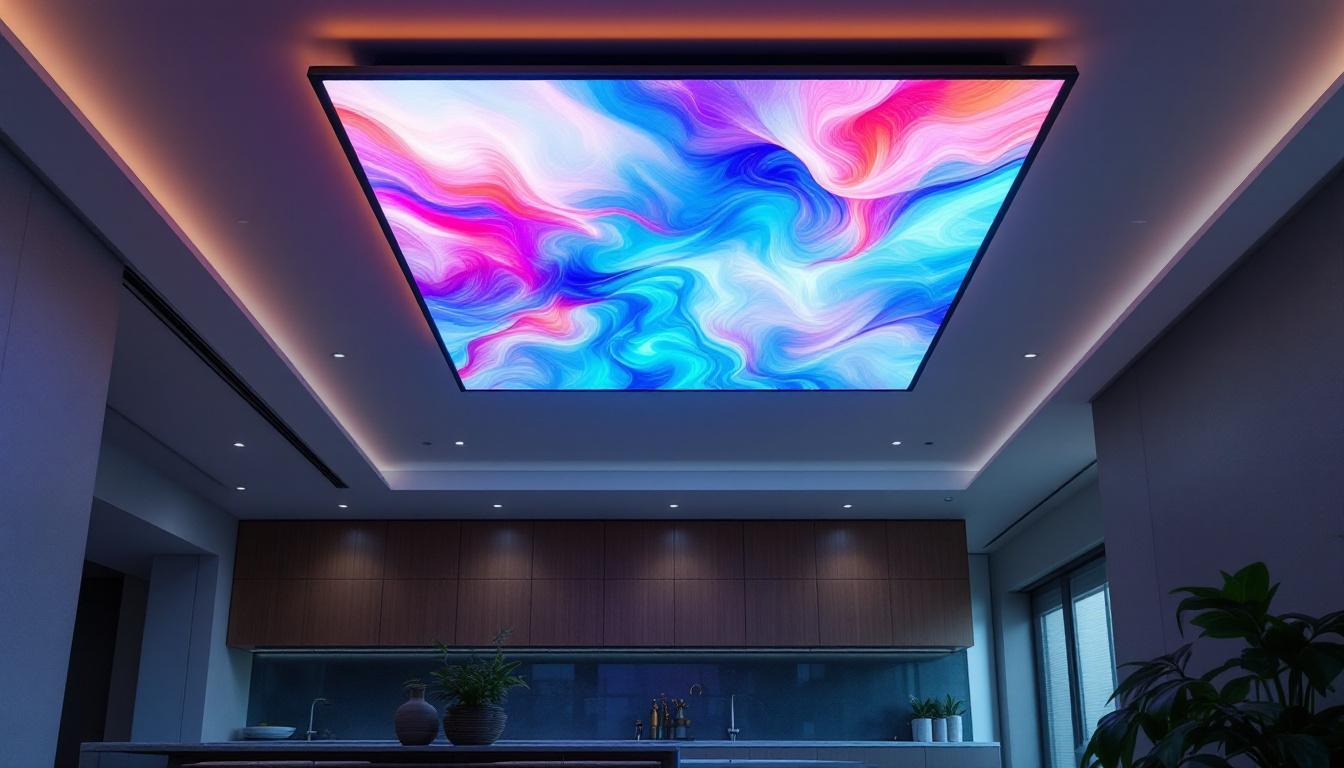
Ceiling screen panels refer to display units installed on or integrated into ceilings, utilizing LED (Light Emitting Diode) technology to project vivid images, videos, or dynamic content. Unlike traditional wall-mounted or freestanding displays, ceiling panels leverage the overhead space, creating an immersive viewing experience that can transform environments. These panels are particularly popular in venues such as airports, shopping malls, and corporate offices, where they can capture attention and convey information effectively without obstructing foot traffic or sightlines.
What Is LED Display Technology?
LED displays consist of numerous tiny light-emitting diodes that collectively form images by varying their brightness and color. These diodes are arranged in pixels, and the density of these pixels—measured in pixels per inch (PPI) or pixel pitch—determines the display’s resolution and clarity. LED technology is renowned for its brightness, energy efficiency, long lifespan, and ability to produce vibrant colors, making it ideal for various lighting conditions and viewing distances. This technology has evolved significantly, with advancements allowing for higher resolutions and improved color accuracy, catering to the demands of both commercial and artistic applications.
Modern LED displays can be categorized into two main types: direct view LED and LED-backlit LCD. Ceiling screen panels predominantly use direct view LED technology, where the diodes themselves emit light directly, enabling high contrast ratios and superior visibility even in brightly lit spaces. This capability is particularly beneficial in environments that require constant updates, such as live event venues or retail spaces, where dynamic content can be displayed to engage audiences in real-time.
How Ceiling Screen Panels Differ from Traditional Displays
Traditional digital displays are typically placed at eye level or on walls, limiting the viewing angle and sometimes causing crowding in public spaces. Ceiling screen panels, on the other hand, utilize the often underutilized ceiling space, allowing content to be displayed across large overhead surfaces. This placement creates a more immersive and engaging experience, as viewers can look up to see dynamic visuals that can cover entire ceilings or sections thereof. Furthermore, the strategic positioning of these panels can enhance wayfinding in complex environments, guiding visitors with visual cues that are both functional and aesthetically pleasing.
Additionally, ceiling installations can be designed with curved or segmented panels, enabling creative architectural integration that complements the interior design of a venue. This flexibility is a significant advantage over flat, wall-mounted screens. For instance, in a modern art gallery, ceiling panels can be arranged to mimic the flow of the artwork below, creating a cohesive visual narrative that enhances the overall visitor experience. The ability to customize the shape and arrangement of ceiling screen panels also opens up new possibilities for branding and advertising, as businesses can create unique displays that capture attention and resonate with their target audience in innovative ways.
Applications of Ceiling Screen Panels with LED Displays
The versatility of ceiling screen panels has led to their adoption across a wide range of sectors. Their ability to captivate audiences from above makes them particularly valuable in environments where engagement and information dissemination are critical.
Retail and Shopping Centers
Retailers are increasingly using ceiling LED panels to enhance the shopping experience. These displays can showcase promotional content, seasonal campaigns, or interactive advertisements that draw shoppers’ attention from a distance. For example, a luxury mall might install a ceiling LED panel in its central atrium to display high-definition fashion shows or brand storytelling videos, creating an upscale ambiance that encourages longer visits and higher spending.
According to a 2023 report by the Digital Signage Federation, digital signage in retail environments can increase customer dwell time by up to 30%, directly impacting sales. Ceiling panels contribute to this effect by providing a novel and immersive visual element.
Transportation Hubs and Airports
Airports, train stations, and bus terminals benefit from ceiling LED displays by improving passenger communication and wayfinding. Large overhead panels can broadcast real-time flight information, safety messages, or advertisements, visible from multiple angles and distances. This reduces congestion around traditional information boards and enhances passenger flow.
For instance, Singapore Changi Airport, known for its innovative use of technology, employs ceiling LED panels in its terminals to display calming visuals and travel information, contributing to a more pleasant passenger experience.
Corporate and Conference Spaces
In corporate environments, ceiling LED panels are used to create dynamic meeting rooms, lobbies, and event spaces. These displays can project company branding, live data feeds, or immersive presentations that engage employees and visitors alike. The ability to display content overhead allows for creative meeting setups, such as virtual skylights or thematic environments that enhance focus and creativity.
Entertainment and Hospitality
The entertainment industry, including theaters, casinos, and hotels, leverages ceiling LED panels to create captivating atmospheres. Casinos, for example, use these panels to display thematic visuals and animations that contribute to the overall sensory experience. Hotels may install ceiling displays in lobbies or ballrooms to provide dynamic art installations or event-specific content, elevating guest satisfaction.
Benefits of Using Ceiling Screen Panels with LED Displays
The adoption of ceiling LED screen panels is driven by several compelling advantages that make them a valuable addition to modern spaces.
Enhanced Engagement and Immersion
Ceiling panels create a unique visual perspective that naturally draws the eye upward, breaking the monotony of traditional screen placements. This elevated viewpoint can increase viewer engagement by up to 40%, according to a 2022 study by Visual Impact Research Group. The immersive nature of ceiling displays transforms passive viewers into active participants, whether in retail, entertainment, or corporate settings.
Space Optimization
Utilizing ceiling space for digital displays frees up valuable floor and wall areas, allowing for more flexible interior design and traffic flow. This is particularly important in crowded or space-constrained environments such as airports and shopping malls, where maximizing usable space is critical.
High Visibility and Brightness
LED technology offers superior brightness compared to other display types, ensuring that content remains clear and vibrant even under strong ambient lighting. This makes ceiling LED panels suitable for both indoor and semi-outdoor environments, maintaining visibility throughout the day.
Energy Efficiency and Longevity
LED displays consume significantly less power than traditional lighting and projection systems. Their long lifespan—often exceeding 100,000 hours—reduces maintenance costs and downtime. This combination of energy efficiency and durability makes ceiling LED panels a cost-effective solution over time.
Key Considerations for Implementing Ceiling LED Screen Panels
While ceiling LED panels offer numerous benefits, successful implementation requires careful planning and consideration of technical, architectural, and operational factors.
Structural and Architectural Integration
Installing LED panels on ceilings demands a robust structural framework capable of supporting the weight and ensuring safety. Architects and engineers must collaborate to assess load-bearing capacities and integrate the panels seamlessly into the design. Additionally, considerations such as ceiling height, shape, and existing infrastructure influence the size and configuration of the display.
Viewing Distance and Resolution
The pixel pitch of the LED panel should be selected based on the typical viewing distance. For ceiling installations, viewers often observe the display from several meters away, allowing for a larger pixel pitch without sacrificing image quality. For example, a pixel pitch of 4mm to 6mm is common for ceiling panels in large public spaces, balancing resolution and cost.
Content Management and Software
Dynamic content requires sophisticated software platforms that can handle scheduling, real-time updates, and multi-screen synchronization. Many providers offer cloud-based content management systems (CMS) that enable remote control and monitoring, ensuring the display remains relevant and engaging.
Maintenance and Accessibility
Ceiling installations pose unique challenges for maintenance and repairs. Designing panels with modular components allows for easier replacement of individual sections without dismantling the entire system. Additionally, planning for safe access routes and maintenance schedules minimizes operational disruptions.
Cost Considerations
While the initial investment for ceiling LED panels can be substantial, factors such as energy savings, reduced maintenance, and increased revenue through enhanced engagement often justify the expenditure. It is essential to conduct a thorough cost-benefit analysis tailored to the specific use case and environment.
Future Trends in Ceiling Screen Panel Technology
As LED technology continues to evolve, ceiling screen panels are poised to become even more versatile and impactful.
Flexible and Transparent LED Panels
Emerging flexible LED panels enable curved and irregular ceiling shapes to be covered seamlessly, expanding creative possibilities. Transparent LED displays allow for natural light transmission while projecting digital content, ideal for skylights or glass ceilings.
Integration with Smart Building Systems
Ceiling LED panels are increasingly integrated with smart building technologies, allowing for adaptive brightness, content personalization based on occupancy, and interactive features controlled via mobile devices or sensors.
Higher Resolution and Miniaturization
Advancements in micro-LED technology promise higher resolutions with smaller pixel pitches, enabling ultra-high-definition ceiling displays that rival traditional screens in clarity and detail.
Conclusion
Ceiling screen panels featuring LED displays represent a cutting-edge approach to digital signage and environmental design. By transforming overhead spaces into dynamic visual canvases, they offer unparalleled opportunities for engagement, branding, and communication across diverse industries. Understanding the technology, applications, and implementation considerations is essential for organizations seeking to leverage this innovative medium effectively. As LED technology advances and integration with smart systems deepens, ceiling LED panels will undoubtedly play an increasingly prominent role in shaping the future of immersive digital experiences.
Discover LumenMatrix’s Innovative LED Display Solutions
Ready to elevate your space with the latest in LED display technology? Look no further than LumenMatrix, a pioneer in crafting immersive visual experiences that captivate and engage. From versatile Indoor and Outdoor LED Wall Displays to dynamic Vehicle and Sports LED Displays, LumenMatrix offers a comprehensive range of solutions tailored to your unique needs. Experience the transformative power of LED displays and bring your brand’s message to life with clarity and impact. Check out LumenMatrix LED Display Solutions today and step into the future of digital signage.