In the realm of home entertainment, the 42-inch LED TV has become a popular choice for many consumers seeking a balance between screen size, picture quality, and affordability. But what exactly makes an LED TV stand out, and how does the LED display technology work to deliver the vivid images we enjoy? This article delves into the fundamentals of LED displays, explores the specific features of 42-inch LED TVs, and provides insights to help you make an informed purchase decision.
Understanding LED Display Technology
What is an LED TV?
LED TV stands for Light Emitting Diode Television. Contrary to what the name might suggest, an LED TV is essentially an LCD (Liquid Crystal Display) television that uses LEDs as a backlight instead of the traditional cold cathode fluorescent lamps (CCFLs). This subtle but significant change in backlighting technology has revolutionized the way TVs display images, enhancing brightness, contrast, and energy efficiency.
The LED backlighting illuminates the LCD panel, which controls the color and intensity of each pixel to create the picture on the screen. This combination allows for thinner screens, better color accuracy, and improved overall picture quality compared to older LCD TVs.
Types of LED Backlighting
There are primarily two types of LED backlighting systems used in LED TVs: Edge-lit and Direct-lit (or Full-array). Each has its own advantages and trade-offs, affecting picture quality and price.
- Edge-lit LED: LEDs are placed along the edges of the screen, and light is spread across the panel using light guides. This design enables ultra-thin TV profiles and is generally more affordable. However, it can sometimes lead to uneven brightness and less precise contrast control.
- Direct-lit (Full-array) LED: LEDs are distributed evenly behind the entire screen. This allows for better local dimming, where specific zones of LEDs can be dimmed or brightened independently. The result is improved contrast ratios, deeper blacks, and enhanced HDR performance, though these TVs tend to be thicker and more expensive.
Quantum Dots and Mini-LEDs: The Next Generation
Recent advancements have introduced technologies like Quantum Dot and Mini-LED to the LED TV market. Quantum Dot technology uses nanocrystals to enhance color accuracy and brightness, producing a wider color gamut that is especially beneficial for HDR content.
Mini-LEDs, on the other hand, utilize thousands of tiny LEDs for backlighting, allowing for even more precise local dimming and superior contrast. These innovations are gradually making their way into 42-inch LED TVs, offering consumers premium viewing experiences at increasingly accessible price points.
Why Choose a 42-Inch LED TV?
Ideal Screen Size for Various Spaces
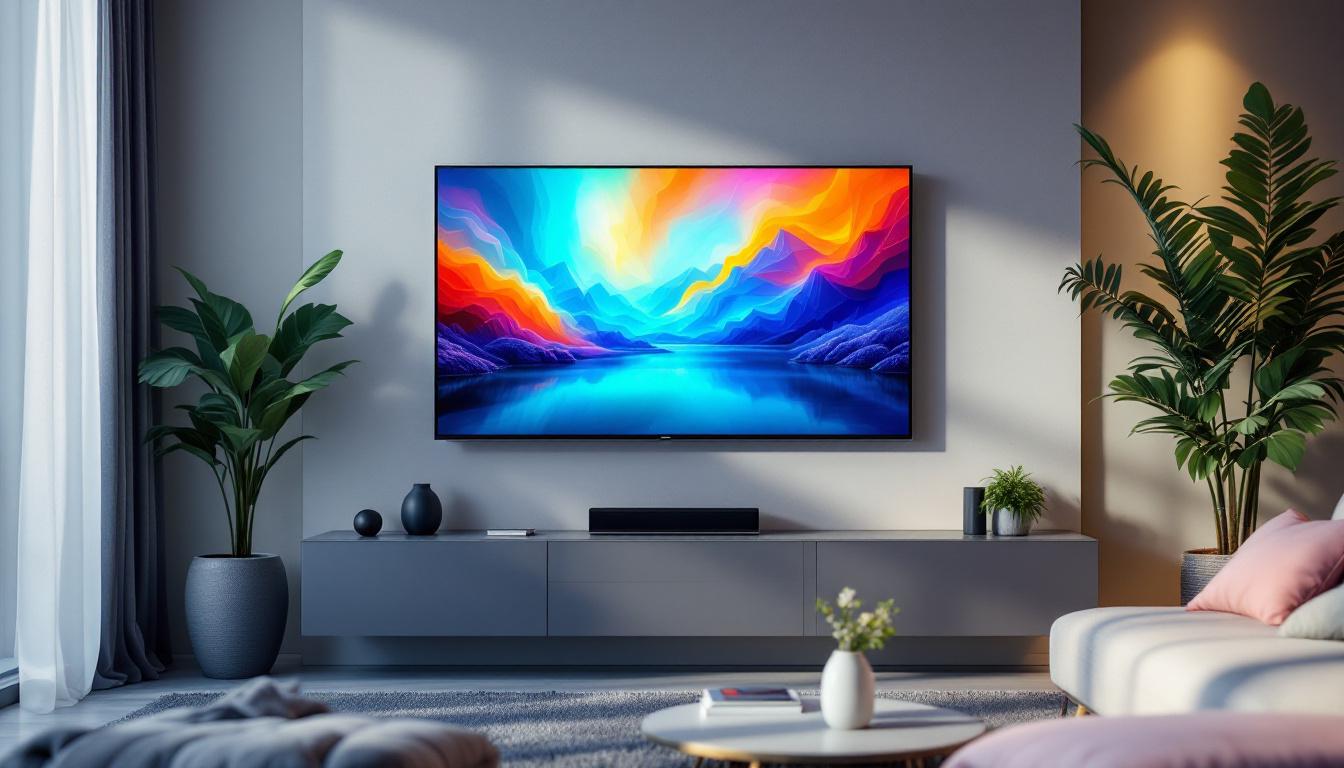
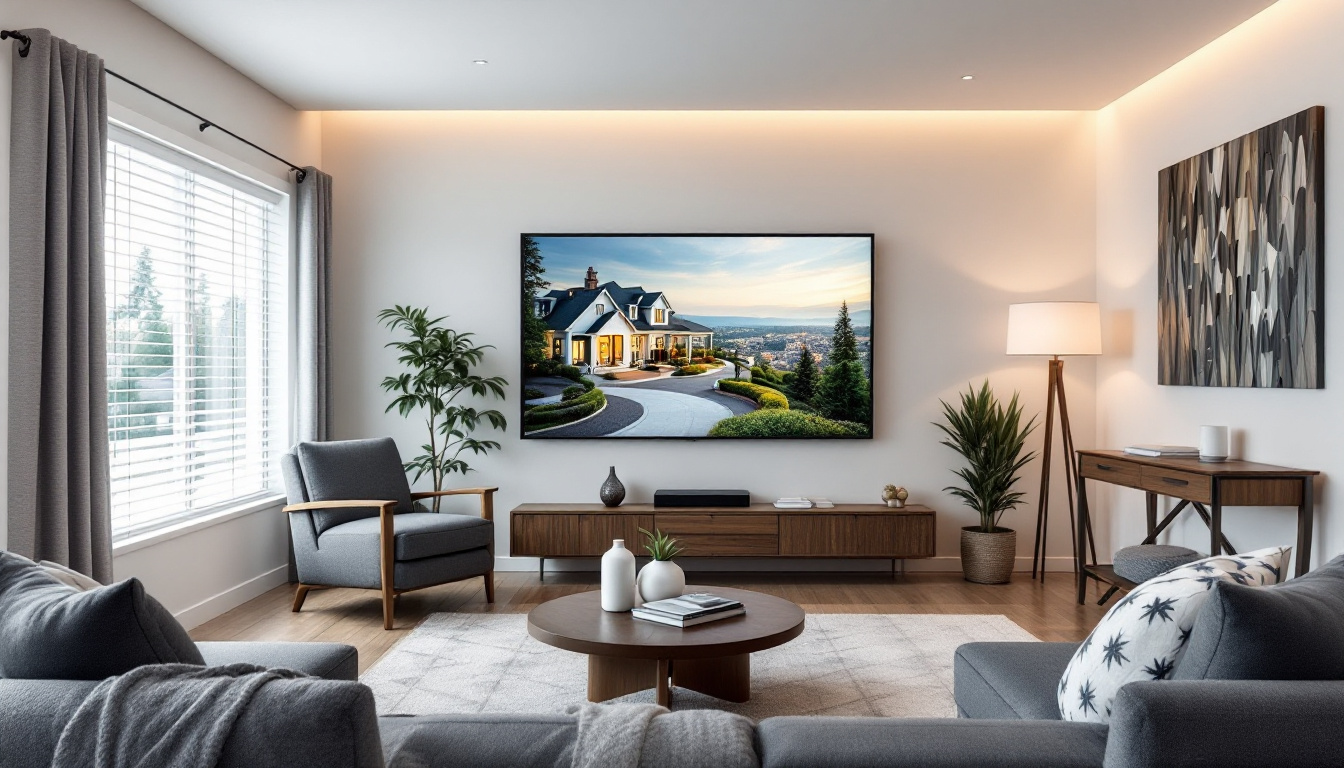
The 42-inch screen size strikes a versatile middle ground, making it suitable for a variety of room sizes and viewing distances. For living rooms, bedrooms, and even some home office setups, a 42-inch TV provides an immersive viewing experience without overwhelming the space.
According to viewing distance guidelines recommended by the Society of Motion Picture and Television Engineers (SMPTE), a 42-inch TV is optimal for viewing distances of about 5 to 7 feet. This makes it a popular choice for medium-sized rooms where viewers want a cinematic experience without the need for a massive screen.
Affordability and Value
Compared to larger models, 42-inch LED TVs often come with a more budget-friendly price tag while still delivering excellent picture quality and smart features. This makes them an attractive option for consumers who want to upgrade their entertainment setup without breaking the bank.
In 2024, the average price for a quality 42-inch LED TV ranges from $300 to $600, depending on brand, resolution, and additional features. This price point offers an excellent value proposition for those seeking Full HD or 4K resolution TVs with smart capabilities.
Energy Efficiency and Environmental Impact
LED TVs are generally more energy-efficient than their plasma or older LCD counterparts. The use of LED backlighting reduces power consumption, which not only lowers electricity bills but also contributes to a smaller environmental footprint.
For environmentally conscious consumers, choosing a 42-inch LED TV with Energy Star certification can ensure that the device meets strict energy efficiency standards. This is especially relevant as households increasingly seek to reduce energy use and embrace sustainable technologies.
Key Features to Look for in a 42-Inch LED TV
Resolution: Full HD vs. 4K UHD
Resolution is a critical factor that determines the clarity and detail of the image displayed on the screen. Full HD (1920 x 1080 pixels) was once the standard for 42-inch TVs, but 4K Ultra HD (3840 x 2160 pixels) has become increasingly common, offering four times the pixel count and significantly sharper images.
For users who primarily watch streaming content, play video games, or view high-definition movies, investing in a 4K 42-inch LED TV is advisable. Many streaming platforms such as Netflix, Amazon Prime Video, and Disney+ now offer a growing library of 4K content, making the upgrade worthwhile.
Refresh Rate and Motion Handling
The refresh rate, measured in Hertz (Hz), indicates how many times per second the TV updates the image on the screen. A higher refresh rate results in smoother motion, which is particularly important for fast-paced content like sports, action movies, and gaming.
Most 42-inch LED TVs offer refresh rates of 60Hz or 120Hz. While 60Hz is adequate for general viewing, a 120Hz panel provides enhanced motion clarity and reduces blur, improving the overall viewing experience.
Smart TV Capabilities
Modern 42-inch LED TVs often come equipped with smart features, allowing users to access streaming apps, browse the internet, and connect to other devices without needing external hardware. Popular operating systems include Roku TV, Android TV, and proprietary platforms from manufacturers like Samsung and LG.
When selecting a 42-inch LED TV, consider the user interface, app availability, and compatibility with voice assistants such as Alexa, Google Assistant, or Siri. These features enhance convenience and integrate the TV seamlessly into a smart home ecosystem.
Connectivity Options
Connectivity is another essential consideration. Look for multiple HDMI ports to connect gaming consoles, Blu-ray players, and soundbars. USB ports enable media playback from external drives, while Ethernet and Wi-Fi support ensure stable internet connections for streaming.
Additionally, some 42-inch LED TVs include Bluetooth functionality, allowing wireless connection to headphones, speakers, and other peripherals, enhancing the flexibility of your entertainment setup.
Comparing 42-Inch LED TVs: Brands and Models
Popular Brands in 2024
Several well-established brands dominate the 42-inch LED TV market, each offering unique strengths:
- Samsung: Known for vibrant QLED displays and robust smart TV platforms, Samsung’s 42-inch models often feature Quantum Dot technology and excellent build quality.
- LG: LG offers IPS panel technology for wider viewing angles and supports advanced features like Dolby Vision HDR and webOS smart platform.
- Sony: Sony’s 42-inch LED TVs emphasize color accuracy and motion handling, often incorporating the X-Reality PRO processor for enhanced picture quality.
- TCL: TCL provides competitive pricing with solid performance, utilizing Roku TV for a user-friendly smart experience and Mini-LED technology in higher-end models.
Model Recommendations
For consumers seeking the best in 42-inch LED TVs, here are a few standout models as of 2024:
- Samsung QN43Q60AAFXZA: A 43-inch QLED TV with Quantum Dot technology, 4K resolution, and a 60Hz refresh rate, delivering bright and colorful images with smart features.
- LG 43UP8000PUA: A 43-inch 4K UHD LED TV with IPS panel, HDR10 support, and the intuitive webOS platform, ideal for streaming and casual gaming.
- Sony KD-43X80J: A 43-inch 4K LED TV featuring the X1 processor, Triluminos display for enhanced colors, and Android TV for extensive app support.
- TCL 43R635: A 43-inch 4K Mini-LED TV with QLED color technology, 120Hz refresh rate, and Roku TV, offering excellent value for money.
Though these models are slightly above 42 inches, the 43-inch size is a common standard that closely aligns with 42-inch TVs and offers similar performance and features.
Tips for Setting Up and Maintaining Your 42-Inch LED TV
Optimal Placement and Viewing Environment
To maximize your viewing experience, position your 42-inch LED TV at eye level when seated and maintain an appropriate viewing distance of about 5 to 7 feet. Avoid placing the TV in direct sunlight or near reflective surfaces to reduce glare and preserve picture quality.
Calibration for Best Picture Quality
Many LED TVs come with preset picture modes such as Standard, Cinema, or Vivid. For the most accurate colors and contrast, consider calibrating your TV manually or using calibration tools. Adjust settings like brightness, contrast, color temperature, and sharpness to suit your environment and preferences.
Regular Maintenance and Care
Keep your LED TV clean by gently wiping the screen with a microfiber cloth to avoid scratches. Avoid using harsh chemicals or abrasive materials. Additionally, ensure proper ventilation around the TV to prevent overheating and prolong its lifespan.
The Future of 42-Inch LED TVs
As display technology continues to evolve, 42-inch LED TVs are expected to incorporate more advanced features such as improved HDR standards, higher refresh rates, and enhanced AI-driven picture processing. The integration of smart home compatibility and voice control will become increasingly seamless, creating a more interactive and personalized viewing experience.
Moreover, emerging technologies like MicroLED may eventually replace traditional LED backlighting, offering even greater brightness, contrast, and energy efficiency in compact form factors. For consumers today, investing in a 42-inch LED TV means embracing a technology that balances performance, size, and affordability while remaining adaptable to future innovations.
Conclusion
The 42-inch LED TV remains a compelling choice for those seeking an optimal blend of screen size, picture quality, and smart features. Understanding the underlying LED display technology, the differences in backlighting methods, and the key specifications to consider can empower buyers to select a TV that meets their viewing needs and budget.
With a wide variety of models available from reputable brands, consumers can find a 42-inch LED TV that delivers vibrant colors, sharp images, and seamless connectivity. Whether for a cozy living room, bedroom, or dedicated entertainment space, the 42-inch LED TV continues to offer a versatile and immersive viewing experience in 2024 and beyond.
Discover the Future of LED Displays with LumenMatrix
Ready to elevate your viewing experience with the latest in LED display technology? LumenMatrix is at the forefront of innovation, offering a wide range of LED display solutions that bring your visual communication to life. From the comfort of your home to the excitement of outdoor events, our Indoor and Outdoor LED Wall Displays, Vehicle LED Displays, and more are designed to captivate and engage. Embrace the future of digital signage with LumenMatrix and transform the way you share your message. Check out LumenMatrix LED Display Solutions today and see the difference for yourself.