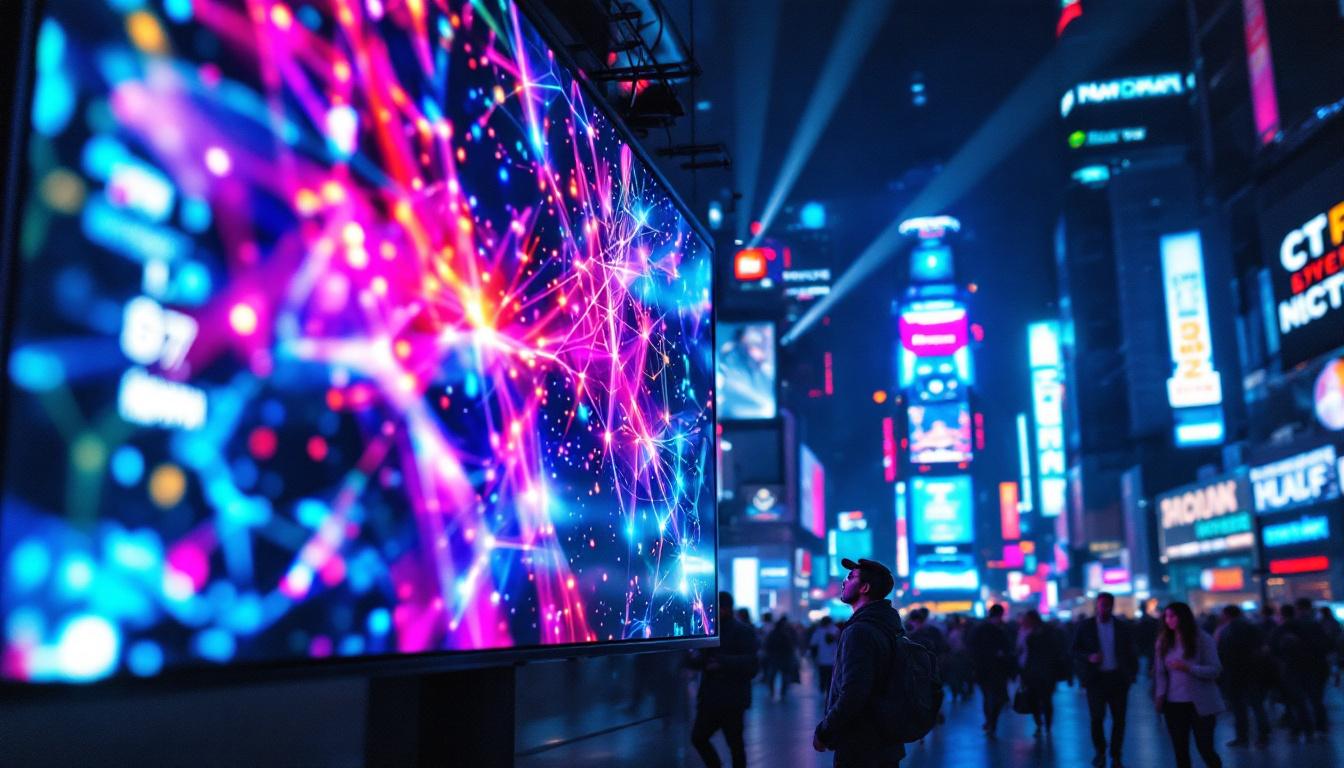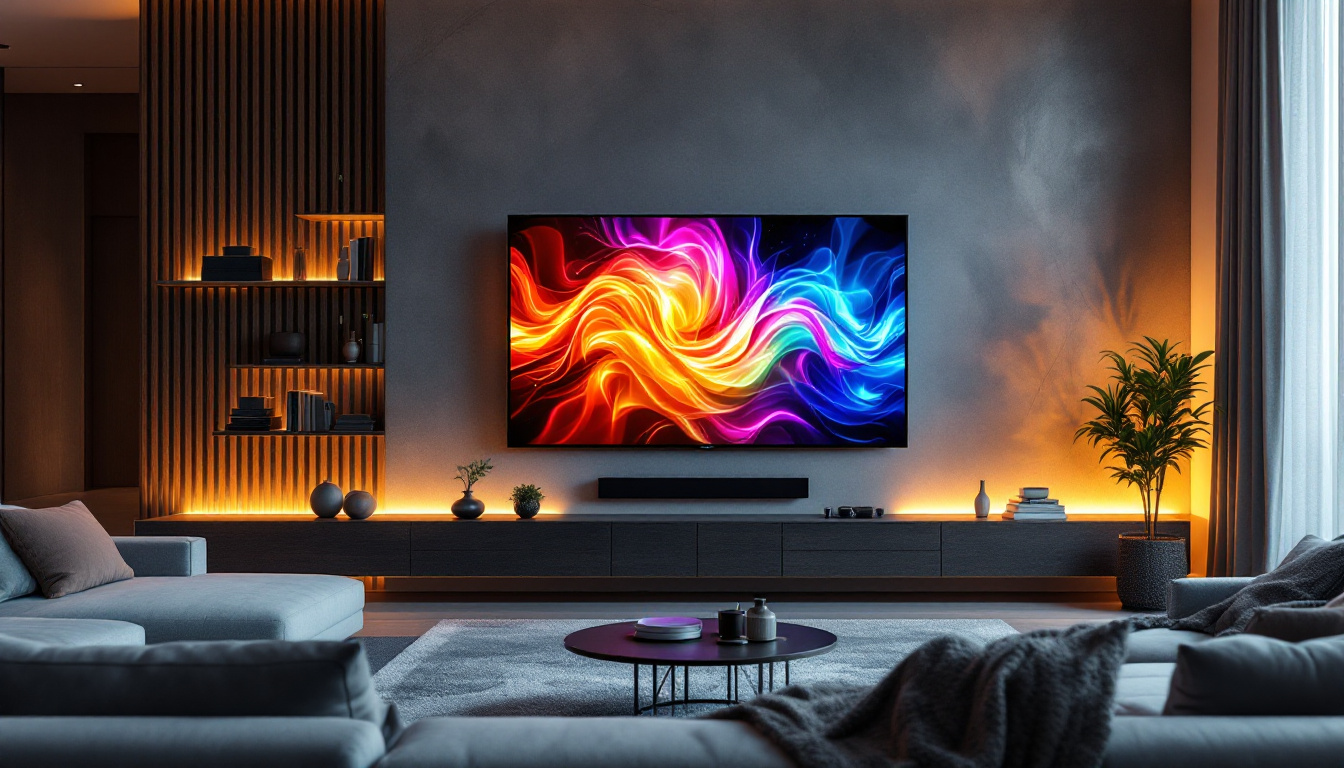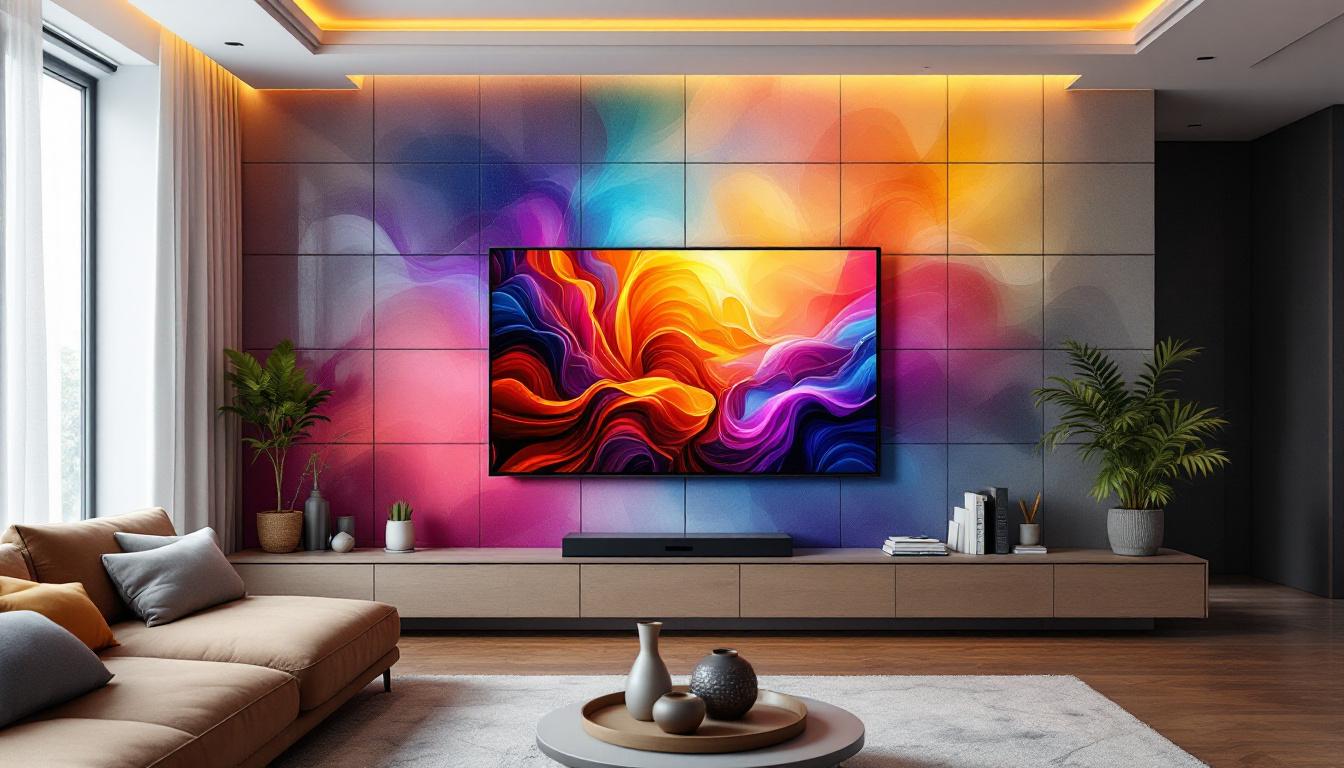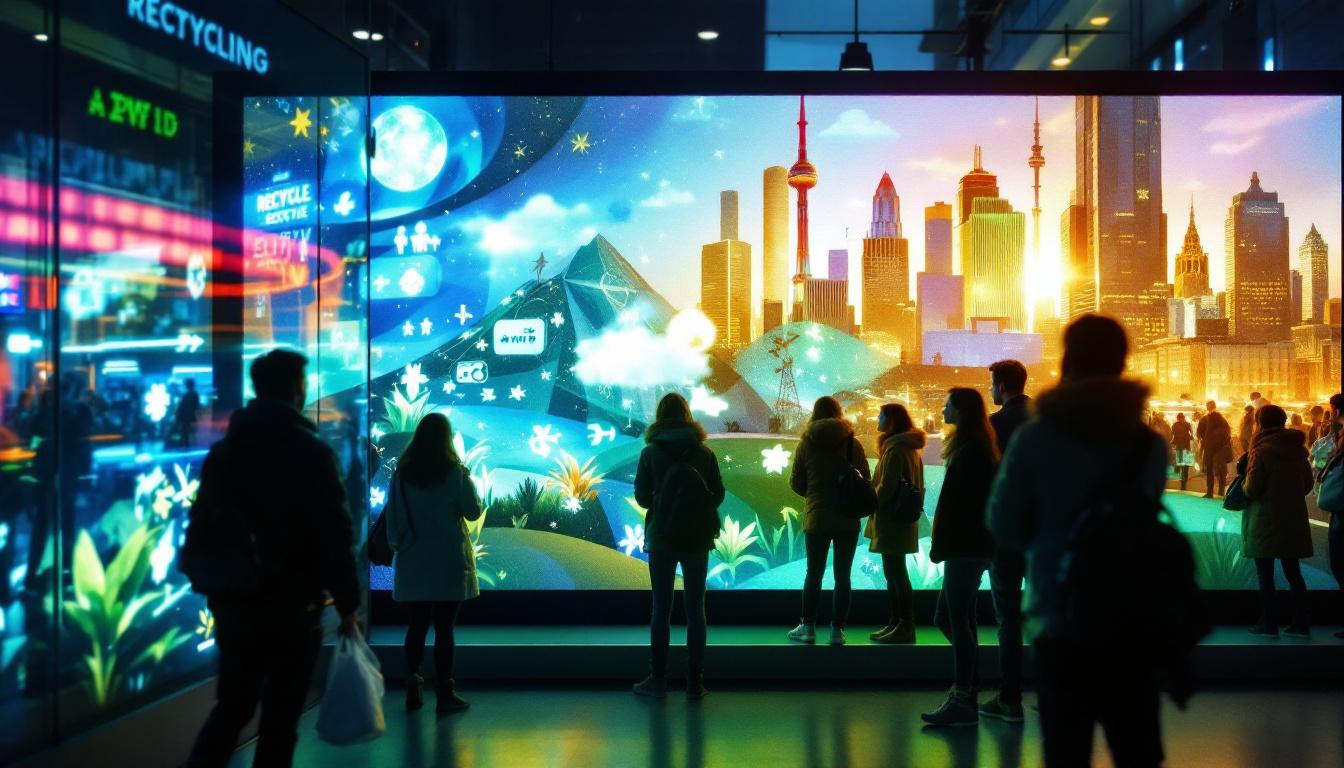
In today’s rapidly evolving digital landscape, LED displays have become an integral part of advertising, entertainment, and information dissemination. From towering billboards in bustling city centers to vibrant screens in sports arenas, LED technology offers unparalleled brightness, versatility, and energy efficiency. However, as the demand for LED displays grows, so does the importance of sustainable practices in their lifecycle management. Greenlight Recycling is at the forefront of promoting eco-friendly solutions for LED display disposal and recycling, ensuring that this dynamic technology leaves a minimal environmental footprint.
Understanding LED Display Technology
What Is an LED Display?
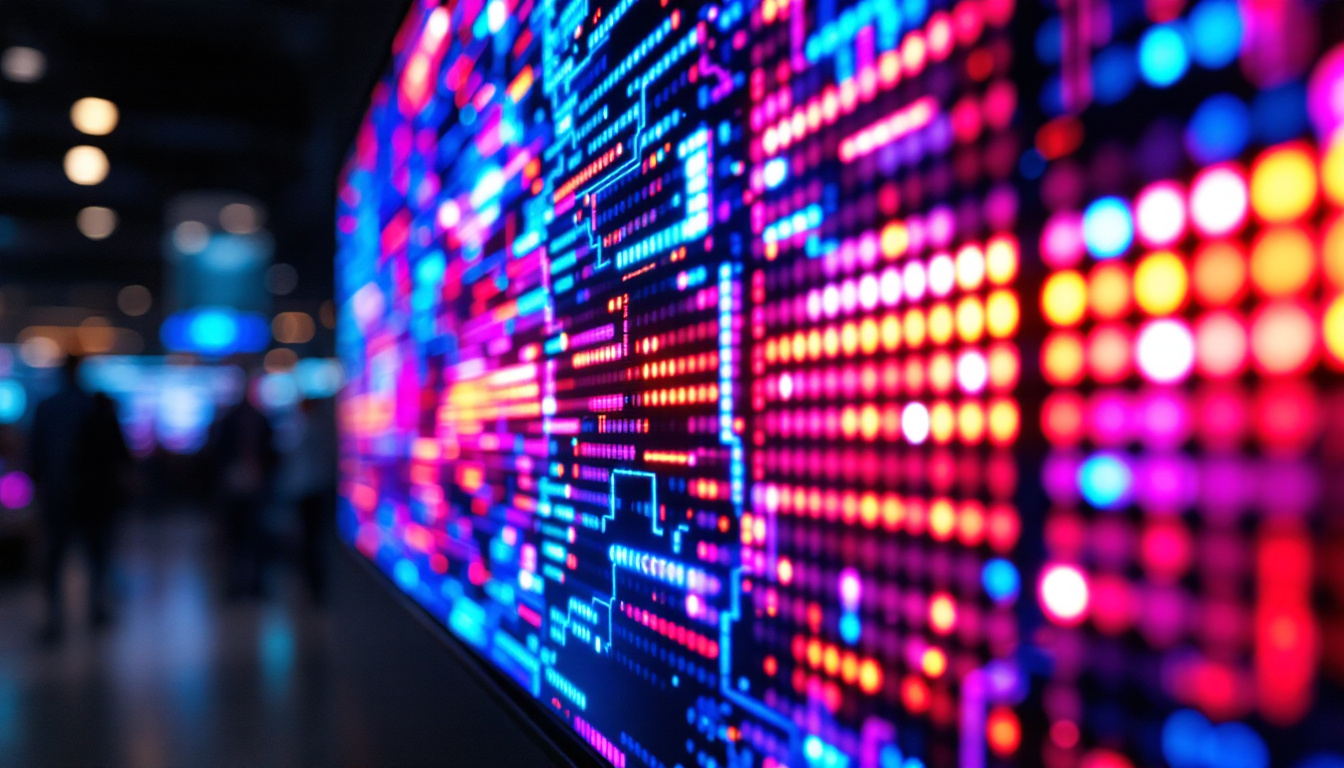
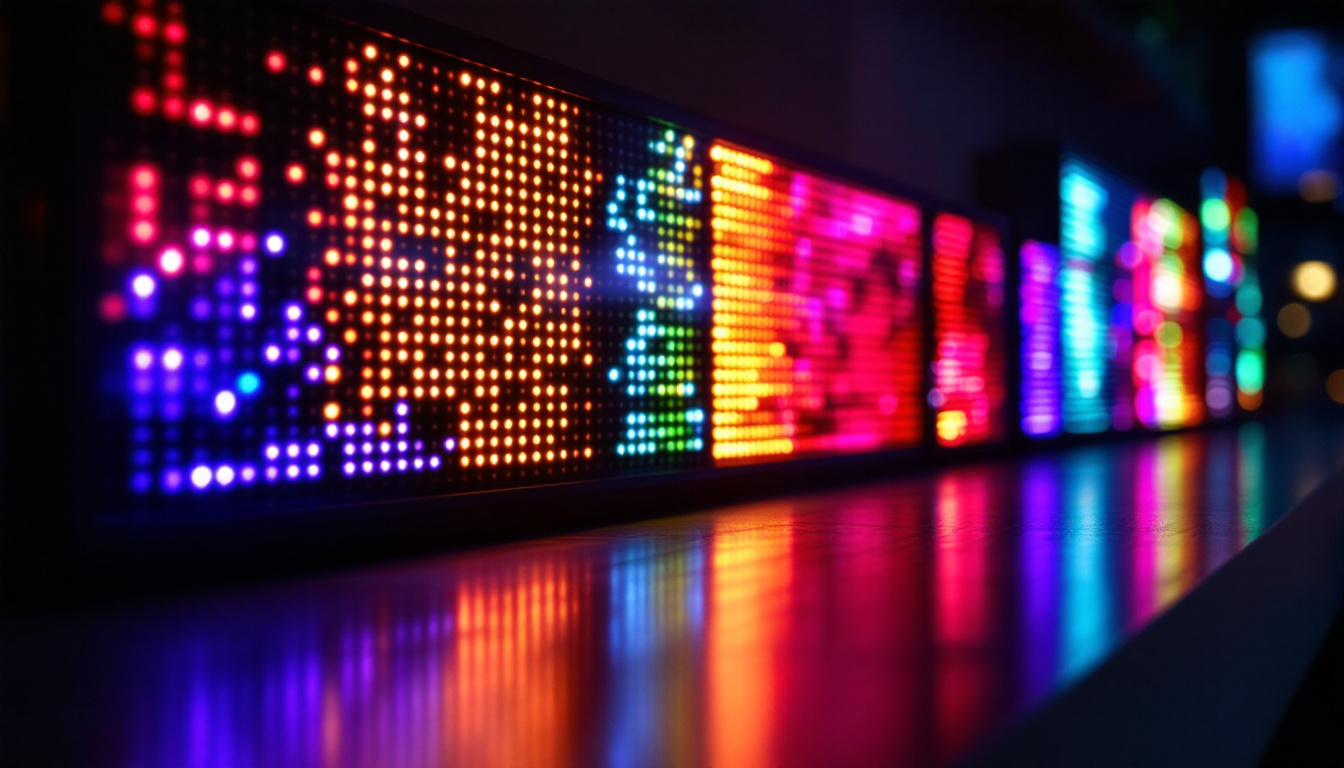
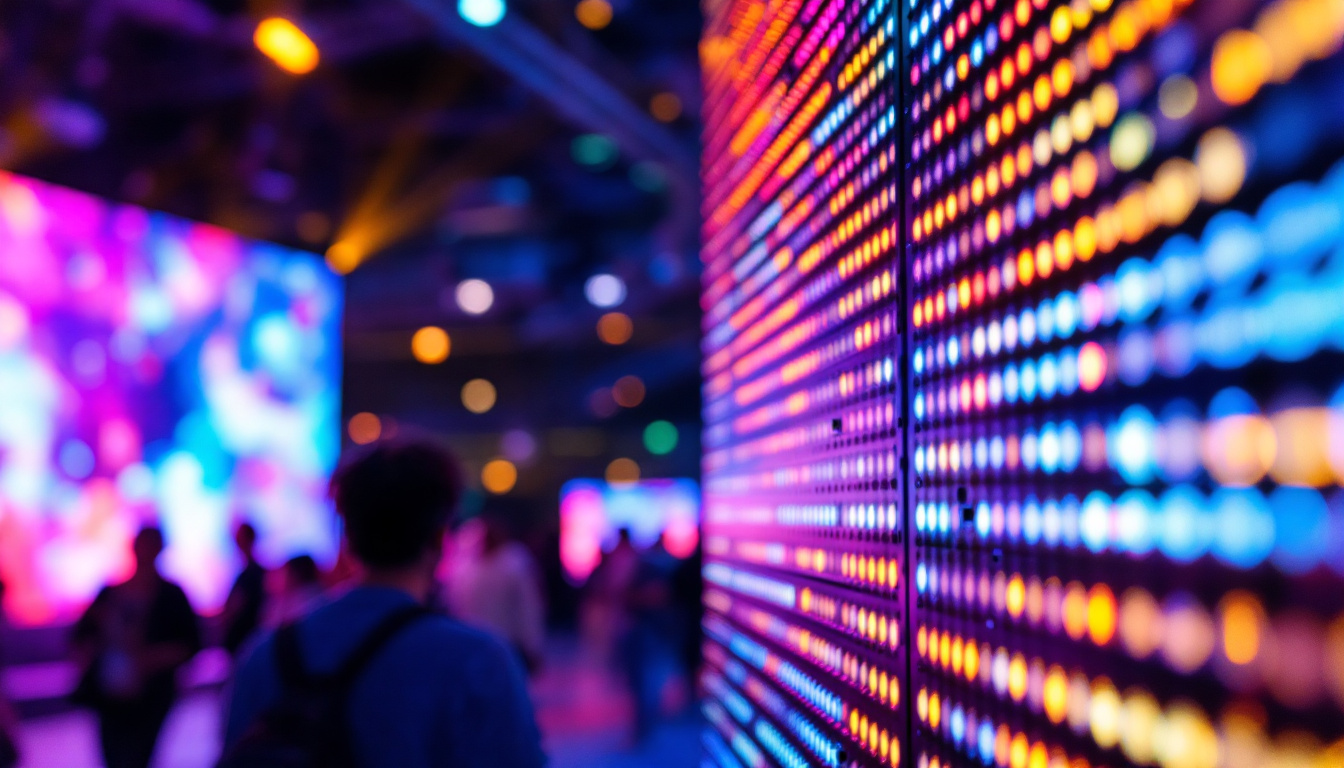
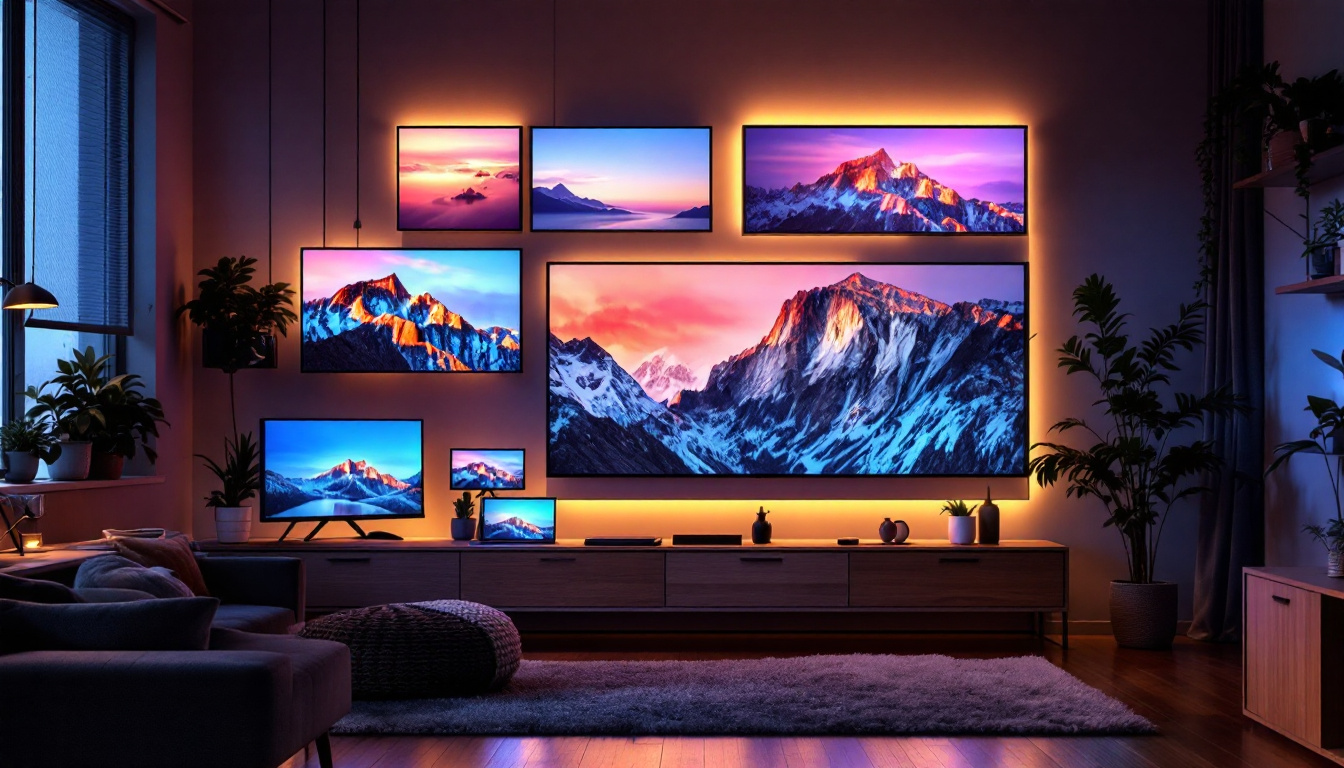
LED stands for Light Emitting Diode, a semiconductor device that emits light when an electric current passes through it. LED displays are composed of thousands to millions of these tiny diodes arranged in a matrix to form images, videos, or text. Unlike traditional LCD or plasma screens, LED displays produce their own light, which results in brighter images, higher contrast ratios, and better visibility even in direct sunlight.
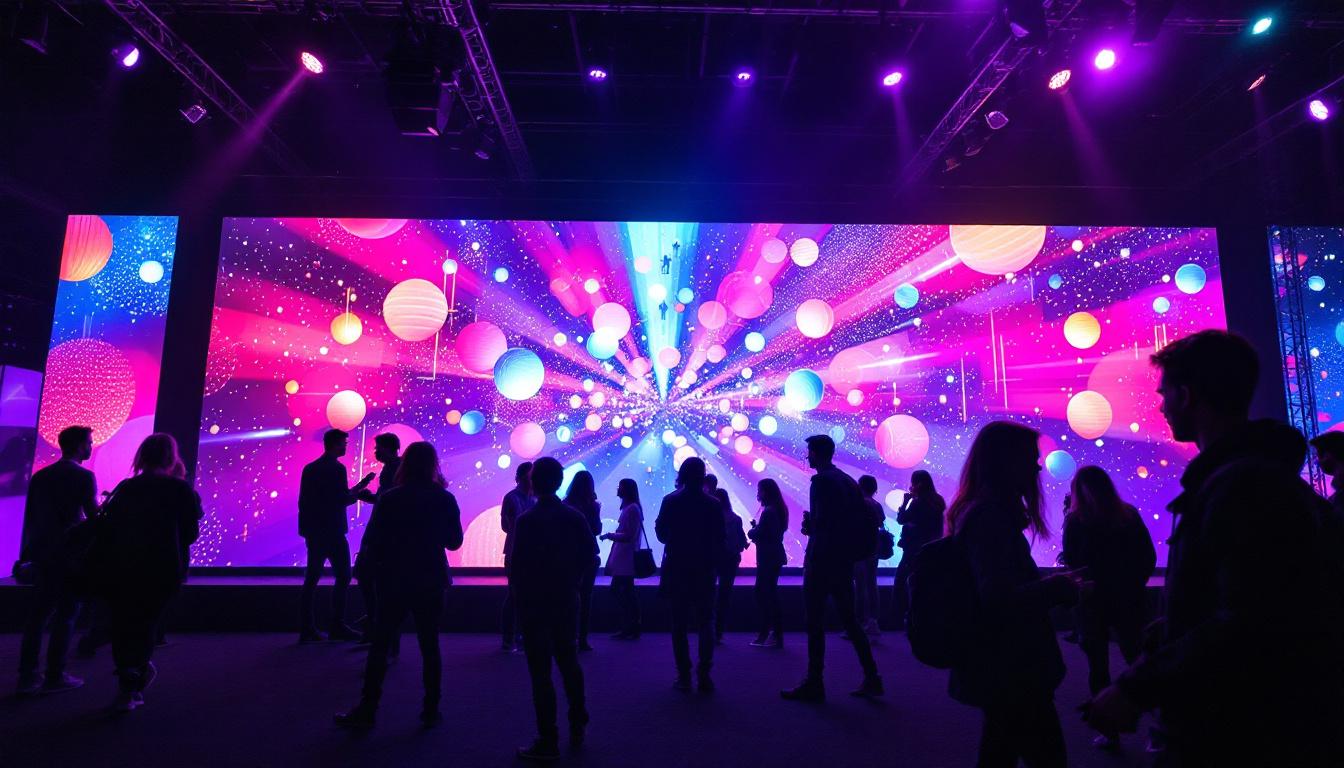
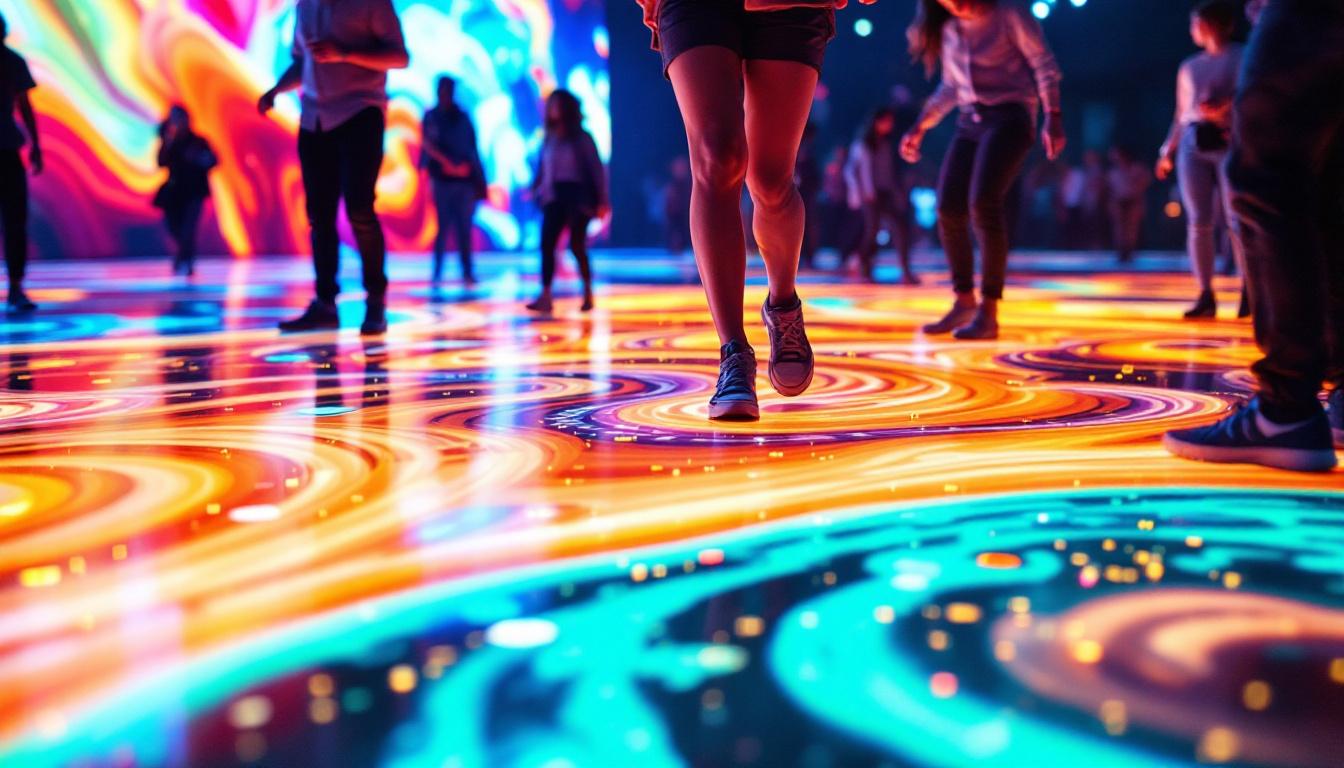
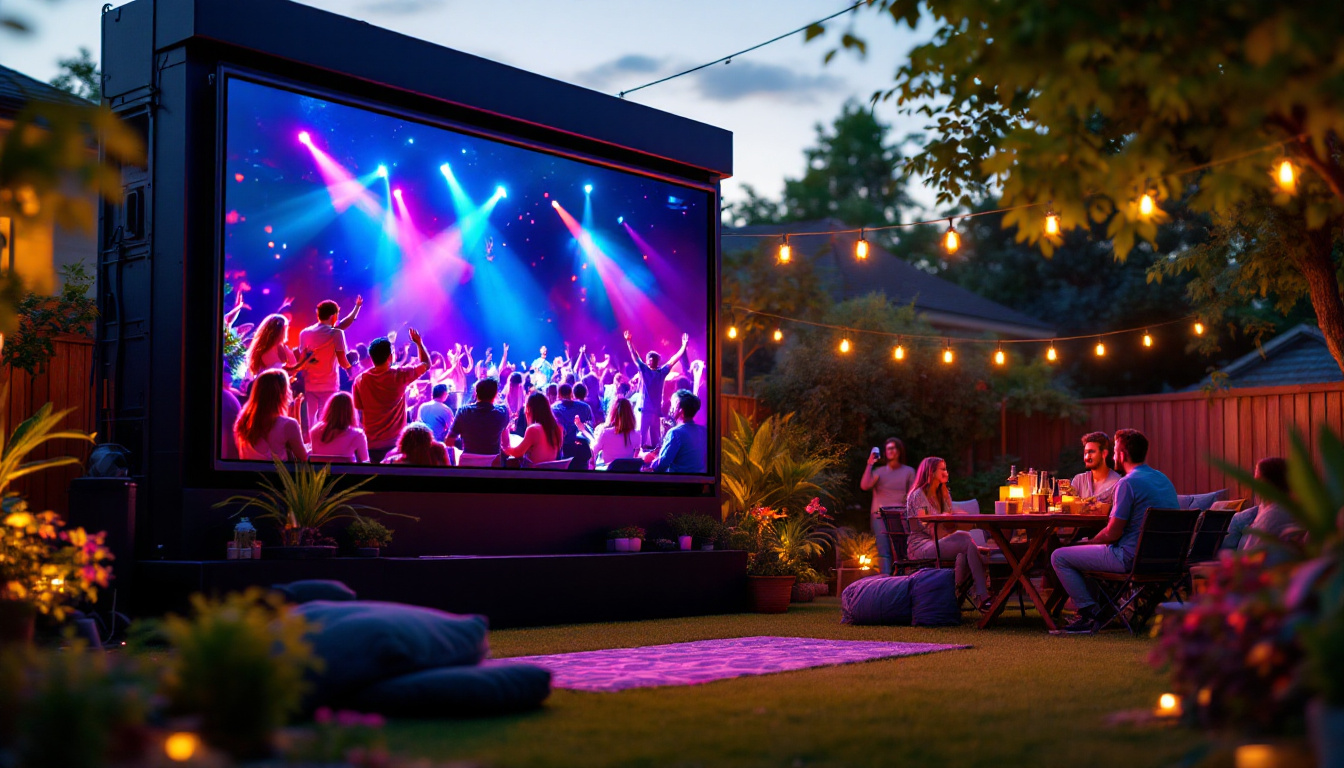
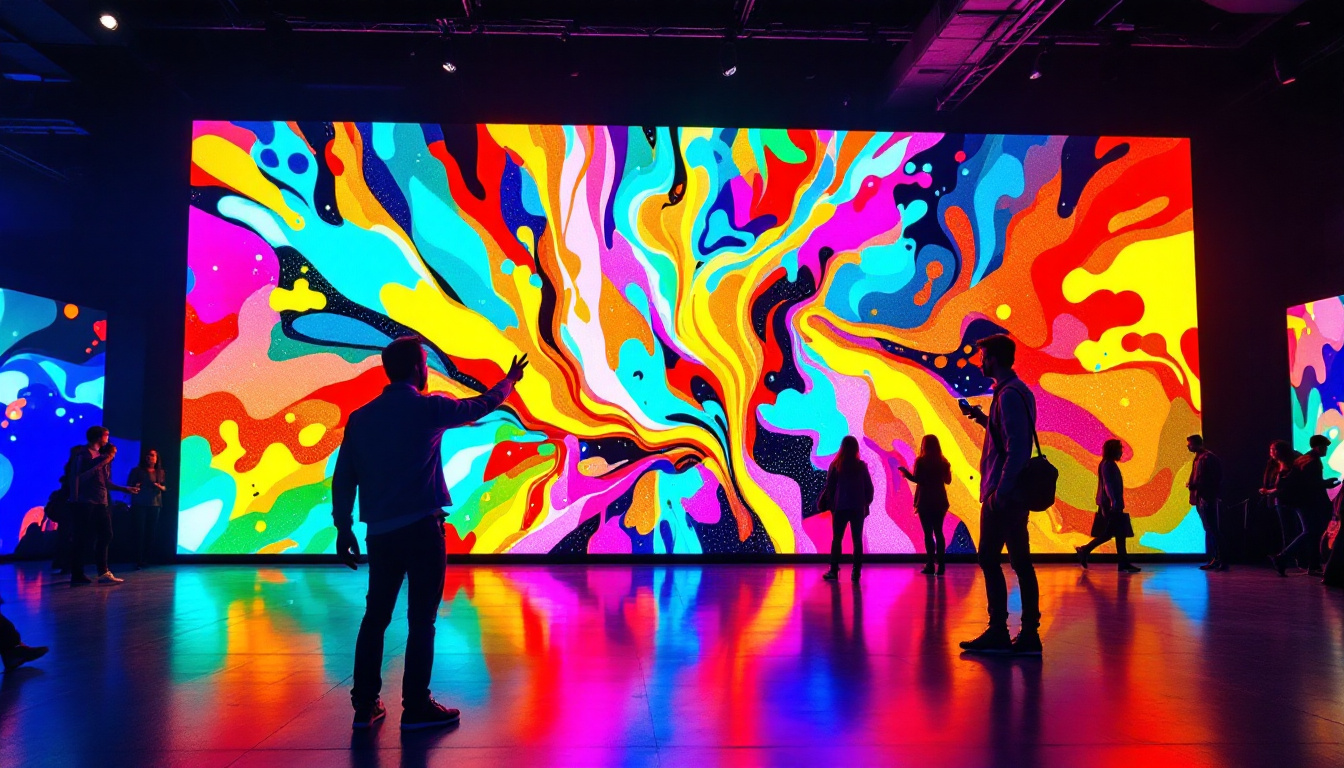
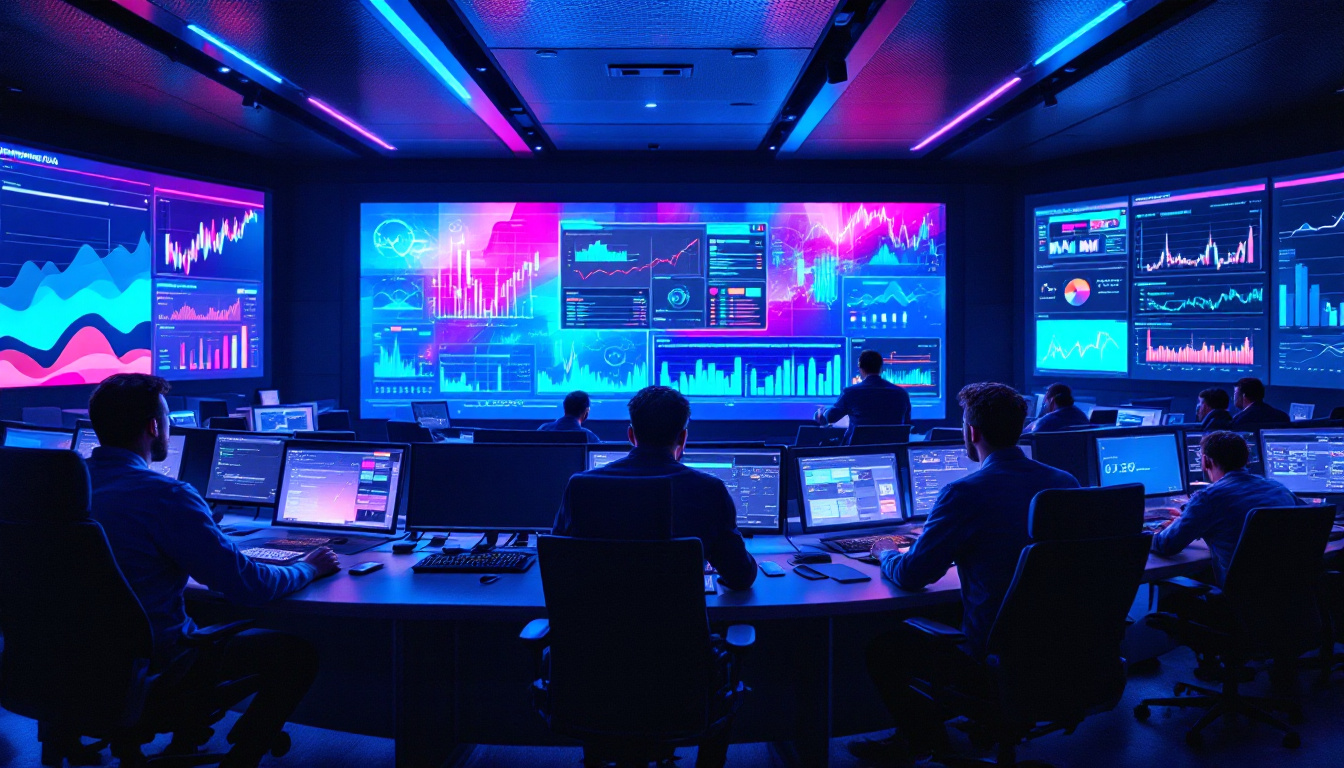
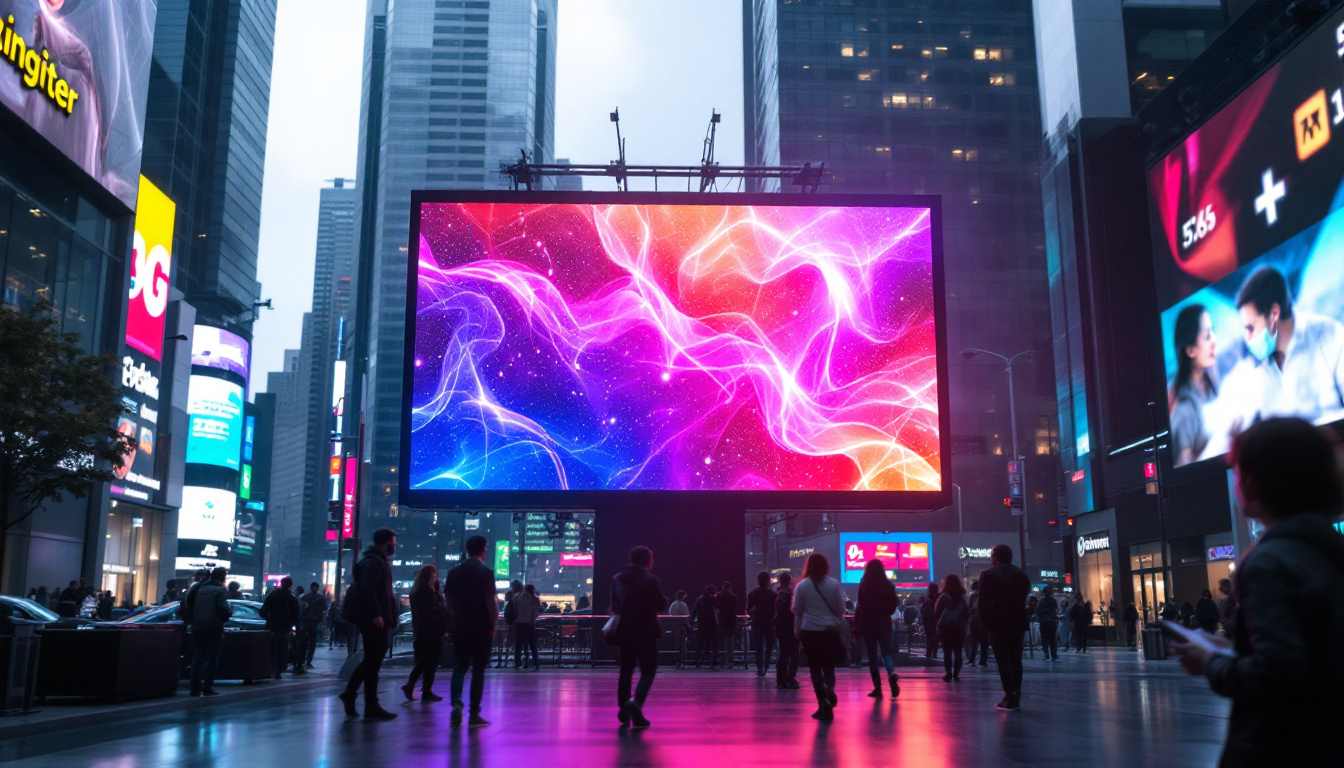
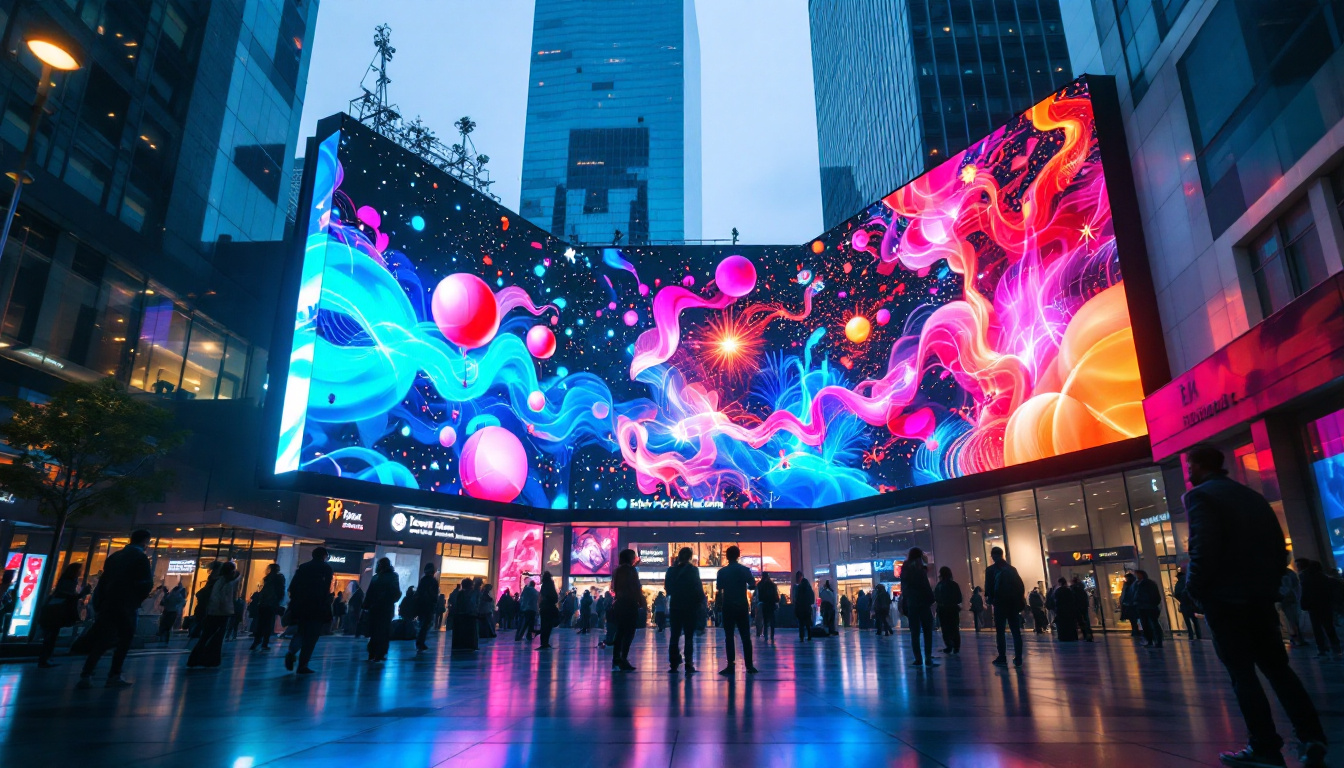
These displays come in various forms, including indoor and outdoor models, flexible screens, and transparent panels. The versatility of LED technology has made it the preferred choice for applications such as digital signage, video walls, scoreboards, and even wearable tech. For instance, in retail environments, LED displays can be used to create eye-catching advertisements that dynamically change, capturing the attention of potential customers. Additionally, in the realm of entertainment, large-scale LED screens are often used in concerts and festivals, providing immersive visual experiences that enhance performances.
Key Advantages of LED Displays
LED displays offer several benefits that contribute to their widespread adoption:
- Energy Efficiency: LEDs consume significantly less power than traditional lighting and display technologies, reducing operational costs and environmental impact.
- Longevity: With a typical lifespan ranging from 50,000 to 100,000 hours, LED displays require less frequent replacement, minimizing waste.
- Brightness and Color Accuracy: LED displays deliver vivid colors and high brightness levels, making them ideal for outdoor and high-ambient-light environments.
- Flexibility: They can be manufactured in various shapes and sizes, including curved and flexible panels, expanding creative possibilities.
Furthermore, the rapid advancement in LED technology has led to the development of features such as high refresh rates and improved pixel density, which enhance the viewing experience by reducing motion blur and providing sharper images. This is particularly beneficial in applications like sports broadcasting, where real-time action needs to be displayed with clarity. Additionally, the integration of smart technology into LED displays allows for interactive features, enabling users to engage with content in innovative ways, such as touch responses or augmented reality overlays. This evolution not only enhances user engagement but also opens up new avenues for advertising and information dissemination.
The Environmental Impact of LED Displays
Resource Use and Waste Generation
While LED displays are more energy-efficient during operation, their production and disposal present environmental challenges. Manufacturing LED panels requires raw materials such as rare earth metals, gallium, and indium, which are finite and often sourced through environmentally and socially questionable mining practices. The extraction of these materials can lead to significant habitat destruction, water pollution, and adverse effects on local communities, particularly in regions where mining regulations are lax. Furthermore, the carbon footprint associated with the transportation of these materials from remote mining sites to manufacturing facilities adds another layer of environmental concern.
At the end of their useful life, LED displays contribute to the growing global electronic waste (e-waste) problem. According to the Global E-waste Monitor 2023, the world generated approximately 57.4 million metric tons of e-waste in 2022, with a projected increase to 74.7 million metric tons by 2030. LED displays, especially large-format screens, are a significant component of this waste stream due to their size and complexity. The challenge lies not only in the sheer volume of waste generated but also in the fact that many consumers are unaware of proper disposal methods. This lack of awareness often leads to discarded electronics ending up in landfills, where they can leach toxic substances into the environment, further exacerbating the issue of e-waste pollution.
Hazardous Components in LED Displays
Although LEDs themselves are relatively safe, the overall display assembly contains materials that require careful handling during recycling. Components such as circuit boards, solder, and backlighting elements may contain heavy metals like lead, cadmium, and mercury. Improper disposal can lead to soil and water contamination, posing risks to human health and ecosystems. Additionally, the recycling process for these components is not always straightforward. Many recycling facilities lack the technology or infrastructure to safely extract and process hazardous materials, leading to a situation where valuable resources are lost, and environmental harm is perpetuated.
Moreover, the presence of plastics in LED displays adds another layer of complexity to their environmental impact. Many of these plastics are not biodegradable and can persist in the environment for hundreds of years. As these materials break down into microplastics, they can enter the food chain, affecting wildlife and potentially human health. Efforts to develop biodegradable alternatives or improve recycling methods are underway, but widespread adoption remains a challenge. As consumers increasingly demand sustainable solutions, manufacturers are being pushed to innovate and find ways to minimize the ecological footprint of their products, from production through to disposal.
Greenlight Recycling’s Role in Sustainable LED Display Management
Comprehensive Recycling Solutions
Greenlight Recycling specializes in the responsible collection, disassembly, and recycling of LED displays. Their approach ensures that valuable materials are recovered and hazardous substances are safely managed. By partnering with manufacturers, businesses, and municipalities, Greenlight Recycling facilitates a circular economy model that extends the lifecycle of critical materials.
The process begins with the careful dismantling of LED units to separate electronic components, metals, plastics, and glass. Advanced sorting technologies then enable the extraction of precious metals such as gold, silver, and palladium from circuit boards. Plastics and glass are processed for reuse or repurposing, significantly reducing landfill contributions. This meticulous attention to detail not only maximizes material recovery but also minimizes the environmental impact associated with improper disposal, which can lead to soil and water contamination.
Furthermore, Greenlight Recycling employs a team of trained professionals who are dedicated to ensuring that every step of the recycling process adheres to strict environmental regulations. Their commitment to safety and sustainability is reflected in their use of eco-friendly methods and technologies, which help to mitigate the risks associated with hazardous materials found in electronic waste. By fostering a culture of responsibility, Greenlight Recycling not only protects the environment but also educates the community on the importance of proper e-waste management.
Environmental and Economic Benefits
By recycling LED displays, Greenlight Recycling helps reduce the demand for virgin raw materials, which in turn lowers the environmental degradation associated with mining and manufacturing. Additionally, recycling reduces greenhouse gas emissions by minimizing the energy required to produce new components. This energy efficiency is particularly crucial in the context of climate change, as the reduction of carbon footprints from manufacturing processes can have a significant positive impact on global warming trends.
From an economic standpoint, recovering valuable metals and materials supports local industries and creates green jobs. According to the International Labour Organization, the e-waste recycling sector can generate up to 6 million jobs globally by 2030, emphasizing the social impact of sustainable recycling initiatives. Moreover, as businesses increasingly prioritize sustainability, they often find that partnering with recycling firms like Greenlight not only enhances their corporate social responsibility (CSR) profiles but also leads to cost savings in waste management. This dual benefit of ecological and economic gain makes the case for widespread adoption of recycling practices in the LED display industry even more compelling.
Best Practices for Businesses and Consumers
Extending the Lifespan of LED Displays
One of the most effective ways to minimize environmental impact is to extend the operational life of LED displays. Regular maintenance, software updates, and protective measures against environmental damage can significantly delay the need for replacement.
Businesses should also consider modular designs that allow for easy repair and component upgrades rather than full unit replacement. This approach not only reduces waste but also lowers long-term costs.
Proper Disposal and Recycling
When LED displays reach the end of their service life, responsible disposal is critical. Consumers and organizations should avoid discarding electronic displays in general waste bins. Instead, they should utilize certified e-waste recycling programs like those offered by Greenlight Recycling.
Many manufacturers and retailers now offer take-back programs or trade-in options that facilitate safe recycling. Engaging with these programs ensures that hazardous materials are handled correctly and that recyclable components are recovered efficiently.
Future Trends in LED Display Sustainability
Advancements in Eco-Friendly Materials
Research is ongoing to develop LED displays with reduced environmental impact. Innovations include the use of bio-based plastics, non-toxic solder alternatives, and more efficient semiconductor materials that require fewer rare earth elements.
Such advancements aim to make LED displays easier to recycle and less harmful throughout their lifecycle, aligning with global sustainability goals.
Integration of Smart Recycling Technologies
Emerging technologies like artificial intelligence and robotics are being integrated into recycling processes to enhance material recovery rates and reduce human exposure to hazardous substances. Smart sorting systems can identify and separate components more accurately, increasing the efficiency and profitability of recycling operations.
Regulatory and Industry Initiatives
Governments worldwide are implementing stricter regulations on e-waste management, encouraging manufacturers to adopt extended producer responsibility (EPR) policies. These policies hold producers accountable for the entire lifecycle of their products, incentivizing sustainable design and recycling practices.
Industry collaborations are also forming to standardize recycling protocols and share best practices, fostering a more cohesive approach to LED display sustainability.
Conclusion
LED displays have revolutionized visual communication with their vibrant, energy-efficient technology. However, the environmental challenges associated with their production and disposal cannot be overlooked. Greenlight Recycling plays a vital role in addressing these challenges by providing comprehensive recycling solutions that recover valuable materials and mitigate hazardous waste impacts.
For businesses and consumers alike, adopting responsible usage, maintenance, and disposal practices is essential to support a sustainable future. As technology advances and regulatory frameworks strengthen, the LED display industry is poised to become more environmentally friendly, ensuring that the brilliance of LED screens does not come at the expense of the planet.
Explore Sustainable LED Solutions with LumenMatrix
As we embrace the future of visual communication, it’s crucial to support technologies that not only dazzle but also respect our environment. LumenMatrix stands at the intersection of innovation and sustainability, offering a wide array of LED display solutions that promise both performance and eco-consciousness. From Indoor and Outdoor LED Wall Displays to Custom and All-in-One LED solutions, LumenMatrix is committed to revolutionizing how businesses connect with their audiences. Check out LumenMatrix LED Display Solutions today and be a part of a brighter, greener future.