In the rapidly evolving world of digital technology, LED displays have become a cornerstone of modern visual communication. From the vibrant billboards lighting up cityscapes to the sleek screens on consumer electronics, LED displays are everywhere. This article delves into the fundamentals of LED display technology, exploring how it works, its various types, applications, and the innovations shaping its future.
Understanding the Basics of LED Displays
LED stands for Light Emitting Diode, a semiconductor device that emits light when an electric current passes through it. Unlike traditional display technologies such as LCD or plasma, LED displays use these tiny diodes as individual pixels to create images and videos. The core advantage lies in their ability to produce bright, vivid colors with high energy efficiency and long operational life. This efficiency not only reduces electricity costs but also minimizes the environmental impact, making LED technology a more sustainable choice for both consumers and businesses alike.
Each LED pixel typically consists of red, green, and blue diodes. By adjusting the intensity of each diode, a full spectrum of colors can be rendered. This RGB color model is fundamental to how LED displays achieve their color accuracy and vibrancy. The technology’s modular nature allows for displays of virtually any size, from small wearable devices to massive outdoor screens. This versatility has led to widespread adoption across various industries, including advertising, entertainment, and even medical applications, where precise color representation is crucial.
How LED Displays Work
At its core, an LED display functions by controlling the illumination of individual diodes arranged in a grid. When a voltage is applied, electrons recombine with electron holes within the diode, releasing energy in the form of photons—this is the light we see. The process is highly efficient, generating minimal heat compared to older lighting technologies. This not only prolongs the lifespan of the display but also reduces the need for cooling systems, making LED displays a practical choice for both indoor and outdoor environments.
The display controller manages the electrical signals sent to each diode, determining which pixels light up and at what intensity. This rapid switching happens thousands of times per second, creating smooth motion and dynamic images. The refresh rate and resolution are critical factors influencing the display’s clarity and performance. Additionally, advancements in LED technology have led to the development of features like HDR (High Dynamic Range), which enhances contrast and color depth, resulting in an even more immersive viewing experience. As LED technology continues to evolve, we can expect to see even more innovative applications, such as flexible displays that can be integrated into various surfaces, further expanding the possibilities of visual communication.
Types of LED Displays
LED technology has diversified into several types, each suited to specific applications and environments. Understanding these types helps in selecting the right display for particular needs.
1. Direct View LED (DVLED) Displays
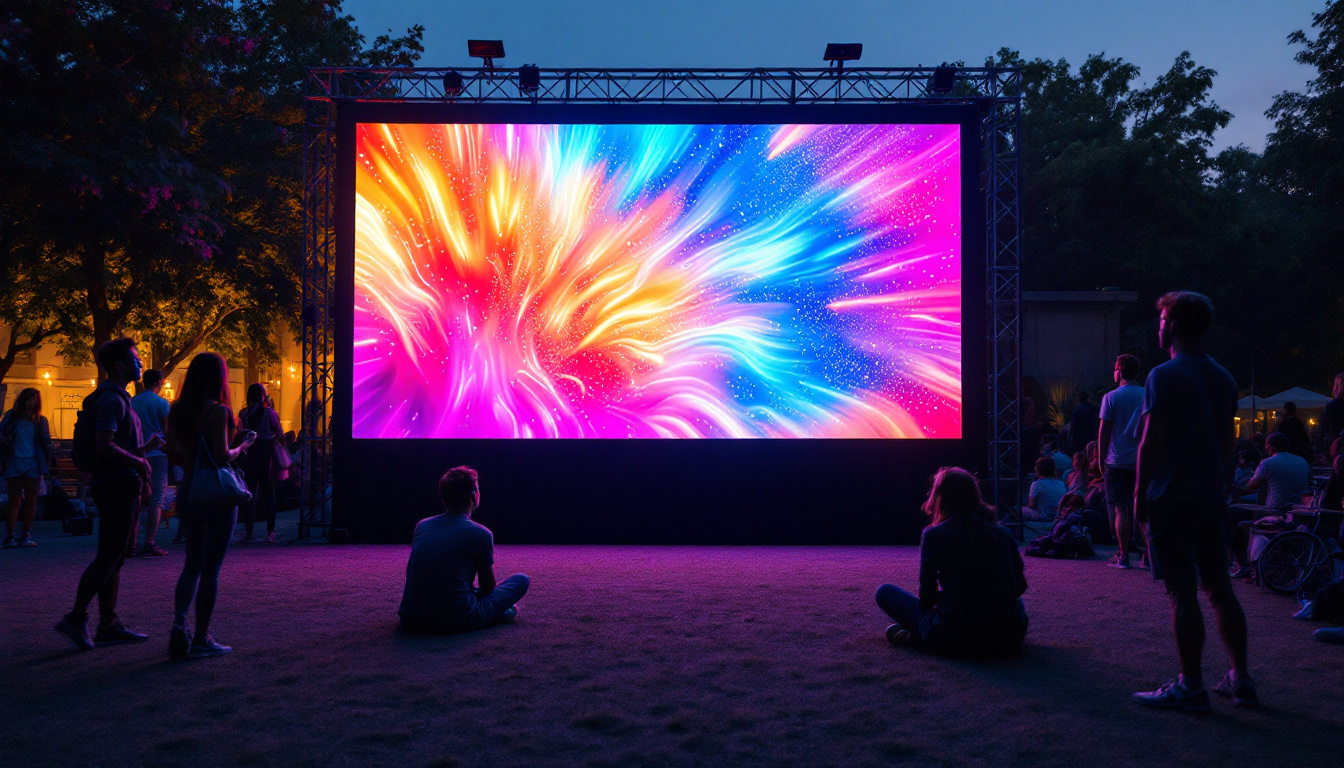
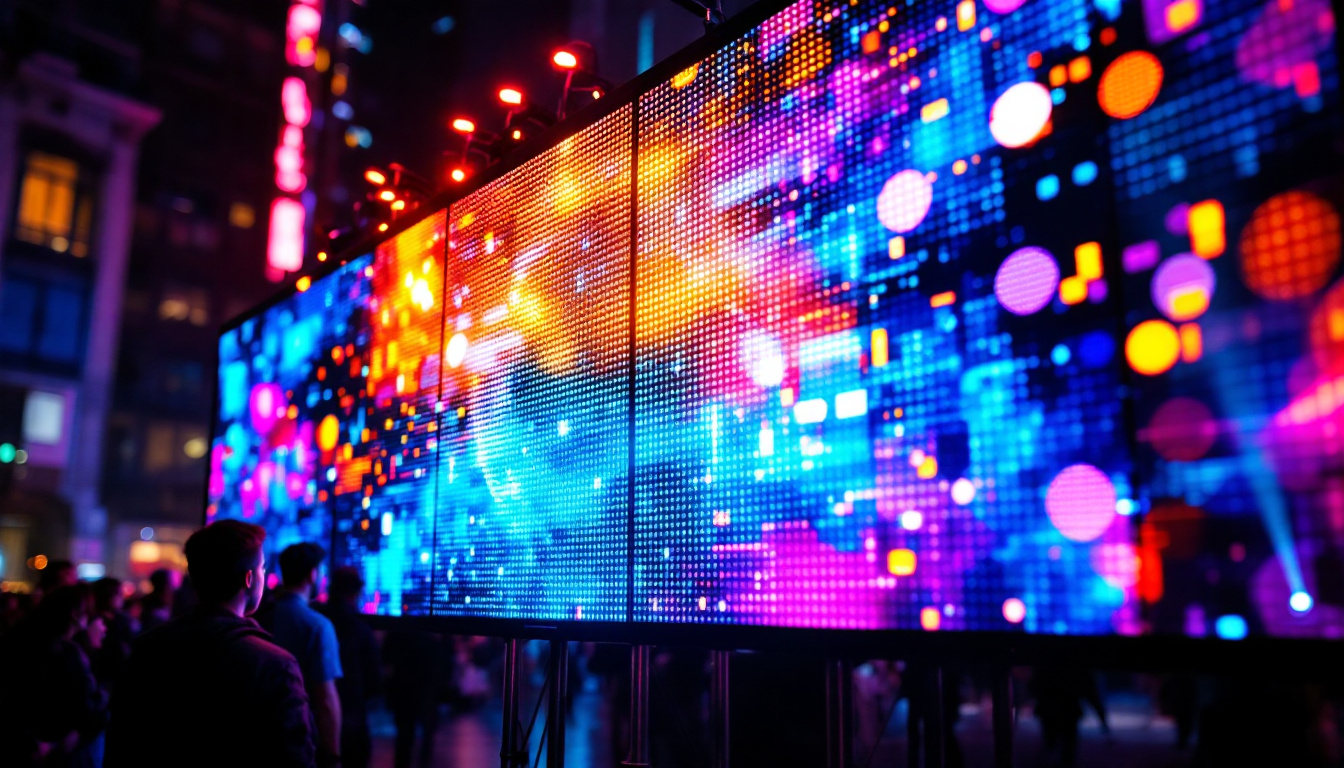
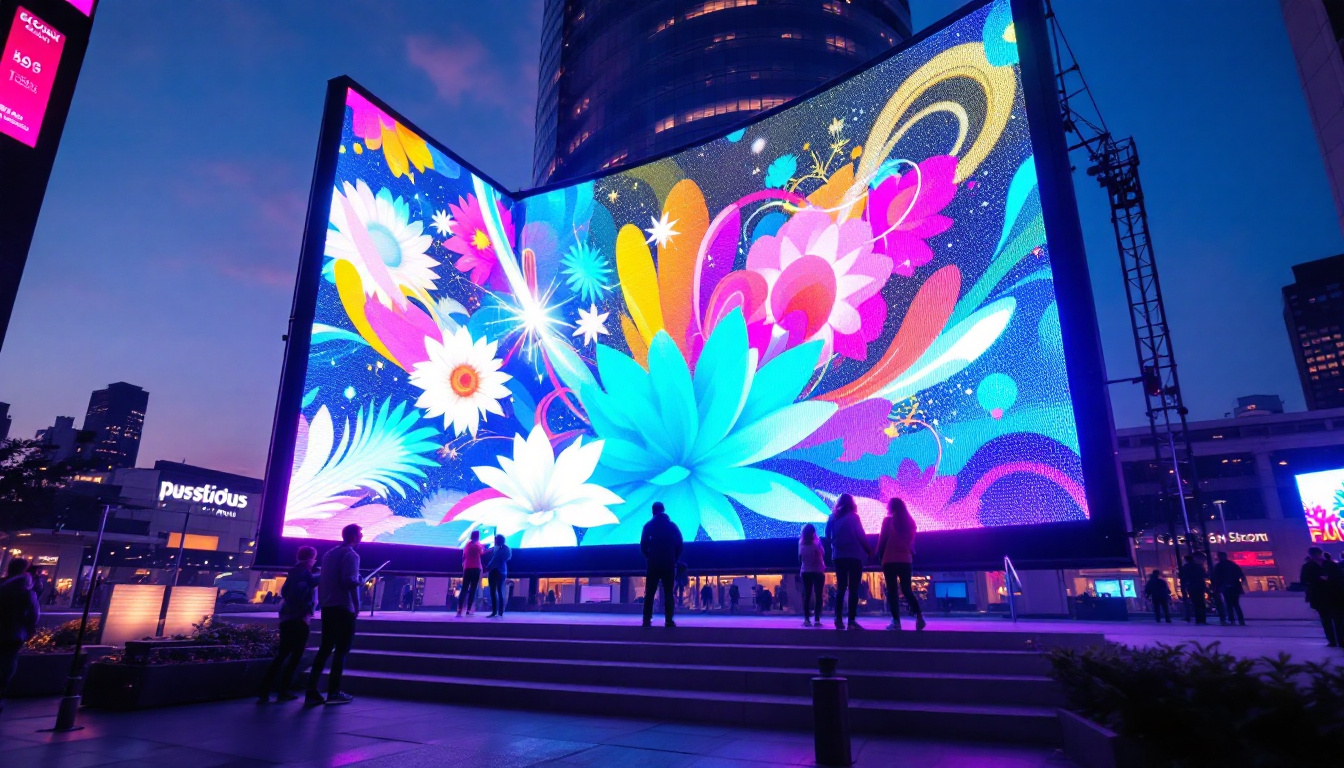
Direct View LED displays are composed of individual LEDs that form the image directly, without the need for a backlight. This type is commonly used in large-scale outdoor screens, stadium displays, and digital billboards. DVLED displays offer exceptional brightness, making them visible even in broad daylight.
One of the key advantages of DVLED is its scalability. Panels can be tiled seamlessly to create enormous displays with high resolution. The pixel pitch—the distance between the centers of two adjacent LEDs—determines the display’s resolution and viewing distance. Smaller pixel pitches yield higher resolution but are more expensive. Additionally, DVLED technology is highly adaptable, allowing for various shapes and sizes, which opens up creative possibilities for architects and designers looking to incorporate dynamic visual elements into their projects.
2. LED-Backlit LCD Displays
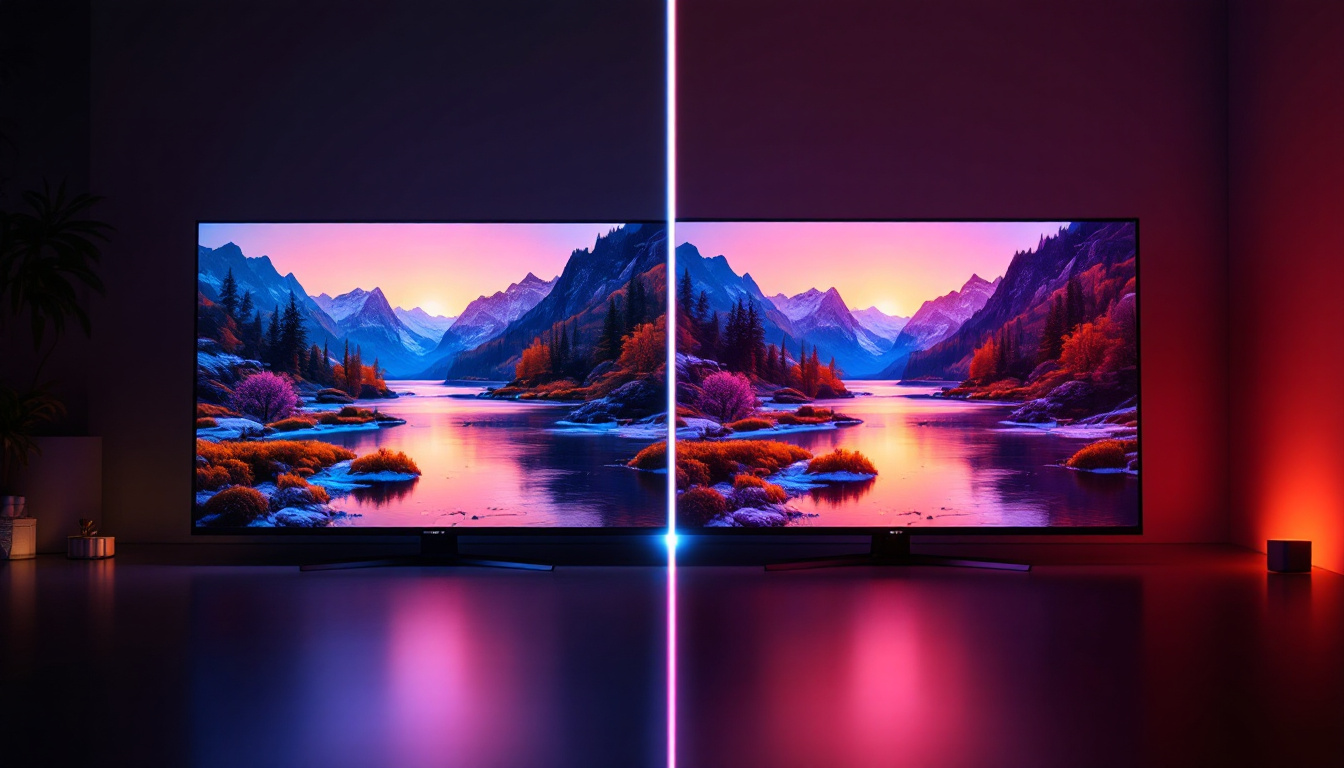
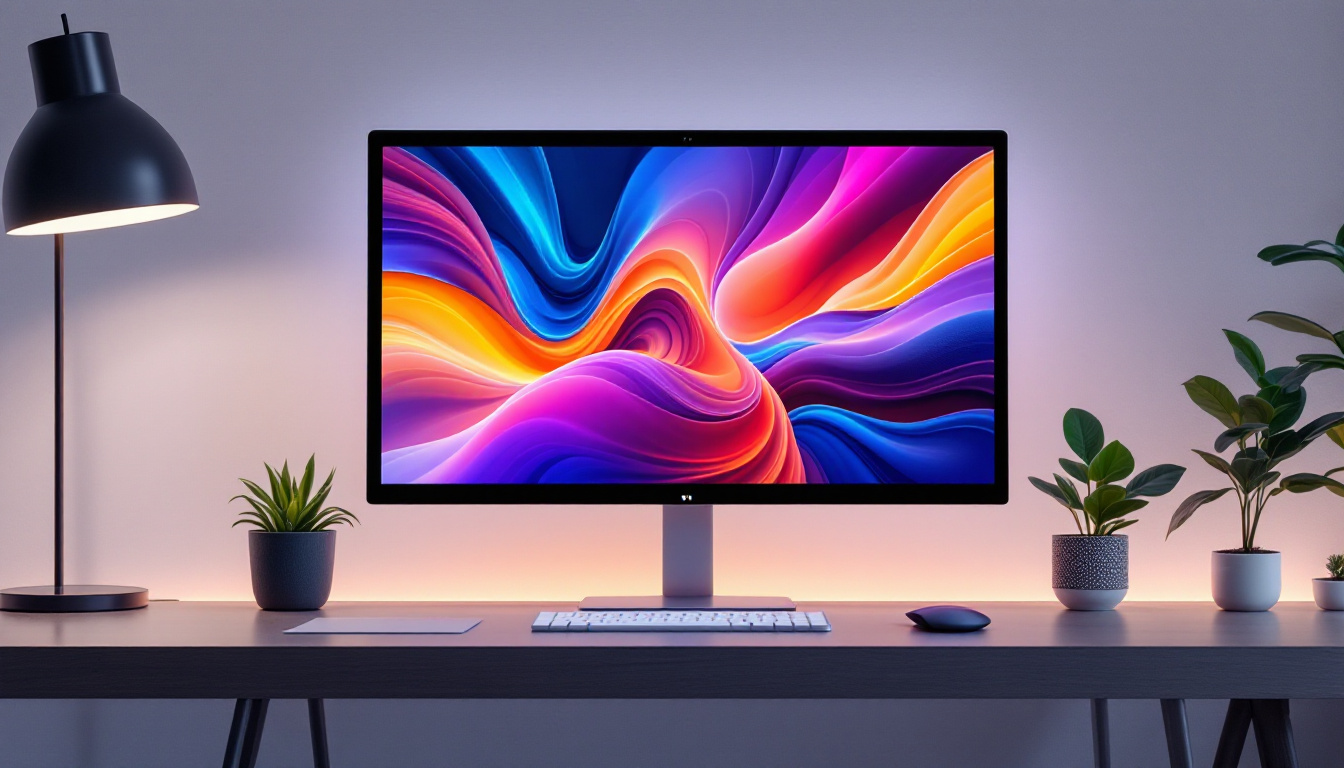
Many consumer electronics, such as televisions, monitors, and smartphones, use LED-backlit LCD technology. Here, the LEDs serve as a backlight source behind an LCD panel. This combination allows for thinner screens and improved energy efficiency compared to traditional CCFL (cold cathode fluorescent lamp) backlights.
While not true LED displays in the direct view sense, LED-backlit LCDs benefit from the longevity and brightness of LEDs. They also support local dimming, enhancing contrast ratios and delivering deeper blacks for better image quality. The integration of LED technology into LCDs has revolutionized the market, enabling manufacturers to produce ultra-slim designs that are lightweight and aesthetically pleasing, catering to consumer demand for sleek and modern devices.
3. OLED vs. LED Displays
Organic Light Emitting Diode (OLED) displays are often compared with LED displays. OLEDs use organic compounds that emit light when electrically stimulated, allowing each pixel to produce its own light. This results in superior contrast and thinner panels.
However, OLEDs tend to be more expensive and have shorter lifespans compared to traditional LEDs. LED displays remain dominant in large-scale and outdoor applications due to their robustness and brightness. Moreover, advancements in LED technology, such as the development of Mini-LED and Micro-LED displays, are pushing the boundaries of image quality and color accuracy, making them increasingly competitive with OLEDs. These innovations provide enhanced brightness and improved energy efficiency, further solidifying the role of LED technology in the future of display solutions.
Applications of LED Displays
LED displays have transformed numerous industries by enabling dynamic, high-impact visual communication. Their versatility and performance have made them indispensable in many sectors.
Advertising and Digital Signage
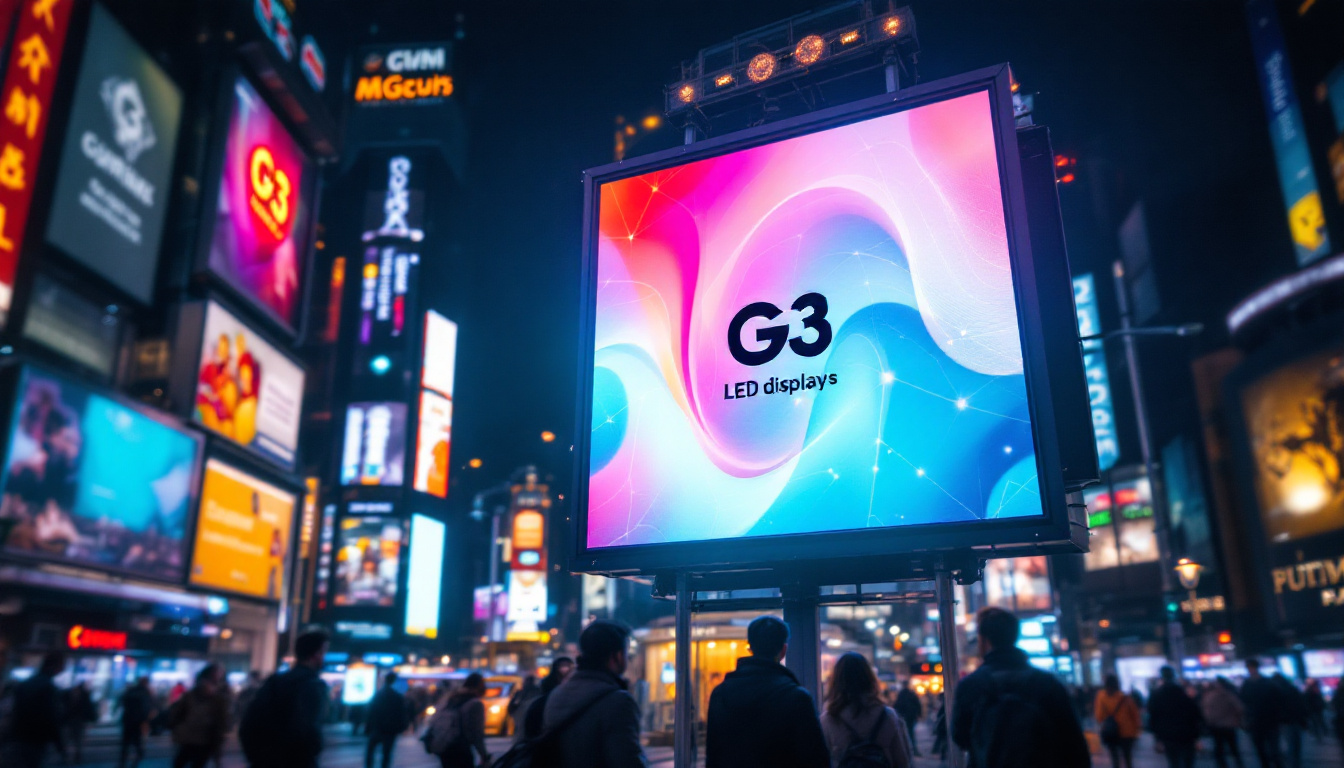
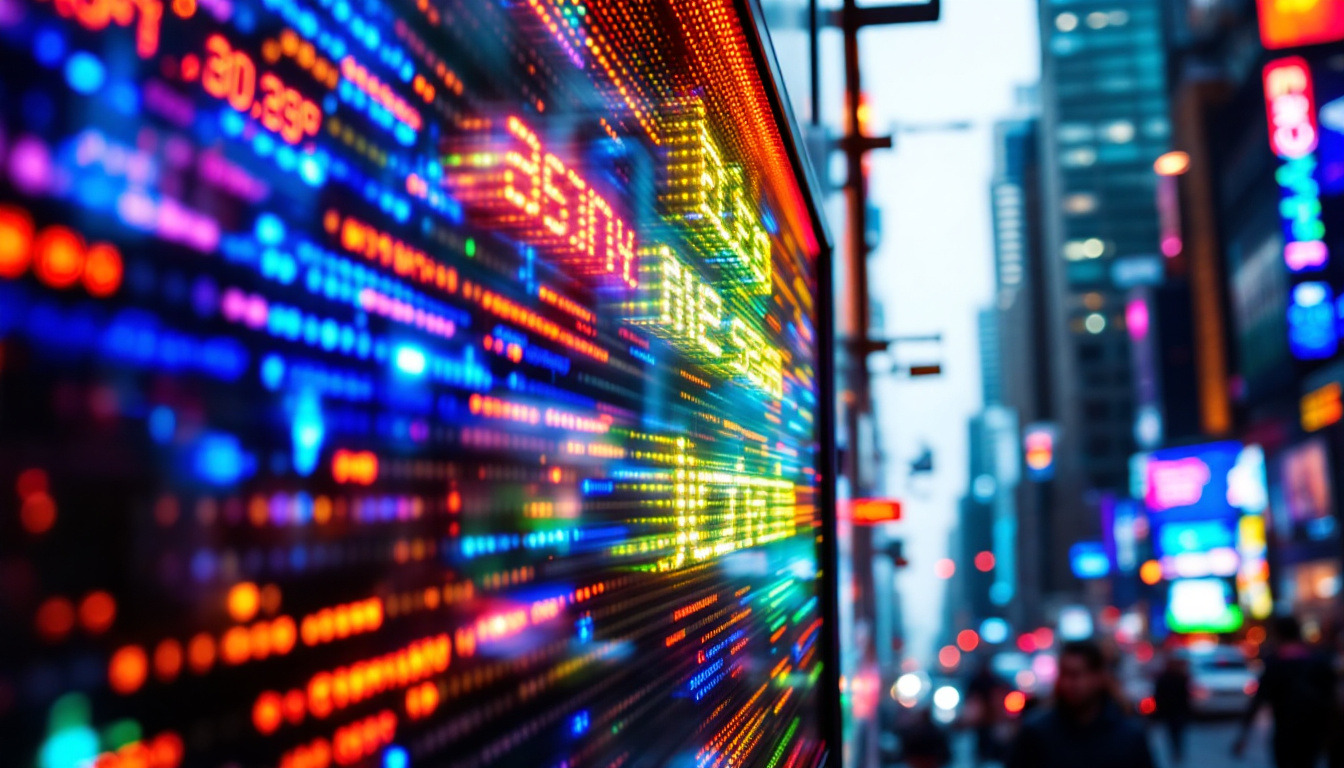
One of the most visible uses of LED displays is in advertising. Digital billboards and signage leverage the brightness and color accuracy of LEDs to capture attention in crowded urban environments. According to a 2023 report by Grand View Research, the global digital signage market is expected to reach $32.84 billion by 2028, driven largely by LED display adoption.
LED displays allow advertisers to update content in real-time, tailor messages to specific audiences, and incorporate interactive elements. This flexibility enhances engagement and improves return on investment.
Sports and Entertainment Venues
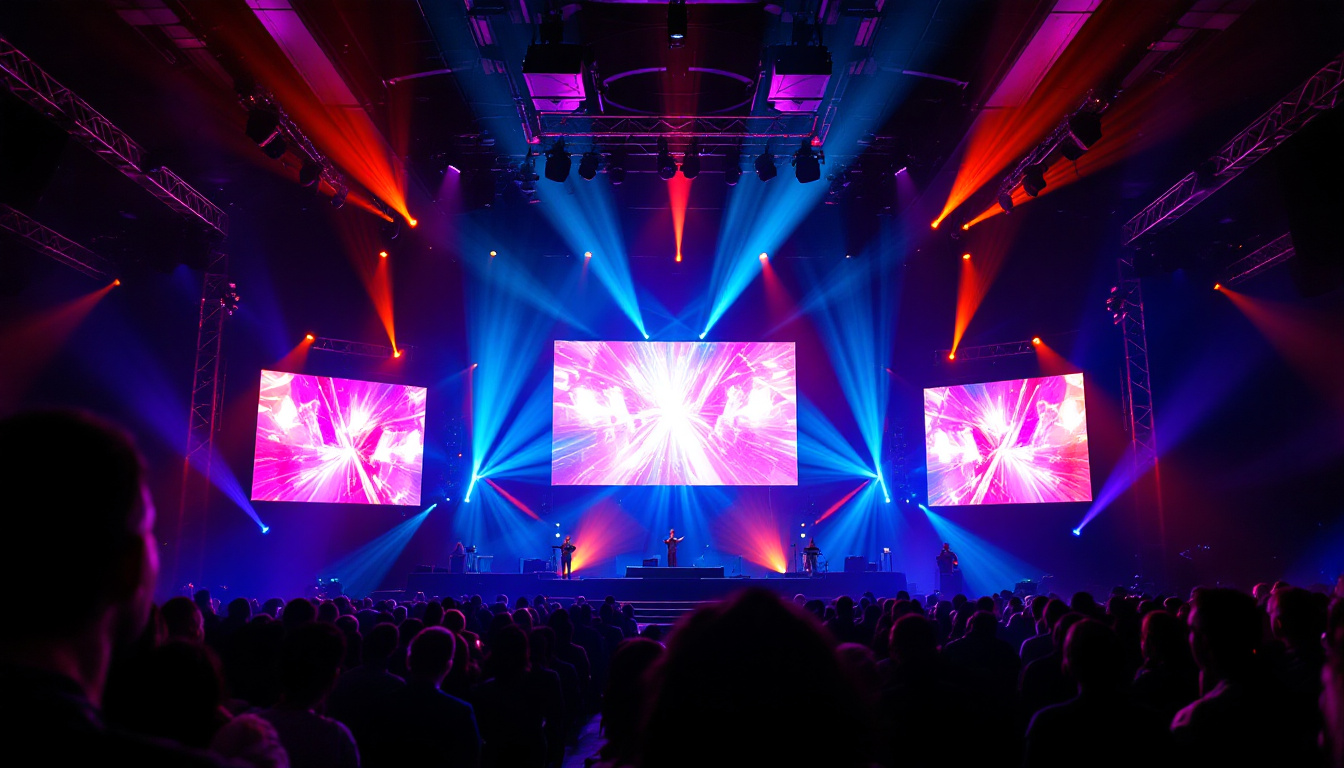
Stadiums and arenas utilize large LED screens to enhance the spectator experience. From instant replays to live statistics and interactive fan content, LED displays provide immersive entertainment. The ability to withstand harsh weather conditions and deliver high brightness makes them ideal for outdoor venues.
Moreover, LED technology enables creative stage designs and dynamic lighting effects in concerts and theater productions, pushing the boundaries of live entertainment.
Transportation and Public Information
LED displays are widely used in transportation hubs such as airports, train stations, and bus terminals. They provide real-time information on schedules, delays, and safety announcements. Their high visibility and reliability are critical for effective communication in these environments.
Additionally, LED signage is increasingly integrated into smart city infrastructure, supporting traffic management and public safety initiatives.
Retail and Hospitality
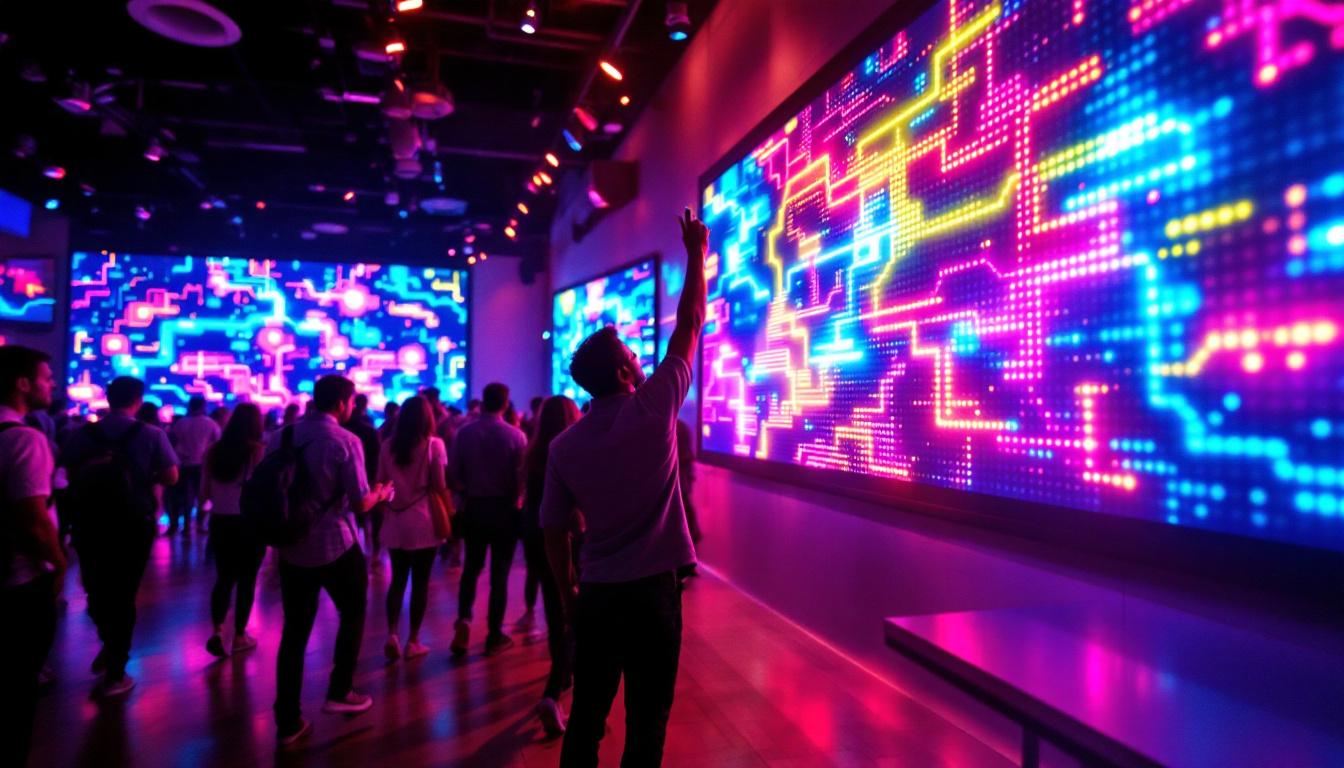
Retailers use LED displays to create engaging storefronts and in-store promotions. The ability to showcase vibrant visuals and videos helps attract customers and enhance brand presence. In the hospitality sector, LED screens are used for digital menus, event information, and ambient lighting, contributing to a modern guest experience.
Technological Innovations and Trends
The LED display industry is continuously evolving, driven by advancements in materials science, manufacturing processes, and digital control systems. Several trends are shaping the future of LED displays.
MicroLED Technology
MicroLED represents a breakthrough in display technology, featuring microscopic LEDs that serve as individual pixels. This approach combines the best attributes of OLED and traditional LEDs—offering high brightness, excellent color accuracy, and energy efficiency without the burn-in issues associated with OLEDs.
While still in the early stages of commercialization, MicroLED displays promise to revolutionize consumer electronics, including televisions, smartphones, and augmented reality devices.
Flexible and Transparent LED Displays
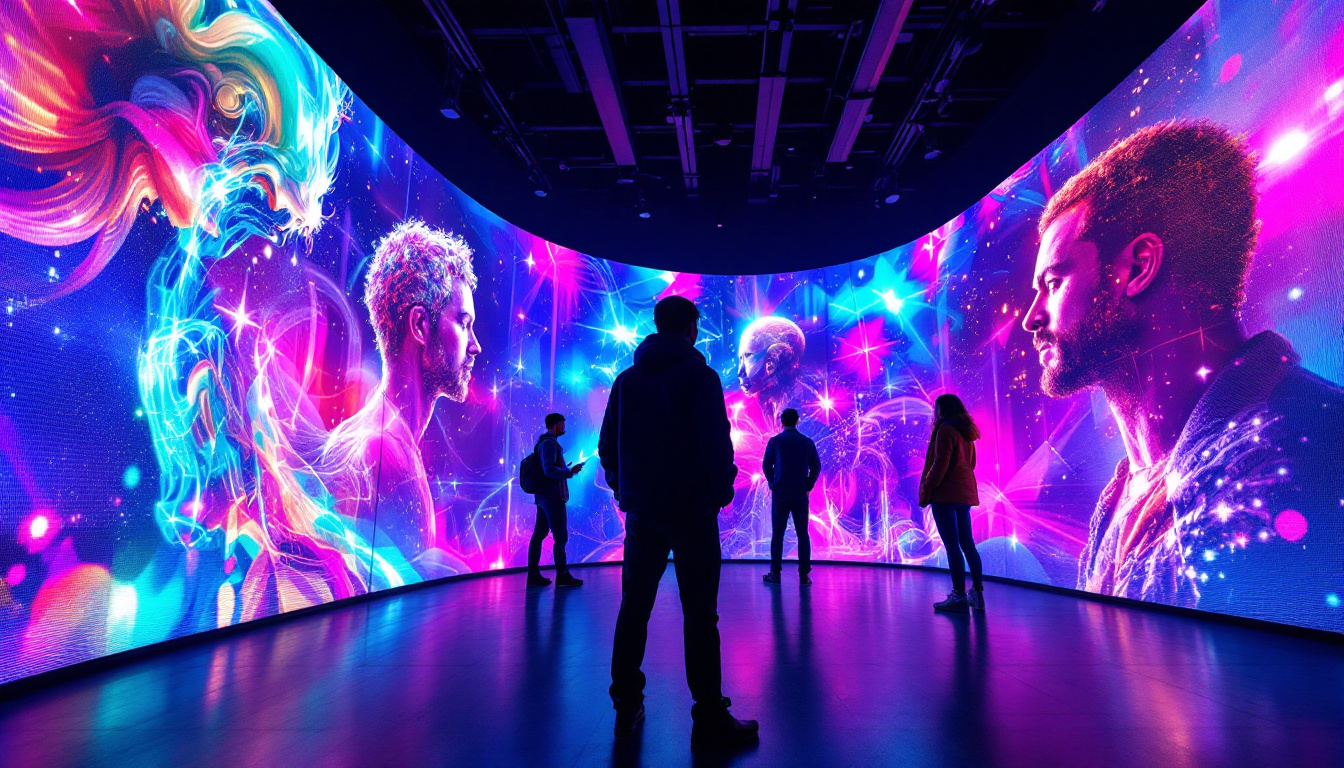
Recent developments have enabled the production of flexible and transparent LED displays. These innovations open new possibilities for design and application, such as curved screens, wearable devices, and heads-up displays integrated into glass surfaces.
Flexible LED panels can conform to unconventional shapes, enhancing aesthetic appeal and functionality in automotive, architectural, and fashion industries.
Energy Efficiency and Sustainability
Energy consumption remains a critical consideration for large-scale LED installations. Advances in LED chip design and power management have significantly improved energy efficiency. Additionally, the use of recyclable materials and environmentally friendly manufacturing processes is gaining traction.
As sustainability becomes a priority for businesses and governments, LED technology’s low power requirements and long lifespan contribute to reducing carbon footprints.
Choosing the Right LED Display
Selecting the appropriate LED display involves evaluating several factors based on the intended application and environment.
Resolution and Pixel Pitch
The resolution determines the clarity of the displayed image. For indoor applications where viewers are close to the screen, a smaller pixel pitch (e.g., 1.2mm to 2.5mm) is essential to avoid visible pixelation. Outdoor displays can have larger pixel pitches (e.g., 6mm to 20mm) due to greater viewing distances.
Brightness and Contrast
Brightness is measured in nits, with outdoor displays requiring significantly higher brightness levels (up to 10,000 nits) to remain visible under direct sunlight. Contrast ratio affects the depth of colors and the ability to display detailed images in varying lighting conditions.
Durability and Weather Resistance
For outdoor installations, displays must withstand environmental factors such as rain, dust, temperature fluctuations, and UV exposure. IP ratings indicate the level of protection against these elements, with IP65 or higher recommended for most outdoor LED screens.
Control Systems and Connectivity
Modern LED displays offer sophisticated control systems that allow remote content management, scheduling, and diagnostics. Connectivity options such as Wi-Fi, Ethernet, and 5G enable seamless integration into digital ecosystems.
Conclusion
LED display technology has transformed the way information and entertainment are delivered across diverse sectors. Its combination of brightness, color fidelity, scalability, and energy efficiency makes it a preferred choice for applications ranging from advertising to live events and public information systems.
As innovations like MicroLED and flexible displays mature, the potential for LED technology will continue to expand, offering even more immersive and sustainable visual experiences. Understanding the fundamentals and options available empowers businesses and consumers to make informed decisions and harness the full potential of LED displays.
Discover LumenMatrix’s Innovative LED Display Solutions
Ready to elevate your visual communication with cutting-edge LED technology? LumenMatrix offers a comprehensive range of LED display modules designed to bring your brand to life. Whether you need an Indoor LED Wall Display for your business, an Outdoor LED Wall Display for advertising, or any of our specialized solutions like Vehicle LED Displays, LED Sports Displays, and Custom LED Displays, we have the expertise to enhance your brand visibility. Experience the future of immersive visual experiences with our All-in-One LED Displays and LED Transparent Displays. Check out LumenMatrix LED Display Solutions today and see how we can help you create captivating visual experiences that resonate with your audience.