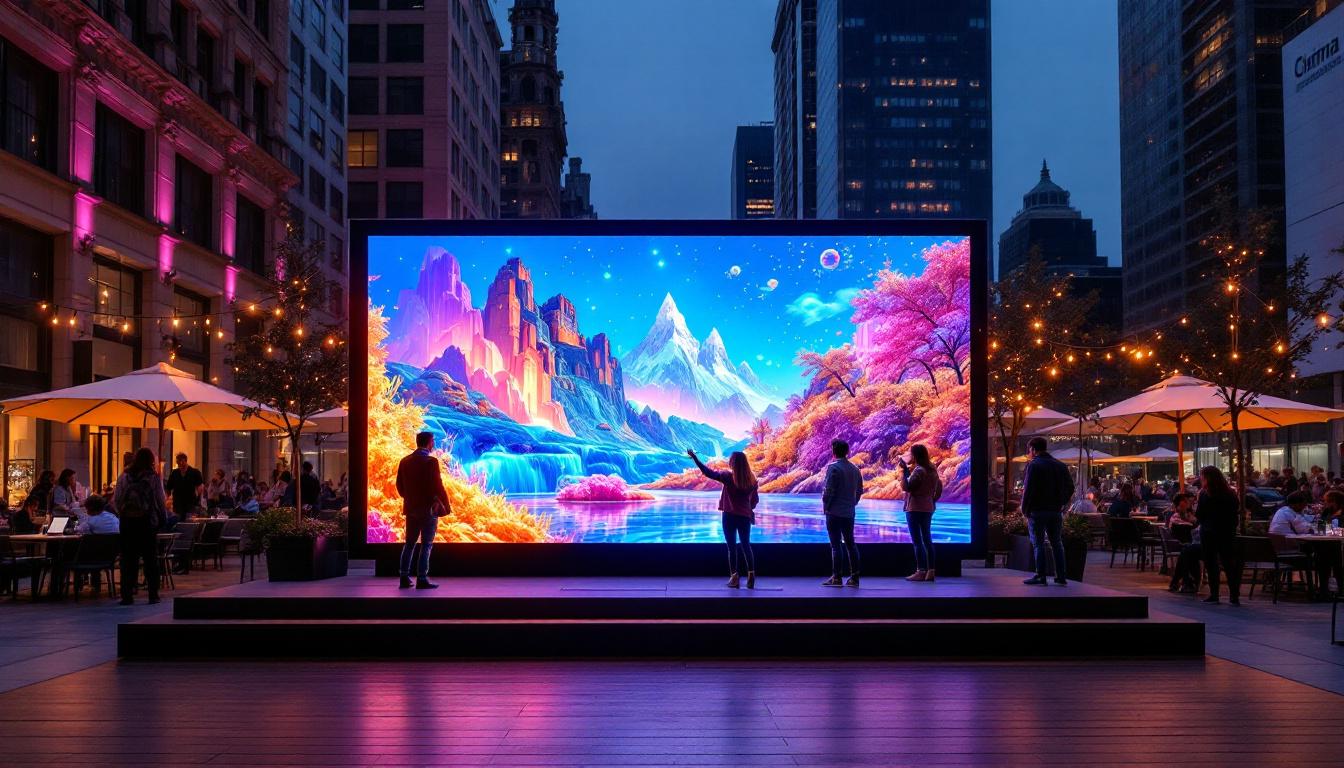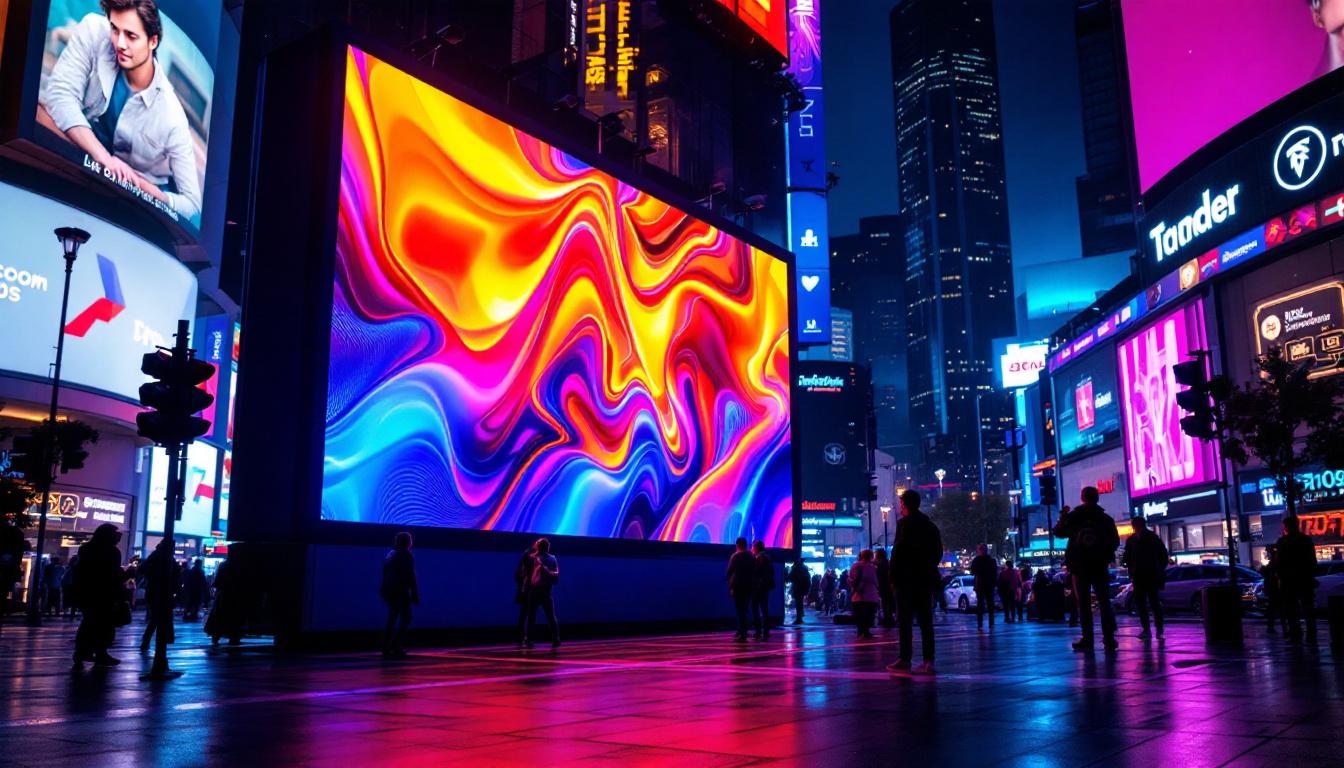
In an era dominated by visual technology, the quest for the brightest, most vivid display has driven innovation in screen technology to new heights. Among the various display technologies available today, LED displays stand out as some of the brightest and most versatile screens on the market. From massive outdoor billboards to cutting-edge smartphones and televisions, LED technology has transformed the way we experience digital content.
This article delves into the world of LED displays, exploring what makes them the brightest screens available, how they work, and why they are becoming increasingly important across different industries. Whether you’re a tech enthusiast, a professional in the digital signage space, or simply curious about the science behind these luminous screens, this comprehensive guide will illuminate the subject.
Understanding LED Display Technology
What Is an LED Display?
LED stands for Light Emitting Diode, a semiconductor device that emits light when an electric current passes through it. An LED display is a flat panel display that uses an array of light-emitting diodes as pixels to create images and videos. Unlike traditional LCDs, which rely on backlighting, LED displays generate their own light, allowing for higher brightness and better contrast.
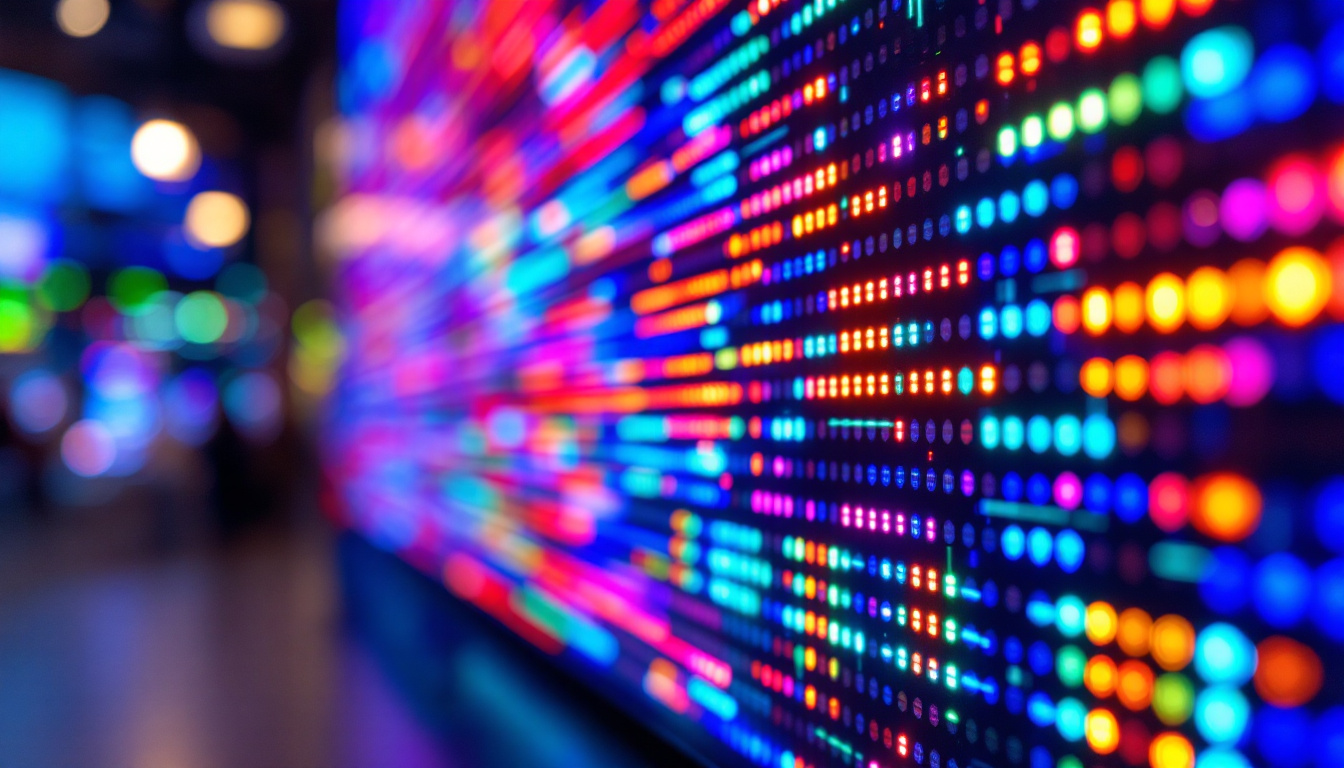
LED displays come in two main types: direct view LED and LED-backlit LCD. Direct view LED displays use individual LEDs as pixels, which can emit red, green, and blue light to produce full-color images. This type is commonly used in large-scale applications such as stadium screens and outdoor billboards. On the other hand, LED-backlit LCDs use LEDs to illuminate an LCD panel, which modulates the light to form images. These are commonly found in consumer electronics like TVs and monitors.
How Do LEDs Produce Such Brightness?
The brightness of an LED display is measured in nits (candelas per square meter). High-quality LED screens can reach brightness levels exceeding 5,000 nits, with some specialized models pushing beyond 10,000 nits. This is significantly brighter than typical LCD screens, which usually range between 200 and 500 nits.
The key to this brightness lies in the efficiency and design of the LEDs themselves. Modern LEDs use advanced materials such as gallium nitride (GaN) to produce intense light with minimal energy consumption. Additionally, the modular design of LED panels allows for precise control over each pixel’s brightness and color, enabling displays to maintain clarity even in direct sunlight.
Applications of the World’s Brightest LED Screens
Outdoor Advertising and Digital Billboards
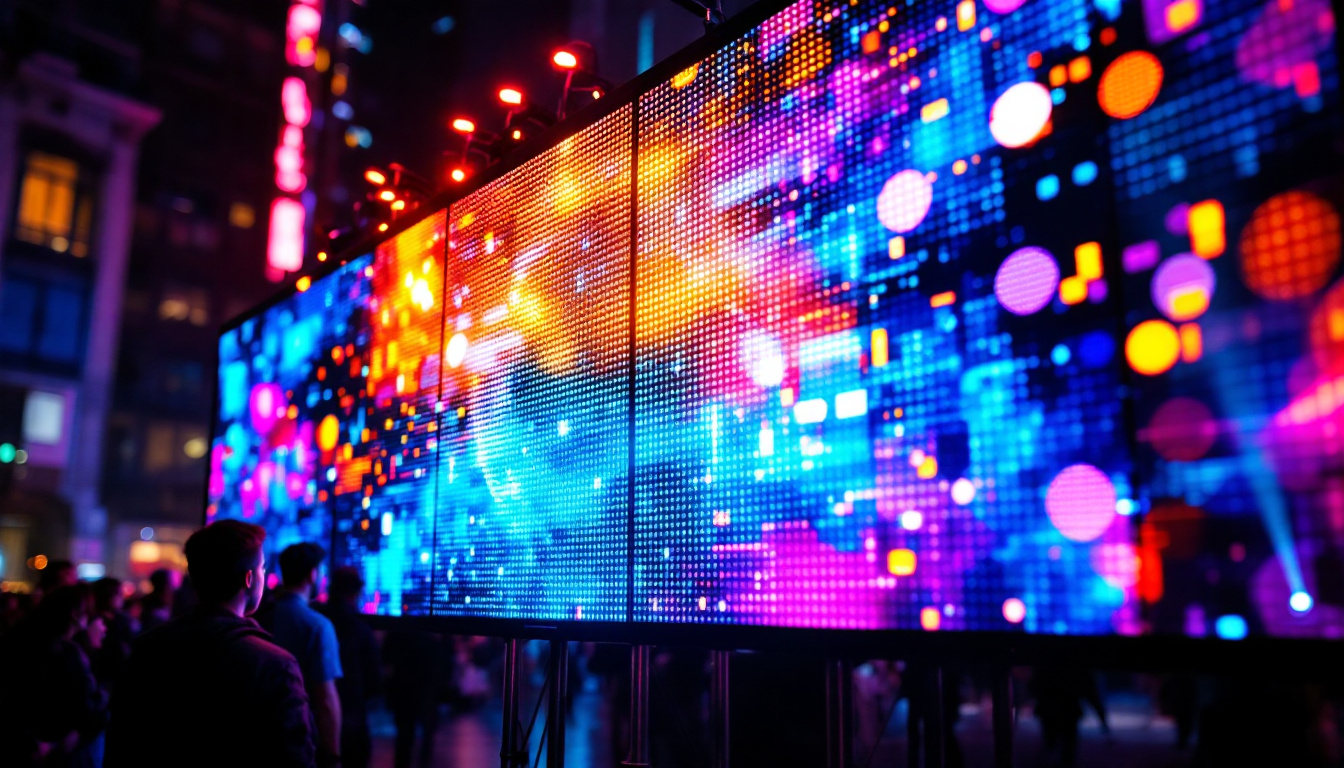
One of the most visible uses of ultra-bright LED displays is in outdoor advertising. Billboards equipped with LED technology can deliver eye-catching content that remains visible in all lighting conditions, from bright midday sun to nighttime darkness. According to the Outdoor Advertising Association of America, digital billboards have grown by over 20% in the last five years, driven largely by advances in LED brightness and durability.
These screens can display dynamic content, including animations and videos, which significantly increase viewer engagement compared to traditional static billboards. The ability to adjust brightness automatically based on ambient light ensures optimal visibility without excessive power consumption.
Sports Arenas and Concert Venues
Sports arenas and concert venues rely heavily on large LED screens to enhance the spectator experience. These screens provide live video feeds, replays, and interactive content that keep audiences engaged. The brightness of LED displays is crucial in these environments, where ambient lighting can vary dramatically.
For instance, the Dallas Cowboys’ AT&T Stadium features massive LED displays with peak brightness levels around 8,000 nits, ensuring that fans can clearly see content regardless of daylight or artificial lighting. Such brightness levels also support high-resolution images and vibrant colors, making the viewing experience immersive and enjoyable.
Retail and Indoor Digital Signage
In retail environments, LED displays are used for digital signage to attract customers and promote products. While indoor LED screens do not need to be as bright as outdoor models, they still benefit from high brightness to stand out in well-lit spaces. Retailers report that digital signage can increase sales by up to 30%, highlighting the importance of bright, clear displays in driving consumer behavior.
Furthermore, LED technology enables flexible screen shapes and sizes, allowing retailers to create visually stunning installations that blend seamlessly with store design. This adaptability is a key advantage over traditional display technologies.
Technical Innovations Driving LED Brightness
Advancements in LED Materials and Manufacturing
The continuous improvement of LED materials has been pivotal in increasing screen brightness. Gallium nitride (GaN) LEDs, introduced in the early 2000s, revolutionized the industry by enabling blue and white LEDs with unprecedented efficiency and brightness. These materials have since been refined to produce LEDs that are smaller, more powerful, and more energy-efficient.
Manufacturing techniques such as chip-scale packaging and improved thermal management also contribute to higher brightness levels. Efficient heat dissipation allows LEDs to operate at higher currents without degrading their lifespan, resulting in brighter and longer-lasting displays.
MicroLED: The Next Frontier
MicroLED technology represents the cutting edge of LED display innovation. MicroLEDs are tiny LEDs, often less than 100 micrometers in size, that can be densely packed to create displays with incredibly high resolution and brightness. Unlike OLEDs, microLEDs are inorganic and do not suffer from burn-in, making them ideal for high-brightness applications.
Companies are actively developing microLED displays for use in smartphones, TVs, and augmented reality devices. Early prototypes have demonstrated brightness levels exceeding 10,000 nits, with exceptional color accuracy and energy efficiency. While still in the early stages of commercialization, microLED technology promises to redefine what is possible in display brightness and quality.
Dynamic Brightness Control and HDR
High Dynamic Range (HDR) technology enhances the visual experience by increasing the contrast between the brightest whites and the darkest blacks. In LED displays, HDR is achieved by dynamically adjusting the brightness of individual pixels or zones. This capability requires precise control over LED brightness and contributes to the perception of a brighter, more vivid image.
Dynamic brightness control also helps conserve energy and extend the lifespan of the display by reducing brightness in darker scenes or low ambient light conditions. This balance between brightness and efficiency is essential in both consumer and commercial applications.
Challenges and Considerations in Ultra-Bright LED Displays
Power Consumption and Heat Management
One of the primary challenges of ultra-bright LED displays is managing power consumption and heat generation. High brightness levels require significant electrical power, which can lead to increased operational costs and environmental impact. Effective heat dissipation is critical to prevent damage to the LEDs and maintain consistent performance.
Manufacturers address these issues through advanced cooling systems, such as heat sinks, fans, and liquid cooling in some cases. Additionally, innovations in LED efficiency help reduce power requirements without compromising brightness.
Cost and Accessibility
While LED displays have become more affordable over the years, ultra-bright models remain a significant investment. The cost of high-quality LEDs, sophisticated control electronics, and durable housing for outdoor use can be substantial. This limits accessibility for smaller businesses or individual consumers.
However, as technology advances and production scales up, prices are expected to continue falling. The growing demand for digital signage and immersive displays is likely to drive further innovation and cost reduction.
Environmental Impact and Sustainability
LED technology is generally more environmentally friendly than older display technologies due to its energy efficiency and longer lifespan. However, the production and disposal of LED panels involve materials and processes that can impact the environment.
Recycling programs and the development of eco-friendly materials are becoming increasingly important as the use of LED displays expands. Sustainable design practices, such as modular components that can be easily repaired or upgraded, also contribute to reducing environmental impact.
The Future of Bright LED Displays
Integration with Smart Technologies
The future of LED displays is closely tied to the integration of smart technologies. Connected LED screens equipped with sensors and artificial intelligence can adjust brightness and content dynamically based on environmental conditions and audience behavior. This intelligent adaptability enhances user experience and optimizes energy use.
For example, smart city initiatives are deploying LED displays that provide real-time information, advertisements, and emergency alerts, all while adjusting brightness to minimize light pollution and energy consumption.
Expanding Applications and Form Factors
As LED technology advances, new applications and form factors are emerging. Transparent LED displays allow for see-through screens that can be used in retail windows or vehicle windshields. Flexible and curved LED panels enable innovative designs in architecture and wearable technology.
These developments will expand the role of ultra-bright LED displays beyond traditional screens, embedding them into everyday environments and devices.
Continued Innovation in Brightness and Efficiency
Research into new semiconductor materials, improved manufacturing techniques, and novel display architectures will continue to push the boundaries of LED brightness and efficiency. The goal is to create displays that are not only the brightest but also more energy-efficient, durable, and cost-effective.
As these innovations mature, consumers and businesses alike will benefit from displays that deliver stunning visuals in any lighting condition while minimizing environmental impact.
Conclusion
LED displays have firmly established themselves as the world’s brightest screens, offering unparalleled brightness, color accuracy, and versatility. From towering outdoor billboards to immersive sports arenas and sleek retail signage, the impact of LED technology is profound and far-reaching.
Advancements in materials, manufacturing, and smart integration continue to enhance the capabilities of LED displays, making them brighter, more efficient, and more adaptable than ever before. While challenges remain in terms of cost and sustainability, the future of LED display technology is bright—quite literally.
Understanding the science and applications behind these luminous screens provides valuable insight into one of today’s most dynamic areas of technology, shaping how we see and interact with the digital world around us.
Illuminate Your Space with LumenMatrix
Ready to experience the pinnacle of brightness and clarity in LED displays? LumenMatrix is at the forefront of this vibrant revolution, offering a comprehensive suite of LED display solutions tailored to your needs. Whether you’re looking to captivate crowds with an Outdoor LED Wall Display, drive engagement with a dynamic Indoor LED Wall Display, or innovate with Custom LED Displays, LumenMatrix has the technology to bring your vision to life. Don’t just take our word for it; check out LumenMatrix LED Display Solutions and see how we can transform your visual communication into an unforgettable experience.