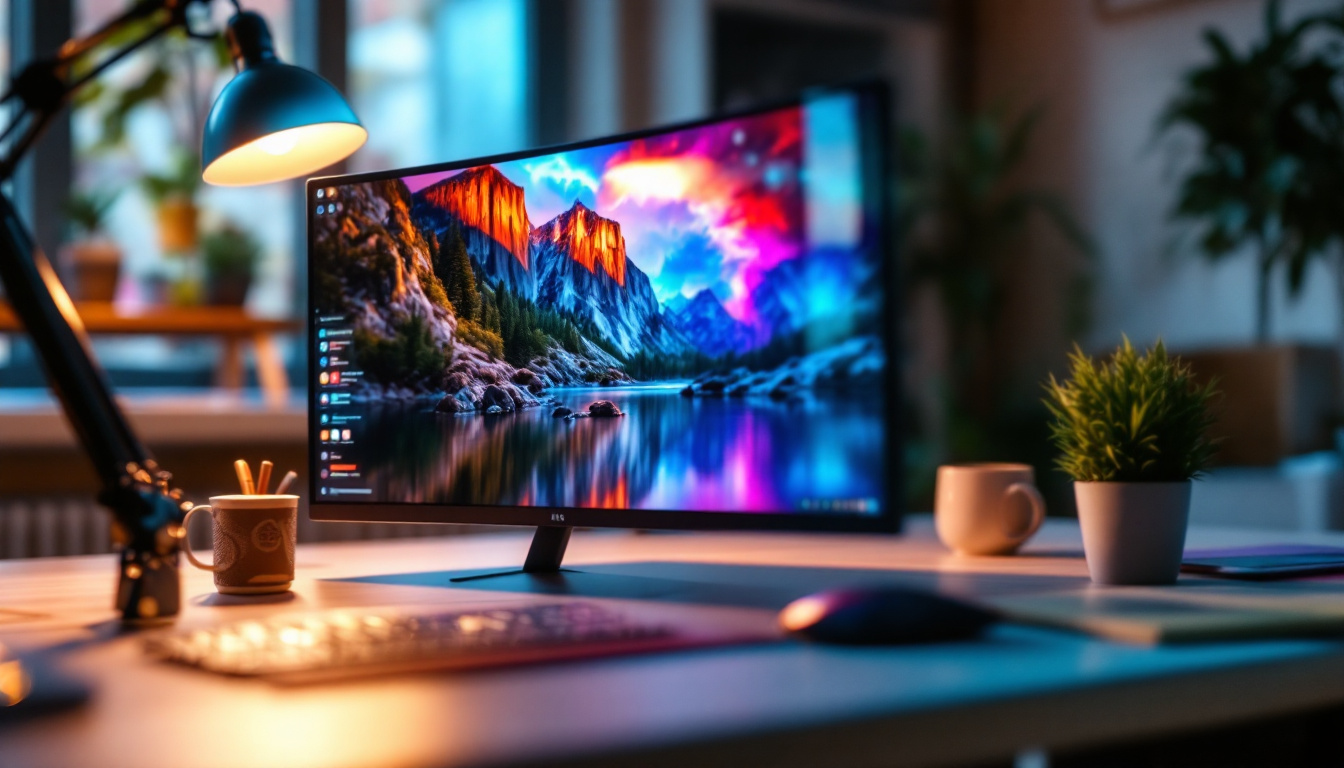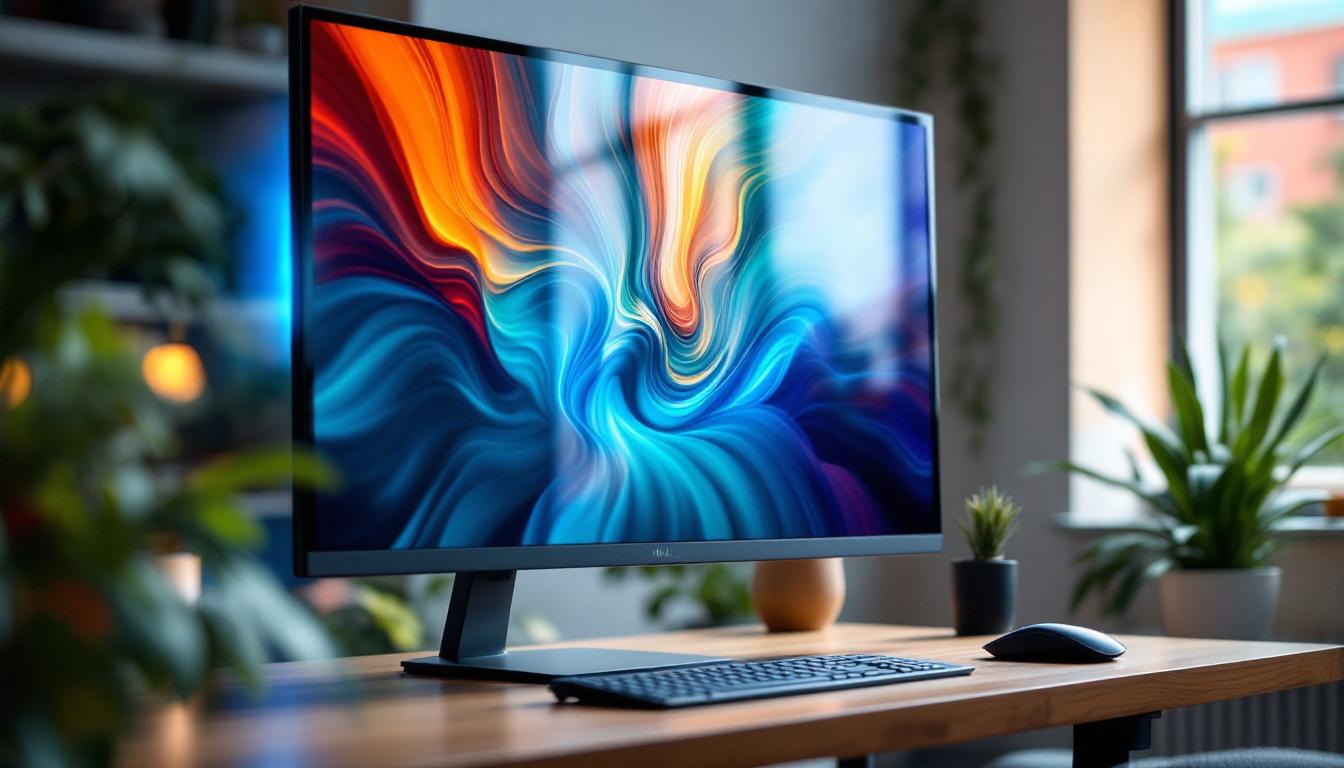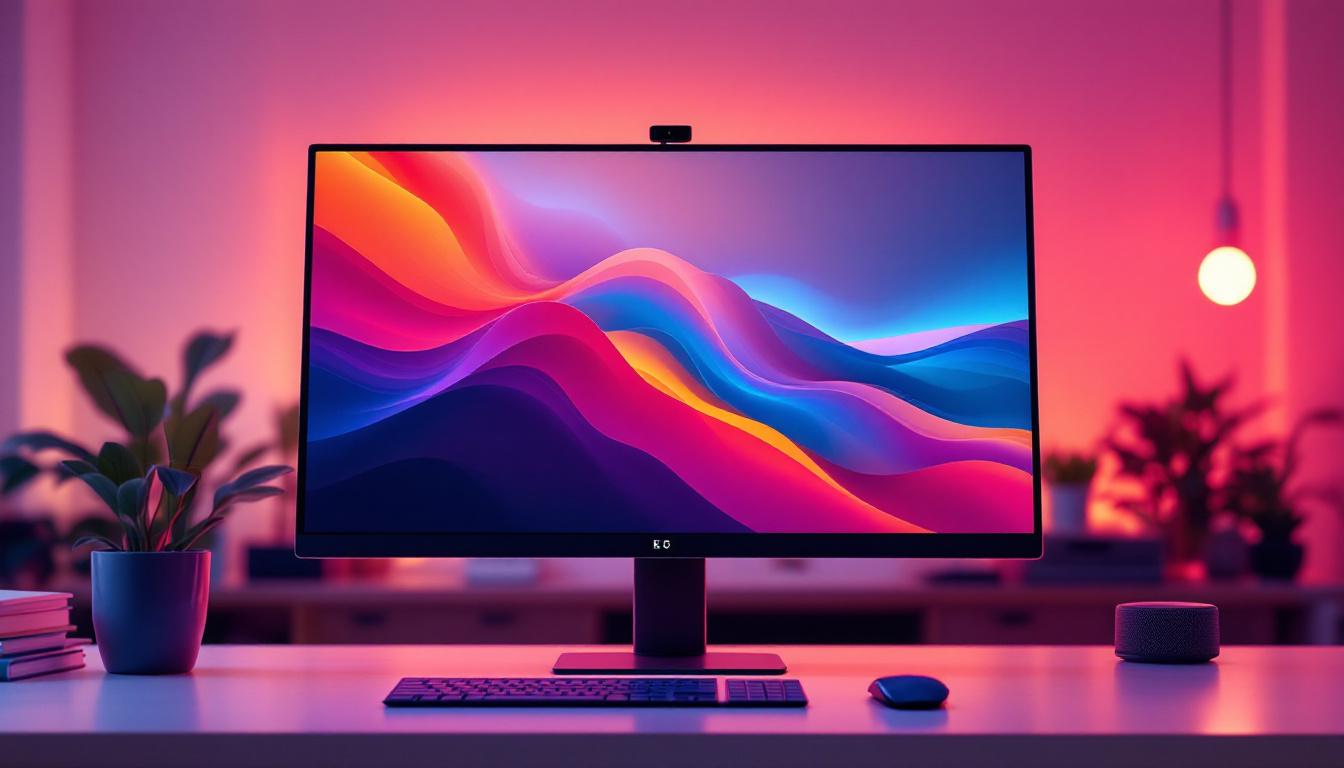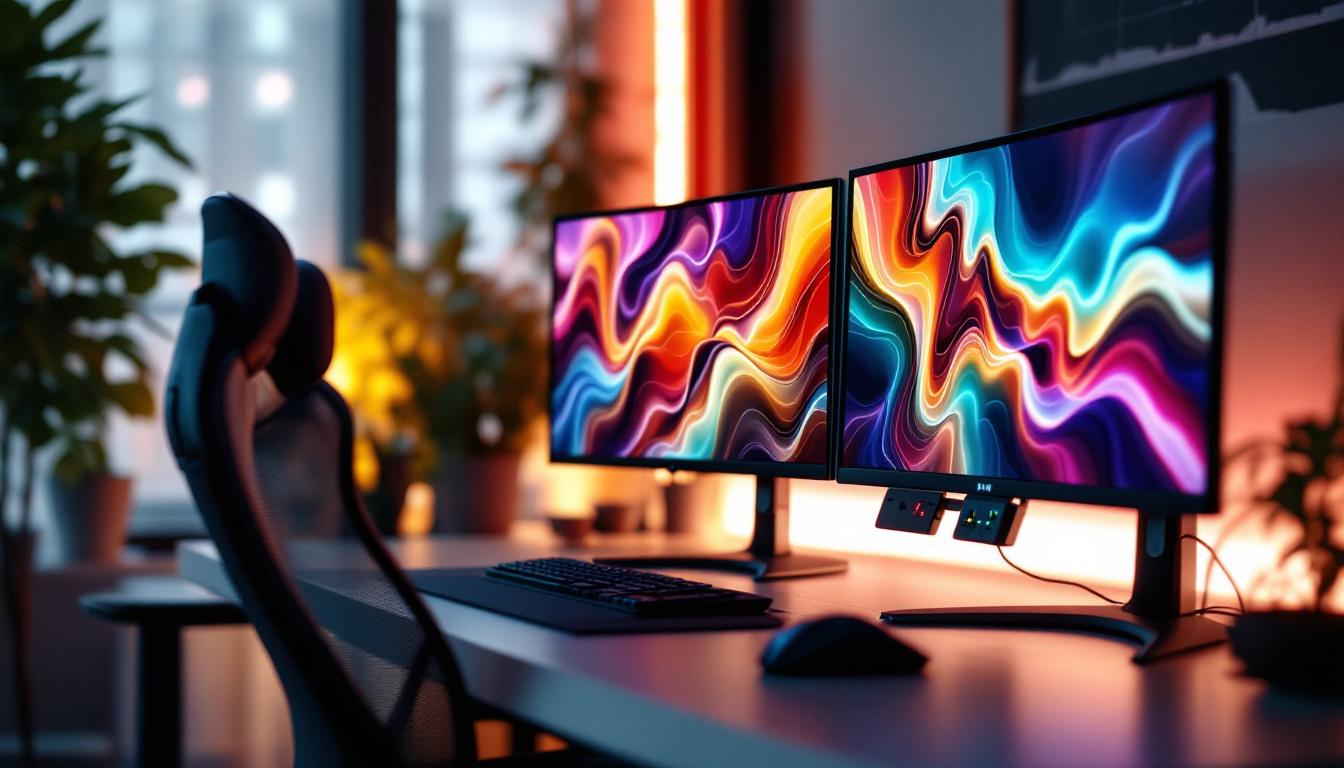
In recent years, LED technology has revolutionized the way we experience digital displays. From smartphones and laptops to large-scale advertising billboards, LED displays have become ubiquitous due to their superior brightness, energy efficiency, and vibrant color reproduction. This article delves into the world of Monitoare LED (LED monitors), explaining how LED displays work, their advantages, types, and what to consider when choosing an LED monitor for various applications.
Understanding LED Technology in Displays
LED stands for Light Emitting Diode, a semiconductor device that emits light when an electric current passes through it. Unlike traditional LCD monitors that use cold cathode fluorescent lamps (CCFL) for backlighting, LED monitors use LEDs as their light source. This fundamental difference brings several advantages in terms of picture quality, energy consumption, and design flexibility. For instance, LED monitors are generally thinner and lighter than their CCFL counterparts, making them more suitable for modern, sleek designs that fit seamlessly into any environment, whether it’s a home office or a commercial space.
How LED Displays Work
LED monitors are essentially LCD panels that utilize LED backlighting instead of CCFL. The LCD panel itself does not emit light; it controls the passage of light to create images. The LEDs serve as the backlight, shining through the liquid crystal layer and color filters to produce the final image on the screen. This setup allows for a wider color gamut and improved brightness levels, enhancing the overall viewing experience. Additionally, advancements in LED technology have led to features like HDR (High Dynamic Range), which further elevates the contrast and color accuracy, making images appear more lifelike and vibrant.
There are two main types of LED backlighting: edge-lit and full-array. Edge-lit LED monitors place LEDs along the edges of the screen, using light guides to distribute illumination evenly. Full-array LED monitors have LEDs spread uniformly behind the entire screen, allowing for more precise control of brightness and contrast through local dimming. This local dimming capability is particularly beneficial for watching movies or playing video games, as it can enhance the depth of shadows and highlights, providing a more immersive experience. Furthermore, some high-end models incorporate advanced technologies such as mini-LEDs, which offer even finer control over lighting zones and improve overall picture quality.
OLED vs. LED: Clarifying the Difference
It is important to distinguish between LED and OLED displays, as they are often confused. OLED (Organic Light Emitting Diode) displays generate light from each individual pixel, eliminating the need for a separate backlight. This allows for true blacks and exceptional contrast ratios. LED monitors, on the other hand, rely on backlighting and LCD technology, which can sometimes result in less deep blacks but generally offer higher brightness levels. While OLED technology is celebrated for its superior color accuracy and viewing angles, it can be more susceptible to burn-in, a phenomenon where static images can leave a permanent mark on the screen. This makes LED displays a more practical choice for certain applications, such as digital signage or environments where static content is frequently displayed.
Advantages of LED Monitors
LED monitors have become the standard in modern display technology due to their numerous benefits. Understanding these advantages helps consumers and professionals make informed decisions when selecting a monitor.
Energy Efficiency and Environmental Impact
One of the most significant benefits of LED monitors is their energy efficiency. Compared to CCFL-backlit LCDs, LED monitors consume up to 30-40% less power. This reduction in energy consumption not only lowers electricity bills but also contributes to a smaller carbon footprint, aligning with increasing global emphasis on sustainability.
Furthermore, LED backlights do not contain mercury, unlike CCFL lamps, making LED monitors more environmentally friendly and easier to recycle safely. This aspect is particularly important as electronic waste continues to be a growing concern worldwide. By choosing LED technology, consumers can play a part in reducing hazardous waste and promoting a healthier planet.
Improved Brightness and Color Accuracy
LED monitors typically offer higher brightness levels than their CCFL counterparts. This makes them ideal for use in brightly lit environments, such as offices with large windows or outdoor digital signage. The enhanced brightness also contributes to better visibility and reduced eye strain, which is essential for users who spend long hours in front of screens.
Additionally, LED technology supports a wider color gamut and more precise color reproduction. This is particularly important for professionals in graphic design, video editing, and photography, where color accuracy is critical. The ability to display a broader range of colors ensures that creatives can trust their monitors to represent their work accurately, leading to better outcomes in their projects and presentations.
Slimmer Designs and Longer Lifespan
Because LEDs are smaller and more efficient light sources, LED monitors can be designed to be thinner and lighter. This sleek form factor is popular among consumers who value aesthetics and portability. The reduced thickness also allows for more flexible mounting options, making them suitable for a variety of setups, from minimalist home offices to multi-monitor workstations.
LEDs also have a longer operational lifespan compared to CCFLs, often lasting over 50,000 hours. This durability translates into lower maintenance costs and less frequent replacements. Additionally, many manufacturers now offer warranties that reflect the reliability of LED technology, providing consumers with peace of mind regarding their investment. As technology continues to evolve, the longevity of LED monitors ensures that users can enjoy high-quality displays without the worry of constant upgrades or replacements.
Types of LED Monitors and Their Applications
LED monitors come in various types, each suited to different needs and environments. Understanding these types helps users select the best monitor for their specific use case.
Edge-Lit LED Monitors
Edge-lit LED monitors are the most common type found in consumer electronics. Their design places LEDs along the edges of the screen, which allows for thinner panels and lower manufacturing costs. However, edge-lit monitors may suffer from uneven backlighting and less effective local dimming, which can impact contrast and black levels.
These monitors are typically well-suited for everyday computing tasks, office work, and casual media consumption.
Full-Array LED Monitors with Local Dimming
Full-array LED monitors feature a grid of LEDs behind the entire screen, enabling more precise control of brightness in different areas of the display. Local dimming technology can dim or brighten specific zones, improving contrast and producing deeper blacks.
This type of monitor is favored by professionals in video production, gaming enthusiasts, and users who demand superior picture quality. However, full-array monitors tend to be thicker and more expensive than edge-lit models.
Mini-LED and Micro-LED: The Next Generation
Recent advancements have introduced mini-LED and micro-LED technologies, which use significantly smaller LEDs to enhance backlighting precision. Mini-LED monitors can have thousands of dimming zones, offering near-OLED levels of contrast while maintaining high brightness.
Micro-LED technology, still emerging, promises self-emissive pixels like OLED but with improved brightness, longevity, and no burn-in issues. These monitors are expected to revolutionize high-end displays in the coming years.
Choosing the Right LED Monitor: Key Considerations
Selecting an LED monitor involves balancing multiple factors based on intended use, budget, and personal preferences. The following considerations are essential for making an informed choice.
Screen Size and Resolution
The size of the monitor should correspond to the user’s workspace and viewing distance. Common sizes range from 21 to 32 inches for desktop use, with larger sizes available for specialized applications.
Resolution affects image clarity and detail. Full HD (1920×1080) is standard for many users, but 4K (3840×2160) and higher resolutions are increasingly popular, especially for creative professionals and gamers seeking sharper visuals.
Refresh Rate and Response Time
For gamers and video editors, refresh rate and response time are critical. Higher refresh rates (120Hz, 144Hz, or more) provide smoother motion, while lower response times reduce motion blur and ghosting effects.
Casual users and office workers can typically opt for standard 60Hz monitors without compromising experience.
Color Accuracy and Calibration
Professionals working with color-sensitive tasks should prioritize monitors with wide color gamut support (such as Adobe RGB or DCI-P3) and factory calibration. Some LED monitors come with hardware calibration tools or software compatibility to maintain color fidelity over time.
Connectivity and Additional Features
Modern LED monitors offer various connectivity options, including HDMI, DisplayPort, USB-C, and legacy VGA ports. USB hubs, built-in speakers, adjustable stands, and blue light filters are additional features that enhance usability and comfort.
LED Displays Beyond Monitors: Broader Applications
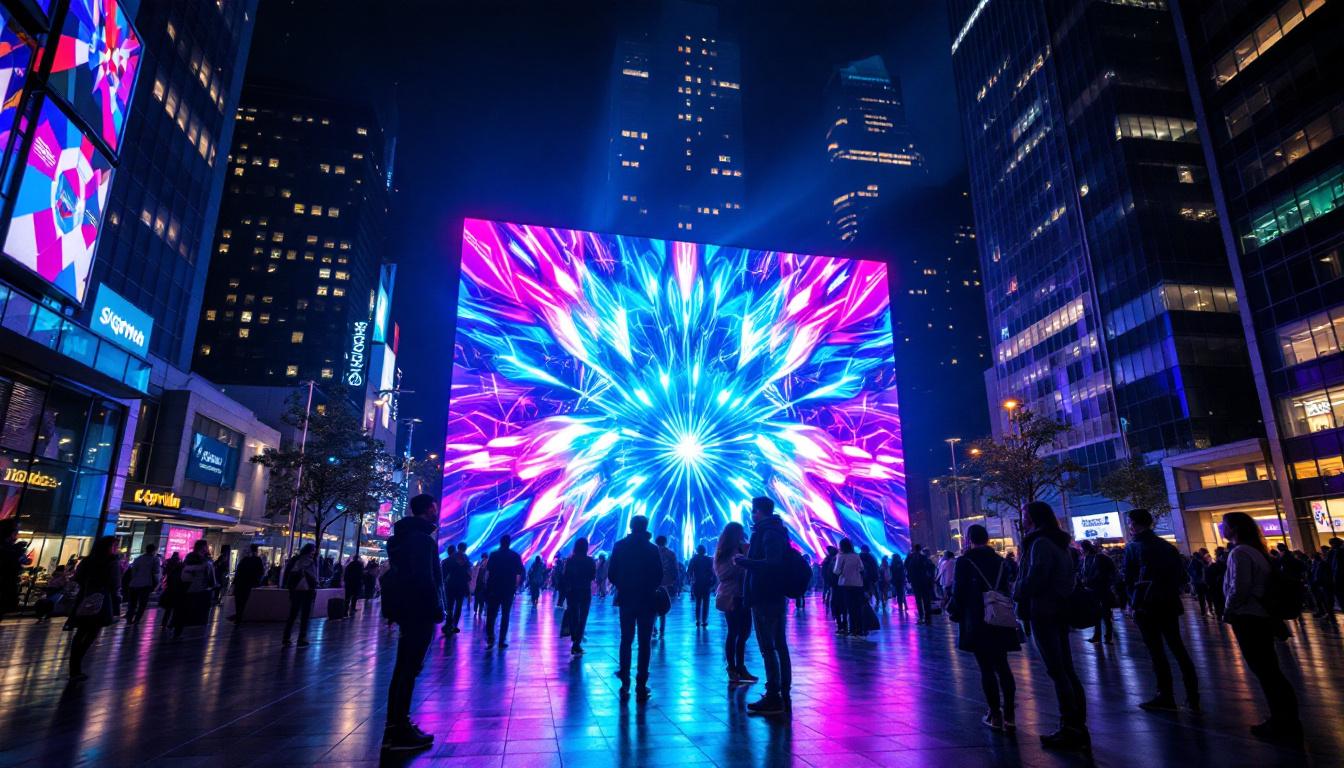
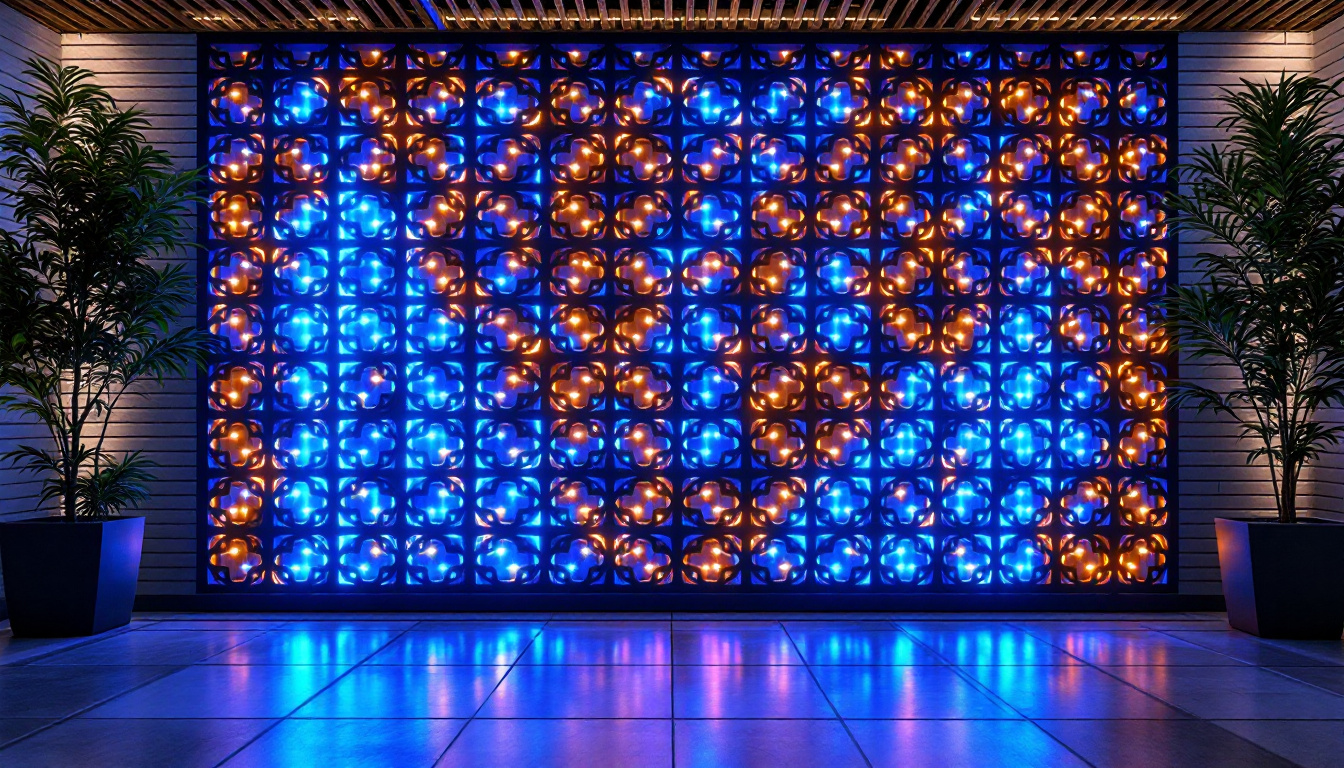
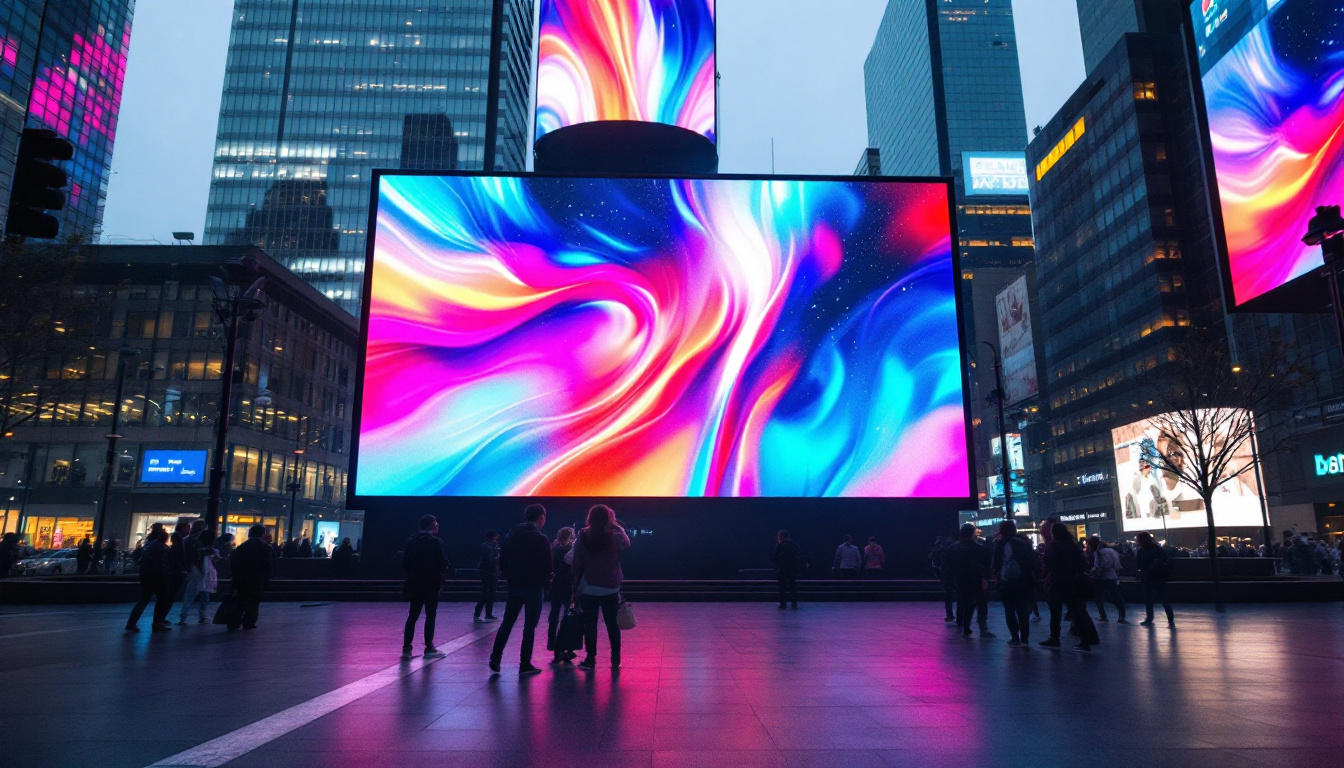
While this article focuses on LED monitors, it is worth noting that LED technology extends far beyond computer screens. Large-scale LED displays are widely used in advertising, sports arenas, and public information systems due to their scalability and visibility.
Digital Billboards and Outdoor Signage
Outdoor LED displays can reach thousands of nits in brightness, ensuring visibility even in direct sunlight. These displays utilize robust weatherproofing and modular designs for easy maintenance and customization.
Television and Mobile Devices
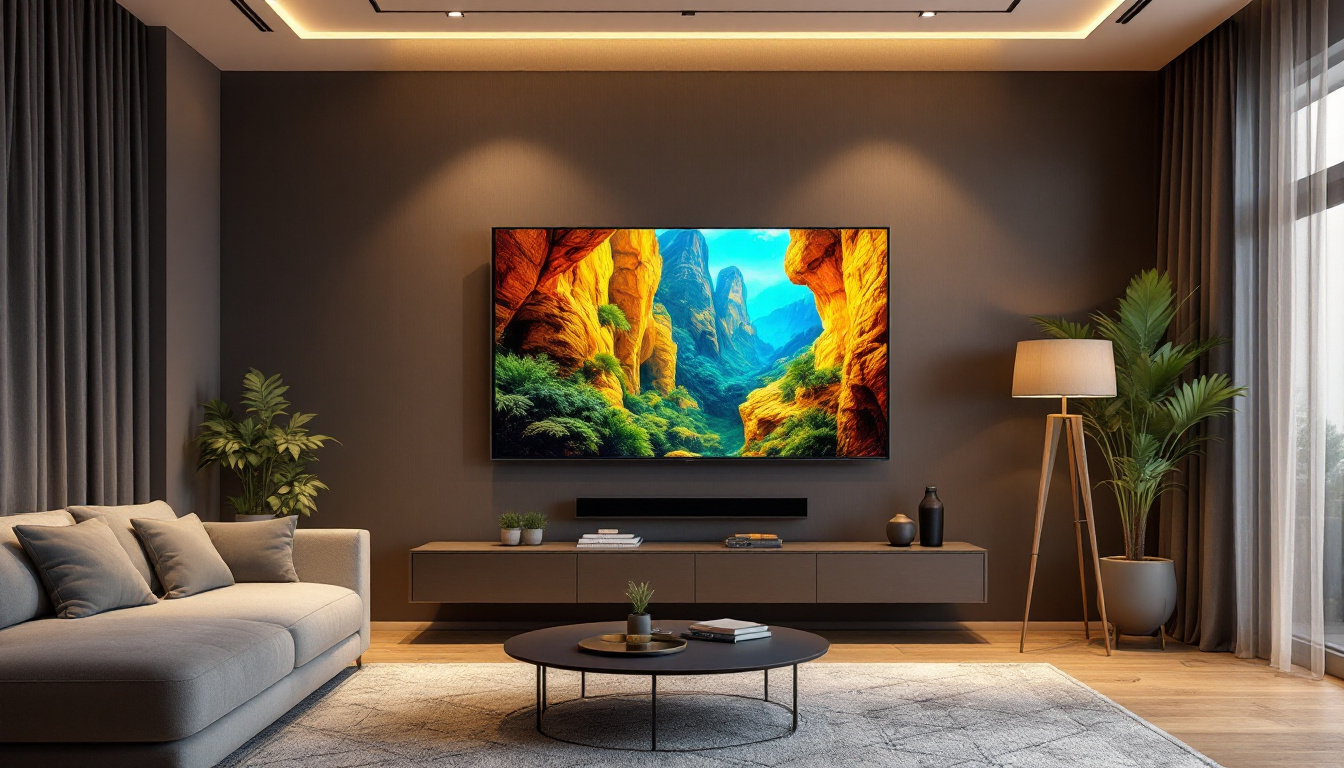
LED backlighting is standard in modern televisions, contributing to improved picture quality and slimmer designs. Smartphones and tablets also employ LED technology, often in the form of OLED or mini-LED, to deliver vibrant displays in compact form factors.
Conclusion
LED monitors represent a significant advancement in display technology, offering enhanced brightness, energy efficiency, and color accuracy compared to older LCD technologies. Understanding the differences between edge-lit, full-array, mini-LED, and micro-LED displays helps users select the right monitor for their needs.
Whether for professional work, gaming, or everyday use, LED monitors provide versatile solutions with options tailored to various budgets and performance requirements. As LED technology continues to evolve, users can expect even more impressive displays with richer colors, deeper contrasts, and greater energy savings in the near future.
Discover the Future of Visual Experience with LumenMatrix
Ready to elevate your visual experience with the latest in LED display technology? LumenMatrix is at the forefront of innovation, offering a wide array of LED display solutions tailored to your unique needs. From Indoor and Outdoor LED Wall Displays to specialized options like Vehicle LED Displays and LED Sports Displays, LumenMatrix is committed to transforming your visual communication. Engage and captivate your audience with our cutting-edge LED Poster Displays, Floor LED Displays, and more. Experience the revolution in digital signage and make a lasting impact with LumenMatrix. Check out LumenMatrix LED Display Solutions today and see your message come to life with unparalleled clarity and vibrancy.