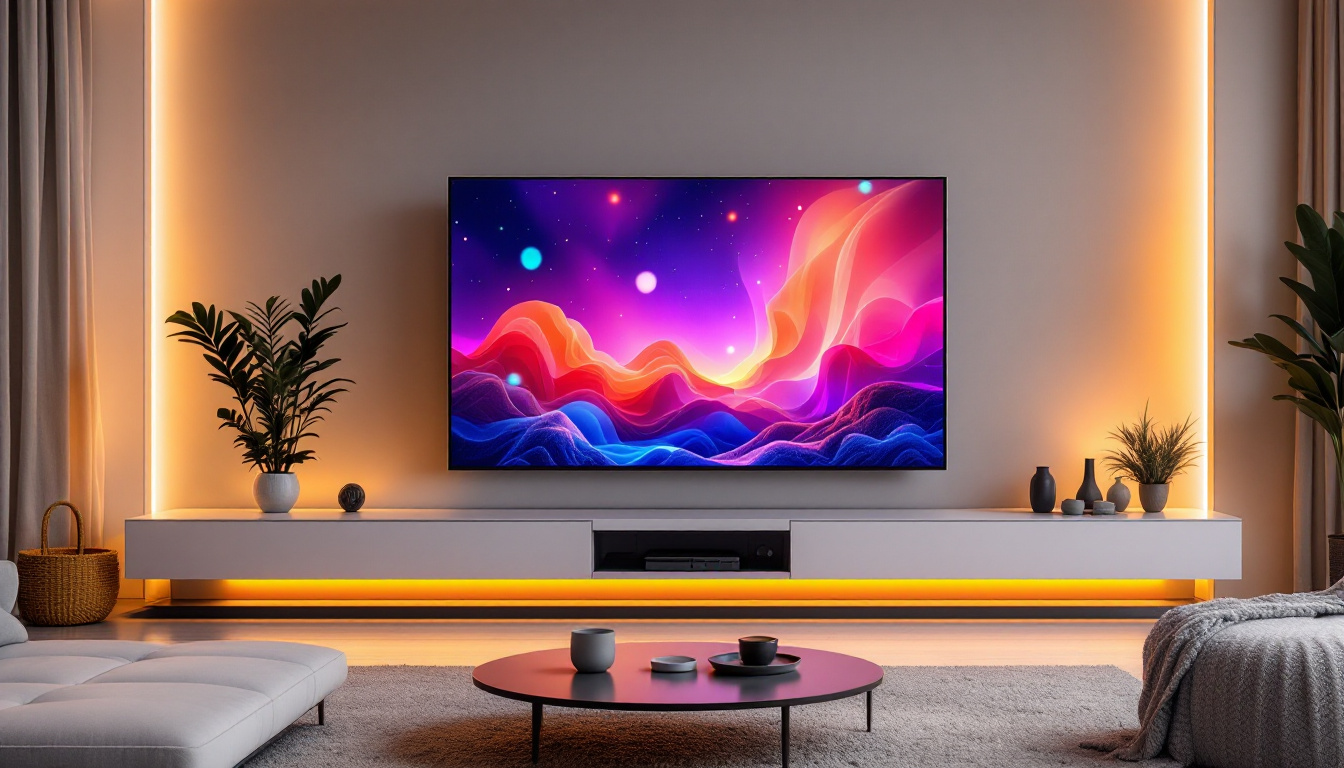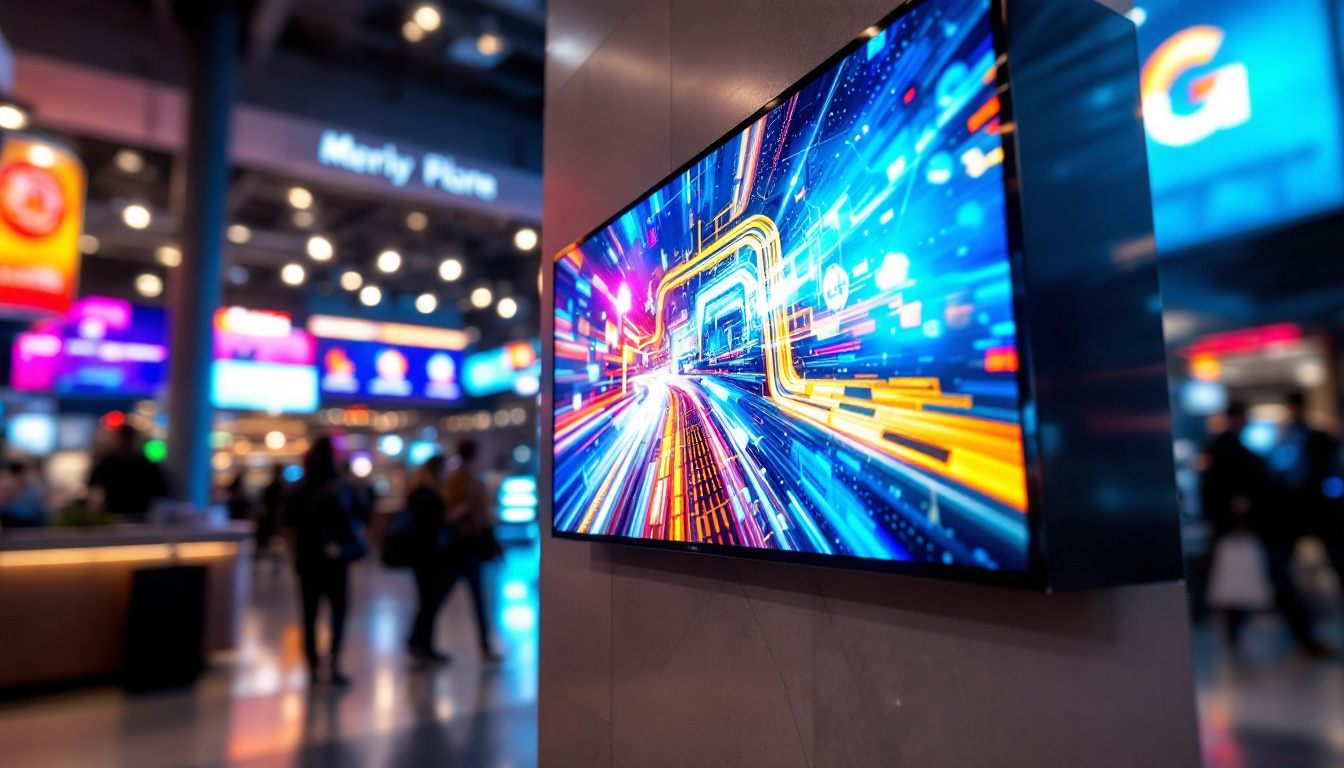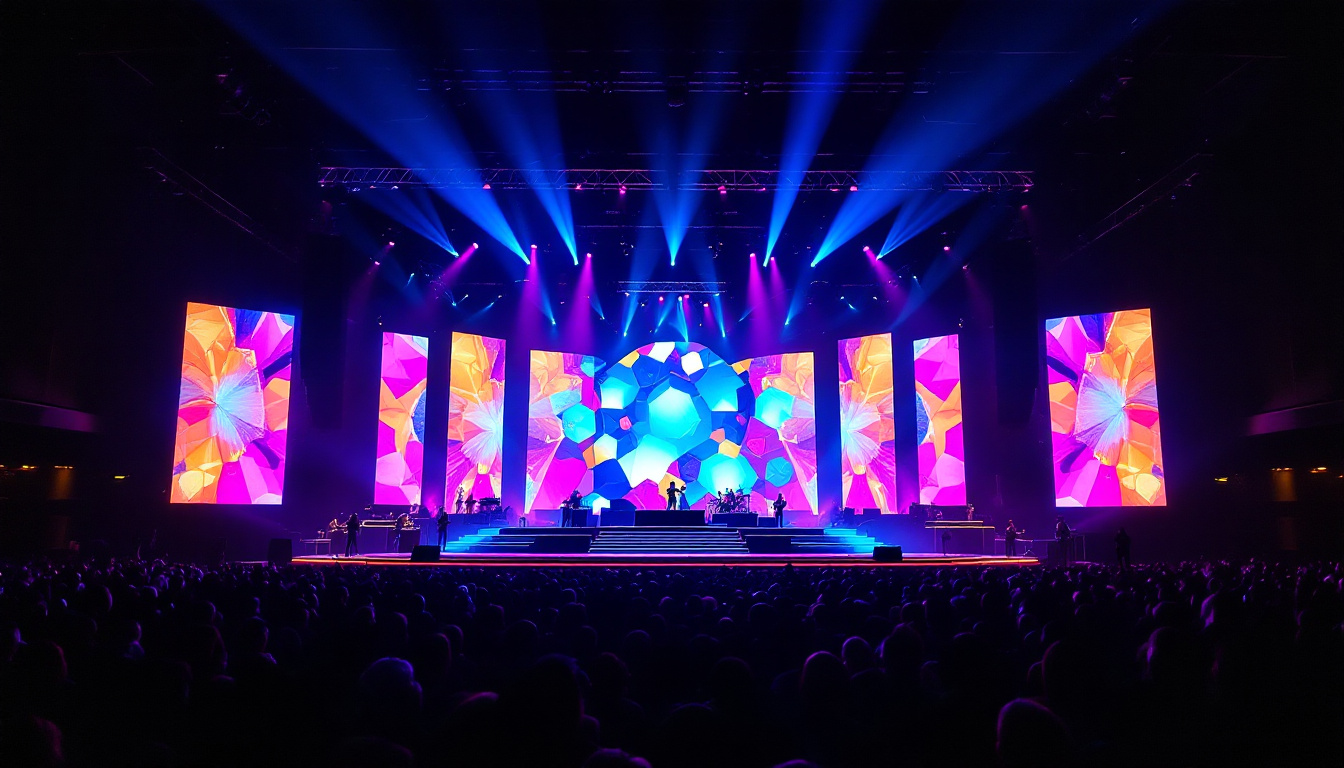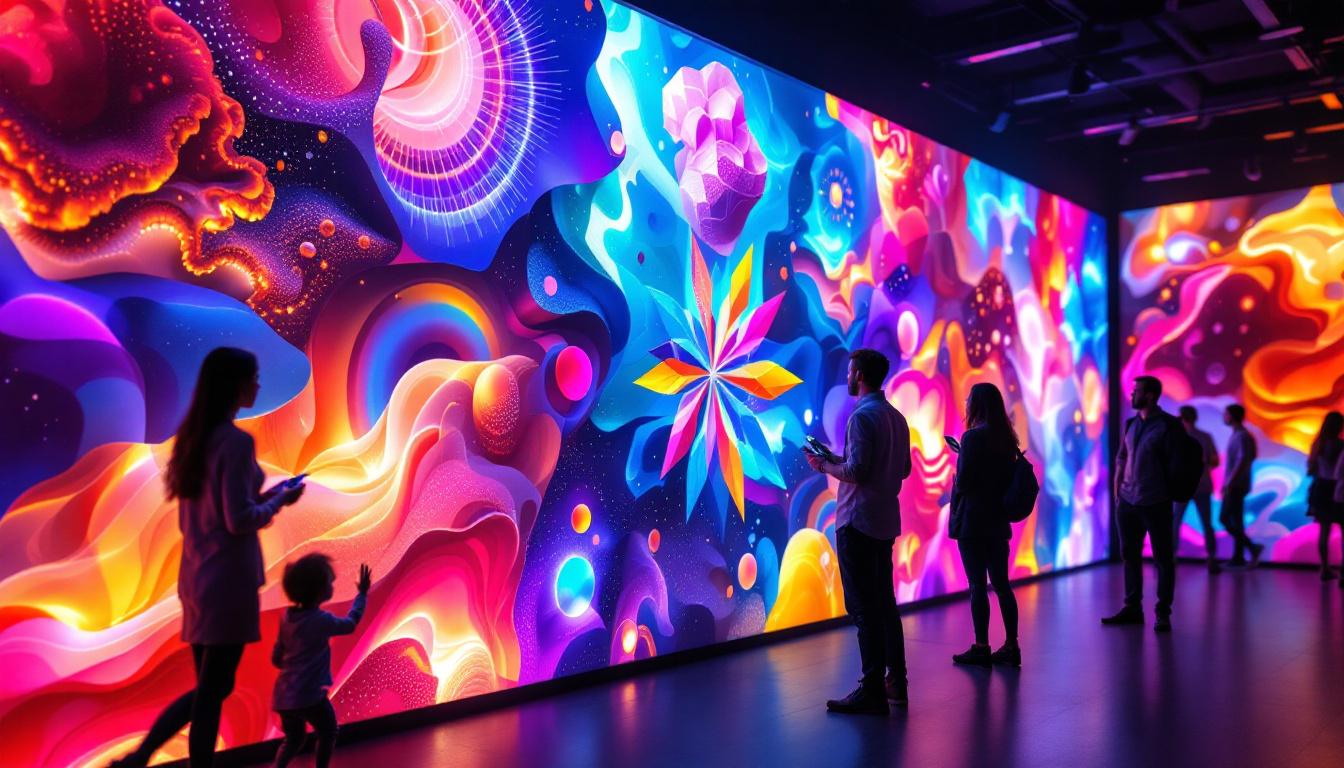
In the evolving landscape of visual technology, large 3D wall panels featuring LED displays have emerged as a groundbreaking solution for immersive and dynamic environments. From retail spaces and corporate lobbies to entertainment venues and public installations, these panels are redefining how brands and organizations communicate visually. This article delves into the technology behind large 3D LED wall panels, their practical applications, design considerations, and future trends shaping this innovative medium.
Understanding Large 3D LED Wall Panels
Large 3D LED wall panels combine advanced LED display technology with three-dimensional design elements to create visually striking installations. Unlike traditional flat screens, these panels incorporate depth and texture, offering a more engaging and immersive viewing experience.
What Are 3D LED Wall Panels?
At their core, 3D LED wall panels are composed of multiple LED modules arranged to form a large-scale display surface. The “3D” aspect refers to the physical depth or sculptural features integrated into the panel design, which can include protruding shapes, layered elements, or curved surfaces. This physical dimension adds a tactile quality that enhances the visual impact beyond what flat LED screens can achieve.
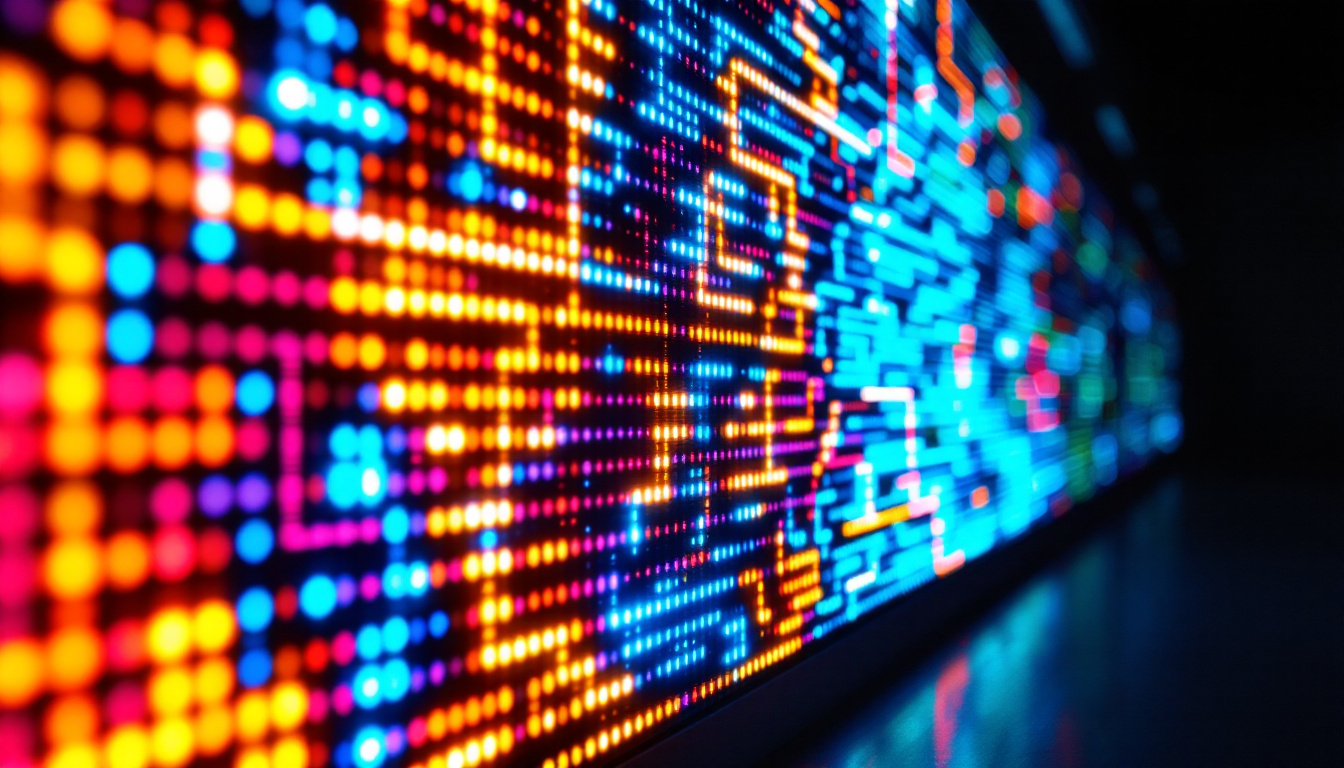
The LED technology used in these panels typically involves light-emitting diodes that produce bright, vibrant colors with high contrast ratios. Modern LED panels support high resolutions and refresh rates, making them ideal for displaying dynamic content such as videos, animations, and interactive graphics. The versatility of 3D LED wall panels allows them to be utilized in a variety of settings, from retail spaces and corporate environments to entertainment venues and art installations, where they can captivate audiences and create memorable experiences.
Key Technical Components
Several technical factors contribute to the performance and quality of large 3D LED wall panels:
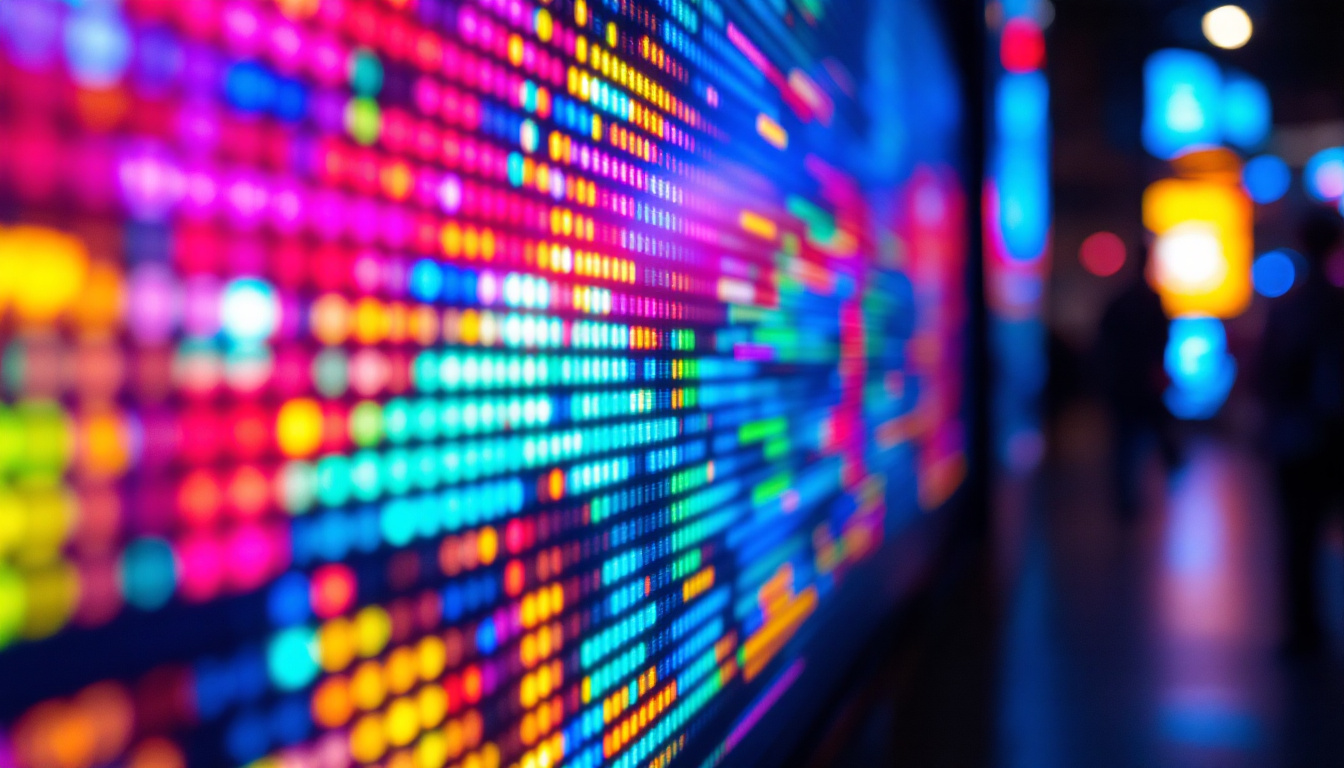
- Pixel Pitch: This refers to the distance between individual LEDs on the panel. Smaller pixel pitches result in higher resolution and sharper images, which is crucial for close viewing distances.
- Brightness and Contrast: High brightness levels (often exceeding 1,000 nits) ensure visibility even in brightly lit environments, while strong contrast ratios enhance image depth and clarity.
- Viewing Angle: Wide viewing angles are essential for large installations to maintain image quality from different perspectives.
- Refresh Rate: Higher refresh rates reduce flicker and motion blur, improving the viewing experience for video content and animations.
- Durability and Weather Resistance: For outdoor or public installations, panels must be designed to withstand environmental factors such as moisture, dust, and temperature fluctuations.
In addition to these technical specifications, the integration of software solutions plays a vital role in maximizing the potential of 3D LED wall panels. Advanced content management systems enable users to create, schedule, and display a wide range of multimedia content seamlessly. This capability is particularly beneficial for businesses looking to engage customers with targeted advertising or for event organizers aiming to create immersive experiences. Furthermore, the ability to synchronize multiple panels allows for the creation of expansive visual displays that can transform any space into a dynamic environment, enhancing the overall aesthetic and atmosphere.
Moreover, the design flexibility of 3D LED wall panels opens up a world of creative possibilities. Designers can experiment with various shapes, sizes, and configurations, allowing for unique installations that can adapt to the specific needs of a project. Whether it’s a curved display that wraps around a corner or a series of interlocking panels that create a stunning visual narrative, the potential for artistic expression is virtually limitless. This adaptability not only makes 3D LED wall panels a favorite among designers and architects but also positions them as a cutting-edge solution for modern visual communication.
Applications of Large 3D LED Wall Panels
The versatility of large 3D LED wall panels makes them suitable for a wide range of applications across industries. Their ability to captivate audiences with immersive visuals has driven adoption in sectors where impactful communication is critical.
Retail and Advertising
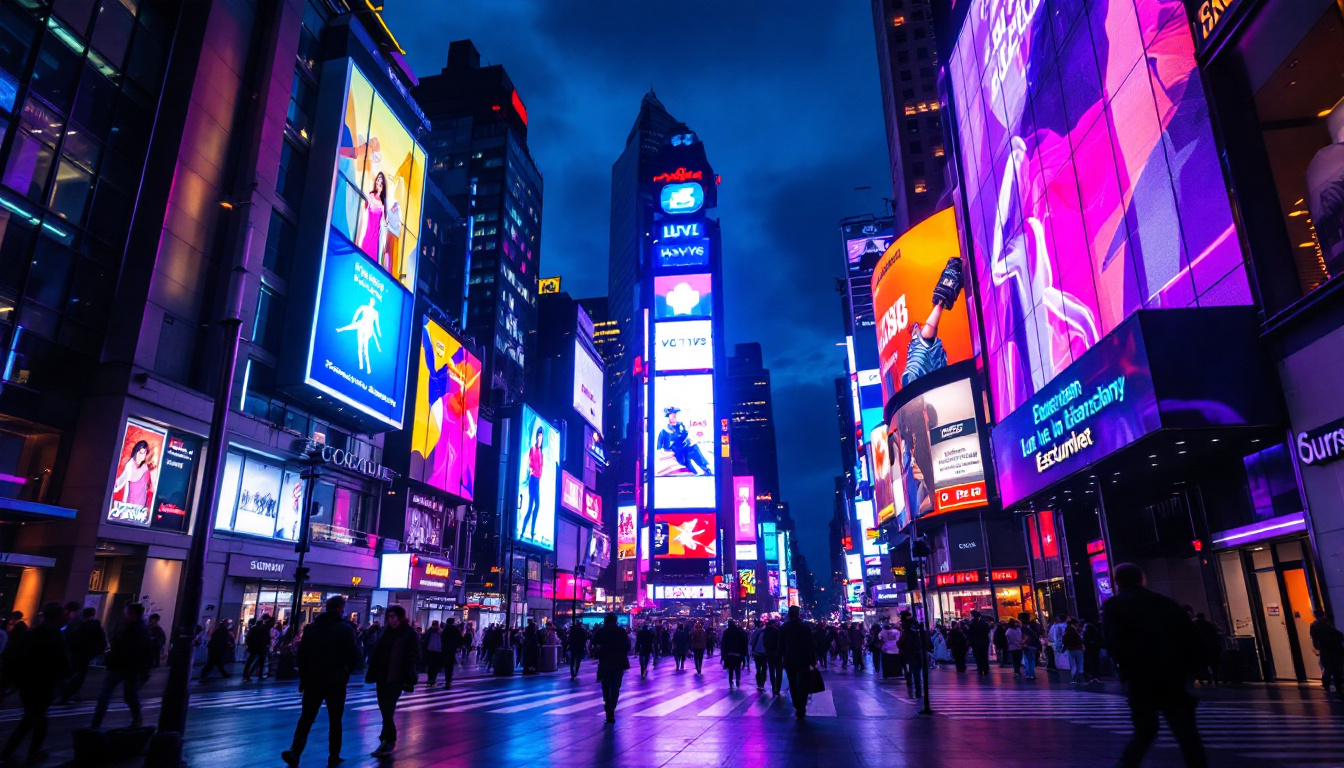
Retail environments leverage 3D LED wall panels to create engaging storefront displays and in-store experiences. These panels can showcase dynamic advertisements, product launches, and brand storytelling in a way that attracts foot traffic and encourages customer interaction.
For example, luxury brands often use curved or sculpted LED walls to complement their store architecture, enhancing brand prestige. The ability to update content remotely and instantly also allows retailers to tailor messaging for seasonal campaigns or promotions. Furthermore, interactive features can be integrated, allowing customers to engage with the display through touch or motion sensors, creating a personalized shopping experience that resonates with tech-savvy consumers.
Corporate and Hospitality Spaces
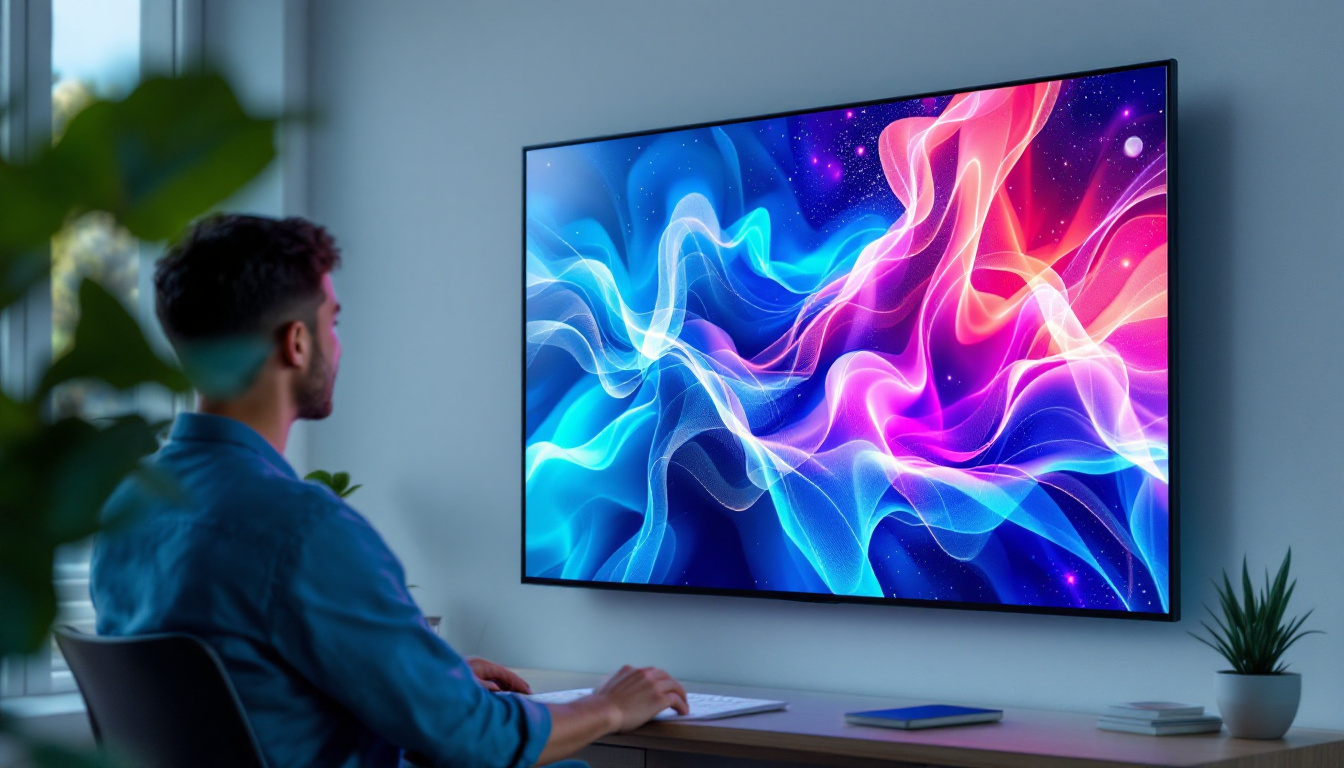
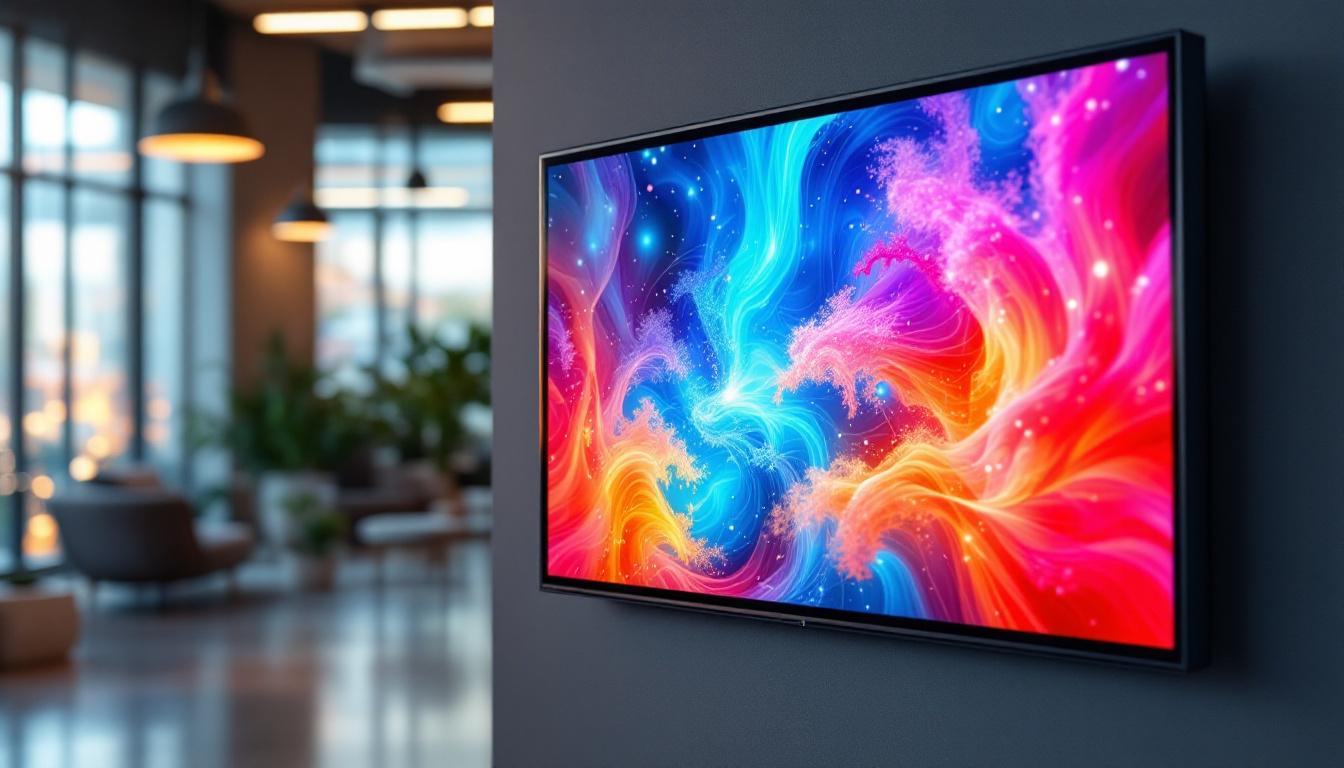
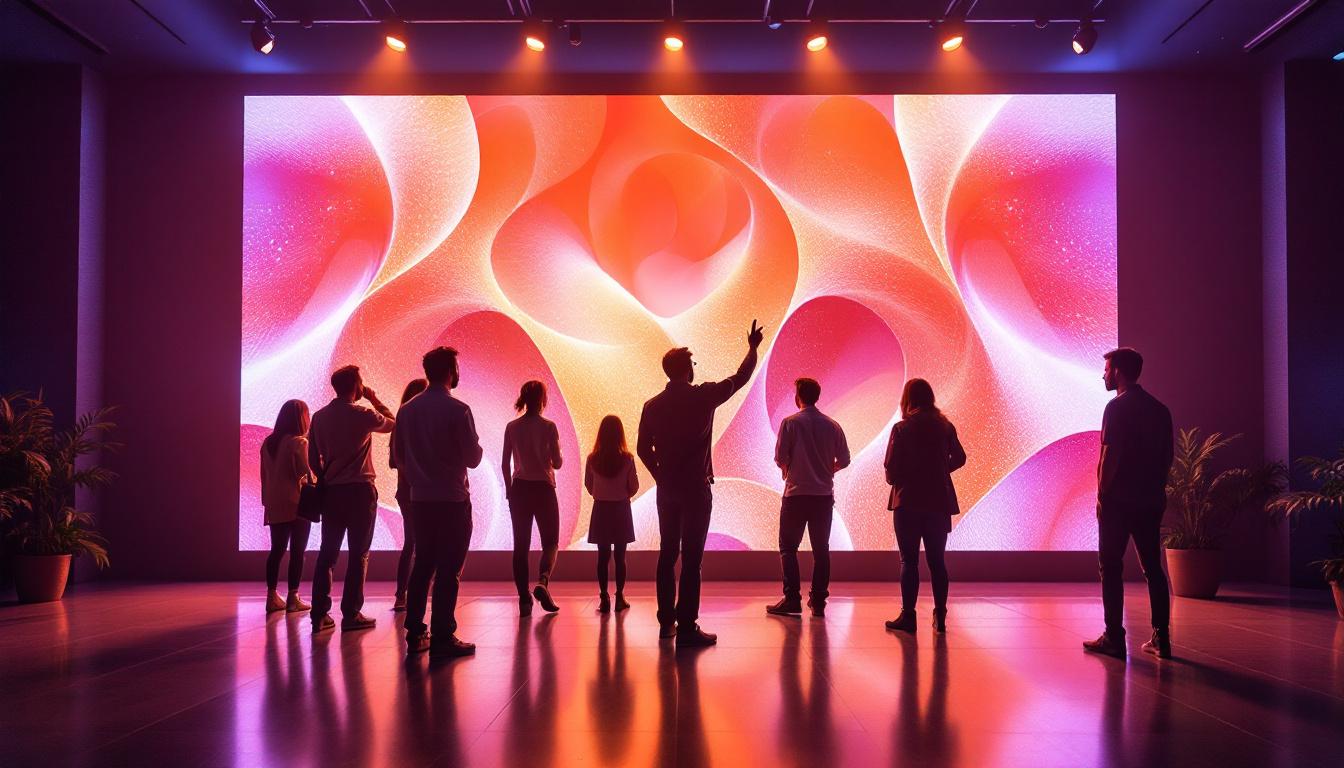
In corporate headquarters, large 3D LED walls serve as impressive focal points in lobbies and conference rooms. They communicate company values, display real-time data, or provide immersive environments for presentations and events.
Hospitality venues such as hotels and casinos use these panels to create memorable ambiance and direct guest attention to key areas. The combination of 3D design and LED technology supports both aesthetic appeal and functional communication. Moreover, these installations can be programmed to change according to the time of day or special events, enhancing the overall guest experience. By incorporating local art or cultural themes into the displays, establishments can also foster a deeper connection with their community and create a unique atmosphere that encourages repeat visits.
Entertainment and Events
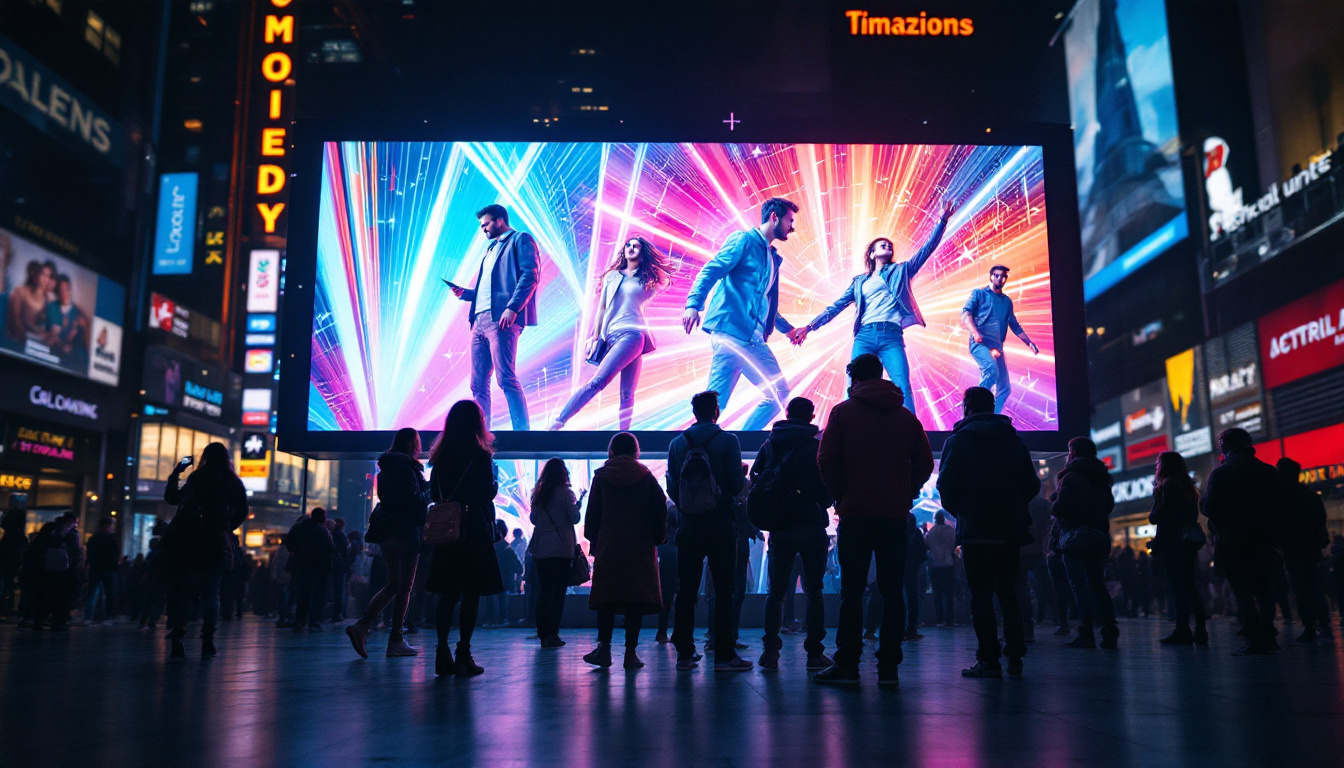
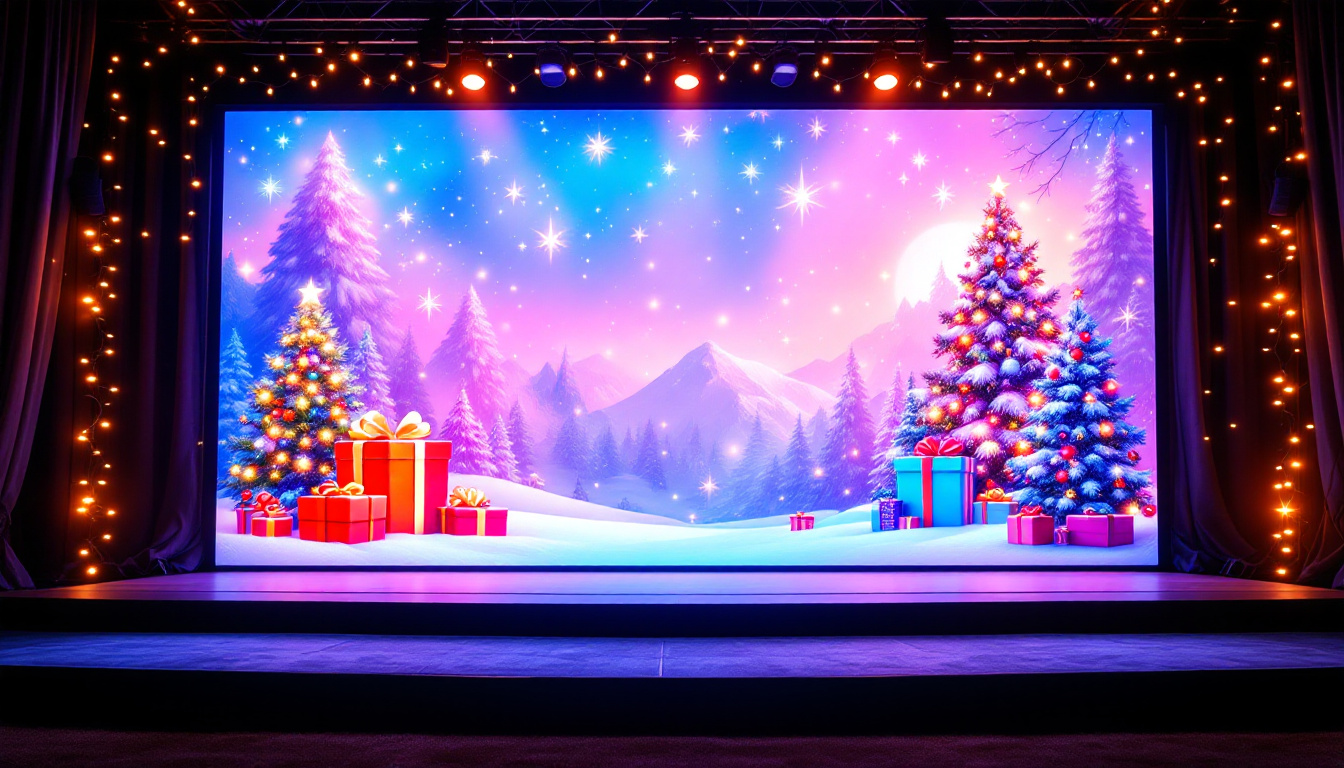
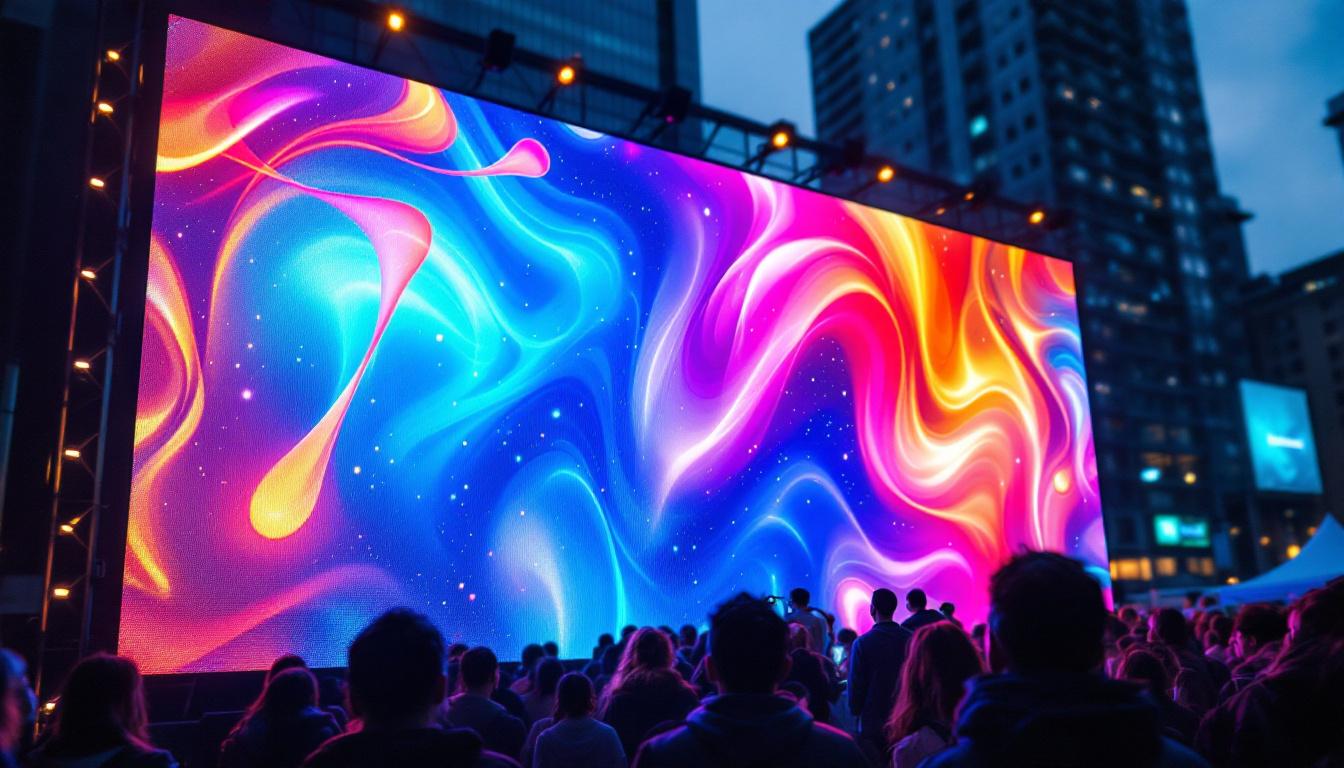
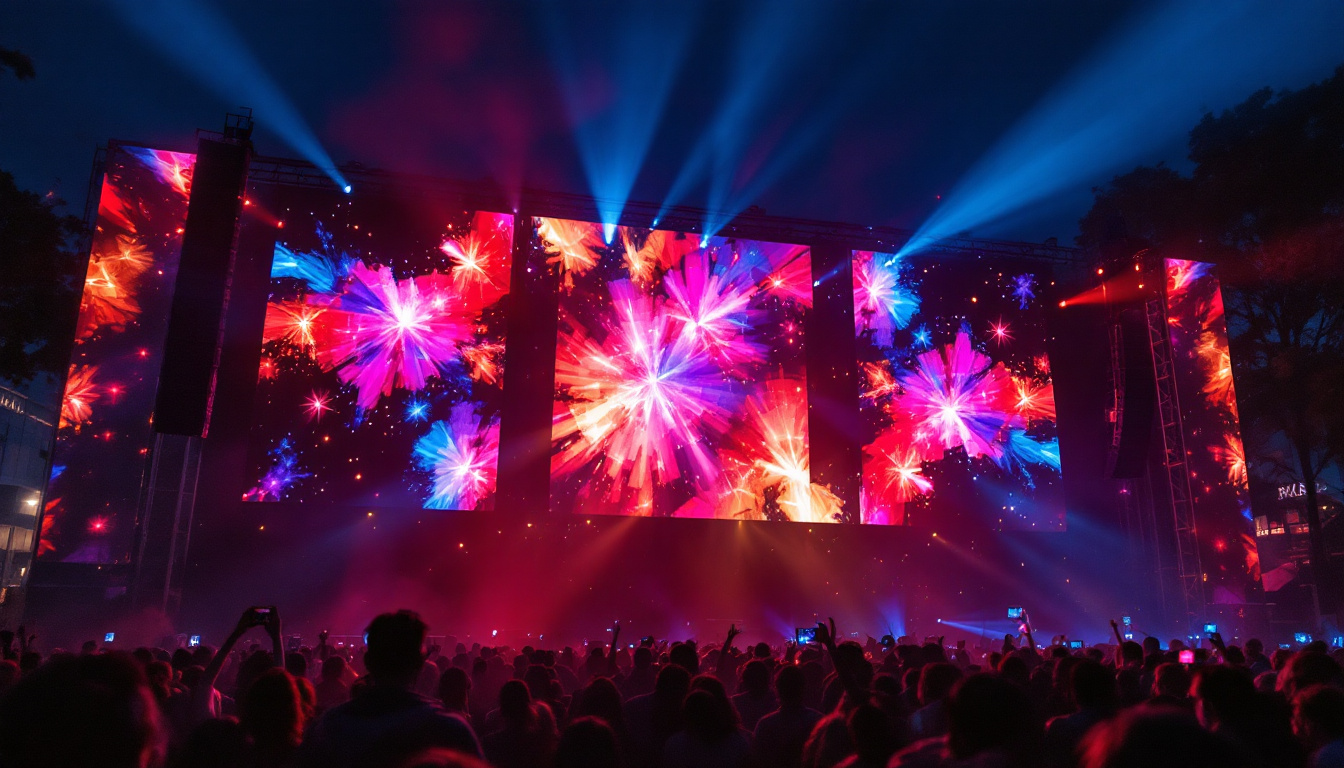
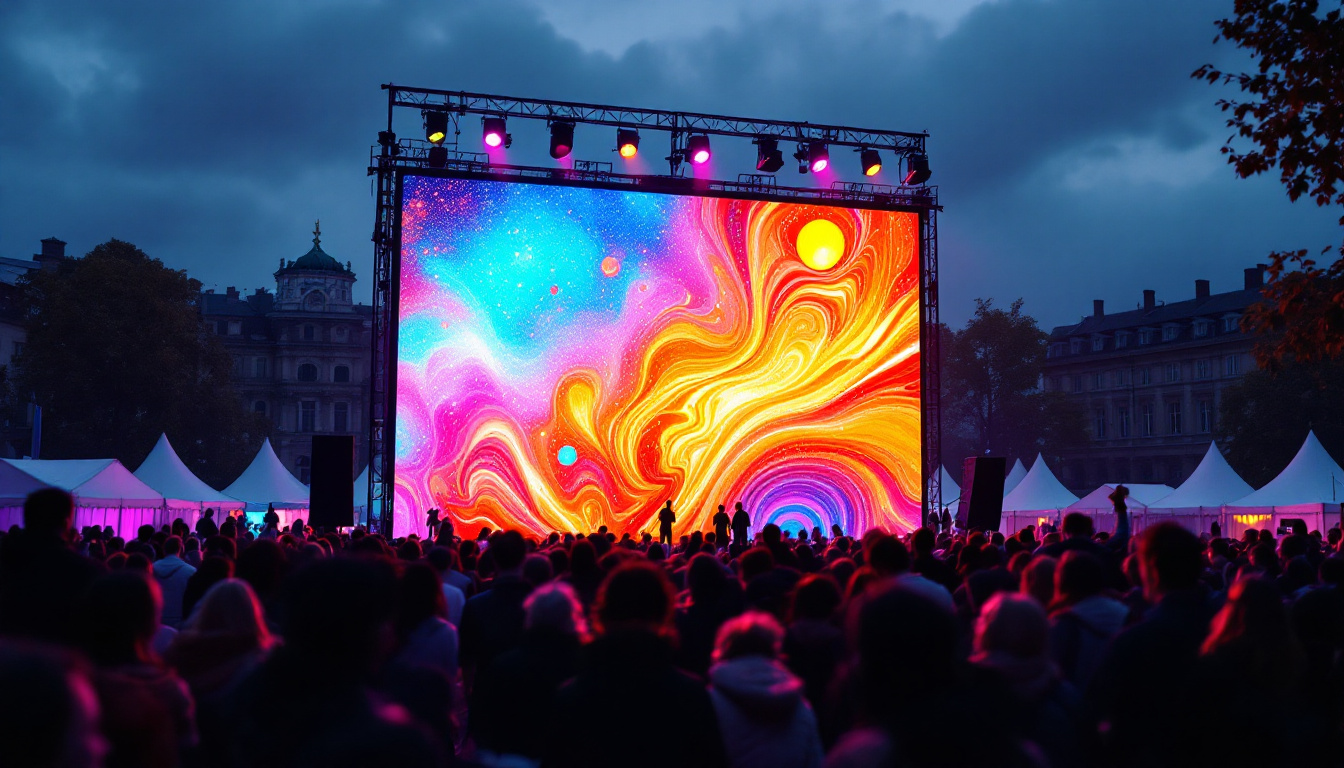
The entertainment industry has embraced large 3D LED wall panels for concerts, theater productions, and sports arenas. These installations deliver dynamic backdrops that enhance performances and engage audiences on multiple sensory levels.
Event organizers also use modular 3D LED walls for trade shows and exhibitions, where the ability to customize shapes and sizes offers flexibility and creative freedom. In addition, the integration of augmented reality (AR) features can transform a standard presentation into an interactive experience, allowing attendees to explore products or concepts in a more engaging way. This fusion of technology not only captivates audiences but also provides valuable data on viewer engagement and preferences, enabling organizers to refine their strategies for future events.
Public Art and Urban Installations
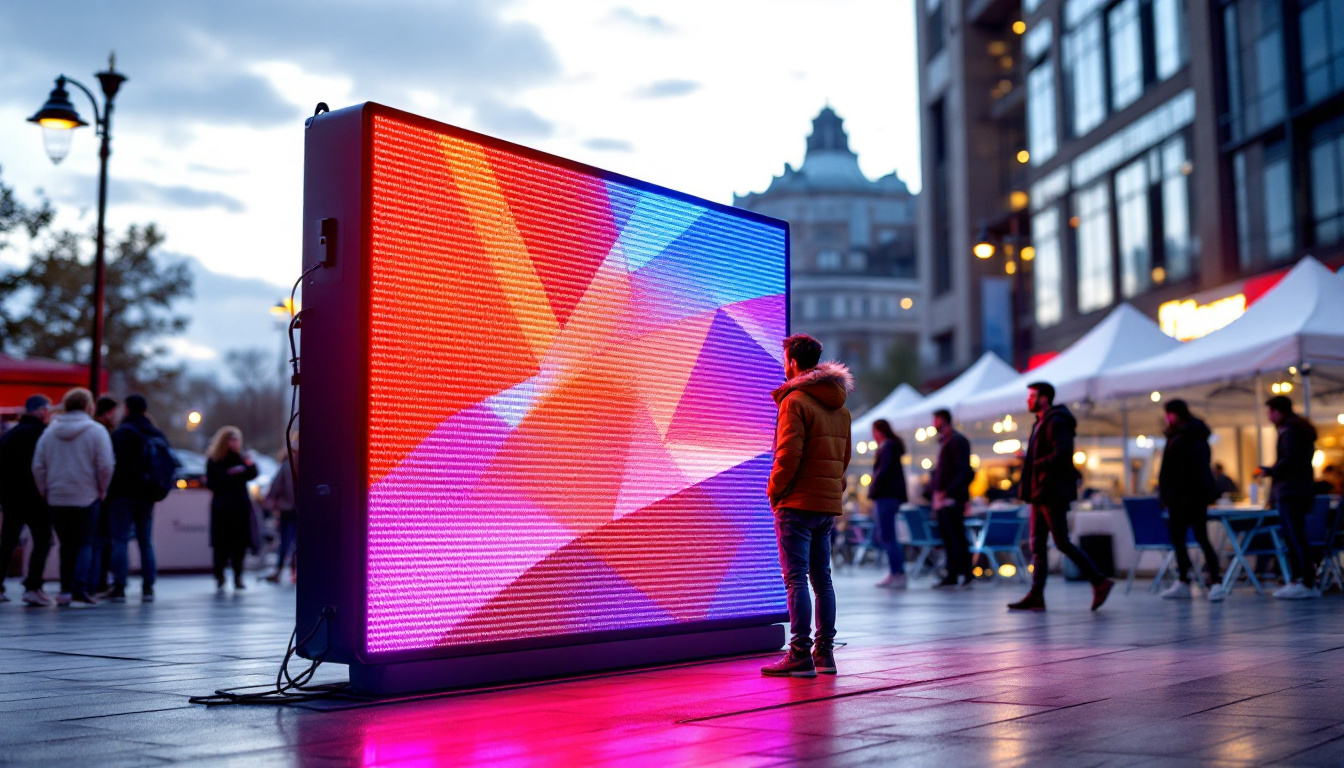
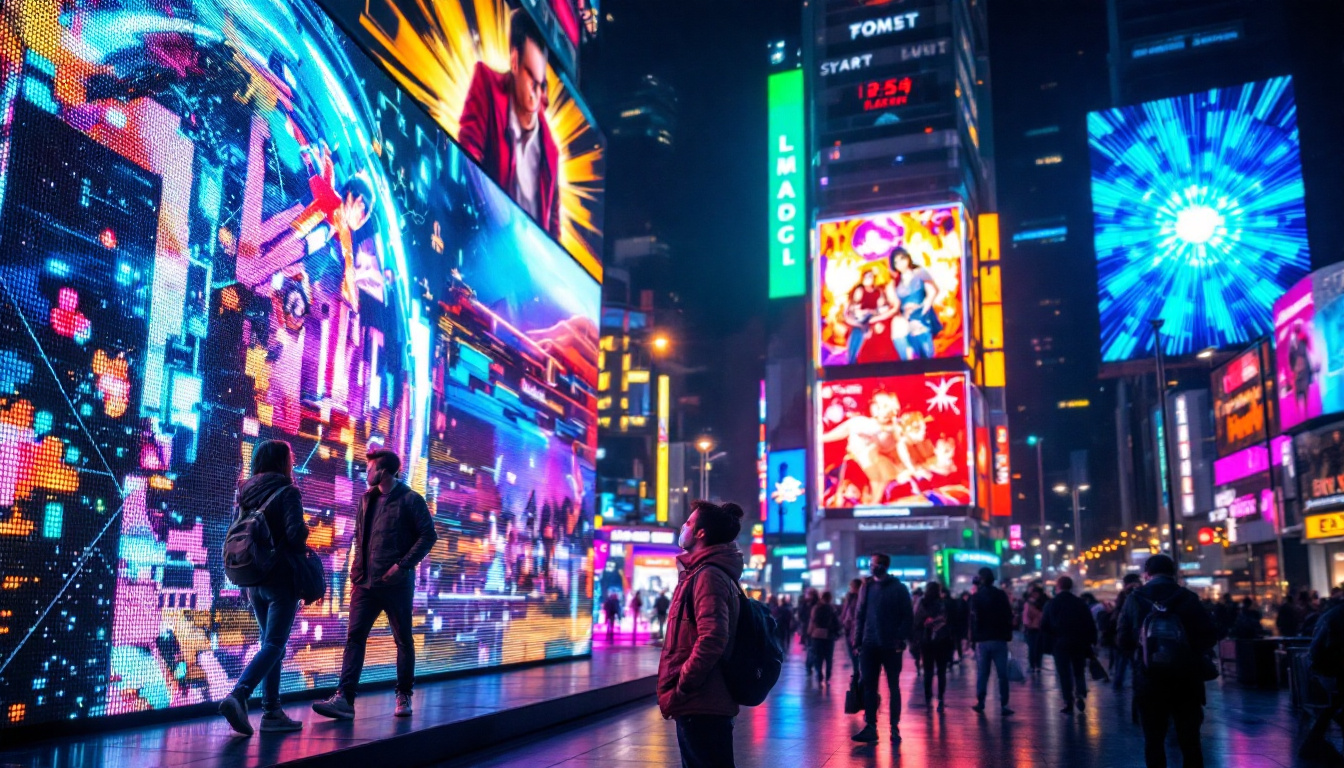
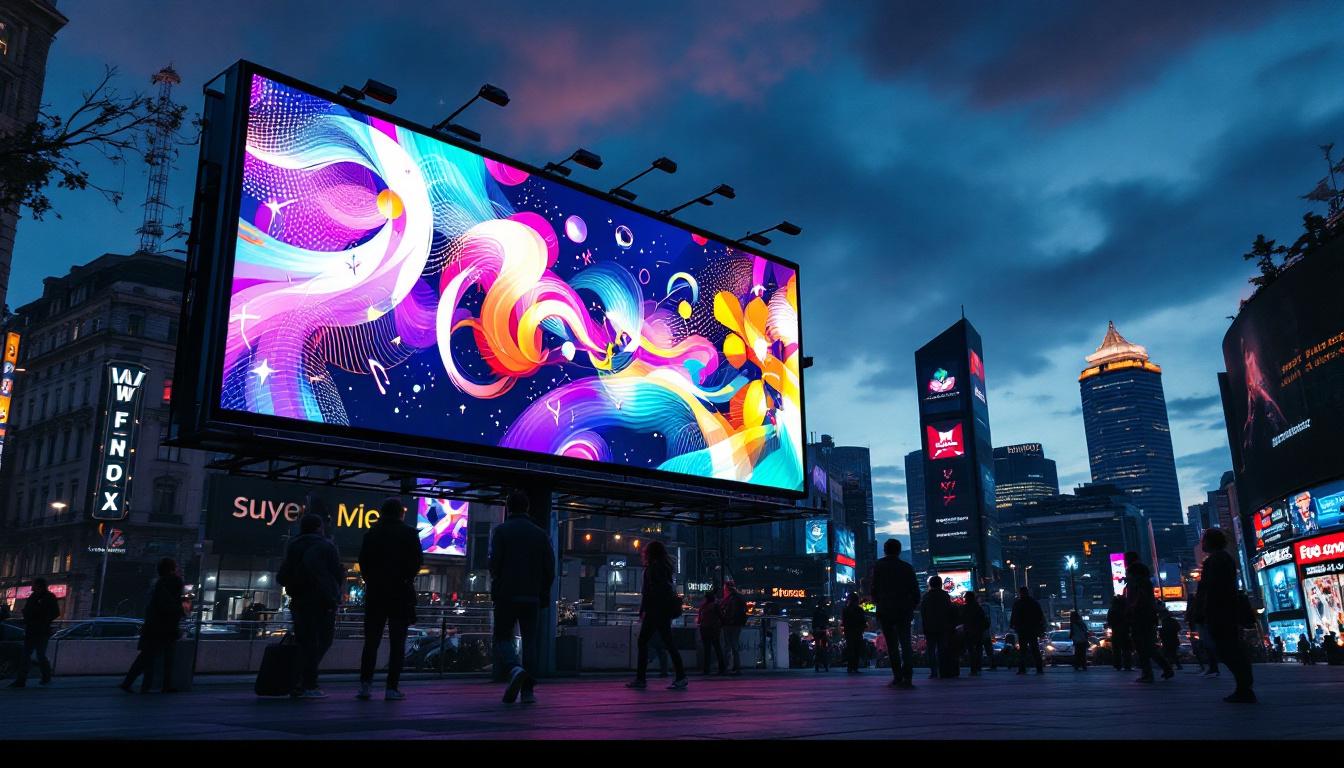
Public spaces increasingly incorporate 3D LED wall panels as part of urban art projects and interactive installations. These panels can display changing artwork, community messages, or environmental data, fostering public engagement and cultural expression.
For example, cities have installed large-scale LED walls with sculptural elements that respond to environmental sensors, creating dynamic displays that reflect air quality or weather conditions. Additionally, these installations can serve as platforms for local artists to showcase their work, turning ordinary public spaces into vibrant galleries. By encouraging community participation through interactive features, such as allowing residents to contribute digital art or messages, cities can cultivate a sense of ownership and pride among their citizens, making urban environments more lively and connected.
Design Considerations for Large 3D LED Wall Panels
Designing and implementing large 3D LED wall panels requires careful planning to balance aesthetics, functionality, and technical performance.
Structural and Architectural Integration
Because these panels often become architectural features, collaboration between designers, engineers, and architects is essential. The structural support must accommodate the weight and depth of the panels without compromising building integrity.
Additionally, the design should ensure accessibility for maintenance and repairs, as LED modules may require periodic servicing.
Content Creation and Management
Effective use of 3D LED walls depends heavily on high-quality content that leverages the unique depth and scale of the installation. Content creators must consider how visuals interact with the panel’s physical contours and lighting conditions.
Advanced content management systems enable real-time updates, scheduling, and remote control, allowing operators to adapt messaging quickly and efficiently.
Power and Connectivity
Large LED installations demand significant power and data bandwidth. Proper electrical planning ensures stable operation and prevents outages. Network infrastructure must support high-speed data transfer to maintain smooth video playback and synchronization across multiple panels.
Environmental and Safety Factors
For outdoor or public installations, environmental protection is critical. Panels should have appropriate IP ratings for water and dust resistance. Safety measures, including secure mounting and fire retardant materials, protect both the installation and viewers.
Future Trends in 3D LED Wall Technology
The field of large 3D LED wall panels is rapidly evolving, driven by advances in materials, display technology, and interactive capabilities.
Higher Resolution and Miniaturization
Emerging LED technologies are pushing pixel pitches below 1mm, enabling ultra-high-definition displays that rival traditional LCD and OLED screens. This miniaturization allows for even more detailed and lifelike 3D visuals.
Flexible and Curved Displays
Flexible LED panels are becoming more prevalent, allowing for seamless curved and organic shapes. This flexibility expands creative possibilities for designers and architects, enabling installations that integrate naturally with complex surfaces.
Interactive and Sensor-Driven Content
Integration with sensors and AI is enhancing interactivity. Future 3D LED walls may respond to audience movement, environmental changes, or biometric data, creating personalized and adaptive experiences.
Energy Efficiency and Sustainability
As sustainability becomes a priority, manufacturers are focusing on reducing power consumption and using eco-friendly materials. Innovations in LED efficiency and smart power management contribute to greener installations.
Conclusion
Large 3D wall panels with LED displays represent a fusion of cutting-edge technology and creative design, offering unparalleled opportunities for visual communication. Their ability to combine scale, depth, and dynamic content makes them powerful tools for brands, artists, and public institutions alike.
Understanding the technical aspects, application contexts, and design considerations is essential for anyone looking to implement these installations effectively. As technology continues to advance, the potential for immersive and interactive 3D LED walls will only grow, shaping the future of visual environments.
Discover the Future of Visual Engagement with LumenMatrix
Ready to elevate your space with the latest in 3D LED display technology? LumenMatrix is at the forefront of creating immersive environments that captivate and engage. Whether you’re looking to enhance your retail space, corporate lobby, or entertainment venue, our comprehensive range of LED display solutions, including Indoor, Outdoor, Vehicle, Poster, Sports, Floor, Custom, All-in-One, and Transparent LED Displays, is designed to meet your unique needs. Experience the revolution in visual communication and make a lasting impression. Check out LumenMatrix LED Display Solutions today and see your vision come to life.