In today’s visually driven world, LED displays have become an integral part of how information and entertainment are presented. From massive stadium screens to the smartphone in your hand, LED technology powers the vibrant images we see every day. Central to understanding these displays is the concept of the “pixel.” But what exactly is a pixel in the context of LED displays, and why does it matter? This article dives deep into the definition of a pixel, how LED displays work, and why pixel technology is crucial for modern visual experiences.
What Is a Pixel?
The term “pixel” is short for “picture element.” It represents the smallest unit of a digital image or display that can be individually controlled and illuminated. Think of a pixel as a tiny dot of light that, when combined with millions of others, forms the images and videos on screens.
In traditional digital images, pixels are the smallest addressable elements that hold color and brightness information. Each pixel’s color is typically defined by a combination of red, green, and blue (RGB) values. When these pixels are displayed together in high density, they create seamless images that appear smooth and detailed to the human eye. The resolution of an image, often expressed in pixels per inch (PPI), plays a crucial role in determining the clarity and sharpness of the visuals we see. Higher resolutions mean more pixels are packed into the same space, resulting in finer detail and a more immersive viewing experience.
Pixels in Different Display Technologies
While pixels are a universal concept across display types, their physical implementation varies. For example, in LCD (liquid crystal display) panels, pixels are made up of liquid crystals that modulate light passing through color filters. In OLED (organic light-emitting diode) displays, each pixel emits its own light through organic compounds. This self-emissive characteristic allows OLED screens to achieve true blacks and vibrant colors, as individual pixels can be turned off completely.
In LED (light-emitting diode) displays, pixels are composed of clusters of tiny LEDs that emit light directly. This fundamental difference in how pixels produce light is key to understanding LED displays and their advantages. LED technology allows for brighter screens and improved energy efficiency, making them ideal for a variety of applications, from large outdoor billboards to high-definition televisions. Additionally, advancements in pixel technology, such as MicroLED and MiniLED, are pushing the boundaries of display quality, offering even greater contrast ratios and color accuracy. As display technology continues to evolve, the role of pixels remains central to the way we experience digital content, ensuring that our screens become increasingly vibrant and lifelike.
Understanding LED Displays
LED displays are electronic screens that use light-emitting diodes as their light source. They are widely used in various applications, from outdoor billboards and digital signage to indoor video walls and consumer electronics. The versatility of LED technology allows for dynamic content delivery, making it a preferred choice for advertisers and content creators looking to capture audience attention effectively.
How LED Displays Work
At the core of an LED display is the pixel, which consists of multiple LEDs—typically red, green, and blue—that combine to produce a full spectrum of colors. Each LED in a pixel can be individually controlled for brightness, allowing the pixel to display millions of colors through additive color mixing. This capability not only enhances the visual experience but also enables the display to adapt to various lighting conditions, ensuring that images remain vibrant and clear even in bright sunlight.
These pixels are arranged in a grid pattern across the display panel. The resolution of an LED display is determined by the number of pixels it contains horizontally and vertically. The more pixels, the higher the resolution and the finer the detail the display can produce. For instance, a high-resolution display can showcase intricate graphics and text, making it ideal for applications such as art installations, live event broadcasting, and high-end retail displays, where visual fidelity is paramount.
Types of LED Pixels
LED pixels come in various forms depending on the display technology:
- Discrete LED Pixels: These are individual LEDs grouped together to form a pixel. Each color (red, green, blue) has its own LED. This type is common in large outdoor displays, where visibility from a distance is crucial, and the ruggedness of the components is necessary to withstand environmental factors.
- Surface-Mounted Device (SMD) Pixels: These use tiny LEDs mounted on a surface, often combining all three colors into a single package. SMD pixels enable higher pixel density and are common in indoor LED displays, where space is limited and the need for close viewing distances is essential, such as in conference rooms or retail environments.
- Mini and Micro LEDs: These are smaller versions of traditional LEDs, allowing for even higher pixel densities and improved image quality. Micro LED technology is emerging as a next-generation display solution, promising not only superior brightness and contrast but also energy efficiency and longevity. This technology has the potential to revolutionize the display market by offering seamless, modular designs that can be scaled to any size or shape, catering to innovative architectural applications.
Pixel Pitch: The Key to LED Display Clarity
One of the most important specifications when evaluating LED displays is pixel pitch. Pixel pitch refers to the distance between the centers of two adjacent pixels, usually measured in millimeters. It directly impacts the display’s resolution and viewing distance.
Why Pixel Pitch Matters
A smaller pixel pitch means pixels are closer together, resulting in a higher resolution and sharper image. This is especially important for displays viewed up close, such as indoor video walls or retail signage. Conversely, displays with larger pixel pitches are better suited for long-distance viewing, like stadium screens or roadside billboards, where viewers are farther away.
For example, an LED display with a pixel pitch of 1.5 mm will offer much finer detail than one with a 10 mm pixel pitch. However, smaller pixel pitches also mean more LEDs per square meter, which can increase cost and power consumption.
Choosing the Right Pixel Pitch
The ideal pixel pitch depends on the intended application and typical viewing distance. A general rule is that the optimal viewing distance (in meters) is roughly 1,000 times the pixel pitch (in millimeters). So, a 2 mm pixel pitch display is best viewed from about 2 meters or more.
Understanding pixel pitch helps businesses and event organizers select LED displays that deliver the best visual impact without unnecessary expense.
Color and Brightness: How Pixels Create Vibrant Images
Pixels in an LED display are not just about resolution; they are also responsible for color accuracy and brightness, which are critical for image quality.
Color Mixing in LED Pixels
Each pixel contains red, green, and blue LEDs. By adjusting the intensity of each LED, the pixel can produce a wide range of colors through additive color mixing. This process allows LED displays to render vibrant, true-to-life images.
Modern LED displays often include advanced color calibration to ensure consistency across the screen. This is especially important for applications like broadcasting, advertising, and control rooms where color fidelity is crucial.
Brightness and Contrast
LED displays are known for their high brightness levels, often exceeding 1,000 nits for indoor displays and reaching 5,000 nits or more for outdoor screens. High brightness ensures visibility even in direct sunlight, making LED technology ideal for outdoor advertising and public information displays.
Contrast ratio, the difference between the darkest black and the brightest white a display can produce, is another important factor. LED displays can achieve high contrast ratios because LEDs can be turned off completely to produce true blacks, enhancing image depth and realism.
Applications of LED Displays and Pixel Technology
LED displays are versatile and used across many industries. Understanding pixel technology helps explain why LED displays are preferred in certain scenarios.
Outdoor Advertising and Digital Billboards
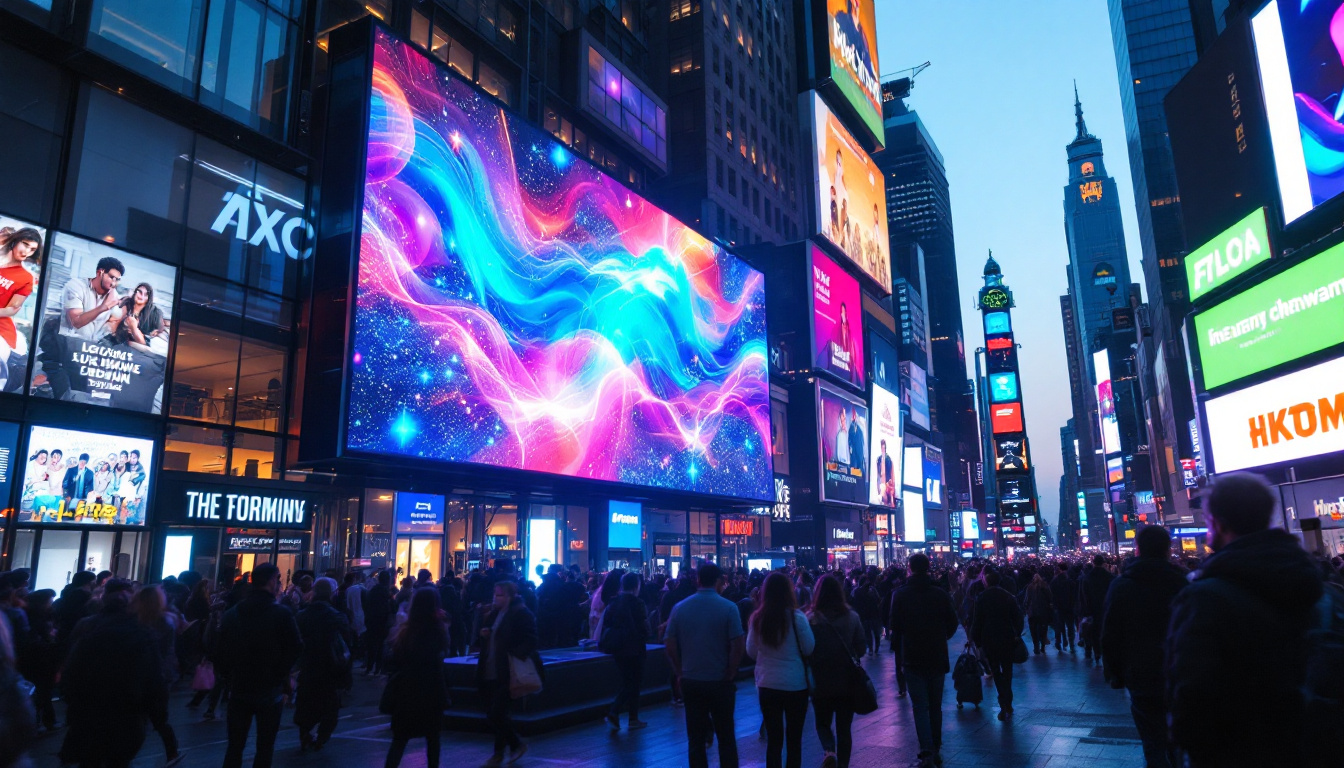
Large-scale outdoor LED billboards use pixels with larger pitches to ensure visibility from long distances. These displays must be bright enough to compete with sunlight and durable enough to withstand weather conditions. The modular nature of LED pixels allows for scalable screen sizes and easy maintenance.
Indoor Video Walls and Event Displays
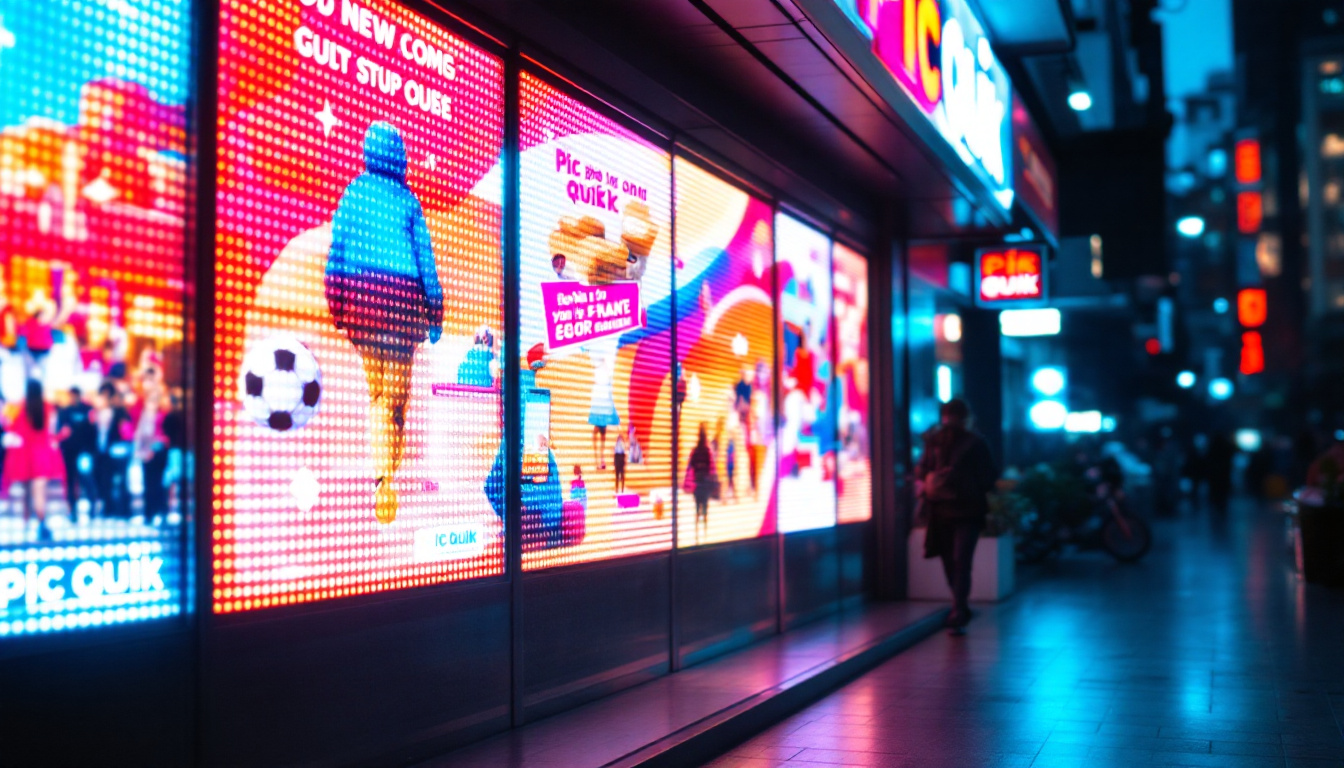
Indoor LED displays often feature smaller pixel pitches to deliver crisp images at close range. They are commonly used in retail environments, conference centers, and concerts. The flexibility of LED pixels enables creative configurations, including curved and transparent displays.
Consumer Electronics and Emerging Technologies
While traditional LED displays are often large and modular, mini and micro LED technologies are making their way into consumer devices like TVs, laptops, and smartphones. These developments promise improved brightness, color accuracy, and energy efficiency compared to OLED and LCD technologies.
Future Trends in LED Pixel Technology
Advancements in LED pixel technology continue to push the boundaries of display performance. Some key trends include:
- Micro LED Displays: With pixels smaller than 100 microns, micro LED displays offer exceptional resolution and brightness. They are poised to revolutionize high-end TVs and augmented reality devices.
- Flexible and Transparent LED Displays: Innovations in pixel design enable displays that can bend or become see-through, opening new possibilities in architecture and advertising.
- Energy Efficiency Improvements: New materials and pixel designs aim to reduce power consumption without sacrificing brightness or color quality.
As LED pixel technology evolves, it will continue to enhance how we communicate, entertain, and interact with digital content.
Conclusion
Pixels are the fundamental building blocks of LED displays, determining resolution, color, brightness, and ultimately the quality of the visual experience. Understanding what a pixel is and how it functions within LED technology is essential for anyone involved in selecting, designing, or using LED displays.
From the pixel pitch that defines clarity to the intricate color mixing within each pixel, every aspect contributes to the stunning images seen on LED screens worldwide. As technology advances, LED pixels will become even smaller, brighter, and more efficient, continuing to transform the way information and entertainment are delivered.
Whether for advertising, entertainment, or communication, the pixel remains at the heart of LED display innovation, making it a crucial concept in the digital age.
Explore Cutting-Edge LED Display Solutions with LumenMatrix
Now that you understand the vital role pixels play in crafting high-quality LED displays, it’s time to see how LumenMatrix can bring this technology to life for your business. As a leader in LED display innovation, LumenMatrix offers a wide array of solutions, from Indoor and Outdoor LED Wall Displays to specialized options like Vehicle LED Displays, LED Sports Displays, and even Custom LED Displays tailored to your unique needs. Embrace the future of visual communication and captivate your audience with unparalleled clarity and impact. Check out LumenMatrix LED Display Solutions today and transform your space with vibrant, energy-efficient LED technology.