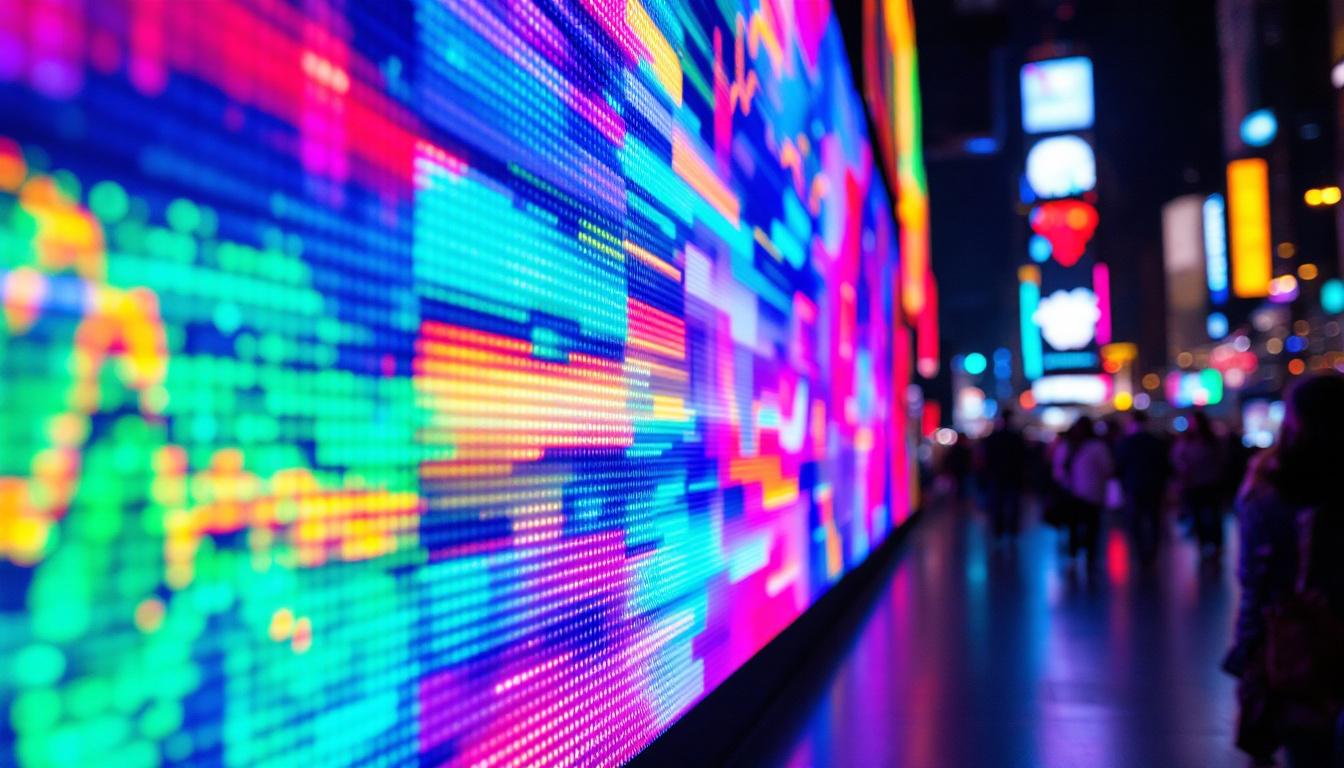
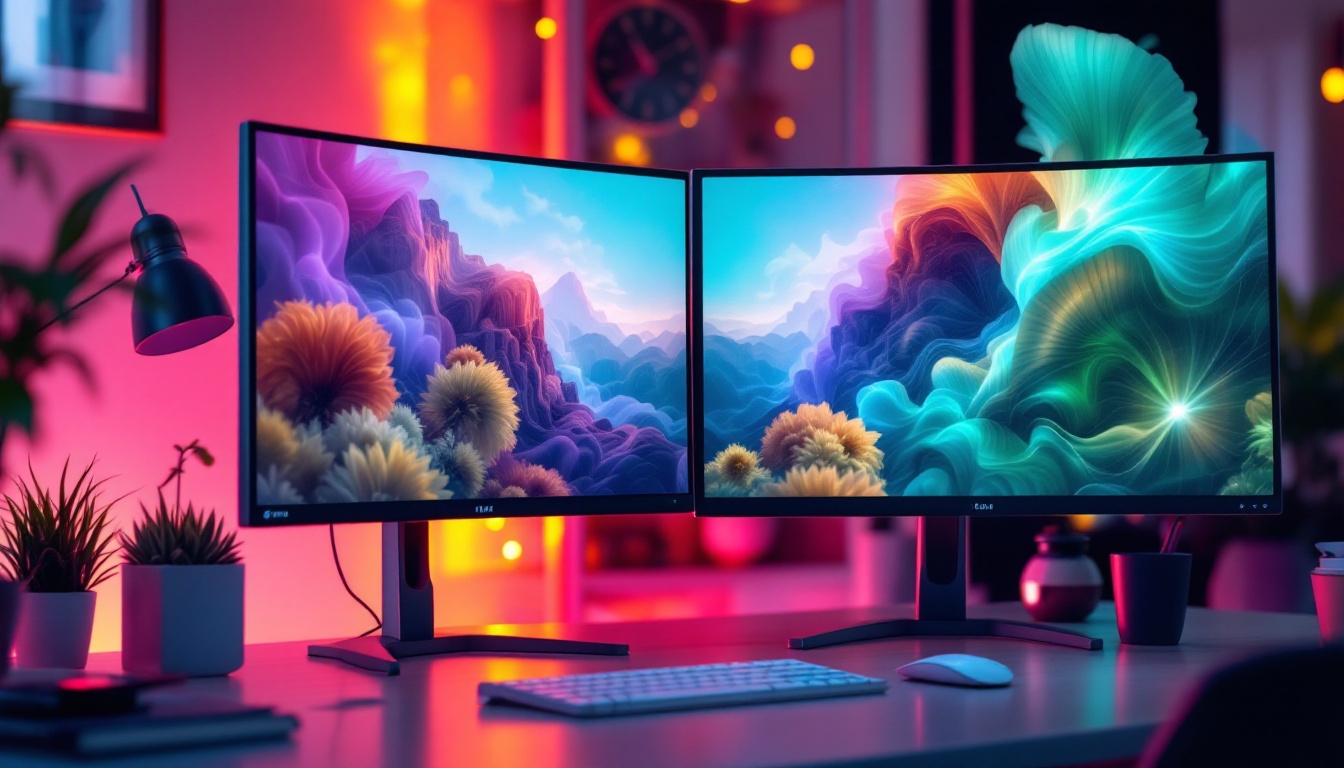
In today’s world, where digital technology seamlessly integrates with everyday living, fine home displays have become a cornerstone of modern interior design and functionality. Among various display technologies, LED displays stand out for their versatility, brightness, and energy efficiency. This article delves into the intricacies of LED displays tailored for home use, explaining their technology, benefits, and how they are transforming the way we interact with our living spaces.
Understanding LED Display Technology
LED, or Light Emitting Diode, displays have revolutionized visual technology by offering superior brightness, color accuracy, and energy efficiency compared to traditional display types like LCD or plasma. At its core, an LED display is composed of numerous tiny diodes that emit light when an electric current passes through them.
Unlike LCDs, which rely on backlighting, LED displays produce their own light, allowing for deeper blacks and higher contrast ratios. This self-illumination capability makes LED displays particularly attractive for home environments where image quality and energy consumption are key considerations. Furthermore, advancements in LED technology have led to the development of features such as HDR (High Dynamic Range), which enhances the range of colors and brightness levels, providing a more lifelike viewing experience that can captivate audiences during movie nights or gaming sessions.
Types of LED Displays for Home Use
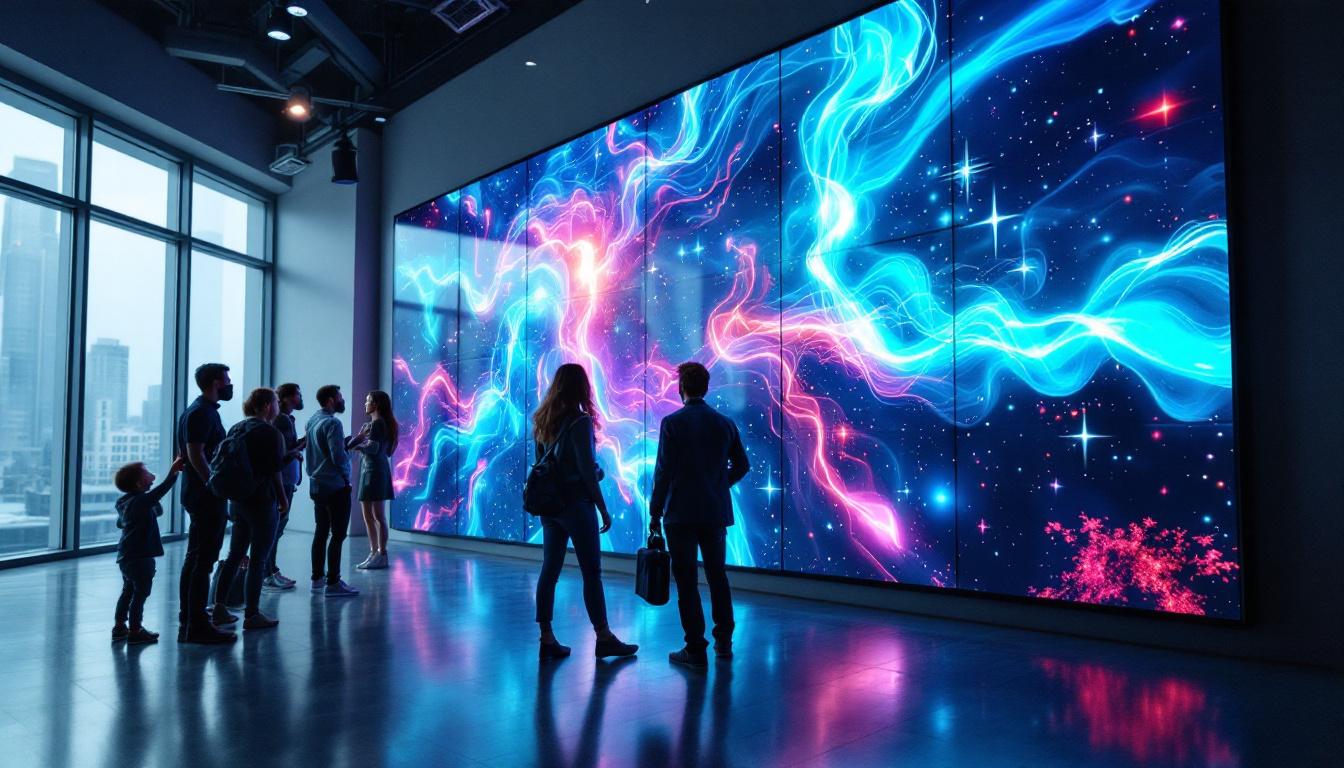
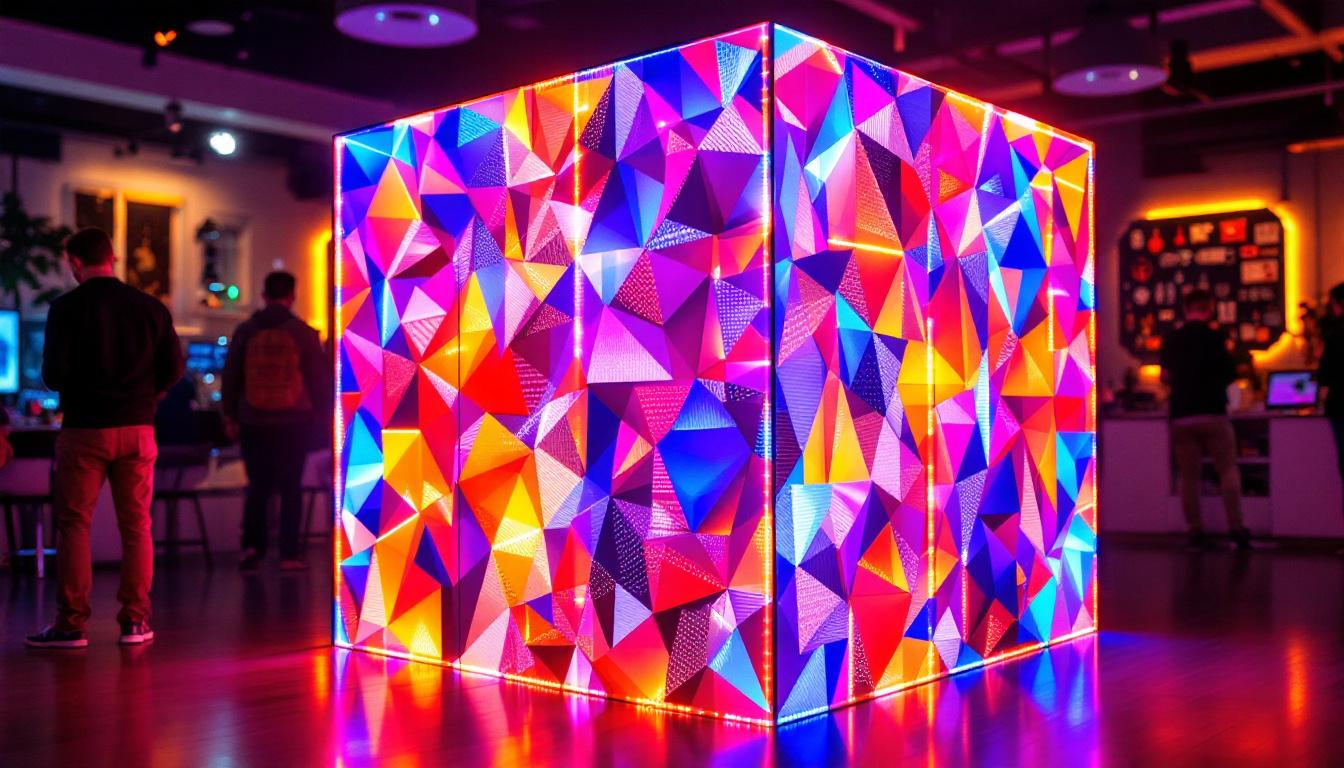
There are primarily two categories of LED displays used in residential settings: direct-view LED and LED-backlit LCDs. Direct-view LED displays consist of an array of LEDs that form the image directly. These are commonly found in large-scale applications but are increasingly available in fine-pitch models suitable for home theaters and digital art installations. The flexibility of direct-view LED technology allows for creative installations, such as curved screens or even transparent displays, which can enhance the aesthetics of a modern living space.
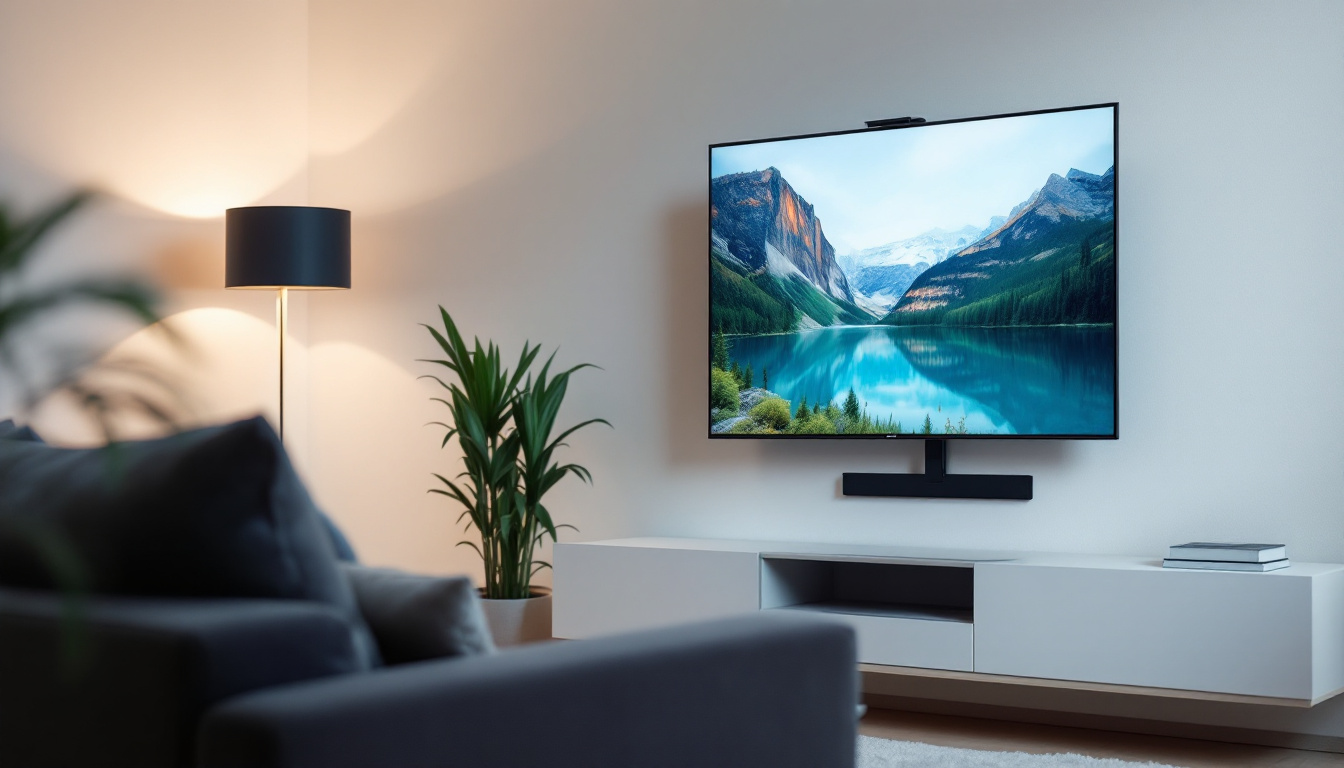
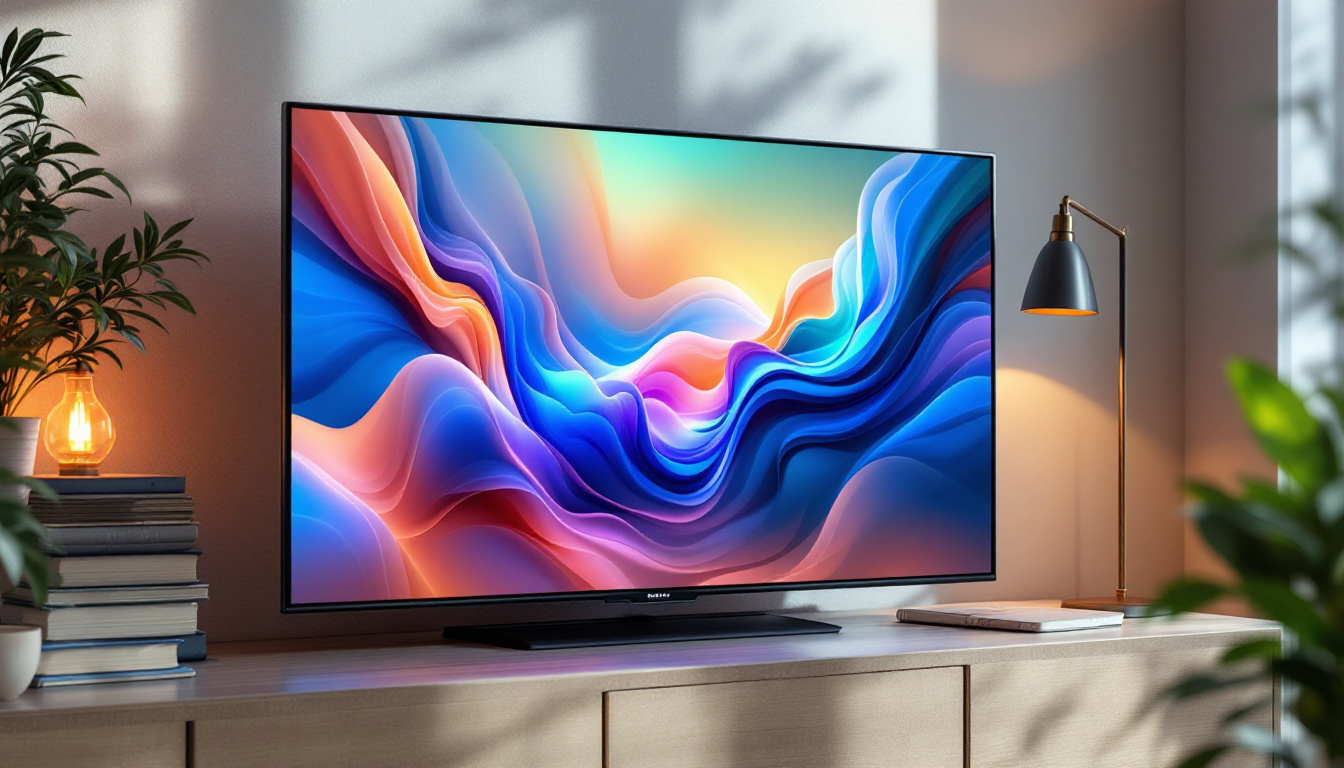
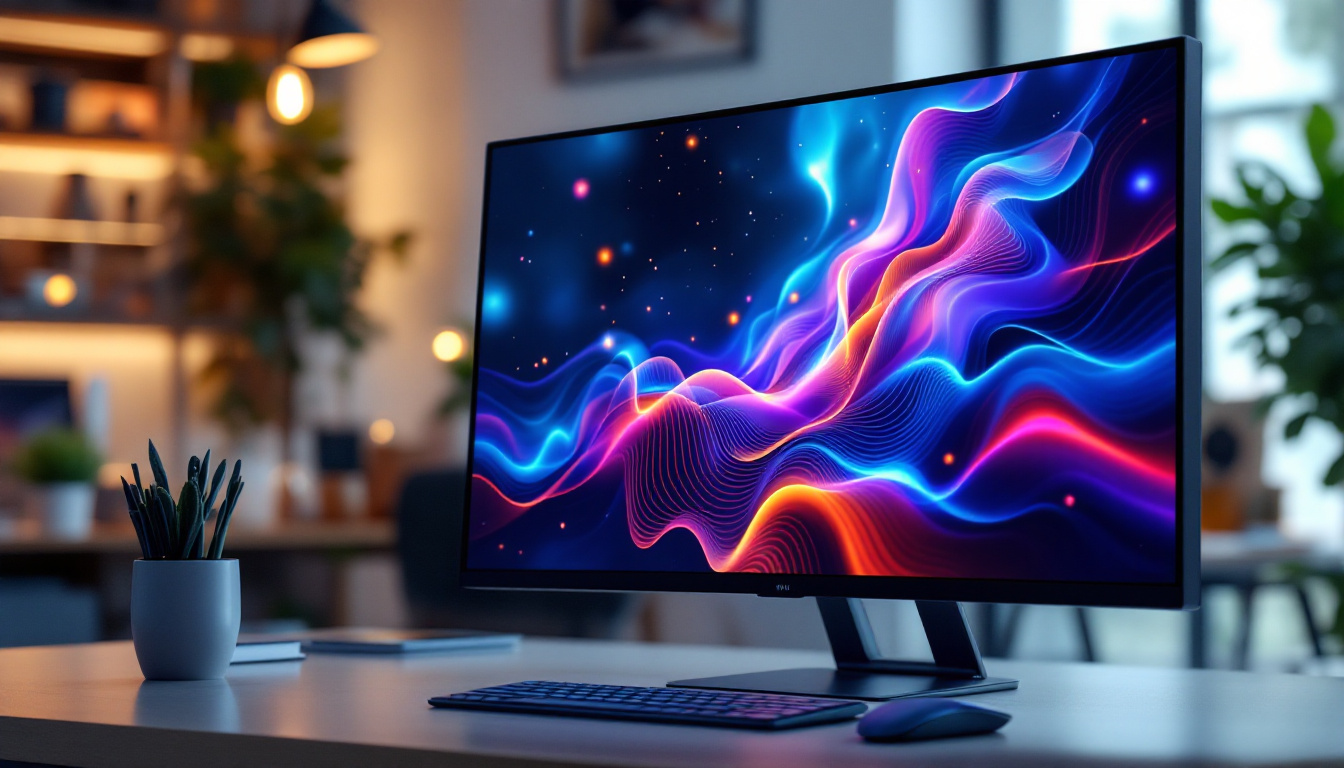
On the other hand, LED-backlit LCDs use LEDs to illuminate an LCD panel. This hybrid approach combines the sharpness of LCD with the brightness and energy efficiency of LEDs, making it the most common display type in consumer televisions and monitors. Additionally, many manufacturers are now incorporating smart technology into these displays, allowing users to connect to the internet, stream content, and control their viewing experience through voice commands or mobile apps. This integration of smart features not only enhances convenience but also expands the functionality of LED displays, making them a central hub for home entertainment.
Advantages of Fine-Pitch LED Displays in Home Environments
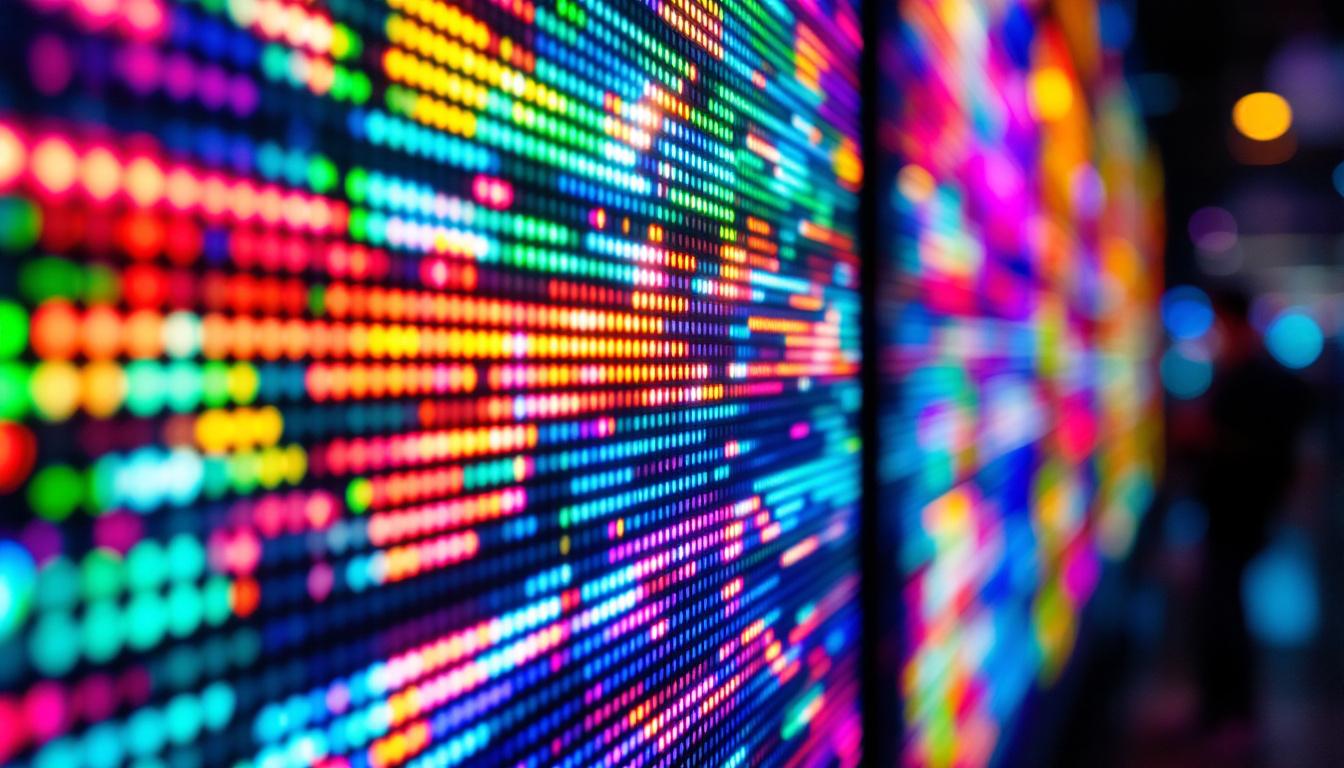
Fine-pitch LED displays refer to screens with very small pixel pitches — the distance between individual LEDs — often below 1 millimeter. This tight pixel arrangement results in incredibly sharp and detailed images, even at close viewing distances typical in homes.
Exceptional Image Quality
The high pixel density of fine-pitch LED displays translates to vibrant colors, deep blacks, and smooth gradients. This level of image fidelity enhances home entertainment experiences such as watching movies, streaming high-definition content, or gaming, where visual immersion is paramount. Furthermore, many fine-pitch LED displays support high dynamic range (HDR), which elevates the viewing experience by providing a wider range of brightness and color detail. This means that scenes with both bright highlights and dark shadows can be displayed with remarkable clarity, making everything from action-packed films to serene nature documentaries come alive in a way that captivates viewers.
Energy Efficiency and Longevity
LED technology is inherently energy-efficient, consuming less power than traditional display technologies. This efficiency not only reduces electricity bills but also contributes to a smaller environmental footprint. Additionally, LEDs have a longer lifespan, often exceeding 50,000 hours of use, which means less frequent replacement and maintenance. The durability of these displays also means they are less susceptible to burn-in issues that can plague other types of screens, ensuring that your investment remains visually stunning over time. As a result, homeowners can enjoy their displays without the constant worry of degradation, making them a smart choice for both aesthetics and practicality.
Customization and Design Flexibility
One of the remarkable benefits of LED displays is their adaptability in size and shape. Homeowners can opt for custom-sized panels that fit unique spaces, from ultra-wide home theater screens to artistic wall displays. This flexibility allows for seamless integration into various interior design styles, enhancing both aesthetics and functionality. Moreover, fine-pitch LED displays can be configured in creative ways, such as curved or tiled arrangements, which can transform a standard living room into a stunning multimedia environment. This level of customization not only caters to personal tastes but also offers opportunities for innovative design solutions that can serve as conversation starters or focal points in any home. Whether it’s creating an immersive gaming setup or a sophisticated media wall, the possibilities are virtually limitless, making fine-pitch LED displays a versatile choice for modern living spaces.
Applications of LED Displays in Modern Homes
The versatility of LED displays has led to a broad range of applications within residential settings. Their ability to deliver stunning visuals while maintaining energy efficiency makes them ideal for multiple uses.
Home Theaters and Entertainment Systems
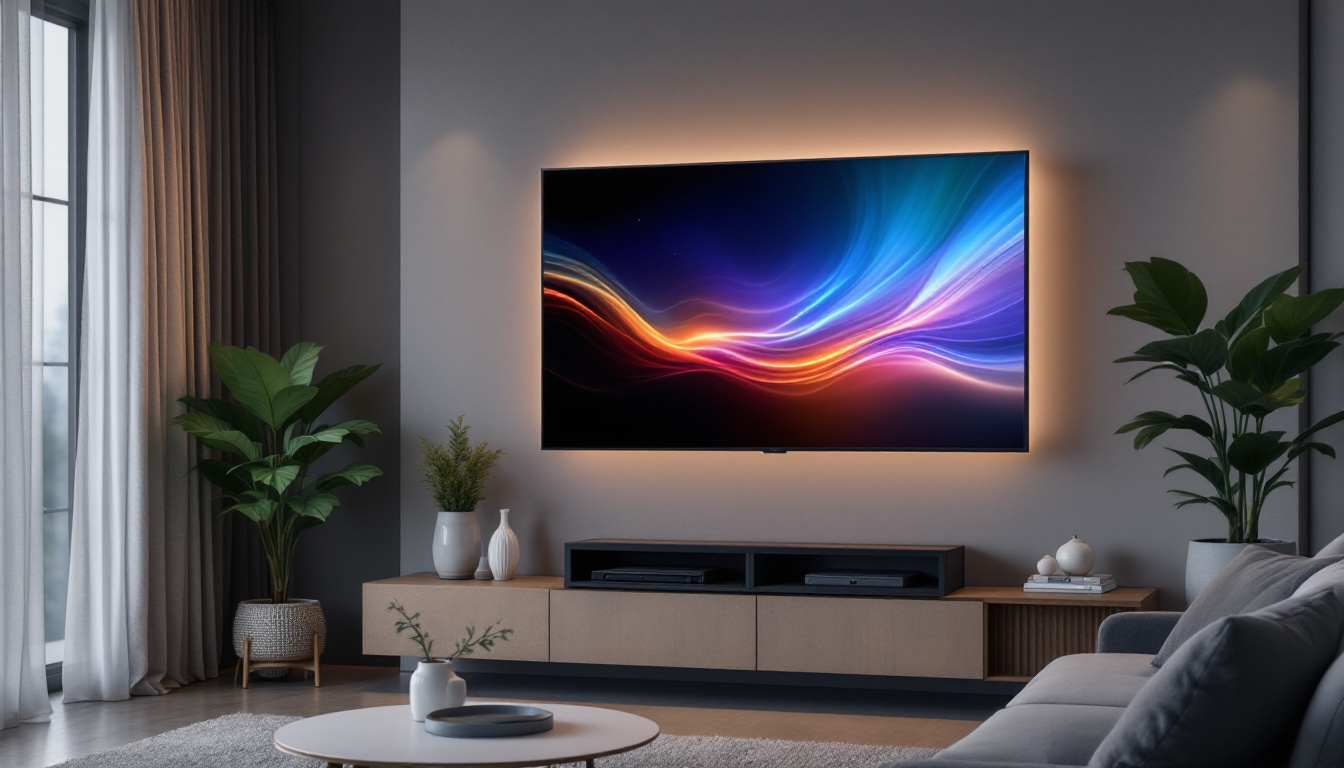
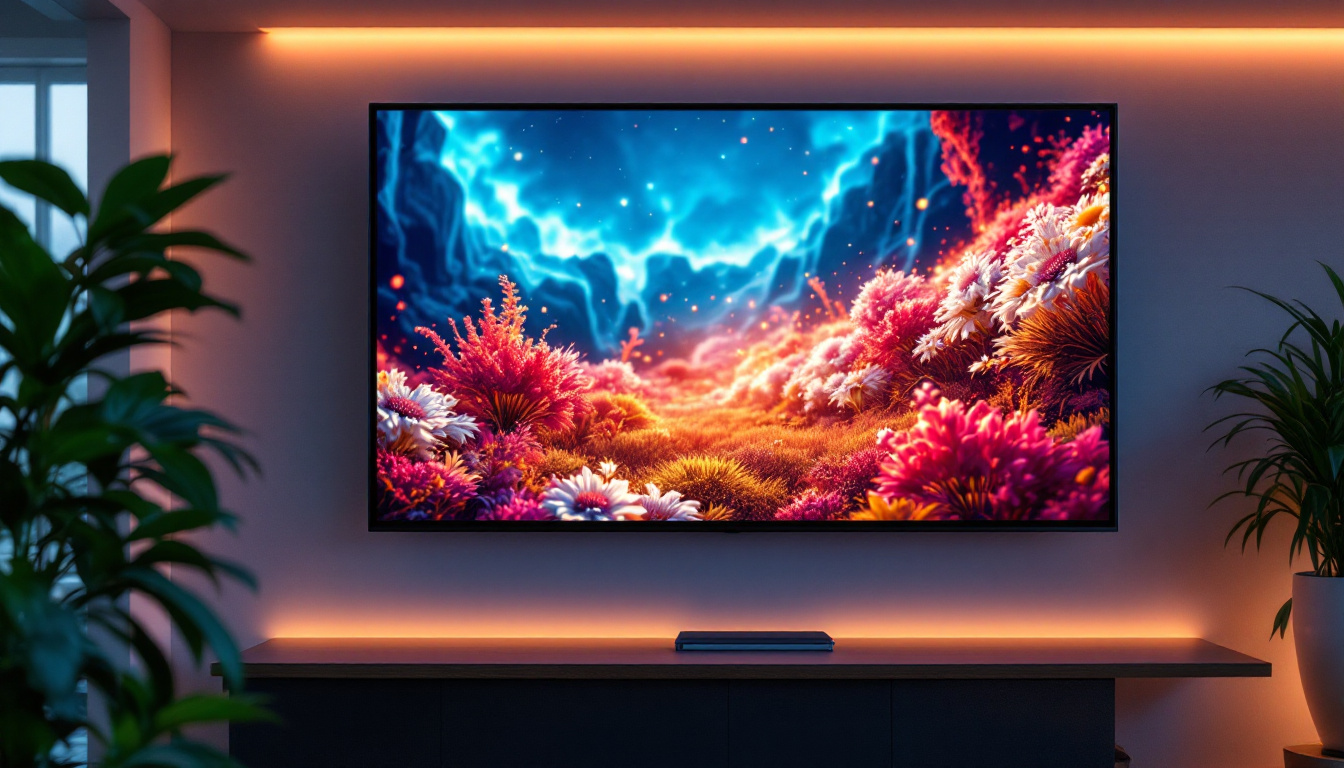
Fine-pitch LED displays are increasingly becoming the centerpiece of high-end home theaters. Their superior brightness and contrast enable viewing in ambient light conditions without sacrificing image quality. This is particularly advantageous for families who prefer to watch movies or sports during the day. Additionally, the integration of surround sound systems with LED displays enhances the overall cinematic experience, allowing viewers to immerse themselves fully in their favorite films or shows. As technology advances, features such as 4K and 8K resolutions, along with HDR (High Dynamic Range), are becoming more common, further elevating the visual experience and making home theaters a true rival to commercial cinemas.
Smart Home Control Panels
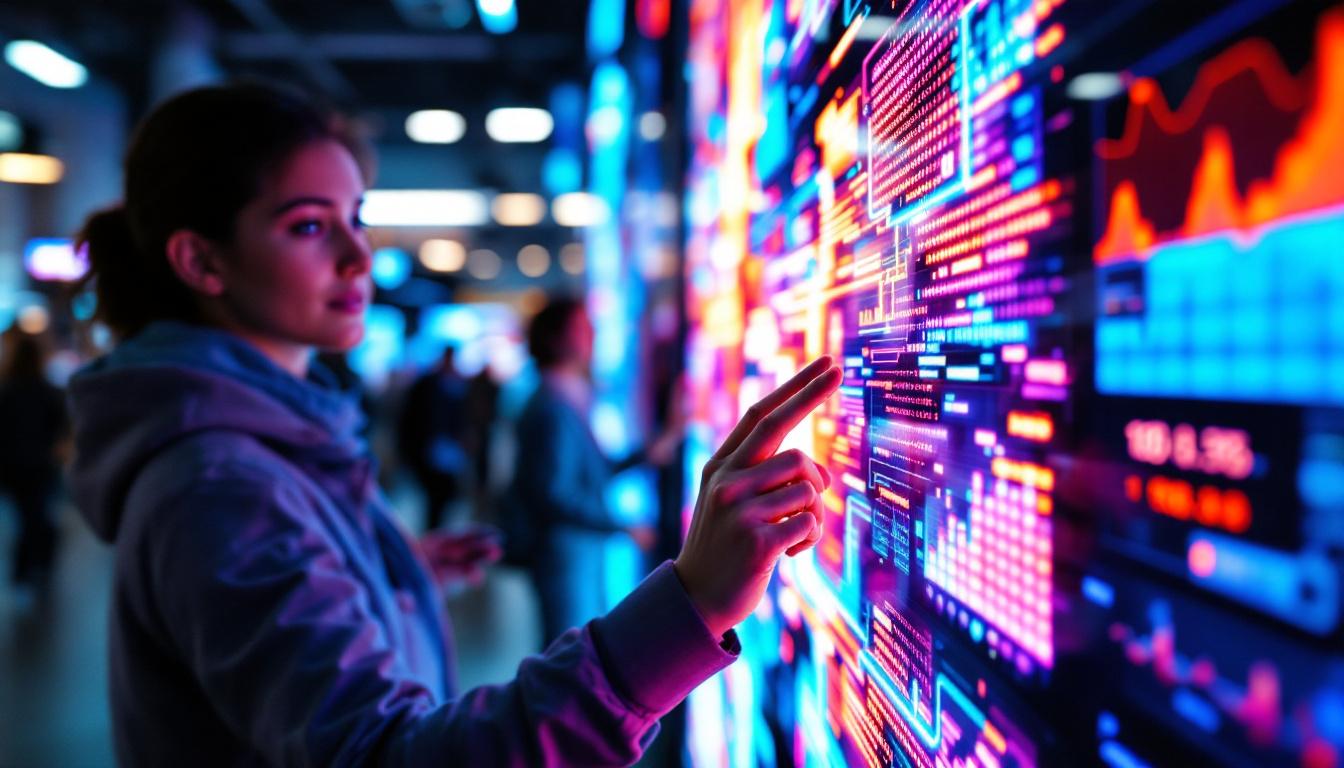
Integrating LED displays into smart home control systems provides a visually engaging interface for managing lighting, climate, security, and entertainment. Large, high-resolution touchscreens with LED technology offer intuitive control and real-time feedback, elevating the smart home experience. These panels can also display personalized notifications, weather updates, and even calendar reminders, making them multifunctional hubs of information. Moreover, the ability to customize the interface with different themes or widgets allows homeowners to tailor their smart home experience to their preferences, creating a seamless blend of technology and lifestyle.
Digital Art and Ambient Displays
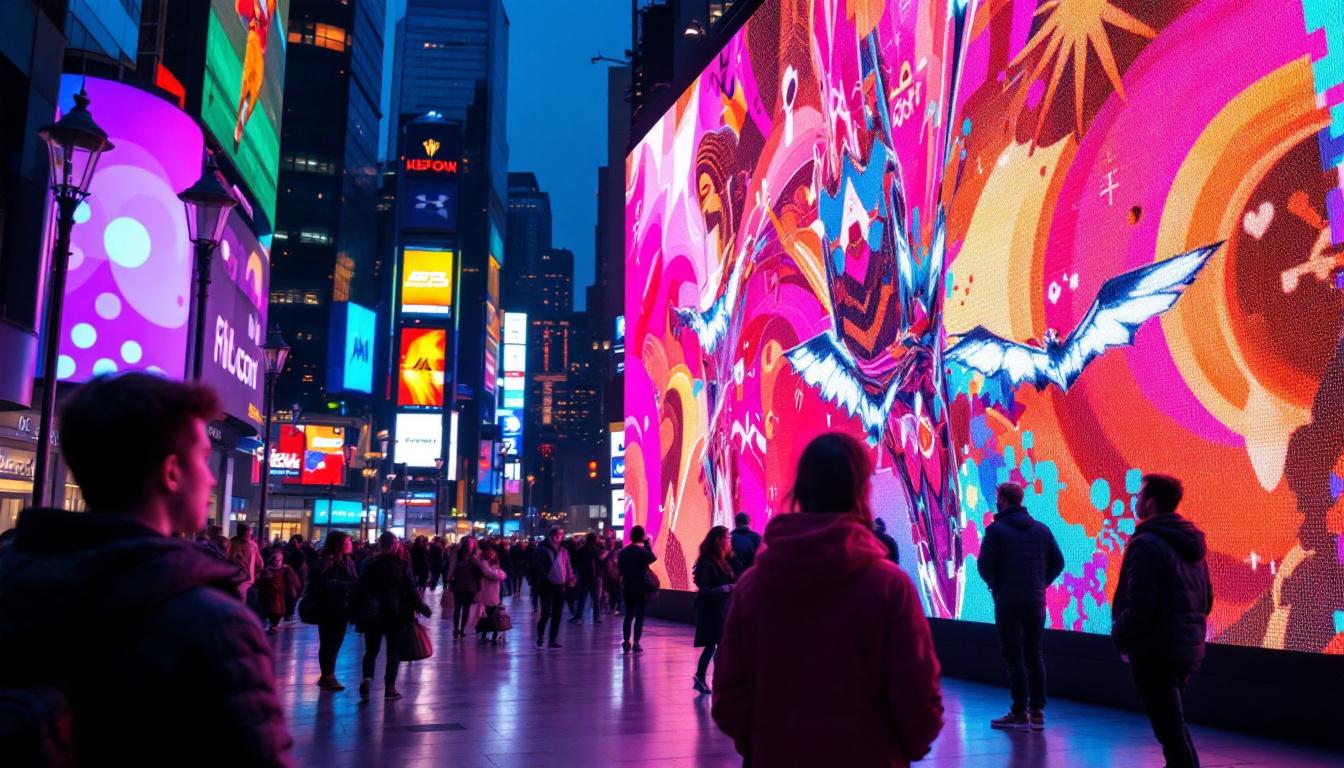
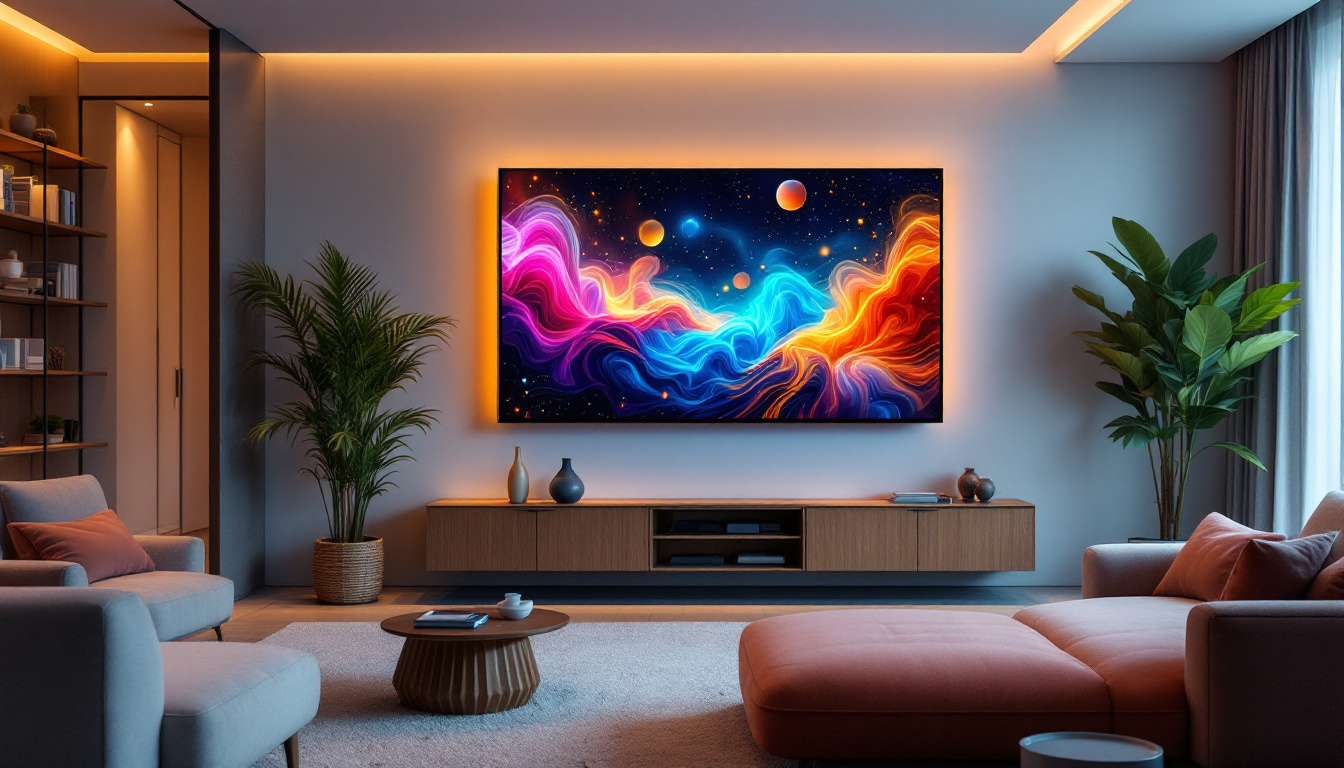
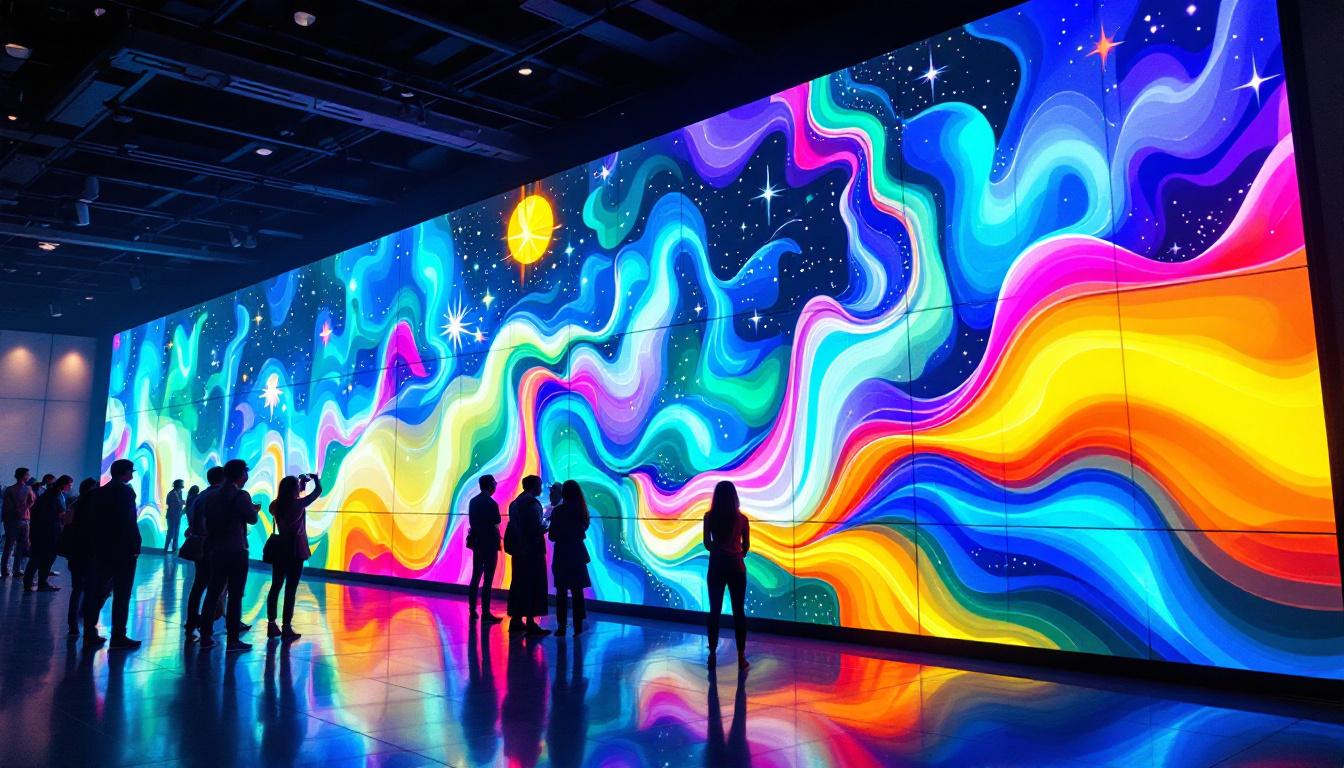
LED displays also serve as dynamic canvases for digital art, transforming walls into ever-changing galleries. This application not only personalizes living spaces but also introduces a modern flair that can be tailored to the homeowner’s mood or occasion. Homeowners can curate collections of digital artwork, ranging from classic masterpieces to contemporary pieces, and even display their own photography. Additionally, these displays can be programmed to change based on the time of day or season, providing a fresh aesthetic that keeps the environment lively and engaging. The use of LED technology in this context not only enhances the visual appeal but also encourages creativity and self-expression within the home.
Choosing the Right LED Display for Your Home
Selecting the ideal LED display involves considering several factors to ensure optimal performance and satisfaction.
Resolution and Pixel Pitch
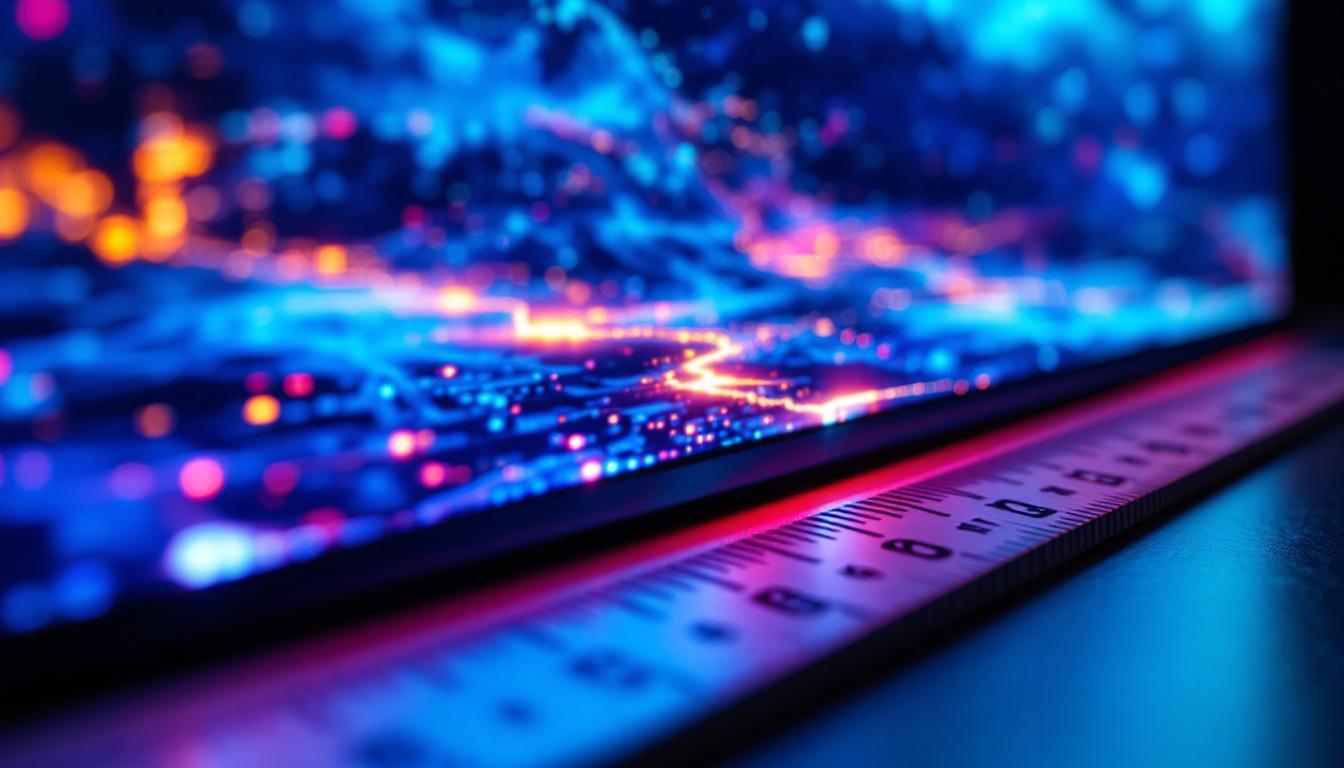
Resolution determines the sharpness of the image, while pixel pitch affects how close you can sit to the display without noticing individual pixels. For typical living rooms, a pixel pitch of 0.9mm to 1.5mm offers excellent clarity. Higher resolutions are recommended for larger screens or closer viewing distances.
Brightness and Contrast Ratio
Brightness is measured in nits and affects visibility in different lighting conditions. For home environments, displays with brightness levels between 300 to 600 nits are generally sufficient. Contrast ratio, the difference between the darkest black and brightest white, is crucial for image depth and realism.
Connectivity and Smart Features
Modern LED displays often come with multiple input options such as HDMI, USB, and wireless connectivity. Smart features like voice control compatibility and app integration enhance usability, making it easier to connect with other home devices and streaming services.
Installation and Maintenance Considerations
Proper installation and upkeep are essential to maximize the lifespan and performance of LED displays in the home.
Professional Installation
Due to the complexity and delicate nature of fine-pitch LED displays, professional installation is highly recommended. Experts ensure correct mounting, calibration, and integration with existing home systems, preventing potential damage and optimizing visual quality.
Routine Maintenance
LED displays require minimal maintenance compared to other technologies. Regular dusting and occasional software updates keep the display functioning smoothly. It’s also important to avoid prolonged exposure to direct sunlight to prevent premature wear.
The Future of LED Displays in Residential Spaces
As LED technology continues to evolve, its role in home environments is expected to expand significantly. Innovations such as microLED and flexible LED panels promise even higher resolutions, thinner profiles, and new form factors that will redefine home displays.
Moreover, the integration of LED displays with artificial intelligence and Internet of Things (IoT) ecosystems will enable more personalized and interactive experiences. Imagine walls that adapt their visuals based on your mood or lighting conditions, or displays that seamlessly blend entertainment with home automation.
Conclusion
Fine home displays powered by LED technology represent a significant advancement in how homeowners experience digital content and interact with their living spaces. Their superior image quality, energy efficiency, and design flexibility make them an excellent choice for a wide range of residential applications.
Whether enhancing a home theater, serving as a smart control interface, or acting as a dynamic art piece, LED displays offer unparalleled versatility and performance. As technology progresses, these displays will continue to shape the future of home environments, making them more vibrant, interactive, and personalized than ever before.
Explore the Future of Home Displays with LumenMatrix
Ready to elevate your home with the cutting-edge LED display technology discussed in this article? LumenMatrix is at the forefront of creating immersive visual experiences that redefine the way we live. From stunning Indoor LED Wall Displays to innovative Transparent LED Displays, our solutions are designed to integrate seamlessly into your home, providing unparalleled image quality and design flexibility. Discover how LumenMatrix can transform your living space and bring your digital interactions to life. Check out LumenMatrix LED Display Solutions today and step into the future of fine home displays.