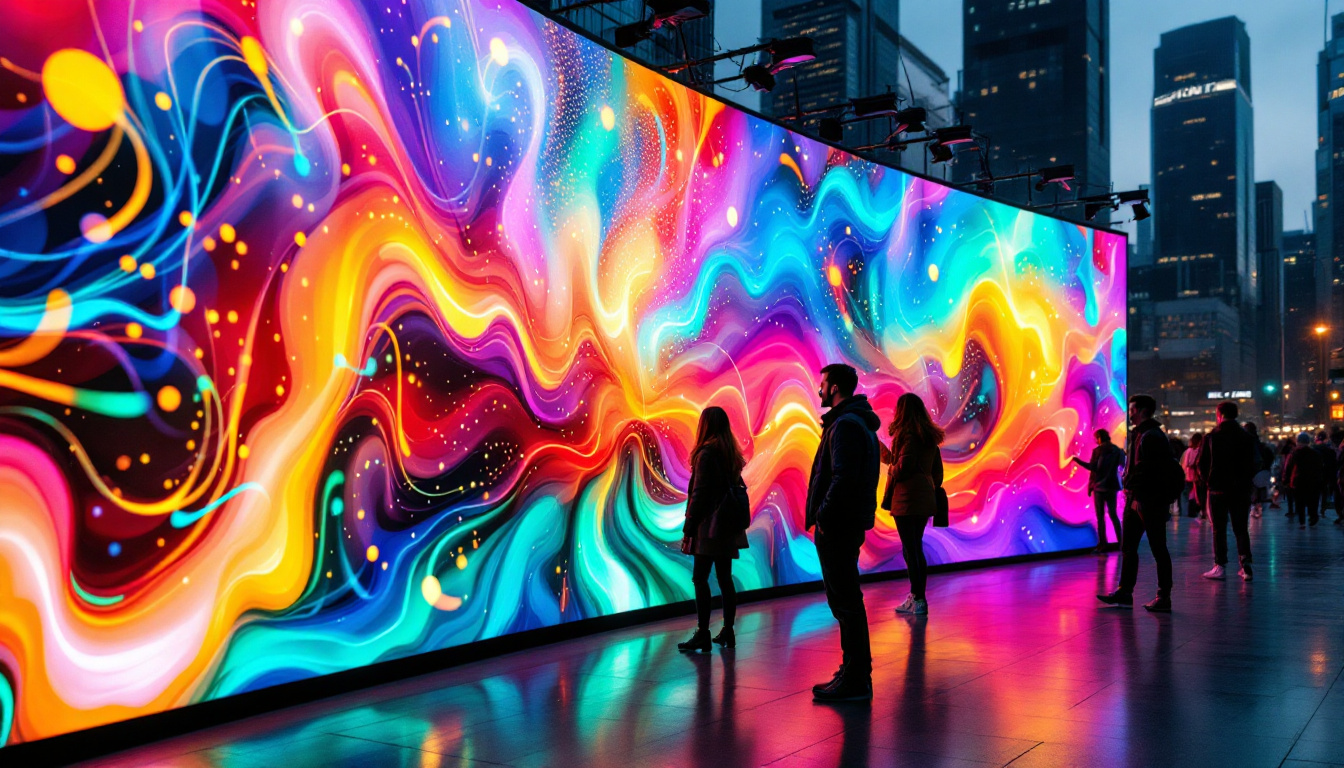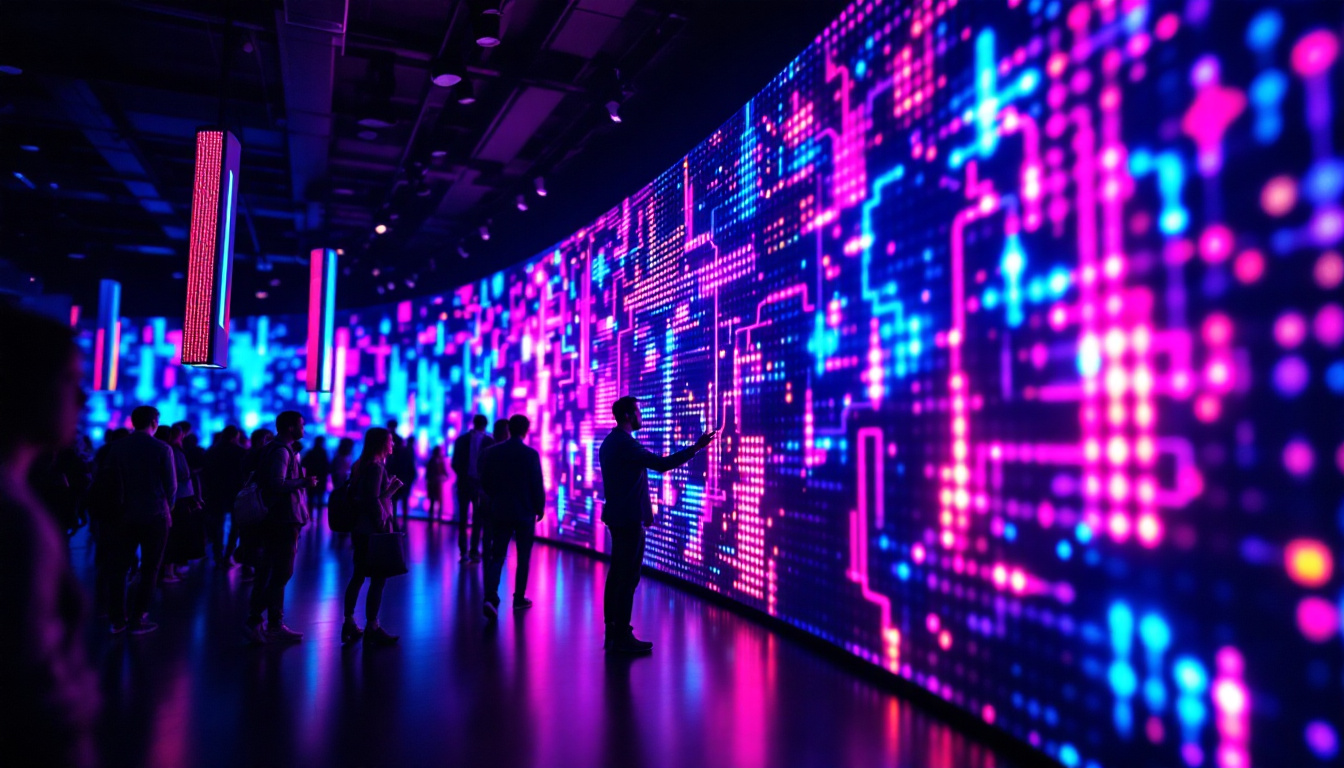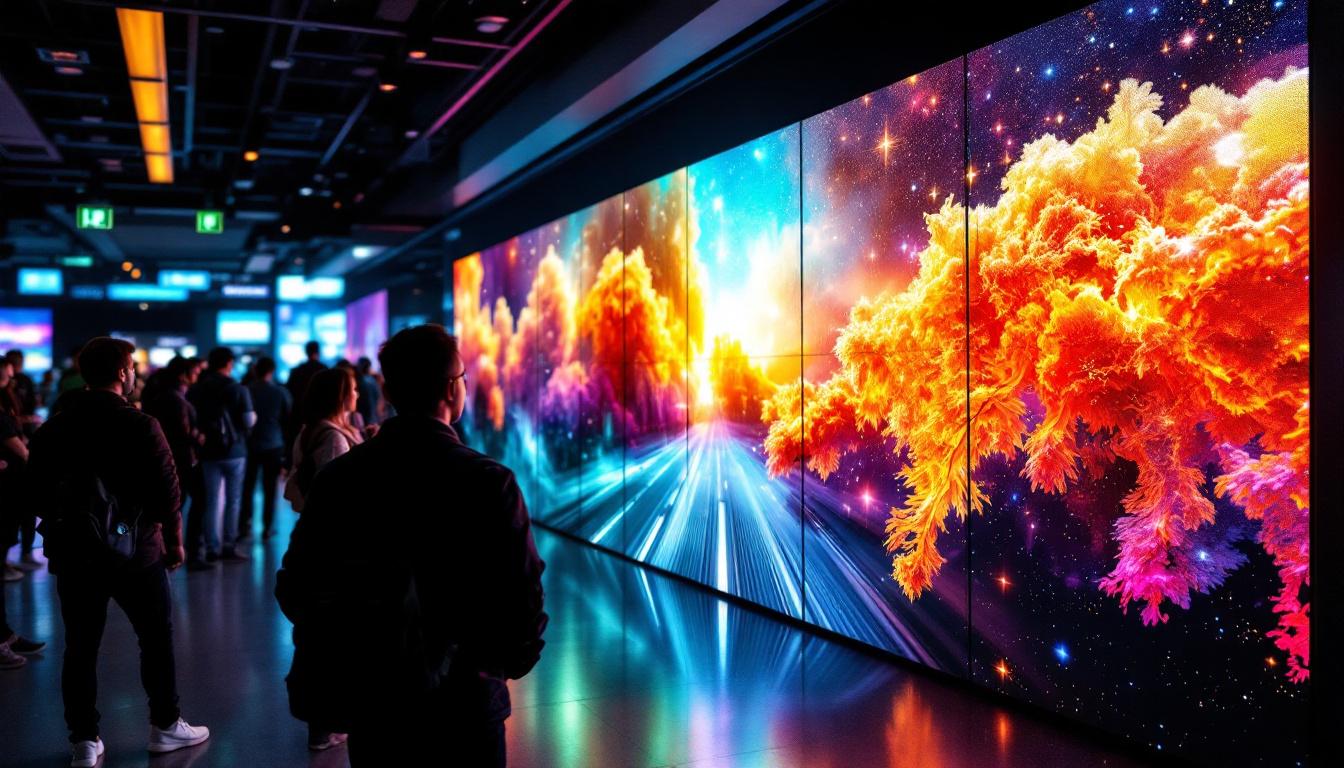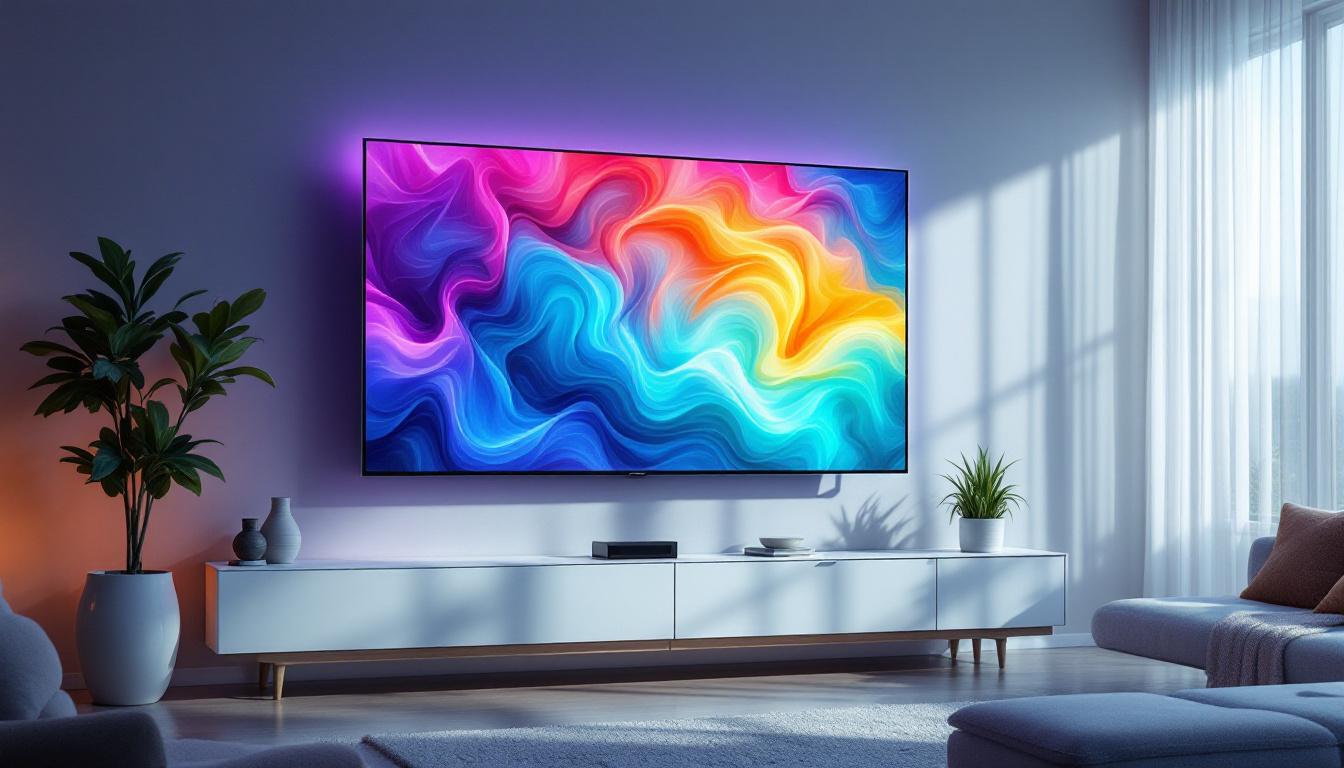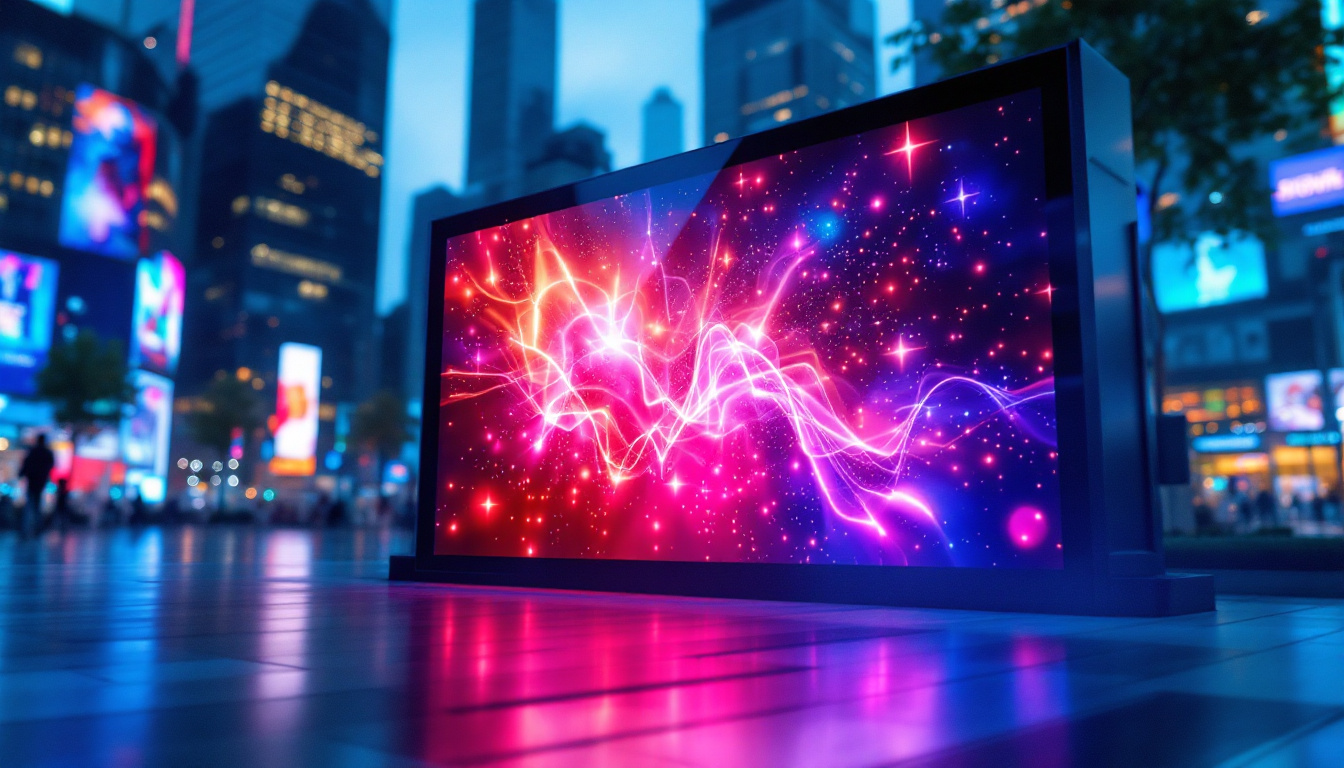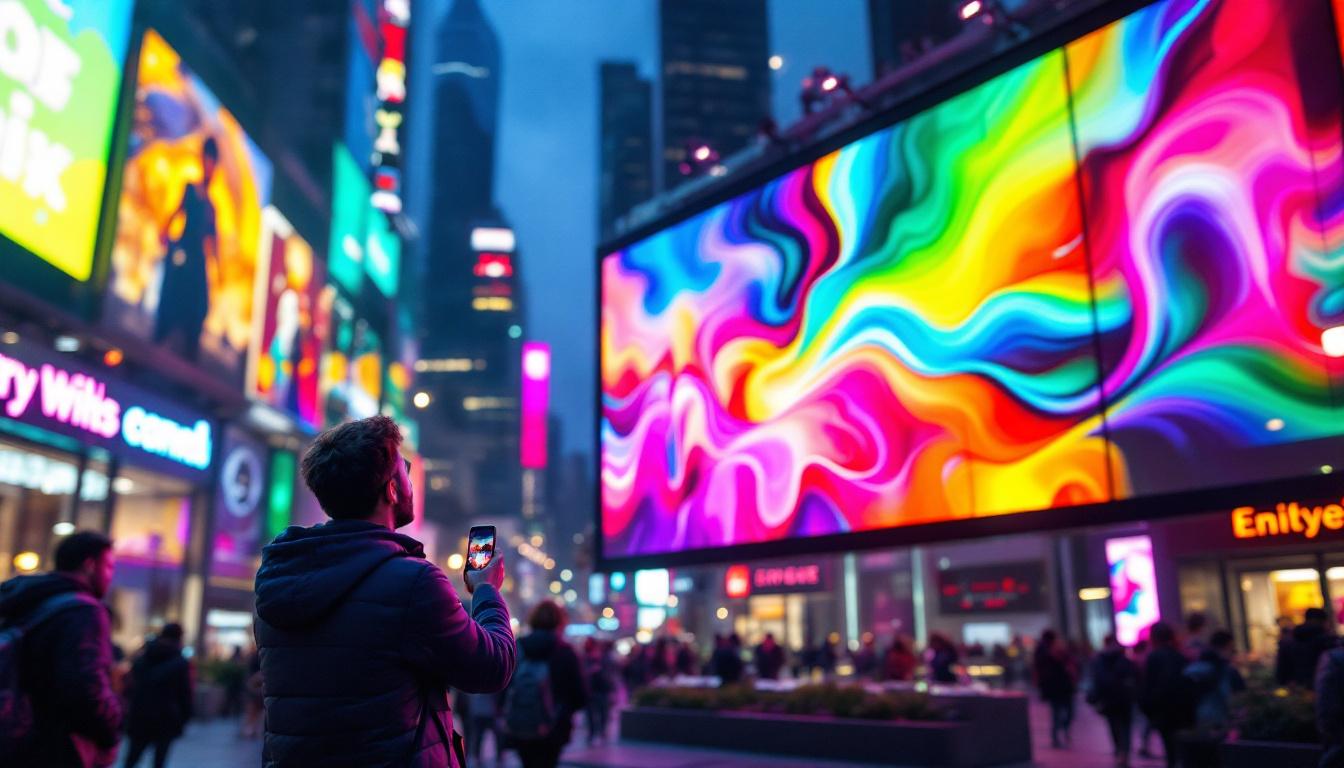
In the rapidly evolving world of visual technology, LED displays have become a cornerstone for delivering vibrant, high-quality images across various applications. From advertising billboards and stadium screens to indoor TVs and smartphones, LED technology continues to revolutionize how we consume visual content. This article delves deep into the fundamentals of LED displays, exploring their technology, advantages, types, and future trends.
Understanding LED Display Technology
LED stands for Light Emitting Diode, a semiconductor device that emits light when an electric current passes through it. Unlike traditional display technologies such as LCD (Liquid Crystal Display) or OLED (Organic Light Emitting Diode), LED displays use arrays of these tiny diodes to create images.
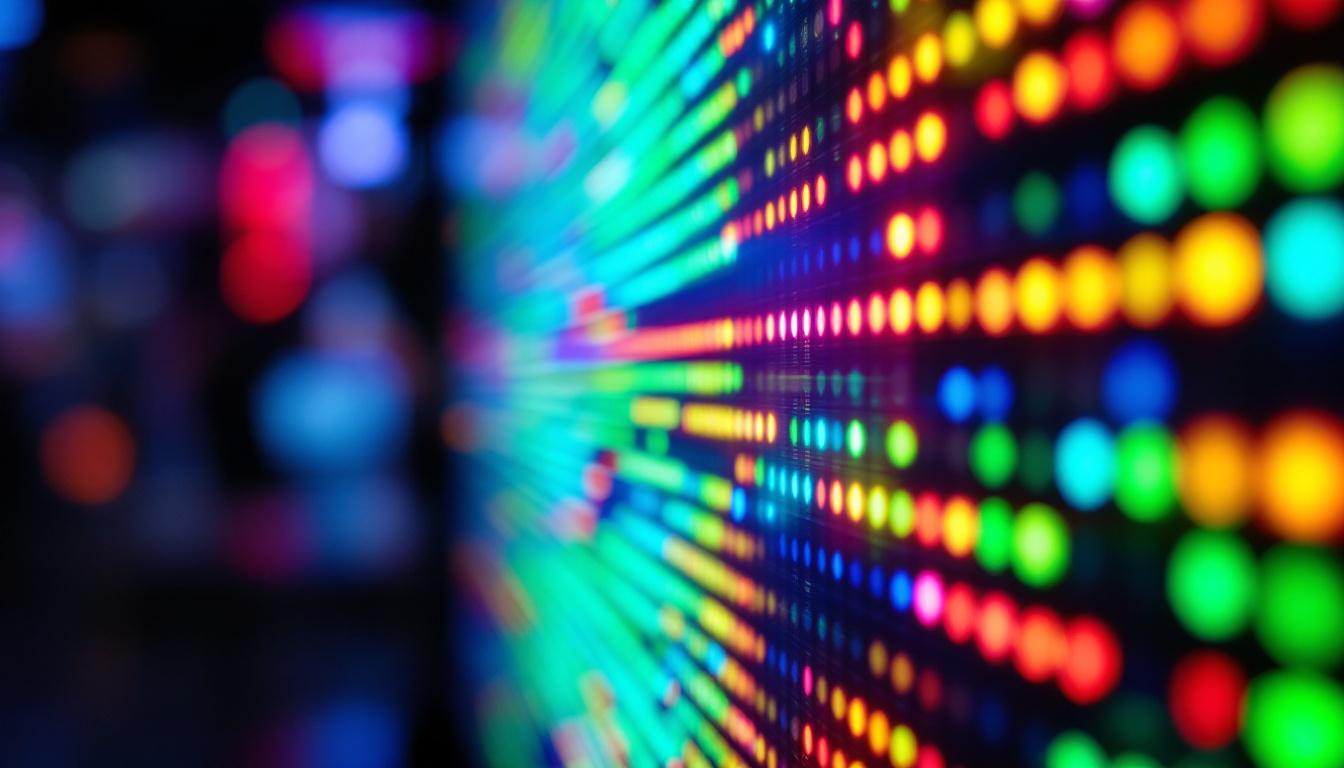
At its core, an LED display consists of numerous tiny LEDs arranged in a matrix. Each LED acts as a pixel or part of a pixel, emitting red, green, or blue light to produce a full spectrum of colors through additive color mixing. The brightness and color of each pixel are controlled precisely to create sharp, vivid images.
The Evolution of LED Displays
LED display technology has undergone significant advancements since its inception. Early LEDs were limited to indicator lights and simple displays, but improvements in semiconductor materials and manufacturing processes have enabled the development of full-color, high-resolution LED screens. Today, LEDs are integral to everything from massive outdoor advertising boards to the latest smartphones.
One of the key milestones was the transition from traditional incandescent and fluorescent backlighting in LCDs to LED backlighting, which improved energy efficiency and color accuracy. Additionally, the emergence of microLED technology promises even greater resolution and brightness, pushing the boundaries of display quality further.
The versatility of LED technology has also led to its adoption in various fields beyond consumer electronics. For instance, in the realm of automotive design, LED displays are increasingly used for dashboard instrumentation and infotainment systems, providing drivers with clear, easily readable information. Furthermore, in the entertainment industry, LED screens have revolutionized live performances, allowing for dynamic visuals that enhance the overall experience for audiences. These displays can be configured in various shapes and sizes, enabling creative installations that were previously unimaginable.
Moreover, the environmental impact of LED technology cannot be overlooked. Compared to traditional lighting solutions, LEDs consume significantly less power and have a longer lifespan, which contributes to reduced waste and energy consumption. As sustainability becomes a priority across industries, the shift toward LED displays is a crucial step in promoting greener technology solutions. With ongoing research and development, the future of LED displays looks promising, as innovations continue to emerge that will further enhance their functionality and efficiency.
Types of LED Displays
LED displays come in various forms tailored to specific applications and environments. Understanding these types helps in selecting the right display for a given use case.
1. Direct View LED Displays
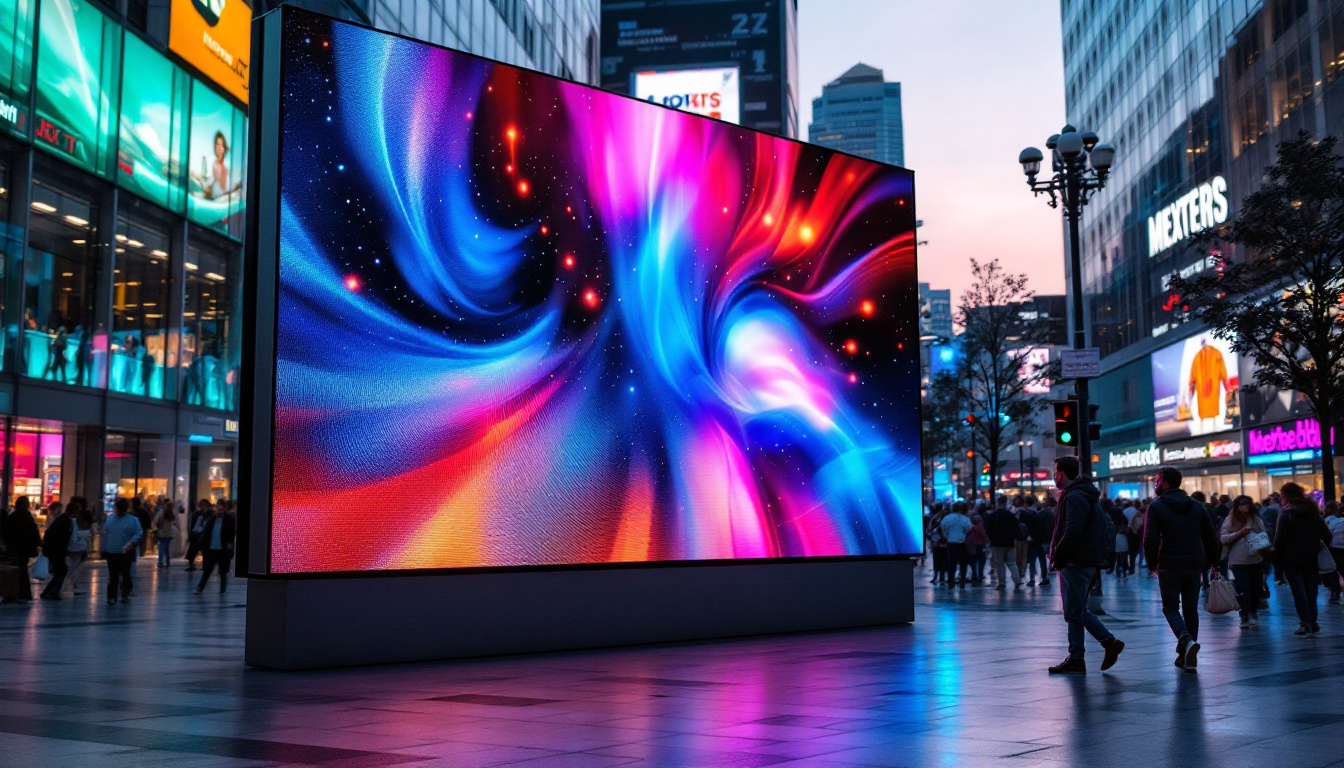
Direct view LED displays consist of LEDs that emit light directly toward the viewer without the need for a backlight. These displays are commonly used in large outdoor screens, stadium displays, and digital billboards. Their high brightness levels make them visible even under direct sunlight, with some models reaching brightness levels of over 5,000 nits.
Direct view LED displays are modular, allowing for scalable sizes ranging from small indoor panels to massive outdoor installations spanning thousands of square feet. The pixel pitch—the distance between LEDs—determines the resolution and viewing distance, with smaller pitches offering higher resolution suitable for close viewing.
2. LED-Backlit LCD Displays
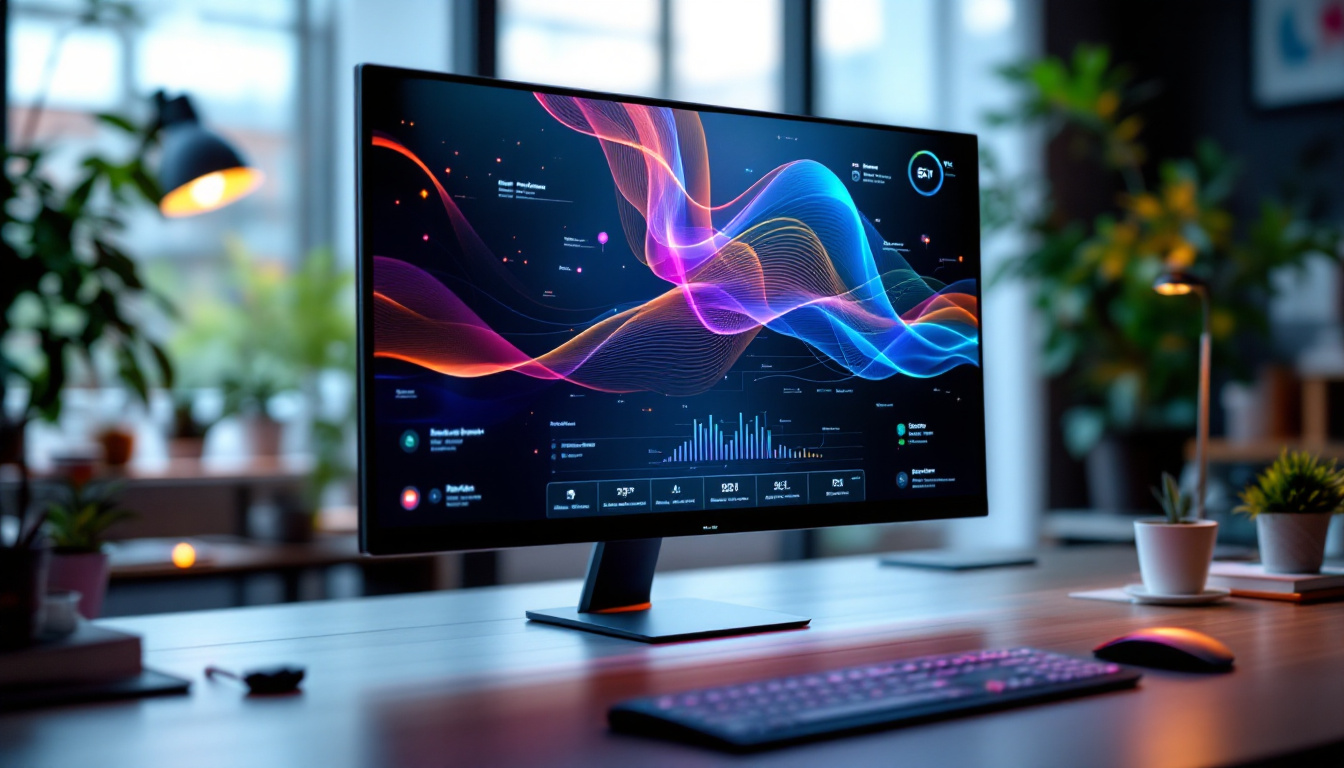
Many modern TVs, monitors, and laptops use LED-backlit LCD technology. In these displays, LEDs serve as the backlight behind an LCD panel that modulates the light to create images. This approach combines the advantages of LED lighting—such as energy efficiency and longer lifespan—with the precise color control of LCD technology.
LED backlighting can be edge-lit or full-array. Edge-lit LEDs are positioned along the edges of the screen, allowing for thinner displays but sometimes resulting in uneven brightness. Full-array LED backlighting places LEDs evenly behind the screen, enabling local dimming zones that improve contrast and black levels.
3. OLED and MicroLED Displays
While not traditional LED displays, OLED (Organic Light Emitting Diode) and microLED technologies are closely related and represent the cutting edge of display innovation.
OLED displays use organic compounds that emit light when electrically stimulated, allowing each pixel to be individually lit or turned off, resulting in perfect blacks and exceptional contrast ratios. However, OLEDs can be prone to burn-in and generally have shorter lifespans compared to LED-backlit LCDs.
MicroLED technology, still emerging, uses microscopic LEDs as individual pixels. It combines the self-emissive benefits of OLEDs with the durability and brightness of traditional LEDs. MicroLED displays promise higher brightness, better energy efficiency, and longer lifespan, making them ideal for future high-end applications.
Advantages of LED Displays
LED displays offer numerous benefits over other display technologies, making them a popular choice across industries.
Energy Efficiency and Longevity
LEDs are highly energy-efficient, consuming significantly less power than traditional incandescent or fluorescent lighting. This efficiency translates to lower operating costs and reduced environmental impact. Additionally, LEDs have a longer lifespan, often exceeding 50,000 hours of operation, which reduces maintenance and replacement expenses.
Brightness and Visibility
One of the standout features of LED displays is their exceptional brightness. This quality is especially important for outdoor applications where sunlight can wash out less bright displays. LEDs can achieve brightness levels that ensure clear visibility in almost any lighting condition, including direct sunlight.
Color Accuracy and Contrast
LED displays provide superior color reproduction and contrast ratios. The ability to control individual LEDs allows for precise color calibration and deep blacks, enhancing the overall viewing experience. This is particularly valuable in applications such as digital signage, broadcasting, and professional video production.
Flexibility and Scalability
LED displays can be designed in various shapes and sizes, from small, curved smartphone screens to massive stadium displays. Their modular nature allows for easy scalability and customization, accommodating diverse installation requirements.
Applications of LED Displays
LED display technology is versatile and finds use in a wide array of sectors, each leveraging its unique strengths.
Advertising and Outdoor Signage
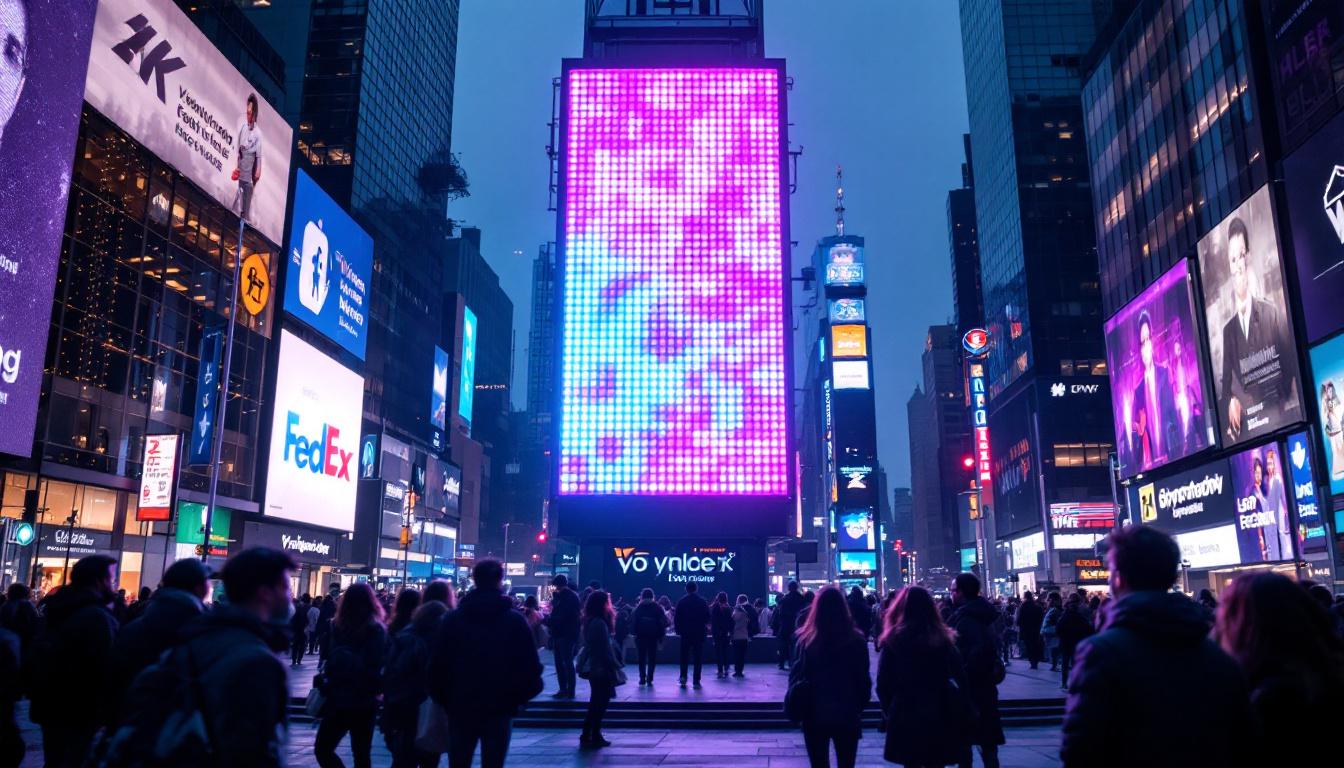
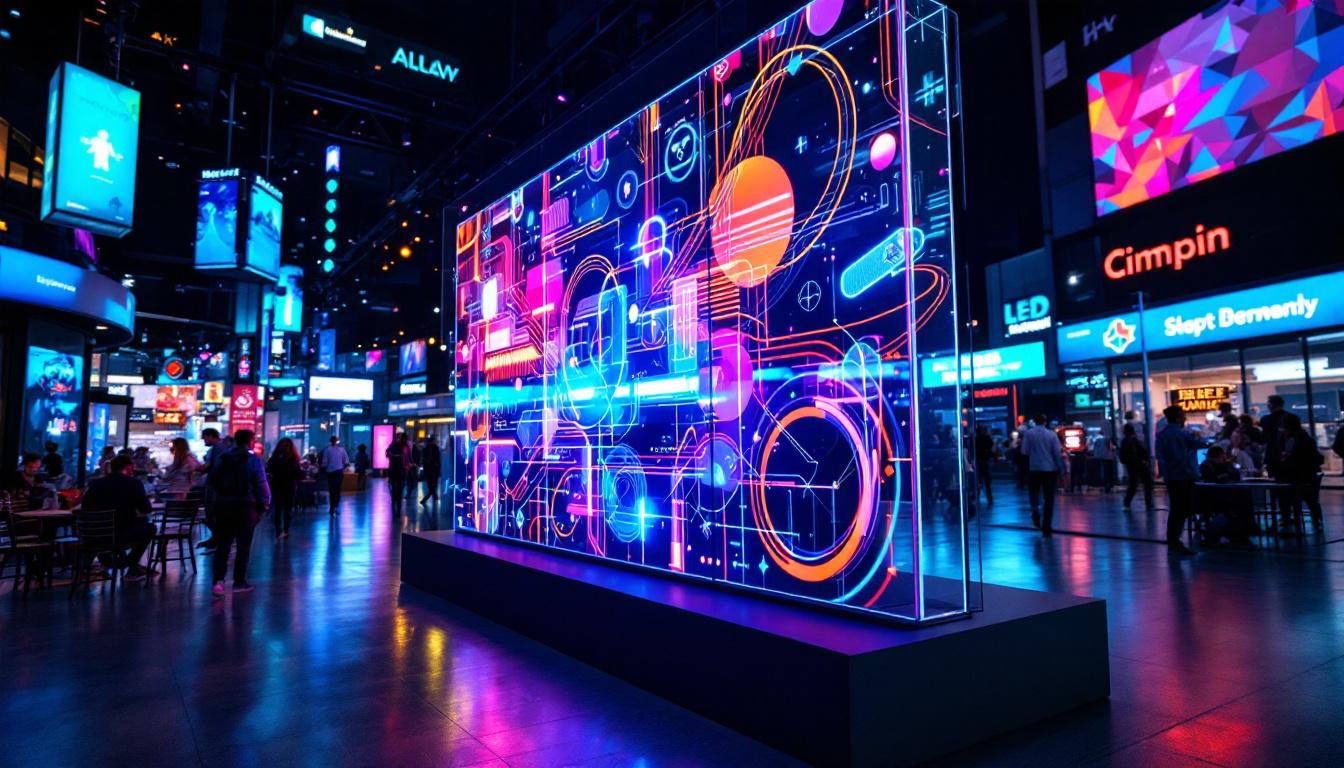
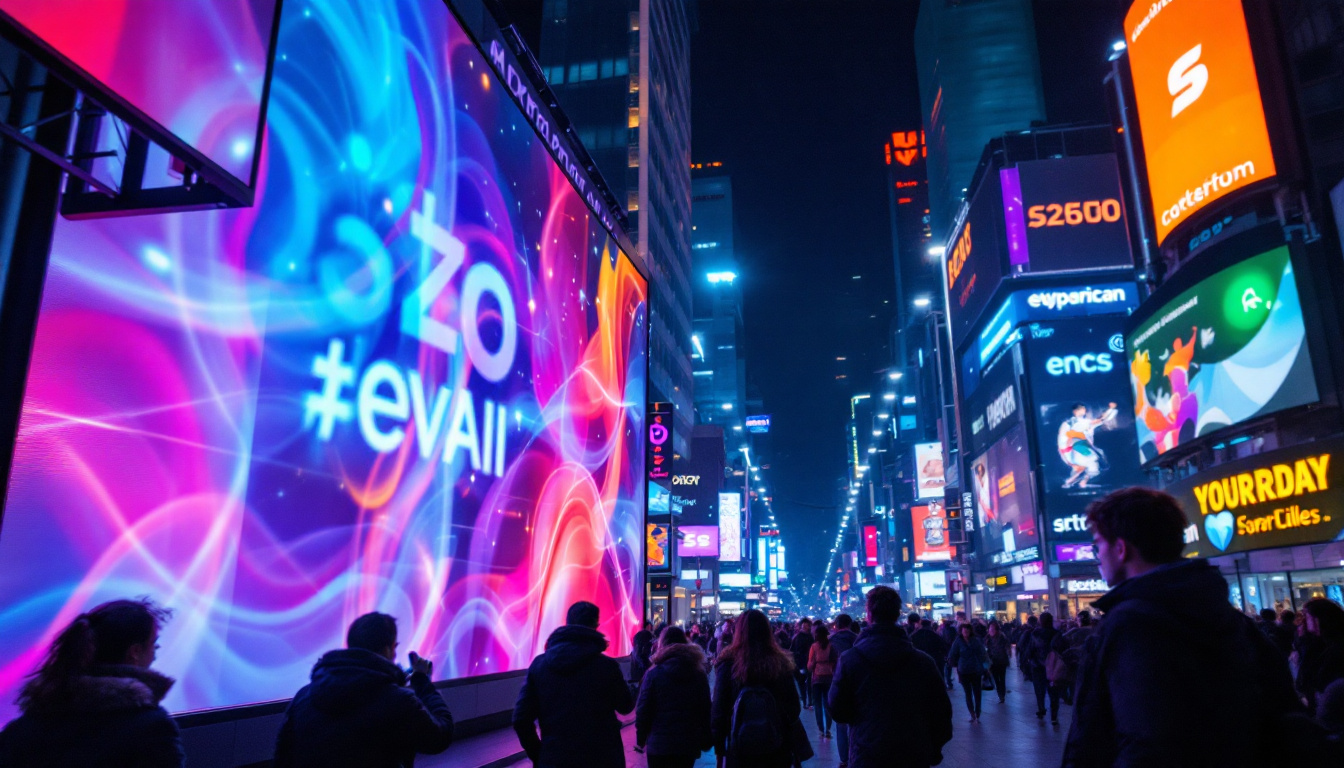
Digital billboards and outdoor advertising screens are among the most visible applications of LED displays. Their high brightness and durability make them ideal for attracting attention in busy urban environments. According to recent industry reports, the global digital signage market is expected to grow at a compound annual growth rate (CAGR) of over 8% through 2027, driven largely by LED display adoption.
Sports and Entertainment Venues
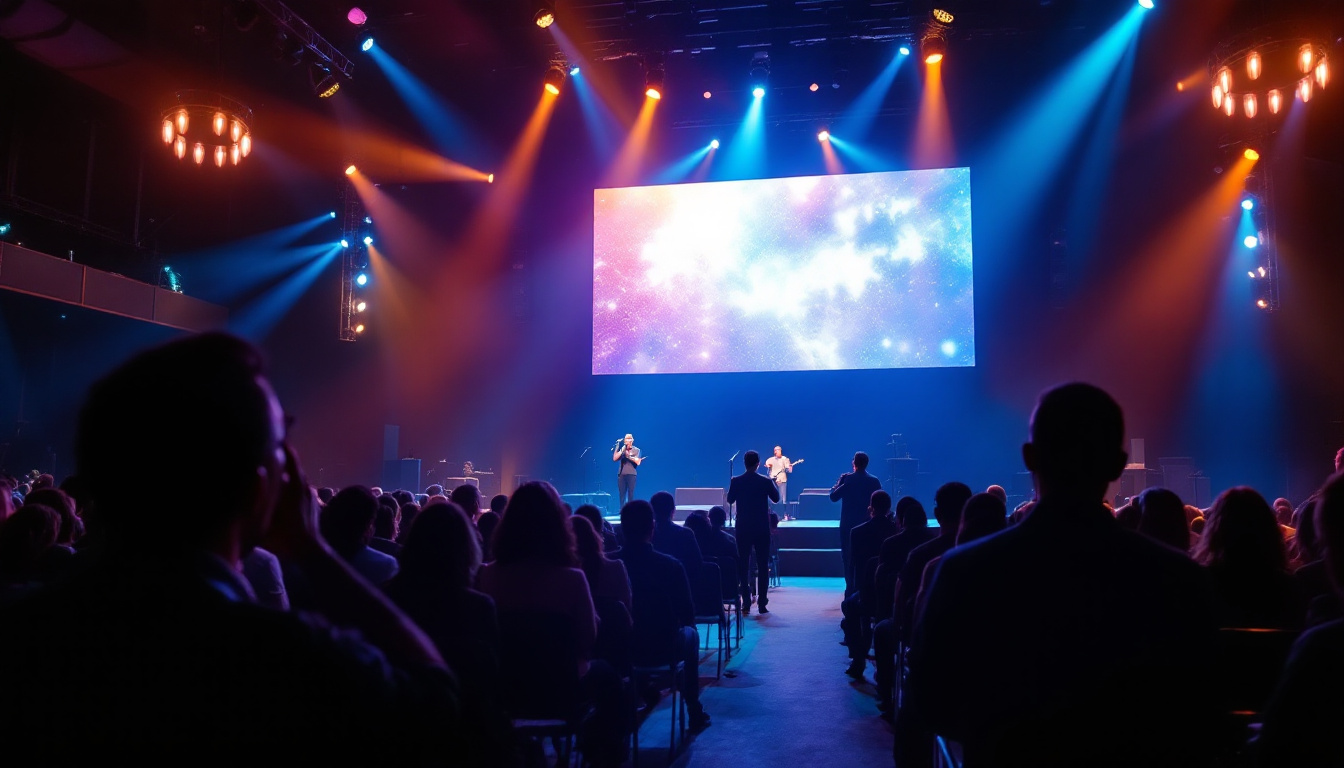
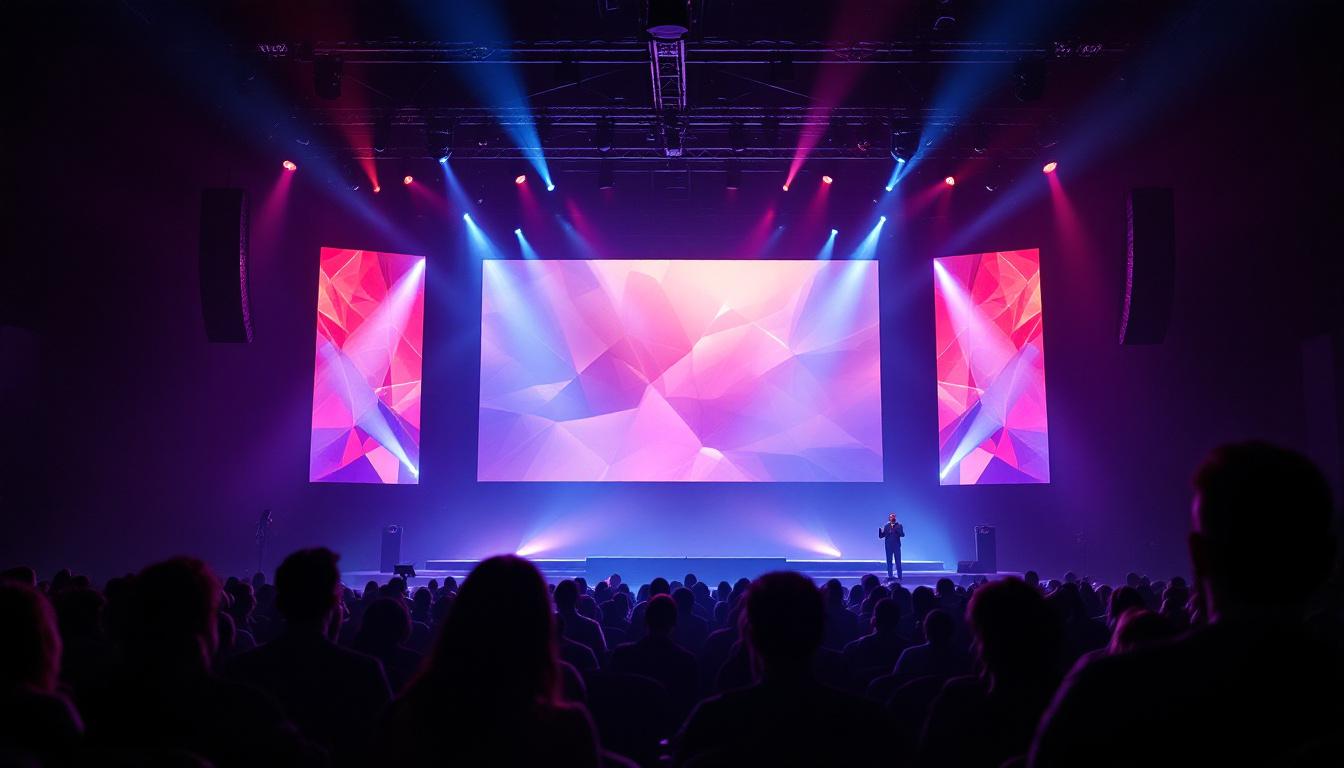
Stadiums, arenas, and concert venues use large LED screens to enhance the spectator experience. These displays provide real-time replays, scores, and interactive content, engaging audiences and generating additional revenue streams through advertising.
Retail and Corporate Environments
Indoor LED displays are increasingly common in retail stores and corporate offices for dynamic presentations, product promotions, and informational displays. Their ability to deliver crisp images in various lighting conditions helps brands communicate effectively with customers and employees.
Consumer Electronics
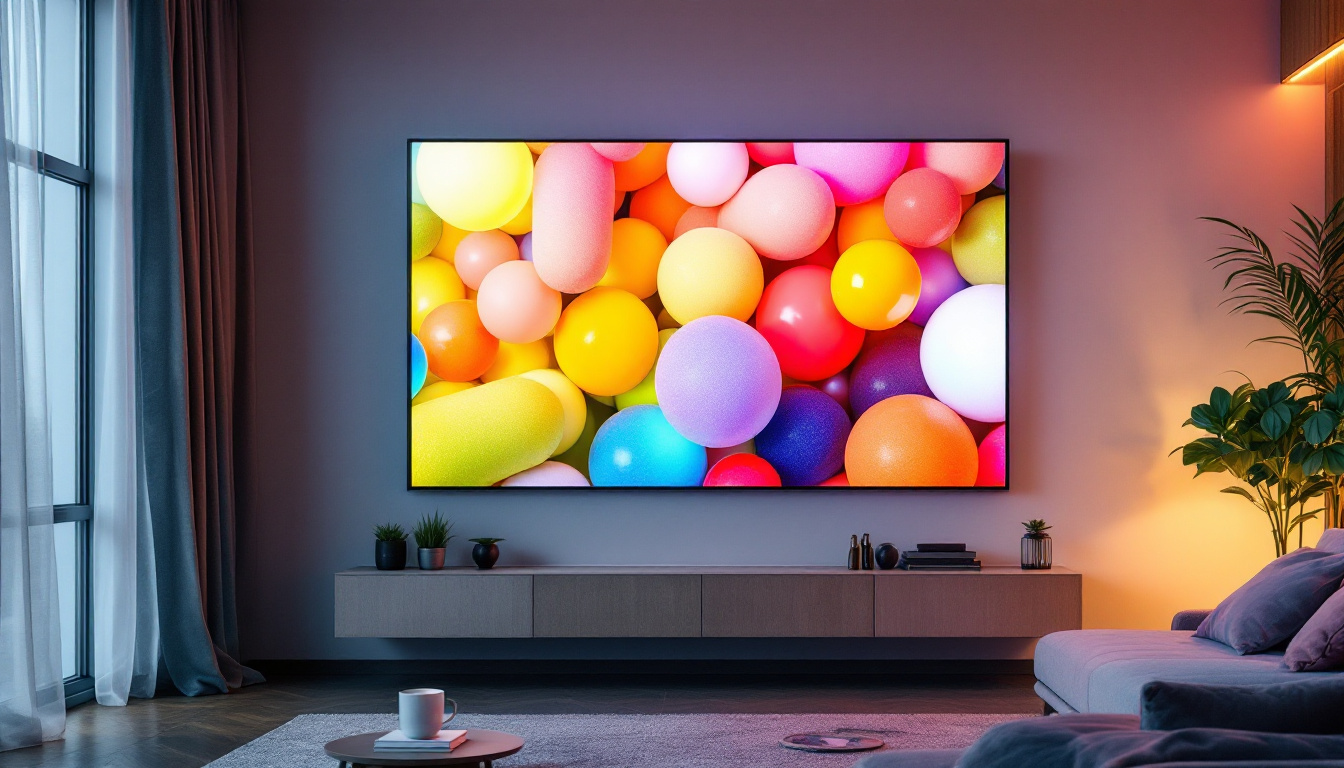
From televisions to smartphones, LED technology underpins many consumer devices. LED-backlit LCD TVs dominate the market due to their balance of performance and cost, while OLED and emerging microLED displays are gaining traction in premium devices.
Challenges and Considerations
Despite their many advantages, LED displays also present certain challenges that users and manufacturers must consider.
Cost and Complexity
High-quality LED displays, especially large-scale direct view and microLED screens, can be expensive to produce and install. The complexity of manufacturing and the need for precise calibration add to the cost. However, prices have been steadily decreasing as technology matures and economies of scale improve.
Viewing Angles and Pixel Pitch
While LED displays generally offer wide viewing angles, the pixel pitch significantly affects image clarity at close distances. Selecting the appropriate pixel pitch is crucial to ensure a comfortable and immersive viewing experience, particularly for indoor applications.
Maintenance and Durability
Outdoor LED displays must withstand harsh weather conditions, including rain, dust, and temperature fluctuations. Protective enclosures and regular maintenance are essential to ensure longevity and consistent performance.
The Future of LED Display Technology
The LED display industry continues to innovate, driven by demand for higher resolution, better energy efficiency, and novel form factors.
MicroLED and Beyond
MicroLED technology is poised to disrupt the display market by offering unparalleled brightness, contrast, and durability without the drawbacks of OLED burn-in. Although still in the early stages of commercial availability, microLED displays are expected to become mainstream within the next decade.
Flexible and Transparent Displays
Advancements in flexible LED substrates are enabling curved, foldable, and even transparent displays. These innovations open new possibilities for design and user interaction, from wearable devices to augmented reality applications.
Integration with Smart Technologies
LED displays are increasingly integrated with IoT (Internet of Things) and AI (Artificial Intelligence) technologies, enabling dynamic content adaptation based on audience behavior, environmental conditions, and real-time data analytics. This integration enhances the effectiveness of digital signage and interactive displays.
Conclusion
LED display technology has transformed the way visual information is presented and consumed across multiple industries. Its combination of brightness, energy efficiency, color accuracy, and scalability makes it a versatile solution for everything from large outdoor billboards to high-definition consumer screens. As innovations like microLED and flexible displays continue to emerge, LED technology is set to remain at the forefront of visual display advancements for years to come.
Understanding the nuances of LED displays—from their underlying technology to practical applications and challenges—is essential for businesses, designers, and consumers looking to leverage this powerful medium effectively. With ongoing research and development, the future of LED displays promises even more exciting possibilities.
Discover LumenMatrix’s Innovative LED Display Solutions
Ready to elevate your visual experience with the latest in LED display technology? LumenMatrix is at the forefront of innovation, offering a diverse range of LED display solutions tailored to meet your needs. From captivating Indoor LED Wall Displays to dynamic Outdoor LED Wall Displays, and from versatile Vehicle LED Displays to engaging LED Sports Displays, our products are designed to make your brand shine. Explore our cutting-edge solutions, including Custom LED Displays and All-in-One LED Display options, and see how our LED Transparent Displays can transform your space. Check out LumenMatrix LED Display Solutions today and join the revolution in visual communication.