In the world of digital signage and display technology, the term “pitch” is fundamental yet often misunderstood. Whether you’re an industry professional, a business owner considering a digital billboard, or a tech enthusiast, understanding what pitch means in the context of LED displays is crucial. This article will delve deeply into the definition of pitch, its impact on LED display quality, and why it matters for various applications.
What Is Pixel Pitch in LED Displays?
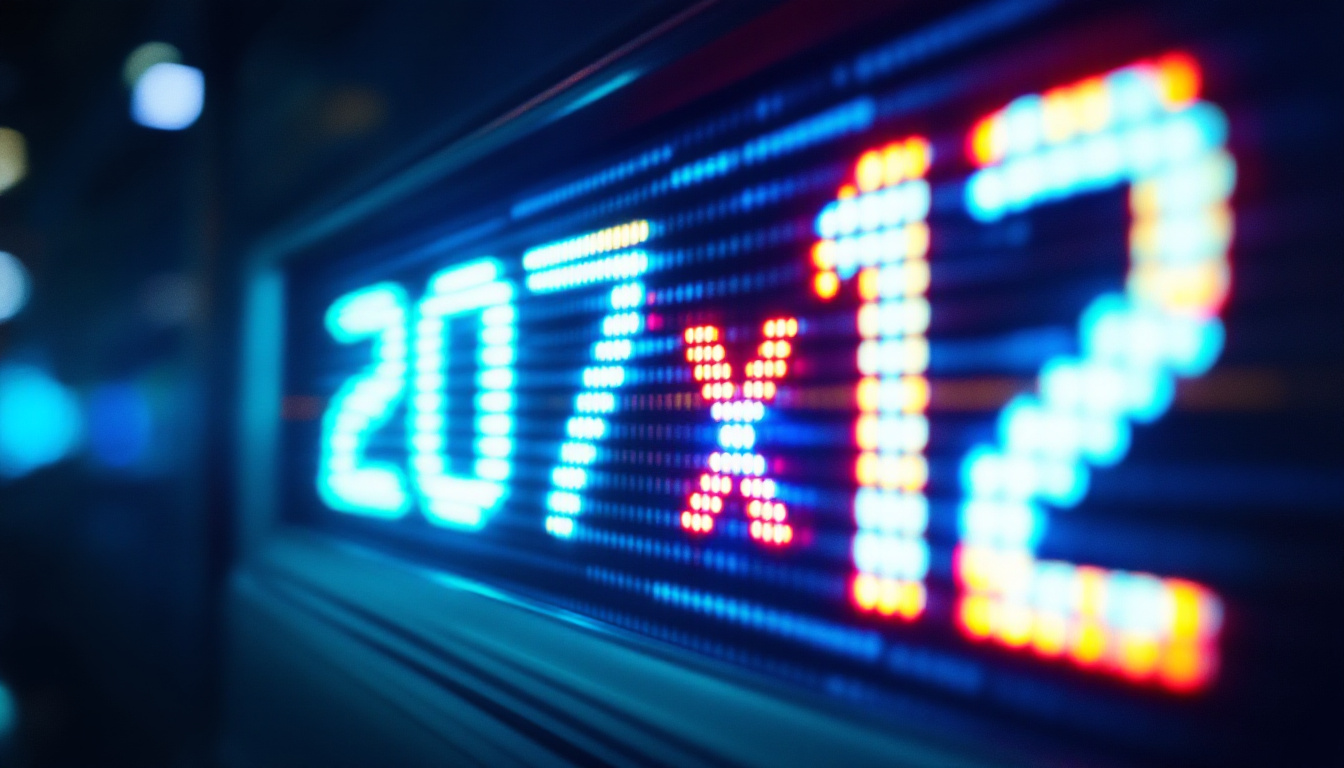
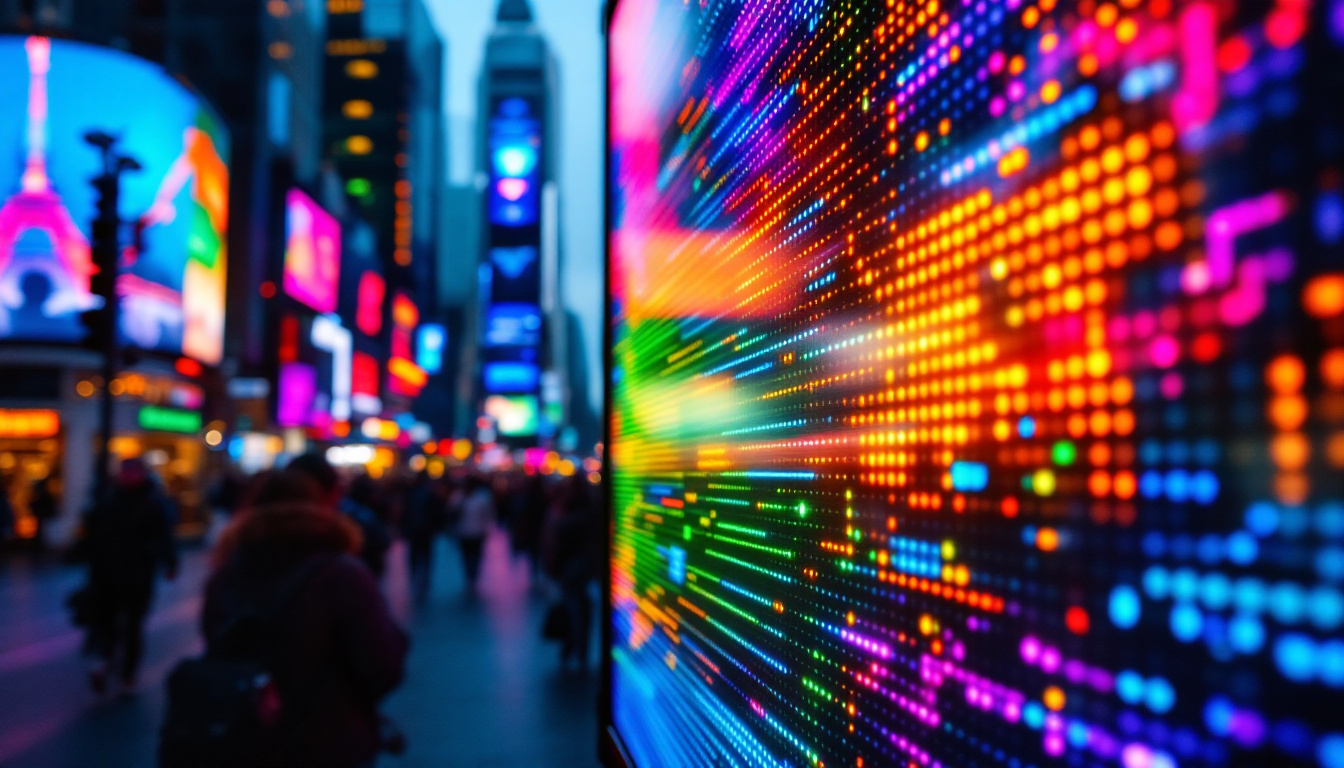
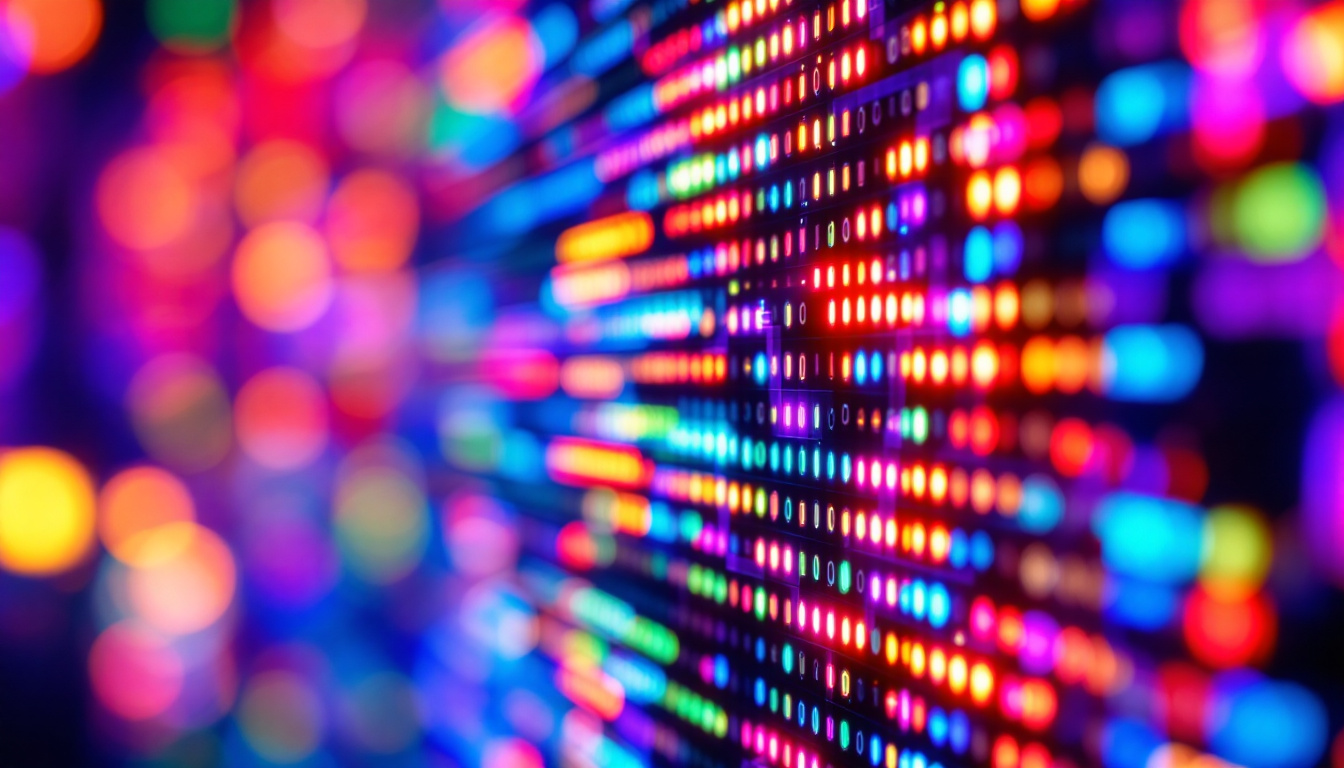
Pixel pitch, often simply referred to as “pitch,” is the distance from the center of one LED pixel to the center of the adjacent pixel on an LED display. This measurement is typically expressed in millimeters (mm). For example, a pitch of 2.5mm means that the center-to-center distance between two adjacent pixels is 2.5 millimeters.
This seemingly simple metric has profound implications for the resolution, clarity, and viewing distance of the display. The smaller the pixel pitch, the closer the pixels are to each other, resulting in a higher resolution and sharper image quality. Conversely, a larger pitch means pixels are spaced further apart, which can reduce image sharpness but may be suitable for displays intended to be viewed from a distance.
How Pixel Pitch Affects Display Resolution
Resolution on an LED display is determined by the number of pixels per unit area. Since pixel pitch defines the spacing between pixels, it directly influences how many pixels fit into a given screen size. A smaller pitch allows more pixels to be packed into the same space, increasing the pixel density and enhancing the display’s ability to render fine details.
For example, a 55-inch LED display with a 1.5mm pitch will have a significantly higher resolution than a 55-inch display with a 10mm pitch. The former is suitable for close-up viewing environments such as retail stores or control rooms, while the latter is better for large outdoor billboards meant to be seen from hundreds of feet away.
Moreover, the choice of pixel pitch can also influence the overall cost of the display. Displays with smaller pixel pitches often come with a higher price tag due to the increased number of LEDs required to achieve the desired resolution. This means that businesses must carefully consider their specific needs and viewing environments when selecting a display. For instance, while a high-resolution display may be ideal for interactive kiosks or exhibitions, a lower-resolution option may suffice for general advertising purposes where viewers are expected to be at a greater distance.
In addition to resolution and cost, pixel pitch also plays a crucial role in the viewing experience. Displays with smaller pitches tend to provide a more immersive experience, as they can display intricate details and vibrant colors that captivate the audience. This is particularly important in environments such as museums, where the goal is to engage viewers and enhance their understanding of the exhibits. On the other hand, larger pitch displays, while less detailed, can still effectively convey messages and advertisements in high-traffic areas, ensuring that the content is visible and impactful even from afar.
Types of LED Display Pixel Pitch and Their Applications
LED displays come in various pixel pitches, each tailored for specific environments and viewing distances. Understanding these types helps in selecting the right display for your needs.
Fine Pitch LED Displays (0.7mm to 2.5mm)
Fine pitch LED displays have pixel pitches ranging from approximately 0.7mm to 2.5mm. These displays offer ultra-high resolution and are ideal for indoor environments where viewers are close to the screen. Examples include:
- Broadcast studios
- Corporate conference rooms
- Retail digital signage
- Control centers
Fine pitch displays provide crisp images and smooth video playback, making them perfect for applications where detail is paramount.
Standard Pitch LED Displays (2.5mm to 6mm)
Displays with pixel pitches between 2.5mm and 6mm strike a balance between resolution and cost. They are commonly used in indoor venues like shopping malls, airports, and event halls. These displays offer good image quality at moderate viewing distances, typically ranging from 3 to 10 meters.
Large Pitch LED Displays (6mm and Above)
Large pitch LED displays, with pixel pitches of 6mm and above, are designed for outdoor use where viewers are far away from the screen. These are the types of displays often seen on billboards, stadium scoreboards, and building facades. The larger pitch allows for greater brightness and durability, which are essential for outdoor environments exposed to sunlight and weather.
Why Pixel Pitch Matters: Viewing Distance and Image Quality
One of the most important considerations when selecting an LED display is the relationship between pixel pitch and optimal viewing distance. This relationship ensures that the display looks sharp and clear to the intended audience.
Calculating Optimal Viewing Distance
A general rule of thumb is that the optimal viewing distance (in meters) is approximately 1,000 times the pixel pitch (in millimeters). For example, a display with a 3mm pitch should ideally be viewed from about 3 meters away or more.
This calculation helps avoid situations where individual pixels become visible to the naked eye, which can degrade the viewing experience. Conversely, if the viewer is too far from a fine pitch display, the extra resolution may not be noticeable, potentially leading to unnecessary costs.
Impact on Image Quality and Cost
Displays with smaller pixel pitches deliver better image quality but come at a higher cost due to the increased number of LEDs and more complex manufacturing processes. Larger pitch displays are more cost-effective but sacrifice some resolution and detail.
Choosing the right pixel pitch ensures a balance between image quality, cost, and the intended use case. For example, investing in a 1.2mm pitch display for an outdoor billboard viewed from 50 meters is unnecessary and economically inefficient.
Technical Considerations Beyond Pixel Pitch
While pixel pitch is a critical factor, it is not the only technical specification that determines LED display performance. Other elements include brightness, refresh rate, color accuracy, and durability.
Brightness and Environmental Adaptability
Outdoor LED displays require high brightness levels, often exceeding 5,000 nits, to remain visible in direct sunlight. Indoor displays generally operate at lower brightness levels, around 800 to 1,200 nits, to prevent eye strain and save energy.
Brightness requirements can influence the choice of pixel pitch because larger pitch displays can accommodate bigger LEDs capable of higher brightness.
Refresh Rate and Motion Clarity
The refresh rate, measured in Hertz (Hz), indicates how many times per second the display updates its image. Higher refresh rates reduce flicker and improve motion clarity, which is especially important for video playback and live broadcasts.
Modern LED displays typically have refresh rates of 1,000 Hz or higher to ensure smooth visuals.
Color Accuracy and Calibration
Accurate color reproduction is essential for applications like advertising, broadcasting, and control rooms. LED displays use various calibration techniques to ensure consistent and vibrant colors across the entire screen.
Durability and Maintenance
LED displays, especially outdoor models, must be designed to withstand harsh weather conditions, including rain, wind, and temperature fluctuations. Pixel pitch can affect durability, as smaller pitch displays require more delicate components.
Emerging Trends in LED Display Technology
The LED display industry is rapidly evolving, with innovations that push the boundaries of pixel pitch and image quality.
MicroLED and MiniLED Technologies
MicroLED and MiniLED represent the next generation of LED display technology, featuring even smaller pixel pitches and improved brightness and color accuracy. MicroLED displays can achieve pixel pitches below 0.5mm, making them suitable for ultra-high-definition applications like virtual reality and premium indoor signage.
Flexible and Transparent LED Displays
Advancements in LED technology have also led to flexible and transparent displays, which open new possibilities for creative installations and architectural integration. These displays often have varying pixel pitches depending on the design requirements.
Energy Efficiency Improvements
Manufacturers are increasingly focusing on energy-efficient LEDs and intelligent control systems that adjust brightness based on ambient light, reducing power consumption without sacrificing image quality.
How to Choose the Right Pixel Pitch for Your LED Display
Selecting the appropriate pixel pitch involves evaluating several factors to ensure the display meets your specific needs.
Consider the Viewing Distance
Identify where your audience will be located relative to the display. Use the pixel pitch-to-viewing distance guideline to select a pitch that provides optimal clarity without overspending.
Assess the Environment
Indoor and outdoor environments have different requirements for brightness, durability, and pixel pitch. Outdoor displays generally require larger pitches and higher brightness, while indoor displays benefit from finer pitches and lower brightness levels.
Budget and Total Cost of Ownership
While finer pitch displays offer superior image quality, they come with higher upfront costs and potentially increased maintenance expenses. Balance your budget with your quality requirements and expected usage.
Content Type and Usage
Consider the type of content you will display. Detailed graphics, text, and video benefit from finer pitches, whereas simple messages or logos may not require high resolution.
Conclusion
Pixel pitch is a cornerstone concept in LED display technology that directly impacts image resolution, viewing experience, and cost. Understanding the definition of pitch and its practical implications enables informed decisions when selecting LED displays for various applications.
Whether deploying a high-resolution indoor video wall or a large outdoor billboard, matching the pixel pitch to the viewing distance, environment, and content requirements ensures optimal performance and value. As LED technology continues to advance, staying informed about pixel pitch and related innovations will remain essential for anyone involved in digital display solutions.
Explore Cutting-Edge LED Display Solutions with LumenMatrix
Ready to elevate your visual communication and create an unforgettable impact? LumenMatrix is at the forefront of LED display innovation, offering a diverse range of products from Indoor and Outdoor LED Wall Displays to specialized solutions like Vehicle LED Displays and LED Sports Displays. Our mission is to transform your message into a captivating visual experience. Check out LumenMatrix LED Display Solutions today and discover how our advanced technology can enhance your brand visibility and audience engagement.