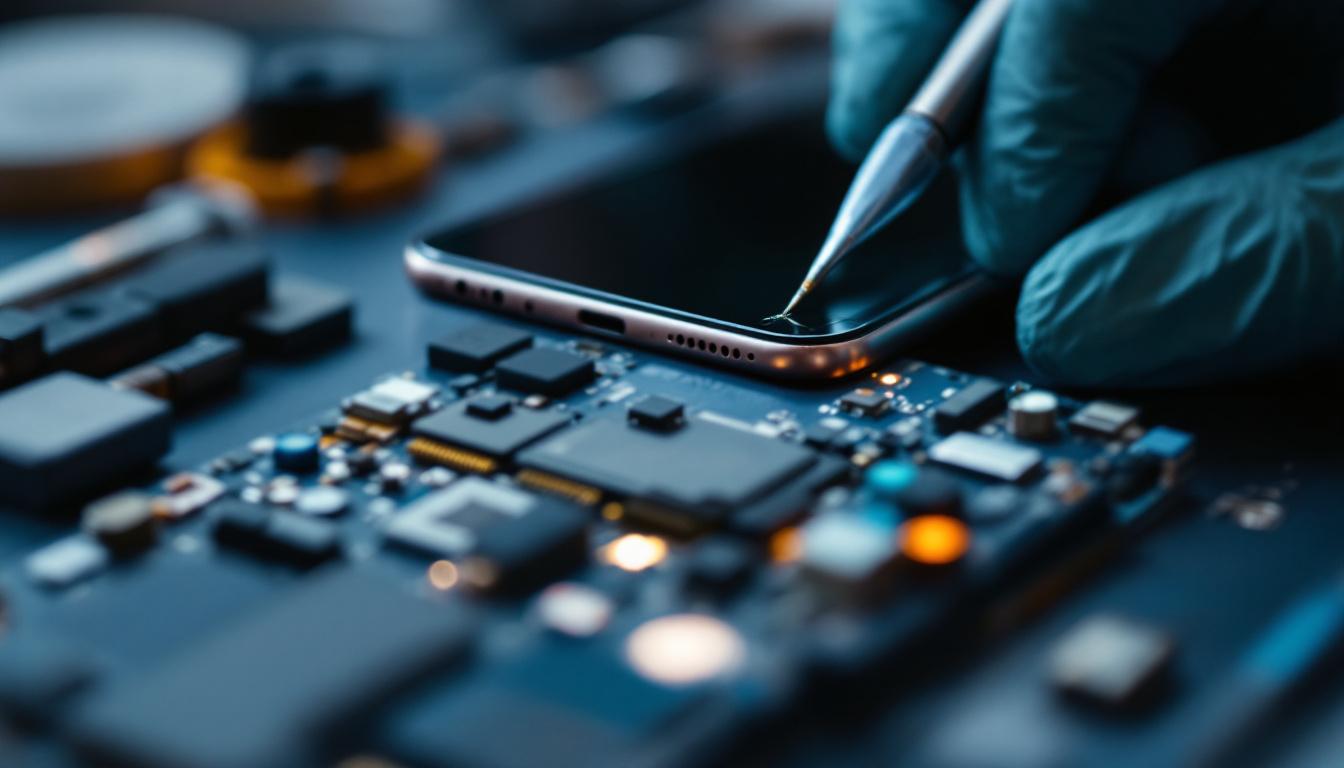
In today’s digital era, screens are the primary interface between humans and technology. Whether it’s a smartphone, tablet, laptop, or large LED display panel, the quality and responsiveness of the screen significantly impact user experience. Two critical components that define this experience are the screen digitizer and the LED display. Understanding what these components are and how they work together can help consumers, technicians, and enthusiasts make informed decisions when purchasing, repairing, or designing devices.
Understanding the Screen Digitizer: The Touch Interface
The screen digitizer is an essential part of any touchscreen device. It is the layer that detects touch input, translating finger or stylus movements into digital signals that the device’s processor can understand. Without a digitizer, a screen would only display images without any interactive functionality.
What Exactly Is a Screen Digitizer?
A screen digitizer is a transparent sensor layer placed on top of the display screen. It detects touch by sensing changes in electrical signals or pressure when a finger or stylus makes contact. This sensor then sends the data to the device’s processor, which interprets the input as commands such as taps, swipes, or multi-touch gestures.
There are several types of digitizer technologies, including:
- Resistive Digitizers: These consist of two flexible layers separated by a small gap. When pressure is applied, the layers make contact, registering the touch. Resistive screens are durable and work with any pointing device but generally offer lower clarity and responsiveness.
- Capacitive Digitizers: These use the electrical properties of the human body to detect touch. A capacitive screen has a layer that stores electrical charge; when touched, it changes the charge at that point, which the device senses. Capacitive digitizers are more responsive and support multi-touch but require conductive input (like a finger).
- Infrared and Optical Digitizers: These use light sensors or cameras around the screen edges to detect touch. They are less common in consumer devices but used in specialized applications.
Why Is the Digitizer Important?
The digitizer is the gateway for user interaction. Its quality directly affects touch sensitivity, accuracy, and overall user satisfaction. For example, a high-quality capacitive digitizer can support complex gestures like pinch-to-zoom and multi-finger swipes, which are standard in modern smartphones and tablets.
Moreover, digitizers are often the most vulnerable part of a device’s screen assembly. Cracked or malfunctioning digitizers can render a device unusable even if the display underneath is intact. This is why many repair services emphasize digitizer replacement when addressing touchscreen issues.
LED Displays: The Visual Backbone of Modern Screens
While the digitizer handles touch input, the LED display is responsible for producing the vibrant images users see. LED displays have become the standard across many devices due to their brightness, energy efficiency, and color accuracy.
What Is an LED Display?
LED stands for Light Emitting Diode. An LED display is a flat panel display that uses an array of LEDs as pixels to create images. These LEDs emit light when an electric current passes through them, allowing for bright, sharp, and colorful visuals.
LED displays come in several forms:
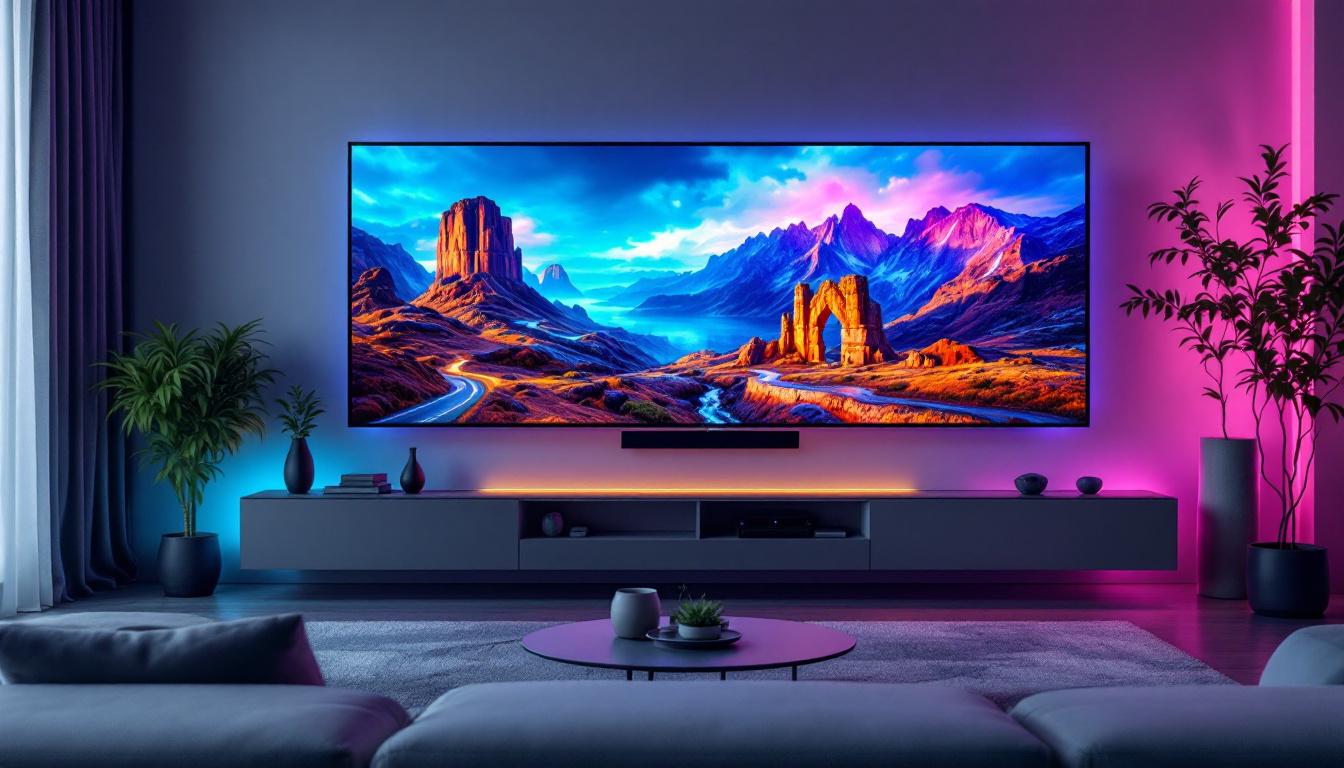
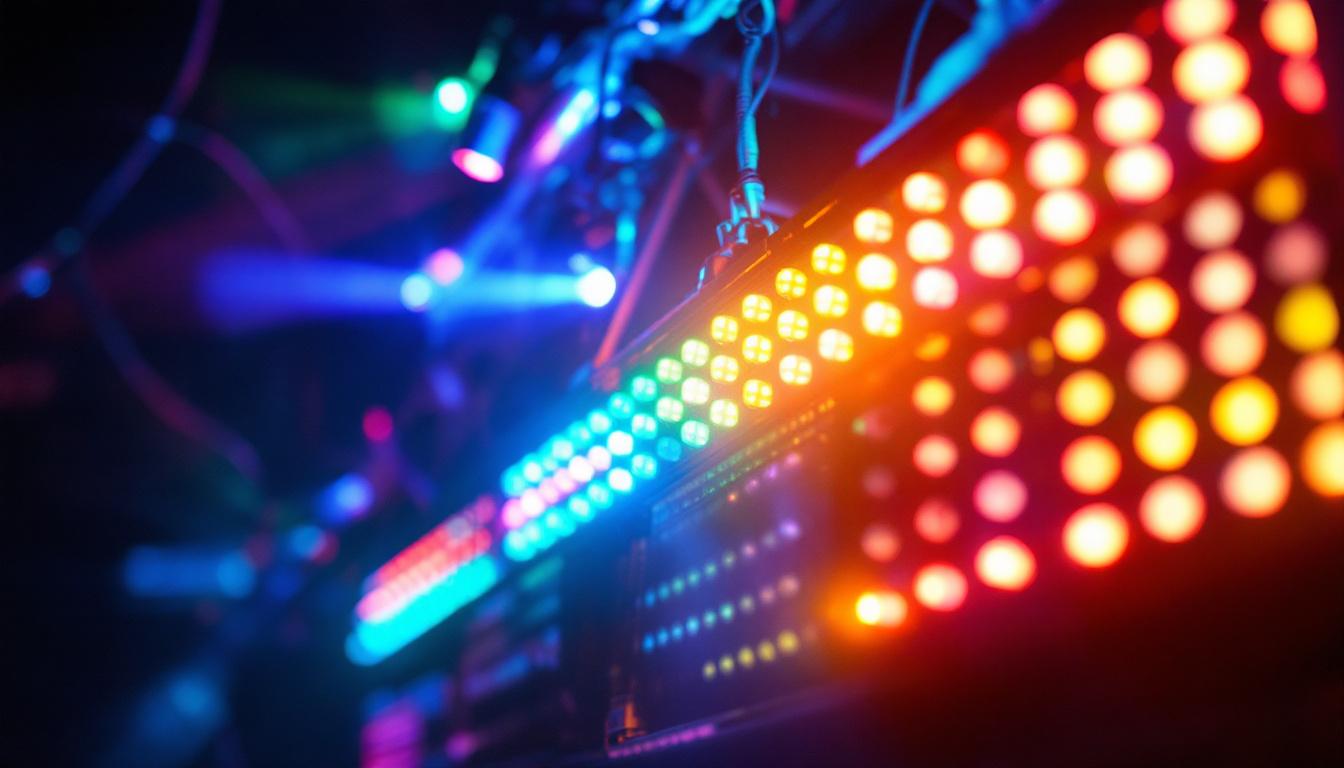
- Direct LED Displays: These use LEDs as individual pixels. They are common in large outdoor screens and high-end televisions.
- LED-backlit LCDs: Most consumer devices use LCD panels illuminated by LED backlights. This hybrid approach combines the color accuracy of LCDs with the brightness and efficiency of LEDs.
- OLED Displays: Although technically different, OLED (Organic LED) displays are related technology where each pixel emits its own light, offering deeper blacks and higher contrast.
Advantages of LED Displays
LED displays have revolutionized screen technology with several key benefits:
- Brightness and Visibility: LEDs can produce very bright images, making screens easily visible even in direct sunlight—an essential feature for smartphones and outdoor displays.
- Energy Efficiency: Compared to older technologies like CCFL-backlit LCDs, LED displays consume less power, extending battery life in portable devices.
- Color Accuracy and Contrast: LED technology allows for a wide color gamut and better contrast ratios, enhancing image quality and user experience.
- Thin and Lightweight: LED backlighting enables thinner and lighter screens, which is crucial for mobile devices.
How Screen Digitizers and LED Displays Work Together
In modern touchscreen devices, the digitizer and LED display function as complementary layers. The LED display generates the visual output, while the digitizer detects user input on that visual surface.
The Layered Structure of a Touchscreen
A typical touchscreen assembly consists of multiple layers:
- Cover Glass: The outermost layer that protects the screen from scratches and impacts.
- Digitizer Layer: Directly beneath the cover glass, this transparent sensor detects touch.
- Display Panel: The LED or LED-backlit LCD panel that produces the images.
- Additional Layers: Such as polarizers, anti-reflective coatings, and adhesive layers.
The digitizer must be perfectly transparent and responsive without interfering with the display’s brightness or color accuracy. Advances in materials science have allowed digitizers to become thinner and more sensitive, enabling sleek device designs.
Challenges in Integration
Integrating digitizers with LED displays presents technical challenges. For example, the digitizer’s conductive layers must not cause glare or reduce display clarity. Manufacturers often use indium tin oxide (ITO), a transparent conductive material, to maintain optical clarity.
Additionally, the digitizer’s responsiveness must be calibrated to avoid false touches or missed inputs. This is particularly important in devices with high refresh rates and complex gesture recognition.
Applications of Screen Digitizers and LED Displays
The combination of screen digitizers and LED displays powers a vast array of modern devices, each with unique requirements and design considerations.
Smartphones and Tablets
Smartphones and tablets are the most common devices using capacitive digitizers with LED or OLED displays. According to recent market analysis, over 3.8 billion smartphone users worldwide rely on these technologies daily. The demand for high-resolution, responsive touchscreens has driven continuous innovation in both digitizer sensitivity and LED display quality.
Manufacturers prioritize features like multi-touch support, low latency, and high brightness to improve usability in various lighting conditions. For instance, flagship smartphones often feature displays with refresh rates up to 120Hz, enhancing smoothness in animations and touch response.
Laptops and 2-in-1 Devices
Touchscreen laptops and convertible devices also use digitizer and LED display technology. These devices require digitizers that can detect both finger and stylus input accurately, supporting productivity tasks such as note-taking and drawing.
LED-backlit LCDs dominate laptop displays due to their balance of cost, brightness, and color accuracy. Some high-end laptops incorporate OLED panels for superior contrast and color depth, though these are less common due to higher production costs.
Large LED Display Panels
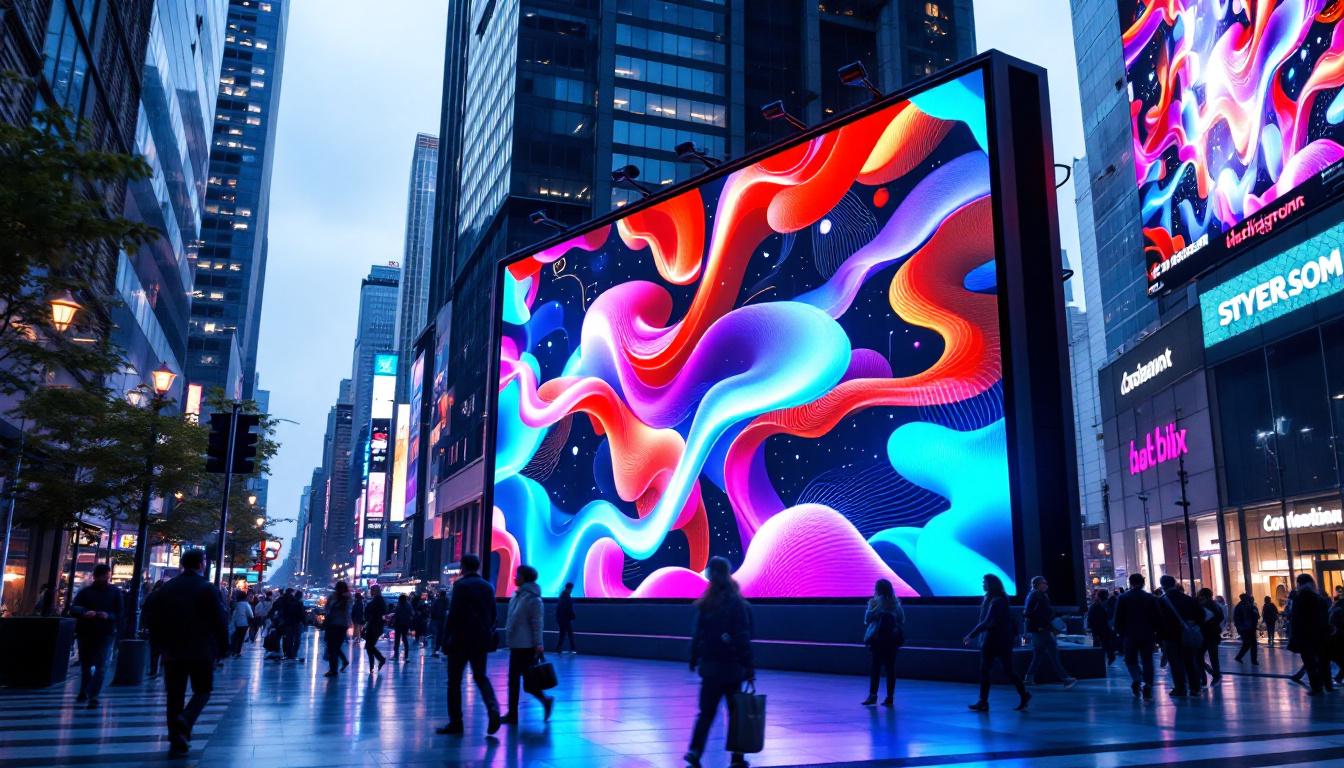
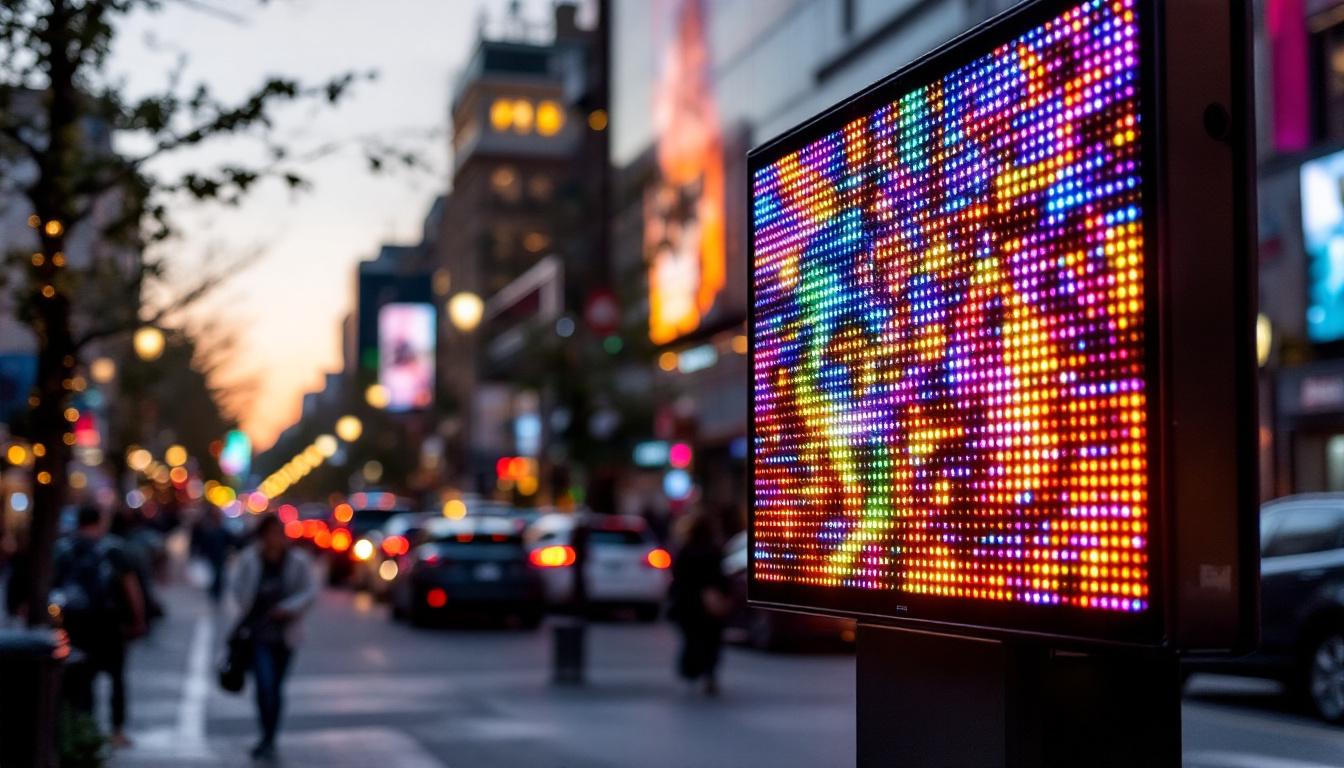
Beyond personal devices, large LED display panels are widely used in advertising, entertainment, and public information systems. These displays use direct LED technology, where each pixel is an individual LED or cluster of LEDs, allowing for massive screen sizes with excellent brightness visible from great distances.
While these large displays typically do not include digitizers for touch input, interactive kiosks and digital signage increasingly integrate touchscreens for user engagement, combining digitizer technology with LED displays in scaled-up formats.
Maintaining and Repairing Screen Digitizers and LED Displays
Both digitizers and LED displays are delicate components that can be damaged by impact, moisture, or manufacturing defects. Understanding their maintenance and repair is crucial for prolonging device lifespan.
Common Issues with Digitizers
Digitizers may suffer from unresponsive areas, ghost touches, or complete failure. These issues often result from physical damage such as cracks or internal faults in the conductive layer. Repair typically involves replacing the entire digitizer layer, which can be complex due to its integration with the display.
Technicians must ensure compatibility between replacement digitizers and the device’s original hardware to maintain touch accuracy and responsiveness.
LED Display Problems
LED displays can experience dead pixels, discoloration, flickering, or backlight failure. While some minor issues like stuck pixels may be remedied with software tools or gentle pressure techniques, most display problems require professional repair or replacement.
In many devices, the digitizer and display are fused into a single assembly, increasing repair costs but improving overall screen thinness and performance.
The Future of Screen Digitizers and LED Displays
Advancements in materials, manufacturing, and technology continue to push the boundaries of what screen digitizers and LED displays can achieve.
Emerging Technologies
Flexible and foldable displays are becoming more prevalent, requiring digitizers that can bend without losing sensitivity. Companies are experimenting with new conductive materials like graphene to create ultra-thin, flexible digitizers.
MicroLED technology, which uses microscopic LEDs for each pixel, promises even higher brightness, efficiency, and longevity than current OLED and LCD displays. This could revolutionize both small device screens and large display panels.
Improved User Interaction
Future digitizers may incorporate advanced haptic feedback, pressure sensitivity, and even 3D touch detection, allowing for richer user interfaces. Combined with AI-driven gesture recognition, this could lead to more intuitive and immersive experiences.
Conclusion
The screen digitizer and LED display are fundamental components that define the interactive and visual experience of modern digital devices. The digitizer serves as the touch-sensitive interface, while the LED display delivers vibrant and clear images. Together, they enable the seamless interaction users expect from smartphones, tablets, laptops, and large-scale displays.
As technology evolves, the integration of digitizers and LED displays will continue to improve, offering greater responsiveness, durability, and visual quality. Understanding these components helps users appreciate the complexity behind everyday devices and guides informed choices in purchasing and maintenance.
Explore Cutting-Edge LED Display Solutions with LumenMatrix
Now that you understand the crucial role screen digitizers and LED displays play in modern technology, take the next step in enhancing your visual experience with LumenMatrix. As a leader in LED display innovation, we offer a wide range of solutions tailored to meet your needs, from Indoor and Outdoor LED Wall Displays to specialized options like Vehicle and Sports LED Displays. Whether you’re looking to create an immersive environment with a Floor LED Display or seeking the clarity of a Custom LED Display, LumenMatrix is here to transform your visual communication. Check out LumenMatrix LED Display Solutions and see how our state-of-the-art technology can elevate your brand visibility and audience engagement.