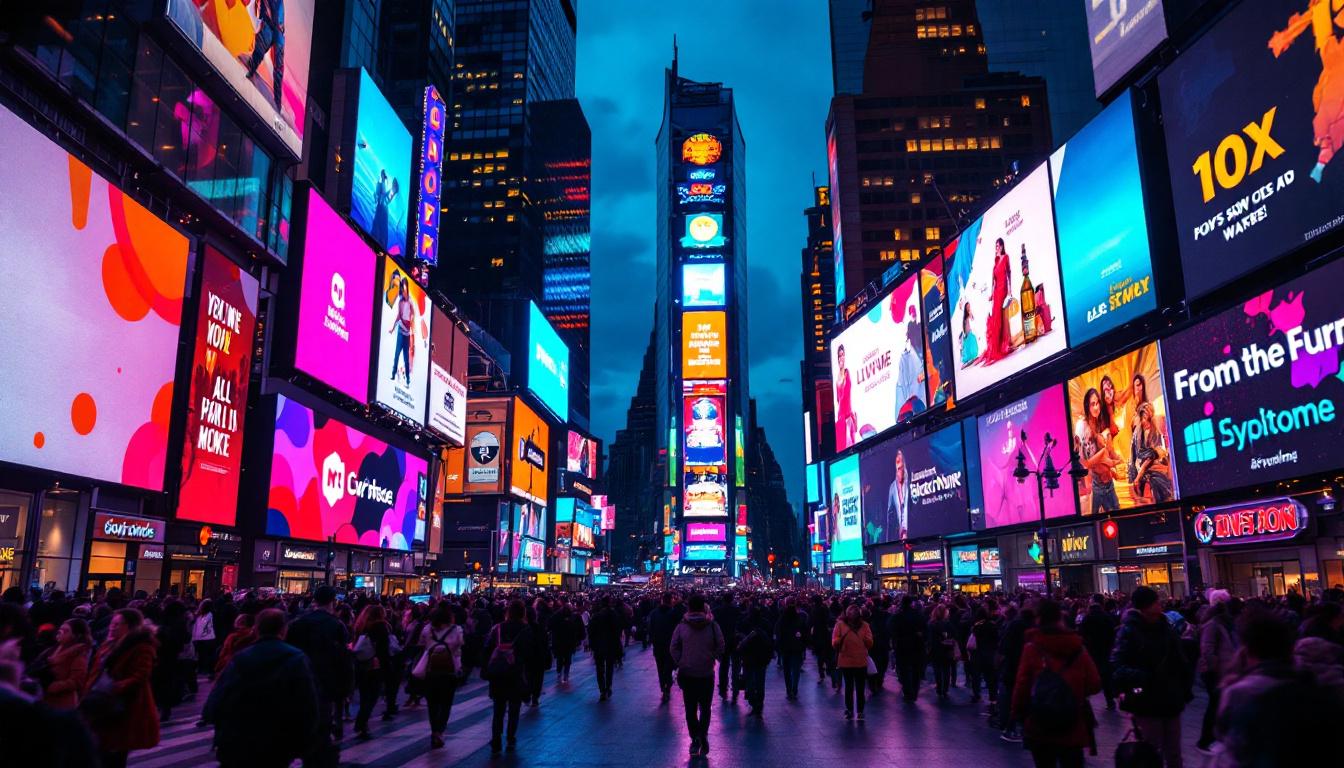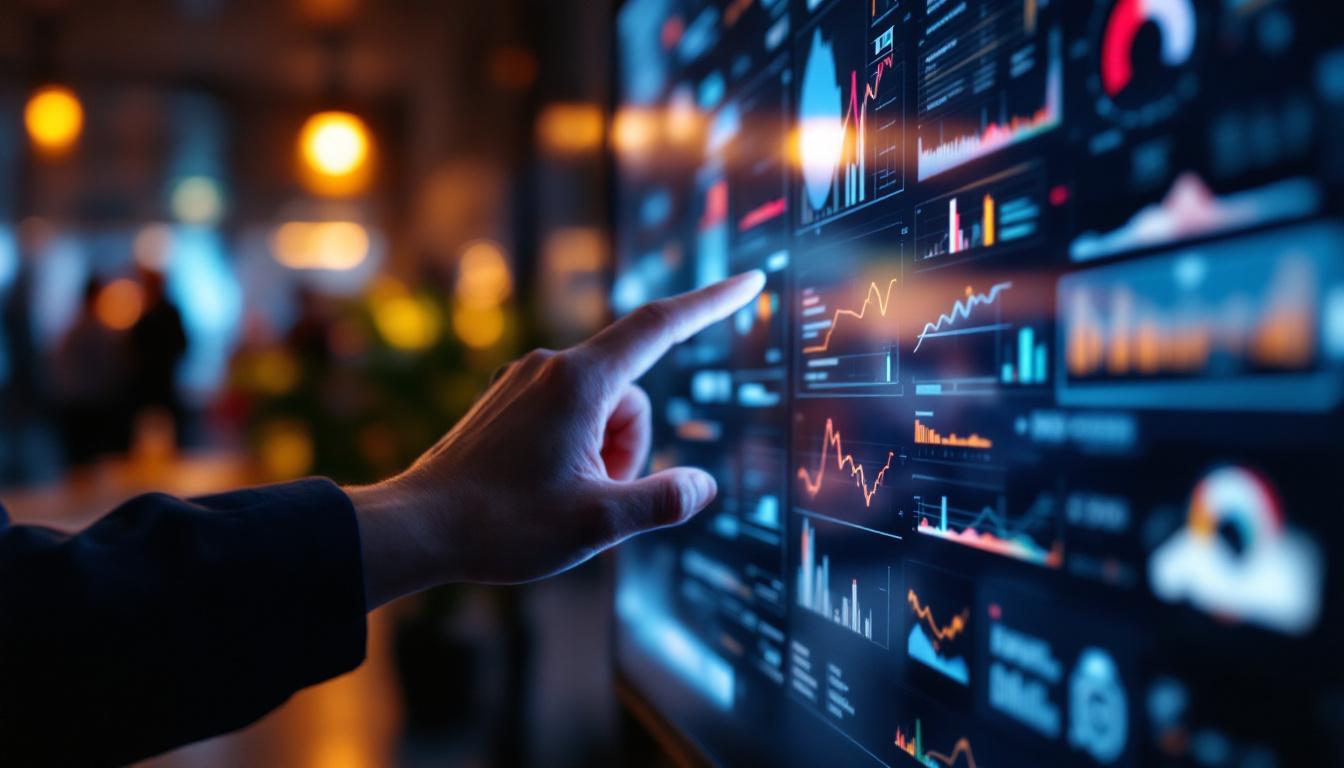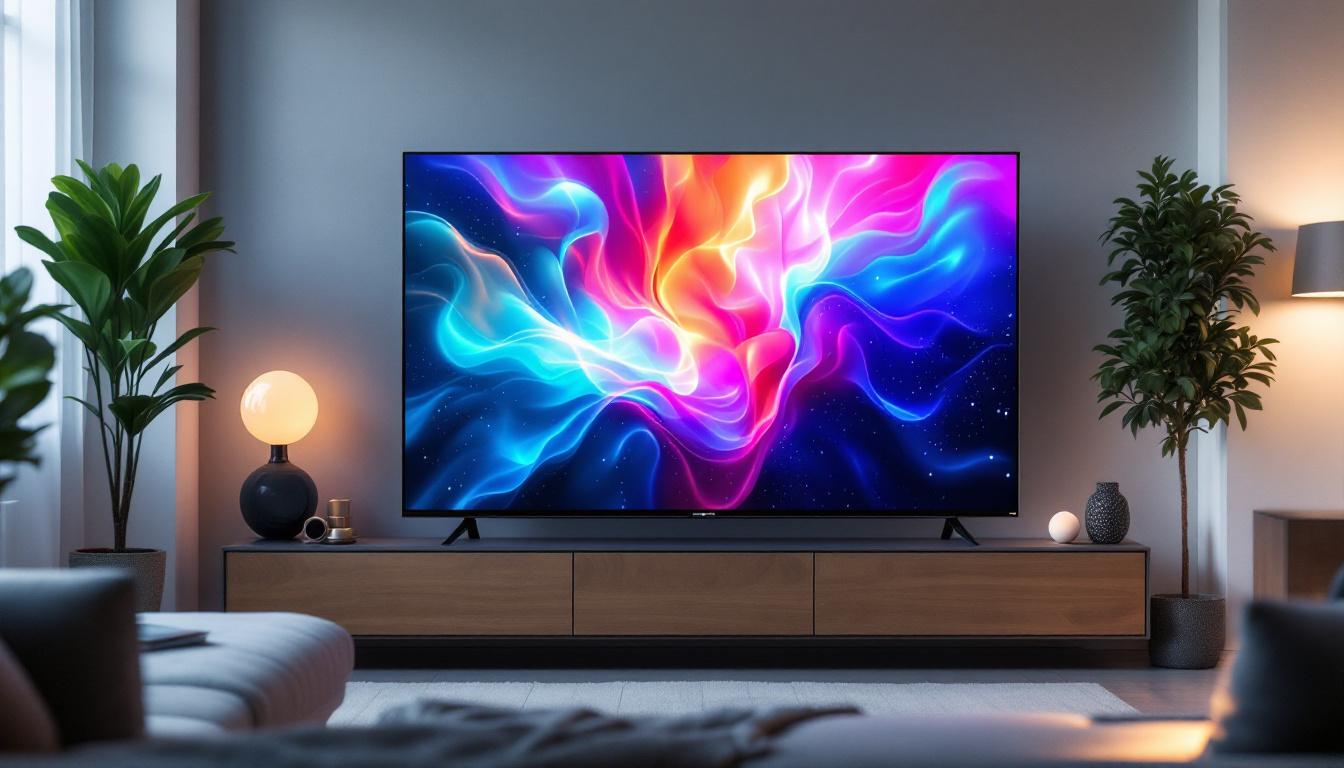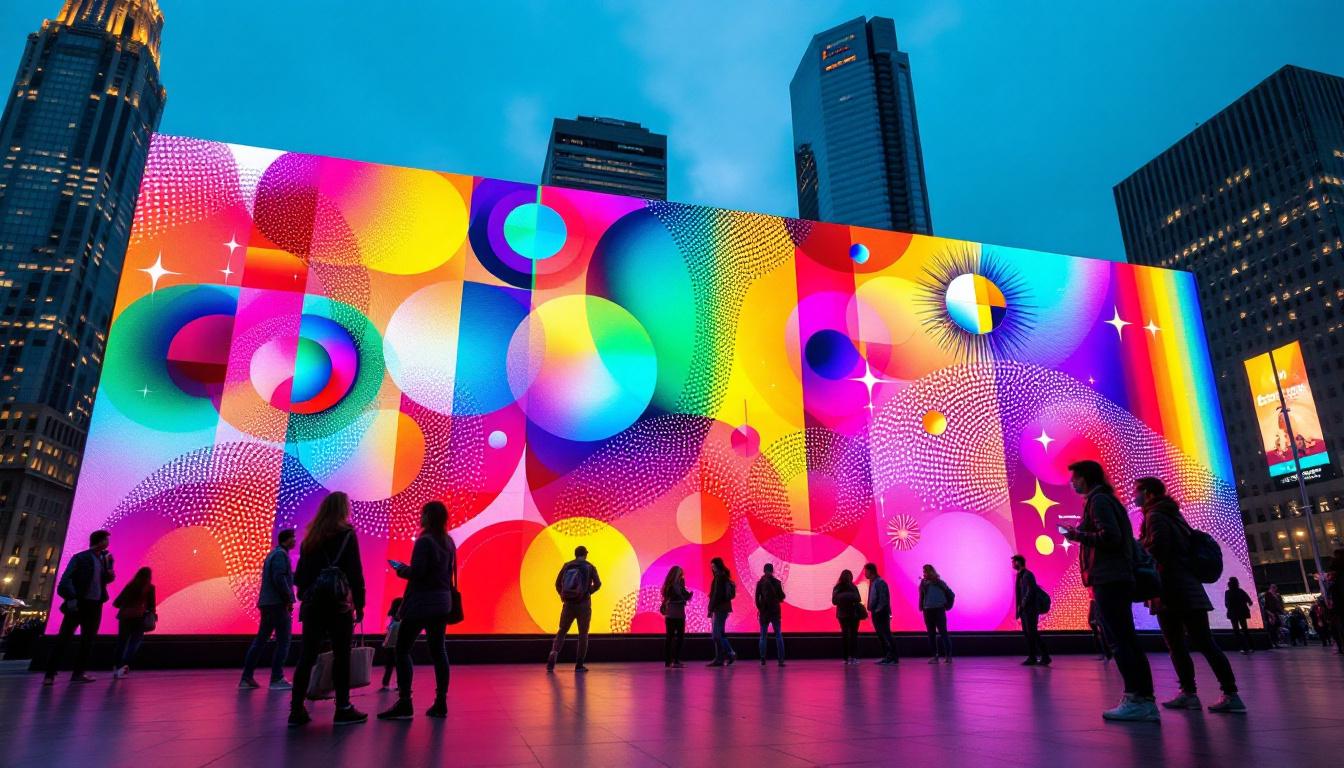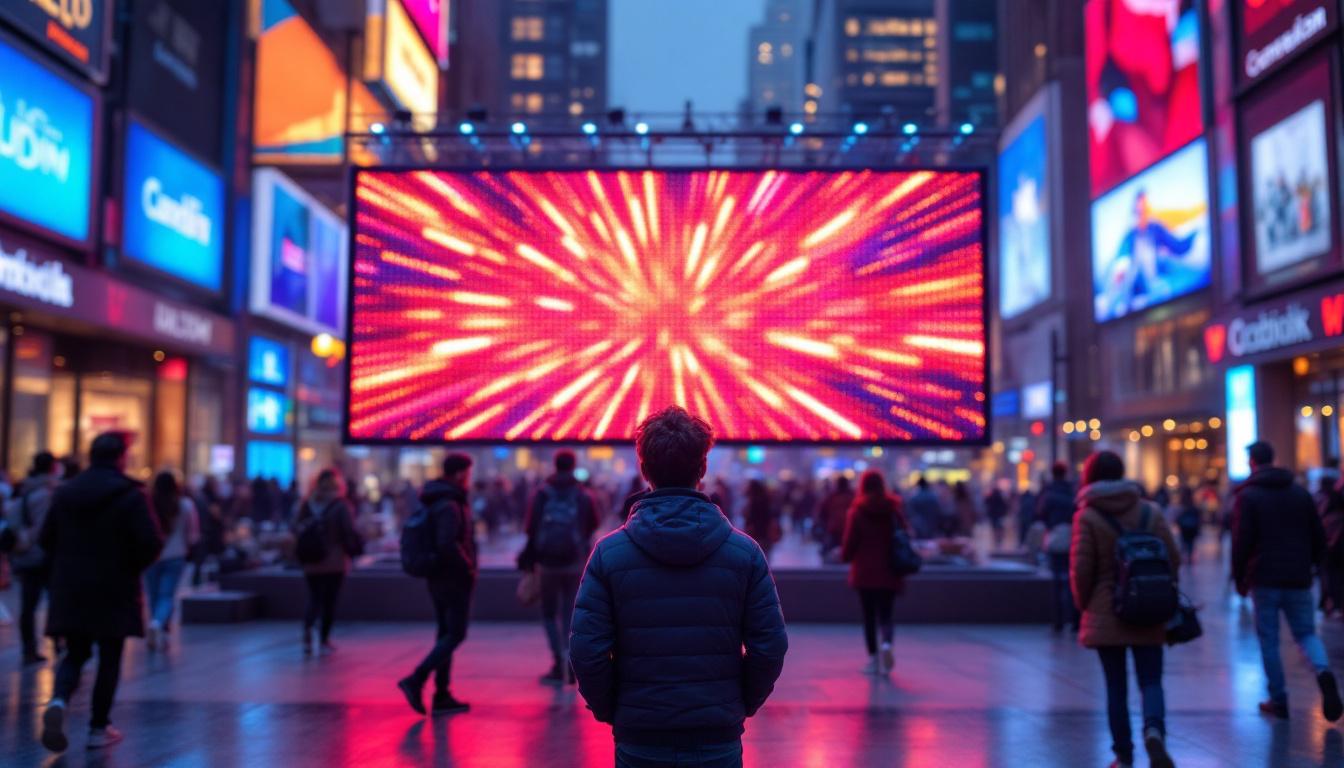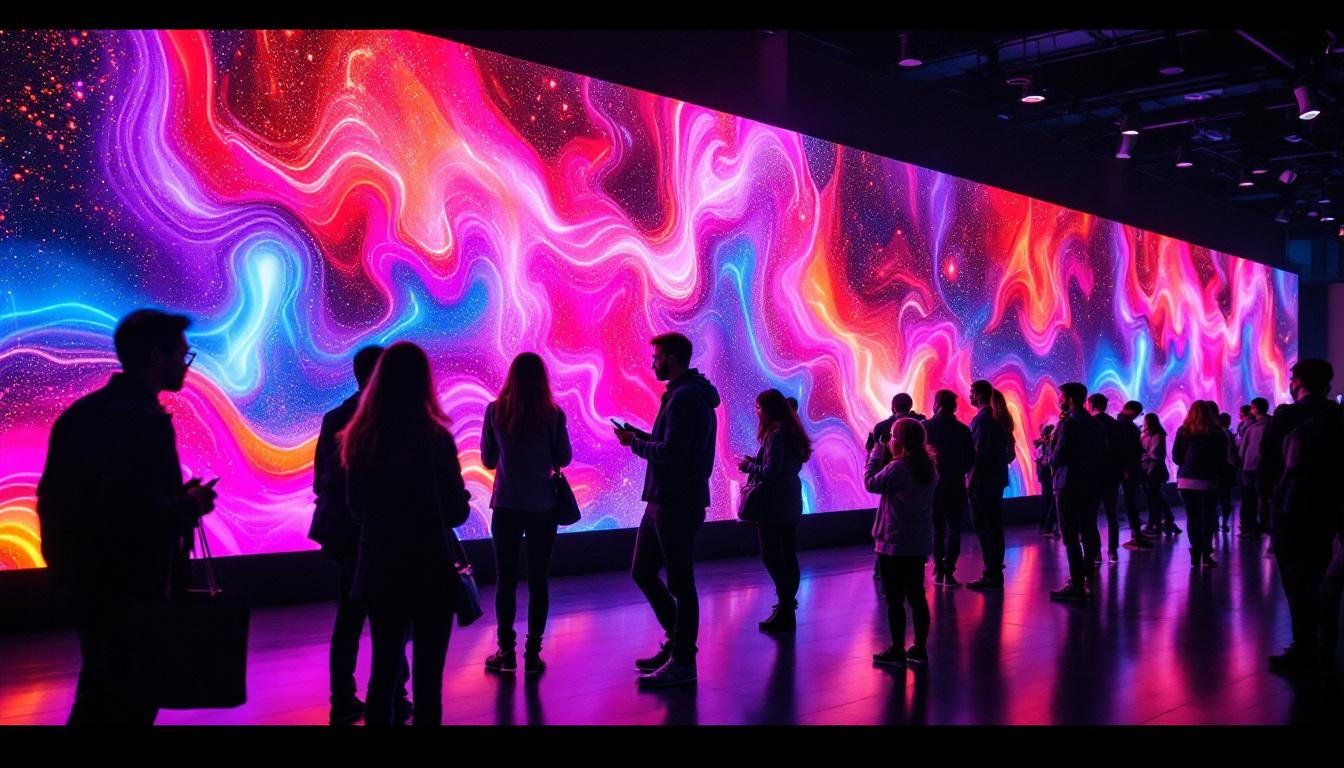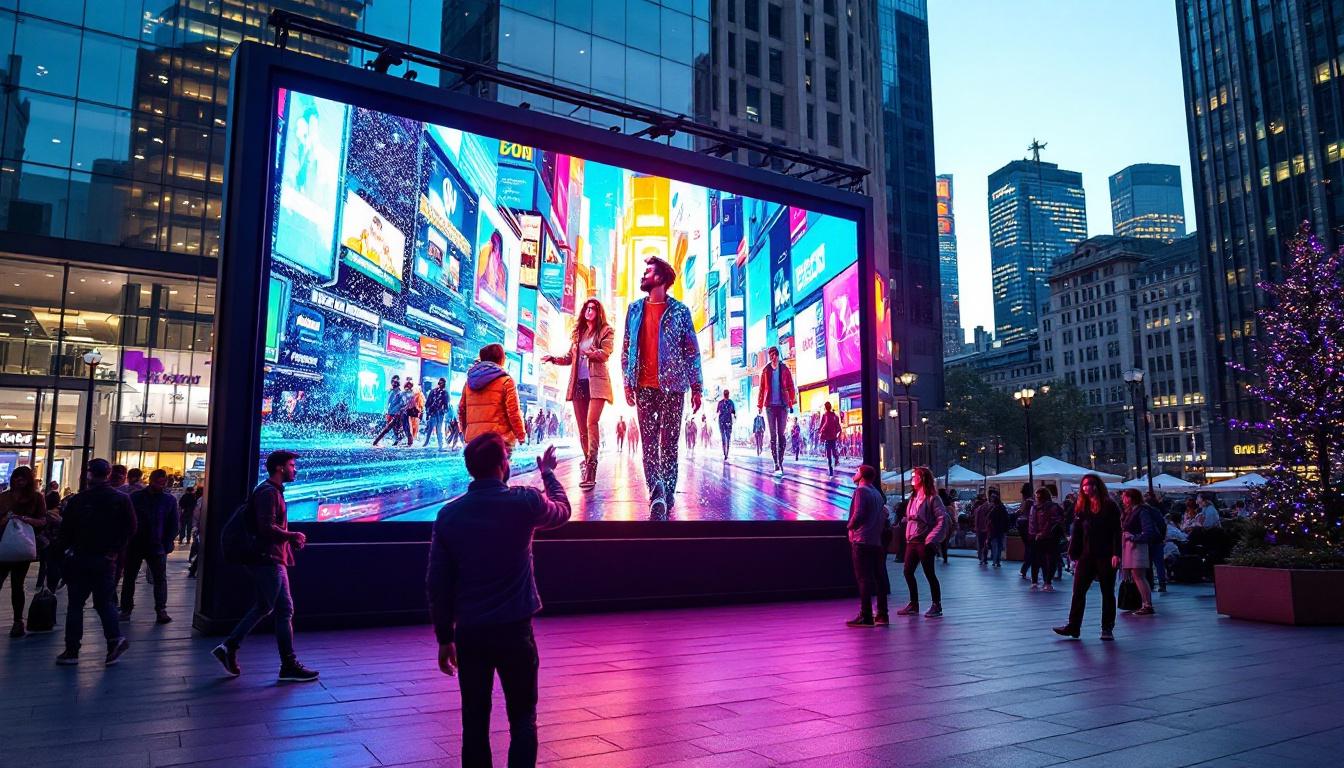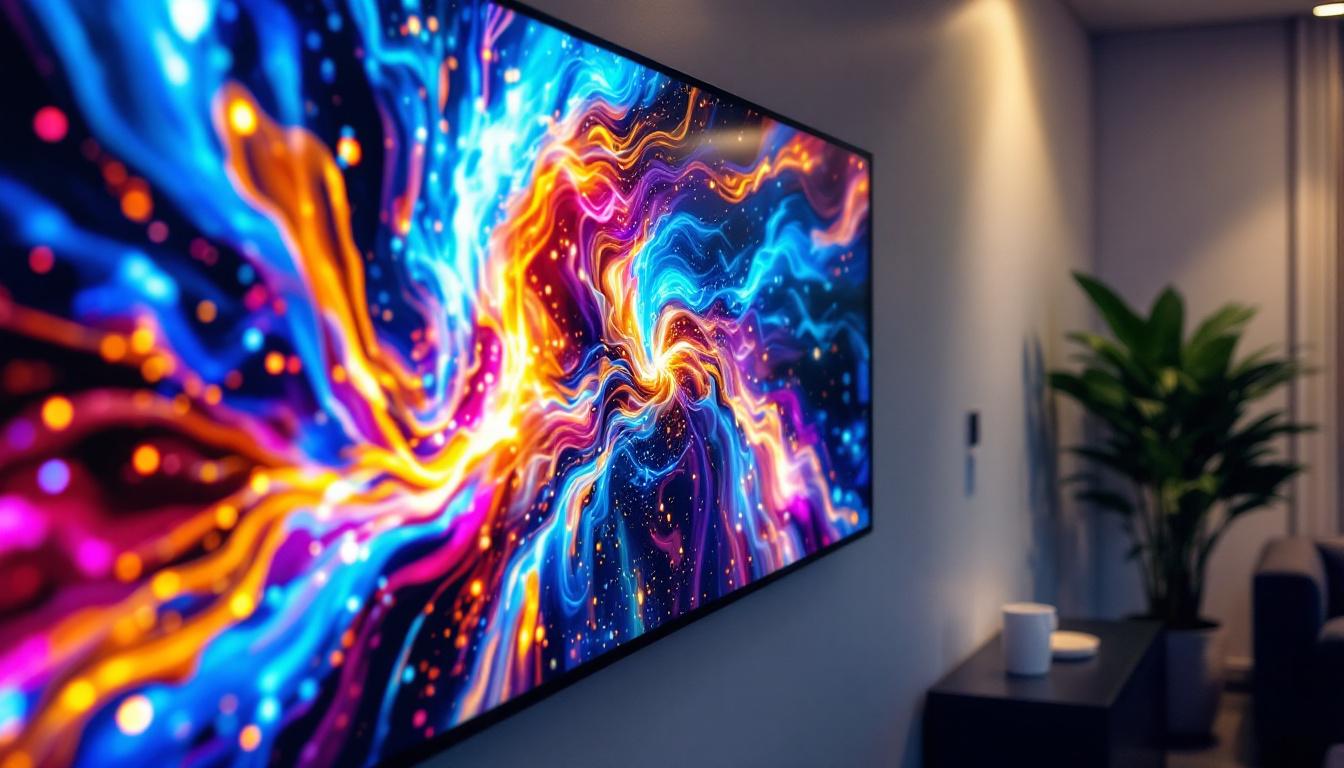
In today’s fast-evolving digital landscape, the demand for large, high-resolution display solutions is growing rapidly. Among the most popular options for large-format visual presentations is the 65-inch video wall display utilizing LED technology. These displays are transforming industries from retail and advertising to corporate communication and control rooms by delivering vibrant, seamless, and scalable visuals.
This article provides a comprehensive explanation of 65-inch video wall LED displays, their technology, benefits, applications, and considerations for choosing the right system. Whether you are a business owner, AV professional, or technology enthusiast, understanding the nuances of LED video walls will help you make informed decisions and maximize the impact of your visual communications.
What Is a 65 Video Wall Display?
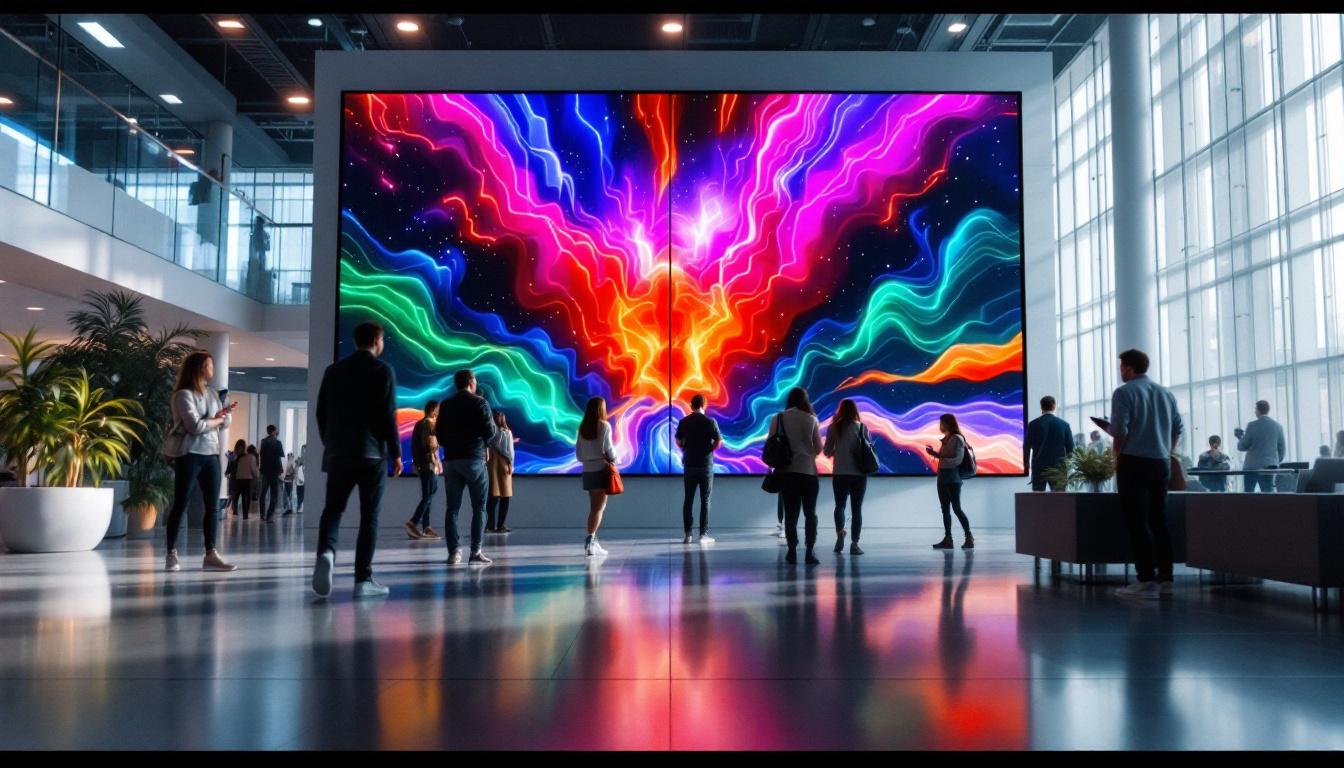
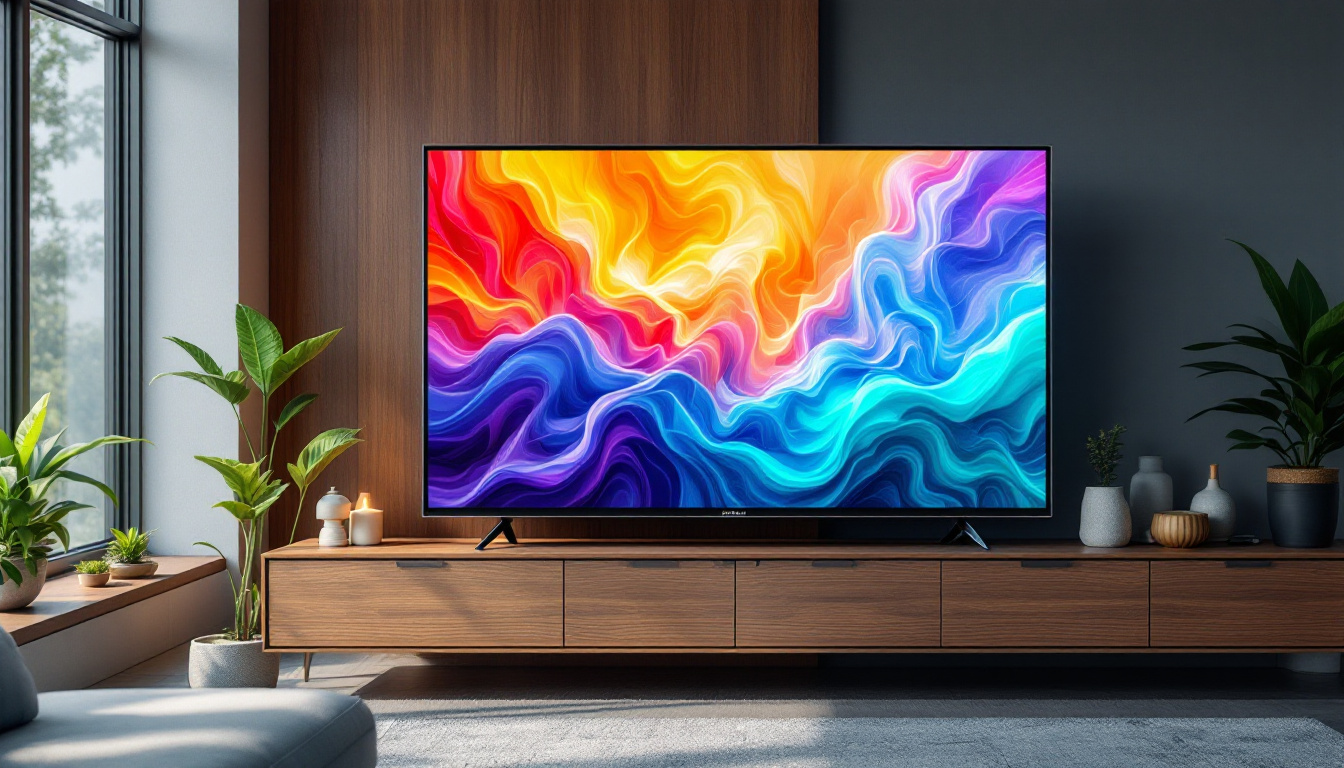
A 65 video wall display typically refers to a large-scale screen configuration composed of multiple 65-inch LED panels tiled together to form one continuous, expansive display surface. Unlike traditional single-screen displays, video walls allow for scalable sizes and resolutions, making them ideal for environments where large, detailed, and dynamic content is required.
The 65-inch measurement denotes the diagonal size of each individual panel in the video wall. When combined, these panels create a unified screen that can span several meters in width and height, depending on the number of units used. The key to a successful video wall is the ability of these panels to seamlessly integrate, offering uniform brightness, color accuracy, and minimal bezels (the frame around each screen) to ensure an immersive viewing experience. This makes video walls particularly popular in settings such as control rooms, retail environments, and large venues where impactful visual communication is paramount.
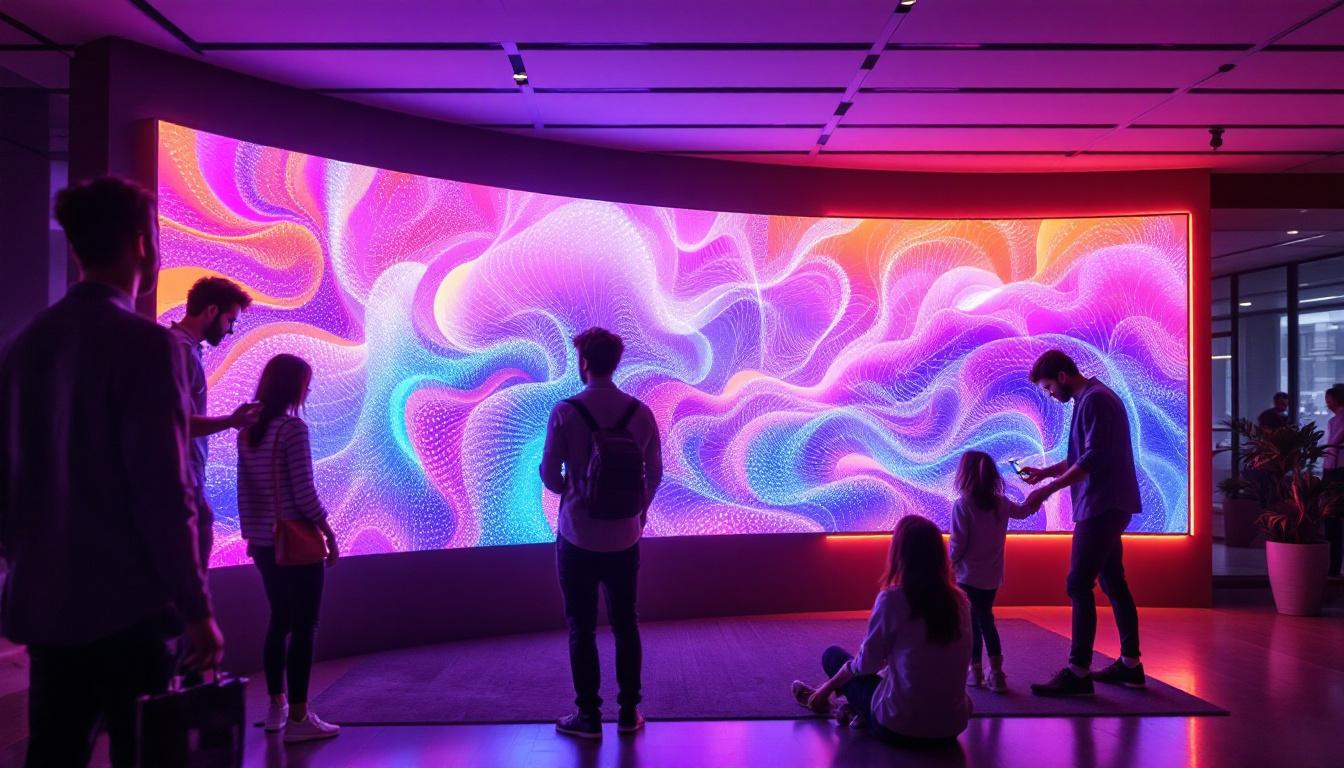
Moreover, the flexibility of video walls allows for creative configurations, enabling designers to craft unique shapes and layouts that can enhance the aesthetic appeal of a space. For instance, curved video walls can create a more engaging experience by wrapping around corners or creating a dome-like effect, drawing viewers in and capturing their attention more effectively than traditional flat displays.
LED Technology in Video Walls
LED (Light Emitting Diode) technology is at the heart of modern video walls. Unlike LCD or projection-based systems, LED displays use an array of tiny LEDs as individual pixels to emit light directly. This direct emission results in higher brightness, better contrast ratios, and wider viewing angles.
LED video walls are further categorized into two types: direct view LED and LED-backlit LCD. Direct view LED video walls consist of panels made entirely of LEDs, allowing for true black levels and vibrant colors. This technology is preferred for large-scale installations due to its scalability and superior image quality. Additionally, direct view LED panels are often designed to be modular, meaning they can be easily replaced or upgraded as technology evolves, ensuring longevity and adaptability in a rapidly changing digital landscape.
Another advantage of LED technology is its energy efficiency, which is increasingly important in today’s environmentally-conscious world. LED displays consume less power compared to traditional display technologies, reducing operational costs and the overall carbon footprint of installations. Furthermore, advancements in LED technology have led to improved lifespan and durability, making them suitable for both indoor and outdoor applications, from bustling shopping malls to outdoor concerts and events.
Key Advantages of 65-Inch LED Video Walls
Choosing a 65-inch LED video wall offers several distinct advantages over other display technologies. These benefits contribute to their growing popularity across various sectors.
Exceptional Image Quality
LED video walls deliver outstanding image quality characterized by high brightness levels, excellent contrast ratios, and vivid colors. This makes them highly effective in environments with ambient light, such as retail stores, airports, and outdoor advertising. For instance, LED video walls can reach brightness levels exceeding 1,000 nits, which is significantly higher than most LCD screens. The ability to maintain color accuracy and clarity even in brightly lit conditions ensures that messages are conveyed effectively, capturing the attention of passersby and enhancing viewer engagement.
Moreover, advancements in LED technology have introduced features such as HDR (High Dynamic Range) capabilities, which further enhance the display’s performance by providing deeper blacks and brighter whites. This level of detail is particularly beneficial for applications that require precise visual representation, such as digital art exhibitions or corporate presentations, where every nuance matters.
Scalability and Flexibility
One of the most compelling features of video walls is their modular nature. Multiple 65-inch panels can be arranged in various configurations to meet specific size and resolution requirements. Whether it’s a 2×2, 3×3, or even larger array, the video wall can be customized to fit the space and purpose. This adaptability makes them suitable for a wide range of applications, from large-scale events and concerts to intimate settings like conference rooms.
This flexibility extends to content management, allowing different sections of the video wall to display separate content or a single unified image, depending on the user’s needs. For example, in a sports bar, one section of the video wall could showcase live game footage while another displays promotional advertisements or social media feeds. This dynamic capability not only enhances the viewing experience but also maximizes the utility of the display in various contexts.
Durability and Longevity
LED panels are known for their robust build and long operational life, often exceeding 100,000 hours of usage. This durability reduces maintenance costs and downtime, making LED video walls a cost-effective investment over time. Additionally, many LED video walls are designed to withstand harsh environmental conditions, making them ideal for both indoor and outdoor use. Their resistance to temperature fluctuations and humidity ensures consistent performance, even in challenging settings such as outdoor festivals or trade shows.
Furthermore, the modular design of these video walls allows for easy replacement of individual panels, which means that if one panel fails, it can be swiftly replaced without the need to dismantle the entire setup. This feature not only minimizes disruption but also extends the overall lifespan of the video wall system, ensuring that it remains a reliable tool for communication and advertising.
Energy Efficiency
Compared to traditional display technologies like plasma or projection, LED video walls consume less power while providing higher brightness. This energy efficiency translates to lower operating costs and a smaller environmental footprint. In fact, many modern LED video walls are designed with advanced energy-saving features, such as automatic brightness adjustment based on ambient light conditions, which further optimizes power consumption.
As businesses and organizations increasingly prioritize sustainability, the energy-efficient nature of LED video walls positions them as an attractive option. By reducing energy usage, companies can not only save on utility bills but also contribute to their corporate social responsibility goals, appealing to environmentally conscious consumers and stakeholders. This alignment with sustainability initiatives makes LED video walls a forward-thinking choice in today’s market.
Applications of 65-Inch LED Video Walls
The versatility of 65-inch LED video walls makes them suitable for a wide range of applications across different industries.
Retail and Advertising
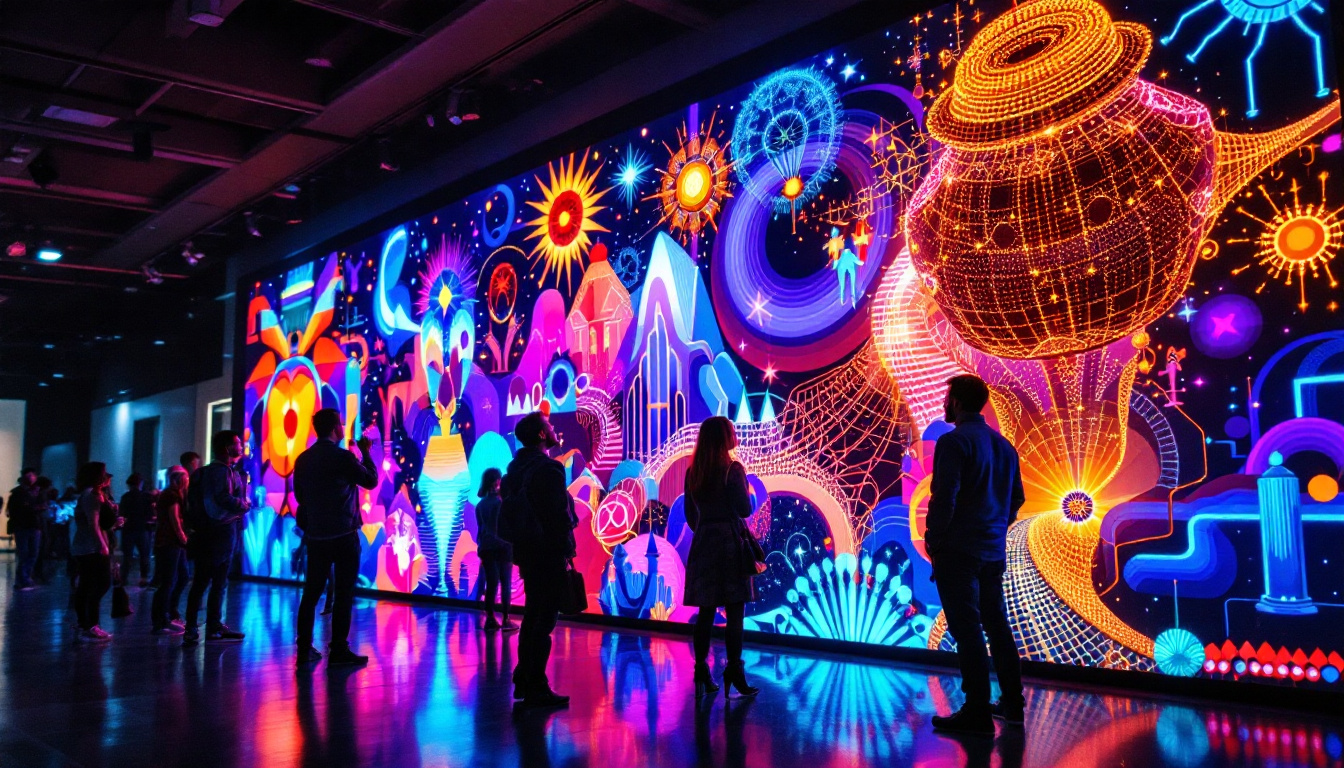
High-impact visual displays are critical in retail environments to attract customers and promote products. LED video walls enable retailers to showcase dynamic advertisements, promotional campaigns, and interactive content that can be updated in real-time. For example, major shopping centers and flagship stores often use video walls to create immersive brand experiences that drive engagement and sales.
Corporate and Conference Rooms
In corporate settings, video walls are used for presentations, video conferencing, and data visualization. The large screen size and high resolution facilitate clear communication and collaboration among teams, especially in multinational companies and remote working environments.
Control Rooms and Command Centers
Control rooms in industries such as transportation, utilities, and public safety rely on video walls to monitor multiple data streams simultaneously. The ability to display high-resolution maps, live feeds, and analytics on a single large screen enhances situational awareness and decision-making.
Entertainment and Events
Concerts, sports arenas, and event venues use LED video walls to provide audiences with close-up views, live action replays, and engaging visual effects. The scalability and brightness of LED video walls make them ideal for both indoor and outdoor events.
Technical Considerations When Choosing a 65-Inch LED Video Wall
Selecting the right LED video wall requires careful evaluation of several technical factors to ensure optimal performance and return on investment.
Resolution and Pixel Pitch
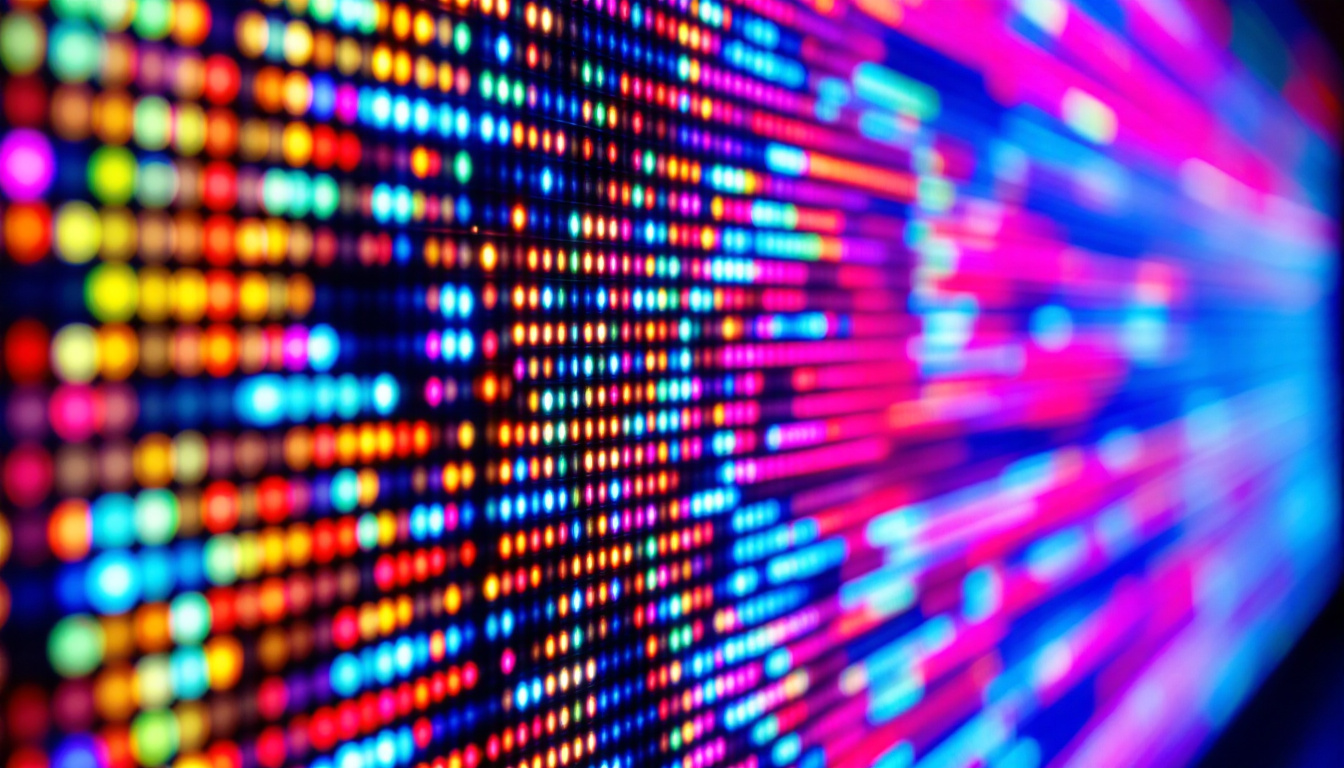
Resolution determines the clarity and detail of the displayed image. Pixel pitch, measured in millimeters, refers to the distance between the centers of adjacent pixels. Smaller pixel pitches provide higher resolution and are better suited for close viewing distances.
For a 65-inch panel, common pixel pitches range from 0.9mm to 1.5mm for indoor use. Choosing the appropriate pixel pitch depends on the typical viewing distance and the type of content displayed.
Brightness and Contrast Ratio
Brightness is crucial for visibility, especially in well-lit environments. The contrast ratio affects how well the display can show differences between light and dark areas. Higher contrast ratios contribute to more vibrant and lifelike images.
Bezel Width
The bezel is the frame surrounding each panel. Narrow bezels are preferred for video walls to minimize the visible gaps between panels, creating a more seamless image. Advances in manufacturing have led to bezel widths as low as 0.9mm, enhancing the immersive experience.
Installation and Maintenance
Consider the ease of installation, including mounting options and panel weight. Maintenance access is also important to ensure that panels can be serviced or replaced without significant downtime.
Content Management System (CMS)
A robust CMS allows users to control and schedule the content displayed on the video wall. Features such as multi-source input, real-time updates, and remote management enhance the functionality and user experience.
Future Trends in LED Video Wall Technology
The LED video wall market continues to innovate, driven by advancements in display technology and user demands.
MicroLED and MiniLED Technologies
Emerging MicroLED and MiniLED technologies promise even higher resolution, improved energy efficiency, and better color accuracy. MicroLED, in particular, offers self-emissive pixels similar to OLED but with greater brightness and lifespan, potentially revolutionizing video wall displays.
AI-Driven Content and Analytics
Artificial intelligence is increasingly integrated into video wall systems to optimize content delivery based on audience behavior, time of day, and environmental conditions. AI can also assist in predictive maintenance, reducing operational disruptions.
Interactive and Touch-Enabled Video Walls
Interactivity is becoming a key feature, especially in retail and corporate environments. Touch-enabled LED video walls allow users to engage directly with the content, creating personalized and immersive experiences.
Conclusion
65-inch LED video walls represent a powerful and versatile solution for large-scale visual communication. Their superior image quality, scalability, and durability make them suitable for a wide array of applications, from advertising and corporate communications to control rooms and entertainment venues.
Understanding the technical aspects, such as resolution, pixel pitch, and brightness, is essential to selecting the right video wall for specific needs. As technology advances, LED video walls will continue to evolve, offering even more immersive and interactive experiences.
Investing in a 65-inch LED video wall is not just about acquiring a display; it’s about creating a dynamic visual platform that can captivate audiences, enhance operational efficiency, and elevate brand presence in an increasingly digital world.
Discover LumenMatrix’s Innovative LED Solutions
Ready to elevate your visual communication with a 65-inch LED video wall? LumenMatrix is at the forefront of LED display technology, offering a diverse range of solutions tailored to your needs. From indoor and outdoor displays to custom configurations and interactive features, our products are designed to captivate your audience and amplify your message. Experience the future of digital signage with LumenMatrix and transform your space into a dynamic visual environment. Check out LumenMatrix LED Display Solutions today and see the difference innovation can make.