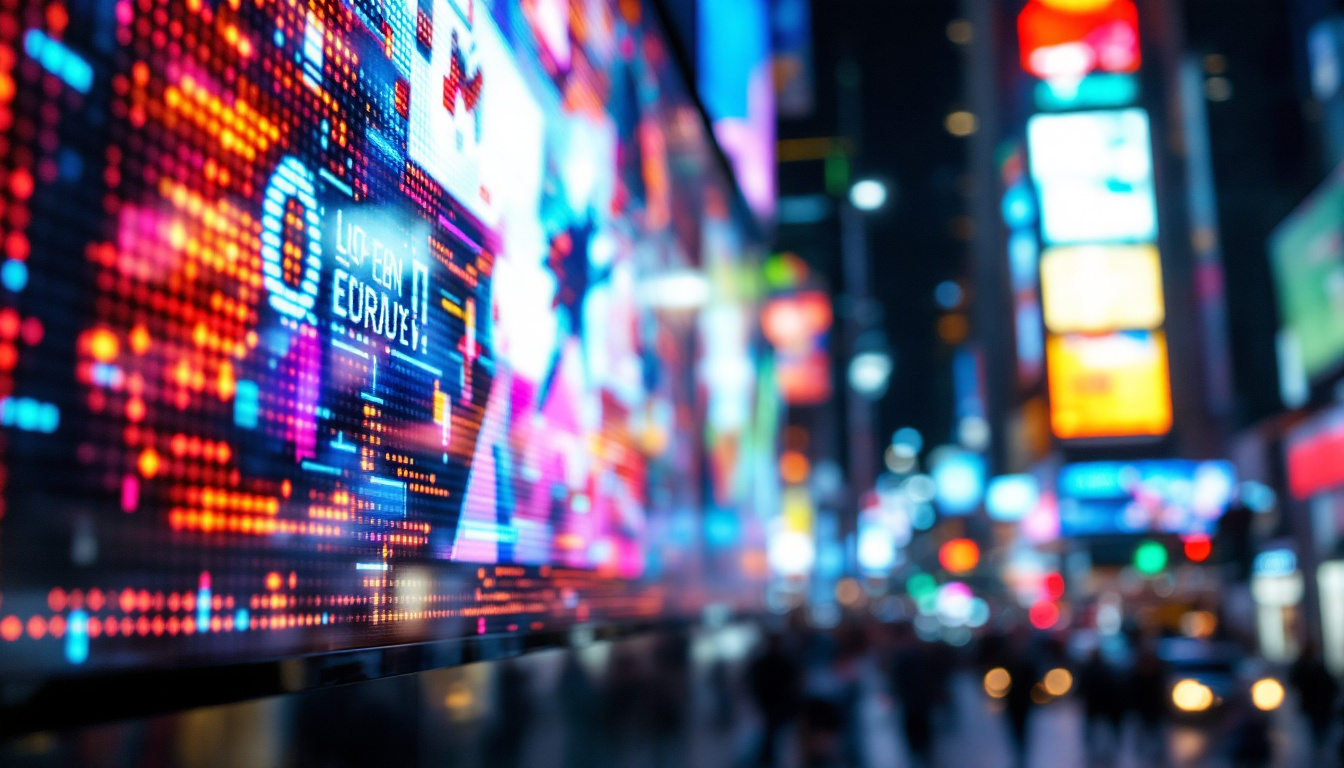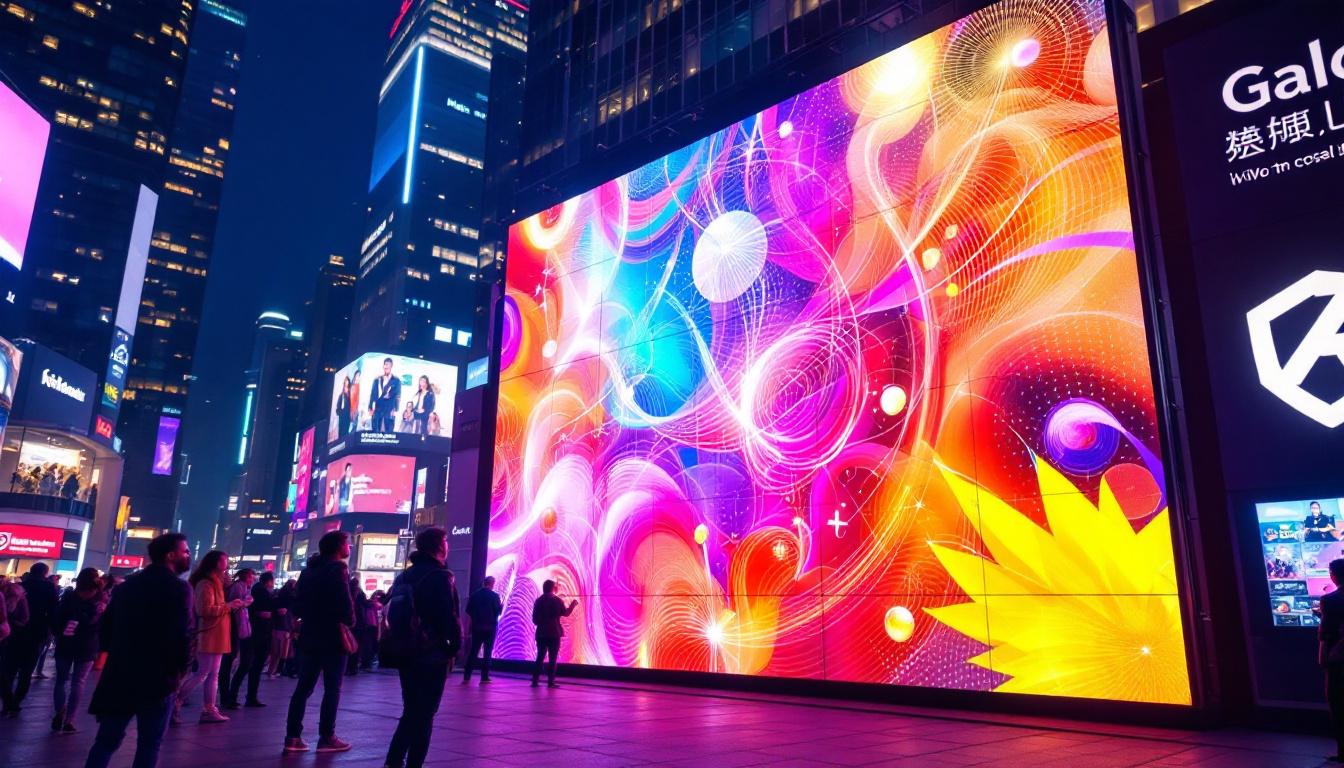
In the rapidly evolving world of digital displays, LED technology stands out as a transformative innovation that has reshaped how we visualize information, entertainment, and advertising. From the vibrant billboards illuminating Times Square to the crisp screens of smartphones and televisions, LED displays are everywhere. This article delves into the fundamentals of LED technology, explores its various applications, and highlights why it continues to dominate the display industry.
Understanding LED Technology: The Basics
What is an LED?
LED stands for Light Emitting Diode, a semiconductor device that emits light when an electric current passes through it. Unlike traditional incandescent bulbs that produce light by heating a filament, LEDs generate light through electroluminescence, a process that is far more energy-efficient and produces less heat. This efficiency not only translates to lower energy bills but also contributes to a reduced carbon footprint, making LEDs a more environmentally friendly lighting option.
The invention of the LED dates back to the early 1960s, but it wasn’t until the development of blue LEDs in the 1990s that full-color displays became feasible. This breakthrough led to the creation of white LEDs and paved the way for the vibrant, energy-efficient screens seen today. The evolution of LED technology has transformed various industries, from automotive lighting to horticulture, where specific wavelengths of light can enhance plant growth and yield.
How Do LED Displays Work?
LED displays are composed of many tiny LEDs arranged in a matrix. Each LED acts as a single pixel, and by controlling the brightness and color of each LED, the display can produce images, videos, and text. There are two primary types of LED displays: direct-view LED and LED-backlit LCD. The flexibility of LED technology allows for a wide range of applications, from small screens in handheld devices to massive outdoor billboards that capture the attention of passersby.
Direct-view LED displays use LEDs as the actual light source and pixels, making them ideal for large-scale outdoor screens and digital signage. These displays can be customized in size and shape, allowing for creative installations that can adapt to various environments. On the other hand, LED-backlit LCDs use LEDs to illuminate an LCD panel, which modulates the light to create images. This technology is common in televisions, computer monitors, and mobile devices, where it enhances picture quality and color accuracy, providing viewers with an immersive experience. Furthermore, advancements in LED technology have led to the development of OLED (Organic Light Emitting Diode) displays, which offer even greater contrast ratios and flexibility in design, further pushing the boundaries of visual technology.
Types of LED Displays and Their Applications
Direct-View LED Displays
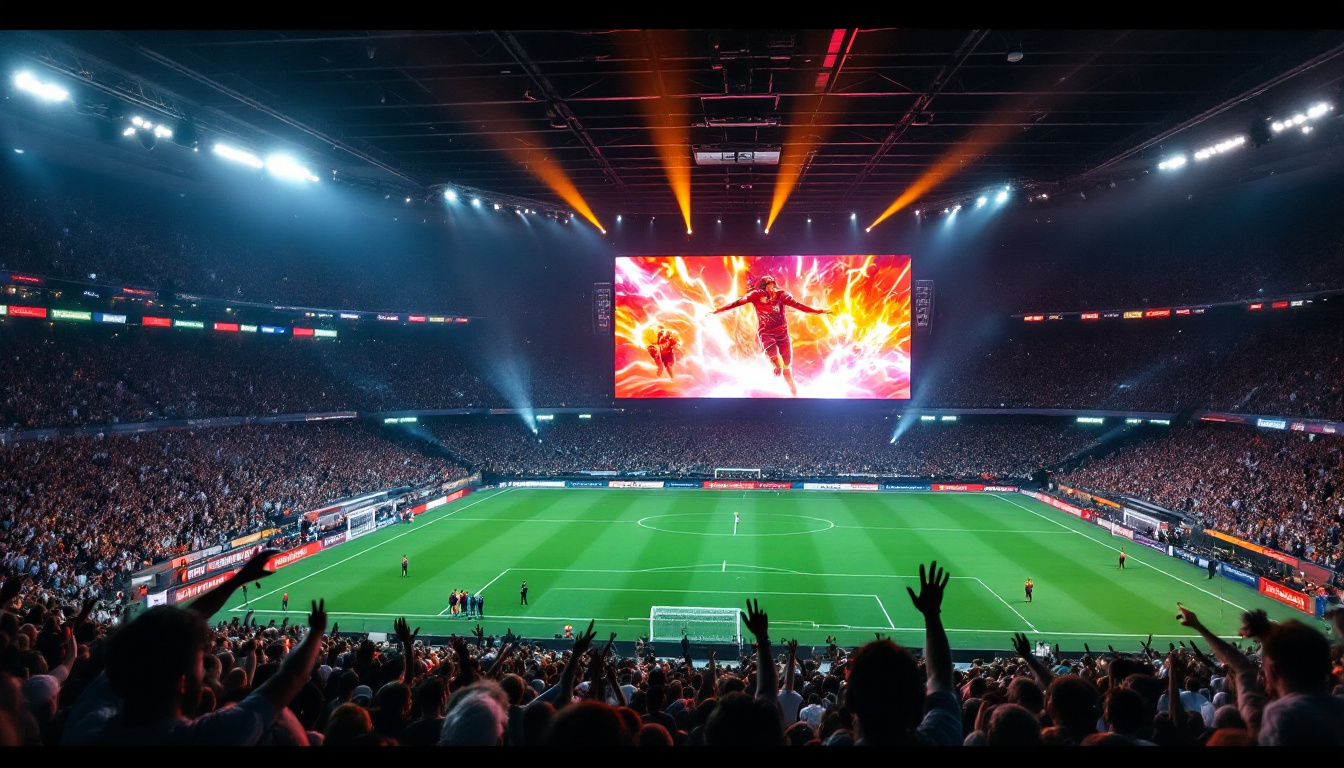
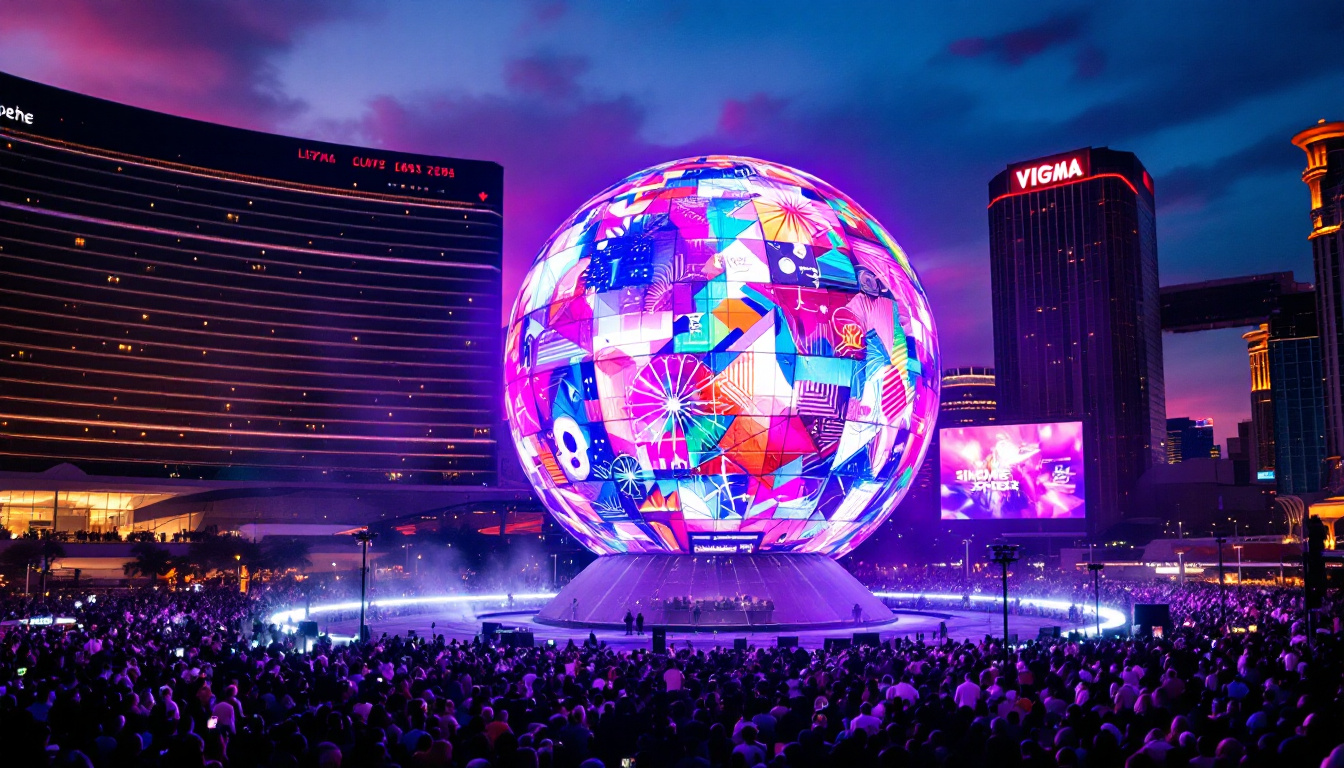
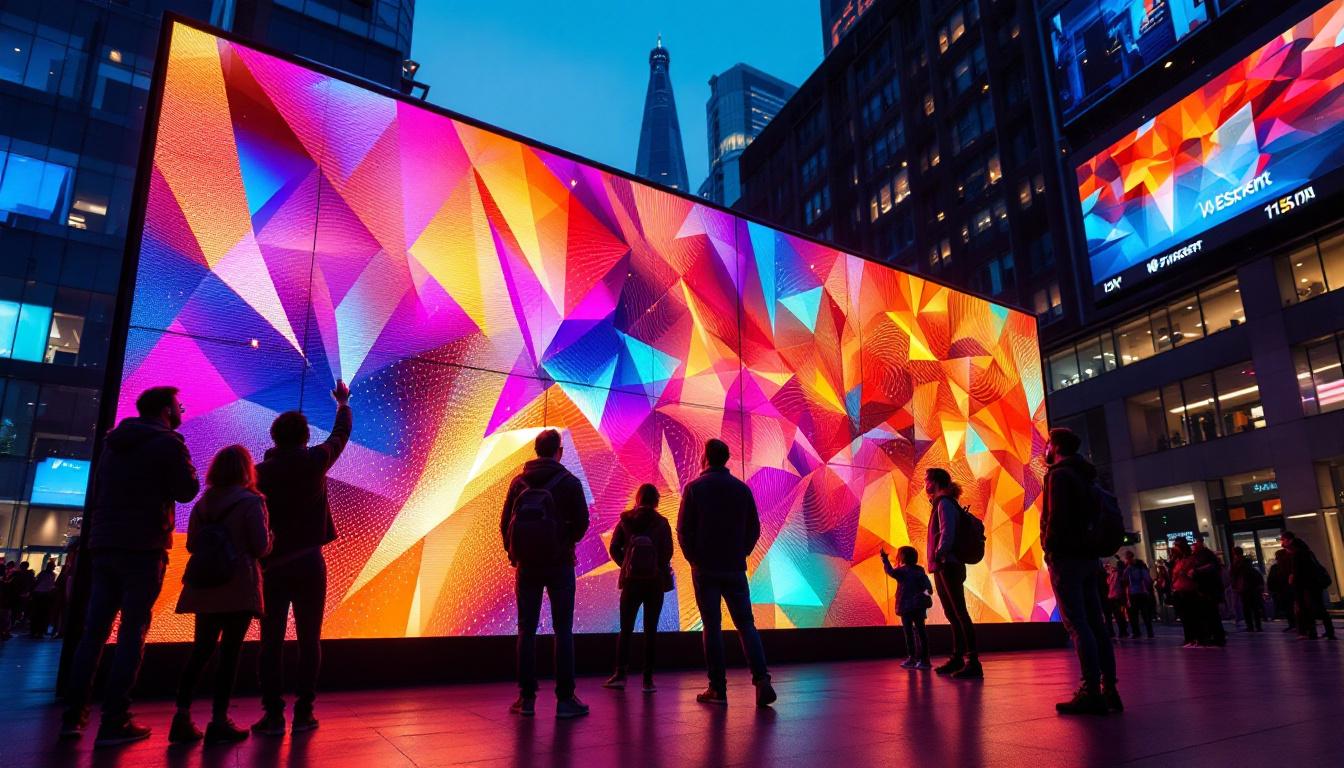
Direct-view LED displays are characterized by their ability to produce bright, vivid images visible even in direct sunlight. These displays are widely used in outdoor advertising, sports arenas, concert stages, and public information boards. Their modular design allows for flexible sizing and shapes, from small retail signs to massive stadium screens.
One notable example is the massive LED video boards used in major sports venues like the AT&T Stadium in Texas, which feature ultra-high resolution and brightness levels exceeding 5,000 nits. This ensures clear visibility regardless of ambient lighting conditions.
LED-Backlit LCD Displays
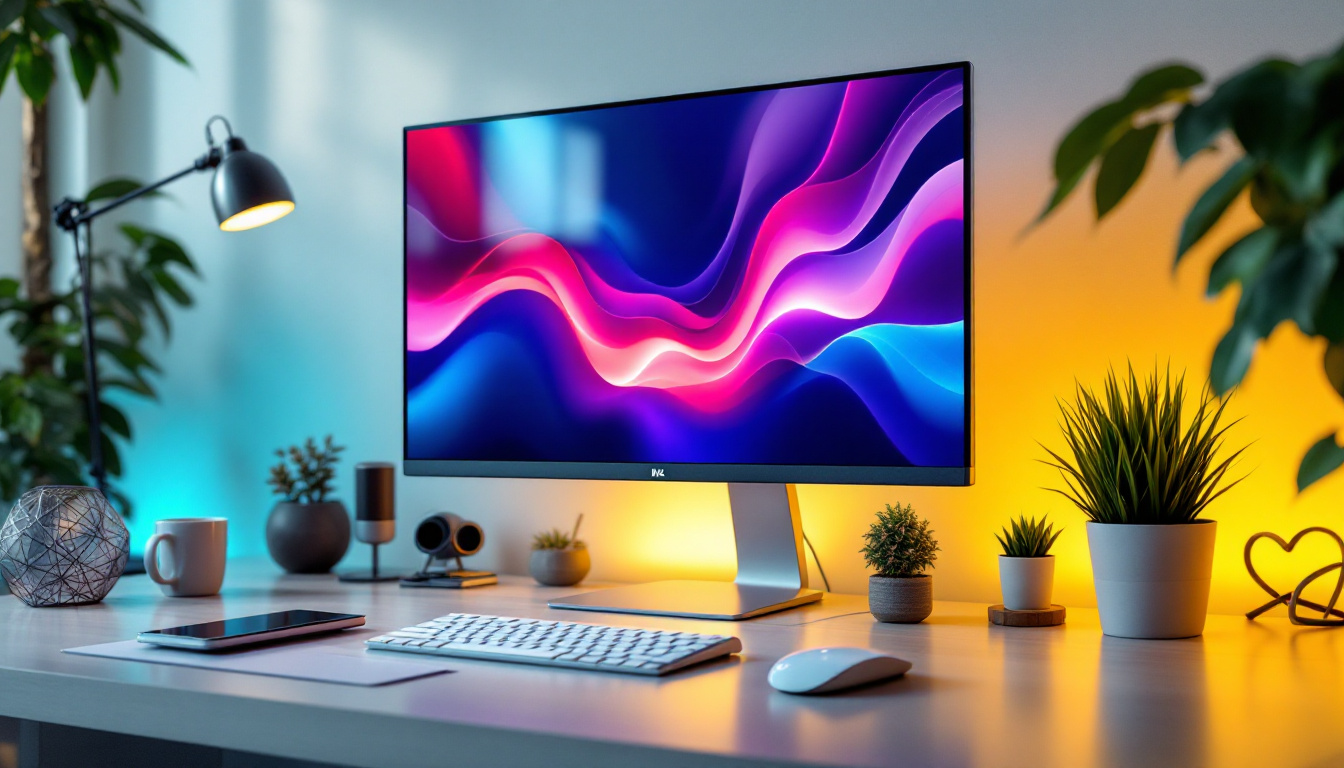
LED-backlit LCDs combine the energy efficiency and brightness of LEDs with the color accuracy and resolution capabilities of LCD technology. This hybrid approach has become the standard for most consumer electronics, including smartphones, laptops, tablets, and televisions.
Compared to older CCFL (cold cathode fluorescent lamp) backlighting, LED backlighting offers better color reproduction, thinner panels, and lower power consumption. For example, the latest 4K and 8K TVs employ advanced LED backlighting techniques such as full-array local dimming, which enhances contrast by selectively dimming parts of the screen.
MicroLED and MiniLED: The Next Generation
Emerging LED technologies like MicroLED and MiniLED are pushing the boundaries of display performance. MicroLED displays use microscopic LEDs as individual pixels, offering superior brightness, contrast, and lifespan without the burn-in issues associated with OLEDs. However, manufacturing challenges and costs currently limit their widespread adoption.
MiniLED, on the other hand, uses thousands of tiny LEDs as a backlight for LCD panels, improving contrast ratios and brightness while keeping costs relatively accessible. This technology is gaining traction in high-end monitors and premium TVs, offering a middle ground between traditional LED-backlit LCDs and MicroLED displays.
Advantages of LED Displays Over Other Technologies
Energy Efficiency and Longevity
One of the most significant benefits of LED displays is their energy efficiency. LEDs consume up to 80% less power than incandescent bulbs and significantly less than plasma or CCFL backlit displays. This efficiency translates into lower operational costs, especially for large-scale installations like digital billboards and public displays that run continuously.
Additionally, LEDs have a longer lifespan, often exceeding 50,000 hours of use. This durability reduces maintenance costs and downtime, making LED displays a cost-effective solution over time.
Brightness and Visibility
LED displays excel in brightness, with some models capable of producing over 10,000 nits, making them easily visible even in direct sunlight. This high brightness level is crucial for outdoor applications where ambient light can wash out other types of displays.
Moreover, LED displays offer wide viewing angles and vibrant colors, ensuring that images remain clear and consistent from different perspectives. This quality is essential for advertising and public information systems where visibility from multiple angles is necessary.
Design Flexibility and Scalability
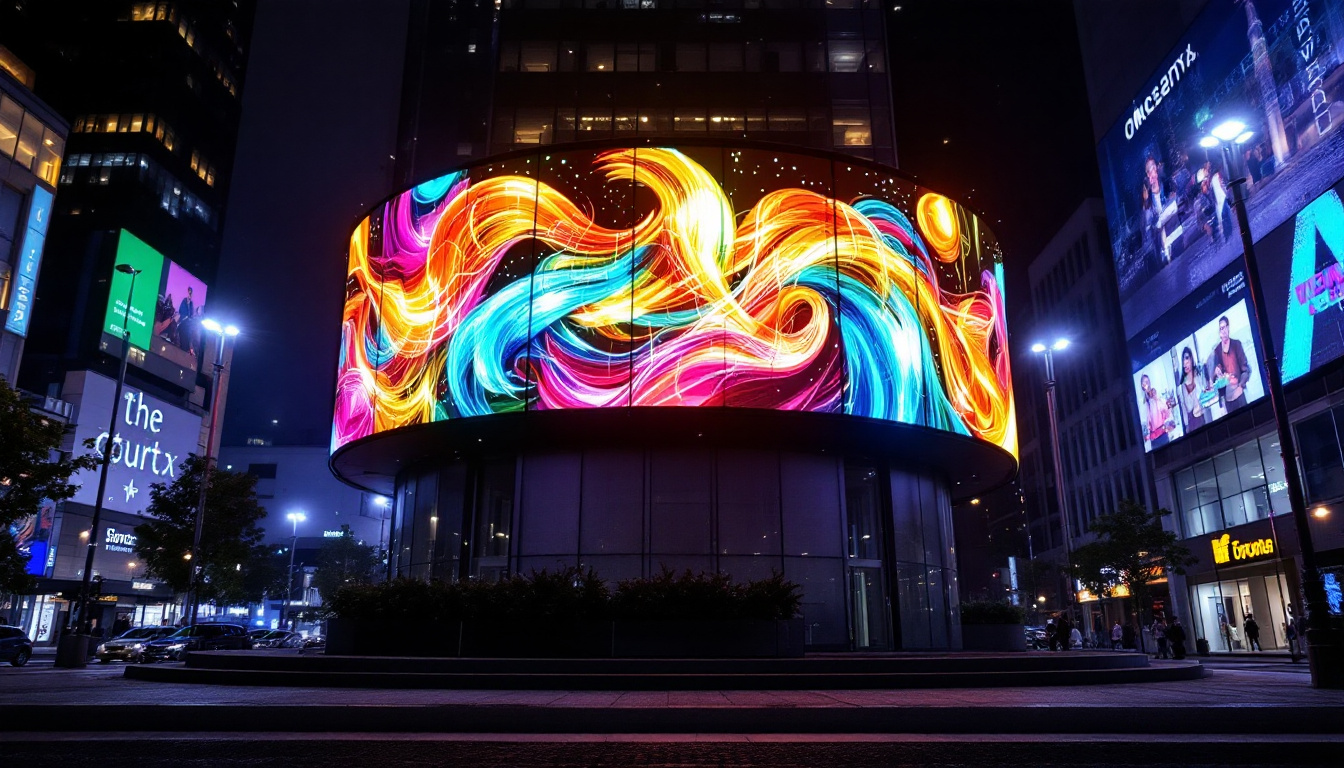
LED technology allows for remarkable design versatility. Because LEDs are small and modular, displays can be constructed in virtually any size or shape, from curved screens to irregular installations. This flexibility enables creative applications in architecture, retail, and entertainment.
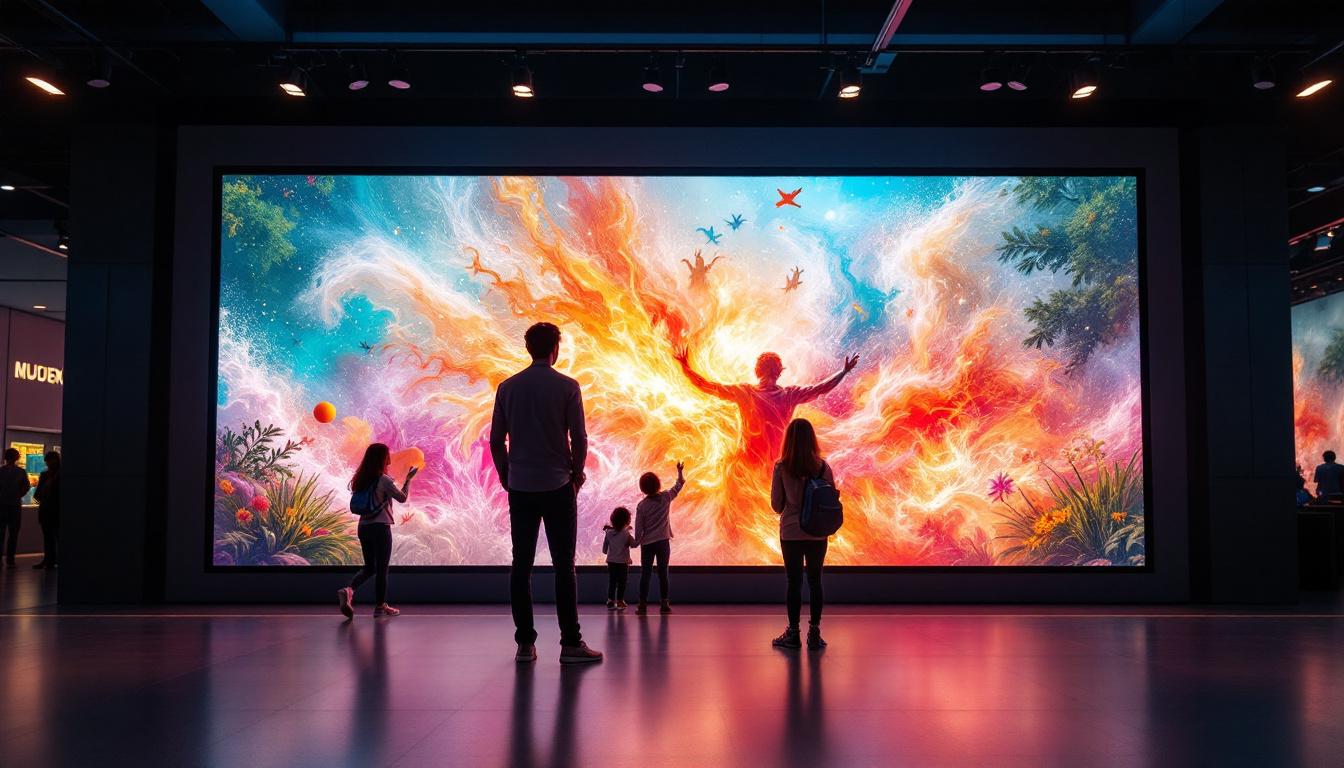
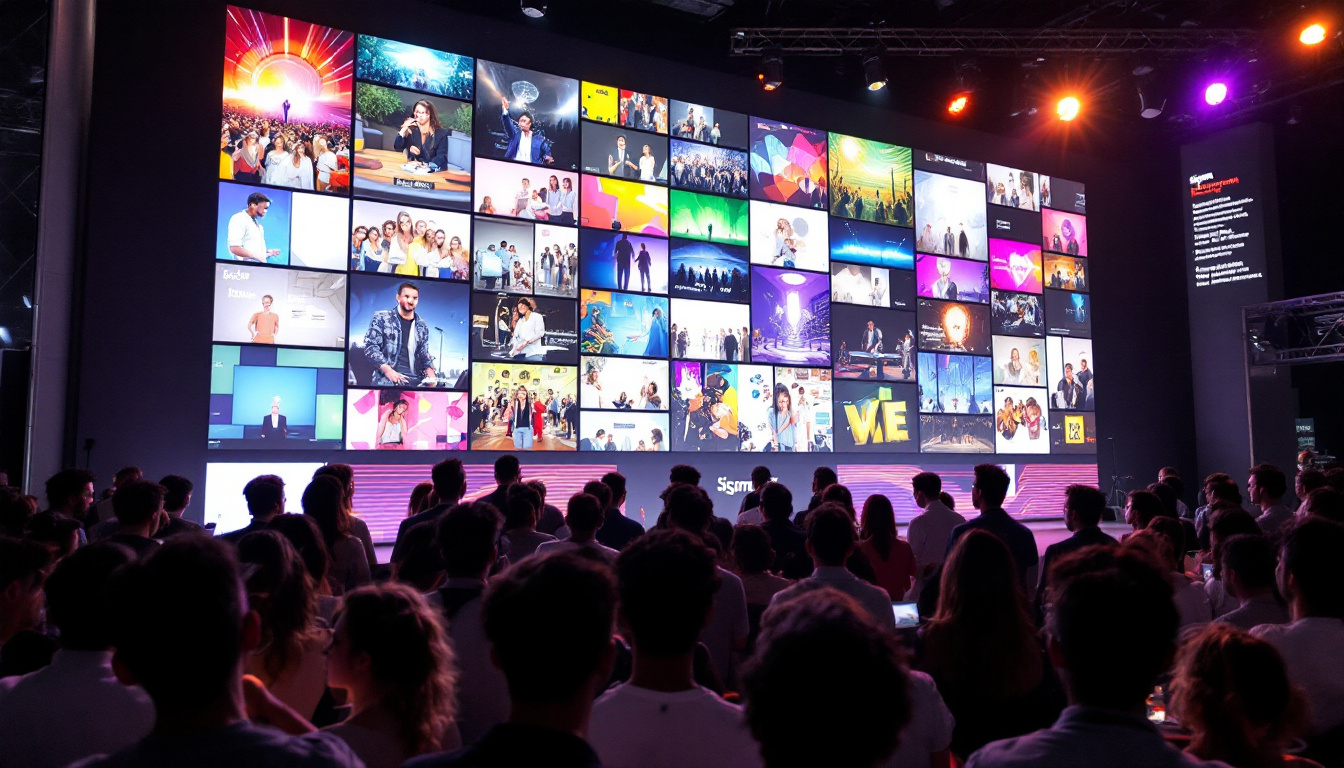
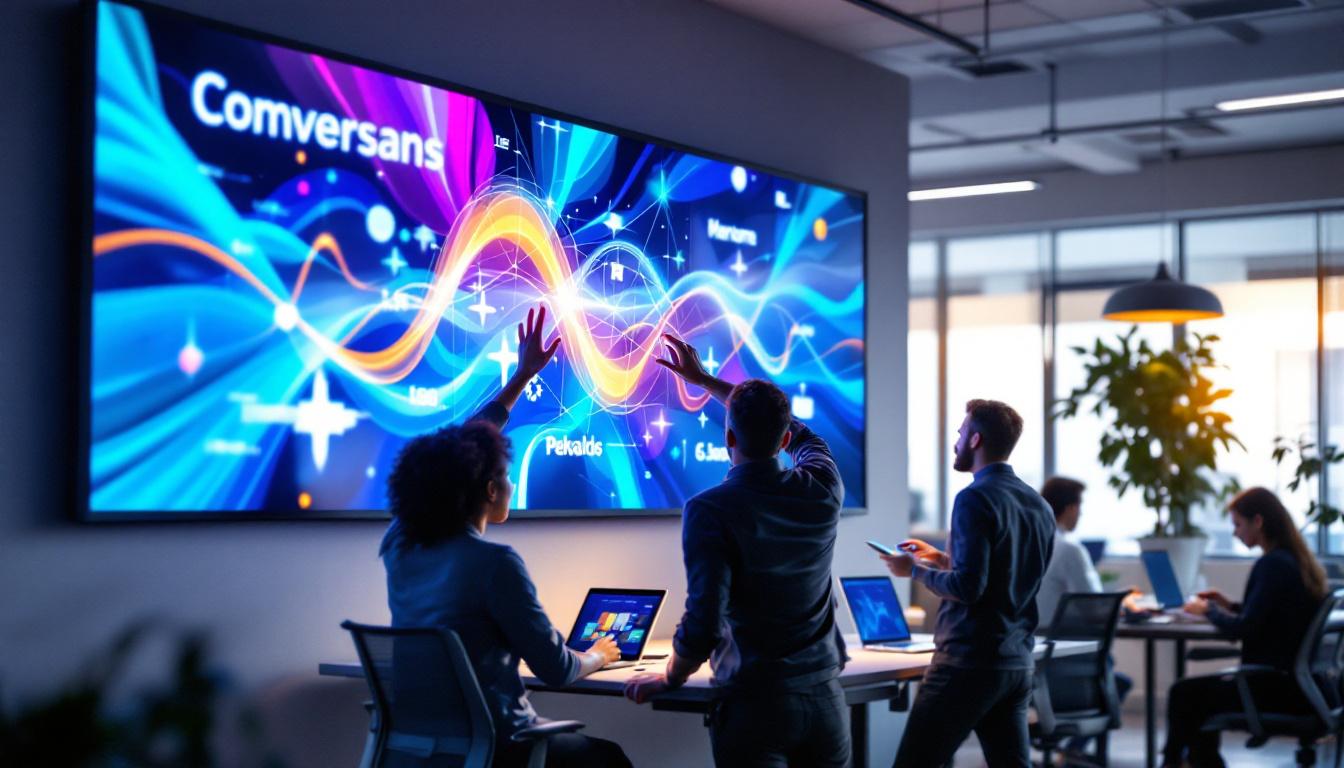
Scalability is another advantage. LED panels can be seamlessly tiled to create massive video walls without visible seams, providing immersive visual experiences in arenas, shopping malls, and corporate lobbies.
LED Display Technology in Various Industries
Advertising and Digital Signage
The advertising industry has been transformed by LED displays. Digital billboards and signage offer dynamic content that can be updated in real-time, allowing advertisers to tailor messages based on time of day, weather, or audience demographics.
According to a 2023 report by the Digital Signage Federation, the global digital signage market is expected to grow at a compound annual growth rate (CAGR) of 7.2% through 2028, driven largely by advances in LED technology and increased demand for interactive displays.
Entertainment and Events
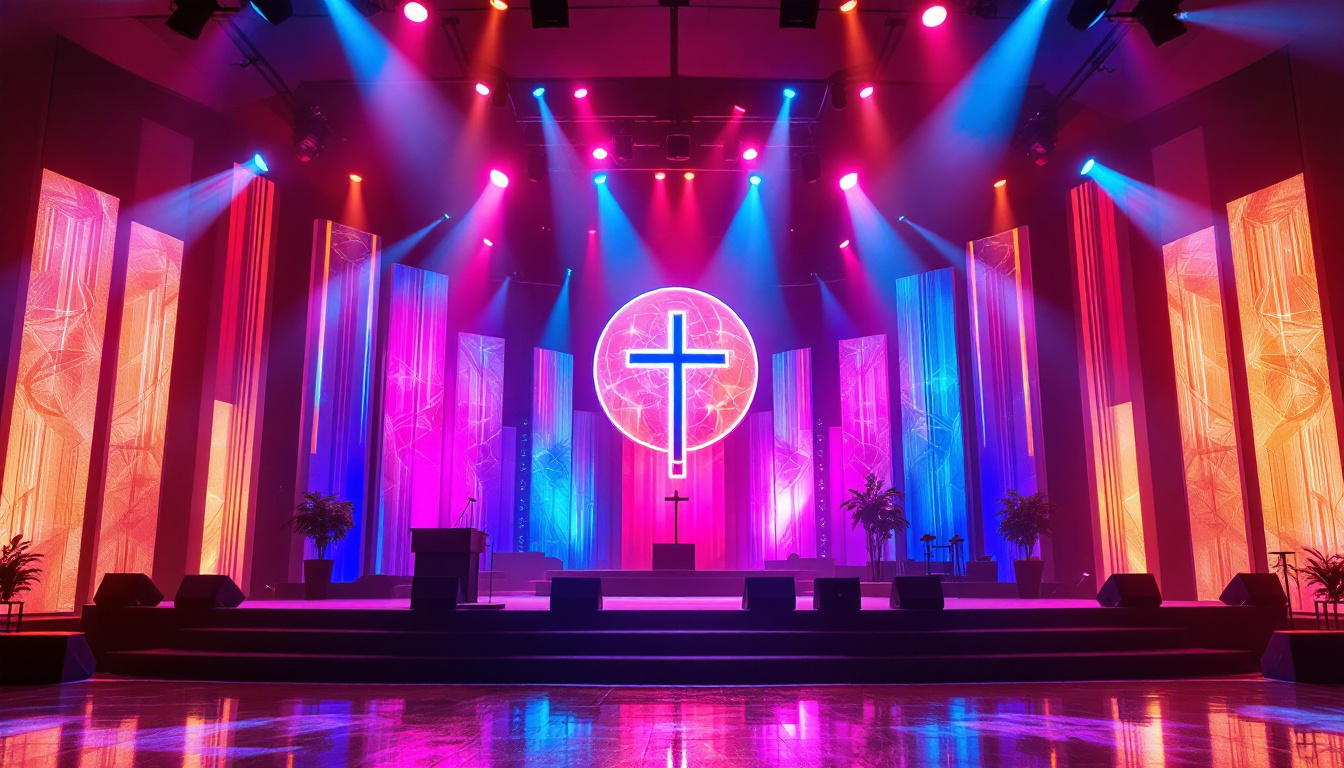
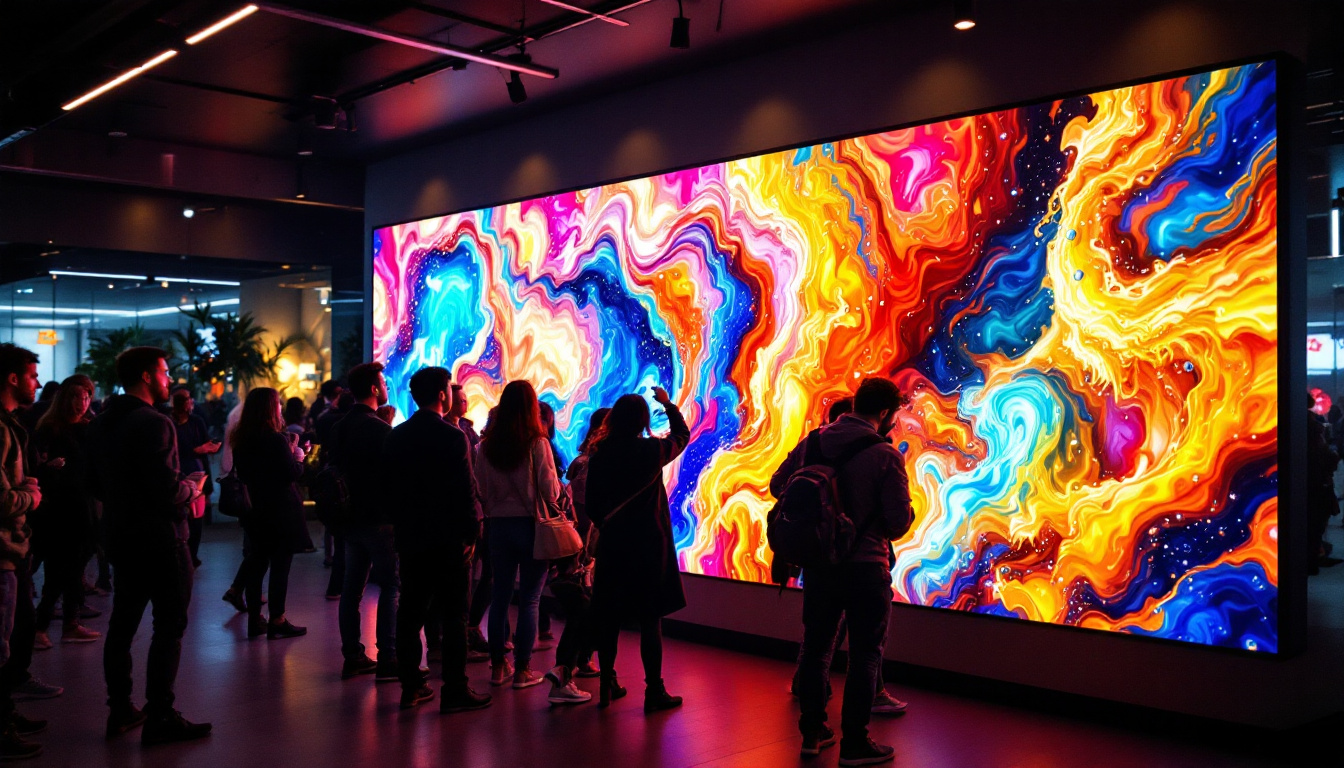
Concerts, festivals, and sporting events rely heavily on LED displays to enhance audience engagement. Large LED video walls provide live feeds, graphics, and visual effects that complement performances and broadcasts.
For instance, the Super Bowl halftime shows consistently feature cutting-edge LED displays, integrating high-resolution visuals with stage design to create unforgettable experiences for millions of viewers worldwide.
Retail and Hospitality
Retailers use LED displays to attract customers and create immersive shopping environments. From digital window displays to interactive kiosks, LEDs enable vibrant, attention-grabbing visuals that can be updated instantly to reflect promotions or seasonal themes.
Hotels and restaurants also employ LED screens for digital menus, event information, and ambiance lighting, enhancing customer experience and operational efficiency.
Transportation and Public Spaces
LED displays play a crucial role in transportation hubs such as airports, train stations, and bus terminals. Their high visibility and reliability make them ideal for displaying schedules, alerts, and wayfinding information.
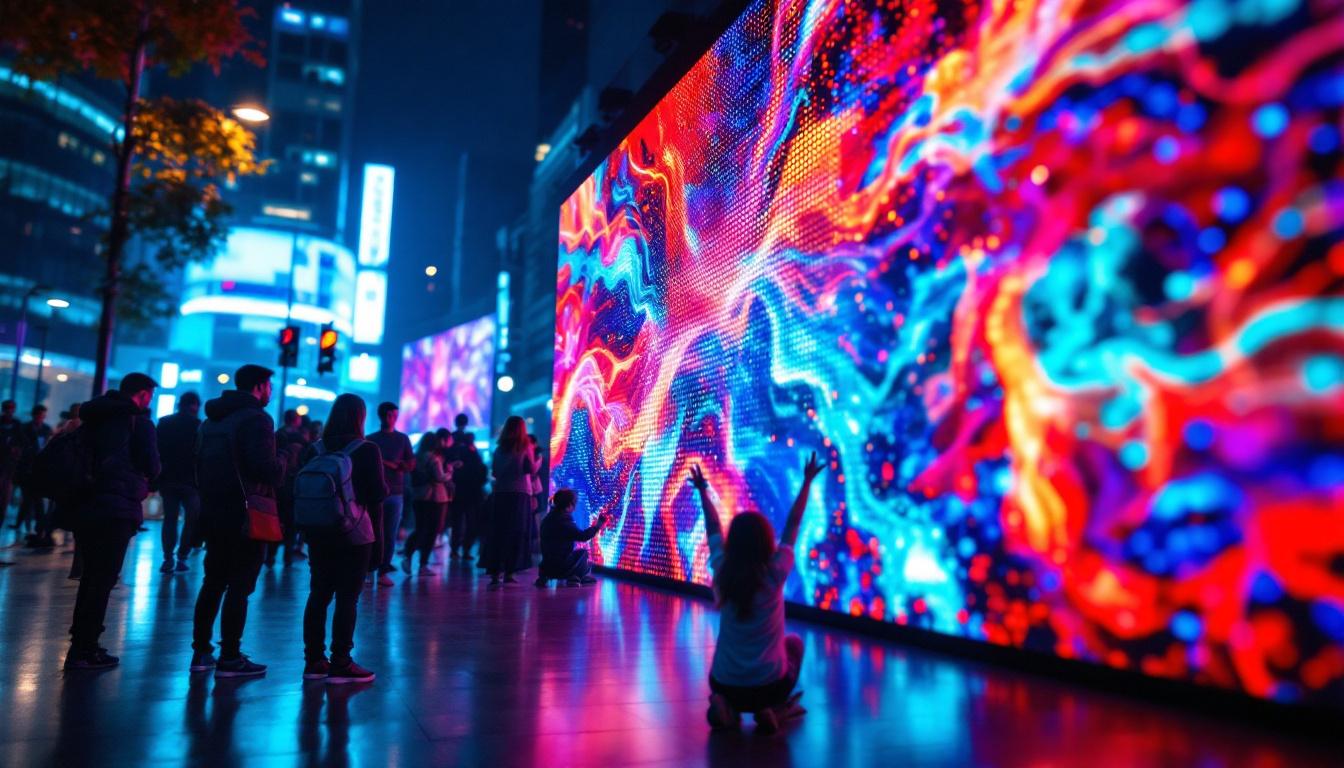
In urban environments, LED screens are increasingly used for public art installations and community messaging, contributing to smart city initiatives aimed at improving communication and engagement.
Challenges and Considerations in LED Display Deployment
Initial Investment and Maintenance
While LED displays offer long-term cost savings, the initial investment can be substantial, especially for large-scale or high-resolution installations. Factors such as pixel pitch, panel quality, and installation complexity influence pricing.
Maintenance is generally lower than other technologies; however, environmental factors like moisture, dust, and temperature fluctuations can affect performance. Proper enclosure design and regular inspections are essential to maximize lifespan.
Environmental Impact and Sustainability
LED technology is generally more environmentally friendly than traditional lighting and display methods due to lower energy consumption and longer life. However, the manufacturing process involves rare earth elements and electronic components that require responsible sourcing and recycling practices.
Industry leaders are increasingly focusing on sustainability, developing LED products with recyclable materials and energy-efficient designs to minimize environmental footprints.
Technical Limitations and Future Prospects
Despite its advantages, LED technology faces challenges such as color accuracy limitations compared to OLED displays and potential issues with pixel uniformity in large direct-view panels. Advancements in MicroLED and MiniLED technologies aim to address these concerns.
Looking ahead, innovations in flexible and transparent LED displays promise new applications in wearable technology, automotive dashboards, and augmented reality, expanding the horizons of LED technology beyond traditional screens.
Conclusion: The Enduring Impact of LED Displays
LED display technology has revolutionized the way visual content is delivered across multiple sectors. Its combination of energy efficiency, brightness, flexibility, and durability makes it an indispensable tool for communication in the modern world. As advancements continue, LED displays are poised to become even more integral to our daily lives, shaping the future of digital interaction and visual storytelling.
For businesses and consumers alike, understanding the capabilities and applications of LED technology is essential to making informed decisions about display solutions. Whether illuminating a bustling city street, enhancing a live concert experience, or delivering crisp images on a personal device, LED displays exemplify the power of innovation in lighting and visual technology.
Explore the Future of Visual Storytelling with LumenMatrix
As you consider the vast potential of LED displays to transform your visual communication, LumenMatrix stands at the forefront of this innovative field. Our commitment to excellence is reflected in our diverse range of LED display solutions, from Indoor and Outdoor LED Wall Displays to specialized options like Vehicle, Sports, and Floor LED Displays. With LumenMatrix, you can create immersive environments and share your message with unparalleled clarity and impact. Check out LumenMatrix LED Display Solutions today and step into the future of digital storytelling.