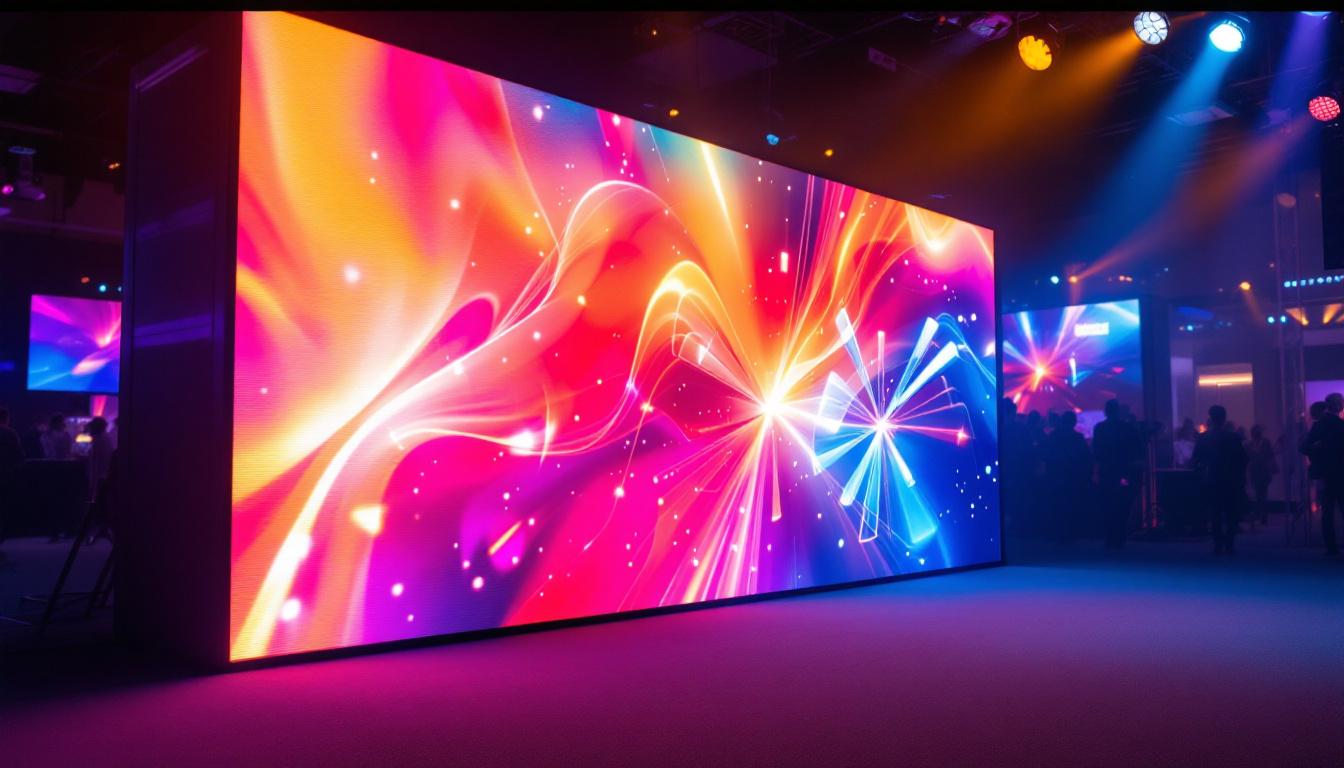
In an age where visual communication dominates, LED displays have become an essential medium for businesses, advertisers, and event organizers worldwide. From towering billboards in Times Square to dynamic scoreboards in stadiums, LED technology is transforming how information and imagery are presented on a grand scale. But what exactly makes LED displays so effective, and how do they work? This article delves into the intricacies of LED displays, exploring their technology, applications, benefits, and future trends.
Understanding LED Display Technology
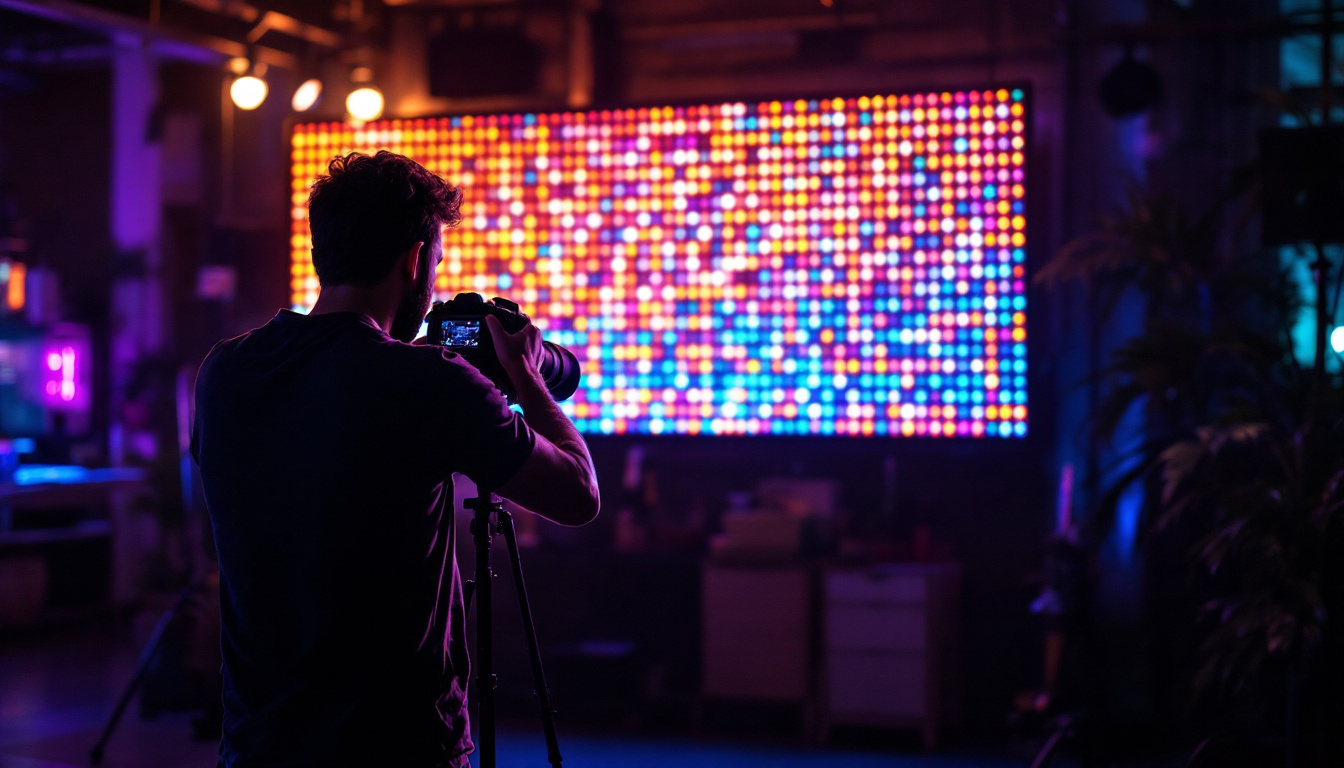
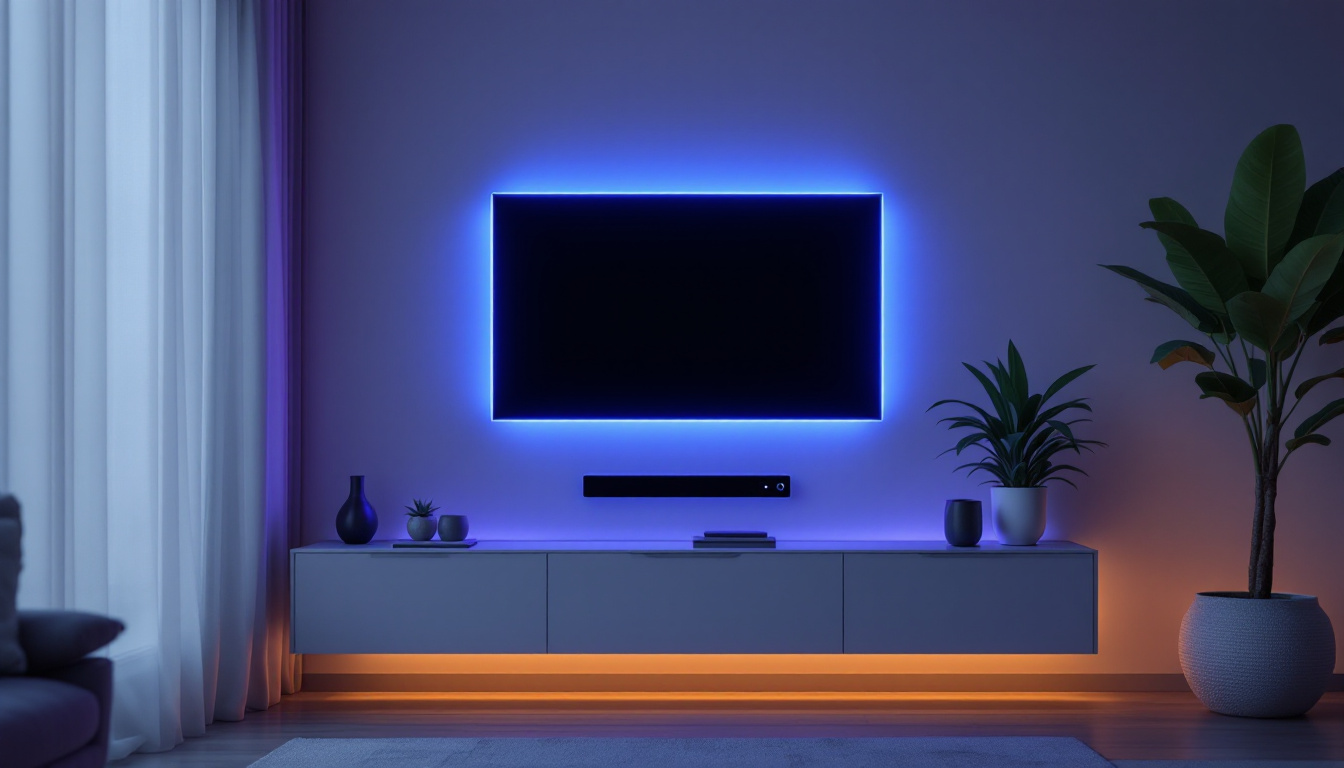
At its core, an LED display is a flat panel that uses light-emitting diodes (LEDs) as pixels to produce images and videos. Unlike traditional screens that rely on backlighting, LED displays generate their own light, resulting in brighter, more vibrant visuals. This self-illuminating capability not only enhances the viewing experience but also allows for thinner and lighter display designs, making them increasingly popular in modern applications.
How LEDs Work
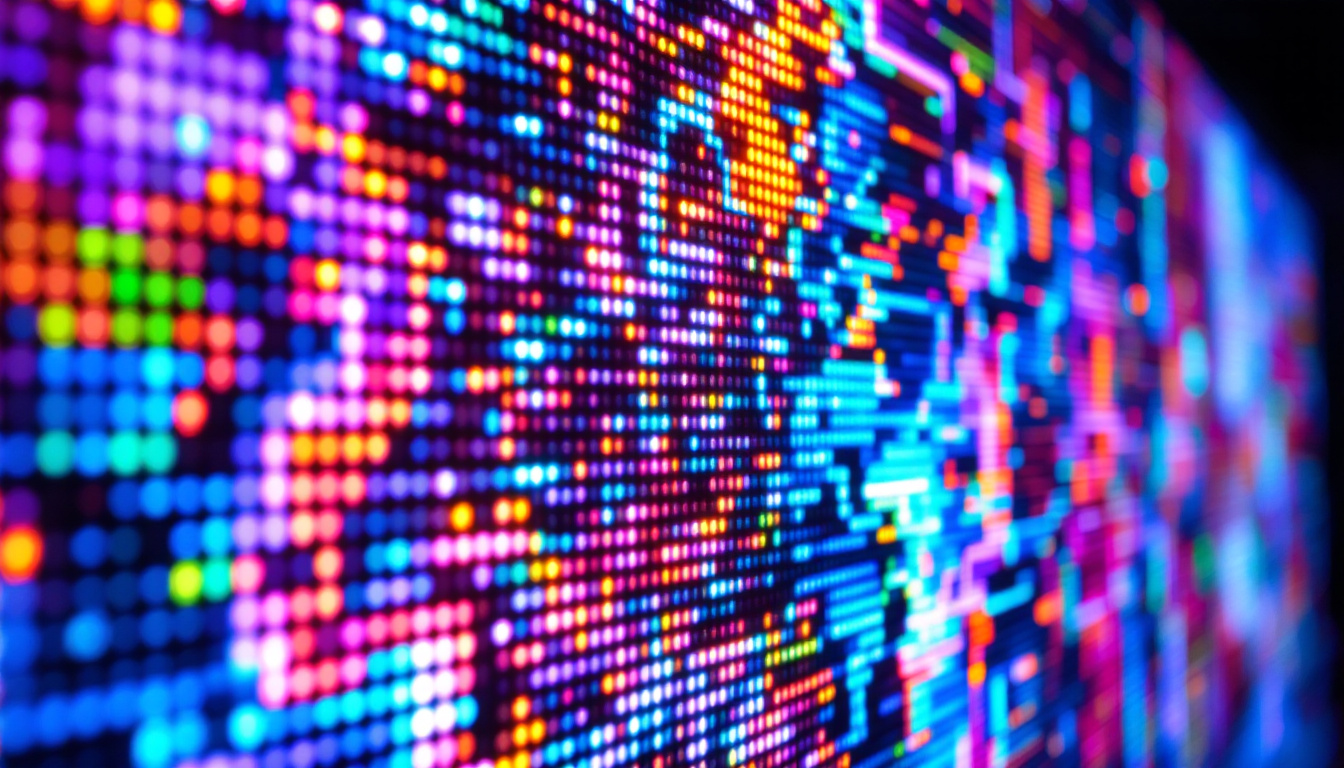
LEDs are semiconductor devices that emit light when an electric current passes through them. The color of the light depends on the semiconductor material used. In LED displays, millions of these tiny diodes are arranged in a matrix to form the pixels that create images. The efficiency of LEDs also contributes to their growing popularity; they consume less power compared to traditional display technologies, which translates to lower energy costs and a reduced environmental footprint.
Each pixel typically consists of three sub-pixels: red, green, and blue (RGB). By varying the intensity of each sub-pixel, the display can produce a wide spectrum of colors. This RGB configuration is fundamental to achieving high color accuracy and vividness. Additionally, advancements in LED technology have led to the development of white LEDs and even multi-color LEDs that can enhance color reproduction further, allowing for more realistic and immersive visual experiences.
Types of LED Displays
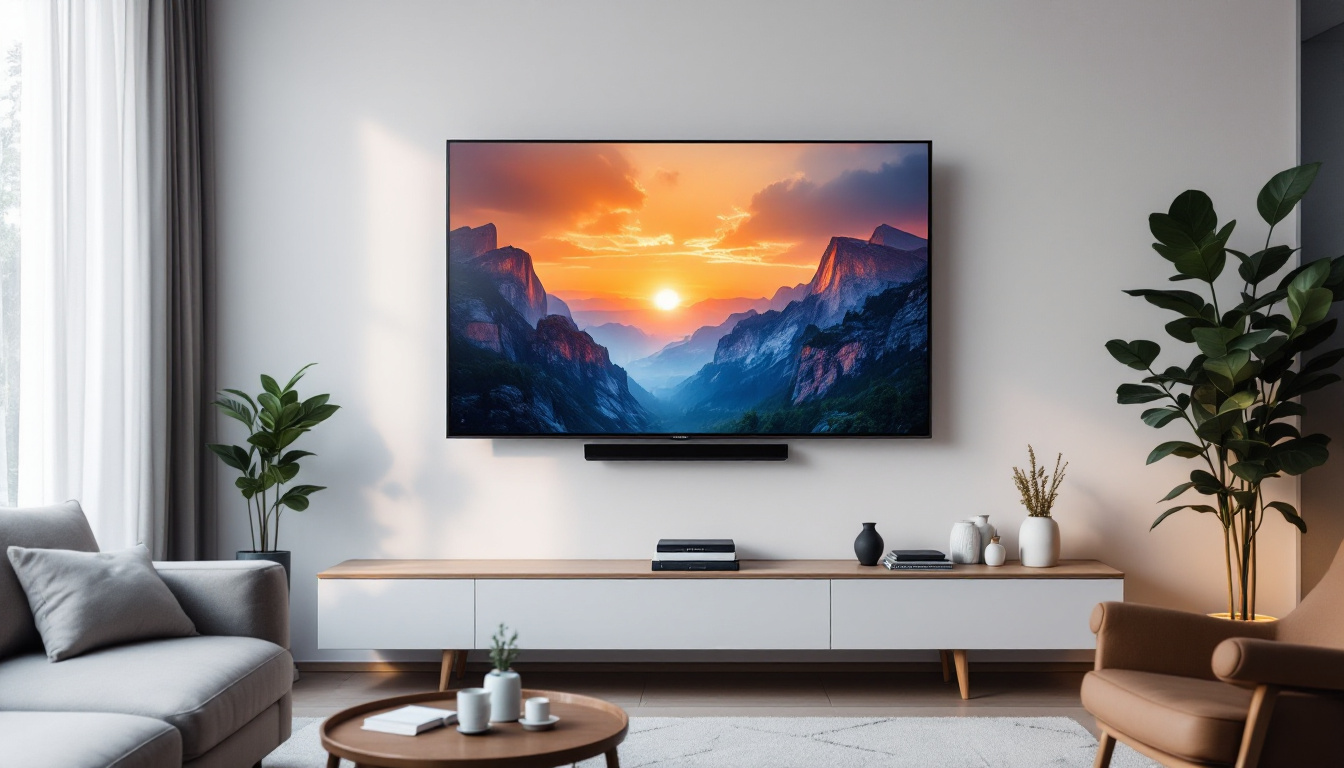
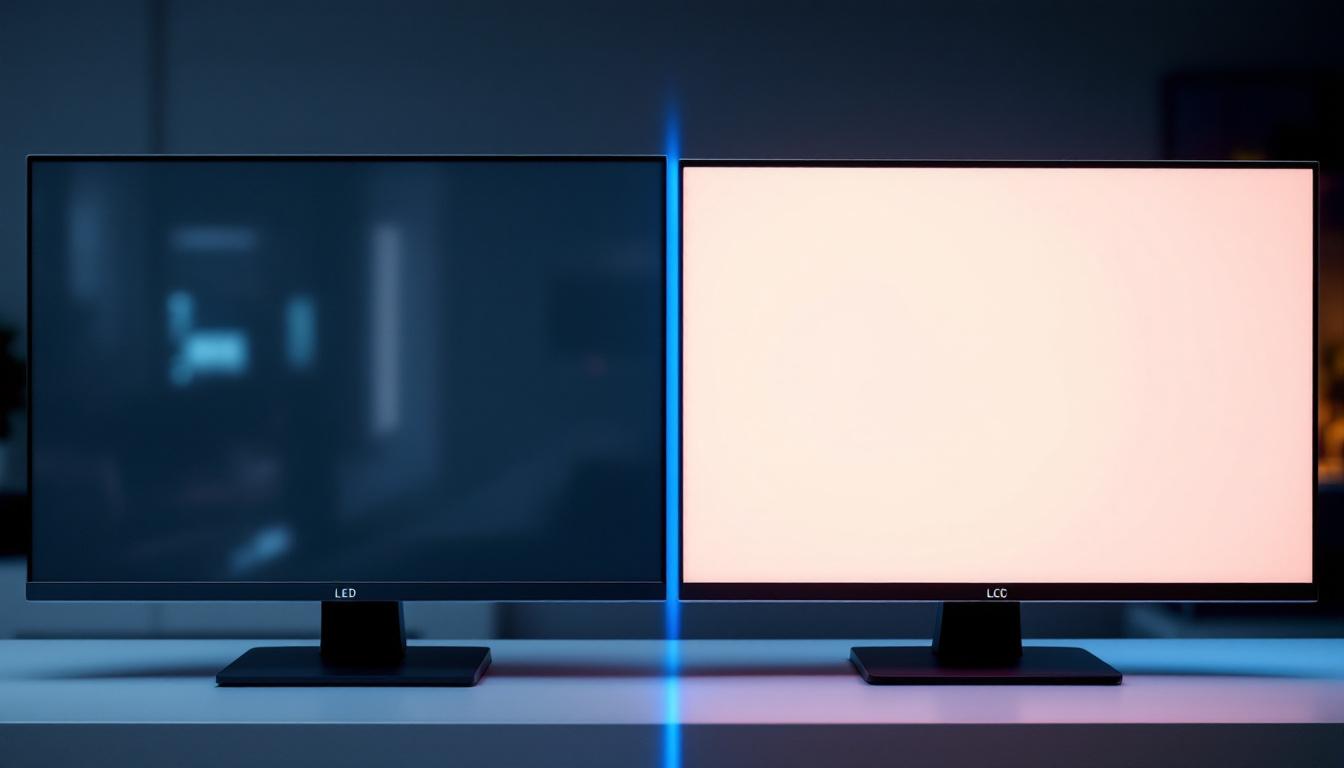
There are two primary categories of LED displays: direct view LED and LED-backlit LCD. Direct view LED displays use LEDs as the actual pixels, making them suitable for large-scale outdoor and indoor screens. LED-backlit LCDs, on the other hand, use LEDs as a backlight source behind an LCD panel, common in televisions and monitors. The versatility of LED technology means it can be adapted for various environments, from stadiums to corporate settings, providing solutions tailored to specific viewing needs.
Within direct view LED displays, further distinctions exist based on pixel pitch—the distance between the centers of two adjacent pixels. Smaller pixel pitches (e.g., 1.2mm) provide higher resolution and are ideal for close viewing distances, while larger pitches (e.g., 10mm or more) are used for large outdoor billboards where viewers are farther away. The choice of pixel pitch is crucial for optimizing the display’s performance, as it affects not only the clarity of the images but also the overall cost and installation requirements. Moreover, as technology continues to evolve, we are witnessing the emergence of flexible LED displays that can be curved or shaped to fit unique designs, further expanding the creative possibilities for architects and designers alike.
Applications of LED Displays Across Industries
LED displays have revolutionized visual communication across multiple sectors, offering unparalleled brightness, scalability, and flexibility.
Advertising and Marketing
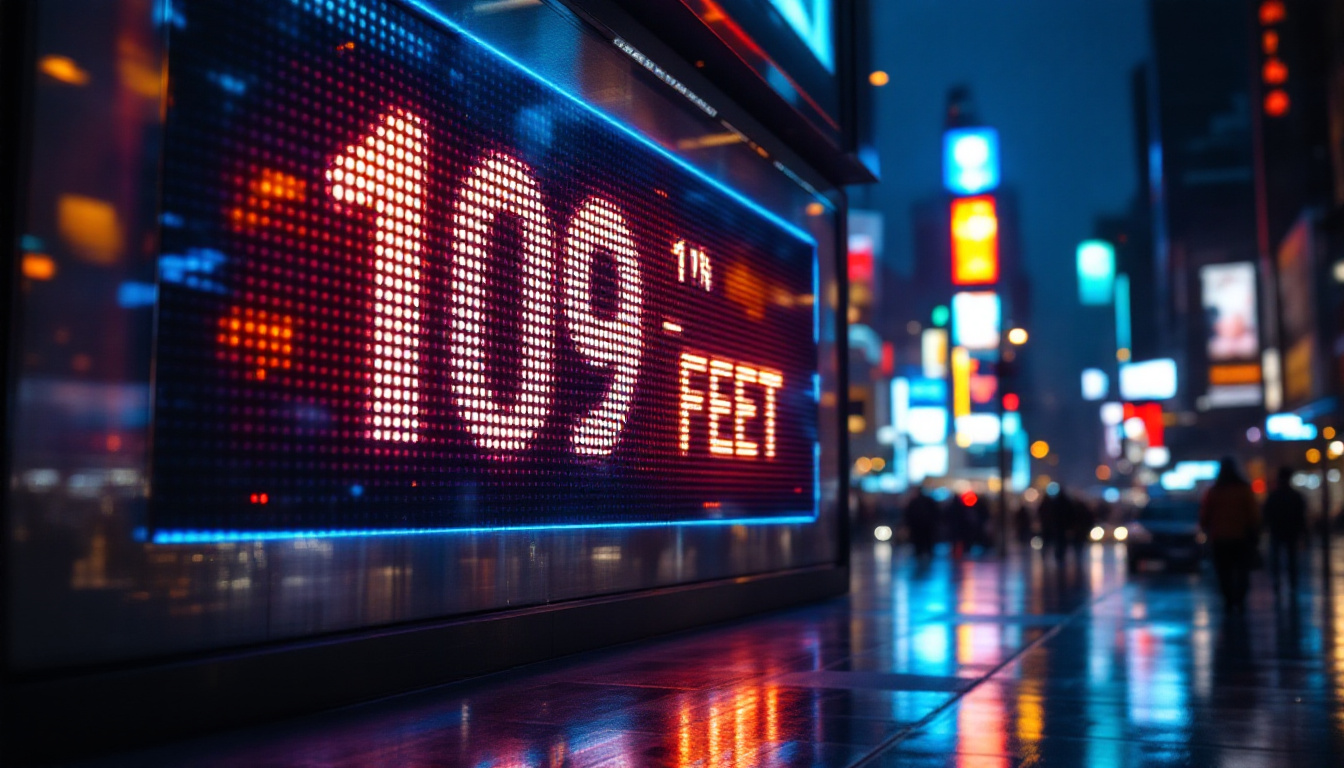
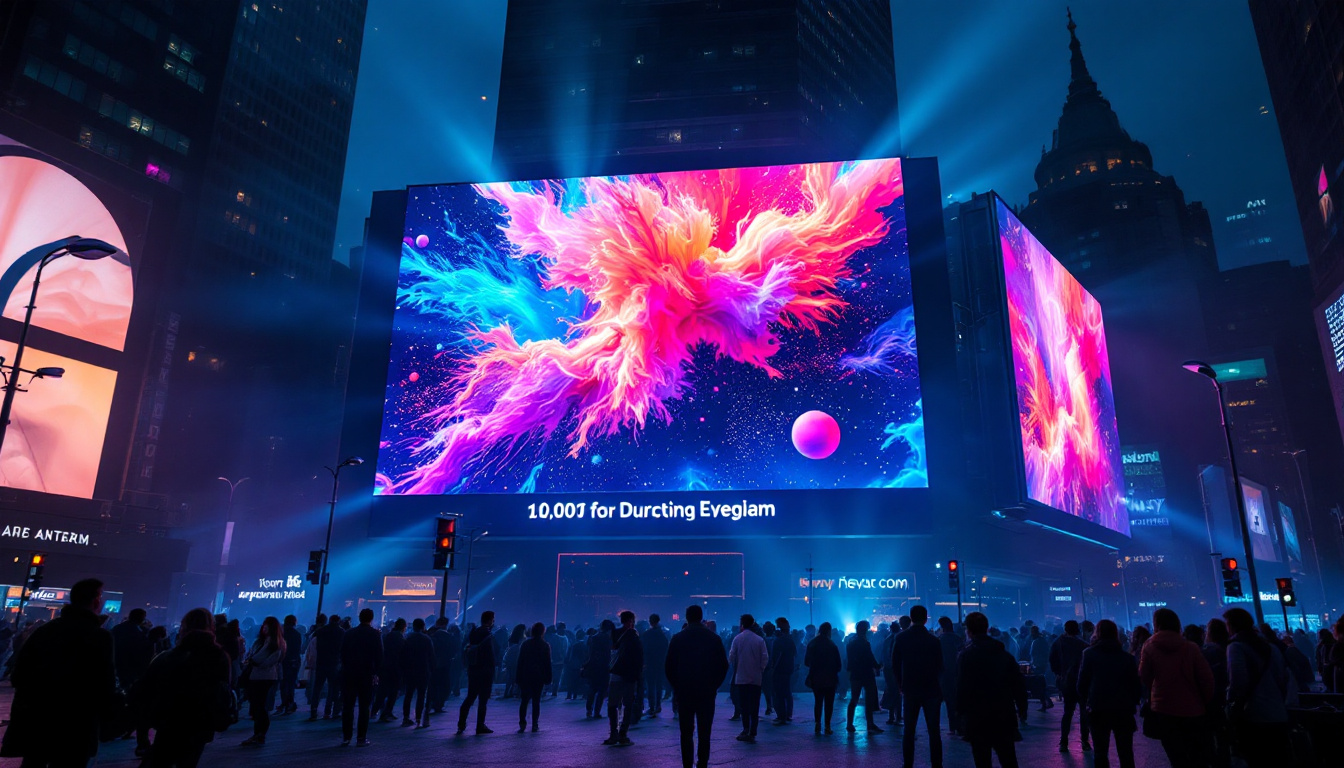
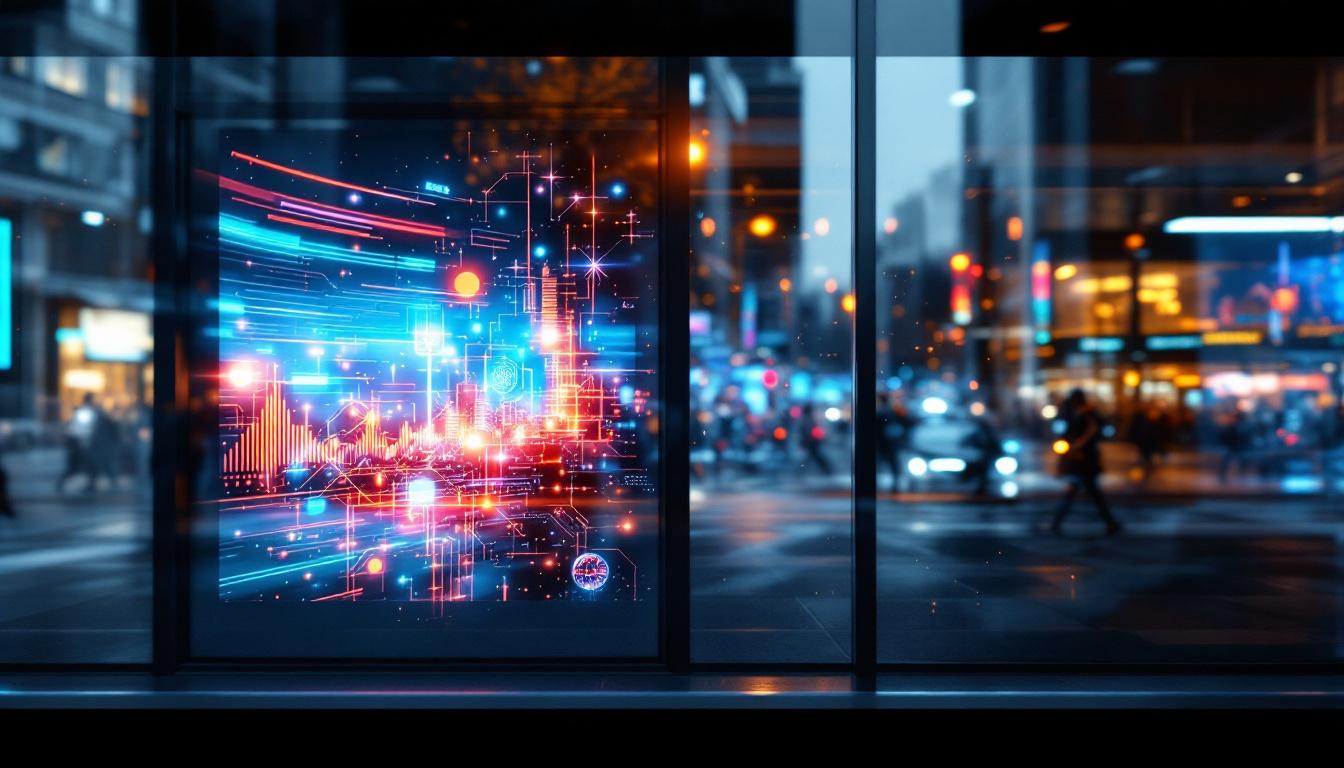
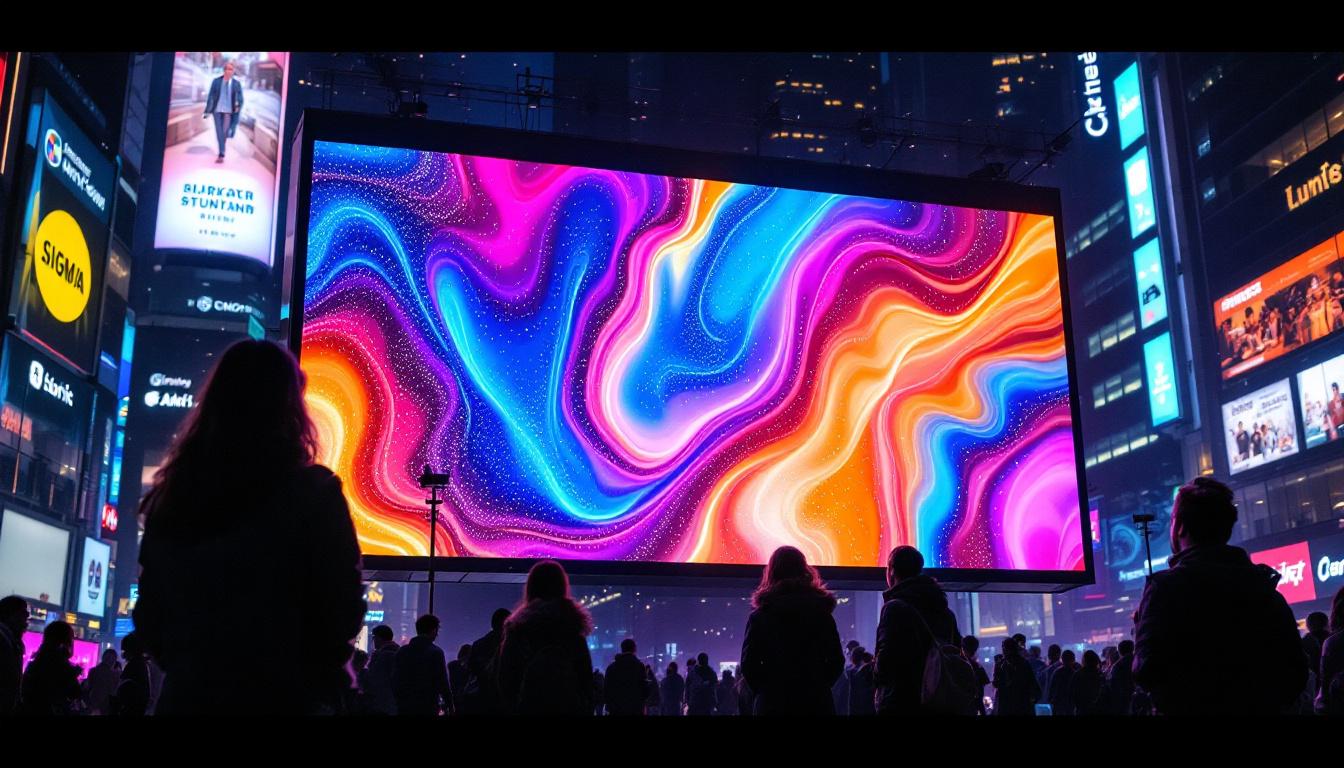
One of the most visible uses of LED displays is in outdoor advertising. Digital billboards equipped with LED panels can display dynamic content that changes in real-time, allowing advertisers to tailor messages based on time of day, weather, or audience demographics. According to a 2023 report by the Outdoor Advertising Association of America, digital out-of-home (DOOH) advertising, primarily driven by LED displays, saw a 15% annual growth, outpacing traditional static billboards.
This adaptability not only enhances engagement but also reduces costs associated with printing and installation of physical posters. Iconic locations like London’s Piccadilly Circus and New York’s Times Square showcase how LED displays create immersive brand experiences that capture attention on a massive scale.
Sports and Entertainment Venues
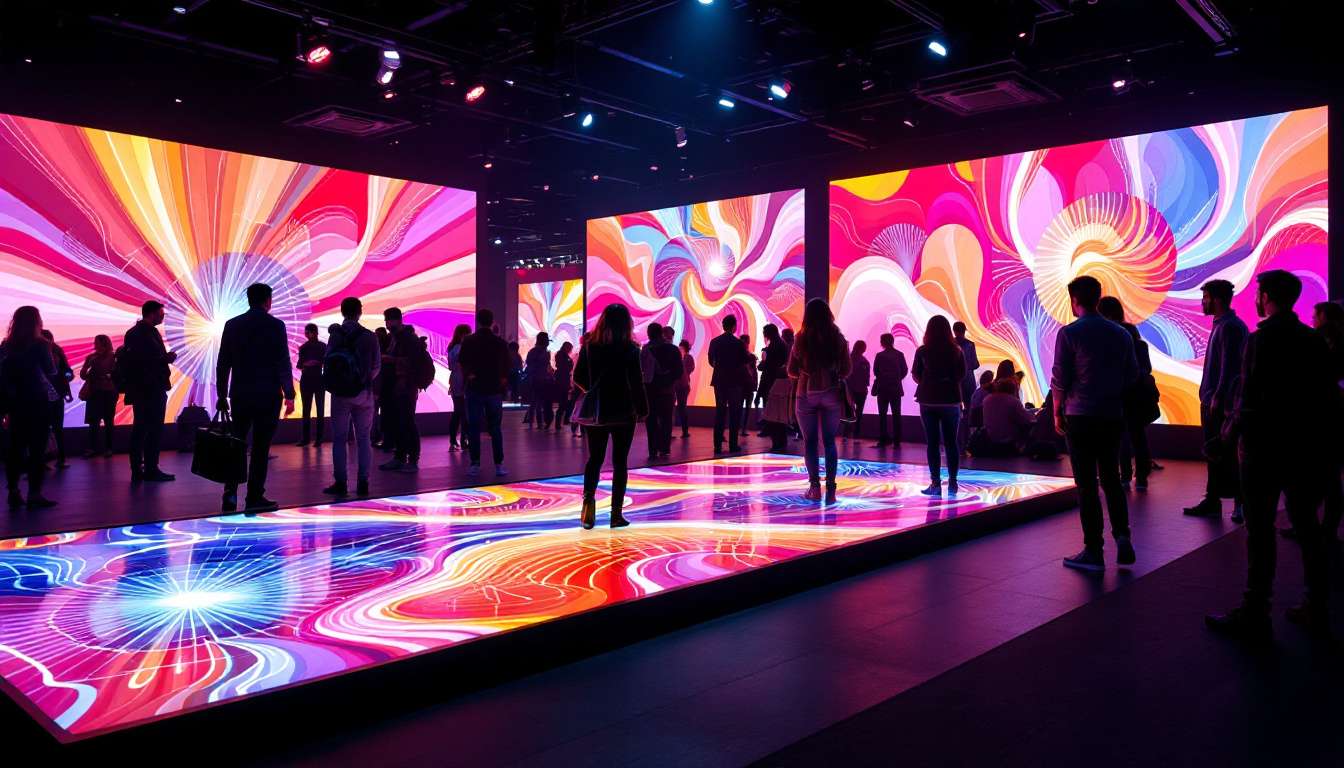
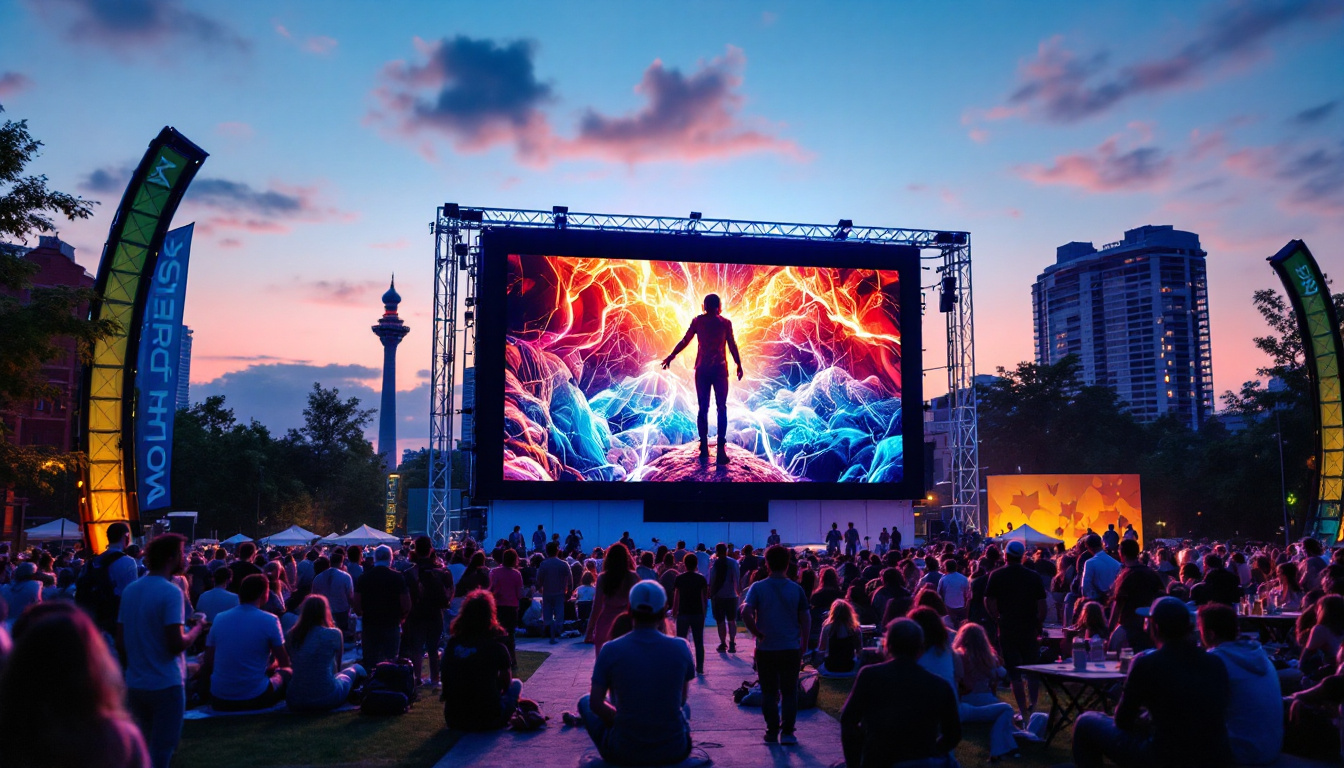
Sports arenas and concert venues rely heavily on LED displays for scoreboards, video walls, and immersive stage backdrops. The ability to deliver high-definition, bright images even in direct sunlight makes LED technology ideal for both indoor and outdoor settings.
For example, the AT&T Stadium in Texas features one of the world’s largest high-definition LED screens, measuring over 160 feet wide. This enhances fan experience by providing instant replays, live stats, and interactive content, making events more engaging and memorable.
Corporate and Retail Environments
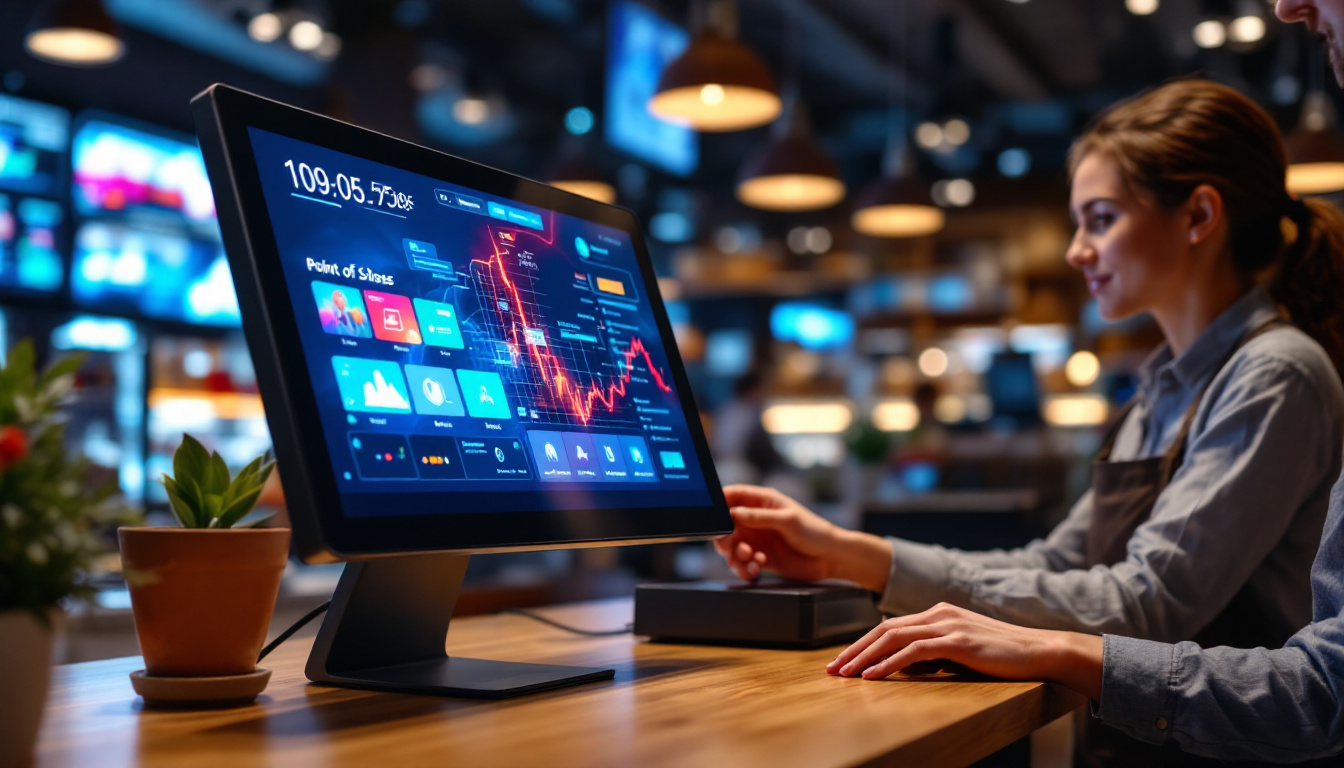
In corporate settings, LED displays are used for presentations, digital signage, and video conferencing. Retailers leverage LED walls to create eye-catching window displays and in-store promotions that attract customers and influence purchasing decisions.
Interactive LED displays also enable personalized shopping experiences, integrating touch capabilities and real-time data analytics to tailor content to individual shoppers.
Advantages of LED Displays Over Other Technologies
LED displays offer several key benefits that make them the preferred choice for large-scale and dynamic visual communication.
Brightness and Visibility
One of the most significant advantages of LED displays is their exceptional brightness. LEDs can achieve brightness levels exceeding 5,000 nits, making them clearly visible even under direct sunlight. This contrasts sharply with LCD or projection-based displays, which often struggle with glare and ambient light interference.
Energy Efficiency and Longevity
LED technology is inherently energy-efficient compared to older display technologies like plasma or incandescent lighting. LEDs consume less power while delivering superior brightness, which translates into lower operating costs over time.
Moreover, LEDs have a long lifespan, often exceeding 100,000 hours of operation. This durability reduces maintenance needs and replacement costs, particularly important for installations in hard-to-reach locations.
Flexibility and Scalability
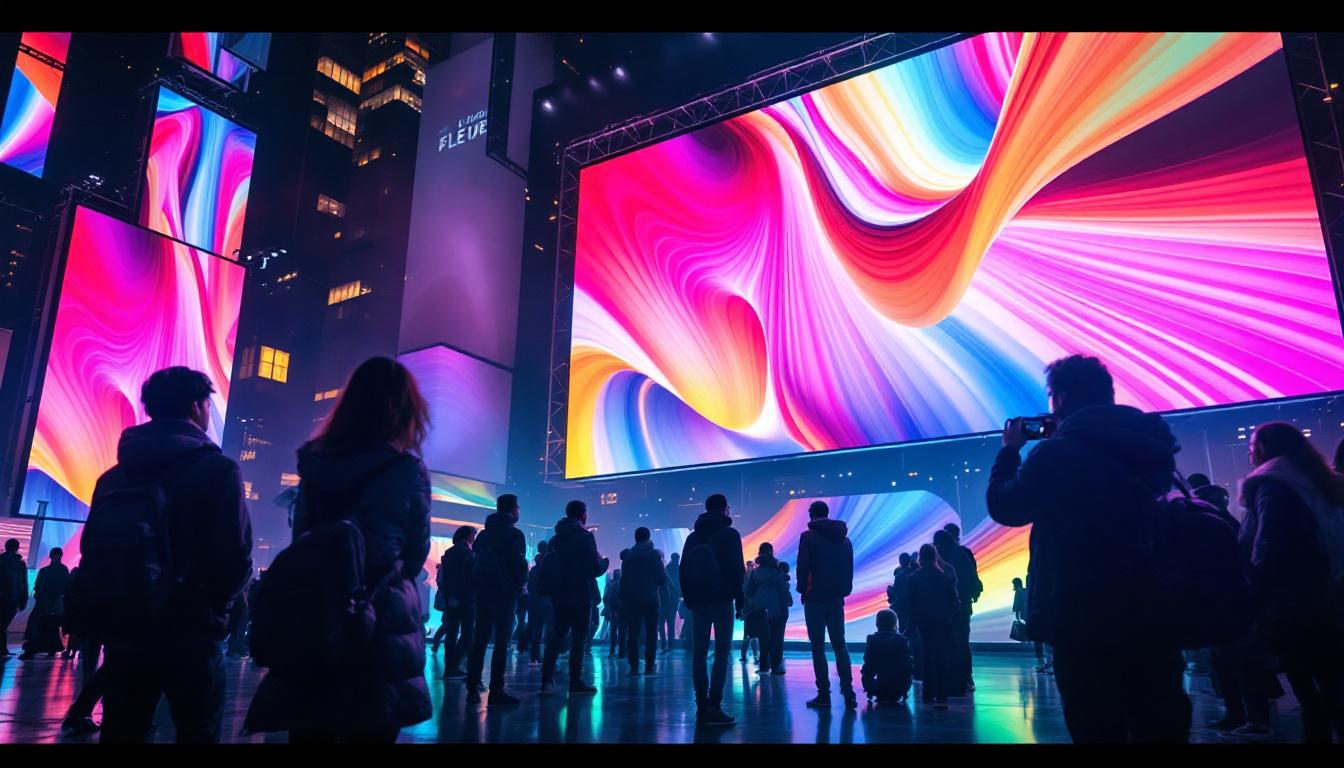
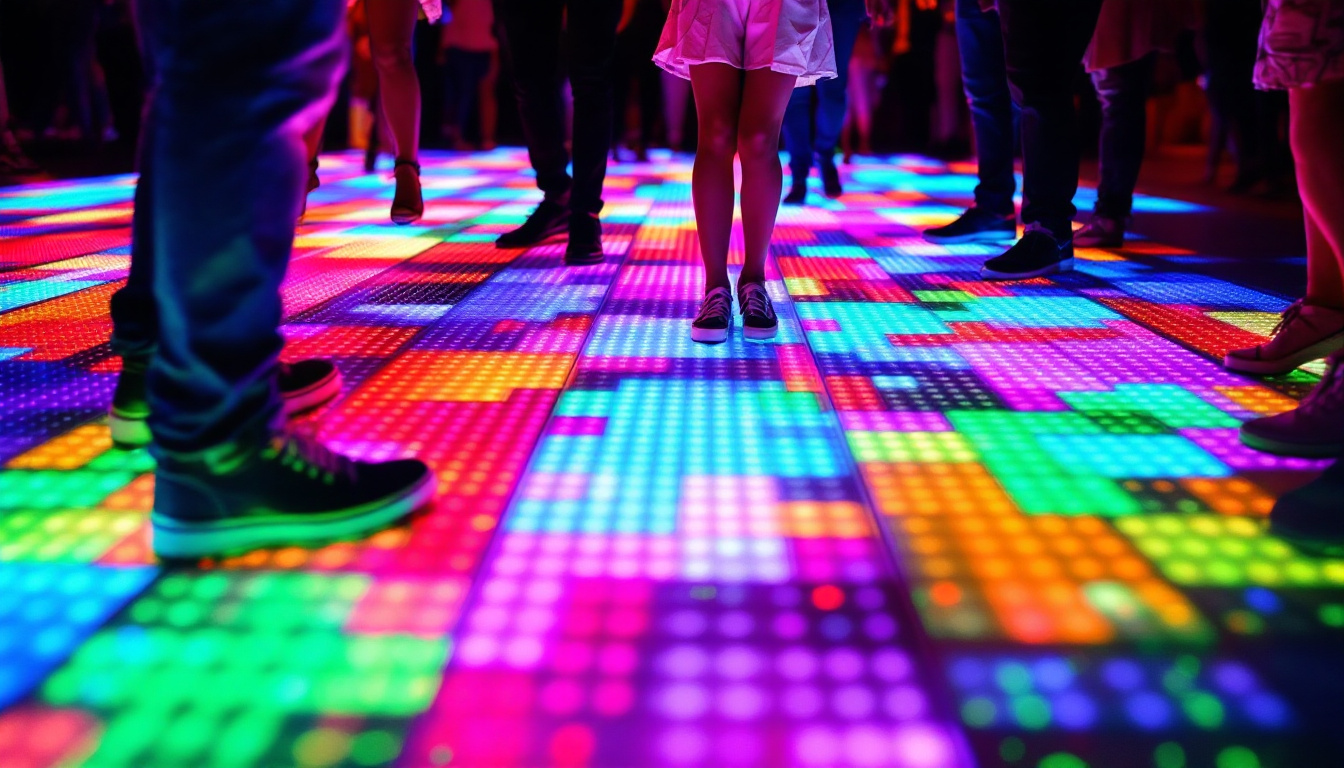
LED displays can be manufactured in virtually any size and shape, allowing for creative and customized installations. Whether it’s a curved video wall wrapping around a building facade or a massive rectangular billboard, LED panels can be seamlessly tiled to achieve the desired dimensions.
This modularity also facilitates scalability; businesses can start with a smaller setup and expand as needed without replacing the entire system.
Technical Considerations When Choosing an LED Display
Selecting the right LED display involves understanding several technical parameters to ensure optimal performance for the intended application.
Pixel Pitch and Resolution
Pixel pitch, measured in millimeters, is a critical factor that determines the display’s resolution and viewing distance. A smaller pixel pitch means higher pixel density and sharper images, suitable for close-up viewing. Conversely, larger pixel pitches are cost-effective for displays meant to be viewed from afar.
For example, a retail store window display might use a 1.5mm pixel pitch for crisp visuals up close, while a highway billboard might use a 10mm pitch since viewers are typically hundreds of feet away.
Refresh Rate and Color Accuracy
Refresh rate, measured in Hertz (Hz), indicates how many times per second the display updates its image. Higher refresh rates reduce flicker and motion blur, which is especially important for video content and live broadcasts. Modern LED displays typically offer refresh rates of 3,000 Hz or higher, ensuring smooth and flicker-free visuals.
Color accuracy is influenced by the quality of LEDs and calibration processes. Professional-grade LED displays provide wide color gamuts and precise color reproduction, essential for branding consistency and immersive experiences.
Weather Resistance and Durability
For outdoor installations, LED displays must withstand various environmental conditions such as rain, wind, dust, and extreme temperatures. High-quality LED panels are rated with Ingress Protection (IP) standards, with IP65 or higher being common for outdoor use, ensuring water and dust resistance.
Additionally, robust housing and cooling systems prevent overheating and extend the lifespan of the display.
Emerging Trends and the Future of LED Displays
LED display technology continues to evolve rapidly, driven by advancements in materials science, electronics, and software integration.
MicroLED and MiniLED Technologies
MicroLED and MiniLED represent the next generation of LED technology, offering even higher resolution, improved brightness, and better energy efficiency. MicroLEDs are tiny LEDs that can be individually controlled, enabling displays with superior contrast ratios and color accuracy compared to traditional LEDs.
These technologies are poised to disrupt markets such as consumer electronics, automotive displays, and augmented reality devices by providing thinner, more flexible, and more vibrant screens.
Interactive and Smart LED Displays
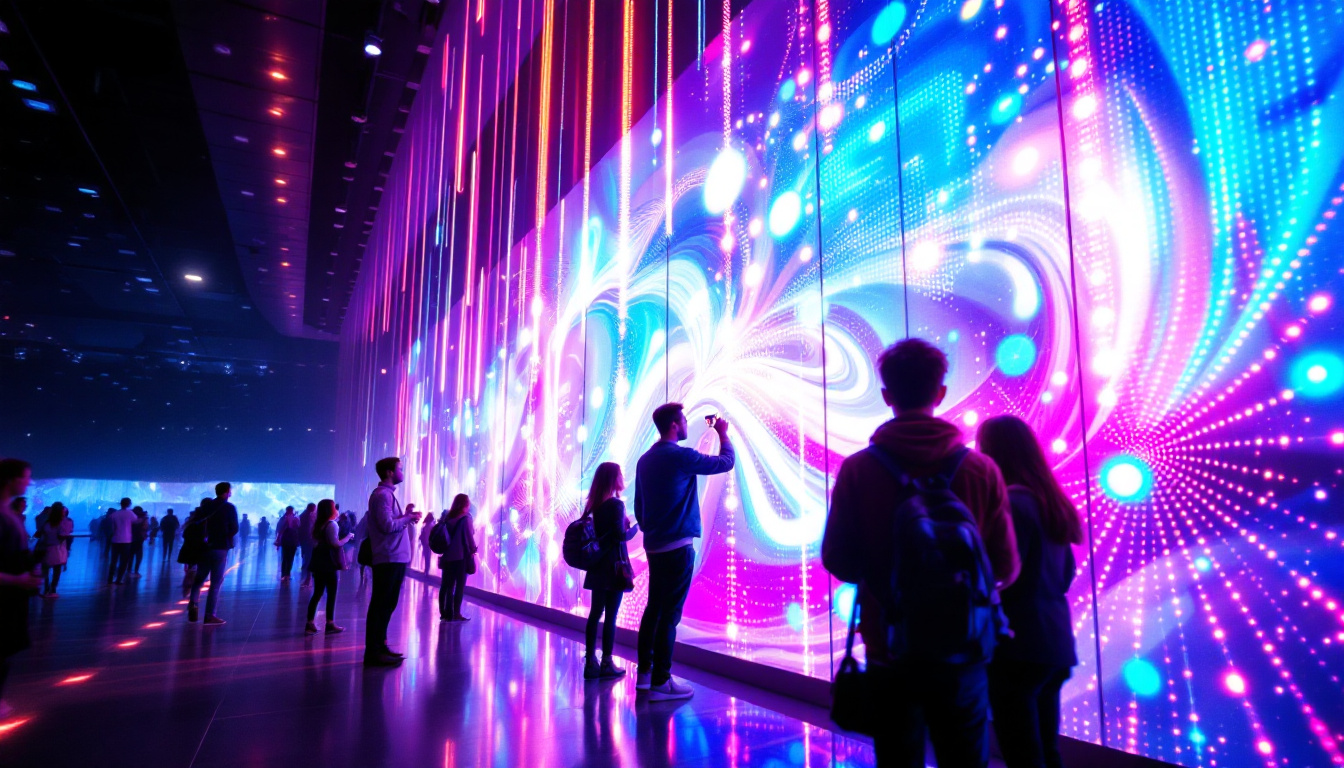
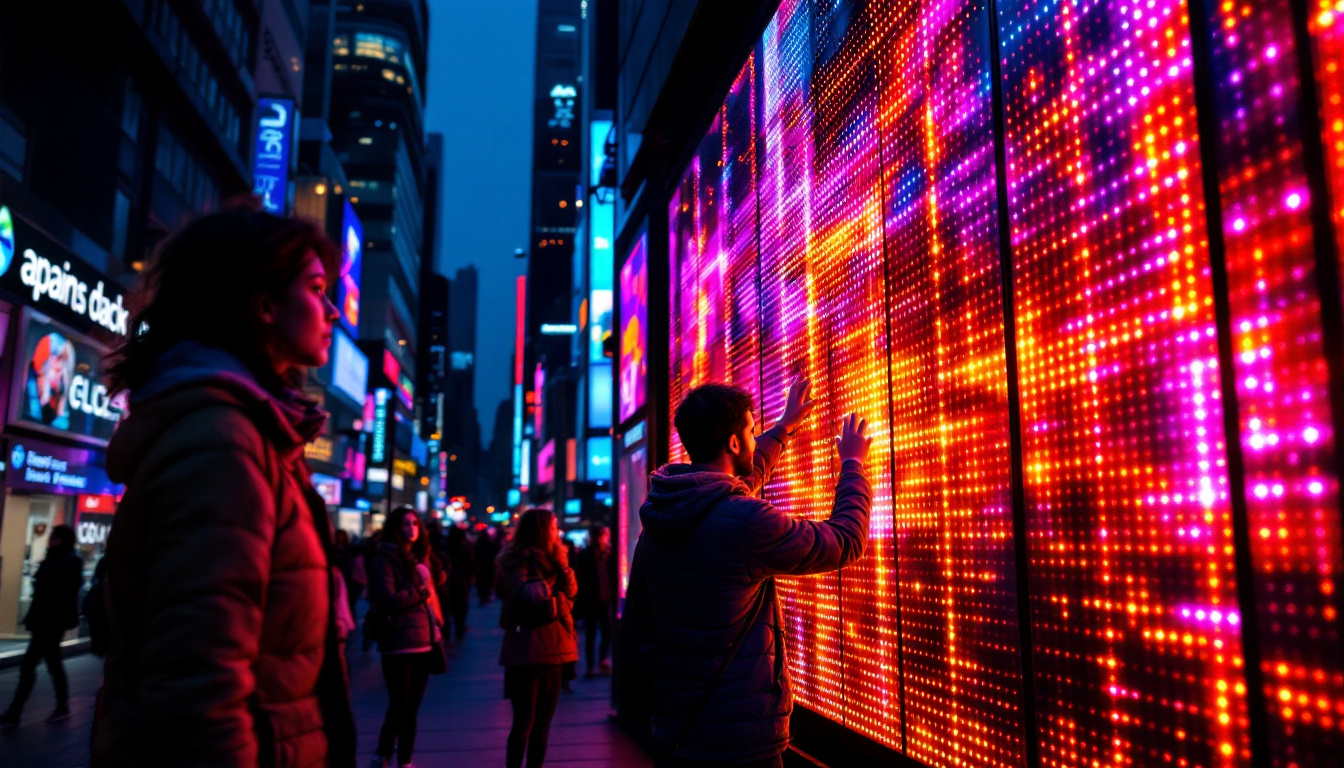
Integration of touch sensors, cameras, and AI-powered analytics is transforming LED displays into interactive platforms. Smart LED walls can recognize gestures, respond to voice commands, and adapt content dynamically based on audience engagement.
This interactivity is particularly valuable in retail, education, and public information systems, where personalized experiences can drive higher engagement and satisfaction.
Sustainability and Eco-Friendly Innovations
As environmental concerns grow, manufacturers are focusing on making LED displays more sustainable. Innovations include using recyclable materials, reducing power consumption through smarter control systems, and designing products for easier disassembly and recycling.
These efforts align with global initiatives to reduce electronic waste and carbon footprints, making LED displays a greener choice for large-scale digital signage.
Conclusion
LED displays have become an indispensable tool in modern visual communication, offering unmatched brightness, flexibility, and durability. Their applications span advertising, entertainment, corporate environments, and beyond, continually reshaping how audiences engage with digital content.
Understanding the technology behind LED displays, along with the key factors to consider when selecting and deploying them, empowers businesses and organizations to make informed decisions that maximize impact and return on investment.
As LED technology advances with innovations like MicroLED and smart interactivity, the potential for immersive, dynamic, and sustainable visual experiences is greater than ever. Scaling the walls with LED displays is not just about size—it’s about scaling the possibilities of communication itself.
Discover the Future of Visual Communication with LumenMatrix
Ready to elevate your visual storytelling and captivate your audience like never before? Explore LumenMatrix’s comprehensive range of LED display solutions, where innovation meets excellence. From the vibrancy of an Indoor LED Wall Display to the robustness of Outdoor LED Wall Displays, and the versatility of Custom and All-in-One LED Displays, LumenMatrix is your partner in revolutionizing visual communication. Embrace the power of cutting-edge technology and check out LumenMatrix LED Display Solutions today to transform your space into a dynamic canvas of endless possibilities.