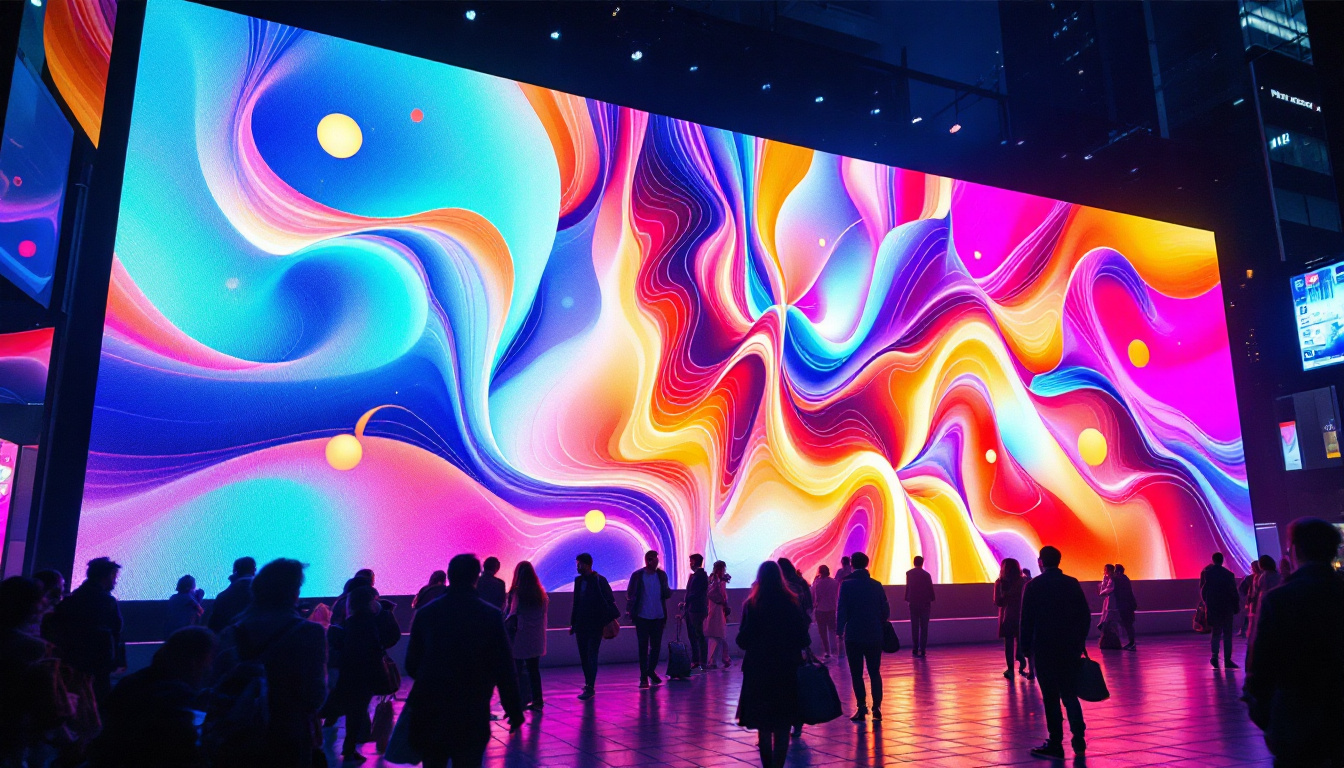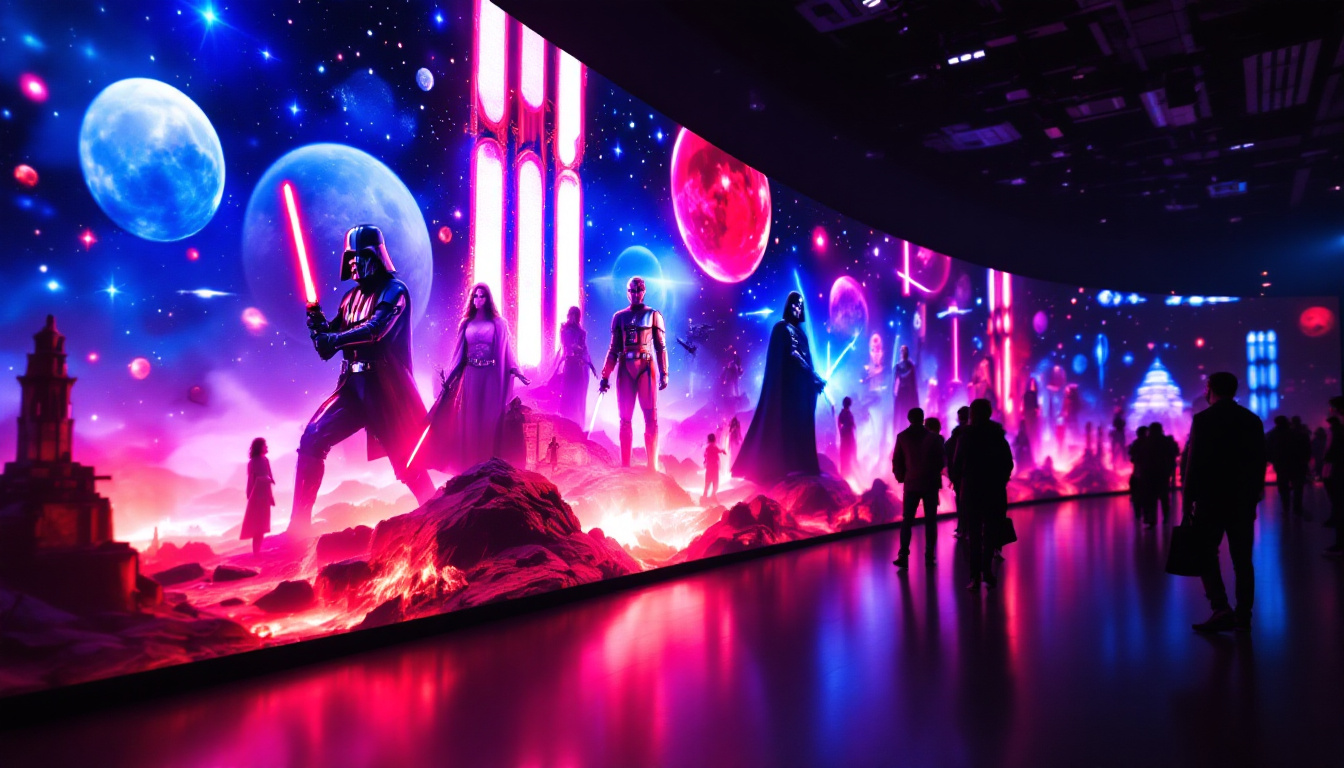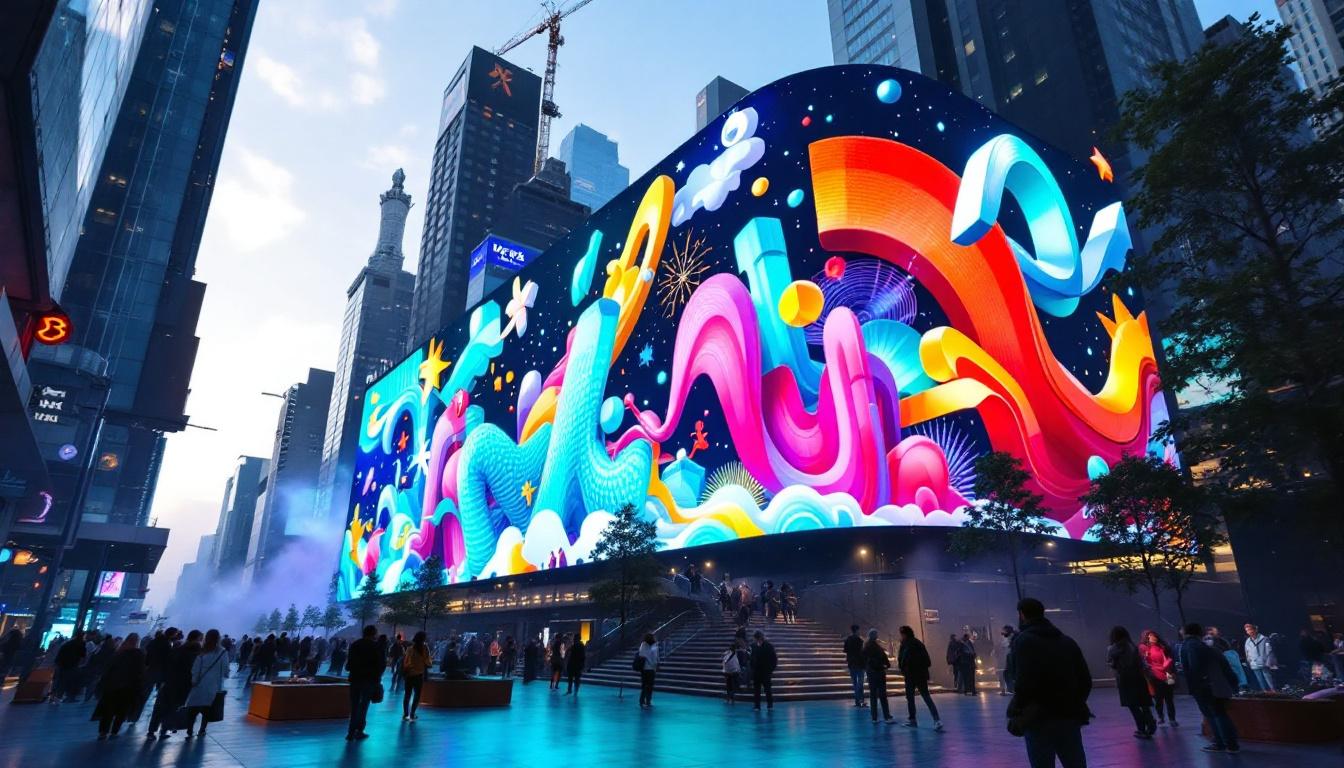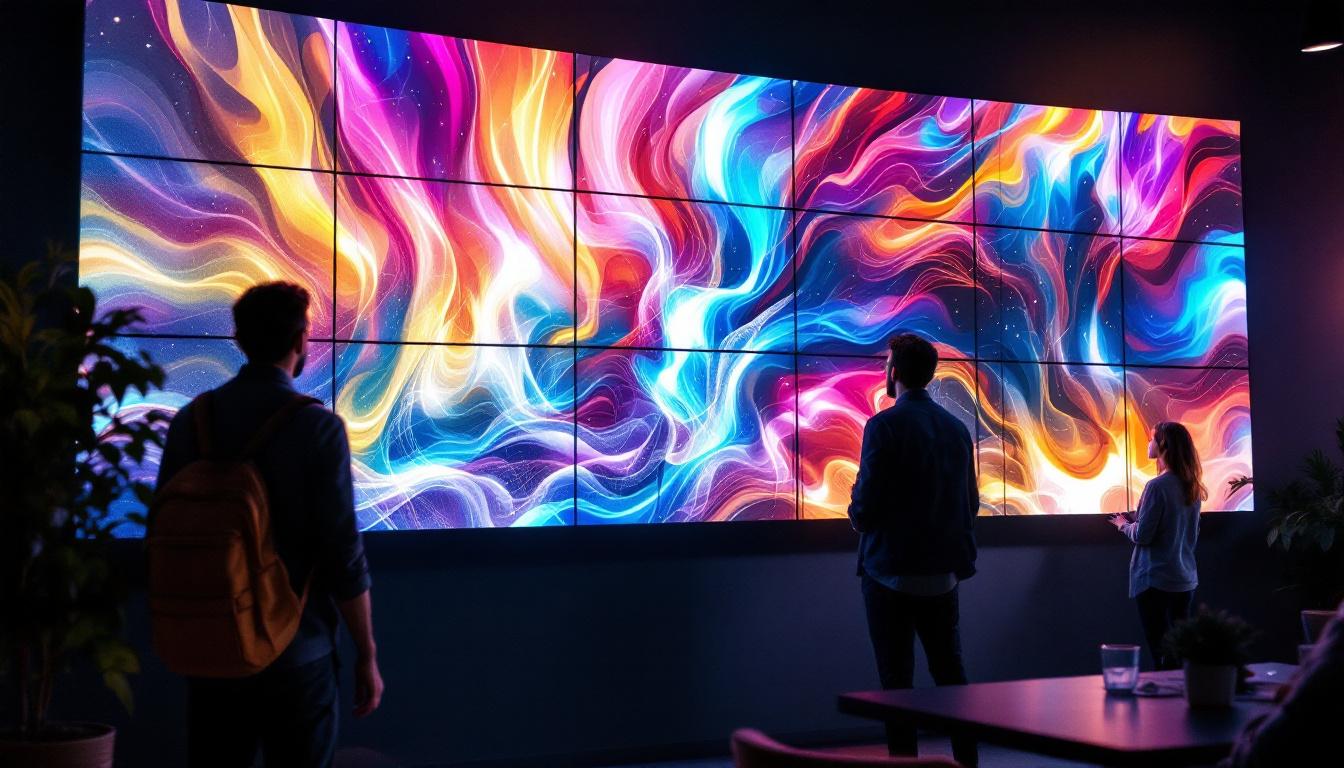
In today’s fast-paced digital world, video walls have become an essential component for businesses, control rooms, retail environments, and public spaces. These expansive, high-impact displays grab attention, convey information clearly, and create immersive visual experiences. At the heart of every successful video wall setup lies a critical piece of technology: the video wall controller. Understanding the best video wall controllers and how they integrate with LED displays is crucial for anyone looking to deploy or upgrade a video wall system.
This article explores the fundamentals of video wall controllers, the advantages of LED displays, and the top solutions available in the market. Whether you’re a system integrator, AV professional, or a decision-maker seeking to invest in video wall technology, this comprehensive guide will provide valuable insights.
Understanding Video Wall Controllers
What Is a Video Wall Controller?
A video wall controller is a specialized hardware or software device designed to manage multiple video inputs and output them seamlessly across an array of display panels. Unlike a simple video splitter or matrix switcher, a video wall controller can scale, crop, and arrange content dynamically, ensuring that the video wall appears as one cohesive screen rather than a collection of individual monitors.
These controllers handle tasks such as input signal processing, resolution matching, bezel compensation (adjusting for the physical gaps between screens), and multi-window management. This versatility allows users to display different content simultaneously or stretch a single image or video across the entire video wall.
Types of Video Wall Controllers
Video wall controllers generally fall into three categories:
- Hardware-based Controllers: These are dedicated devices with built-in processing power designed specifically for video wall management. They often support multiple input sources and offer high reliability and low latency, making them ideal for mission-critical environments like control rooms and broadcast studios.
- Software-based Controllers: These solutions run on standard PCs or servers, using software to manage video wall content. They offer flexibility and cost-effectiveness, particularly for installations where hardware costs need to be minimized or where frequent content changes are necessary.
- Integrated Controllers: Some LED display manufacturers provide built-in controllers as part of their display systems. These integrated solutions simplify installation and maintenance but may limit customization options.
Key Features to Look For
When selecting a video wall controller, several features are critical to ensure optimal performance:
- Input/Output Support: Compatibility with various video sources such as HDMI, DisplayPort, DVI, SDI, and network streams.
- Resolution and Scaling: Ability to handle high resolutions, including 4K and beyond, with precise scaling and cropping.
- Bezel Compensation: Adjusting for the physical gaps between display panels to create a seamless image.
- Multi-window and Layout Management: Flexibility to display multiple content windows, resize, and reposition them dynamically.
- Reliability and Redundancy: Features such as failover support and hot-swappable components for uninterrupted operation.
- User Interface: Intuitive control software for easy content management and configuration.
The Advantages of LED Displays for Video Walls
Why Choose LED Over Other Display Technologies?
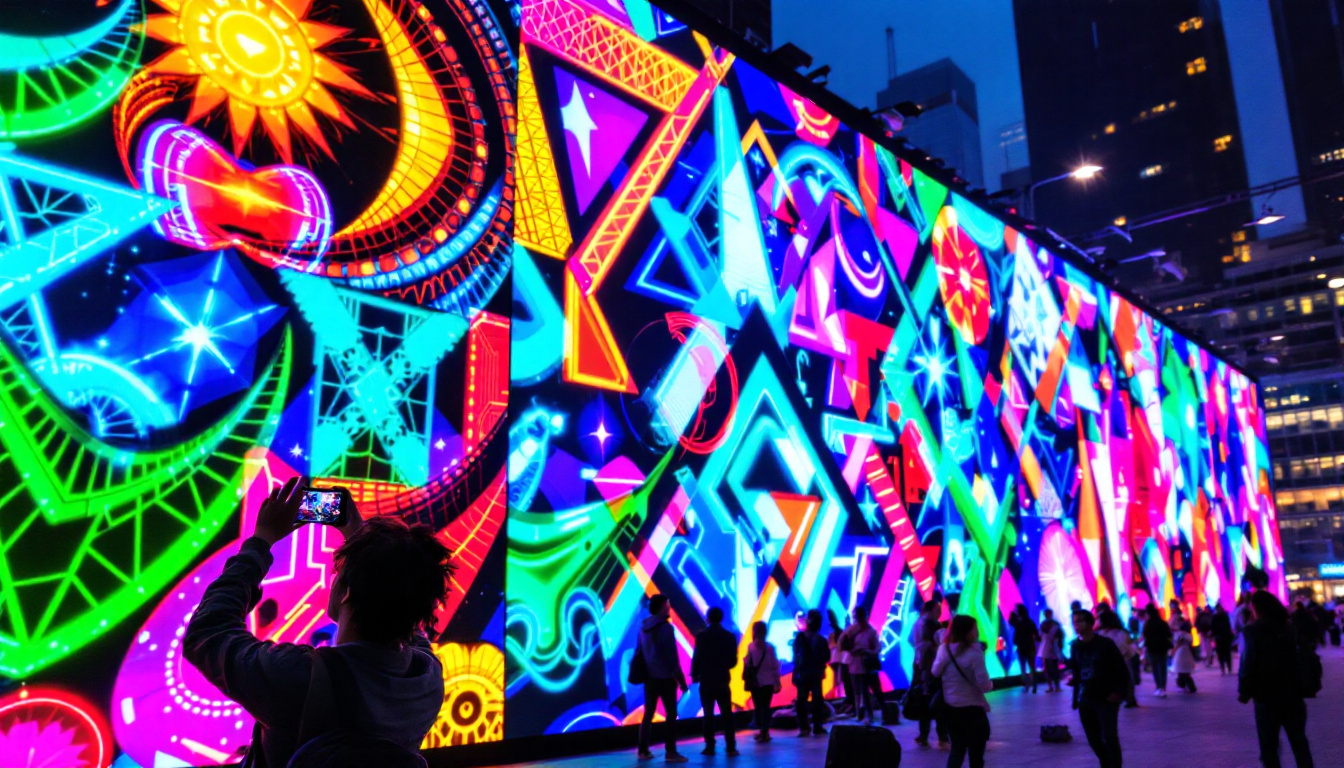
LED (Light Emitting Diode) displays have become the preferred choice for video walls due to their superior brightness, color accuracy, and flexibility. Unlike LCD or projection-based systems, LED video walls use individual LEDs as pixels, which provide several advantages:
- High Brightness and Visibility: LED displays can achieve brightness levels exceeding 1,000 nits, making them easily viewable even in brightly lit environments or outdoor settings.
- Wide Viewing Angles: LEDs offer consistent color and brightness across wide angles, ensuring the image looks great from almost any position.
- Seamless Scalability: LED modules can be tiled to create virtually any size or shape of video wall, from small indoor installations to massive outdoor billboards.
- Durability and Longevity: LEDs have a longer lifespan and are less prone to image burn-in compared to other technologies.
- Energy Efficiency: Modern LED panels consume less power relative to their brightness output, making them more sustainable for continuous use.
Pixel Pitch and Resolution Considerations
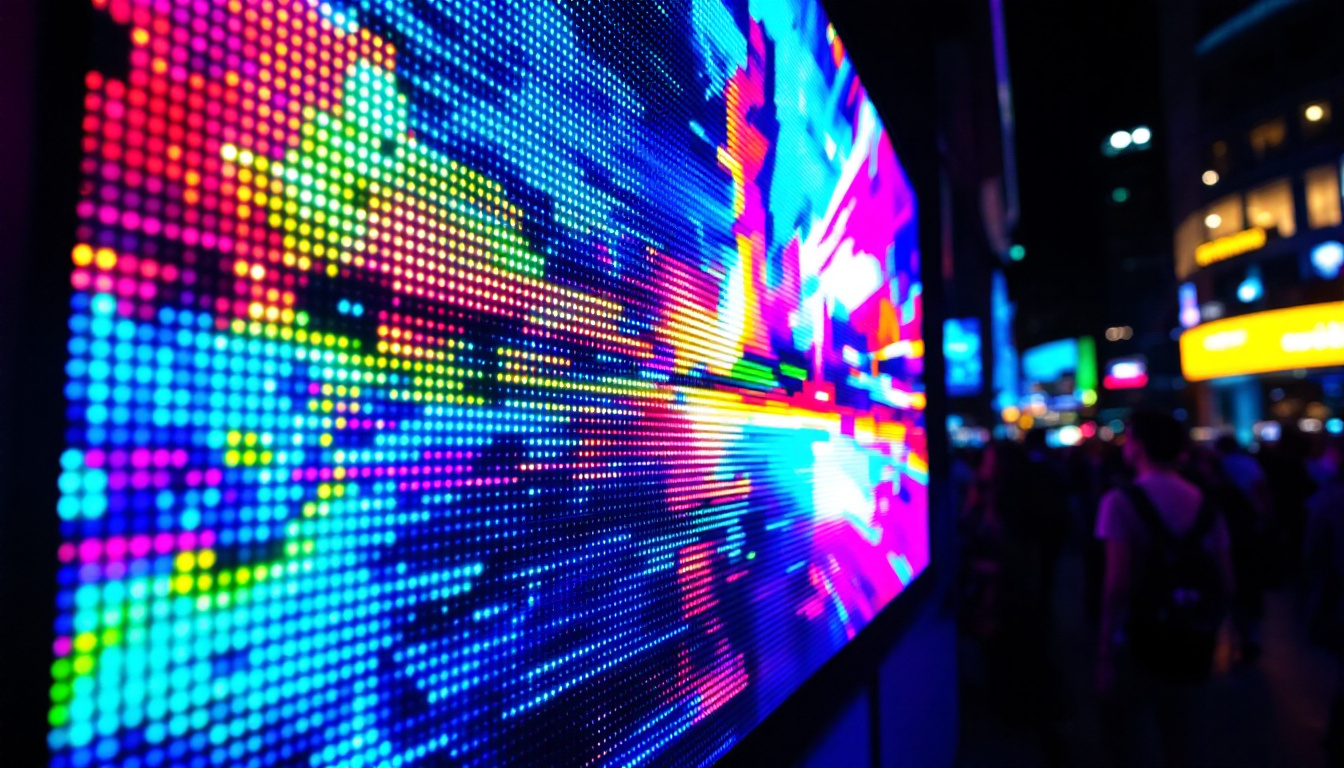
One of the critical factors in LED video walls is pixel pitch, which refers to the distance between the centers of two adjacent pixels. A smaller pixel pitch means higher resolution and sharper images, especially important for close viewing distances.
For indoor applications such as conference rooms or control centers, pixel pitches ranging from 0.9mm to 2.5mm are common, delivering crisp visuals even at short distances. Outdoor LED walls typically have larger pixel pitches (4mm to 10mm or more) to accommodate longer viewing distances and enhance durability against weather conditions.
Top Video Wall Controllers in the Market
1. Datapath Fx4
Datapath is a well-established name in the video wall controller industry, and the Fx4 is one of their flagship products. This hardware-based controller supports up to four 4K inputs and four 4K outputs, making it ideal for medium-sized video walls.
The Fx4 offers advanced bezel compensation, multi-window support, and ultra-low latency processing. Its robust design and extensive input compatibility make it a favorite for control rooms, digital signage, and broadcast applications.
2. Barco UniSee
Barco’s UniSee system is an integrated LED video wall solution that includes a proprietary controller designed for seamless operation. The UniSee controller supports high-resolution content and offers real-time content scaling and layout management.
UniSee’s standout feature is its near-seamless panel alignment technology, which minimizes bezel gaps and creates an almost uninterrupted image. This system is widely used in corporate lobbies, museums, and high-end retail environments.
3. Novastar VX4S
Novastar has rapidly become a leader in LED display control technology. The VX4S controller is a versatile hardware solution supporting 4K input and output, multiple signal types, and sophisticated image processing.
Its user-friendly software interface allows for easy configuration and content management, making it a popular choice for rental companies, event production, and fixed installations alike.
4. Userful Video Wall Software
For those seeking a software-based solution, Userful offers a powerful platform that runs on standard PCs and supports a wide range of LED displays. Userful’s software enables multi-source input, dynamic content layout, and remote management via the cloud.
This solution is particularly attractive for businesses looking to reduce hardware costs and increase flexibility in content delivery. It supports ultra-high-resolution video walls and integrates well with existing IT infrastructure.
5. Christie Phoenix
Christie Phoenix is a comprehensive video wall management system combining hardware and software components. It supports multiple video walls, diverse input sources, and advanced content scheduling.
Christie’s solution is known for its scalability and reliability, making it suitable for large-scale control rooms, command centers, and entertainment venues.
Choosing the Right Controller for Your LED Video Wall
Assessing Your Application Needs
Before selecting a video wall controller, it is essential to understand the specific requirements of your installation. Consider the following factors:
- Size and Resolution: The number of panels and the desired resolution will determine the controller’s input/output capacity and processing power.
- Content Type: Are you displaying static images, live video feeds, or interactive content? Different controllers excel at different content types.
- Environment: Indoor or outdoor use, ambient lighting conditions, and physical space constraints will influence your choice of LED panels and controller features.
- Budget: Hardware controllers typically involve higher upfront costs but offer greater reliability, while software solutions can reduce initial expenses but may require more maintenance.
- Integration and Support: Consider compatibility with existing AV infrastructure, ease of installation, and vendor support services.
Future-Proofing Your Investment
Technology evolves rapidly, and video wall systems can represent a significant investment. Choosing a controller that supports emerging standards such as 8K resolution, HDR content, and IP-based video streaming can help ensure your system remains relevant for years to come.
Additionally, modular and scalable controllers allow you to expand or reconfigure your video wall without replacing the entire system, providing flexibility as your needs change.
Installation and Maintenance Best Practices
Professional Installation
Installing a video wall, especially one with LED panels, requires precise alignment, calibration, and configuration. Professional installers use specialized tools and software to ensure uniform brightness, color consistency, and correct bezel compensation.
Proper installation minimizes visual artifacts and maximizes the lifespan of the display. It also ensures that the video wall controller is correctly integrated with the display hardware and content sources.
Regular Maintenance and Monitoring
LED video walls and their controllers benefit from routine maintenance, including cleaning, firmware updates, and performance monitoring. Many modern controllers offer remote diagnostics and alert systems to detect issues before they impact operation.
Establishing a maintenance schedule and working with vendors who provide strong technical support can reduce downtime and extend the life of your video wall system.
Conclusion
Video wall controllers are the backbone of any successful LED video wall installation. Selecting the right controller involves understanding your application’s technical requirements, the advantages of LED technology, and the features offered by various products on the market.
From high-performance hardware controllers like Datapath Fx4 and Novastar VX4S to flexible software solutions like Userful, the options available today cater to a wide range of needs and budgets. Coupled with the brightness, scalability, and durability of LED displays, these controllers enable businesses and organizations to create compelling visual experiences that engage audiences and enhance communication.
Investing time in researching and choosing the best video wall controller will pay off in the form of a reliable, high-quality display system that meets your current needs and adapts to future challenges.
Explore Cutting-Edge Video Wall Solutions with LumenMatrix
Ready to elevate your visual communication with a top-tier LED video wall? LumenMatrix is at the forefront of LED display innovation, offering a wide array of solutions tailored to your unique needs. From mesmerizing Indoor and Outdoor LED Wall Displays to dynamic Vehicle and Sports LED Displays, our technology is designed to captivate and engage your audience. Discover how our Custom, All-in-One, and Transparent LED Displays can transform your space and deliver your message with unparalleled clarity. Check out LumenMatrix LED Display Solutions today and step into the future of digital signage.