Outdoor TVs For Sale: LED Display Explained
In recent years, the demand for outdoor entertainment solutions has surged dramatically. Whether it’s for backyard movie nights, poolside sports viewing, or commercial advertising, outdoor TVs have become an essential part of enhancing open-air experiences. Among the various technologies available, LED displays stand out as a popular choice for outdoor TVs due to their brightness, durability, and energy efficiency. This article delves into the world of outdoor LED TVs, explaining their technology, benefits, and what to consider when purchasing one.
Understanding LED Display Technology in Outdoor TVs
LED, or Light Emitting Diode, technology has revolutionized the display industry. Unlike traditional LCD screens that rely on fluorescent backlighting, LED displays use tiny diodes that emit light individually. This fundamental difference offers several advantages, especially for outdoor applications. The ability to produce brighter images while consuming less power makes LED displays an excellent choice for outdoor environments where sunlight can wash out colors and reduce visibility.
How LED Displays Work
At the core of an LED display are millions of microscopic LEDs arranged in a grid. Each LED can emit light independently, allowing for precise control of brightness and color. This results in higher contrast ratios and more vivid images compared to conventional LCDs. In outdoor TVs, this technology is often enhanced with additional layers and coatings to protect against environmental factors like moisture, dust, and UV radiation. These protective measures not only extend the lifespan of the display but also ensure that the colors remain vibrant and true to life, even after prolonged exposure to the elements.
Types of LED Displays Used in Outdoor TVs
Outdoor TVs typically use one of two types of LED backlighting:
- Edge-lit LED: LEDs are placed along the edges of the screen, and light is distributed across the display using light guides. This design allows for thinner screens but may have less uniform brightness.
- Direct-lit or Full-array LED: LEDs are placed directly behind the screen in a grid pattern, providing more uniform brightness and better contrast, especially in high ambient light conditions.
For outdoor TVs, full-array LED backlighting is often preferred due to its superior brightness and picture quality, which are crucial for visibility under direct sunlight. Additionally, many outdoor LED displays incorporate advanced features such as automatic brightness adjustment, which dynamically alters the screen’s luminance based on the surrounding light conditions. This ensures optimal viewing experiences at any time of day, preventing eye strain and enhancing the overall enjoyment of outdoor entertainment.
Moreover, the advancements in LED technology have led to the development of ultra-high-definition (UHD) displays, which provide four times the resolution of standard high-definition screens. This increase in pixel density allows for incredibly detailed images, making it easier to see fine details even from a distance. As a result, outdoor TVs equipped with UHD LED technology are becoming increasingly popular for sporting events, movie nights, and other outdoor gatherings, where clarity and detail can significantly enhance the viewing experience.
Key Features of Outdoor LED TVs
When shopping for outdoor TVs with LED displays, several features distinguish them from regular indoor models. Understanding these features helps buyers make informed decisions that match their specific needs.
Brightness and Anti-Glare Technology
One of the most critical factors for outdoor TVs is brightness. Typical indoor TVs have brightness levels around 250 to 350 nits, which is insufficient for viewing in daylight. Outdoor LED TVs, however, offer brightness levels ranging from 700 to over 2000 nits, ensuring clear visibility even in direct sunlight.
Additionally, many outdoor TVs incorporate anti-glare coatings and matte screen finishes to reduce reflections. This combination of high brightness and anti-glare technology significantly improves the viewing experience in bright environments.
Weatherproofing and Durability
Outdoor TVs must withstand various weather conditions, including rain, humidity, dust, and temperature fluctuations. To achieve this, outdoor LED TVs are built with weatherproof enclosures rated at least IP65, meaning they are dust-tight and protected against water jets.
Materials such as corrosion-resistant metals and reinforced plastics are used to enhance durability. Furthermore, internal components are sealed and often equipped with cooling systems to prevent overheating during hot summer days.
Energy Efficiency and Power Consumption
LED technology is inherently energy-efficient compared to older display technologies like plasma or CCFL-backlit LCDs. This efficiency is particularly important for outdoor TVs, which may be used for extended periods.
Many modern outdoor LED TVs feature adaptive brightness controls that adjust the screen’s luminance based on ambient light, further conserving energy. This not only reduces electricity costs but also extends the lifespan of the display.
Benefits of Choosing LED Outdoor TVs
LED outdoor TVs offer a range of benefits that make them an attractive investment for both residential and commercial use.
Superior Picture Quality in Any Lighting
Thanks to their high brightness and excellent contrast ratios, LED outdoor TVs deliver crisp, vibrant images regardless of the time of day or weather conditions. This is essential for outdoor entertainment where lighting can be unpredictable.
Longevity and Reliability
LED displays generally have longer lifespans compared to other technologies, often rated for 50,000 hours or more. Coupled with robust weatherproofing, outdoor LED TVs are built to last through multiple seasons without significant degradation in performance.
Versatility in Placement
Unlike projectors or traditional TVs that require controlled environments, LED outdoor TVs can be installed in a variety of outdoor settings—from patios and decks to pool areas and commercial venues. Their slim profiles and mounting options allow for flexible placement that suits different spatial constraints.
Low Maintenance Requirements
Because of their sealed designs and durable materials, outdoor LED TVs require minimal maintenance. Occasional cleaning and inspections are usually sufficient to keep them operating optimally.
What to Consider When Buying an Outdoor LED TV
Choosing the right outdoor LED TV involves more than just picking the brightest or largest screen. Several factors should be taken into account to ensure the TV meets your specific needs and environment.
Screen Size and Viewing Distance
Screen size should correspond to the typical viewing distance. For example, a 55-inch screen is ideal for viewing distances of 6 to 8 feet, while larger screens (65 inches or more) suit greater distances. Outdoor spaces often have more flexible layouts, so consider where viewers will be seated or standing.
Brightness Level
Consider the typical lighting conditions of the installation site. If the TV will be exposed to direct sunlight for extended periods, opt for models with brightness levels above 1000 nits. For shaded or partially covered areas, lower brightness may suffice.
Durability Ratings
Check the IP rating and material specifications to ensure the TV can withstand local weather conditions. For coastal areas with salty air, corrosion resistance is particularly important.
Connectivity and Smart Features
Modern outdoor LED TVs often come with smart capabilities, including Wi-Fi, streaming apps, and Bluetooth. Ensure the TV supports the platforms and inputs you require, such as HDMI, USB, or Ethernet.
Installation and Mounting Options
Outdoor TVs can be wall-mounted, placed on stands, or integrated into custom enclosures. Verify that the TV’s mounting hardware is suitable for your installation site and that professional installation is available if needed.
Popular Applications of Outdoor LED TVs
Outdoor LED TVs are versatile and serve a wide range of purposes across residential and commercial sectors.
Residential Use: Enhancing Home Entertainment
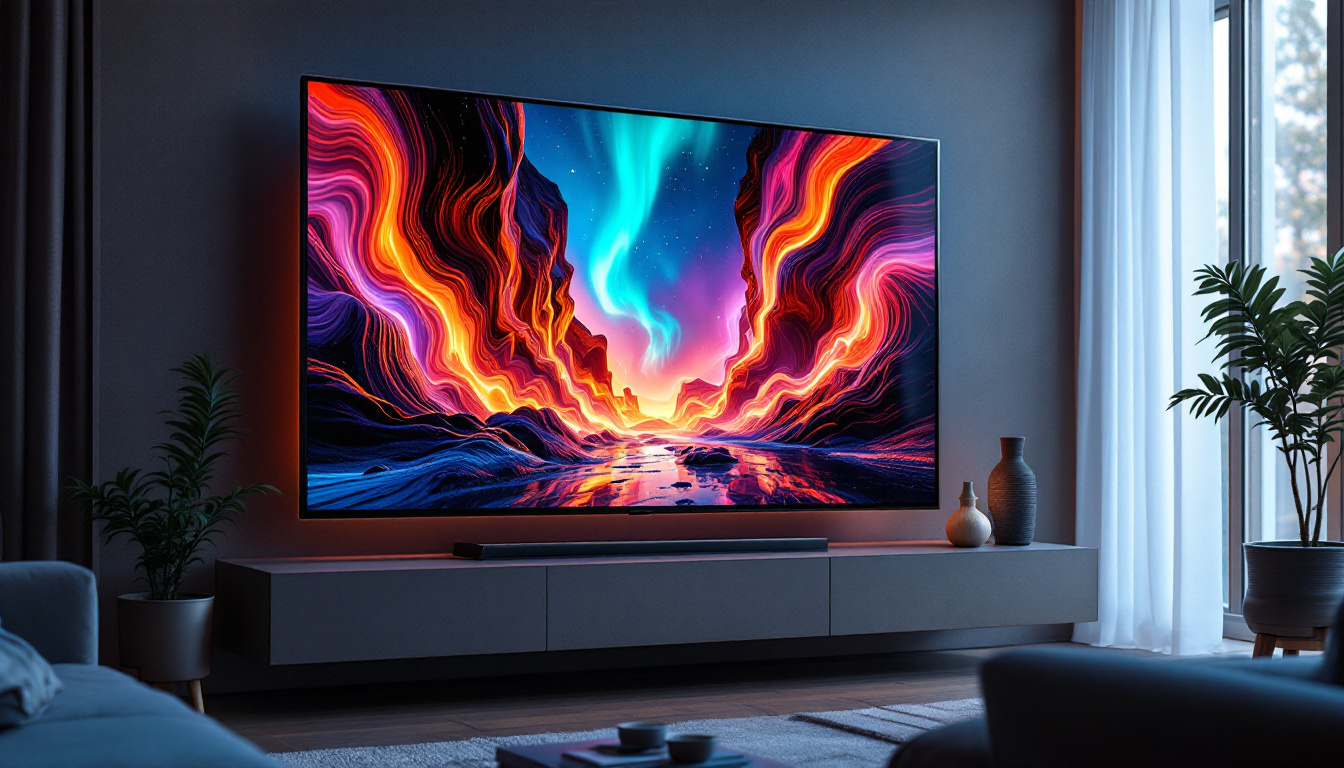
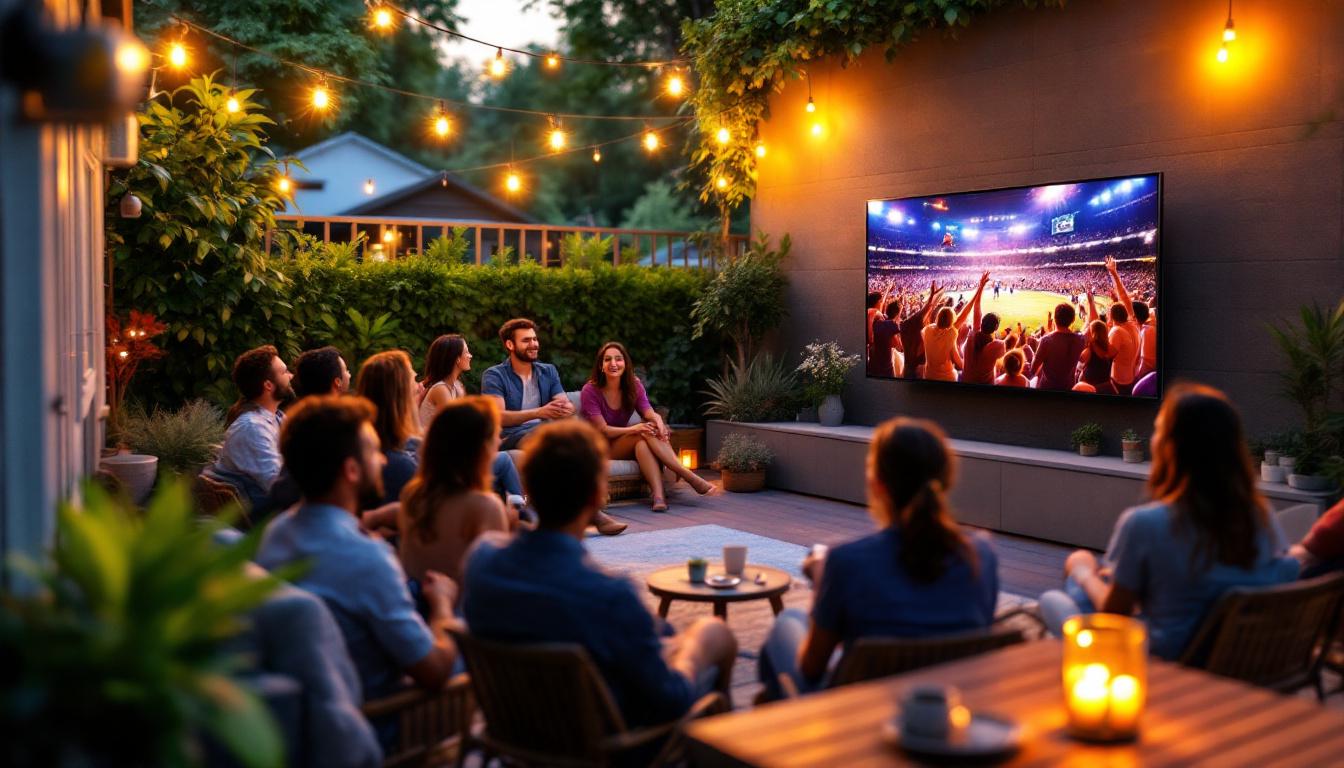
Homeowners increasingly use outdoor LED TVs to create immersive entertainment spaces. Backyard movie nights, sports viewing parties, and poolside relaxation are just a few examples where outdoor TVs elevate the experience.
With advancements in LED technology, these TVs provide the same picture quality and smart features as indoor models, making it easy to stream favorite content or connect gaming consoles outdoors.
Commercial Use: Advertising and Information Displays
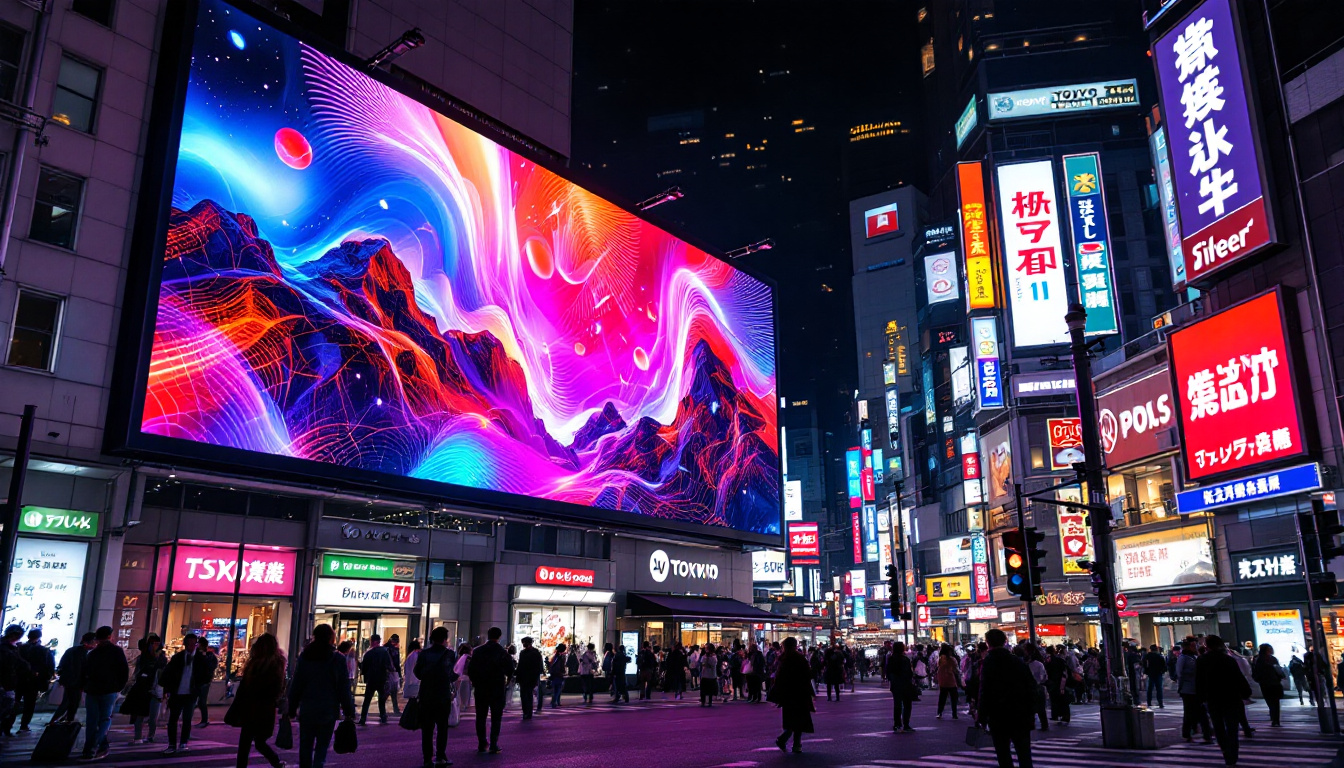
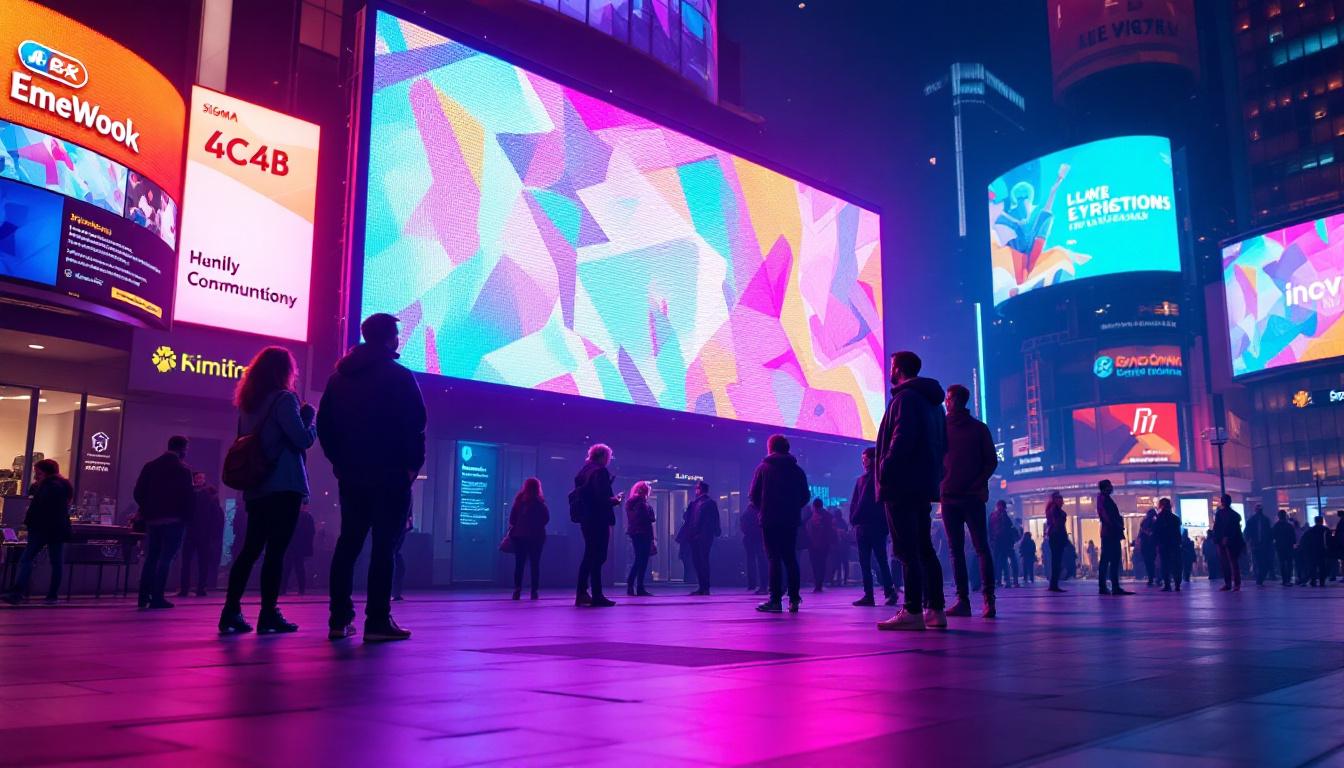
Businesses utilize outdoor LED TVs for digital signage, advertising, and information dissemination. Restaurants, bars, and retail stores benefit from dynamic displays that attract customers and convey promotional messages effectively.
In public spaces, outdoor LED TVs serve as information kiosks or event screens, providing real-time updates and engaging visuals to large audiences.
Event and Sports Venues
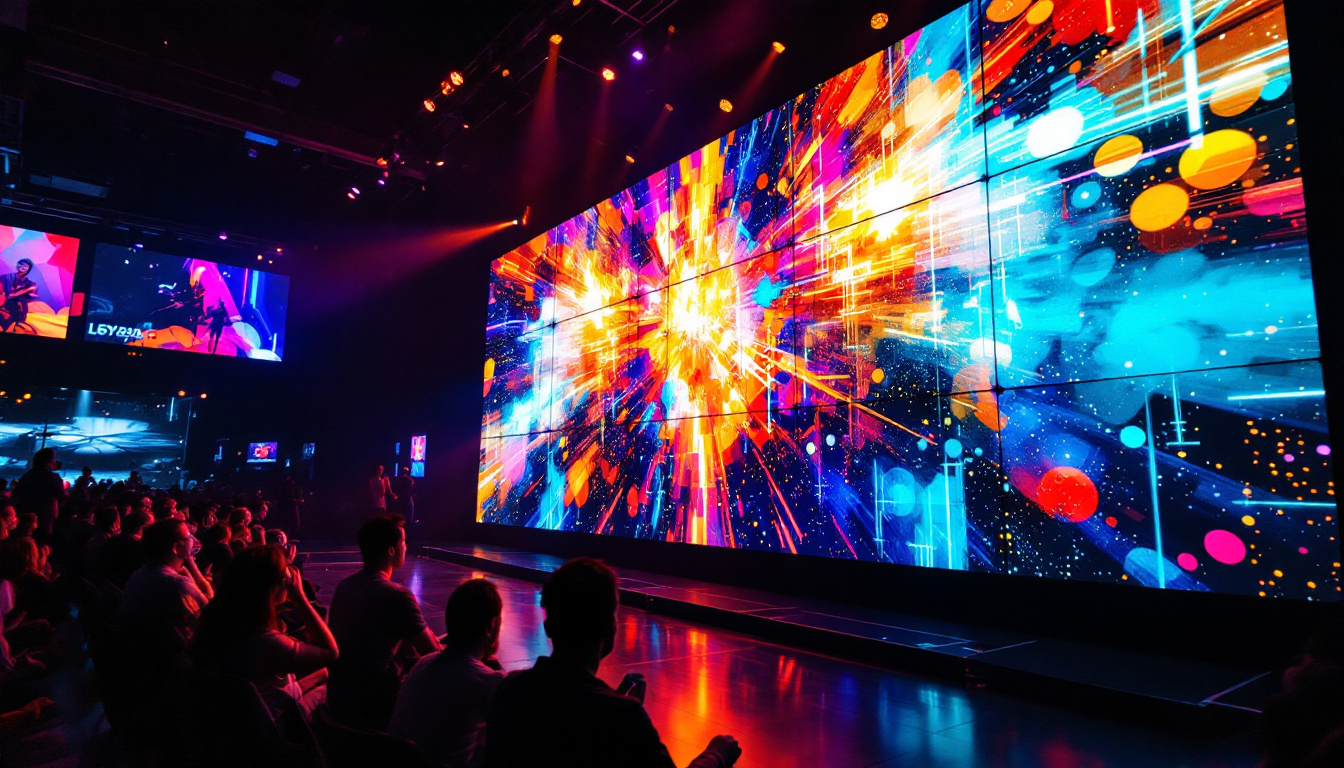
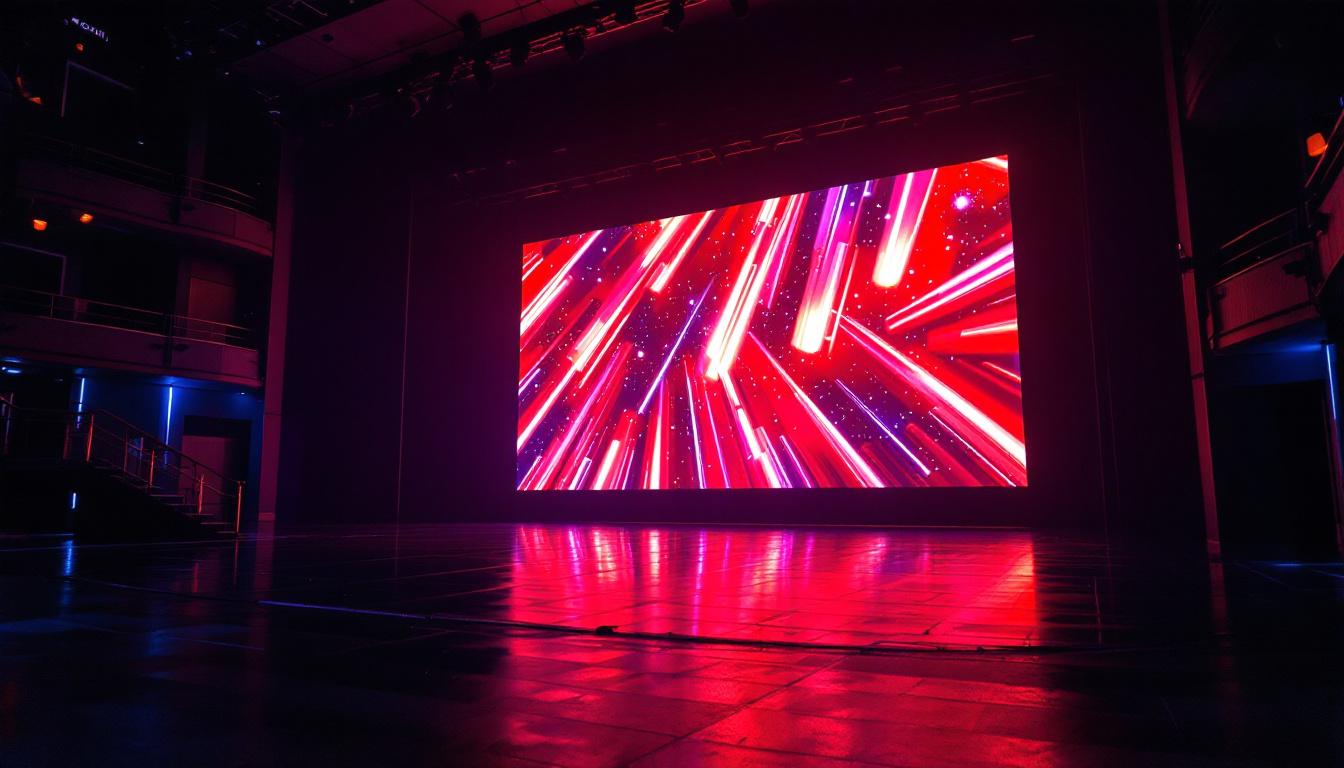
Outdoor LED TVs are integral to stadiums, arenas, and event venues where clear visibility is paramount. Their high brightness and durability ensure spectators can enjoy live broadcasts and replays regardless of weather conditions.
Maintenance Tips for Outdoor LED TVs
Proper maintenance extends the life and performance of outdoor LED TVs. While these devices are designed to be low-maintenance, some care is essential.
Regular Cleaning
Clean the screen and enclosure periodically with a soft, damp cloth to remove dust, dirt, and debris. Avoid harsh chemicals that can damage coatings or seals.
Inspect Weather Seals
Check seals and gaskets for signs of wear or damage, especially after extreme weather events. Maintaining the integrity of these seals prevents moisture ingress.
Monitor Software Updates
Keep the TV’s firmware and smart apps updated to ensure optimal performance and security. Many manufacturers provide over-the-air updates for convenience.
Professional Servicing
If any issues arise, such as screen flickering or connectivity problems, consult authorized service providers to avoid voiding warranties or causing further damage.
Conclusion
Outdoor LED TVs represent a significant advancement in outdoor entertainment technology, combining superior brightness, durability, and energy efficiency to deliver exceptional viewing experiences in open-air environments. Whether for residential enjoyment or commercial applications, understanding the technology behind LED displays and the key features of outdoor TVs is essential for making an informed purchase.
By considering factors such as brightness, weatherproofing, screen size, and connectivity, buyers can select the perfect outdoor LED TV that meets their needs and withstands the elements. With proper maintenance, these TVs provide years of reliable service, transforming outdoor spaces into vibrant entertainment hubs.
As technology continues to evolve, outdoor LED TVs will become even more accessible and feature-rich, further enhancing the way people enjoy media beyond the confines of indoor living rooms.
Discover LumenMatrix LED Display Solutions
Ready to elevate your outdoor entertainment experience with the latest in LED display technology? Look no further than LumenMatrix, a pioneer in creating visually stunning and reliable LED displays for any setting. From backyard movie nights to commercial advertising, our comprehensive range of products, including Outdoor LED Wall Displays and Custom LED Displays, are designed to meet your unique needs. Embrace the future of outdoor viewing with LumenMatrix’s innovative solutions that promise to transform your space and captivate your audience. Check out LumenMatrix LED Display Solutions today and bring your vision to life with unparalleled clarity and impact.