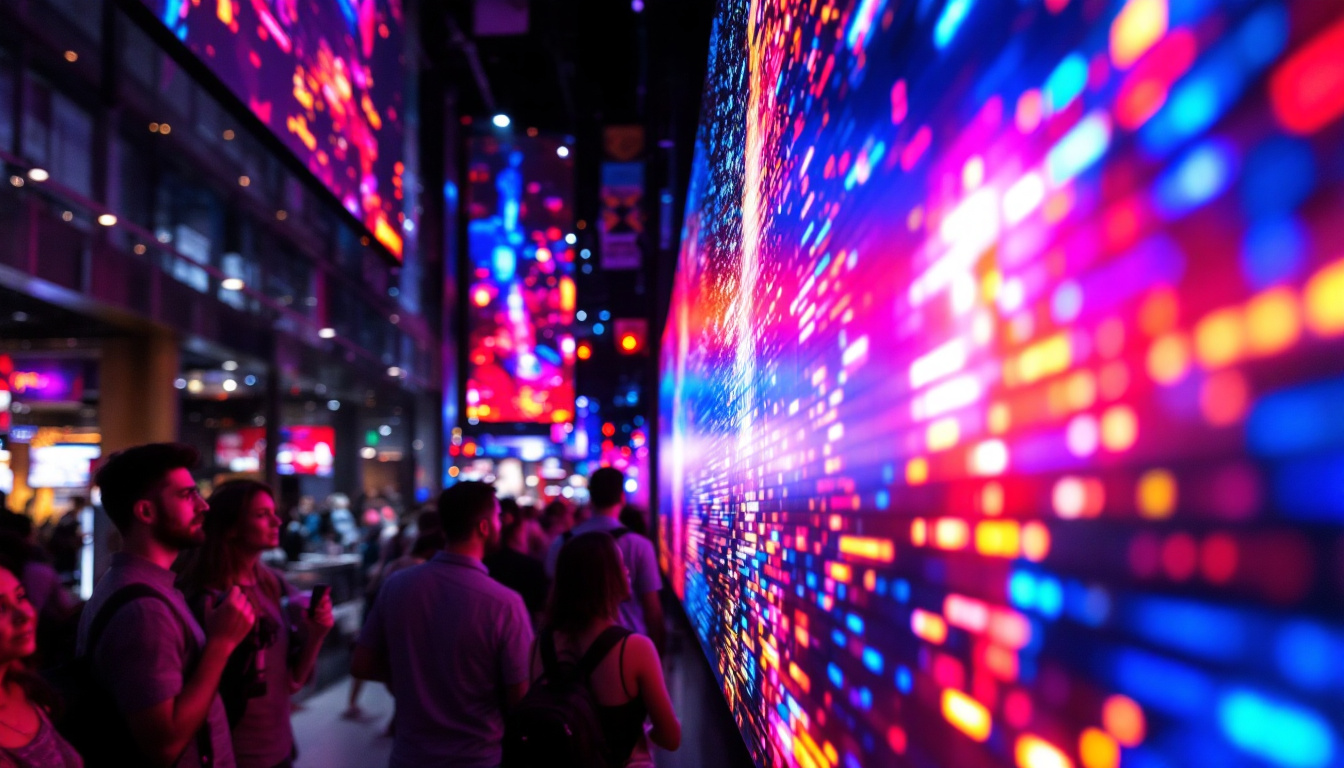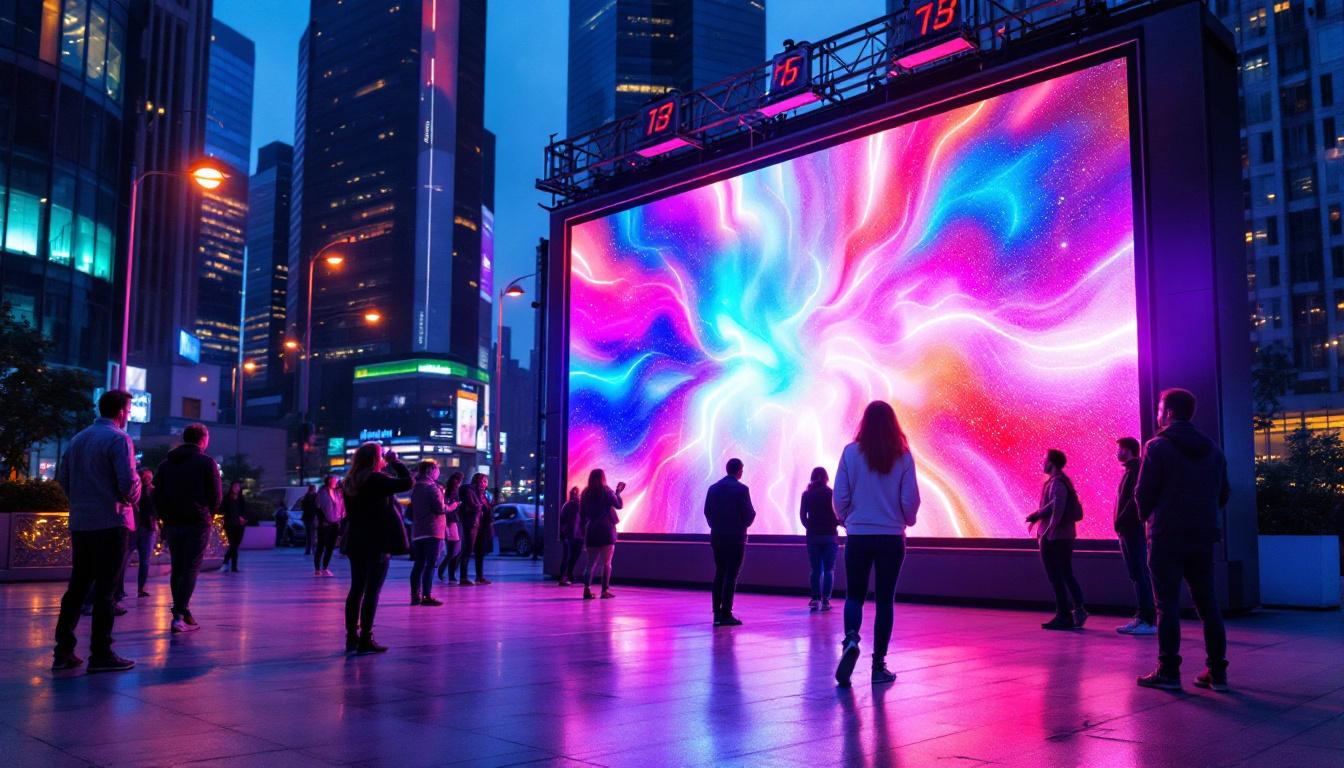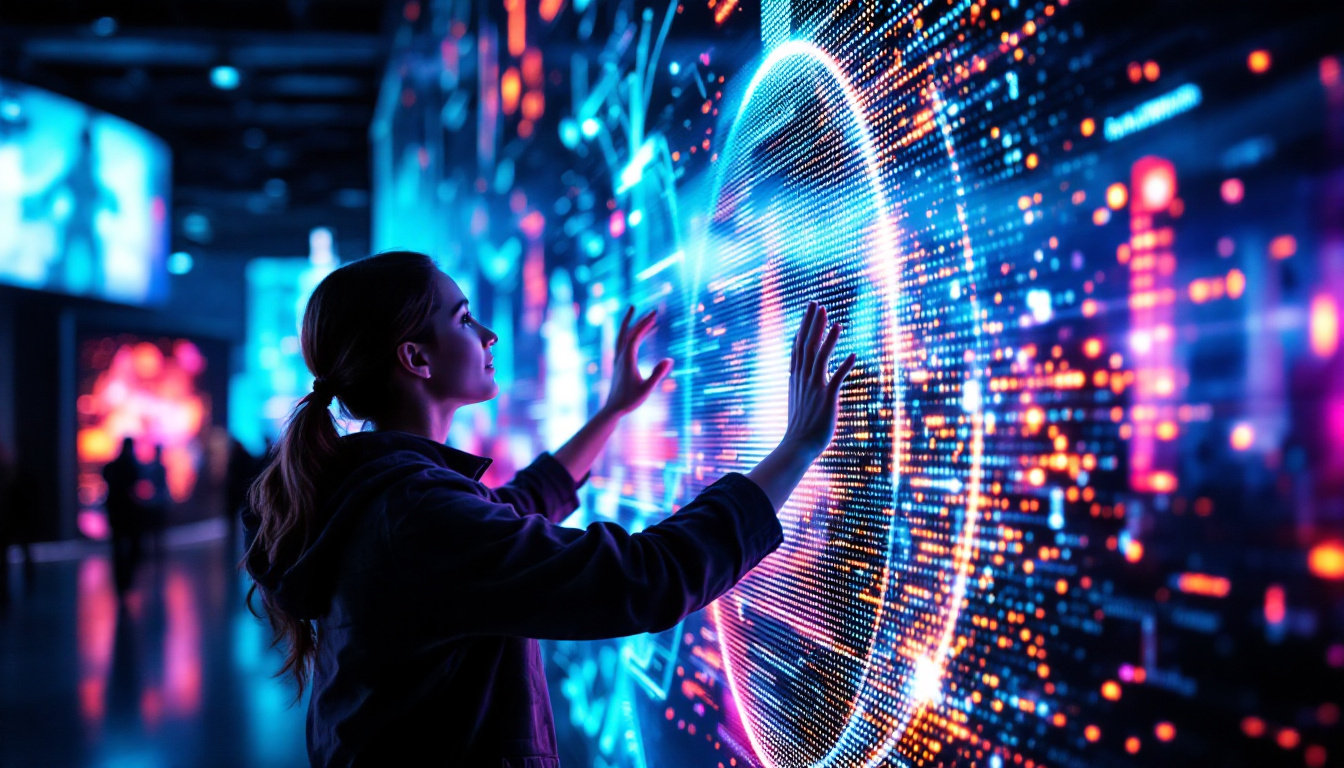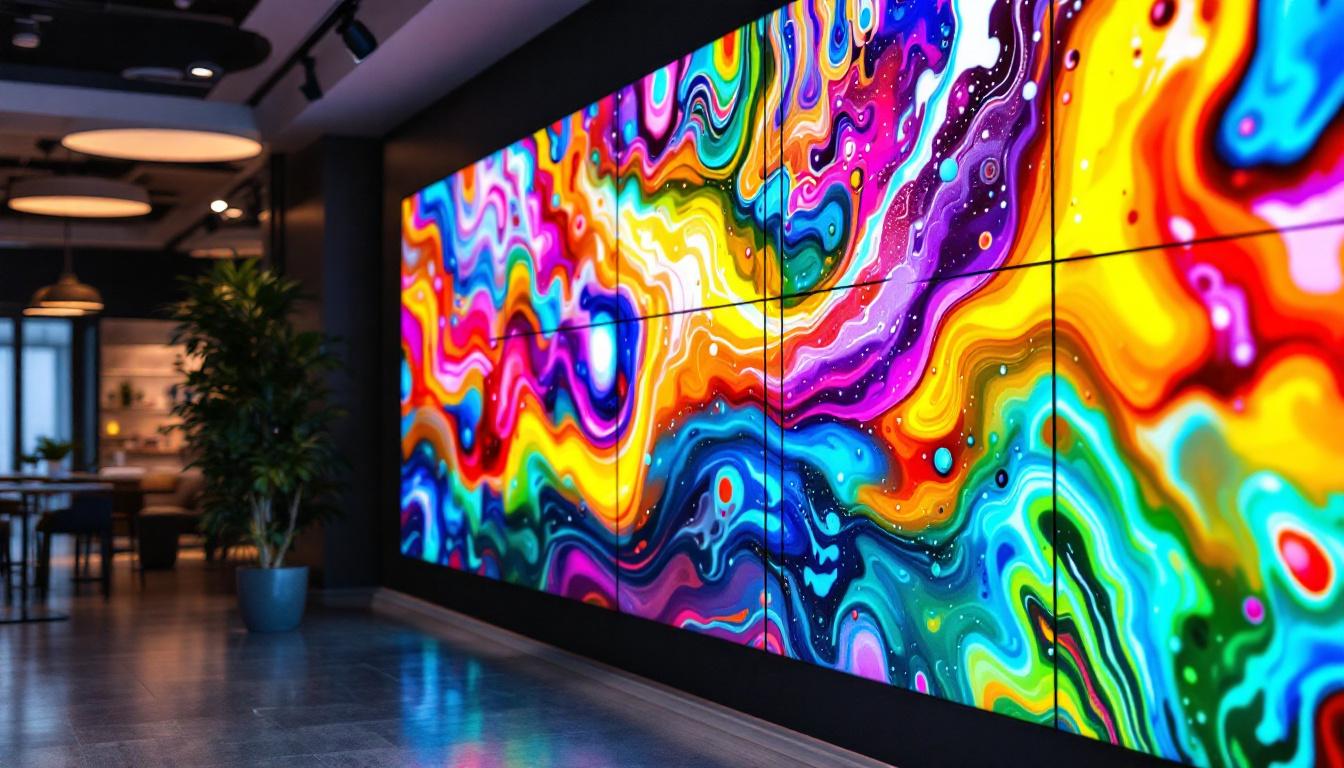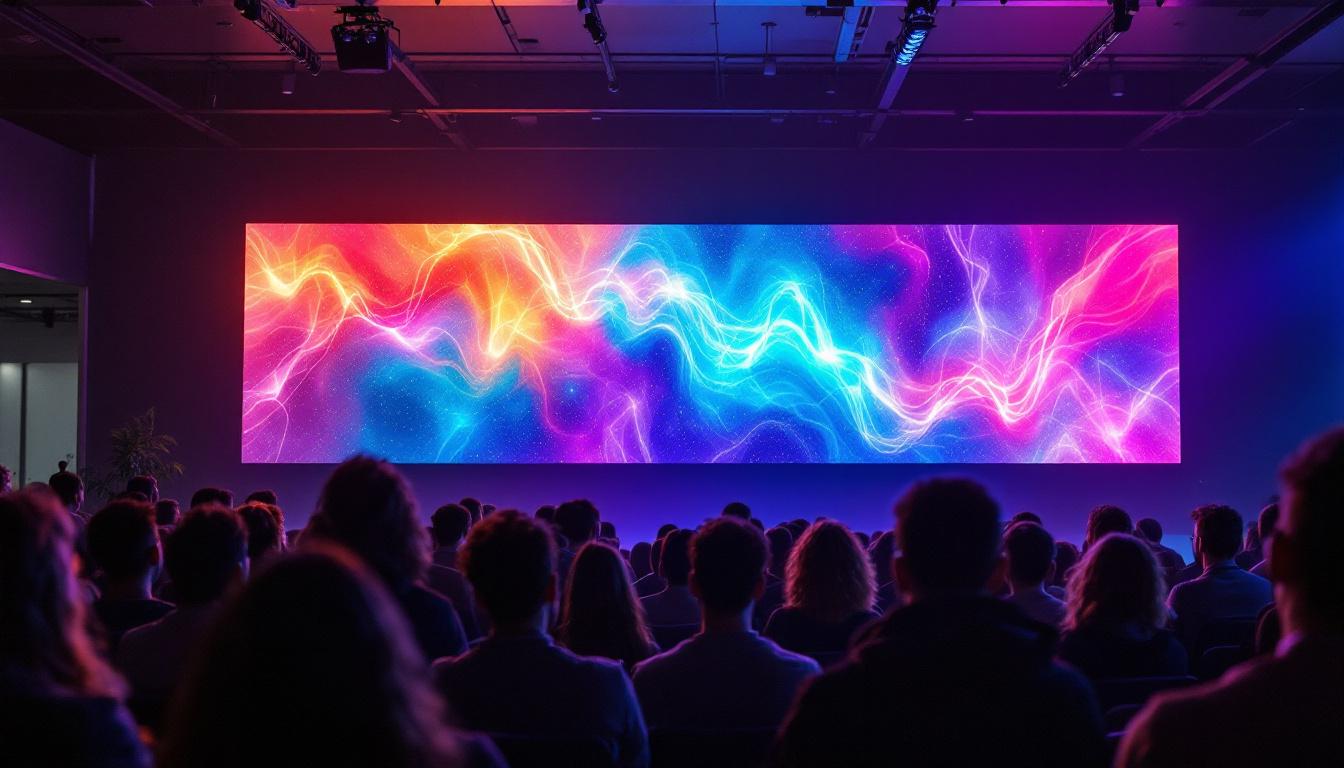
In today’s fast-evolving digital landscape, LED video wall screens have become a cornerstone technology for businesses, events, and public spaces seeking dynamic and impactful visual communication. From stadiums to retail stores, and from corporate lobbies to control rooms, LED displays offer unparalleled brightness, scalability, and versatility. This article delves into the world of LED video wall screens, explaining their technology, applications, benefits, and key considerations for selecting the right display solution.
Understanding LED Video Wall Technology
What is an LED Video Wall?
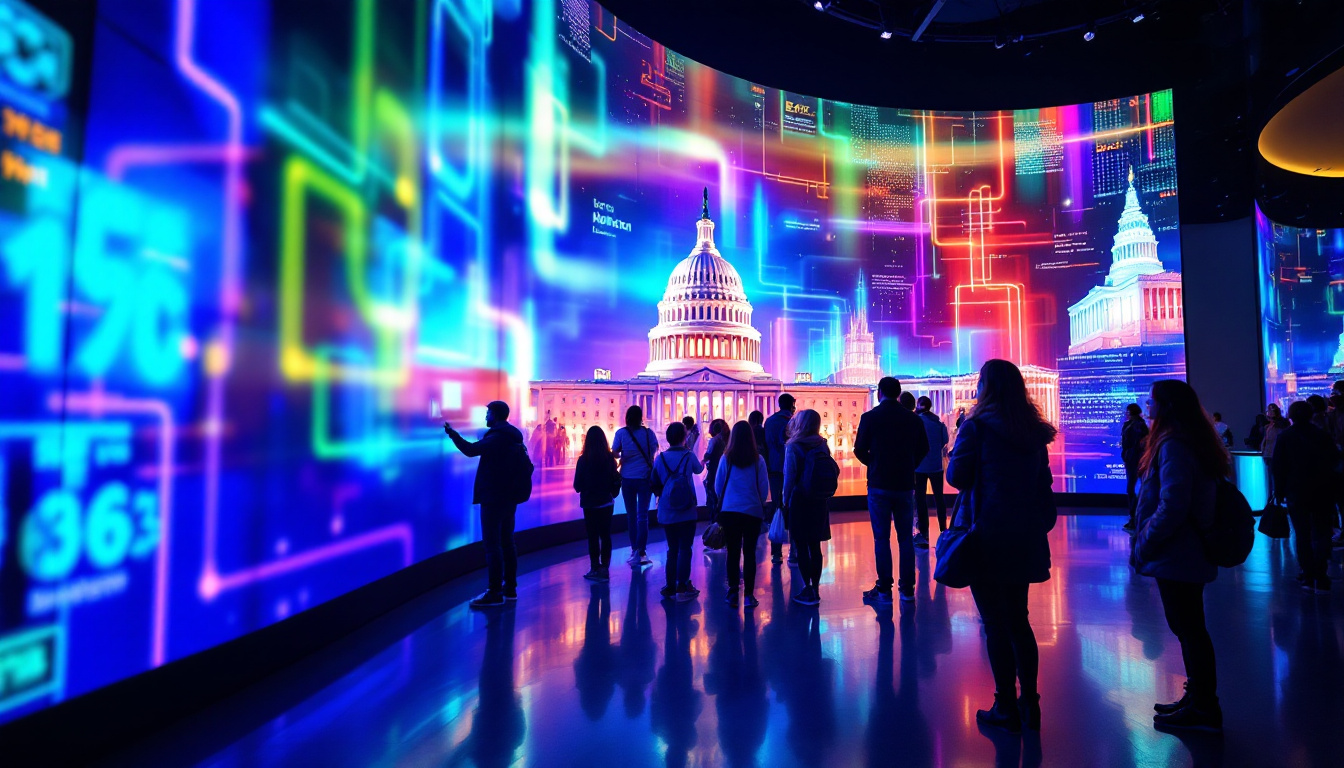
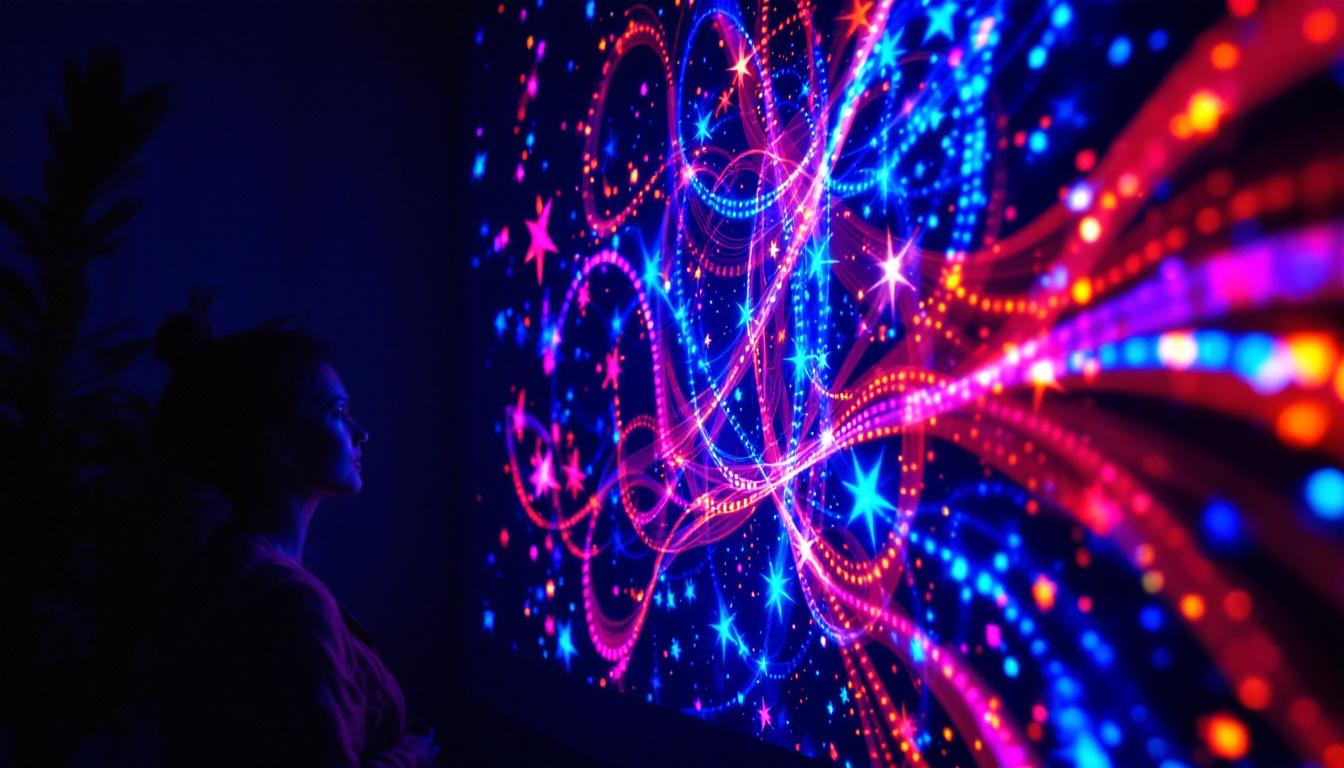
An LED video wall is a large-scale display composed of multiple LED panels seamlessly tiled together to create one expansive screen. Unlike traditional LCD or projection displays, LED walls use light-emitting diodes (LEDs) as individual pixels, which emit their own light. This self-illumination allows LED video walls to deliver vivid colors, deep blacks, and high contrast ratios even in brightly lit environments.
Each panel within a video wall contains thousands of tiny LEDs arranged in a grid. These LEDs can be red, green, and blue (RGB), which combine to produce a full spectrum of colors. When these panels are connected, they form a continuous display surface that can be customized in size and shape to suit various needs. The versatility of LED video walls makes them popular in a range of settings, from corporate environments to entertainment venues, where they can be used for presentations, live events, or immersive experiences.
Moreover, the modular nature of LED panels allows for easy maintenance and upgrades. If a panel fails or becomes damaged, it can be replaced without having to dismantle the entire wall, ensuring minimal downtime and continued operation. This adaptability is a significant advantage for businesses that rely on these displays for critical communications or promotional activities.
Types of LEDs Used in Video Walls
There are primarily two types of LEDs used in video walls: surface-mounted device (SMD) LEDs and discrete LEDs. SMD LEDs are compact and integrate red, green, and blue diodes into a single package, allowing for higher pixel density and finer image resolution. This makes SMD LED video walls ideal for indoor applications where viewers are close to the screen.
Discrete LEDs, on the other hand, have separate red, green, and blue diodes and are typically larger. They are often used in outdoor video walls where higher brightness and durability are required to withstand environmental factors like sunlight and weather conditions. Outdoor installations must also consider additional features such as weatherproofing and UV resistance, ensuring that the display remains functional and visually appealing despite exposure to the elements.
Furthermore, advancements in LED technology have led to the development of hybrid systems that can combine the best features of both SMD and discrete LEDs. These systems can optimize performance based on specific use cases, providing stunning visual experiences in a variety of settings, from concerts to sports arenas.
Pixel Pitch and Resolution
One of the most critical specifications in LED video walls is pixel pitch, which refers to the distance between the centers of two adjacent pixels, measured in millimeters. A smaller pixel pitch means more pixels per square meter, resulting in higher resolution and sharper images. For example, a 1.5mm pixel pitch is common for indoor video walls where viewers are close, while outdoor walls often have pixel pitches ranging from 4mm to 20mm or more.
Choosing the right pixel pitch depends on the viewing distance. As a rule of thumb, the optimal viewing distance in meters is roughly equal to the pixel pitch in millimeters multiplied by 1.5 to 2. This ensures images appear clear and detailed without unnecessary cost from overly dense pixels. Additionally, advancements in technology have allowed manufacturers to create ultra-fine pixel pitch displays, which can provide exceptional detail even at very close viewing distances, making them ideal for high-end applications such as art galleries or high-resolution advertising.
Moreover, the resolution of an LED video wall can significantly impact the viewer’s experience. Higher resolutions not only enhance the clarity of images but also allow for more intricate content, such as detailed graphics or high-definition videos. As content creation continues to evolve, the demand for higher resolution displays is likely to increase, pushing the boundaries of what LED video walls can achieve in terms of visual fidelity and engagement.
Applications of LED Video Walls
Corporate and Retail Environments
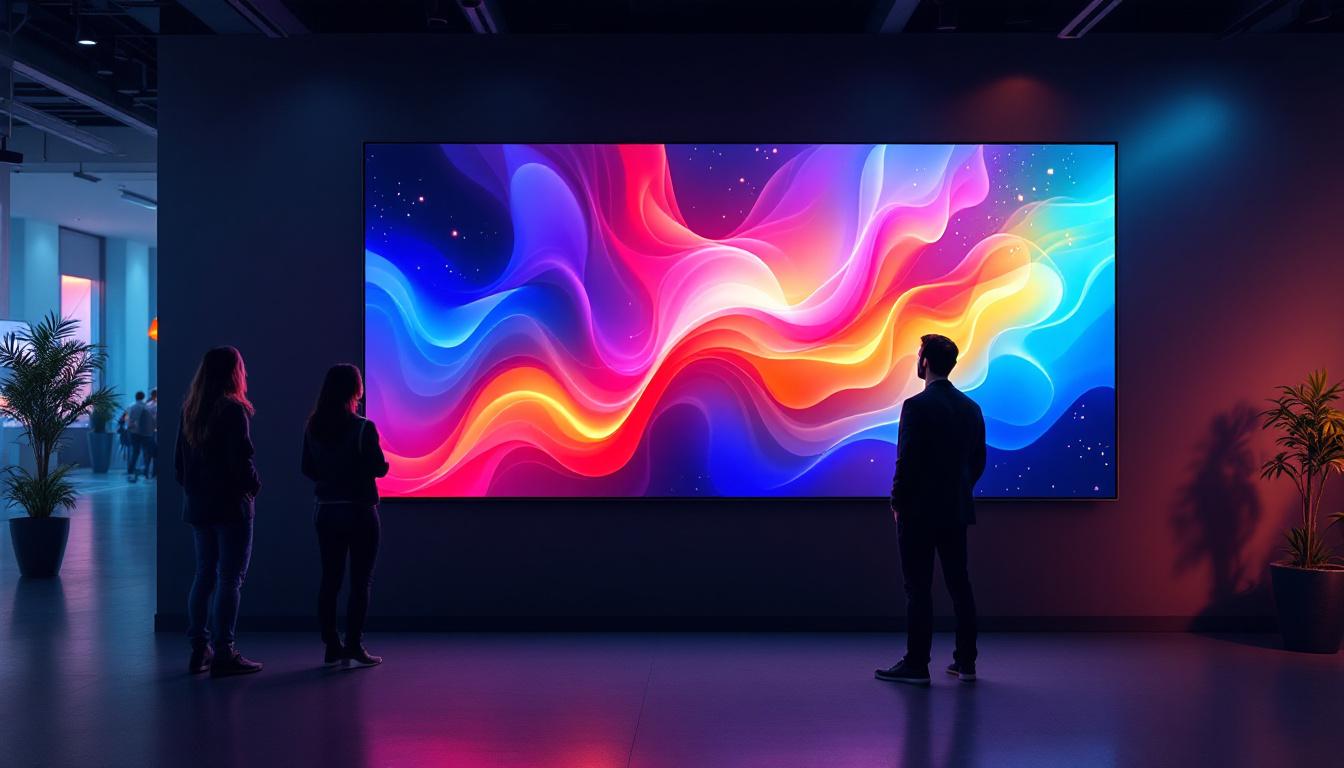
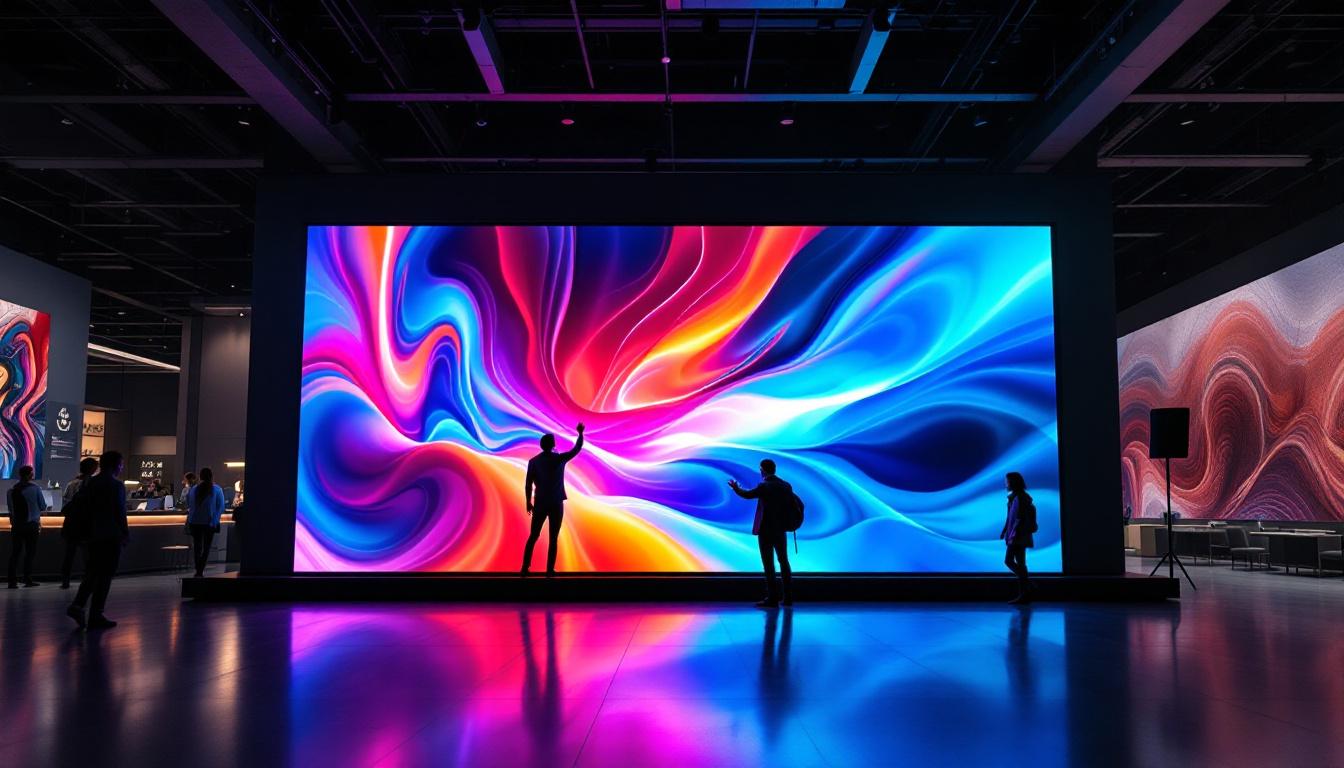
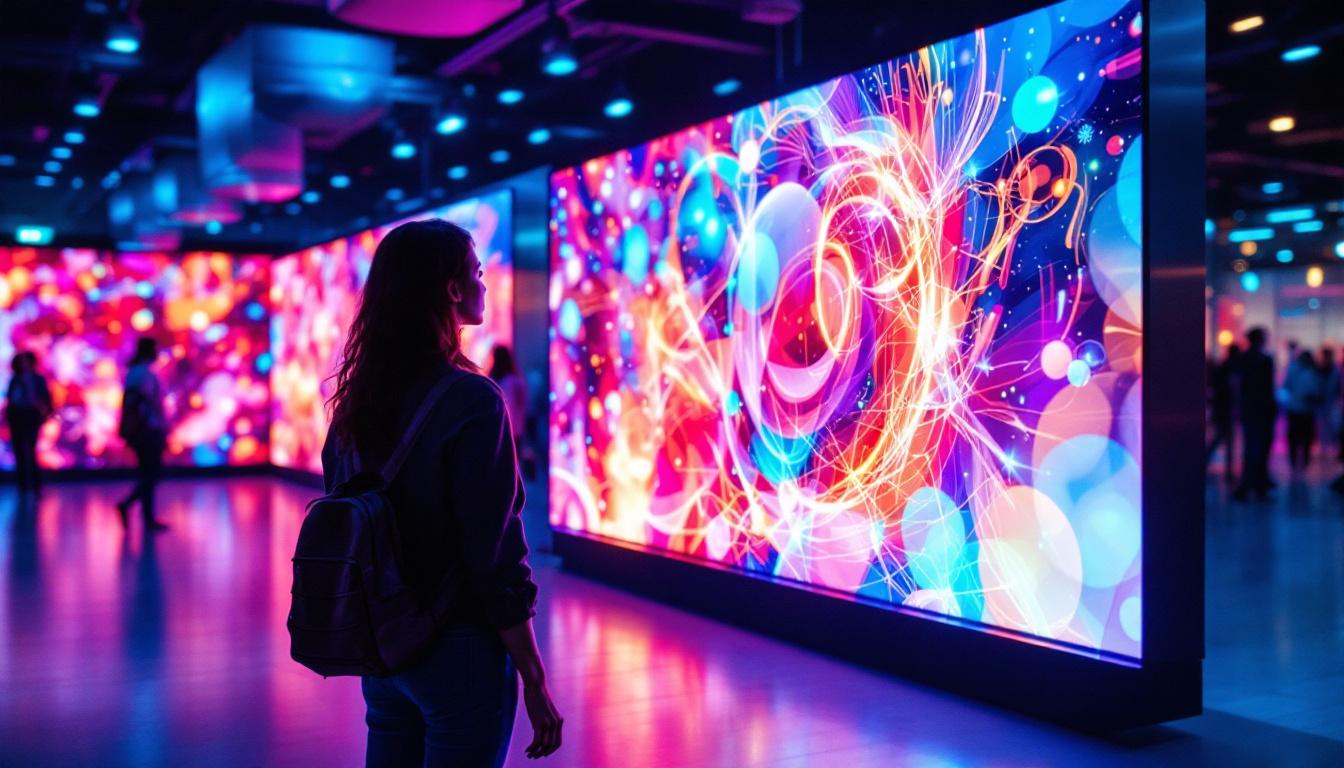
In corporate settings, LED video walls are widely used for presentations, digital signage, and branding. They transform lobbies, conference rooms, and auditoriums into engaging spaces where companies can showcase their products, services, and corporate messages with stunning visuals.
Retailers leverage LED displays to attract customers, promote sales, and enhance the shopping experience. Dynamic content such as promotional videos, interactive advertisements, and real-time social media feeds can be displayed to capture attention and drive engagement.
Entertainment and Sports Venues
Stadiums and arenas have embraced LED video walls to enhance spectator experiences. Giant LED screens display live game footage, replays, and interactive content, making events more immersive. The ability to customize screen size and shape allows venues to optimize sightlines and maximize visibility for tens of thousands of attendees.
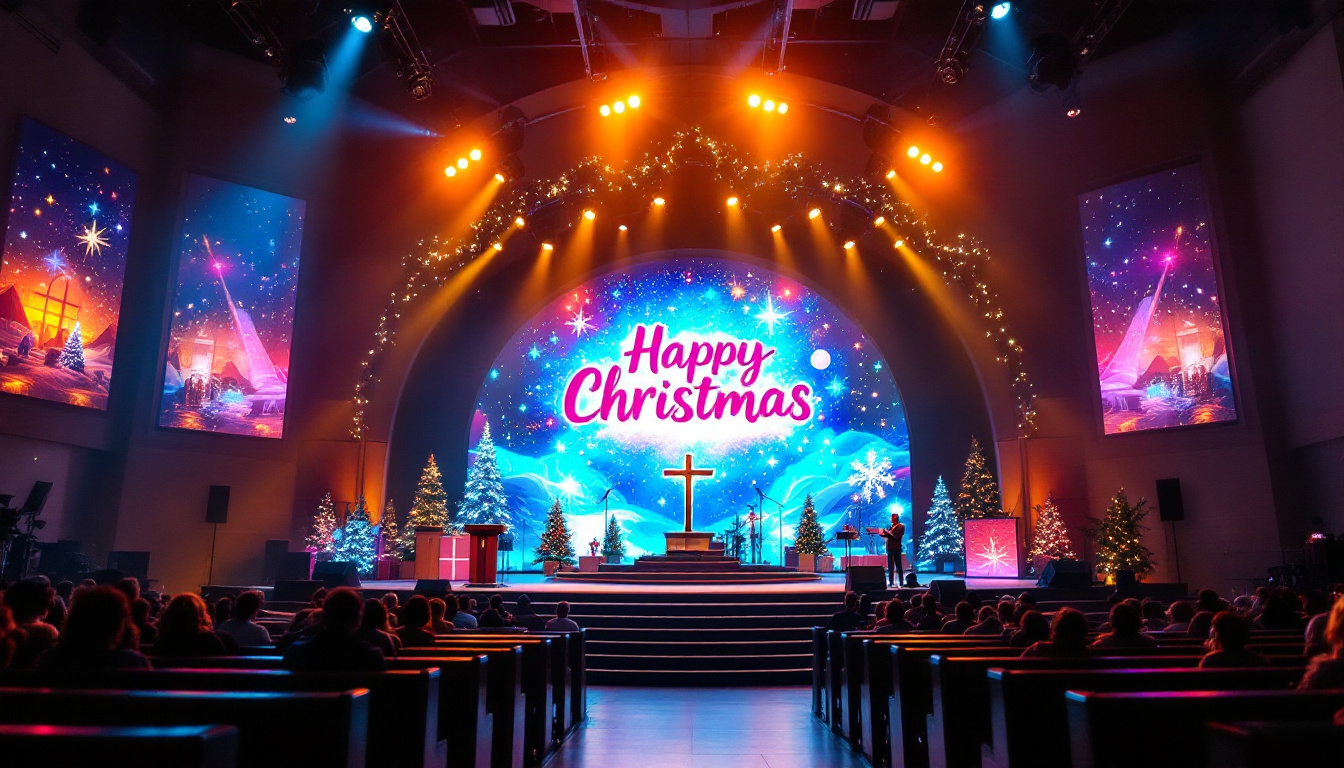
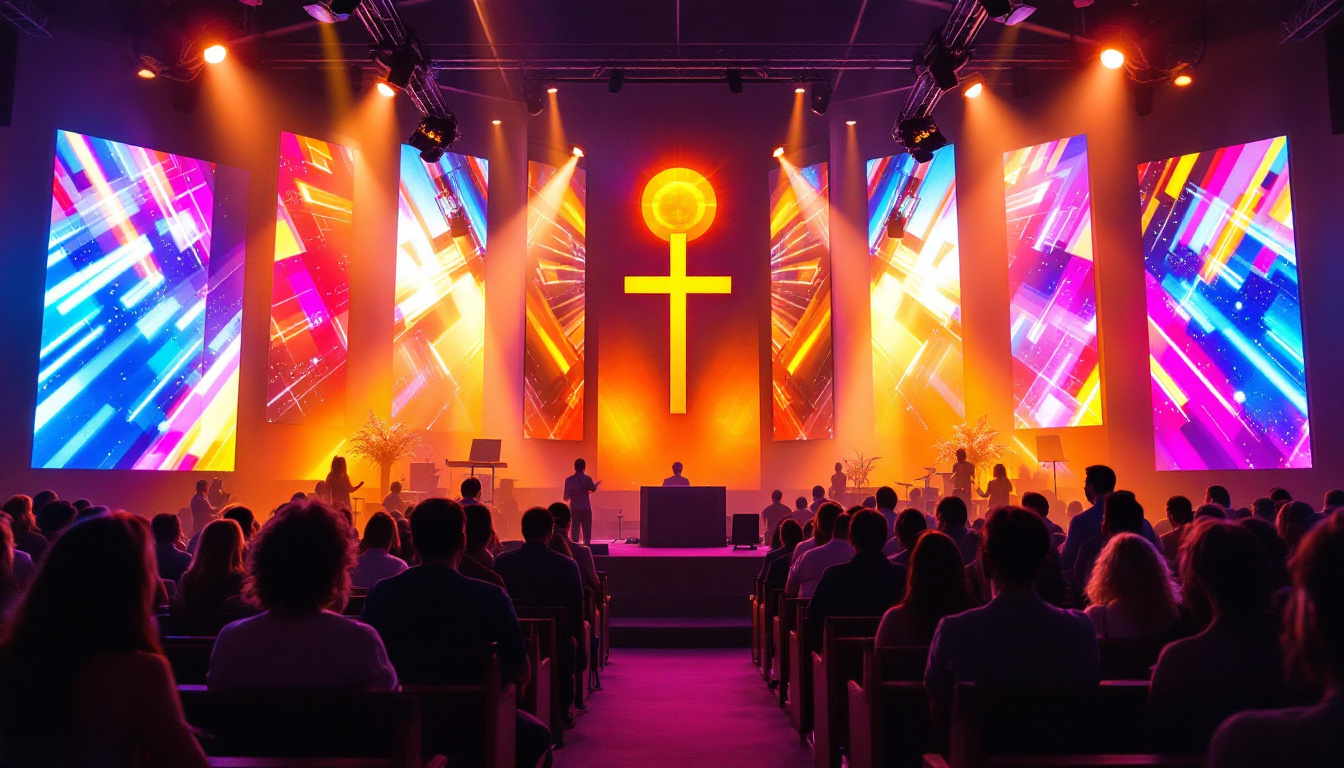
Concerts and festivals also utilize LED walls as backdrops and stage elements, providing vibrant visuals that synchronize with performances. The high brightness and color accuracy of LED technology ensure visibility even under intense stage lighting and outdoor conditions.
Transportation and Public Spaces
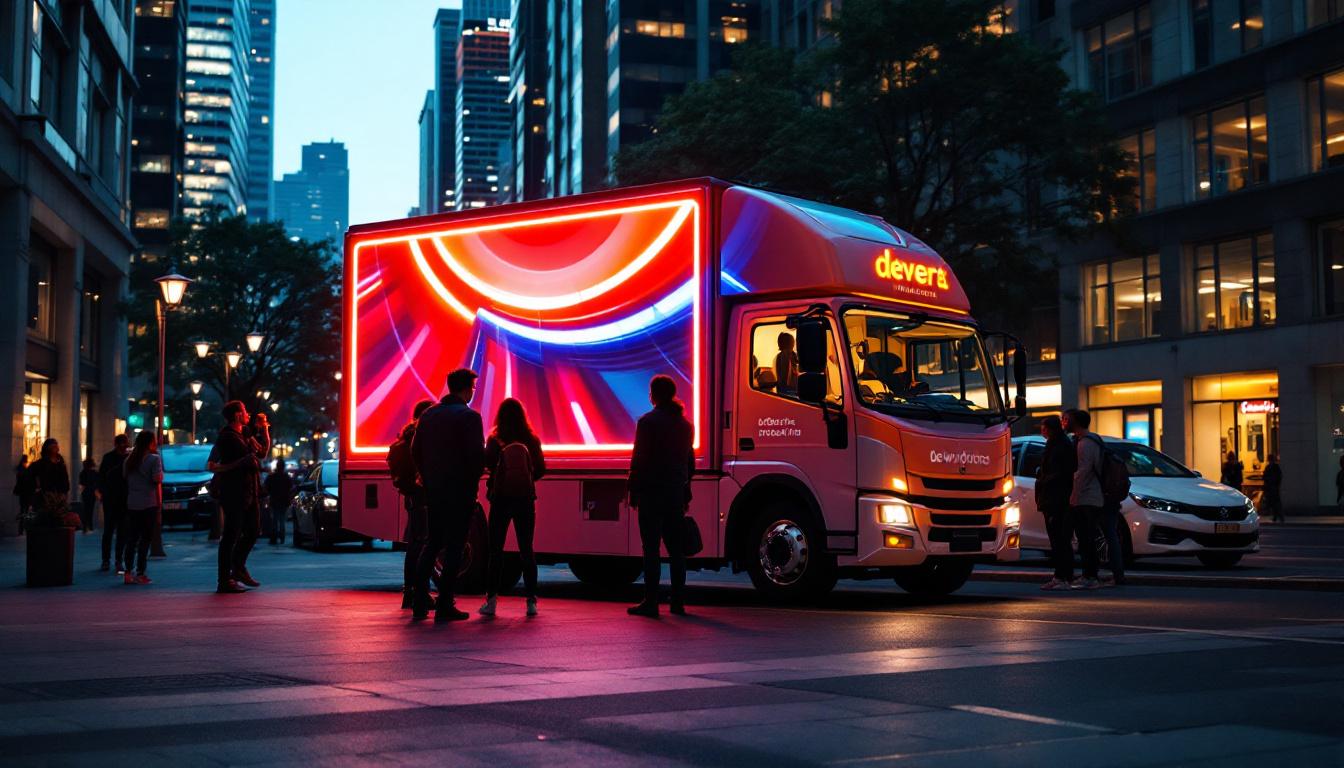
Airports, train stations, and bus terminals use LED video walls for wayfinding, real-time updates, and advertising. The durability and brightness of LED displays make them ideal for high-traffic areas where information must be clearly visible at all times.
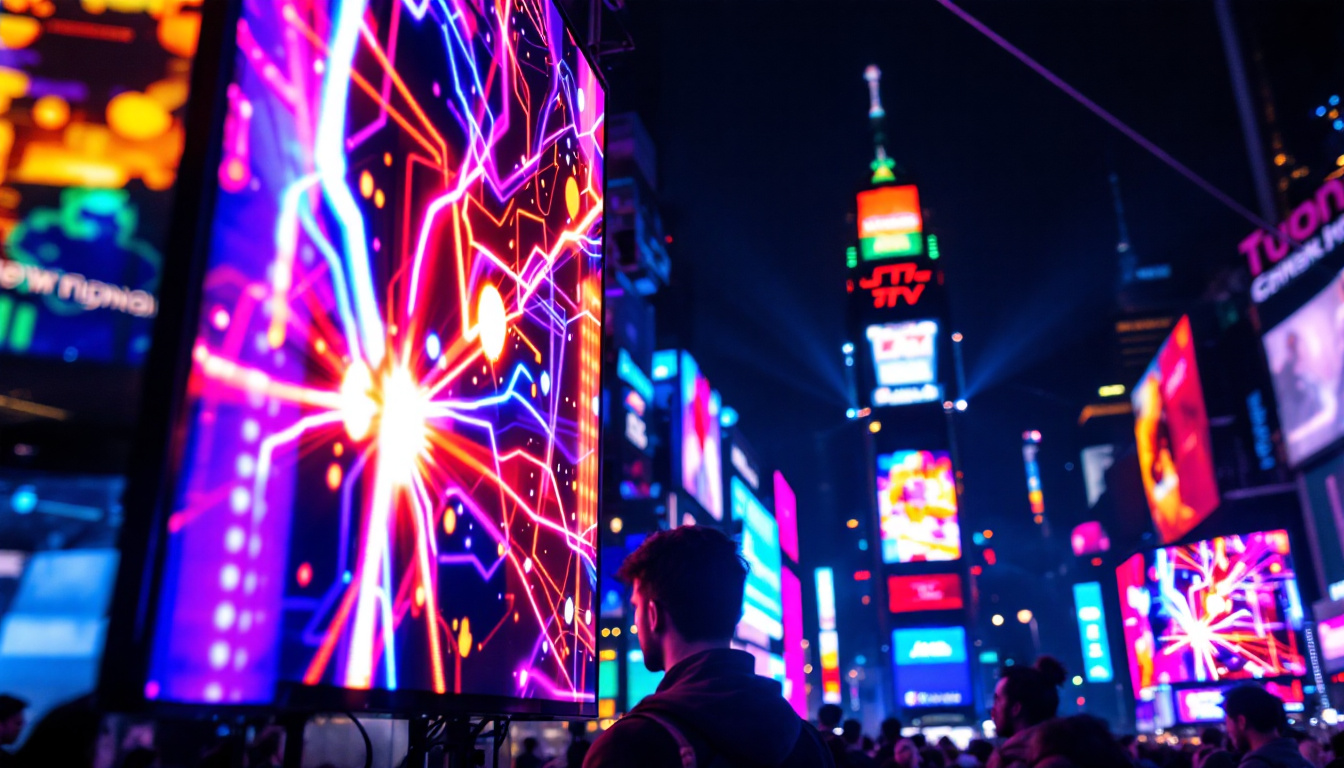
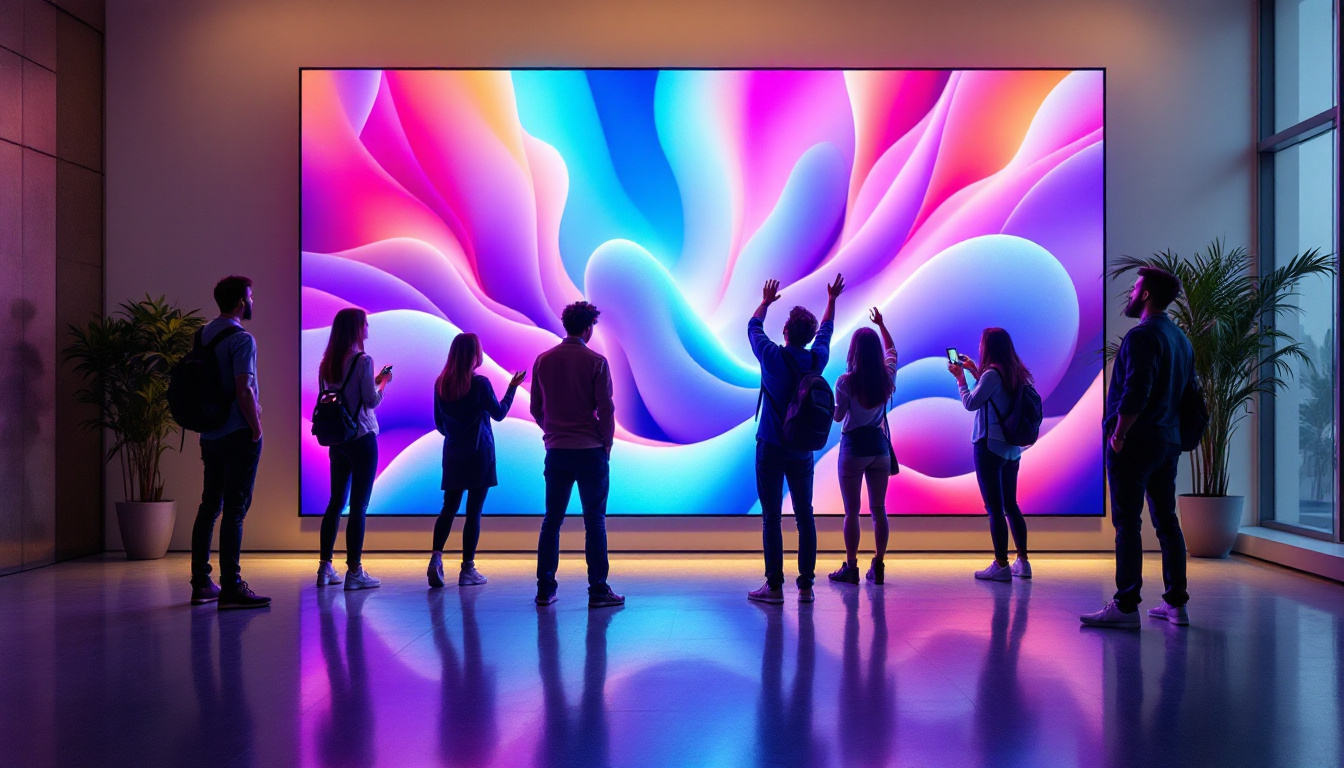
Public spaces such as city squares and event venues often feature large-scale LED video walls for public announcements, art installations, and community engagement. These installations can be interactive, enabling users to participate through touch or mobile devices.
Benefits of LED Video Walls
Superior Image Quality and Brightness
LED video walls are renowned for their exceptional brightness levels, often exceeding 1,000 nits for indoor screens and reaching up to 5,000 nits or more outdoors. This ensures content remains visible even in direct sunlight, a significant advantage over LCD and projection systems.
The high contrast ratio and wide color gamut of LEDs produce vibrant, lifelike images that captivate audiences. Additionally, LED technology supports high refresh rates, reducing flicker and motion blur, which is crucial for video playback and live broadcasts.
Scalability and Flexibility
One of the standout features of LED video walls is their modularity. Panels can be combined in various configurations to create custom sizes and shapes, from small digital signage to massive immersive displays. This flexibility allows designers and engineers to tailor installations to specific spatial and aesthetic requirements.
Moreover, LED walls can be curved or angled to fit architectural features, enabling creative and innovative display solutions that enhance the environment rather than detract from it.
Durability and Energy Efficiency
LED panels are built to withstand harsh conditions, especially outdoor models that are weatherproof and resistant to dust and moisture. Their long lifespan—often exceeding 100,000 hours—means lower maintenance and replacement costs over time.
Energy efficiency is another key benefit. LEDs consume less power compared to traditional lighting and projection systems, contributing to reduced operational costs and a smaller environmental footprint.
Key Considerations When Choosing an LED Video Wall
Viewing Distance and Environment
Understanding the typical viewing distance is essential to selecting the appropriate pixel pitch and resolution. Indoor environments with close-up viewing require finer pixel pitches for crisp images, while outdoor or large venue displays can use larger pixel pitches without sacrificing perceived quality.
Environmental factors such as ambient light levels, weather exposure, and installation location also influence the choice of LED type and brightness. Outdoor screens must be bright enough to compete with sunlight and robust enough to endure rain, wind, and temperature fluctuations.
Content and Usage Requirements
The nature of the content to be displayed impacts the technical specifications needed. For example, video playback, live streaming, and interactive applications demand high refresh rates and low latency. Static images or text-based content may allow for more cost-effective solutions with lower pixel density.
Consideration should also be given to the control system and software used to manage the content. Advanced video processors and content management systems enable seamless integration, scheduling, and real-time updates.
Installation and Maintenance
LED video walls require professional installation to ensure proper alignment, calibration, and electrical safety. Accessibility for maintenance is crucial, especially for large or permanent installations. Front-serviceable panels allow technicians to perform repairs without dismantling the entire wall, reducing downtime.
Additionally, ongoing maintenance plans should be established to monitor performance, clean panels, and address any technical issues promptly to maintain optimal image quality.
Future Trends in LED Video Wall Technology
Mini-LED and Micro-LED Innovations
Emerging technologies such as Mini-LED and Micro-LED promise to revolutionize LED video walls by offering even higher pixel densities, improved color accuracy, and greater energy efficiency. Micro-LED, in particular, uses microscopic LEDs that can be individually controlled, enabling displays with exceptional brightness and contrast without the need for backlighting.
These advancements are expected to drive the adoption of LED video walls in new applications, including ultra-high-definition home theaters, medical imaging, and augmented reality environments.
Integration with AI and IoT
Artificial intelligence (AI) and the Internet of Things (IoT) are increasingly integrated with LED video walls to enable smarter content delivery and interactivity. AI algorithms can analyze audience behavior and preferences to tailor displayed content dynamically, enhancing engagement and effectiveness.
IoT connectivity allows LED walls to interact with other devices and systems, facilitating real-time data visualization, environmental responsiveness, and remote management. This convergence of technologies is transforming LED video walls into intelligent communication hubs.
Eco-Friendly and Sustainable Solutions
As sustainability becomes a priority across industries, LED video wall manufacturers are focusing on eco-friendly materials, energy-saving designs, and recycling programs. Innovations in power management and manufacturing processes aim to reduce the environmental impact of large-scale digital displays.
These efforts align with corporate social responsibility goals and regulatory requirements, making LED video walls a responsible choice for forward-thinking organizations.
Conclusion
LED video wall screens represent a powerful medium for visual communication, combining cutting-edge technology with flexibility and durability. Understanding the fundamentals of LED technology, application scenarios, and key selection criteria is essential for making informed decisions that maximize the impact and return on investment of these displays.
As the technology continues to evolve, LED video walls will play an increasingly vital role in shaping immersive environments, enhancing audience engagement, and delivering compelling digital experiences across diverse sectors.
Discover LumenMatrix’s Innovative LED Display Solutions
Ready to elevate your visual communication with the latest in LED display technology? LumenMatrix is at the forefront of creating immersive and dynamic visual experiences. Whether you’re looking to enhance your corporate space, captivate retail customers, or engage audiences at large events, our extensive range of LED display solutions—including Indoor and Outdoor LED Wall Displays, Vehicle LED Displays, and more—provides the versatility and performance you need. Experience the future of digital signage with LumenMatrix and transform your space into a captivating visual journey. Check out LumenMatrix LED Display Solutions today and see the difference innovation can make.