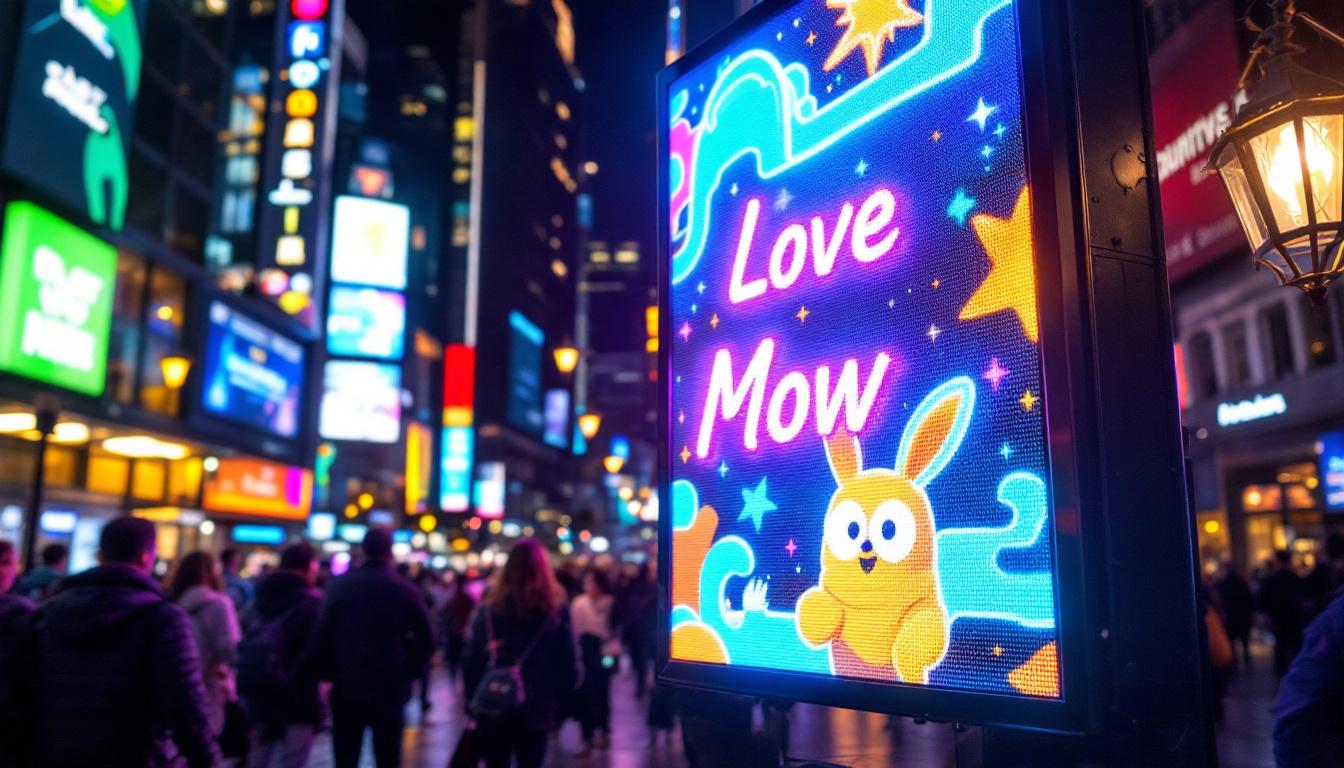
In the world of visual communication and advertising, LED marquee boards have become a staple for businesses, event organizers, and public spaces. These vibrant, eye-catching displays offer a dynamic way to convey messages, promotions, and information. But what exactly is an LED marquee board, and how does the LED display technology behind it work? This article dives deep into the fundamentals of LED marquee boards, exploring their technology, benefits, applications, and future trends.
Understanding LED Marquee Boards: What Are They?
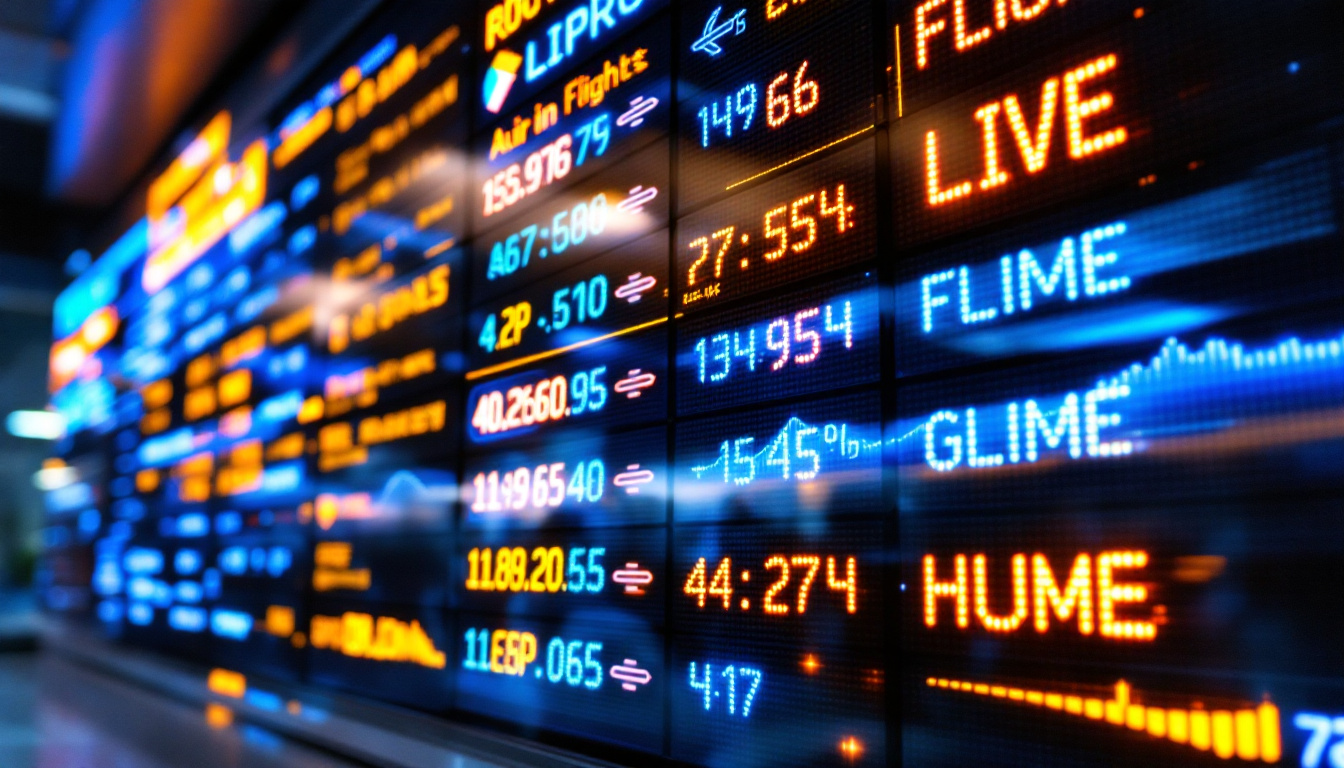
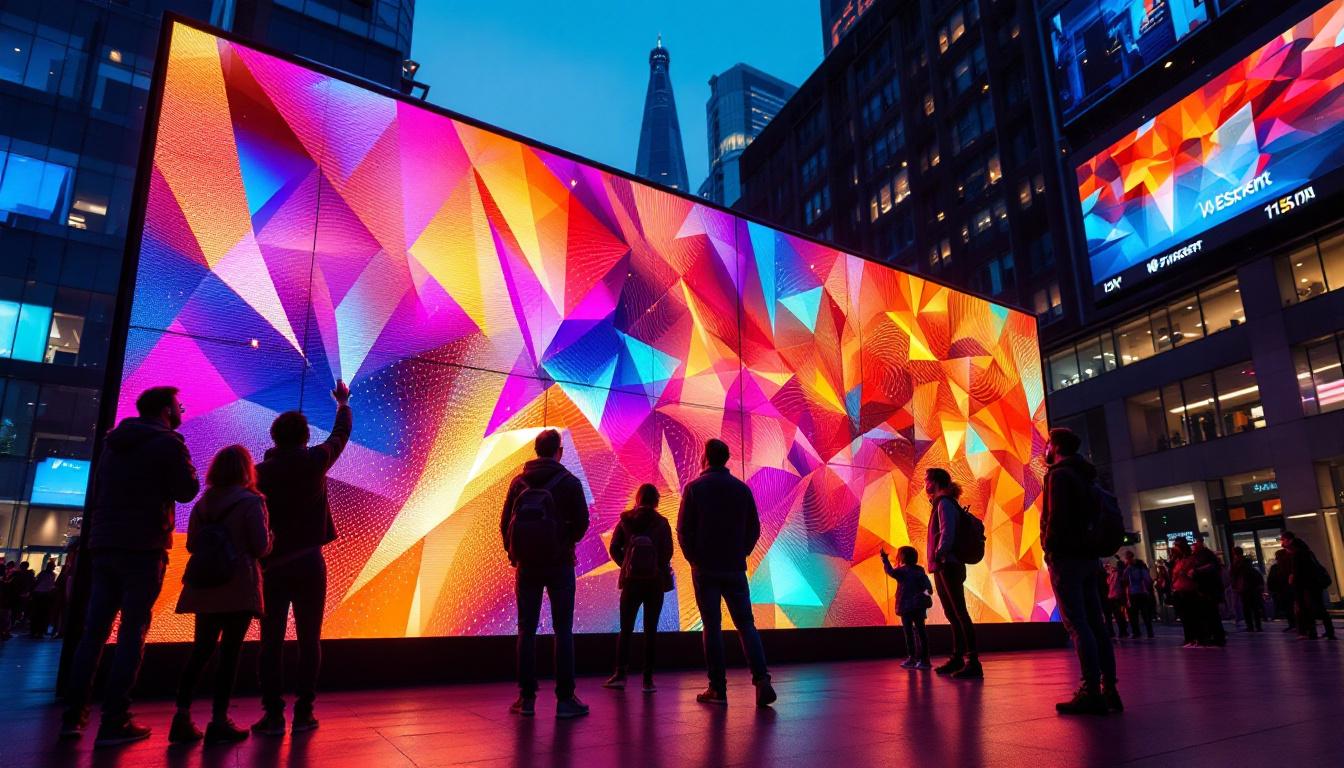
LED marquee boards are electronic signboards that use light-emitting diodes (LEDs) to display text, images, and animations. Unlike traditional static signs, these boards can change their content dynamically, making them highly versatile for various communication needs. The term “marquee” traditionally refers to a signboard placed outside theaters or venues to announce upcoming shows or events, and LED technology has modernized this concept for broader use.
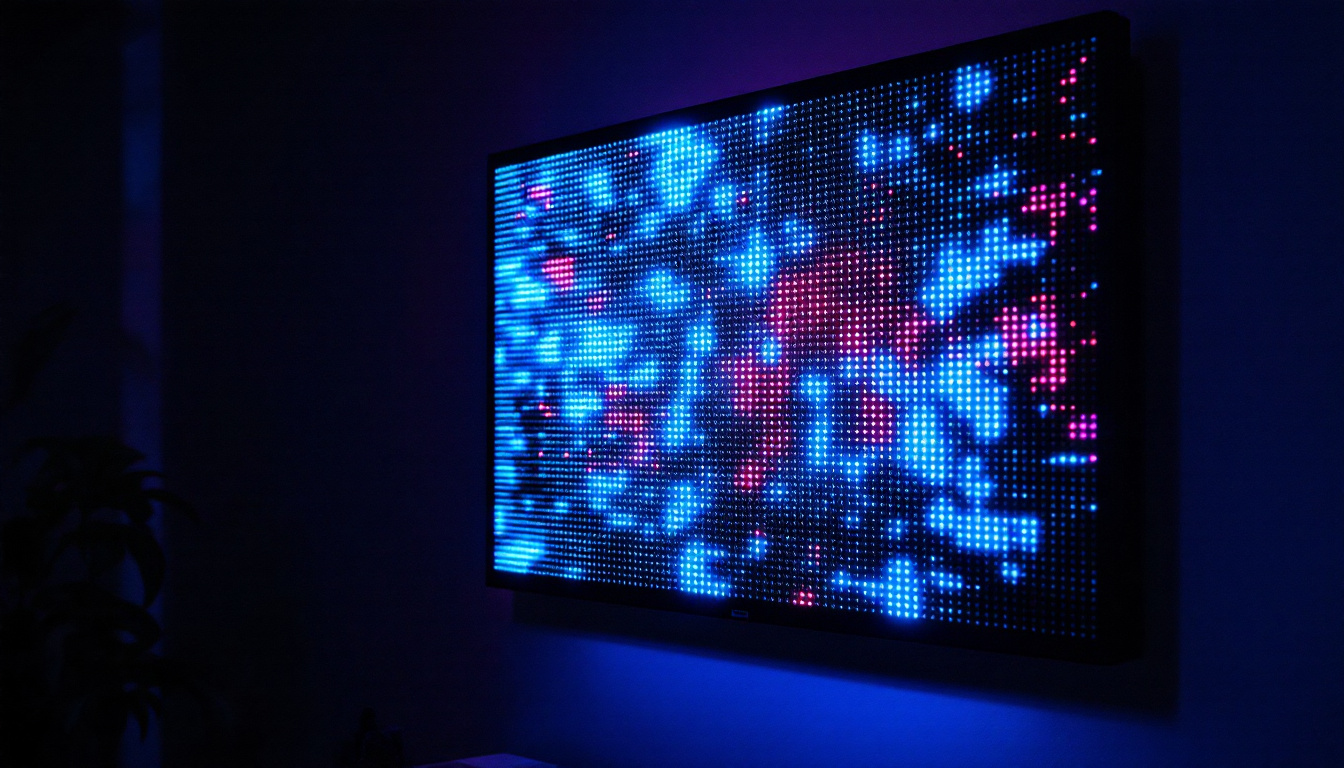
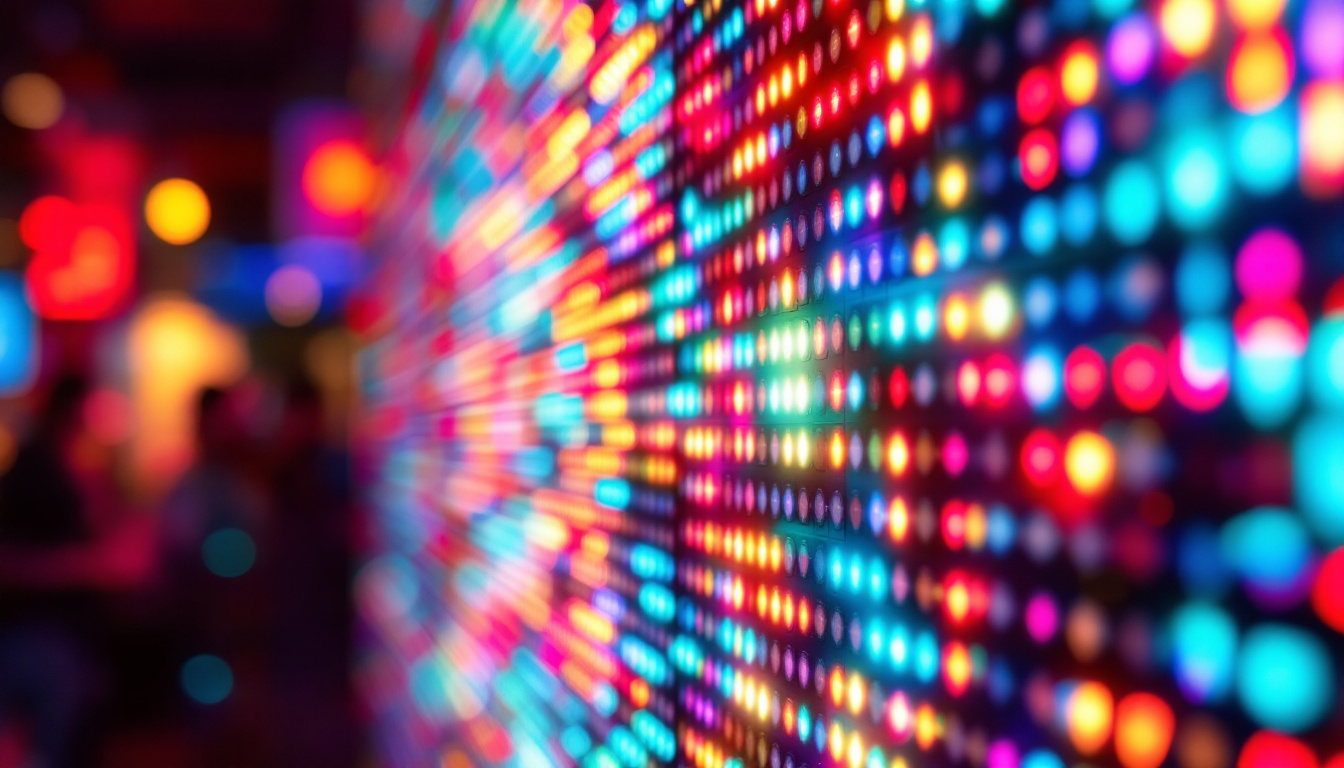
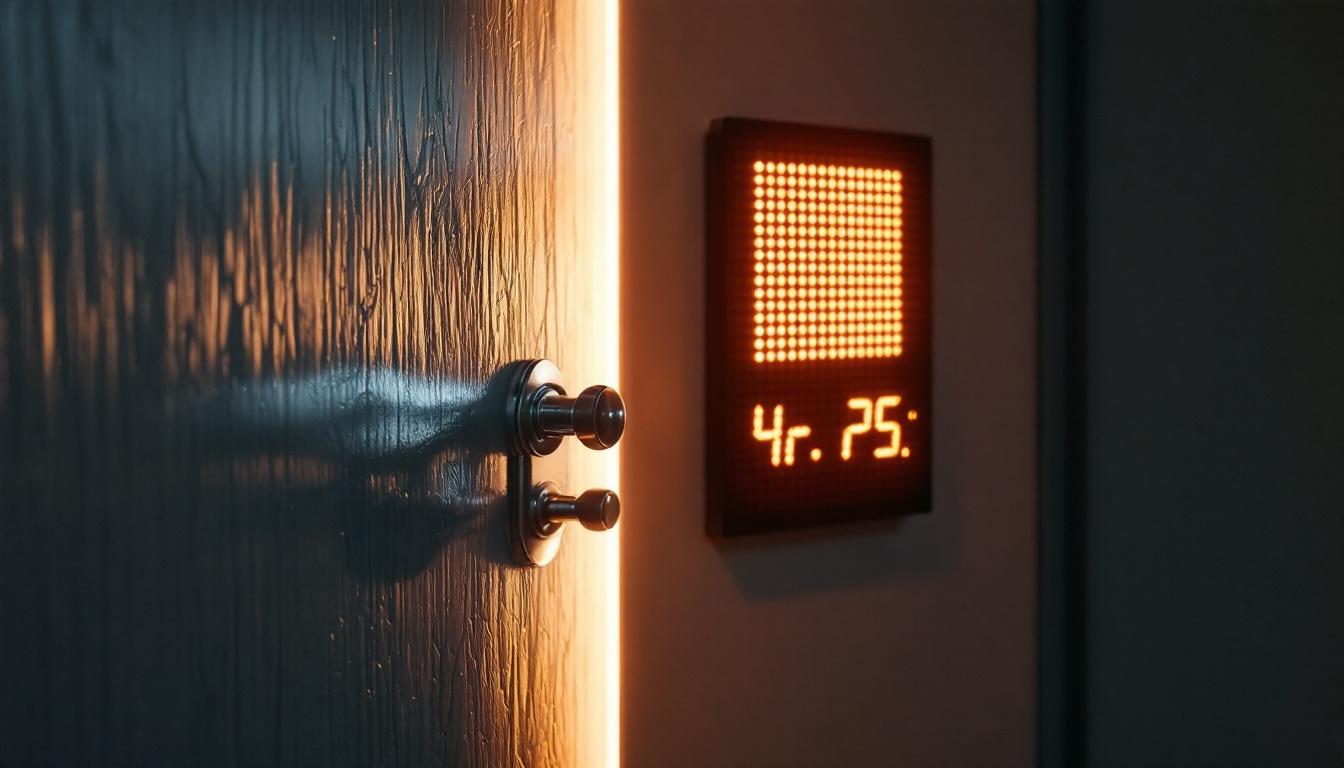
At their core, LED marquee boards consist of a matrix of tiny LEDs arranged in a grid. Each LED acts as a pixel that can be individually controlled to produce different colors and brightness levels. This modular setup allows the board to display anything from simple scrolling text to complex graphics and videos. The adaptability of LED boards makes them an excellent choice for businesses looking to capture attention in a crowded marketplace, as they can easily update messages to reflect current promotions or events.
Moreover, the energy efficiency of LED technology means that these boards can operate for extended periods without incurring high electricity costs, making them not only an eye-catching option but also a cost-effective one. Many LED marquee boards also come equipped with advanced software that allows users to schedule content changes, ensuring that the right message is displayed at the right time, whether it be for daily specials or seasonal promotions.
Types of LED Marquee Boards
LED marquee boards come in various forms, primarily categorized by their size, color capabilities, and pixel pitch (the distance between individual LEDs). Common types include:
- Single-Color LED Boards: Typically use red LEDs and are ideal for simple text displays, such as time, temperature, or basic announcements.
- Dual-Color LED Boards: Usually combine red and green LEDs, allowing for a limited color palette and more engaging visuals.
- Full-Color LED Boards: Utilize red, green, and blue LEDs (RGB) to produce a full spectrum of colors, enabling vibrant images and videos.
Choosing the right type depends on the intended use, budget, and desired impact. For instance, businesses in retail may prefer full-color boards to showcase promotional videos and dynamic advertisements, while schools or community centers might opt for single-color boards for straightforward announcements. Additionally, the pixel pitch is an essential consideration; a smaller pixel pitch results in higher resolution images, making it suitable for close viewing, while a larger pixel pitch may suffice for larger displays viewed from a distance.
Furthermore, the installation and location of LED marquee boards can significantly influence their effectiveness. High-traffic areas, such as shopping malls or busy intersections, can benefit from larger displays that are easily visible from afar. Conversely, smaller venues may find that compact boards serve their needs just as well. With the right placement and type, LED marquee boards can transform any space into a vibrant communication hub, drawing attention and engaging audiences effectively.
The Technology Behind LED Displays
To appreciate how LED marquee boards operate, it’s essential to understand the technology that powers them. LEDs are semiconductor devices that emit light when an electric current passes through them. Their efficiency, brightness, and longevity make them ideal for display applications.
LED Components and Configuration
Each LED on the board is a tiny light source that can be individually turned on or off. In full-color displays, each pixel is made up of three LEDs—red, green, and blue—that combine to produce various colors through additive color mixing. By adjusting the intensity of each LED within a pixel, the display can render millions of colors.
The LEDs are mounted on a printed circuit board (PCB), which is connected to a control system. This system receives input data—such as text or video files—and translates it into signals that tell each LED when and how brightly to light up.
Pixel Pitch and Resolution
Pixel pitch is a critical specification that affects the clarity and viewing distance of an LED marquee board. It is the distance from the center of one LED pixel to the center of the adjacent pixel, usually measured in millimeters. Smaller pixel pitch means higher resolution and sharper images but generally comes at a higher cost.
For example, a board with a 2.5mm pixel pitch is suitable for close-up viewing, such as in retail stores or indoor events, while a 10mm pixel pitch is better for outdoor billboards where viewers are farther away.
Benefits of Using LED Marquee Boards
LED marquee boards offer numerous advantages over traditional signage and other digital display technologies. These benefits have driven their widespread adoption across industries.
High Visibility and Brightness
LEDs are known for their intense brightness, which makes marquee boards visible even in direct sunlight. This high visibility ensures that messages reach a broad audience regardless of lighting conditions. Many LED boards also feature automatic brightness adjustment, optimizing visibility while conserving energy.
Energy Efficiency and Longevity
Compared to incandescent or fluorescent lighting, LEDs consume significantly less power. This energy efficiency translates to lower operating costs, especially for businesses running their displays 24/7. Additionally, LEDs have a long lifespan—often exceeding 50,000 hours—reducing maintenance and replacement expenses.
Dynamic Content and Flexibility
One of the most compelling benefits of LED marquee boards is their ability to display dynamic, changeable content. Businesses can update promotions, announcements, or event details in real-time without the need for physical sign replacements. This flexibility enables timely communication and better audience engagement.
Durability and Weather Resistance
Outdoor LED marquee boards are designed to withstand harsh weather conditions, including rain, wind, and extreme temperatures. Their robust construction ensures reliable performance and longevity, making them suitable for a variety of environments.
Common Applications of LED Marquee Boards
LED marquee boards have found applications across many sectors due to their versatility and effectiveness. Here are some of the most prevalent uses:
Retail and Advertising
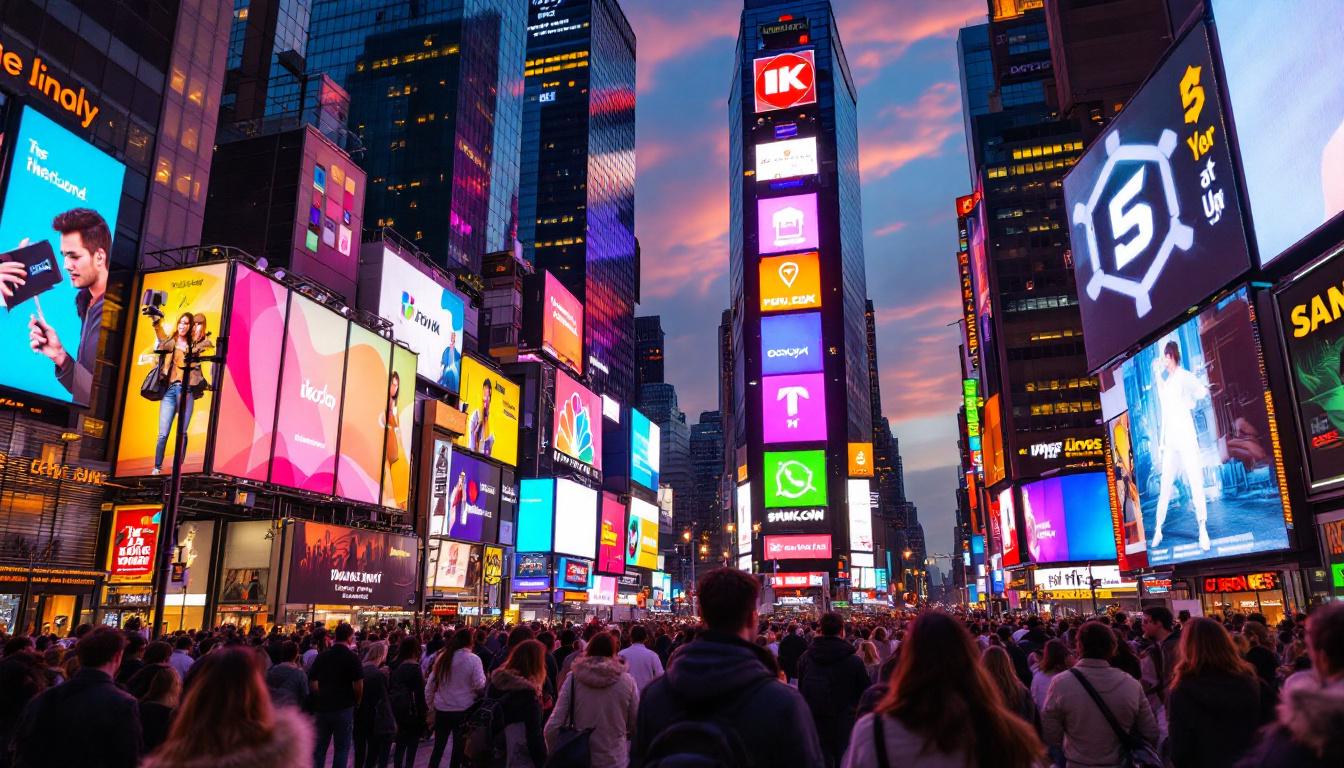
Retailers use LED marquee boards to attract customers with promotional messages, sales announcements, and product highlights. The vibrant displays can capture attention from passing pedestrians and drivers, increasing foot traffic and sales.
Transportation and Public Information
In transportation hubs like bus stops, train stations, and airports, LED marquee boards provide real-time information such as arrival times, delays, and safety messages. Their clarity and brightness ensure travelers receive critical updates promptly.
Entertainment and Events
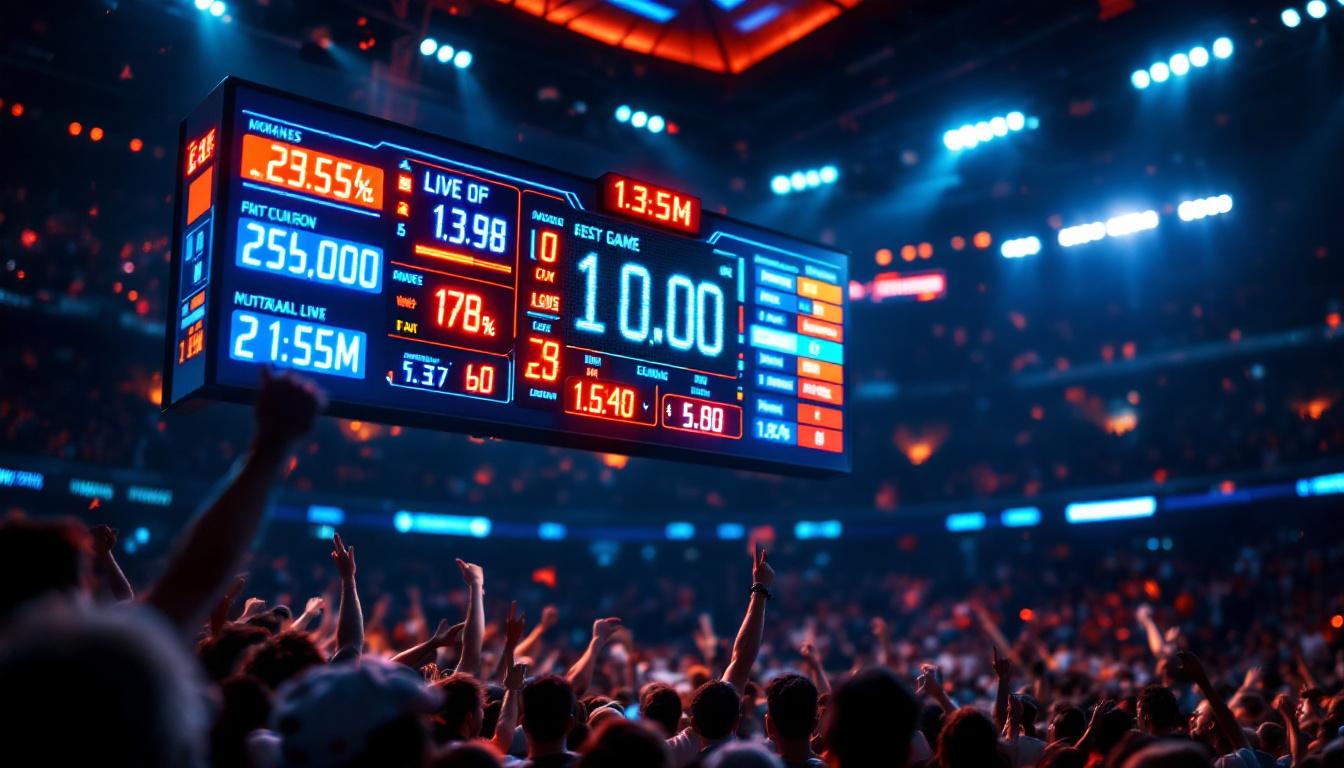
Theaters, concert venues, and sports arenas utilize LED marquee boards to advertise upcoming events, display scores, and engage audiences with interactive content. The ability to change messages quickly is particularly valuable in these fast-paced environments.
Education and Institutions
Schools and universities employ LED marquee boards to communicate announcements, event schedules, and emergency alerts to students and staff. These displays enhance campus communication and safety.
Choosing the Right LED Marquee Board
Selecting the appropriate LED marquee board involves considering several factors to ensure it meets the specific needs of the application.
Assessing Location and Viewing Distance
Understanding where the board will be installed and the typical distance of viewers is crucial. Indoor boards with close viewing distances require higher resolution (smaller pixel pitch), while outdoor boards can have larger pixel pitches due to greater viewing distances.
Determining Content Requirements
The type of content—whether simple text, graphics, or full-motion video—affects the choice of board. Full-color RGB boards are necessary for rich multimedia content, whereas single-color boards suffice for basic text displays.
Budget Considerations
LED marquee boards vary widely in price depending on size, resolution, and features. It’s important to balance desired capabilities with budget constraints to achieve the best return on investment.
Installation and Maintenance
Consider the installation environment, including mounting options and power availability. Additionally, inquire about maintenance services and warranties to ensure long-term reliability.
Future Trends in LED Marquee Boards
The LED display industry continues to evolve rapidly, driven by technological advancements and changing user needs.
Higher Resolution and Miniaturization
Emerging LED technologies are enabling even smaller pixel pitches, resulting in ultra-high-definition displays suitable for close-up viewing in retail and indoor environments. This miniaturization enhances image quality and expands creative possibilities.
Integration with Smart Technologies
Modern LED marquee boards are increasingly integrated with IoT (Internet of Things) and AI technologies. This integration allows for automated content updates based on real-time data, audience demographics, or environmental conditions, making displays more interactive and personalized.
Energy Harvesting and Sustainability
There is a growing focus on sustainability, with innovations such as solar-powered LED boards and energy-efficient control systems reducing environmental impact and operational costs.
Conclusion
LED marquee boards represent a powerful tool for dynamic visual communication. Their combination of brightness, flexibility, and durability makes them suitable for a wide range of applications, from advertising and public information to entertainment and education. Understanding the technology behind LED displays, along with key considerations for selection and installation, empowers businesses and organizations to make informed decisions that maximize impact and return on investment.
As LED technology continues to advance, the future of marquee boards promises even greater capabilities, smarter integration, and enhanced sustainability. Staying informed about these trends ensures that users can leverage the full potential of LED marquee boards to engage audiences effectively in an increasingly digital world.
Discover LumenMatrix’s Innovative LED Solutions
Ready to elevate your visual communication strategy with the latest in LED display technology? Look no further than LumenMatrix, a pioneer in crafting LED display modules that not only boost brand visibility but also create immersive visual experiences. From Indoor and Outdoor LED Wall Displays to specialized solutions like Vehicle, Sports, and Floor LED Displays, LumenMatrix offers a comprehensive range of products designed to captivate and engage your audience. Embrace the future of digital signage with our Custom, All-in-One, and Transparent LED Displays, and see how our commitment to innovation can transform your messaging. Check out LumenMatrix LED Display Solutions today and start making a lasting impression!