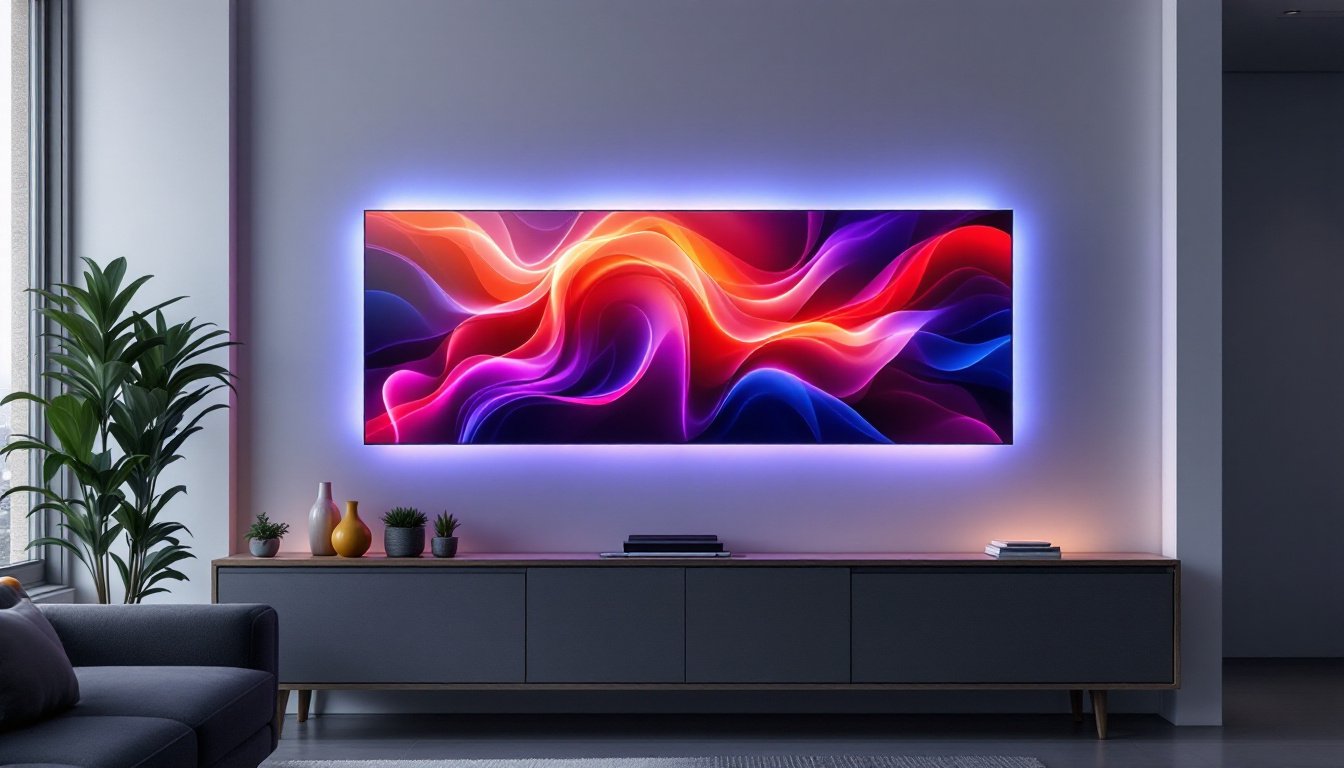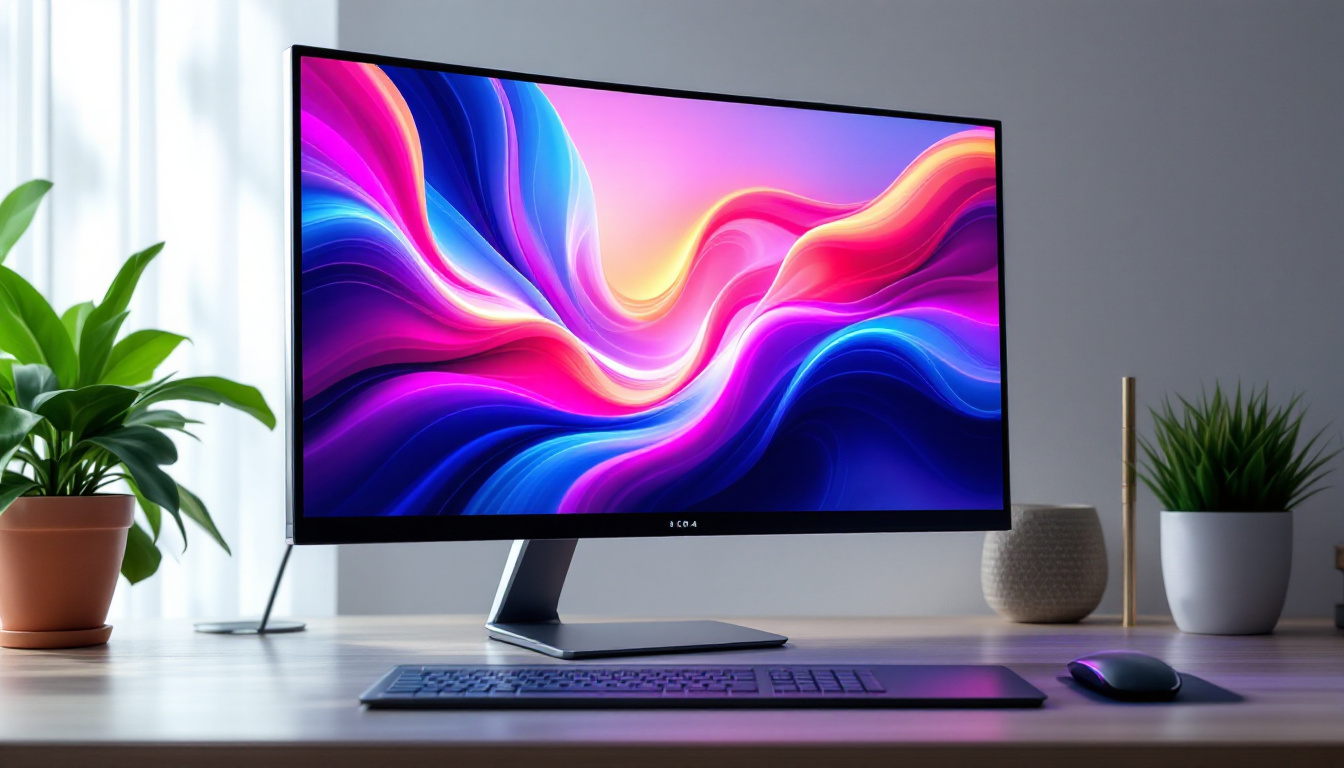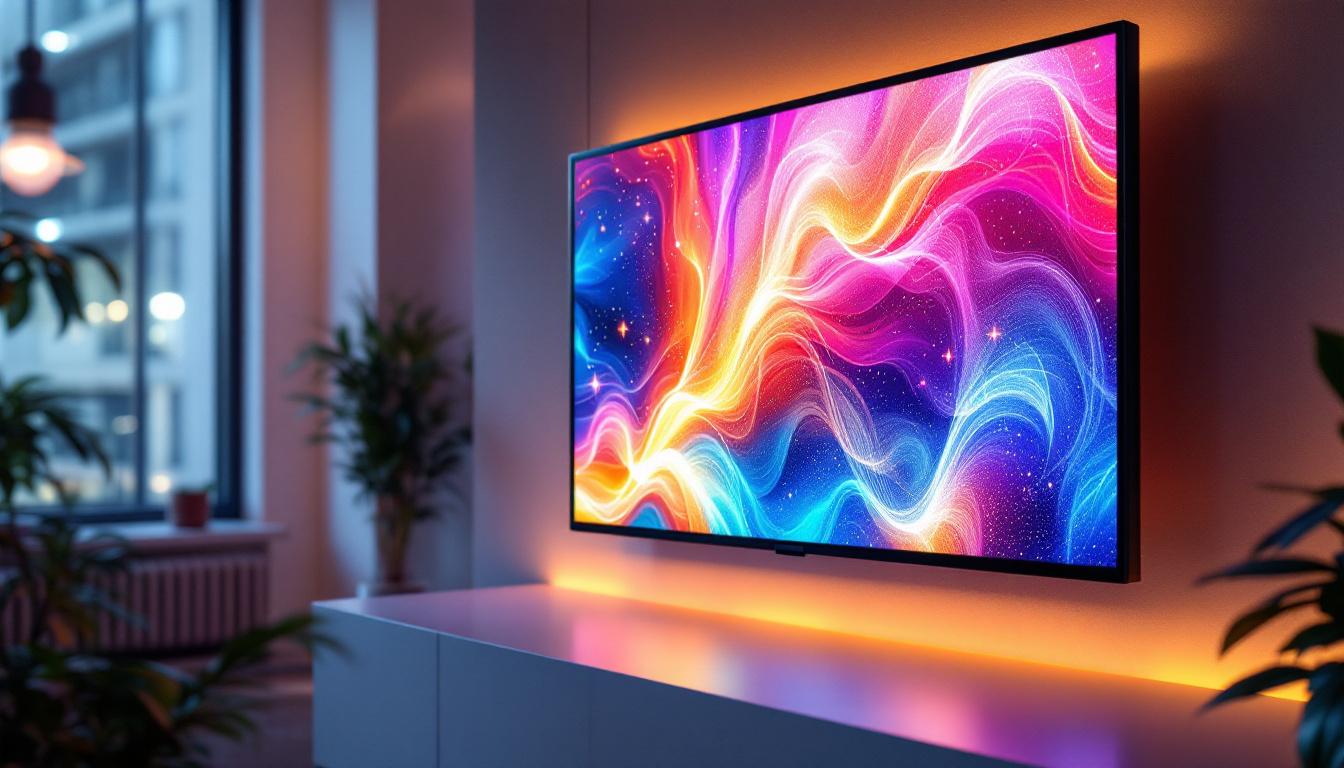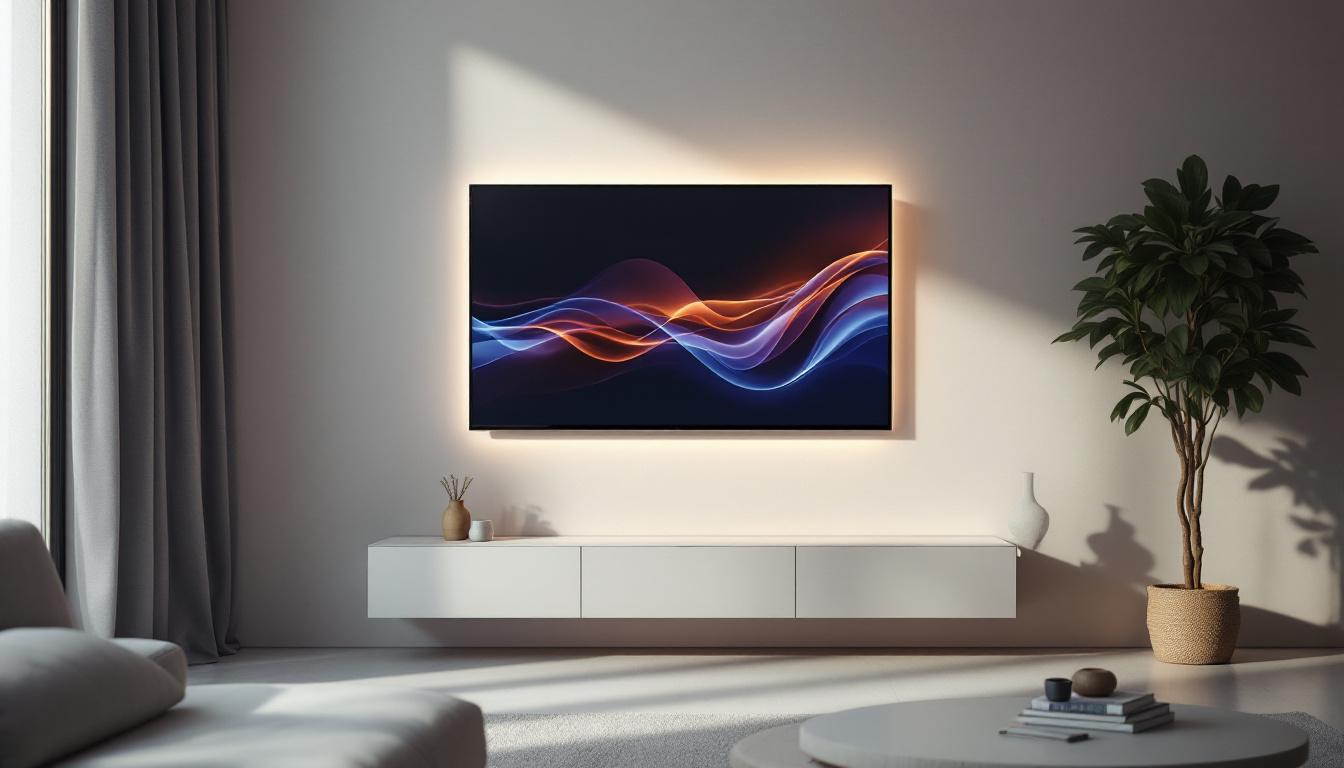
In today’s world of sleek home entertainment setups, the combination of thin TV wall mounts and LED displays has revolutionized the way we experience visual media. As televisions become thinner and more sophisticated, mounting solutions have evolved to complement these advancements, enhancing both aesthetics and functionality. This article delves into the intricacies of thin TV wall mounts and LED displays, explaining their technology, benefits, and what to consider when integrating them into your living space.
Understanding LED Displays: The Backbone of Modern TVs
LED, or Light Emitting Diode, technology has become the standard for modern television displays, replacing older LCD and plasma technologies. LED displays use an array of tiny diodes that emit light when an electric current passes through them, producing bright, vibrant images with high energy efficiency.
One of the key advantages of LED technology is its ability to deliver superior picture quality. With higher contrast ratios, deeper blacks, and more vivid colors, LED TVs provide an immersive viewing experience. According to a 2023 report by the Consumer Technology Association, over 85% of televisions sold worldwide utilize LED or OLED technology, underscoring their popularity and effectiveness.
Types of LED Displays
LED TVs can be broadly categorized into two types: Edge-lit and Direct-lit (or full-array). Edge-lit LED TVs have LEDs placed around the edges of the screen, which allows manufacturers to create ultra-thin panels but sometimes at the expense of uniform brightness. Direct-lit or full-array LED TVs have LEDs distributed evenly behind the screen, offering better contrast and local dimming capabilities, which enhances picture depth.
Additionally, OLED (Organic LED) displays represent a premium subcategory where each pixel emits its own light, allowing for perfect blacks and exceptional color accuracy. While OLED TVs are typically more expensive, they are prized for their superior image quality and ultra-thin profiles, making them ideal candidates for thin wall mounting.
The Evolution of Thin TV Wall Mounts
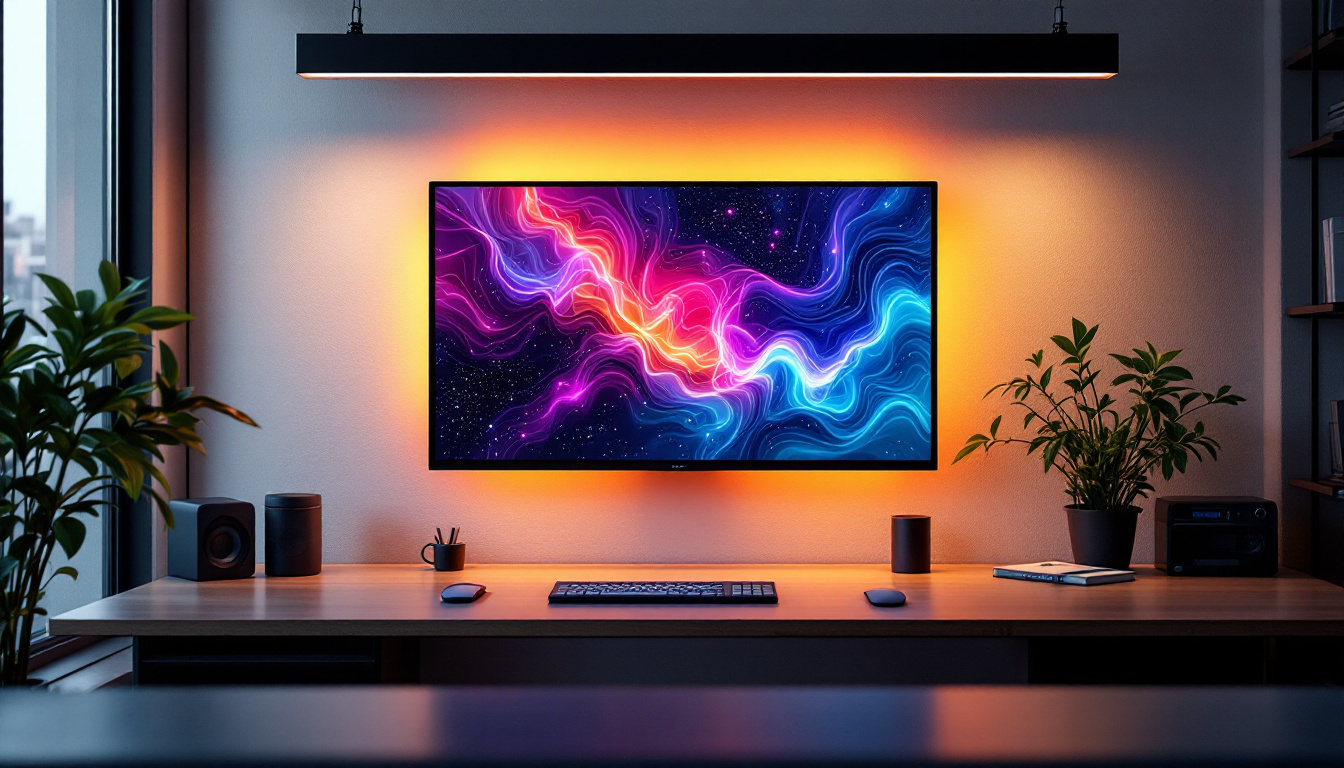
As televisions have slimmed down, wall mounts have adapted to maintain a low profile while supporting larger and heavier screens. Thin TV wall mounts are designed to hold the TV close to the wall, often just a few centimeters away, creating a clean, modern look that maximizes space efficiency.
Traditional wall mounts often left a gap of several inches between the TV and the wall, which could disrupt the sleek aesthetic of modern flat screens. Thin mounts address this by using innovative engineering, such as low-profile brackets and reinforced materials, to securely attach the TV while minimizing the distance from the wall.
Types of Thin TV Wall Mounts
There are several types of thin TV wall mounts, each suited to different needs:
- Fixed Mounts: These mounts hold the TV flush against the wall with no movement. They are the slimmest option and ideal when the TV is viewed from a fixed position.
- Tilting Mounts: These allow the TV to tilt up or down, which is useful for reducing glare or adjusting the viewing angle in rooms with varied seating arrangements.
- Full-Motion Mounts: While typically thicker, some ultra-thin full-motion mounts offer a compromise between flexibility and slimness, allowing the TV to extend, swivel, and tilt.
Choosing the right mount depends on room layout, viewing preferences, and the specific TV model.
Benefits of Combining Thin Wall Mounts with LED Displays
The marriage of thin TV wall mounts with LED displays offers numerous advantages beyond mere aesthetics. This combination enhances the overall viewing experience, improves room ergonomics, and can even contribute to better TV longevity.
Space Optimization and Aesthetics
One of the most obvious benefits is space saving. Thin mounts allow TVs to be placed almost flush with the wall, freeing up floor space and creating a minimalist, clutter-free environment. This is especially valuable in smaller rooms or apartments where every inch counts.
Moreover, the sleek profile complements the slim design of LED TVs, making the entire setup appear as a single, elegant unit rather than a bulky appliance. This can elevate the look of any room, whether it’s a living room, bedroom, or office.
Improved Viewing Angles and Reduced Glare
When combined with tilting or full-motion thin mounts, LED TVs can be adjusted to optimize viewing angles. This flexibility helps reduce reflections and glare from windows or lighting, ensuring a clear picture regardless of seating arrangement or time of day.
Given that LED displays often feature high brightness levels, controlling ambient light reflections is critical to maintaining image quality. Thin mounts that allow precise positioning help achieve this goal effectively.
Enhanced Safety and Cable Management
Thin wall mounts are engineered to securely hold modern LED TVs, which can be surprisingly heavy despite their slim profiles. Proper installation reduces the risk of accidents, such as the TV falling or tipping over, which is especially important in homes with children or pets.
Additionally, many thin mounts include integrated cable management systems, allowing wires to be neatly routed behind the TV and inside the wall. This not only improves aesthetics but also protects cables from damage and reduces tripping hazards.
Key Considerations When Choosing a Thin TV Wall Mount for an LED Display
Selecting the right thin TV wall mount involves more than just picking the slimmest option. Several factors must be considered to ensure compatibility, safety, and optimal performance.
Weight and Size Compatibility
Every wall mount has a maximum weight and size rating. It is crucial to verify that the mount supports the dimensions and weight of your LED TV. For instance, a 65-inch LED TV can weigh anywhere from 25 to 50 pounds depending on the model, and the mount must be rated accordingly to ensure stability.
Manufacturers typically provide detailed specifications for both TVs and mounts, making it easier to match them correctly. Ignoring these guidelines can result in unsafe installations and potential damage.
Wall Material and Installation Location
The type of wall where the TV will be mounted significantly affects the choice of mount and installation method. Drywall, concrete, brick, and wood studs each require different anchors and hardware to secure the mount safely.
For example, mounting on drywall without proper stud support is unsafe and can lead to the TV falling. Professional installation is often recommended to ensure the mount is securely attached to the wall structure.
Viewing Distance and Height
Optimal viewing distance and height depend on the size of the TV and the resolution of the display. For LED TVs with 4K resolution, the ideal viewing distance is generally 1 to 1.5 times the screen diagonal. Mounting the TV too high or too low can cause neck strain and reduce viewing comfort.
Thin mounts with tilting or articulating features help adjust the TV to the perfect height and angle, accommodating different room layouts and seating positions.
Cable Management and Connectivity
Modern LED TVs often have multiple HDMI ports, USB inputs, and other connectors. When choosing a thin wall mount, consider how cables will be routed and accessed. Some mounts provide channels or clips to organize cables neatly, while others may require additional accessories.
Ensuring easy access to ports without removing the TV from the mount is an important convenience factor, especially for users who frequently connect gaming consoles, streaming devices, or soundbars.
Installation Tips for Thin TV Wall Mounts and LED Displays
Proper installation is critical for safety, performance, and aesthetics. While some homeowners may choose to install mounts themselves, professional installation is recommended for those unfamiliar with wall mounting procedures.
Pre-Installation Preparation
Before mounting, measure the wall space carefully and mark the desired height and position. Use a stud finder to locate wall studs, which provide the necessary support for the mount and TV.
Gather all necessary tools, including a drill, level, screwdriver, and appropriate anchors. Review the manufacturer’s instructions thoroughly to understand the mounting process and hardware requirements.
Mounting the Bracket and Attaching the TV
Secure the wall bracket to the studs using heavy-duty screws. Use a level to ensure the bracket is perfectly horizontal to avoid a crooked installation. Next, attach the mounting arms or plate to the back of the LED TV, following the VESA (Video Electronics Standards Association) mounting pattern specified by the TV manufacturer.
With assistance, lift the TV and hook it onto the wall bracket. Double-check that the TV is securely locked in place and test any tilting or swiveling mechanisms to ensure smooth operation.
Cable Management and Final Adjustments
Route cables through the mount’s cable management system or use additional clips to keep wires tidy and out of sight. Connect all necessary devices and power cables, then adjust the TV’s angle for optimal viewing comfort.
Finally, inspect the installation for stability and aesthetics. A well-installed thin TV wall mount paired with an LED display should look seamless and function flawlessly.
Future Trends in Thin TV Wall Mounts and LED Displays
The technology behind LED displays and wall mounts continues to evolve rapidly. Emerging trends promise even thinner, lighter TVs and more versatile mounting solutions that integrate smart home technology and enhanced ergonomics.
Advancements in Display Technology
MicroLED and Quantum Dot technologies are gaining traction as the next generation of LED displays, offering even better brightness, color accuracy, and energy efficiency. These innovations will likely lead to thinner and lighter TVs, further pushing the limits of wall mount design.
Flexible and rollable LED screens are also on the horizon, which could transform how TVs are mounted and used in the home, offering unprecedented adaptability and space-saving options.
Smart Mounts and Automation
Future thin TV wall mounts may incorporate motorized adjustments controlled via smartphone apps or voice commands, allowing users to change viewing angles effortlessly. Integration with home automation systems could enable mounts to adjust automatically based on room lighting, time of day, or user presence.
Such smart mounts would enhance convenience and create a truly personalized viewing experience, blending technology seamlessly into everyday life.
Conclusion
The synergy between thin TV wall mounts and LED displays has transformed home entertainment, combining cutting-edge technology with elegant design and practical benefits. Understanding the types of LED displays, the evolution of mounting solutions, and the key considerations for installation empowers consumers to make informed decisions that enhance their viewing experience and living spaces.
As technology continues to advance, the future promises even more innovative and user-friendly options, making it an exciting time to invest in a modern TV setup. Whether upgrading an existing system or designing a new home theater, choosing the right thin wall mount and LED display is essential for achieving the perfect balance of style, functionality, and safety.
Discover the Future of Home Entertainment with LumenMatrix
Ready to elevate your viewing experience with the latest in LED display technology? LumenMatrix offers a comprehensive range of cutting-edge LED display solutions, from Indoor and Outdoor LED Wall Displays to innovative options like Vehicle, Sports, and Floor LED Displays. Our mission is to transform your visual communication and entertainment with displays that not only enhance brand visibility but also create immersive visual experiences. Don’t wait to bring the future into your home or business. Check out LumenMatrix LED Display Solutions today and witness how our technology can revolutionize your space.