In the evolving world of display technology, the close to wall projector combined with LED display technology is reshaping how we think about home theaters, professional presentations, and digital signage. These systems offer a unique blend of convenience, image quality, and space efficiency that traditional projectors and displays struggle to match.
This article explores the fundamentals of close to wall projectors, the role of LED displays in enhancing visual experiences, and why this technology is becoming a preferred choice for both consumers and businesses. Whether you’re considering an upgrade to your home entertainment setup or looking for a cutting-edge solution for your office, understanding these technologies will help you make an informed decision.
Understanding Close To Wall Projectors
What Is a Close To Wall Projector?
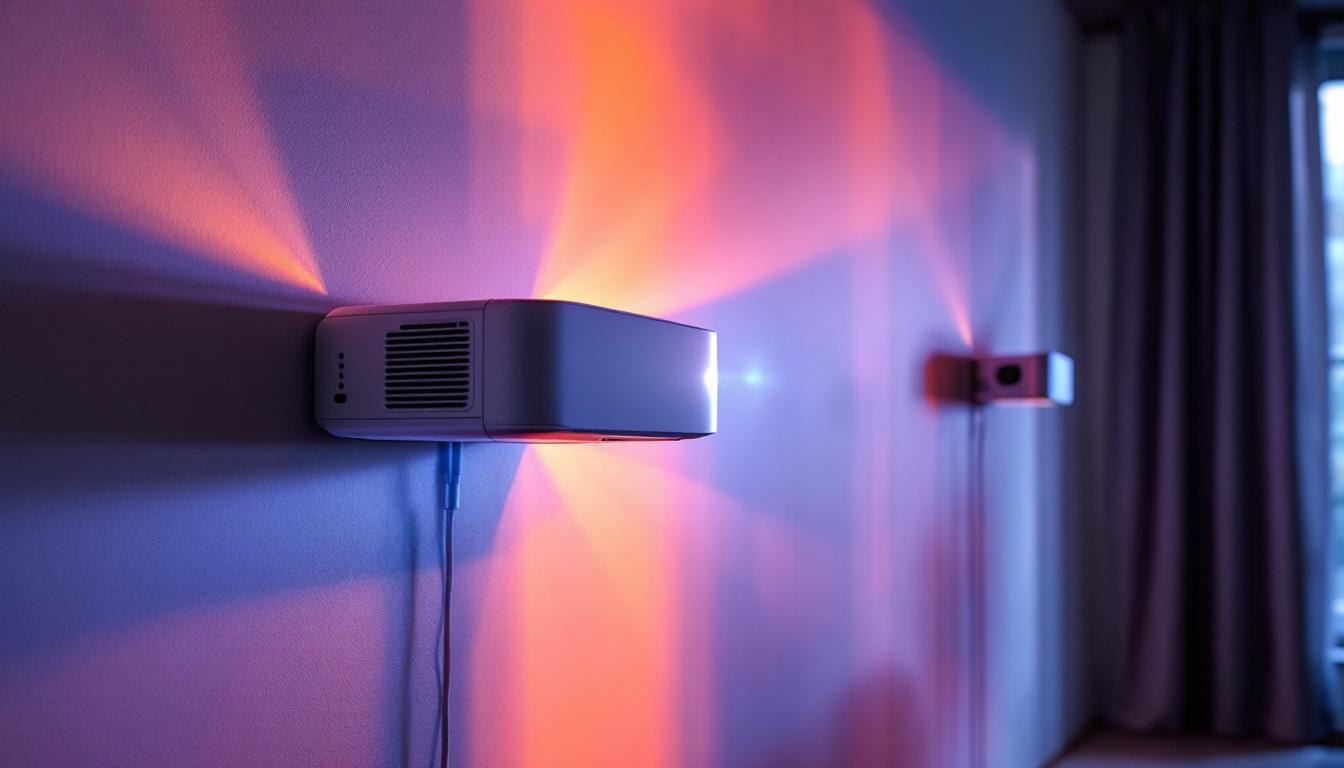
A close to wall projector, often referred to as an ultra-short throw projector, is designed to project large images from a very short distance, typically just a few inches away from the wall or screen. Unlike traditional projectors that require several feet of space to cast a clear image, these projectors can be placed almost flush against the projection surface.
This design is particularly advantageous in small rooms or environments where space is limited. It eliminates the need for ceiling mounts or complicated setups, making it an accessible option for a wide range of users. Additionally, the compact nature of these projectors allows for greater flexibility in placement, enabling users to easily reposition them according to their needs without the hassle of extensive rewiring or adjustments.
Technical Features and Advantages
Close to wall projectors use specialized lenses and mirrors to bend the light path, allowing them to create large, sharp images from a short distance. This technology reduces shadows and glare, which are common issues with longer throw projectors. The result is a more enjoyable viewing experience, particularly in settings where ambient light may interfere with image quality.
Moreover, these projectors often come equipped with advanced image correction features, such as keystone correction and autofocus, to ensure the projected image is perfectly aligned and clear even when placed close to uneven or textured walls. Many models also support high-definition resolutions and various connectivity options, including HDMI and wireless streaming capabilities, making them versatile tools for both entertainment and professional use.
Applications in Different Settings
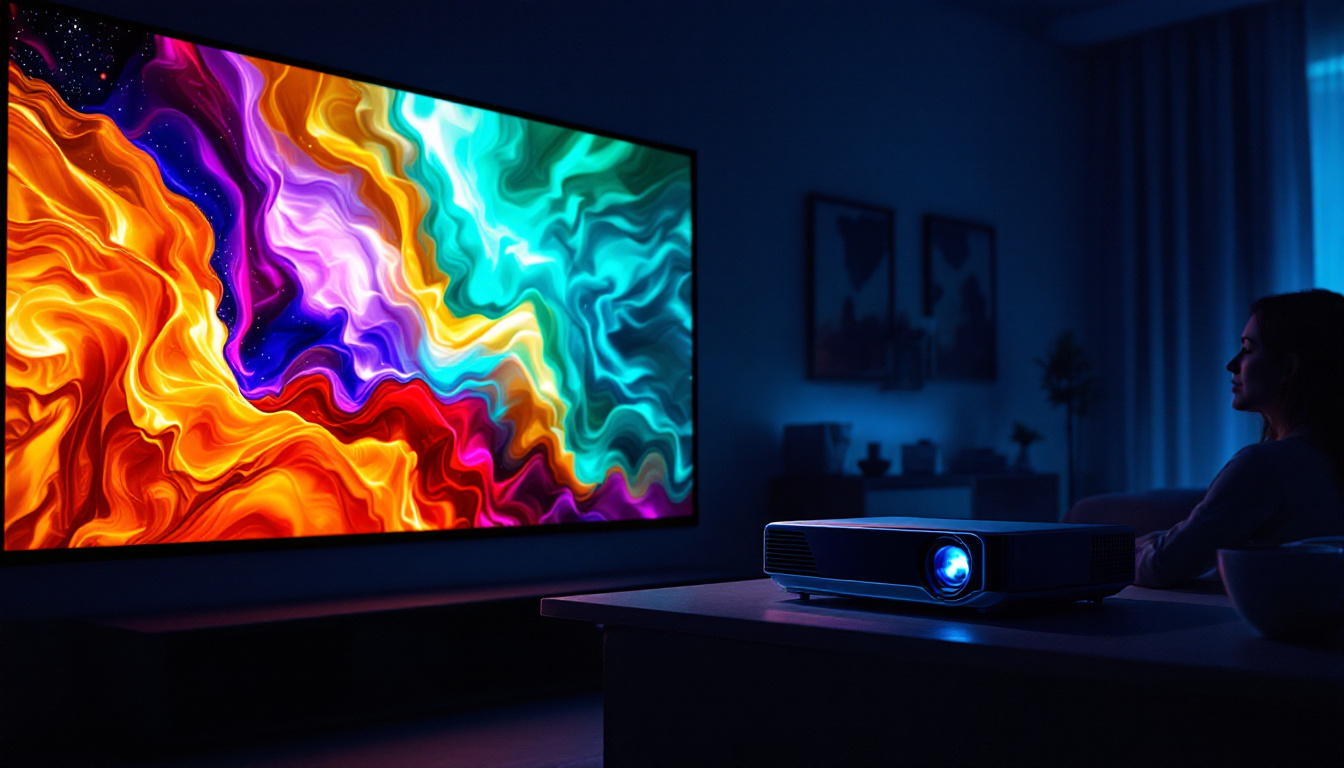
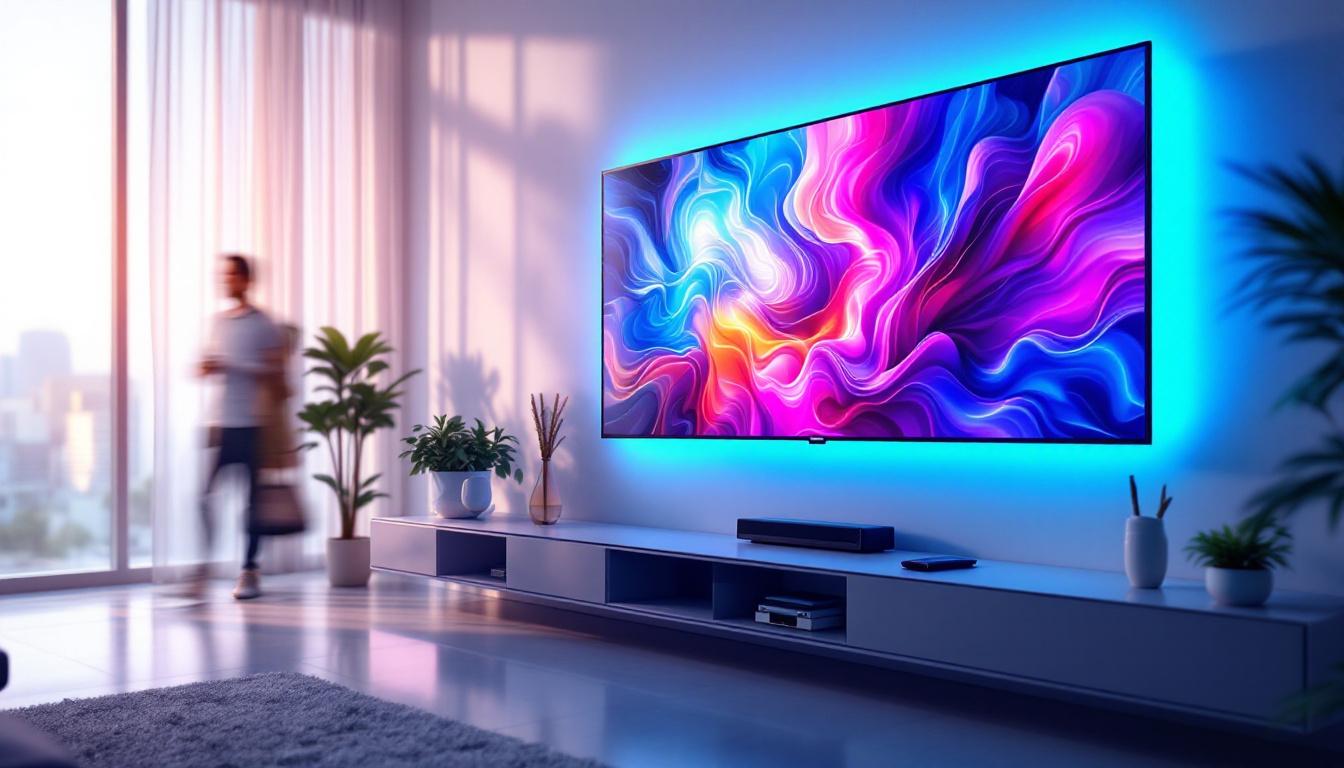
In residential settings, close to wall projectors are ideal for creating immersive home theater experiences without sacrificing living space. They can be integrated seamlessly into modern interiors, projecting images onto walls or specially designed screens. This capability allows homeowners to transform any room into a cinematic experience, whether it’s for movie nights, gaming, or streaming their favorite shows.
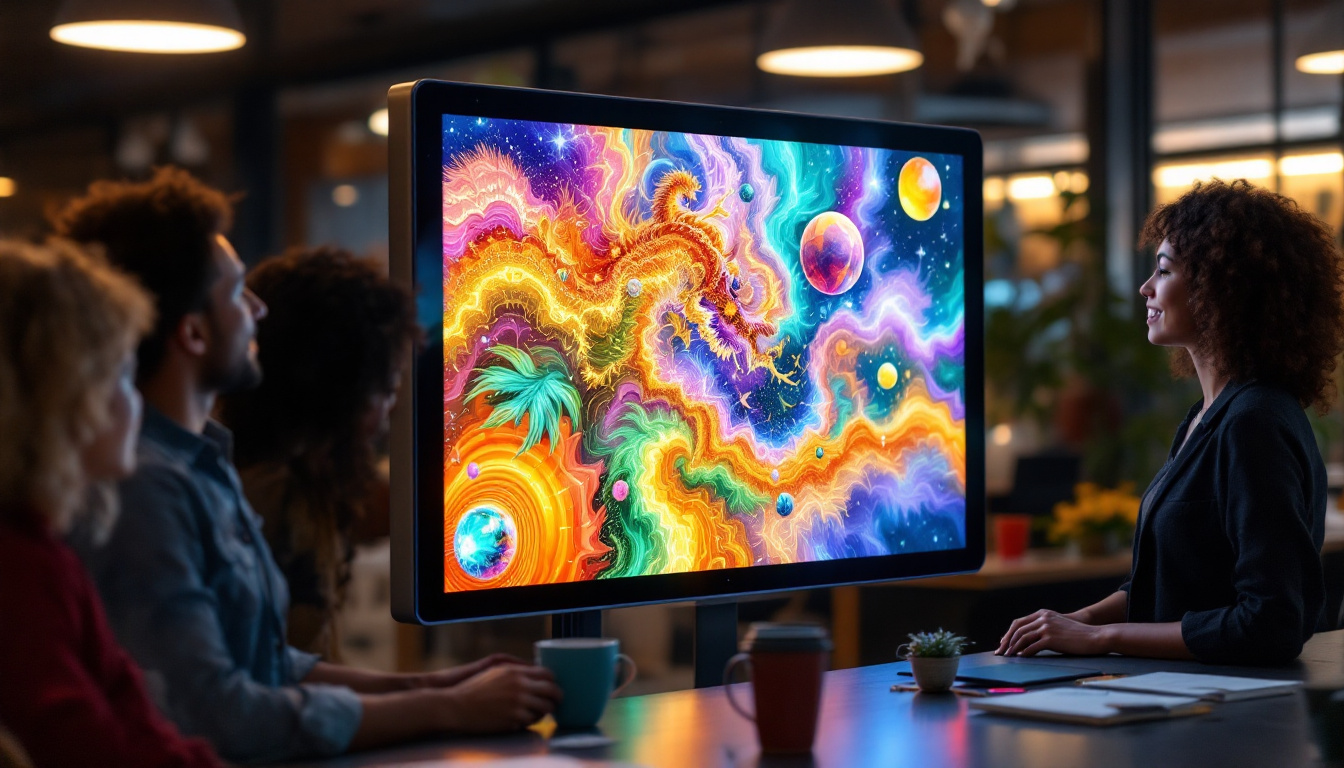
In commercial environments, these projectors are used for interactive displays, digital signage, and conference room presentations. Their space-saving design and ease of installation make them popular in offices, retail spaces, and educational institutions. For instance, in classrooms, educators can utilize these projectors to enhance learning through engaging visual content, while in retail, businesses can showcase promotions and advertisements dynamically, capturing the attention of potential customers. The ability to project large images in tight spaces opens up new possibilities for creativity and communication across various fields.
The Role of LED Displays in Modern Projection
What Are LED Displays?
LED (Light Emitting Diode) displays are a type of flat panel display technology that uses an array of light-emitting diodes as pixels to produce images. Unlike traditional LCD or plasma screens, LED displays offer superior brightness, contrast, and color accuracy.
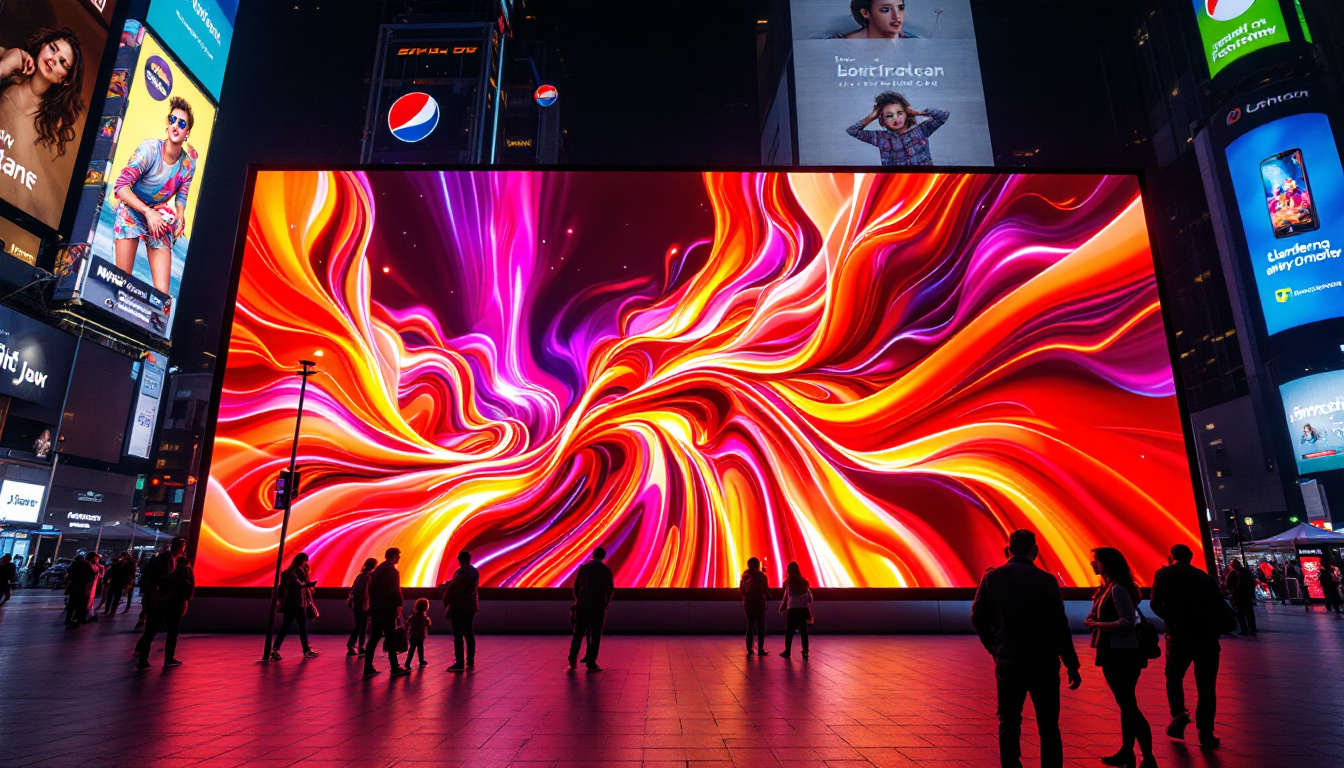
LED technology has advanced rapidly, enabling the production of displays that are not only vibrant but also energy-efficient and long-lasting. This makes them suitable for a variety of indoor and outdoor applications. For instance, in outdoor settings, LED displays are often utilized for advertising and public information systems, where their high brightness and visibility in direct sunlight are crucial. Additionally, their lightweight and durable nature allows for easy installation and maintenance, making them a preferred choice for event organizers and businesses alike.
Integration of LED Technology with Projectors
While LED displays and projectors are often seen as competing technologies, recent innovations have blurred the lines between them. Some close to wall projectors incorporate LED light sources instead of traditional lamps, combining the benefits of projection with the superior color and brightness of LEDs.
This hybrid approach results in projectors that offer vivid colors, longer lifespan, and reduced maintenance compared to conventional lamp-based projectors. The LED light source also allows for instant on/off functionality, which is convenient for quick presentations or casual viewing. Moreover, these projectors are increasingly being integrated with smart technology, enabling features such as wireless connectivity and screen mirroring, which enhance user experience and accessibility. This convergence of technologies not only enriches the visual experience but also caters to the evolving needs of modern consumers who prioritize convenience and quality.
Benefits of LED-Based Projection Systems
LED-based projection systems provide several key advantages:
- Enhanced Color Performance: LEDs can produce a wider color gamut, resulting in more lifelike and saturated images.
- Energy Efficiency: LED projectors consume less power, making them environmentally friendly and cost-effective over time.
- Longevity: LED light sources can last up to 20,000 to 30,000 hours, significantly longer than traditional projector lamps.
- Compact Design: The smaller size of LED components allows for more compact and stylish projector designs.
In addition to these benefits, LED-based projection systems are also known for their reduced heat output, which can enhance the overall performance and longevity of the device. This characteristic is particularly advantageous in environments where prolonged use is common, such as classrooms or conference rooms, as it minimizes the need for additional cooling systems. Furthermore, the robustness of LED technology makes these projectors less susceptible to damage from vibrations or shocks, which is an essential factor in mobile applications or in settings where equipment is frequently transported. As a result, LED projectors are becoming increasingly popular in various sectors, including education, entertainment, and corporate environments, where reliability and performance are paramount.
Comparing Close To Wall Projectors and LED Displays
Image Quality and Viewing Experience
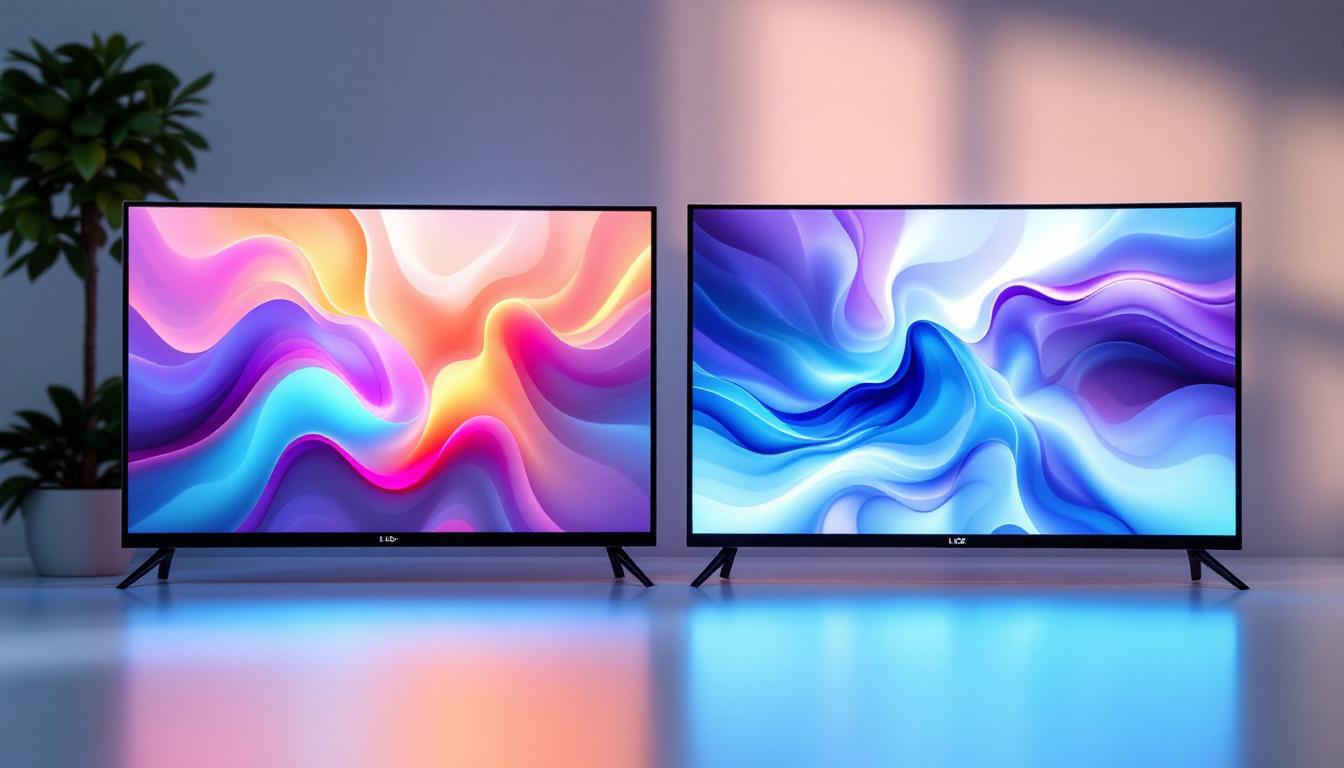
When comparing close to wall projectors with traditional LED displays, image quality is a critical consideration. LED displays generally offer higher brightness levels and better contrast ratios, making them ideal for well-lit environments and outdoor use.
However, close to wall projectors equipped with LED light sources can deliver excellent image quality on large surfaces, providing a cinematic experience that LED panels cannot replicate at the same size and cost.
Space and Installation Considerations
Close to wall projectors excel in scenarios where space is at a premium. Their ability to project large images from minimal distances means they can be installed in compact rooms without obstructing movement or requiring complex mounting solutions.
On the other hand, LED displays require physical screen panels, which can be bulky and costly at larger sizes. They also need structural support and may not be as adaptable to different room layouts.
Cost and Maintenance
LED displays often come with a higher upfront cost, especially for large-format models. Maintenance is generally low but can be expensive if individual LEDs fail, requiring panel repairs or replacements.
Close to wall projectors with LED light sources typically have a lower initial cost compared to large LED panels and benefit from reduced maintenance due to the longevity of LEDs. However, projector screens or walls need to be kept clean and smooth to maintain image quality.
Choosing the Right Solution for Your Needs
Home Entertainment
For home users seeking a cinematic experience without sacrificing space, close to wall projectors with LED technology offer an excellent balance of image quality, convenience, and affordability. They can create immersive viewing environments on large surfaces without the need for bulky TV screens.
Additionally, the reduced glare and shadow issues make them suitable for family rooms and multipurpose spaces.
Business and Educational Environments
In offices and classrooms, the flexibility of close to wall projectors allows for dynamic presentations and interactive displays. LED-based projectors provide bright, clear images even in well-lit rooms, enhancing engagement and communication.
For digital signage, LED displays remain a strong choice due to their brightness and durability, particularly in outdoor or high-traffic areas.
Retail and Public Spaces
Retailers and public venues benefit from the eye-catching visuals of LED displays, which can operate continuously with minimal maintenance. However, close to wall projectors offer a cost-effective alternative for temporary or changing displays, allowing businesses to adapt messaging quickly without investing in permanent screens.
Future Trends in Close To Wall Projectors and LED Displays
Advancements in MicroLED and MiniLED Technologies
MicroLED and MiniLED technologies are pushing the boundaries of LED display performance. These innovations promise even higher brightness, better contrast, and thinner form factors, which could influence the design and capabilities of future close to wall projectors.
Increased Adoption of Laser and LED Hybrid Light Sources
Hybrid light sources combining laser and LED technology are emerging, offering improved color accuracy and brightness while maintaining energy efficiency and longevity. This could further enhance the appeal of close to wall projectors in various applications.
Smart Integration and Connectivity
Integration with smart home systems, wireless connectivity, and AI-driven image optimization are becoming standard features. These advancements make close to wall projectors and LED displays more user-friendly and adaptable to diverse environments.
Conclusion
The close to wall projector, particularly when paired with LED display technology, represents a significant step forward in display solutions. It combines the best of projection and LED advantages—space efficiency, vibrant image quality, and ease of use—making it a versatile choice for modern homes, businesses, and public spaces.
Understanding the strengths and limitations of both close to wall projectors and LED displays is essential for selecting the right technology to meet specific needs. As innovations continue to emerge, these technologies will only become more powerful, accessible, and integral to how visual content is shared and experienced.
Explore LumenMatrix’s Innovative LED Solutions
Ready to elevate your visual experience with the latest in LED display technology? LumenMatrix is at the forefront of creating immersive environments that captivate and engage. From dynamic indoor and outdoor LED wall displays to versatile vehicle and sports solutions, our range of products, including custom and all-in-one LED displays, is designed to meet the diverse needs of any space. Discover how our LED transparent and floor displays can transform your visual communication. Check out LumenMatrix LED Display Solutions and join the revolution in display technology today.