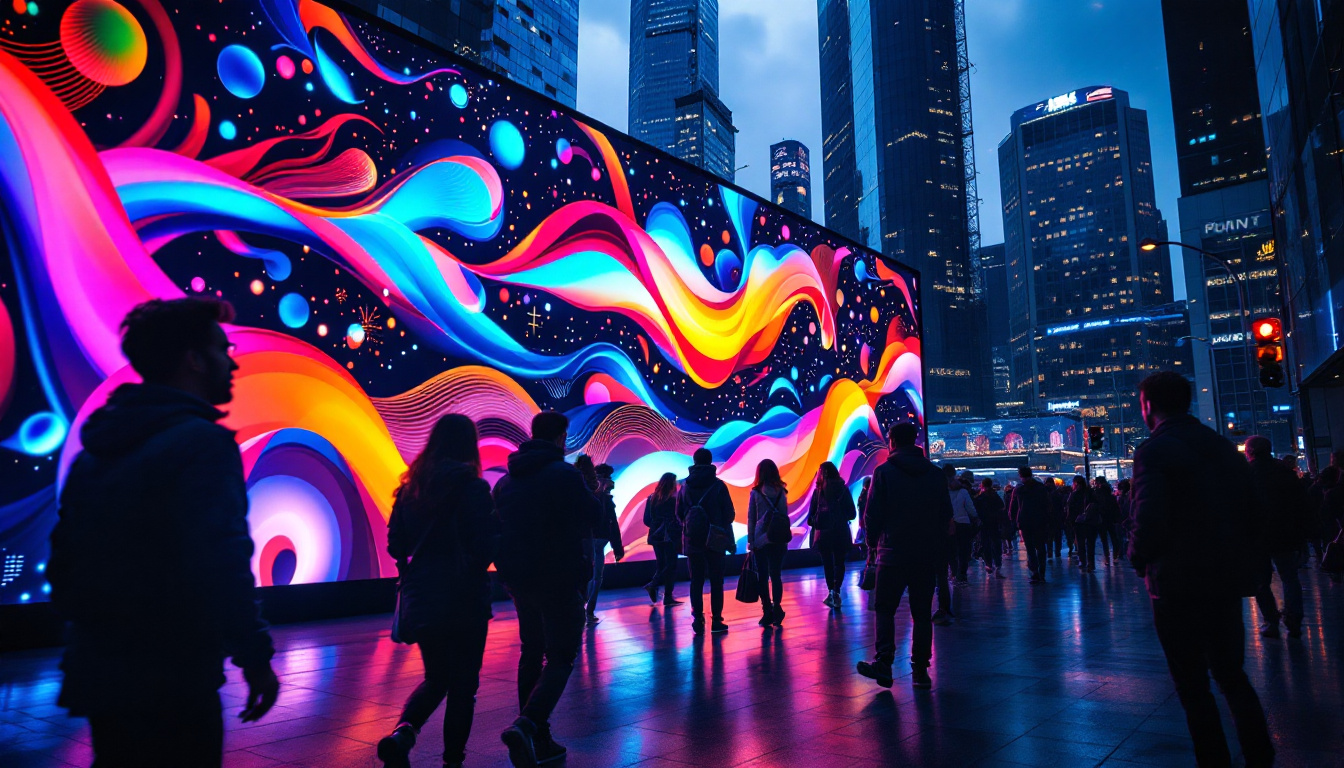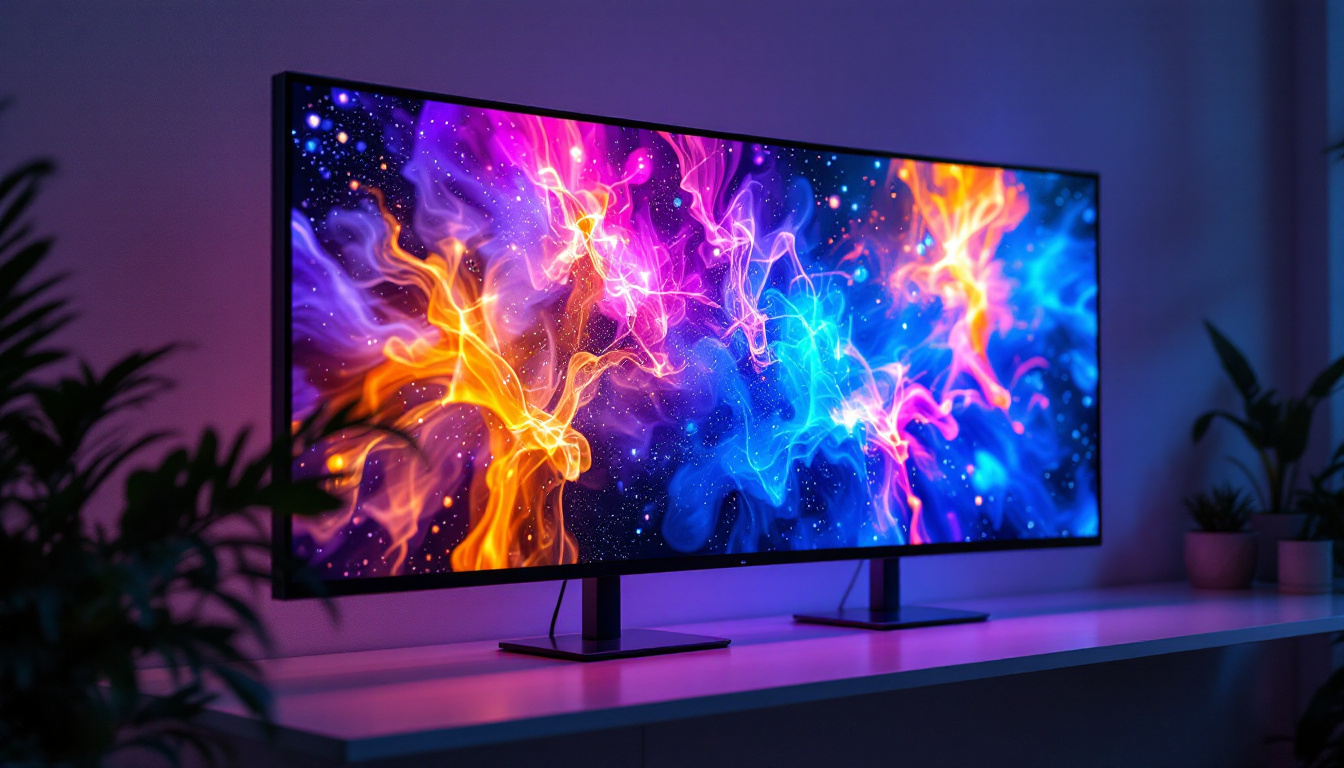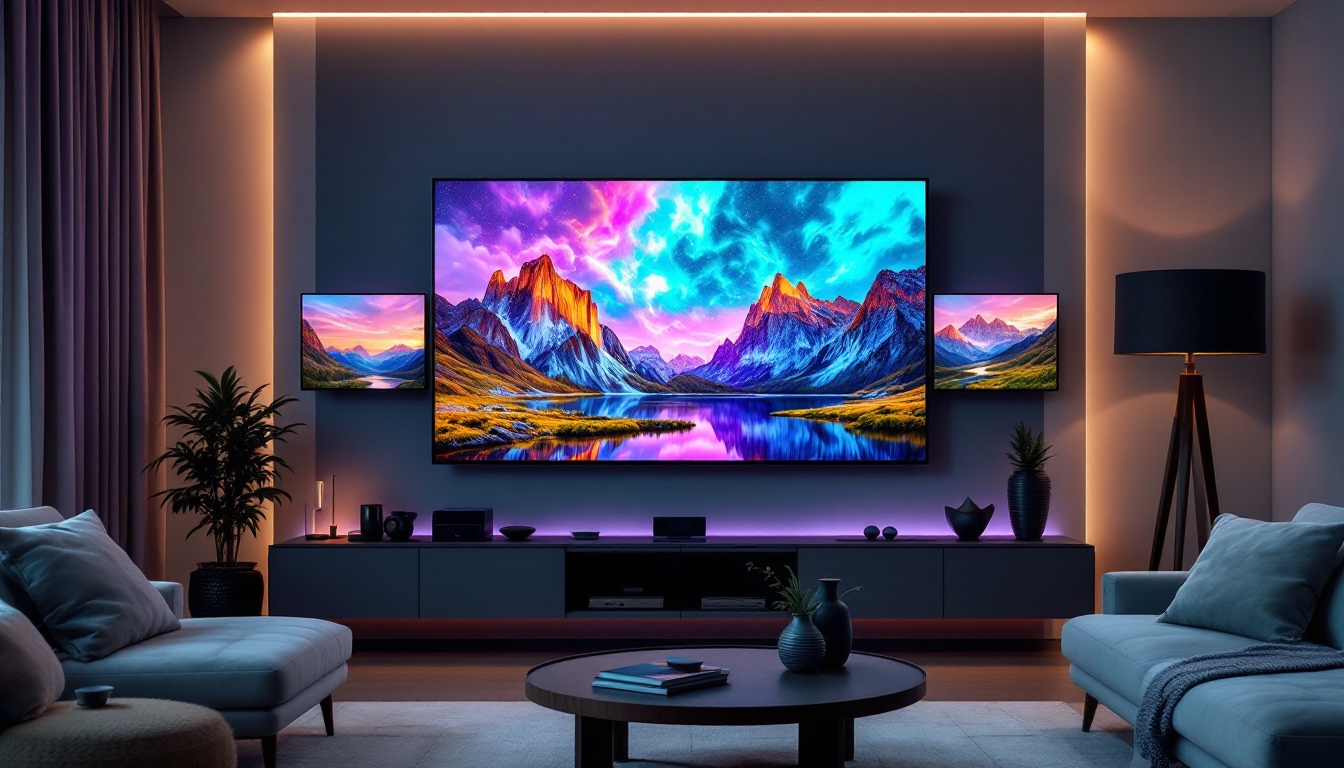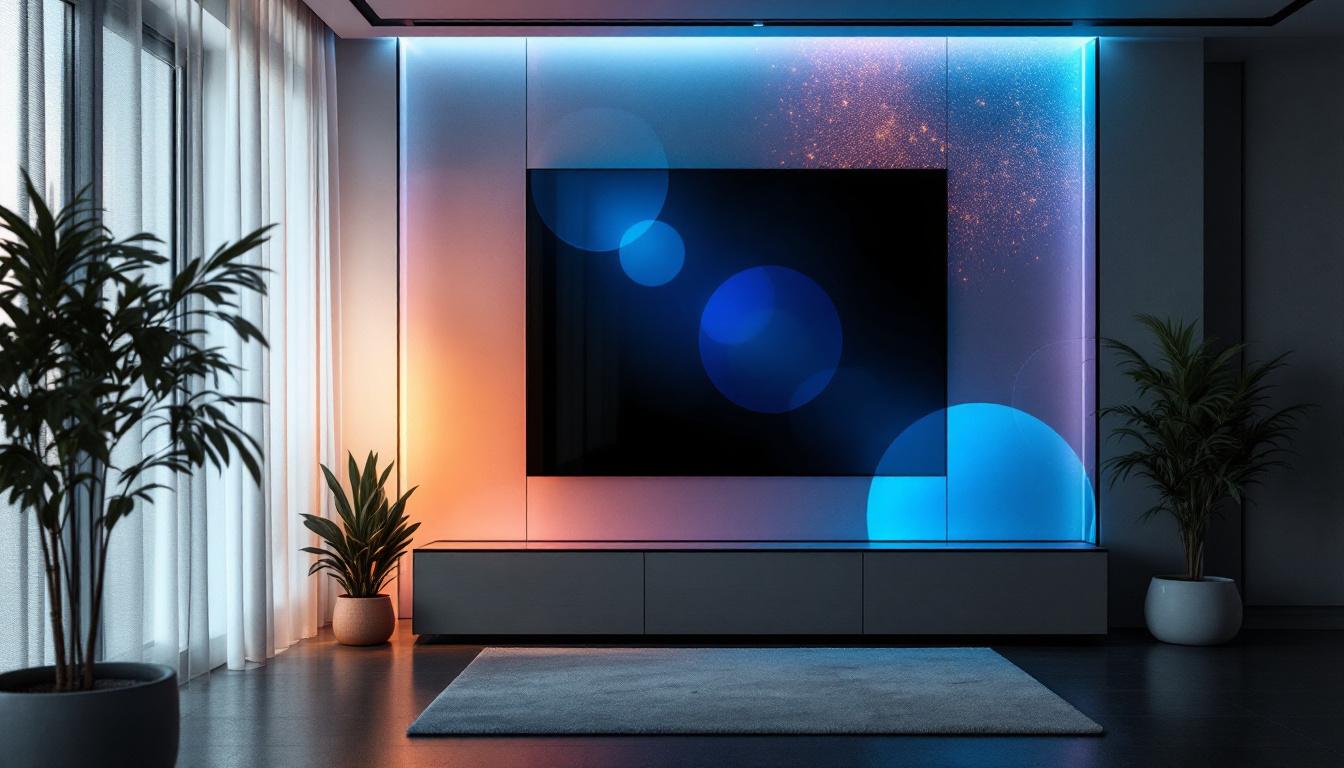
In today’s fast-evolving world of digital technology, privacy and aesthetics within interior spaces have become paramount. Whether in corporate offices, hospitality venues, or modern homes, the demand for innovative solutions that combine functionality with style is rising. One such solution gaining significant traction is the interior privacy screen utilizing LED display technology. These screens not only provide privacy but also offer dynamic visual capabilities that traditional partitions cannot match.
This article delves into the concept of interior privacy screens with LED displays, exploring their technology, applications, benefits, and considerations for implementation. By understanding how these systems work and their potential impact on interior design and privacy management, businesses and homeowners can make informed decisions about integrating this cutting-edge technology into their spaces.
Understanding Interior Privacy Screens with LED Displays
What Is an Interior Privacy Screen?
An interior privacy screen is a physical barrier designed to obstruct visibility between spaces, ensuring privacy without the need for permanent walls. Traditionally, these screens have been made from opaque or semi-opaque materials such as wood, fabric, or frosted glass. However, with advancements in display technology, interior privacy screens have evolved to incorporate LED displays that can dynamically change their appearance and function.
Unlike conventional partitions, LED privacy screens can switch between transparent, semi-transparent, or fully opaque states while simultaneously displaying digital content. This dual functionality allows them to serve as both privacy barriers and engaging visual elements within a room. Beyond just aesthetics, these screens can also contribute to the overall ambiance of a space, allowing for customizable lighting and imagery that can enhance mood or focus, making them particularly popular in modern office environments, creative studios, and even residential settings.
Moreover, the integration of LED privacy screens can facilitate a more flexible use of space. For instance, in open-plan offices, these screens can be adjusted to create temporary meeting areas or quiet zones, adapting to the needs of the moment. This versatility not only maximizes the utility of a space but also supports a collaborative atmosphere, where privacy can be easily achieved without the permanence of traditional walls.
How LED Display Technology Works in Privacy Screens
LED (Light Emitting Diode) technology involves a matrix of tiny light sources that can emit bright, vibrant colors. In the context of privacy screens, the LED panel is integrated into a transparent or semi-transparent substrate, such as glass or acrylic. This integration enables the screen to display images, videos, or patterns while controlling the amount of light passing through.
There are several types of LED display technologies used for interior privacy screens, including:
- Transparent LED Displays: These displays allow light to pass through the screen, maintaining visibility when the display is off or showing minimal content. When active, they can project vivid images or patterns that obscure the view behind the screen.
- Switchable LED Screens: Some systems incorporate switchable glass or films combined with LED backlighting, enabling the screen to toggle between clear and opaque states while displaying content.
- Micro-LED and Mini-LED Technologies: These newer technologies offer higher resolution and brightness with improved energy efficiency, enhancing the visual quality of privacy screens.
Additionally, the implementation of smart technology in these screens allows for remote control and automation, enabling users to adjust settings based on time of day or specific activities. For example, a screen can be programmed to display calming visuals during meditation sessions or switch to a more vibrant display during collaborative brainstorming sessions. This adaptability not only enhances user experience but also promotes a more dynamic interaction with the environment, making spaces feel alive and responsive to the needs of their occupants.
Furthermore, as sustainability becomes a growing concern in design, many manufacturers are exploring eco-friendly materials and energy-efficient LED solutions for these privacy screens. This not only reduces the environmental footprint but also aligns with the increasing demand for sustainable design practices in both commercial and residential projects. The future of interior privacy screens is not just about functionality and aesthetics; it is also about creating spaces that are mindful of their impact on the planet.
Applications of LED Interior Privacy Screens
Corporate and Office Environments
In the corporate world, privacy and collaboration must coexist. Open-plan offices often struggle with noise and visual distractions, making privacy screens essential. LED privacy screens provide an elegant solution by creating private meeting zones or workspaces without sacrificing natural light or openness.
Moreover, these screens can double as digital signage, displaying company branding, meeting schedules, or motivational content. According to a 2023 survey by the International Facility Management Association (IFMA), 68% of office managers reported increased employee satisfaction after integrating dynamic privacy solutions like LED screens, highlighting their value beyond mere partitioning.
Hospitality and Retail Spaces
Hotels, restaurants, and retail stores benefit from LED privacy screens by enhancing ambiance while managing customer flow and privacy. For example, a restaurant can use these screens to create intimate dining areas that change appearance throughout the day, from transparent during daylight to vibrant digital art in the evening.
Retailers use LED privacy screens to separate different product zones or create interactive displays that attract customers. A 2022 report by Retail Dive noted that stores employing digital partitions saw a 15% increase in customer engagement, emphasizing the marketing potential of LED privacy screens.
Residential Use
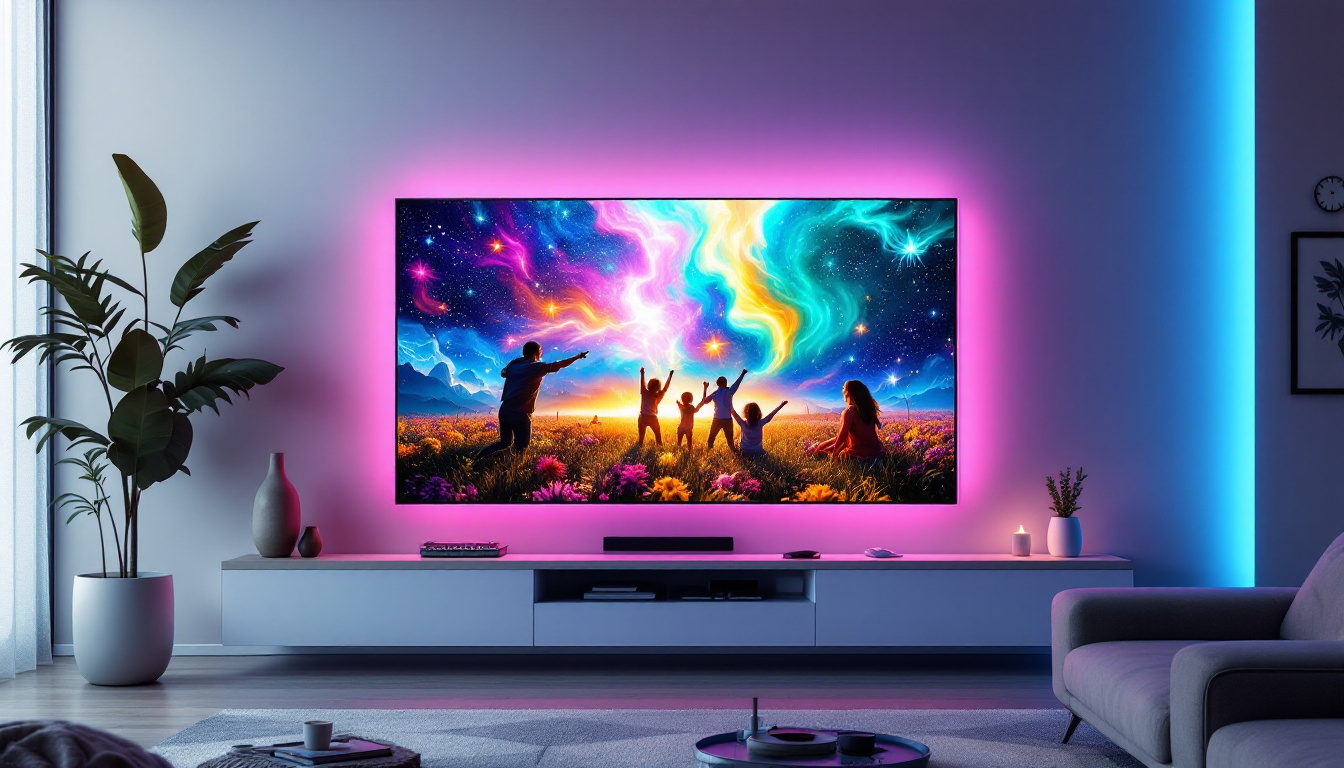
In high-end residential settings, LED privacy screens offer homeowners the ability to control privacy dynamically without sacrificing design. They can be used to separate living areas, conceal home offices, or create media walls that transform according to mood or occasion.
Smart home integration allows these screens to sync with lighting, sound, and security systems, providing a seamless and futuristic living experience. As smart home adoption grows—projected to reach 45% of U.S. households by 2025—LED privacy screens are poised to become a desirable feature for tech-savvy homeowners.
Benefits of LED Interior Privacy Screens
Enhanced Privacy with Flexibility
Traditional privacy screens offer static solutions that cannot adapt to changing needs. LED privacy screens provide unparalleled flexibility, allowing users to adjust opacity and content dynamically. This adaptability means spaces can be reconfigured quickly for different functions, such as meetings, presentations, or social gatherings.
Visual Appeal and Branding Opportunities
LED displays enable the incorporation of vibrant visuals, animations, and branding elements directly onto privacy screens. This capability transforms functional partitions into engaging focal points that enhance interior design and reinforce brand identity.
For instance, a company can display its logo or core values on office partitions, subtly reinforcing culture while maintaining privacy. This dual purpose maximizes the utility of interior elements and contributes to a cohesive environment.
Light Management and Energy Efficiency
Many LED privacy screens are designed to optimize natural light flow while providing privacy. Transparent LED panels allow daylight to penetrate, reducing the need for artificial lighting. Additionally, modern LED technologies consume less power than traditional lighting or display systems, contributing to energy savings and sustainability goals.
Integration with Smart Technologies
LED privacy screens can be integrated with building management and smart home systems. This integration allows for automated control based on time of day, occupancy, or user preferences. Voice commands, mobile apps, and sensor-based triggers enhance user convenience and create responsive environments.
Considerations When Choosing LED Privacy Screens
Resolution and Visual Quality
The quality of the LED display is critical, especially if the screen will be used for detailed visuals or branding. Higher resolution screens provide clearer images but may come at a higher cost. It is essential to balance visual quality with budget and intended use.
Transparency Levels and Viewing Angles
Depending on the application, the desired level of transparency varies. Some environments require near-complete opacity for privacy, while others benefit from partial transparency to maintain openness. Additionally, viewing angles affect how the screen appears from different positions in the room, influencing user experience.
Installation and Maintenance
LED privacy screens require professional installation to ensure optimal performance and safety. Maintenance considerations include cleaning, software updates, and potential repairs. Choosing durable materials and reliable manufacturers can minimize long-term costs and downtime.
Cost and Return on Investment
While LED privacy screens can be more expensive than traditional partitions, their multifunctionality and branding potential often justify the investment. Evaluating the return on investment involves considering factors such as increased employee productivity, enhanced customer experience, and energy savings.
Future Trends in LED Interior Privacy Screens
Advancements in Display Technology
Emerging technologies such as micro-LED and OLED (Organic Light Emitting Diode) promise even thinner, more flexible, and higher-resolution privacy screens. These innovations will expand design possibilities and improve energy efficiency.
Augmented Reality and Interactive Features
Integrating augmented reality (AR) with LED privacy screens could enable interactive experiences where users engage with digital content overlaid on physical spaces. This development holds potential for retail, education, and entertainment sectors.
Sustainability and Eco-Friendly Materials
As environmental concerns grow, manufacturers are exploring sustainable materials and recycling programs for LED screens. Future privacy screens may incorporate biodegradable components or energy-harvesting technologies to reduce environmental impact.
Conclusion
Interior privacy screens with LED displays represent a convergence of technology, design, and functionality. They offer dynamic privacy solutions that adapt to the needs of modern spaces while enhancing aesthetic appeal and user engagement. From corporate offices to luxury homes, these screens provide versatile options that traditional partitions cannot match.
When considering an LED privacy screen, it is crucial to evaluate the specific requirements of the space, including privacy levels, visual quality, and integration capabilities. With ongoing advancements and growing adoption, LED interior privacy screens are set to become a staple in contemporary interior design, offering innovative ways to balance openness and privacy in a visually compelling manner.
Discover LumenMatrix LED Display Solutions
Ready to elevate your space with the latest in LED display technology? LumenMatrix is at the forefront of creating immersive environments with our comprehensive range of LED display solutions. From enhancing your corporate office to transforming your luxury home, our Indoor LED Wall Display, Transparent LED Display, and other customizable options are designed to integrate seamlessly into any setting. Experience the future of interior privacy and visual communication today. Check out LumenMatrix LED Display Solutions and bring your vision to life.