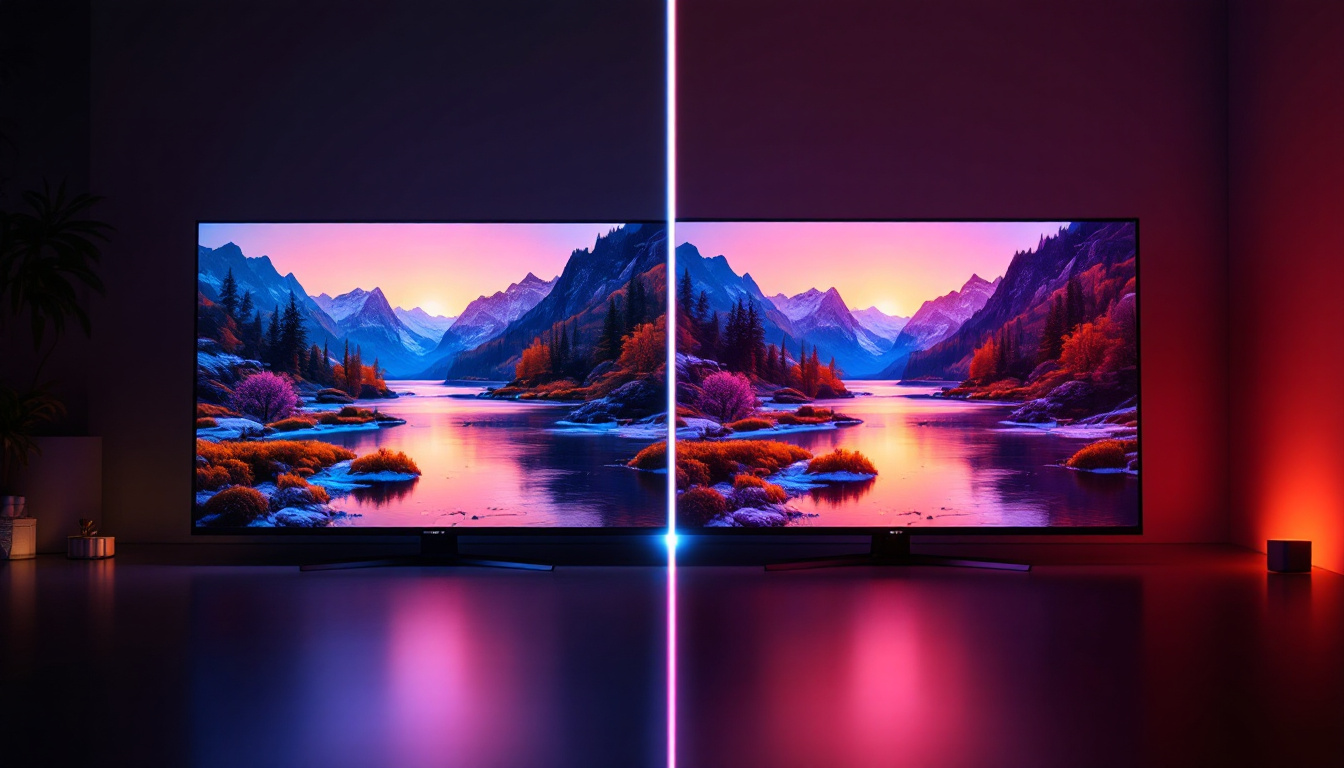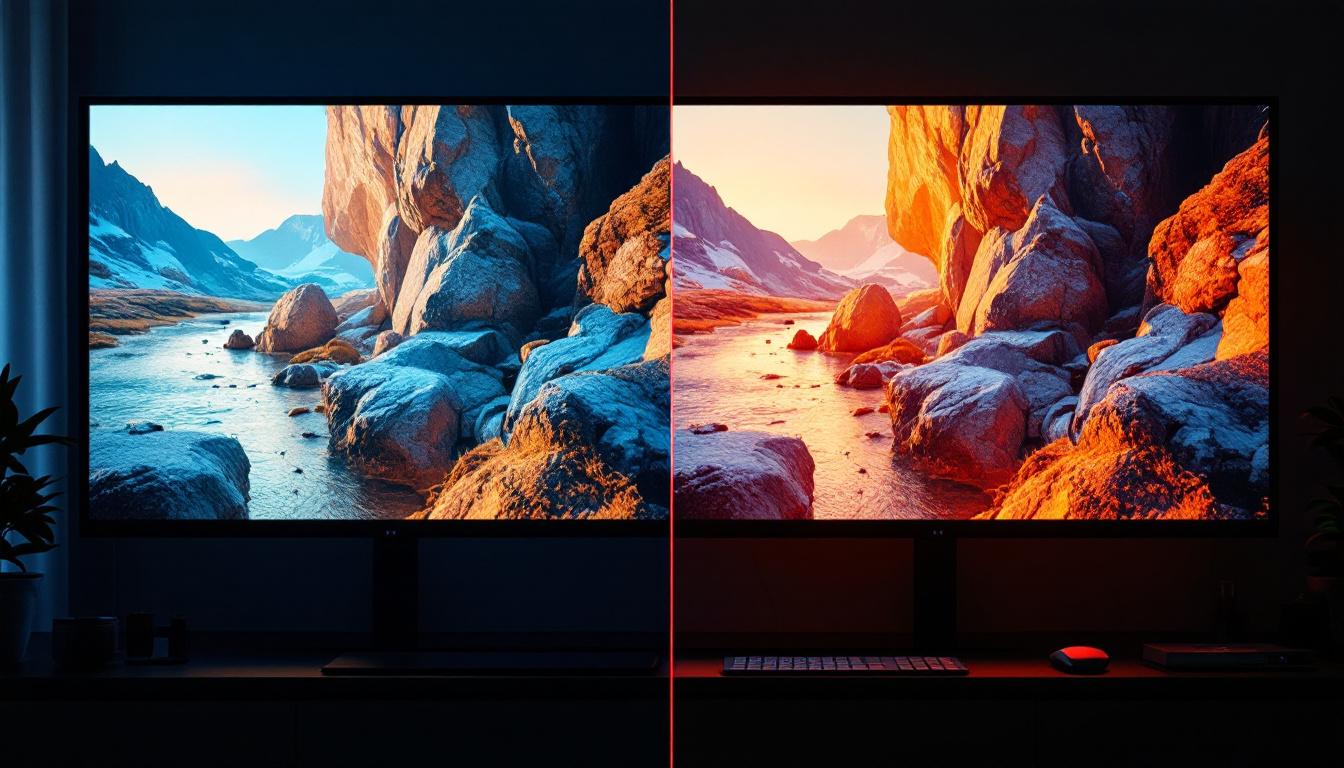
In the rapidly evolving world of display technology, LED screens have become a cornerstone for everything from smartphones and televisions to large-scale digital billboards. However, not all LED displays are created equal. Two primary types of LED backlighting technologies—Edge Light and Direct Light—play a crucial role in determining the display’s performance, energy efficiency, and visual quality. Understanding the differences between these two lighting methods is essential for consumers, manufacturers, and professionals who rely on LED displays for various applications.
Understanding LED Backlighting: The Basics
Before diving into the distinctions between Edge Light and Direct Light LED displays, it’s important to grasp how LED backlighting works in general. LED (Light Emitting Diode) backlighting is a technology used primarily in LCD (Liquid Crystal Display) screens, where LEDs illuminate the liquid crystals to produce images. The quality and placement of these LEDs significantly affect the brightness, contrast, color accuracy, and overall viewing experience. LED backlighting is not just about illumination; it also plays a crucial role in enhancing the visual performance of screens, making them more vibrant and lifelike.
LED backlighting replaced older CCFL (Cold Cathode Fluorescent Lamp) technology due to its superior energy efficiency, longer lifespan, and thinner panel design. Today, LED backlighting is standard in most modern displays, but the method of distributing the light varies, giving rise to Edge Light and Direct Light configurations. Edge-lit displays, for instance, utilize LEDs positioned along the edges of the screen, which allows for a slimmer profile, making them ideal for ultra-thin televisions and monitors. However, this design can sometimes lead to uneven brightness and limited viewing angles, which is where direct-lit displays shine, as they feature a grid of LEDs placed directly behind the screen, providing more uniform lighting and better contrast ratios.
Moreover, the advancements in LED technology have led to the development of features like local dimming, where specific zones of LEDs can be dimmed or brightened independently. This capability enhances the depth of blacks and improves the overall dynamic range of the image. Additionally, the introduction of Quantum Dot technology in conjunction with LED backlighting has further revolutionized the display landscape, offering richer colors and improved brightness levels. As consumers become more discerning about picture quality, understanding these nuances in LED backlighting becomes essential for making informed purchasing decisions, especially for those who prioritize cinematic experiences or professional-grade color accuracy in their displays.
What is Edge Light LED Display?
Design and Structure
Edge Light LED displays position the LEDs along the edges of the screen, typically on the left, right, top, or bottom sides. These LEDs emit light sideways, which is then distributed evenly across the screen using a light guide plate (LGP). The LGP is a specially designed optical panel that directs and diffuses the light uniformly to illuminate the entire display surface.
This design allows for extremely thin and lightweight screens, making Edge Light technology popular in ultra-slim televisions, monitors, and laptops. Because the LEDs are concentrated at the edges, the display panel can be much thinner compared to Direct Light designs.
Advantages of Edge Light Displays
- Thin Profile: The compact arrangement of LEDs along the edges enables manufacturers to produce sleek, slim devices that appeal to modern aesthetics.
- Energy Efficiency: Edge Light displays generally consume less power because fewer LEDs are used, which can extend battery life in portable devices.
- Cost-Effectiveness: Fewer LEDs and simpler assembly often translate to lower production costs, making Edge Light displays more affordable.
Limitations to Consider
Despite its benefits, Edge Light technology has some drawbacks. The uniformity of brightness across the screen can be challenging to maintain, especially on larger displays. Light bleed and uneven illumination near the edges may occur, affecting picture quality. Additionally, the contrast ratio and local dimming capabilities are often inferior compared to Direct Light displays.
What is Direct Light LED Display?
Design and Structure
Direct Light LED displays, also known as Full-Array LED displays, have LEDs placed directly behind the entire screen area. Instead of being limited to the edges, the LEDs are distributed evenly across the back panel, allowing for more precise control over lighting zones.
This arrangement supports advanced features such as local dimming, where specific zones of LEDs can be dimmed or brightened independently to enhance contrast and black levels. This makes Direct Light displays particularly suitable for high-end televisions, professional monitors, and digital signage requiring superior picture quality.
Advantages of Direct Light Displays
- Superior Brightness Uniformity: Since LEDs cover the entire screen, brightness is more consistent with minimal light bleed or halo effects.
- Enhanced Contrast and Local Dimming: The ability to control LED zones individually results in deeper blacks, brighter highlights, and an overall improved dynamic range.
- Better Color Accuracy: More precise backlighting contributes to richer and more accurate color reproduction, critical for professional applications.
Potential Downsides
Direct Light displays tend to be thicker and heavier due to the larger number of LEDs and the need for a more robust back panel. They also consume more power, which can be a disadvantage for portable devices. Additionally, these displays are generally more expensive because of the complexity involved in manufacturing and the higher LED count.
Comparing Edge Light and Direct Light: Key Factors
1. Picture Quality and Brightness
When it comes to picture quality, Direct Light displays generally outperform Edge Light models. The full-array LED placement allows for better control over brightness and contrast, enabling deeper blacks and more vibrant colors. Edge Light displays, while capable of producing bright images, sometimes suffer from uneven brightness and light leakage, especially in darker scenes.
For example, a 2023 study by DisplayMate found that Direct Light LED TVs consistently achieved higher contrast ratios and better HDR (High Dynamic Range) performance compared to Edge Light models in the same price range. This makes Direct Light the preferred choice for home theater enthusiasts and professionals who prioritize image fidelity.
2. Design and Thickness
Edge Light displays are favored for their slim profiles. The absence of LEDs behind the screen allows manufacturers to create ultra-thin panels that fit seamlessly into modern living spaces or portable devices. In contrast, Direct Light displays require additional depth to house the full array of LEDs, resulting in thicker and sometimes heavier screens.
Consumers looking for a sleek design or needing a lightweight display for travel or limited space often opt for Edge Light technology. However, the trade-off is a slight compromise in picture uniformity and contrast.
3. Energy Consumption
Edge Light LED displays are generally more energy-efficient due to the lower number of LEDs used. This efficiency is particularly important in battery-powered devices such as laptops, tablets, and smartphones. Direct Light displays, with their extensive LED arrays, consume more power but deliver superior image quality.
According to recent energy consumption tests, Edge Light TVs can use up to 20-30% less power than comparable Direct Light models, which can translate into significant savings over the lifespan of the device.
4. Cost Considerations
Manufacturing complexity and the number of LEDs directly impact the cost of LED displays. Edge Light displays are typically less expensive to produce and purchase, making them attractive for budget-conscious consumers and mass-market products.
Direct Light displays, with their advanced features and better performance, command higher prices. However, prices have been gradually decreasing as technology advances and production scales up, making Direct Light more accessible than ever before.
Applications and Use Cases: Which LED Display is Right for You?
Consumer Electronics
In smartphones, tablets, and laptops, Edge Light LED technology dominates due to its slim design and energy efficiency. Users benefit from lightweight devices with good enough picture quality for everyday use. For televisions, the choice depends on budget and viewing preferences. Mid-range and budget TVs often use Edge Light, while premium models employ Direct Light for enhanced viewing experiences.
Professional and Commercial Displays
For professional environments such as graphic design, video editing, and medical imaging, Direct Light LED displays are preferred. The superior color accuracy, contrast, and brightness uniformity are essential for tasks requiring precise visual representation.
In commercial settings like digital signage and outdoor billboards, the choice depends on size and brightness requirements. Large-scale displays often use Direct Light technology to ensure visibility and consistent brightness across vast surfaces.
Gaming and Entertainment
Gamers and home theater enthusiasts often favor Direct Light LED TVs and monitors because of the enhanced contrast and local dimming capabilities that improve immersion and visual detail. However, some gaming laptops and portable monitors use Edge Light to balance performance with portability.
Future Trends in LED Display Technology
As LED technology continues to evolve, the line between Edge Light and Direct Light displays is becoming less distinct. Innovations such as mini-LED and micro-LED backlighting are pushing the boundaries of brightness control, contrast, and energy efficiency.
Mini-LED technology, which uses thousands of tiny LEDs arranged in a full-array configuration, offers many of the benefits of Direct Light with thinner panels and improved energy efficiency. This technology is already being adopted in high-end TVs and monitors, signaling a shift toward more precise and versatile backlighting solutions.
Micro-LED, still in its early stages, promises even greater brightness, contrast, and lifespan without the burn-in issues associated with OLED displays. This technology could eventually replace both traditional Edge Light and Direct Light LED displays, offering unparalleled image quality and design flexibility.
Conclusion: Making an Informed Choice
Choosing between Edge Light and Direct Light LED displays depends on a variety of factors including budget, intended use, design preferences, and performance requirements. Edge Light displays offer a sleek, energy-efficient solution ideal for portable devices and budget-friendly TVs. In contrast, Direct Light displays provide superior picture quality, uniform brightness, and advanced features like local dimming, making them the go-to choice for professionals and enthusiasts.
As technology advances, consumers can expect even more sophisticated LED backlighting options that blend the best of both worlds. Understanding the fundamental differences between Edge Light and Direct Light is the first step toward selecting the right LED display that meets both practical needs and visual expectations.
Discover the Future of LED Displays with LumenMatrix
Ready to experience the ultimate in LED display technology? LumenMatrix is at the forefront of innovation, offering a wide range of LED display solutions tailored to your needs. Whether you’re looking for Indoor LED Walls, Outdoor Displays, or specialized options like Vehicle and Sports Displays, LumenMatrix has the cutting-edge technology to bring your vision to life. Elevate your visual communication and engage your audience like never before. Check out LumenMatrix LED Display Solutions today and see the difference for yourself.