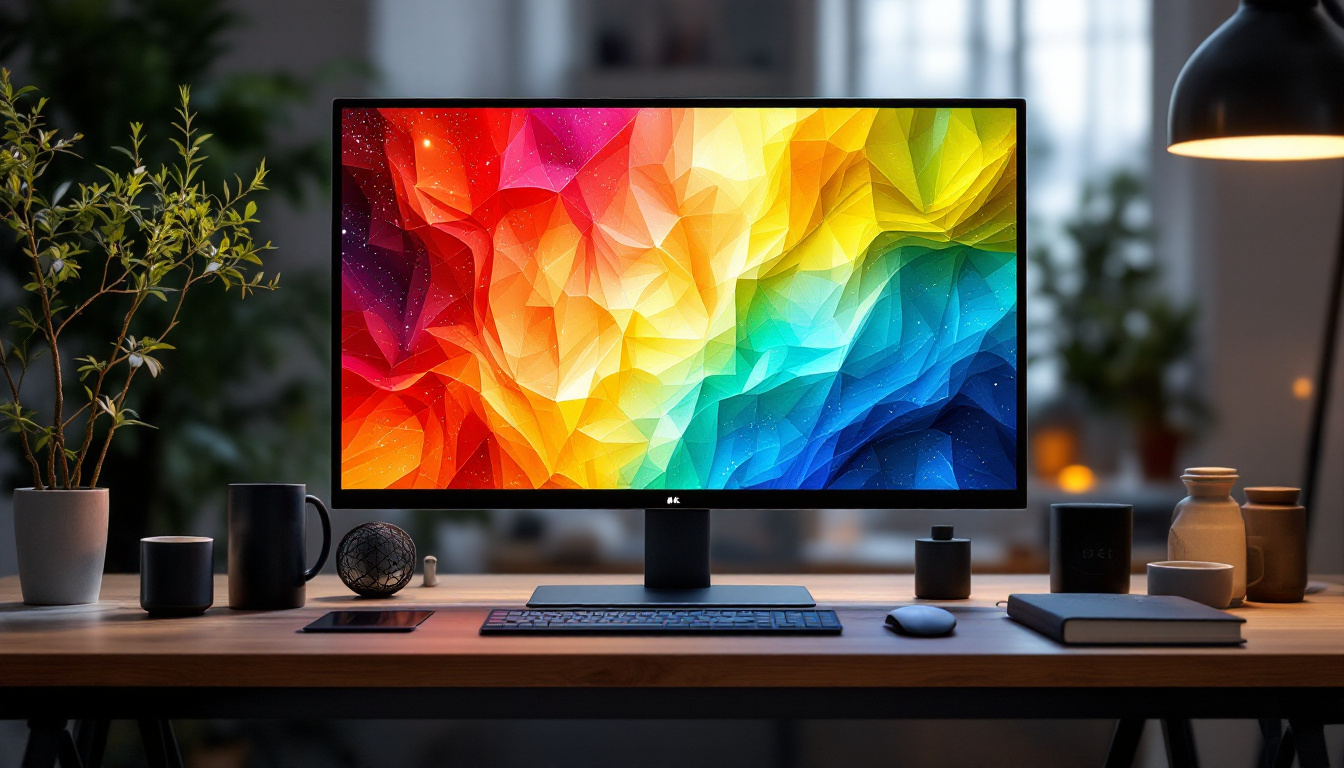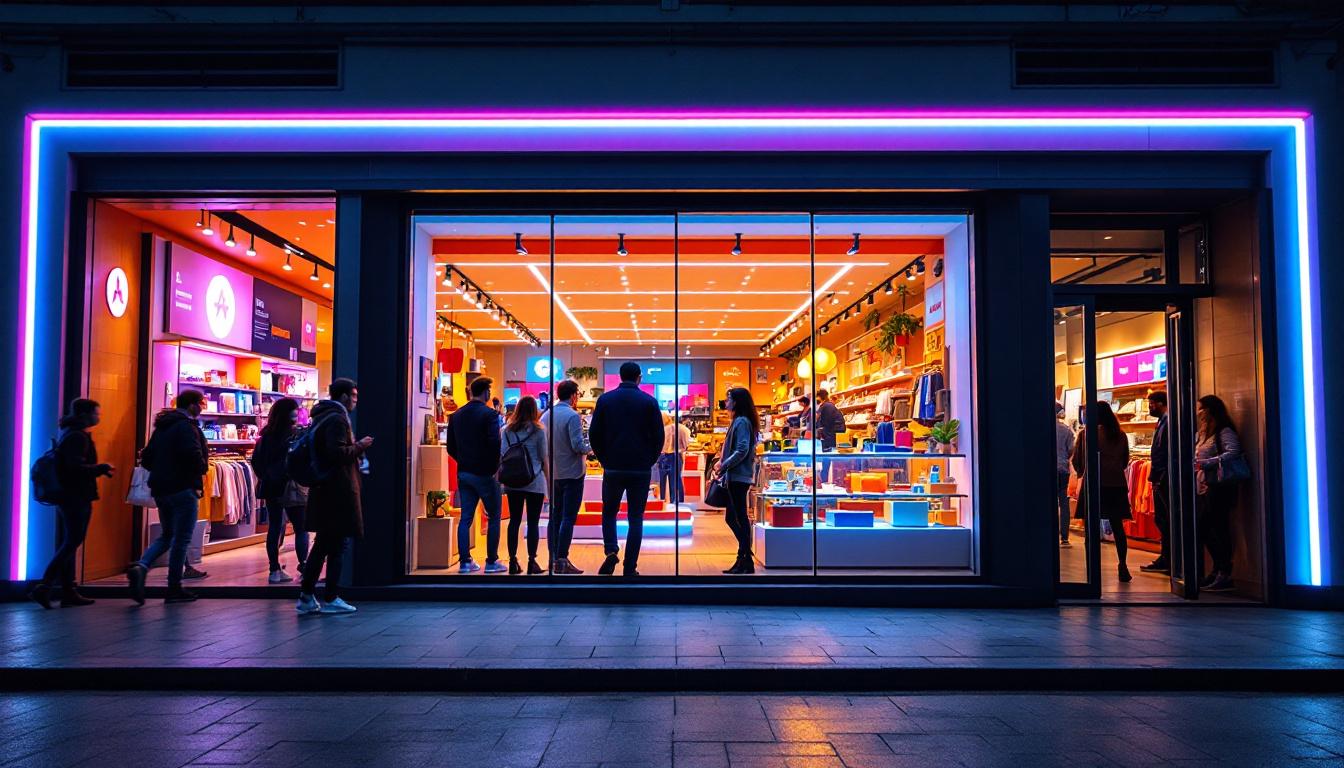
In today’s competitive retail environment, storefronts need to stand out to attract customers effectively. One of the most impactful ways to achieve this is through the use of LED lights and LED displays. These technologies not only enhance the visual appeal of a storefront but also provide dynamic, eye-catching messaging that can boost foot traffic and sales. This article delves into the world of LED lights for storefronts, explaining the technology, benefits, types, and best practices for implementation.
Understanding LED Technology for Storefronts
LED stands for Light Emitting Diode, a semiconductor device that emits light when an electric current passes through it. Unlike traditional incandescent bulbs, LEDs are highly energy-efficient, long-lasting, and versatile, making them ideal for commercial applications such as storefront lighting and displays.
LED technology has evolved significantly over the past decade. Modern LEDs offer brighter illumination, a wide range of colors, and the ability to be programmed for various lighting effects. For storefronts, this means more creative freedom to design lighting that captures attention and conveys brand messaging effectively. Retailers can utilize dynamic lighting that changes with the time of day or season, creating an engaging shopping environment that draws customers in and enhances their overall experience.
Why Choose LED Over Traditional Lighting?
Traditional lighting options like neon signs or incandescent bulbs have been popular for decades but come with several drawbacks. LEDs consume up to 80% less energy than incandescent bulbs, which translates to significant cost savings on electricity bills. Furthermore, LEDs have a lifespan of 25,000 to 50,000 hours, compared to 1,000 hours for incandescent bulbs, reducing maintenance and replacement costs. This longevity not only saves money but also minimizes the disruption that can occur when changing light fixtures, allowing businesses to focus on their operations rather than upkeep.
From an environmental perspective, LEDs are more sustainable as they contain no hazardous materials like mercury, which is common in fluorescent lighting. This makes LED lighting a responsible choice for businesses looking to reduce their carbon footprint. Additionally, the energy efficiency of LEDs contributes to lower greenhouse gas emissions, making them a smart choice for eco-conscious retailers. As more consumers prioritize sustainability in their purchasing decisions, adopting LED lighting can enhance a brand’s reputation and appeal to a growing market segment that values environmental responsibility.
Beyond energy savings and environmental benefits, LED technology also allows for innovative design possibilities. With options for flexible strips, panels, and even smart lighting systems, retailers can create unique visual displays that highlight products and promotions. The ability to control brightness and color temperature can also enhance the shopping atmosphere, making products appear more appealing and inviting. For example, warm white light can create a cozy ambiance, while cooler tones can evoke a modern and sleek feel. This versatility enables businesses to tailor their lighting to align with their brand identity and seasonal marketing strategies, ultimately driving customer engagement and sales.
The Benefits of LED Displays for Storefronts
LED displays are digital screens made up of numerous tiny LEDs that can display text, images, and videos. When integrated into storefronts, these displays offer a range of benefits that can directly impact a retailer’s success.
Enhanced Visibility and Attraction
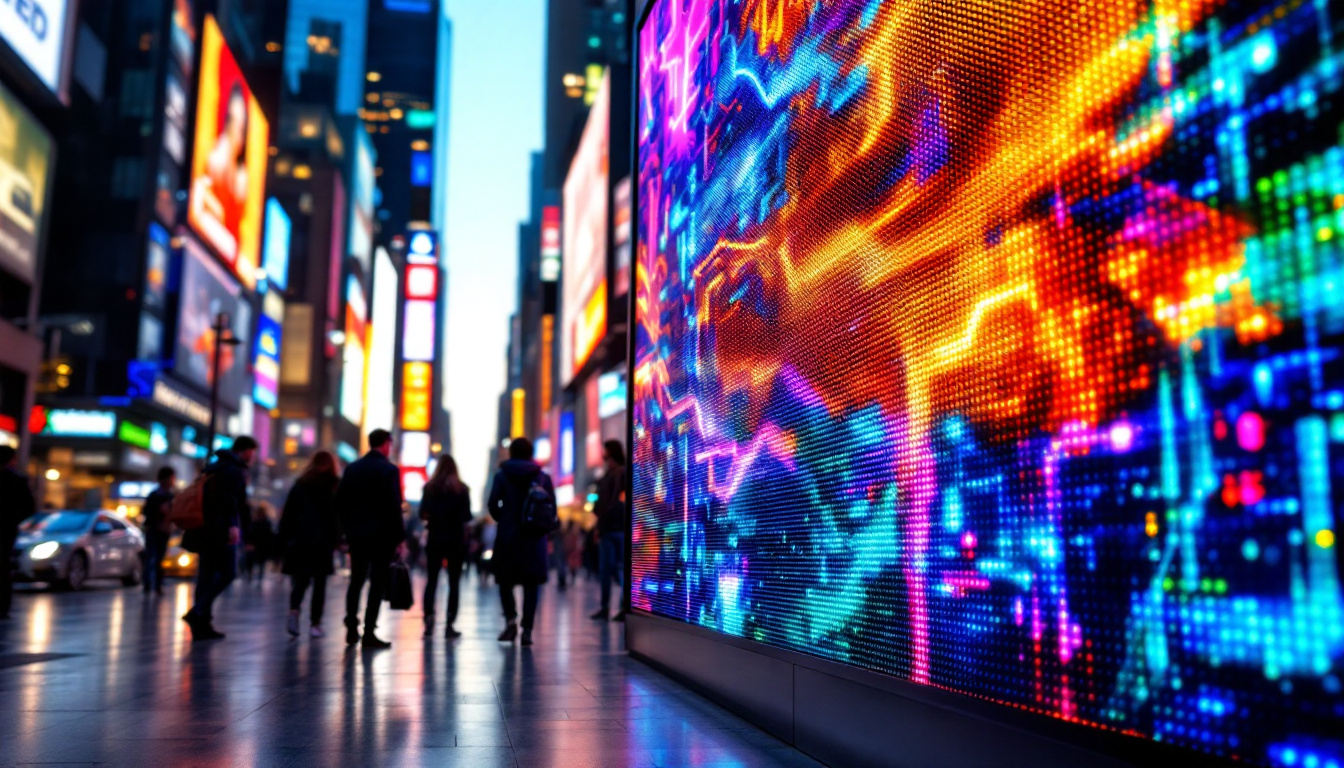
LED displays are bright and vibrant, making them visible even in direct sunlight or adverse weather conditions. This high visibility helps storefronts capture the attention of passersby, increasing the likelihood of drawing in potential customers. Studies indicate that digital signage can increase customer engagement by up to 30%, which is a compelling reason for retailers to invest in LED displays.
Dynamic and Customizable Messaging
Unlike static signs, LED displays allow businesses to change their messaging instantly. Retailers can promote daily specials, upcoming events, or seasonal sales with ease. This flexibility helps keep the storefront fresh and relevant, encouraging repeat visits. Additionally, the ability to display animations and videos can create a memorable brand experience that resonates with customers.
Cost-Effective Marketing Tool
While the initial investment in LED displays may be higher than traditional signage, the long-term benefits outweigh the costs. Digital displays eliminate the need for printing new signs, reducing ongoing marketing expenses. Furthermore, the ability to target specific times of day or demographics with tailored content can increase the effectiveness of promotional campaigns.
Types of LED Lights and Displays for Storefronts
When selecting LED lighting or displays for a storefront, understanding the different types available is crucial. Each type serves a specific purpose and offers unique advantages.
LED Strip Lights
LED strip lights are flexible circuit boards embedded with LEDs that can be installed around windows, doors, or architectural features. They are excellent for accent lighting and creating a welcoming ambiance. Their versatility allows for various color options and effects, such as color changing or dimming, which can enhance the storefront’s aesthetic appeal.
LED Channel Letters
Channel letters are individual 3D letters illuminated by LEDs and commonly used for storefront signage. These letters can be backlit or face-lit, providing a professional and polished look. LED channel letters are energy-efficient and highly visible, making them a popular choice for brand identification.
LED Message Boards and Video Walls
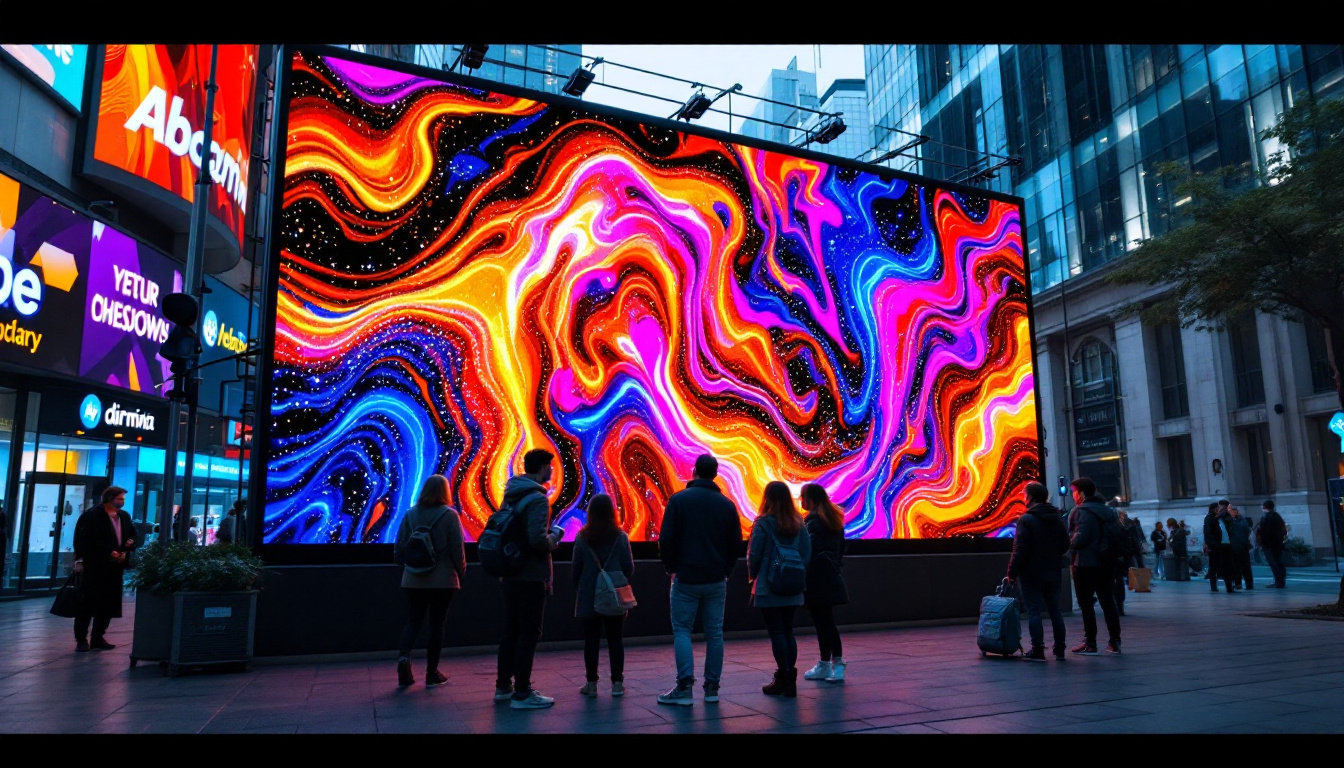
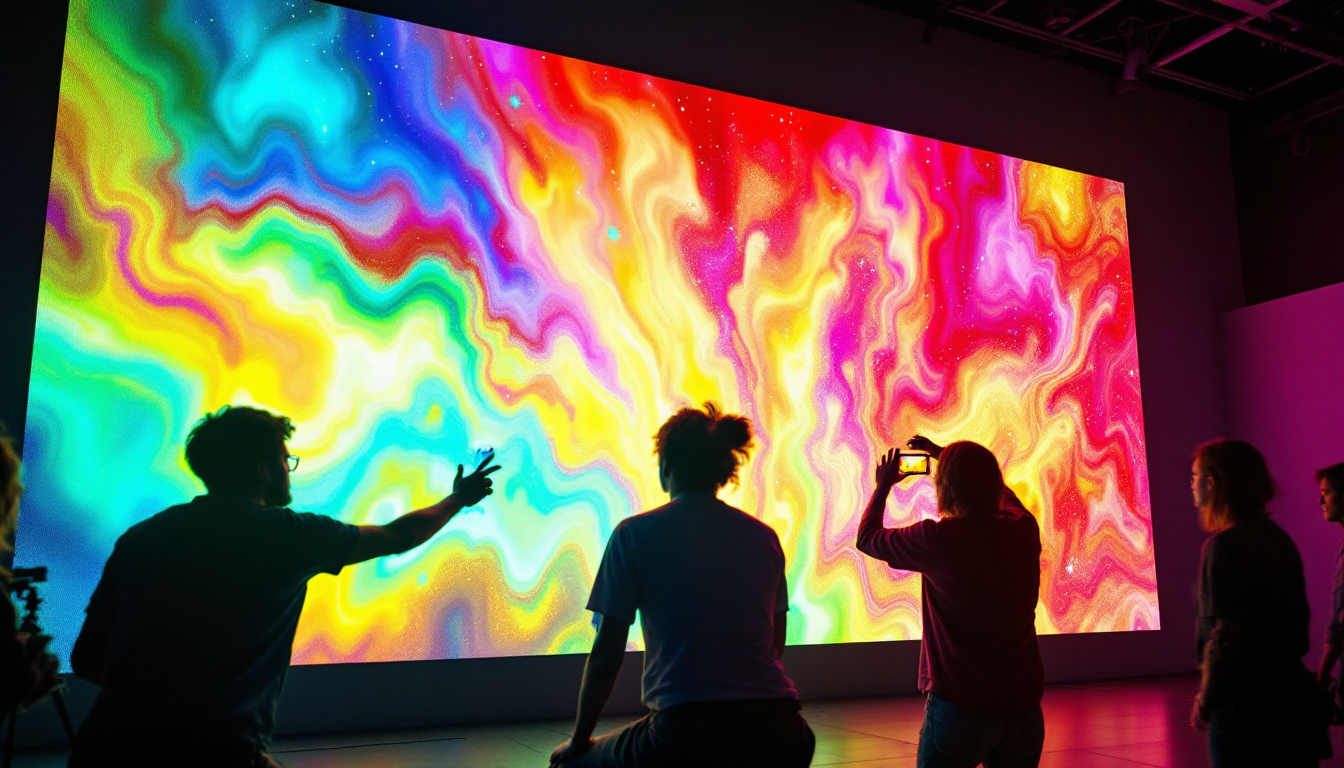
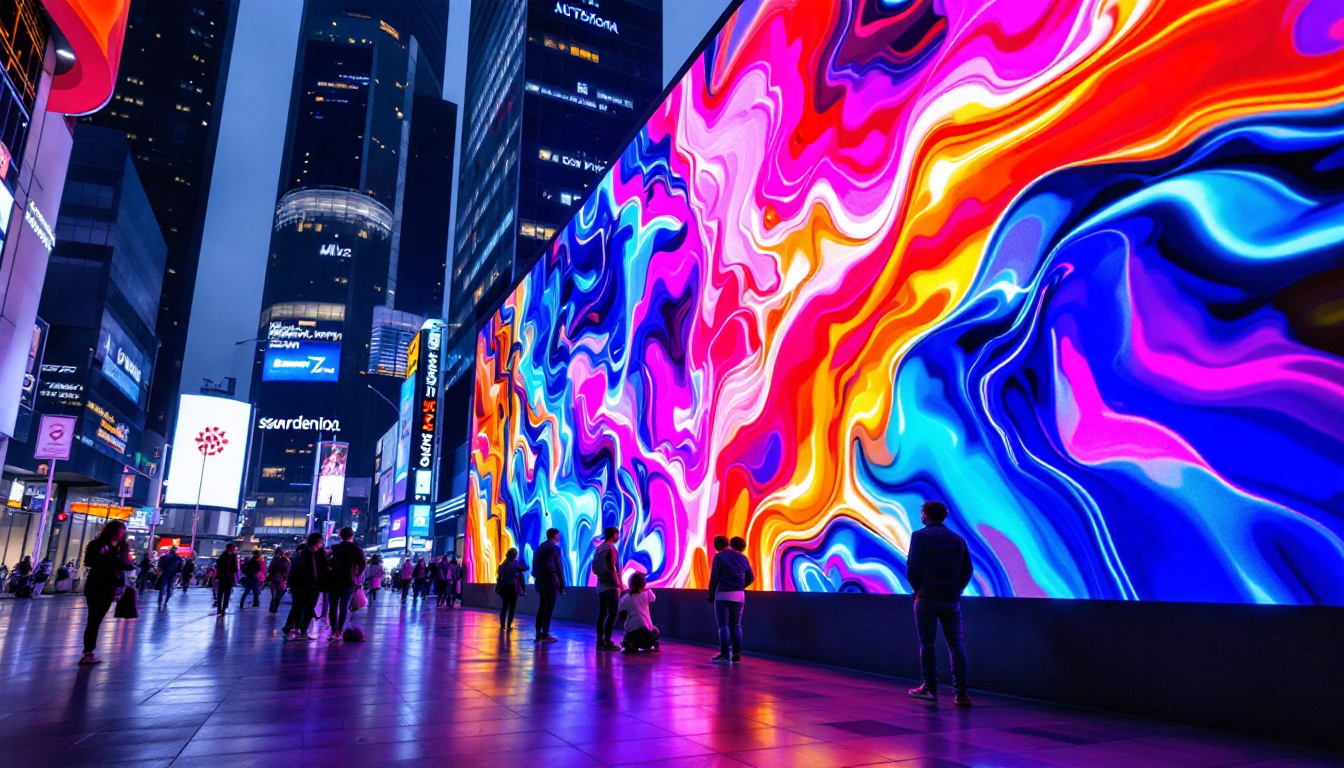
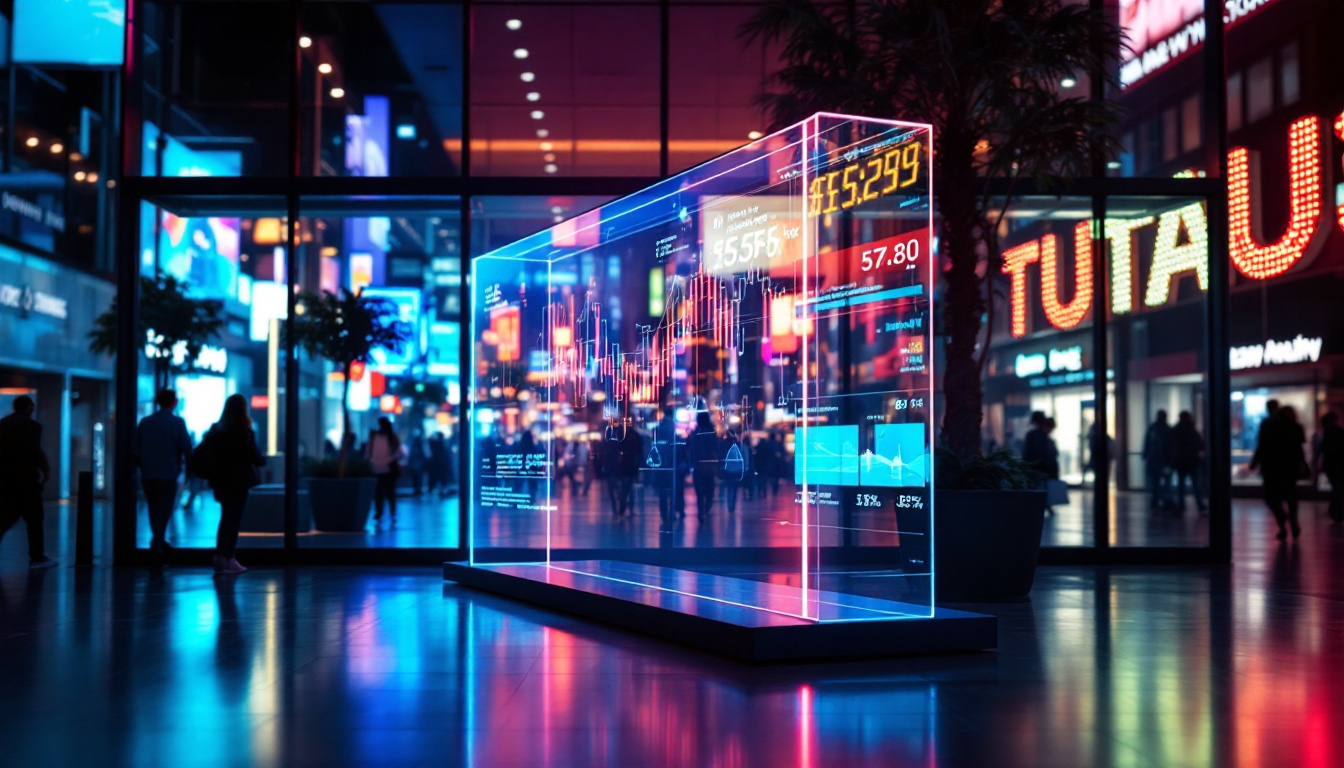
For retailers seeking dynamic content delivery, LED message boards and video walls are ideal. These displays can range from small message boards showing text and simple graphics to large-scale video walls capable of full-motion video. They are perfect for advertising promotions, sharing news, or creating interactive experiences.
LED Floodlights and Spotlights
To highlight architectural details or product displays near the storefront, LED floodlights and spotlights are effective. These fixtures provide focused illumination that draws attention to specific areas, enhancing the overall visual impact of the storefront.
Design Considerations for LED Storefront Lighting
Implementing LED lighting and displays requires thoughtful design to maximize effectiveness and avoid common pitfalls.
Brightness and Color Temperature
Choosing the right brightness level is essential. Overly bright lights can cause glare and discomfort, while insufficient brightness may fail to attract attention. The color temperature, measured in Kelvins (K), affects the mood and perception of the storefront. Warmer tones (2700K-3000K) create a cozy atmosphere, while cooler tones (4000K-6500K) appear modern and energetic.
Placement and Viewing Angles
Strategic placement of LED lights and displays ensures maximum visibility. Consider the typical foot traffic patterns and sightlines when positioning signage. LED displays should be installed at eye level or slightly above for optimal readability. Additionally, ensuring that displays are viewable from multiple angles can increase engagement.
Content Strategy for LED Displays
Compelling content is key to leveraging the full potential of LED displays. Messages should be concise, visually appealing, and aligned with the brand identity. Incorporating calls to action, such as “Visit Today” or “Limited Time Offer,” can drive immediate customer response. Regularly updating content keeps the display fresh and encourages repeat attention.
Installation and Maintenance of LED Storefront Lighting
Proper installation and ongoing maintenance are critical to the performance and longevity of LED storefront lighting.
Professional Installation
LED lighting systems and displays often require specialized electrical knowledge and equipment for installation. Hiring experienced professionals ensures that the system is safely and correctly installed, complies with local regulations, and integrates seamlessly with existing storefront infrastructure.
Maintenance and Troubleshooting
Although LEDs are low maintenance, periodic cleaning and inspection are necessary to maintain brightness and functionality. Dust, dirt, and moisture can diminish performance over time. Establishing a maintenance schedule helps identify issues early, such as flickering lights or dead pixels, minimizing downtime.
Case Studies: Successful LED Storefront Implementations
Real-world examples illustrate how LED lights and displays can transform storefronts and deliver measurable business benefits.
Example 1: Boutique Retailer Boosts Sales with LED Video Wall
A boutique clothing store in a busy urban area installed a 4K LED video wall above its entrance. The display showcased new arrivals, customer testimonials, and promotional offers. Within six months, the store reported a 25% increase in foot traffic and a 15% rise in sales, attributing much of the growth to the engaging digital signage.
Example 2: Restaurant Enhances Ambiance and Visibility
A local restaurant used LED strip lights and channel letters to create a warm, inviting storefront. The lighting highlighted the restaurant’s name and outdoor seating area, making it more appealing during evening hours. Customer surveys indicated that the improved lighting influenced their decision to dine at the restaurant, contributing to higher evening reservations.
Future Trends in LED Storefront Lighting
The LED industry continues to innovate, offering exciting possibilities for storefront lighting and displays.
Integration with Smart Technology
Smart LED systems connected to the Internet of Things (IoT) enable remote control, scheduling, and data analytics. Retailers can adjust lighting based on time of day, weather conditions, or customer demographics, optimizing energy use and marketing impact.
Advancements in Micro-LED and OLED Displays
Emerging technologies like Micro-LED and OLED promise even brighter, thinner, and more flexible displays. These advancements will allow for more creative storefront designs and immersive customer experiences.
Interactive and Augmented Reality Displays
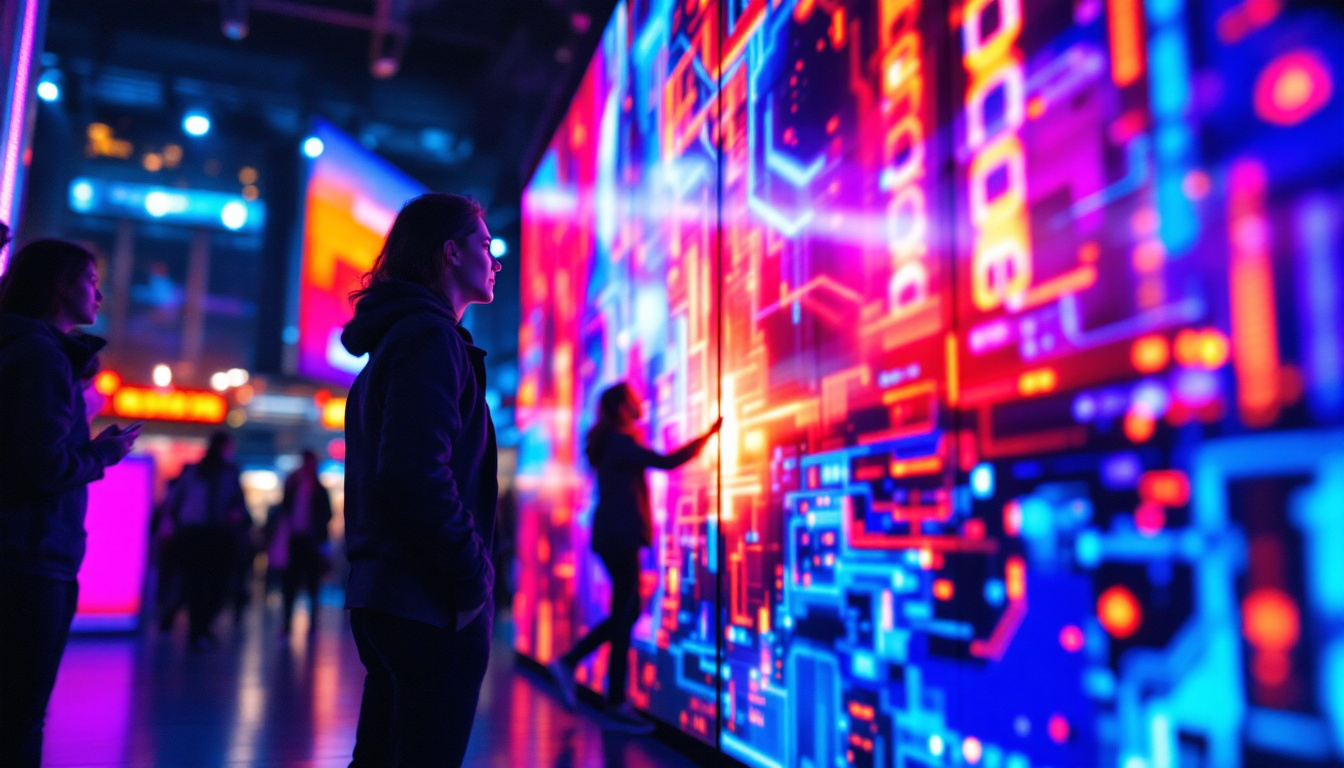
Interactive LED displays that respond to customer movements or integrate augmented reality (AR) elements are becoming more accessible. These features can create memorable shopping experiences that differentiate retailers in crowded markets.
Conclusion
LED lights and displays offer storefronts a powerful tool to enhance visibility, engage customers, and drive sales. Their energy efficiency, durability, and versatility make them a smart investment for retailers of all sizes. By understanding the types of LED lighting available, design considerations, and maintenance requirements, businesses can create compelling storefronts that stand out in today’s competitive retail landscape. As technology advances, LED storefront lighting will continue to evolve, providing even greater opportunities for innovation and customer connection.
Illuminate Your Brand with LumenMatrix
Ready to elevate your storefront and captivate your audience with brilliant LED displays? Discover the transformative power of LumenMatrix’s innovative LED solutions. From vibrant Indoor and Outdoor LED Wall Displays to dynamic Vehicle and Sports Displays, our extensive range of products, including the sleek LED Poster and interactive Floor LED Displays, is designed to make your brand shine. Embrace the future of visual communication with our Custom, All-in-One, and Transparent LED Displays. Check out LumenMatrix LED Display Solutions today and light up your business with unparalleled clarity and impact.