Transforming a living room into a captivating and immersive space has become a popular trend in interior design. Among the many innovative options available, 3D wall murals combined with LED displays stand out for their ability to combine art, technology, and ambiance. This article explores how 3D wall murals integrated with LED technology can redefine living room aesthetics, the technology behind LED displays, and practical considerations for installation and maintenance.
Understanding 3D Wall Murals: Beyond Traditional Decor
Wall murals have long been a favored way to add personality and style to living spaces. However, traditional murals are flat images that rely on perspective and shading to create depth. 3D wall murals elevate this concept by incorporating physical texture or optical illusions that make the artwork appear to extend beyond the wall’s surface.
These murals can be created using various materials such as textured wallpaper, sculpted panels, or digitally printed surfaces that simulate depth. The effect is a striking visual experience that can make a room feel larger, more dynamic, or themed according to the homeowner’s preferences.
For living rooms, 3D murals can serve as focal points, conversation starters, or mood enhancers. Popular themes include natural landscapes, abstract art, urban scenes, and even customized family portraits rendered in three dimensions. The tactile and visual depth these murals provide adds a layer of sophistication and uniqueness that flat designs often lack.
Why Choose 3D Murals for Living Rooms?
The living room is typically the heart of a home, where families gather and guests are entertained. Choosing 3D murals for this space offers several advantages:
- Enhanced Visual Interest: The depth and texture create a captivating environment that draws attention and admiration.
- Personalization: 3D murals can be custom-designed to reflect personal tastes or complement existing décor.
- Spatial Perception: The illusion of depth can make smaller living rooms appear more spacious and open.
- Durability: Many 3D murals use materials that are easy to clean and maintain, making them practical for high-traffic areas.
Moreover, the versatility of 3D wall murals allows them to seamlessly integrate into various design styles, from contemporary and minimalist to rustic and eclectic. For instance, a 3D mural depicting a serene forest scene can evoke a sense of tranquility in a modern setting, while a vibrant cityscape might perfectly complement an industrial loft. This adaptability means that homeowners can easily switch themes or styles as their tastes evolve over time.
Additionally, the installation process for 3D murals has become increasingly user-friendly, with many options available for DIY enthusiasts. Some murals come with peel-and-stick backing, allowing for easy application and repositioning, while others may require a more traditional adhesive approach. This accessibility empowers homeowners to take charge of their interior design, creating a space that truly reflects their personality and lifestyle without the need for professional help.
The Role of LED Displays in Modern Wall Murals
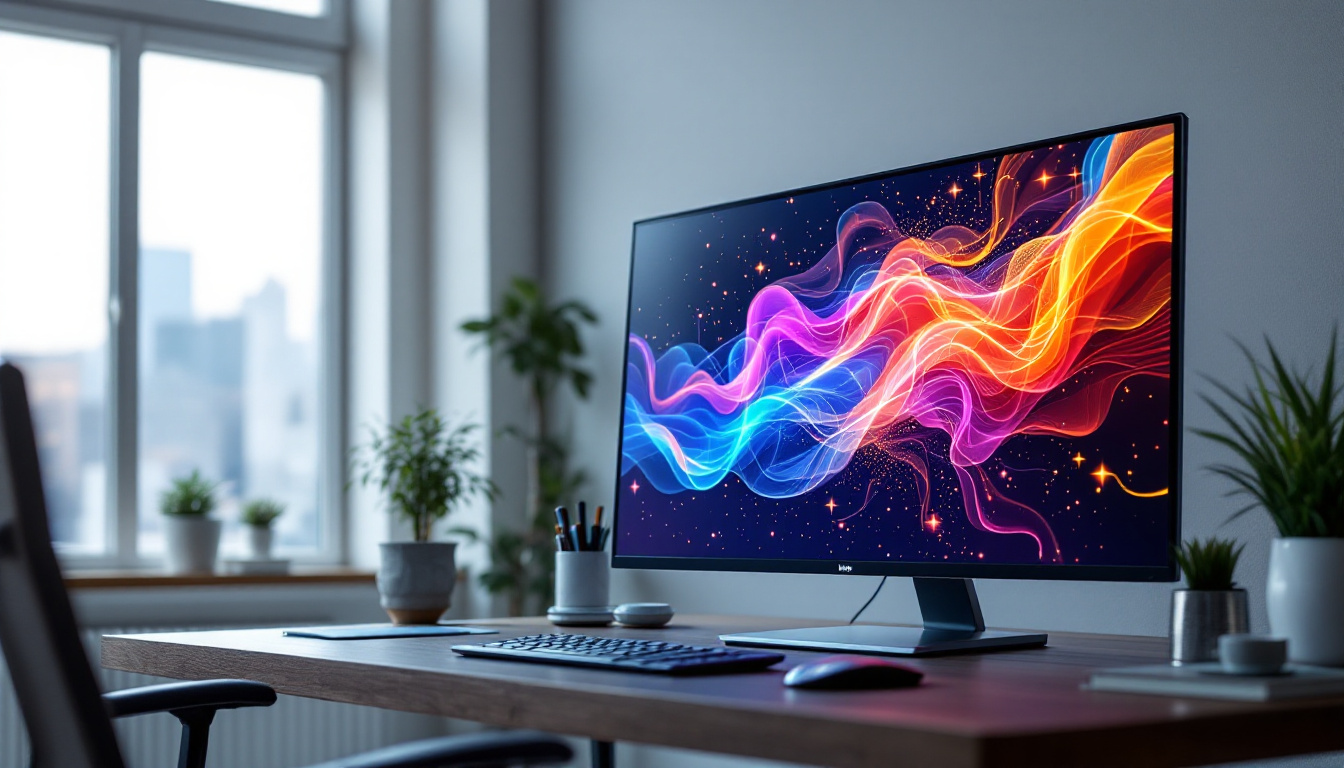
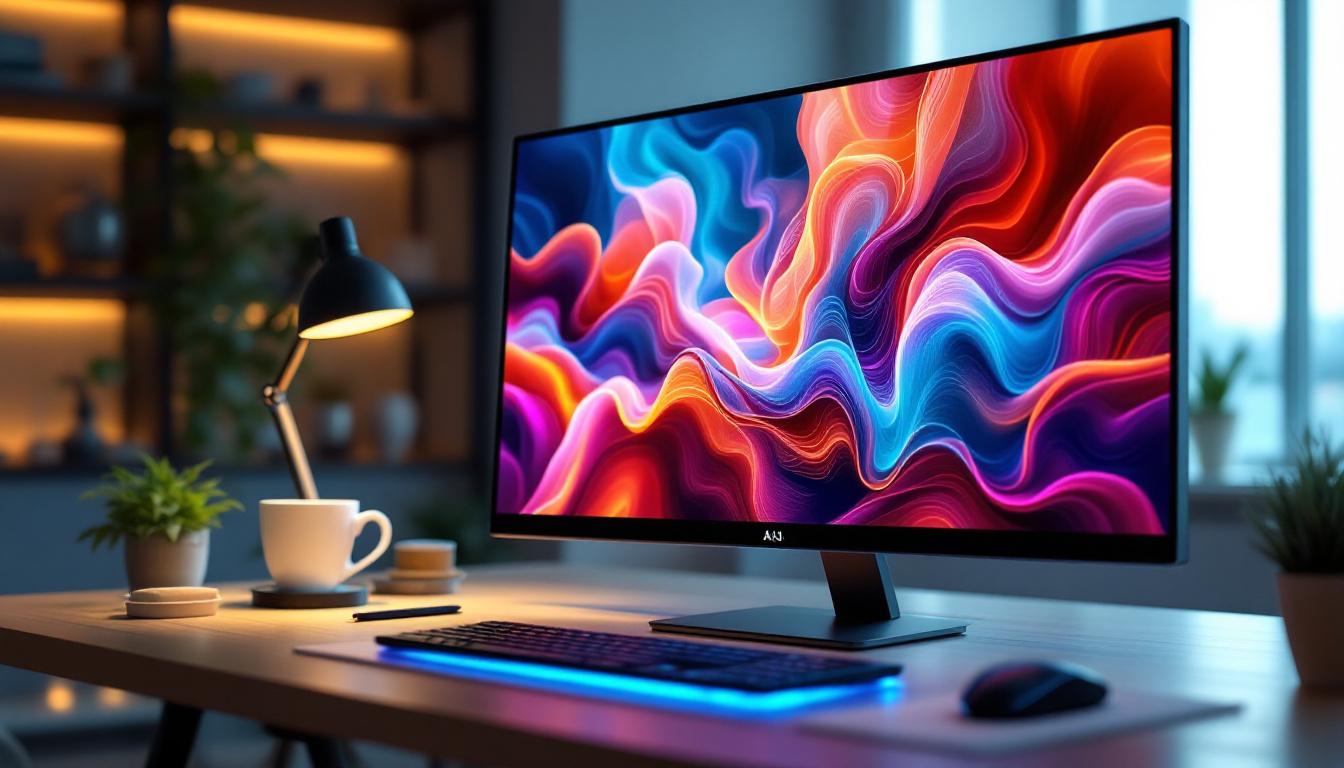
While 3D murals add physical and visual depth, integrating LED displays introduces dynamic lighting and motion, transforming static art into interactive experiences. LED (Light Emitting Diode) technology has revolutionized how light is used in interior design, offering energy efficiency, versatility, and longevity.
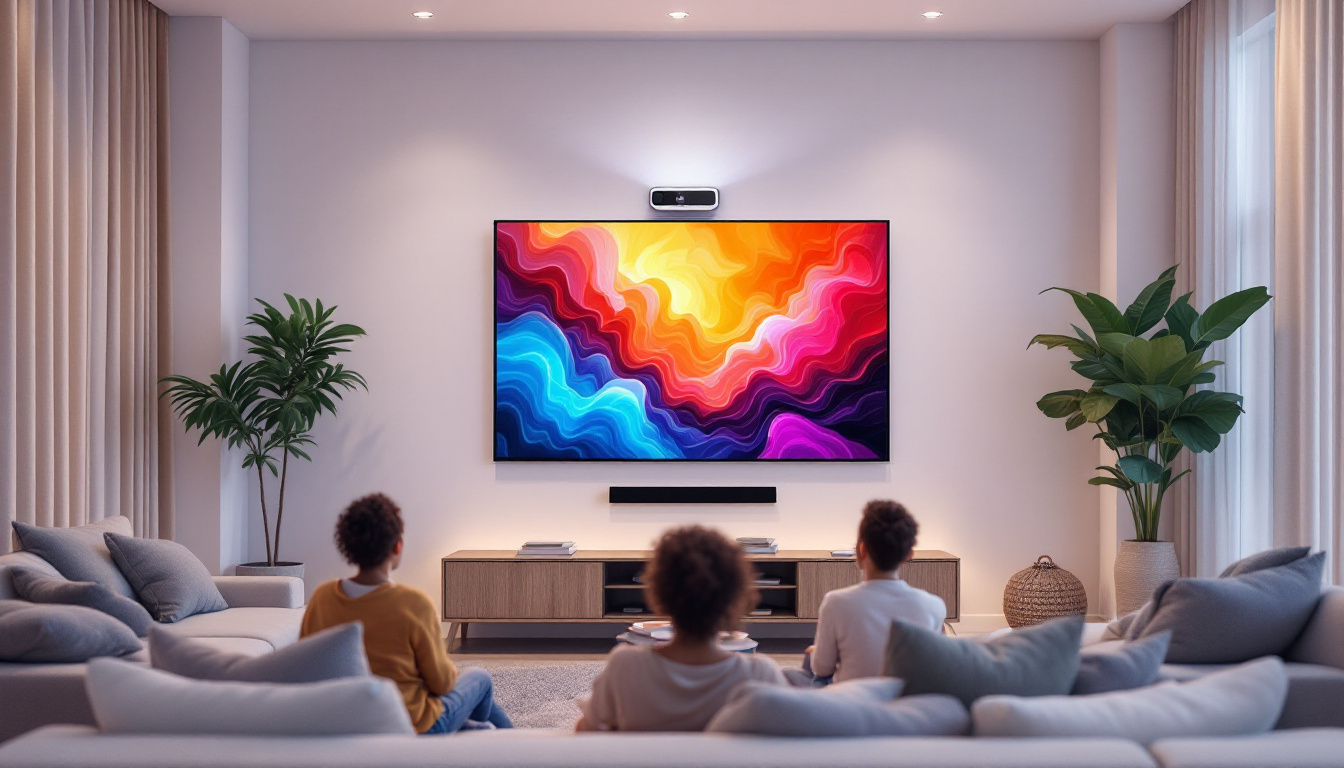
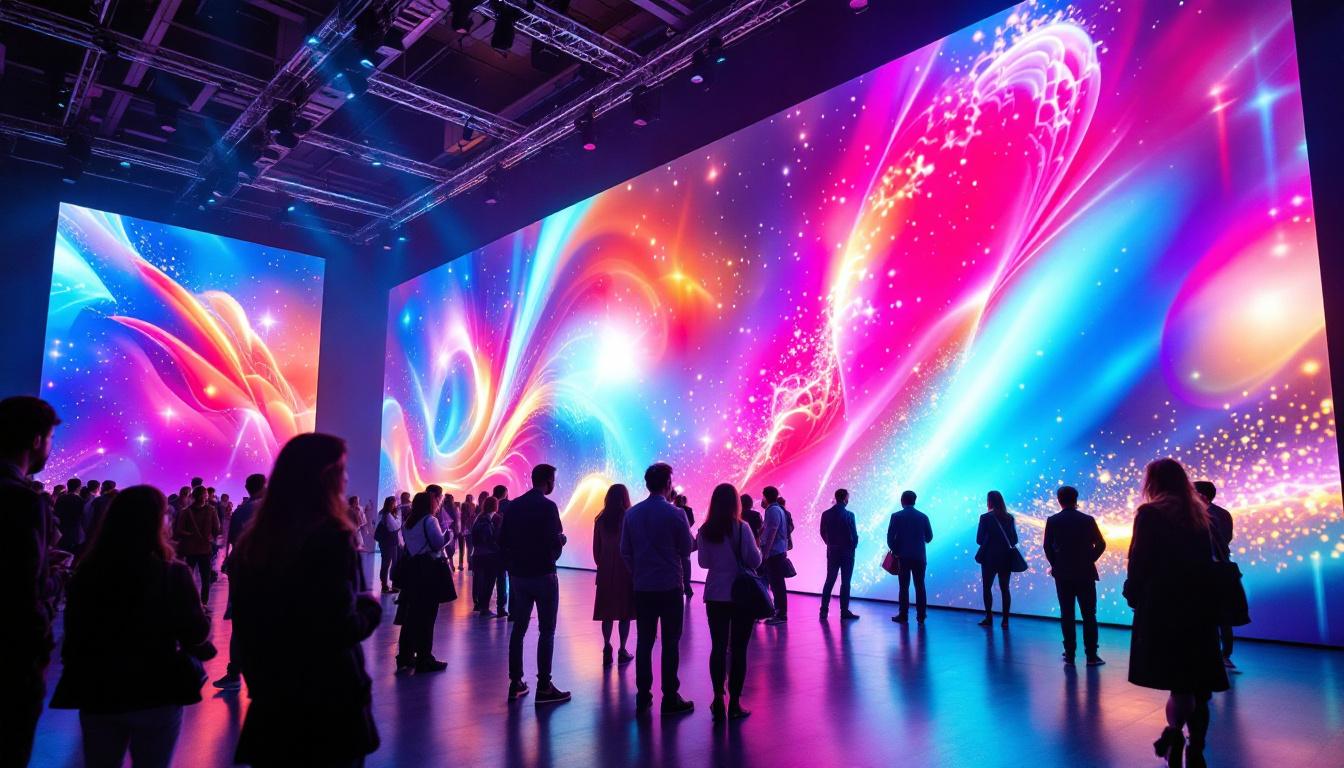
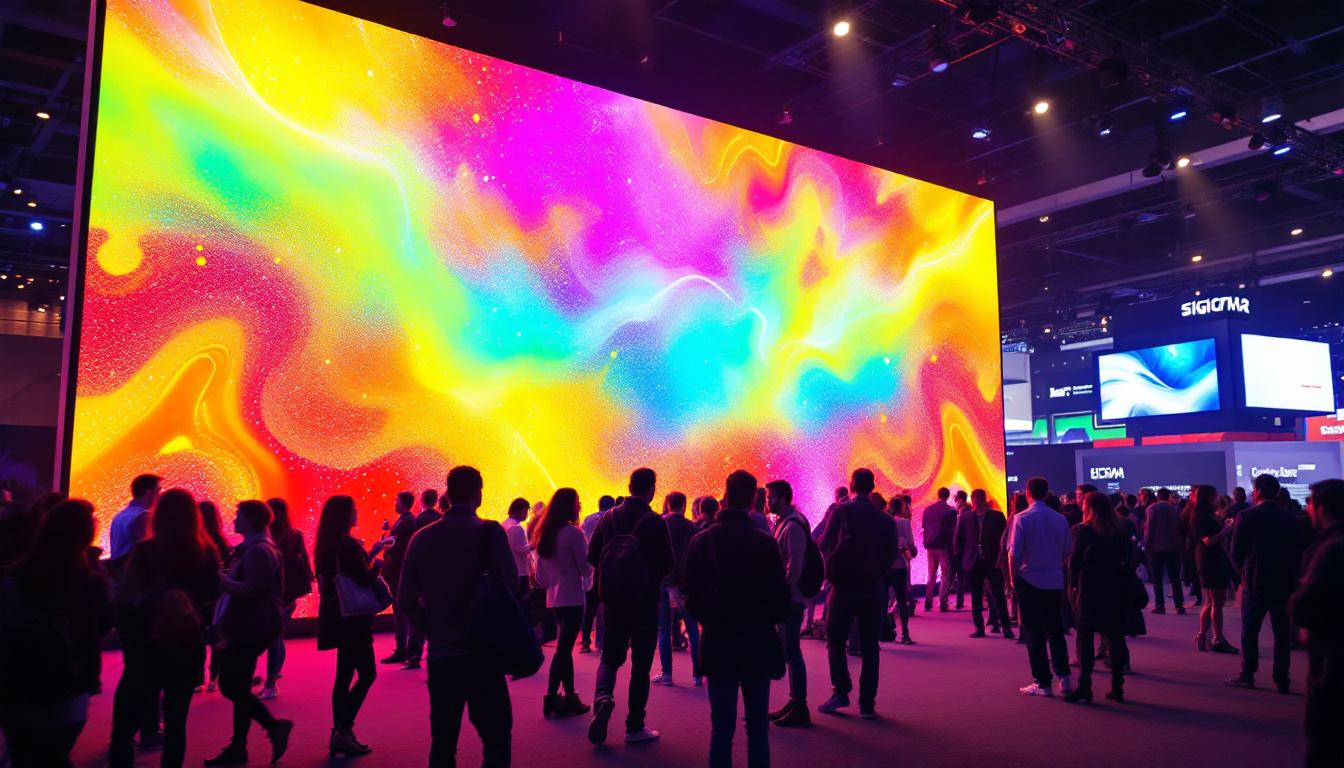
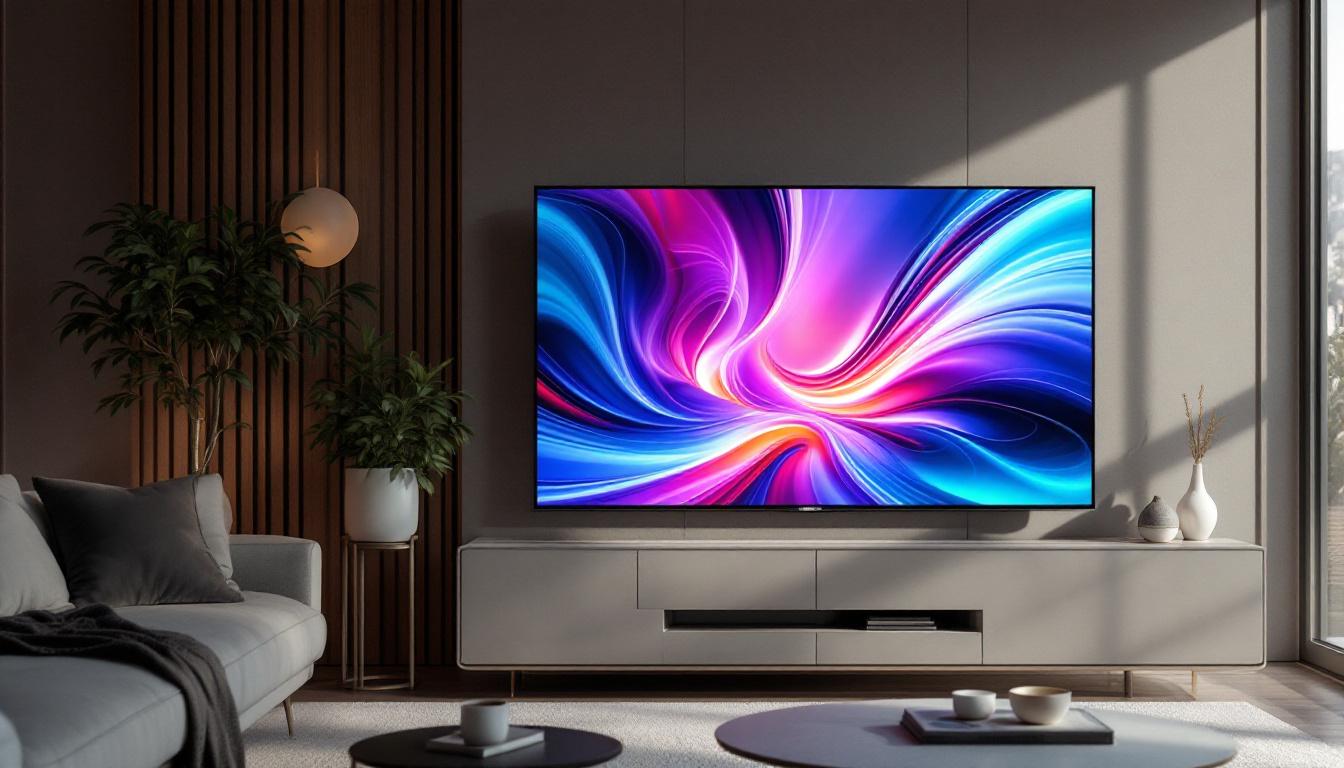
LED displays embedded within or around 3D murals can highlight specific features, create changing atmospheres, or even display moving images and patterns. This fusion of art and technology opens new possibilities for living room aesthetics. By seamlessly blending the digital with the tactile, homeowners can curate an atmosphere that evolves with their moods and preferences, making each gathering a unique experience.
How LED Technology Enhances 3D Murals
LED lighting can be used in various ways to complement 3D wall murals:
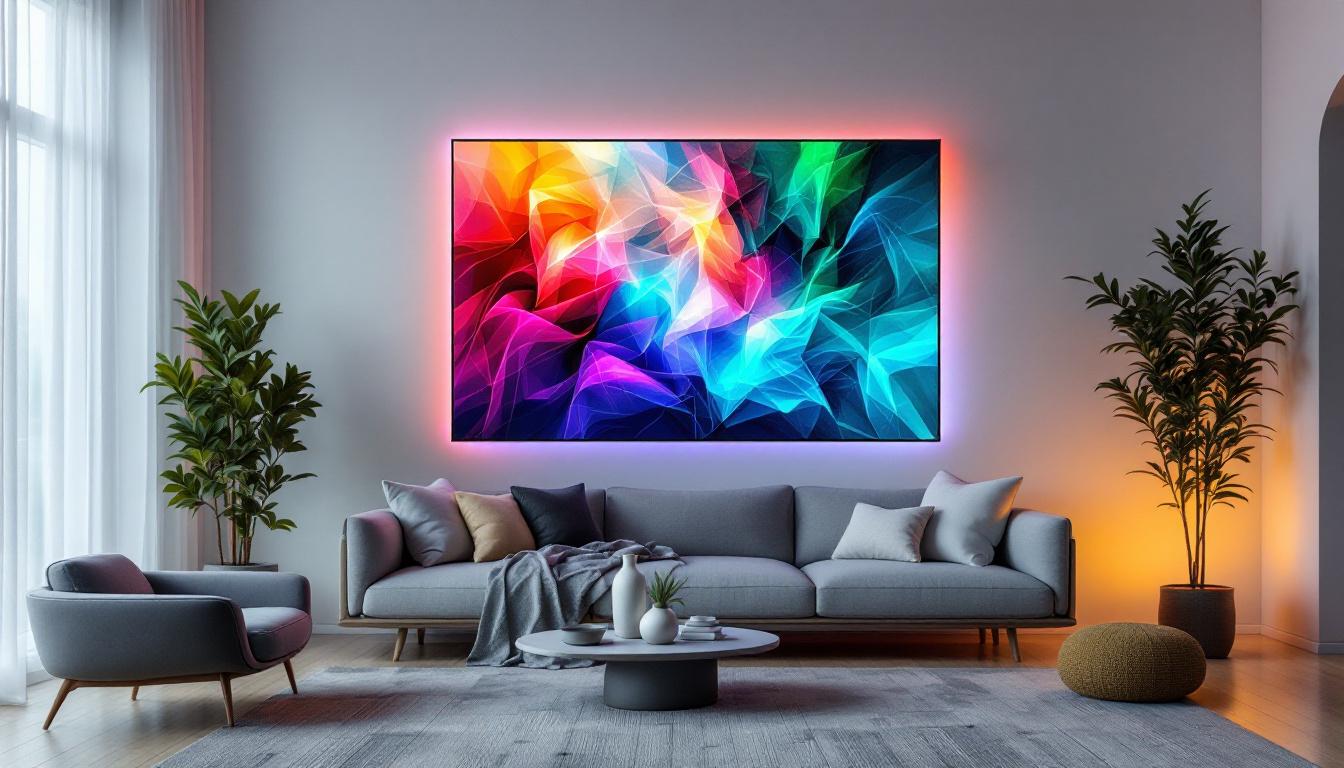
- Backlighting: LEDs placed behind mural panels create a glowing halo effect, emphasizing the mural’s contours and depth.
- Edge Lighting: LEDs along the edges can outline shapes or create gradients that add dimensionality.
- Color Changing LEDs: RGB LEDs allow for customizable colors, enabling users to adjust the mood from warm and cozy to vibrant and energetic.
- Animated Displays: Advanced LED panels can display moving images or subtle animations that interact with the mural’s design.
For example, a 3D mural depicting a forest scene can be enhanced with LED lights that simulate sunlight filtering through trees or fireflies flickering at dusk. This level of immersion is impossible with traditional murals alone. Imagine a serene beach mural that transitions from a bright sunny day to a tranquil sunset, with colors shifting seamlessly to reflect the time of day, creating an ever-changing backdrop that captivates and engages.
Energy Efficiency and Longevity
One of the key benefits of LED technology is its energy efficiency. LEDs consume significantly less power than incandescent or fluorescent lighting, making them an eco-friendly choice for continuous or frequent use. Additionally, LEDs have a long lifespan—often exceeding 50,000 hours—reducing the need for frequent replacements and maintenance.
This makes LED-integrated murals not only visually impressive but also practical and cost-effective over time, especially in living rooms where lighting is used regularly. Furthermore, the low heat output of LEDs minimizes the risk of damage to the artwork itself, ensuring that the vibrant colors and intricate details of the mural remain intact for years to come. This durability allows homeowners to invest in stunning wall art without the worry of fading or deterioration, making it a sustainable choice for modern interiors.
Types of LED Displays Suitable for Living Room Murals
LED displays come in various forms, each suited to different design goals and technical requirements. Understanding these types helps homeowners and designers select the best option for their living room murals.
LED Strip Lights
LED strip lights are flexible circuit boards populated with surface-mounted LEDs. They can be easily installed behind or around mural panels to provide accent lighting. Their slim profile makes them ideal for subtle backlighting or edge lighting effects.
Advantages include ease of installation, affordability, and the ability to change colors with compatible controllers. They are perfect for homeowners seeking to add ambiance without overwhelming the artwork.
LED Panels and Tiles
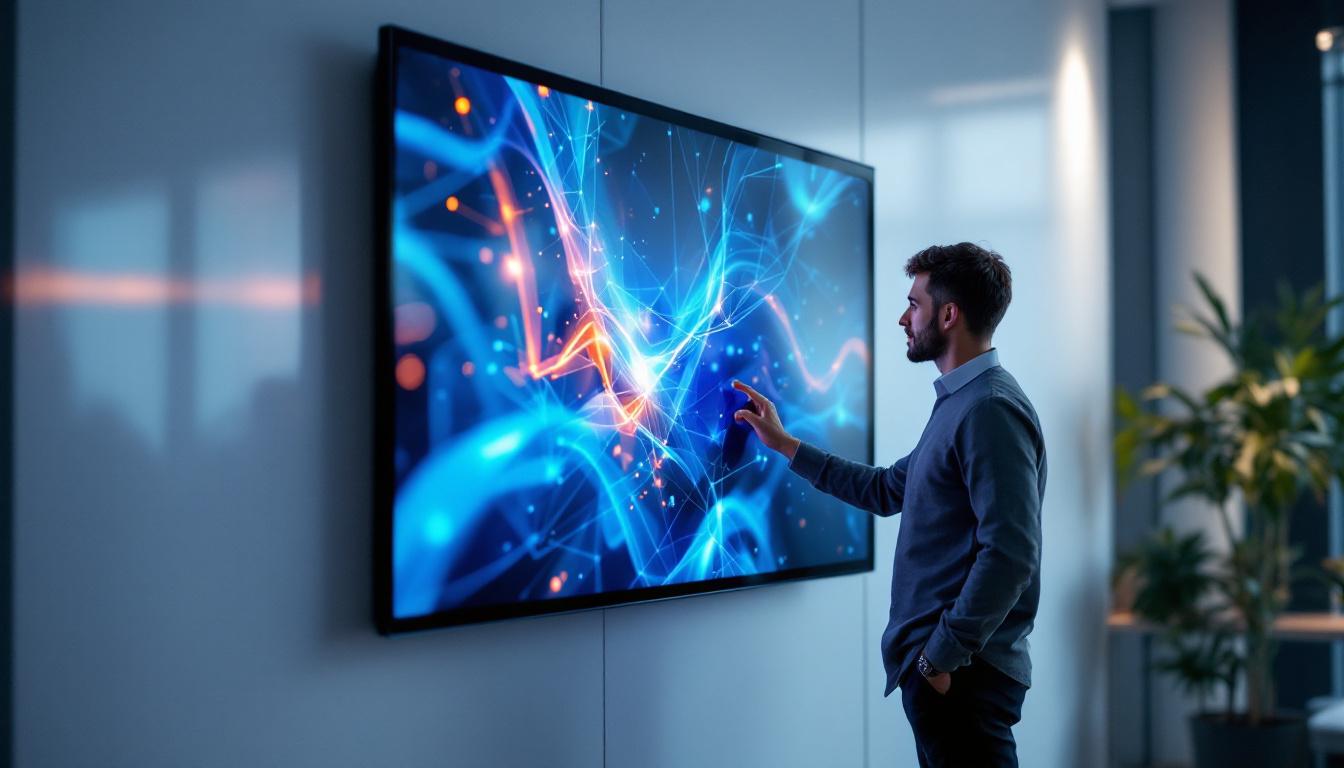
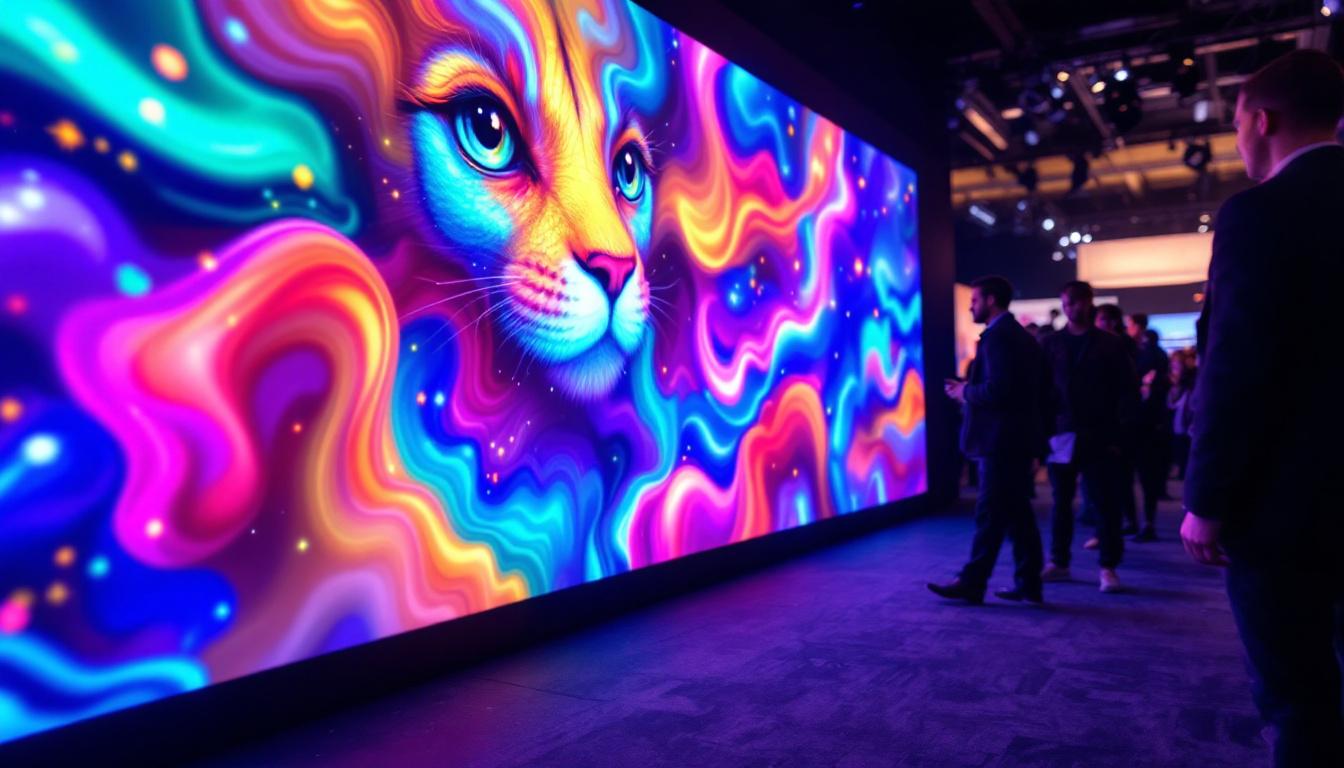
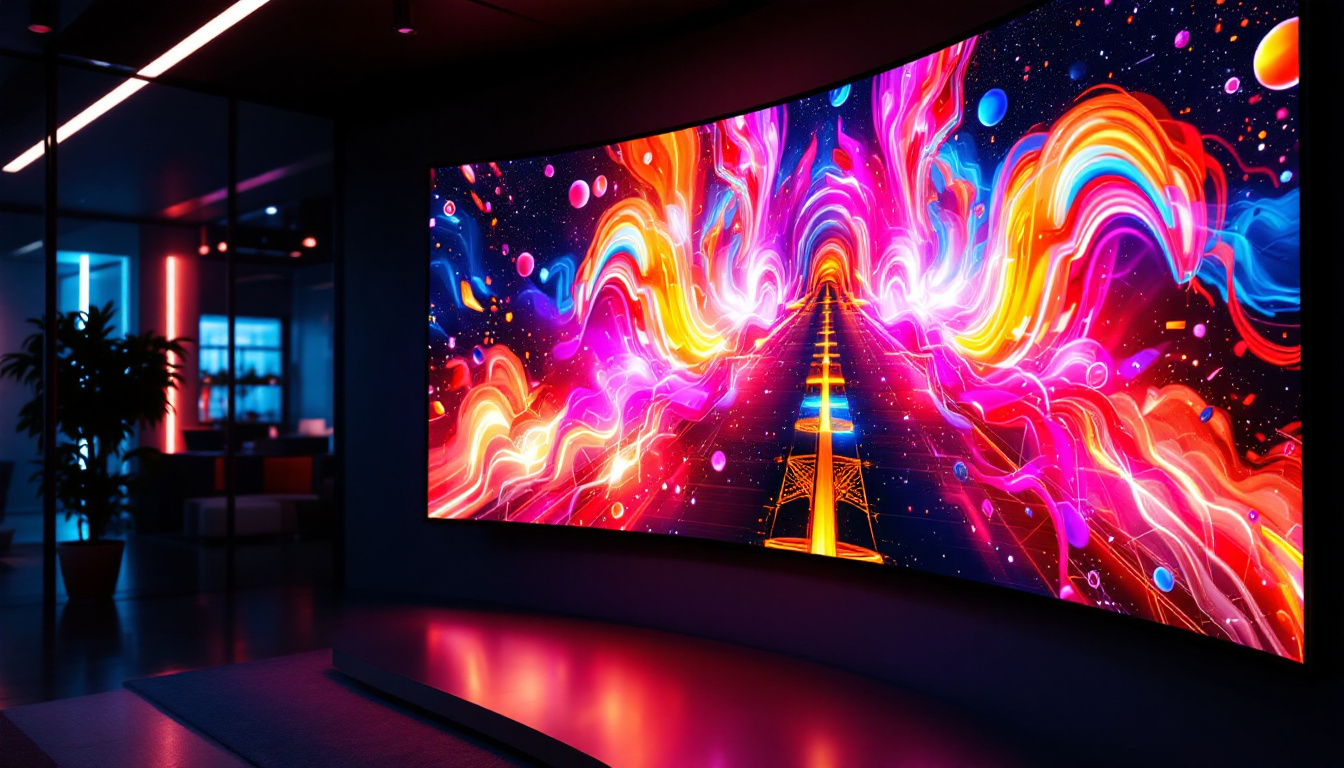
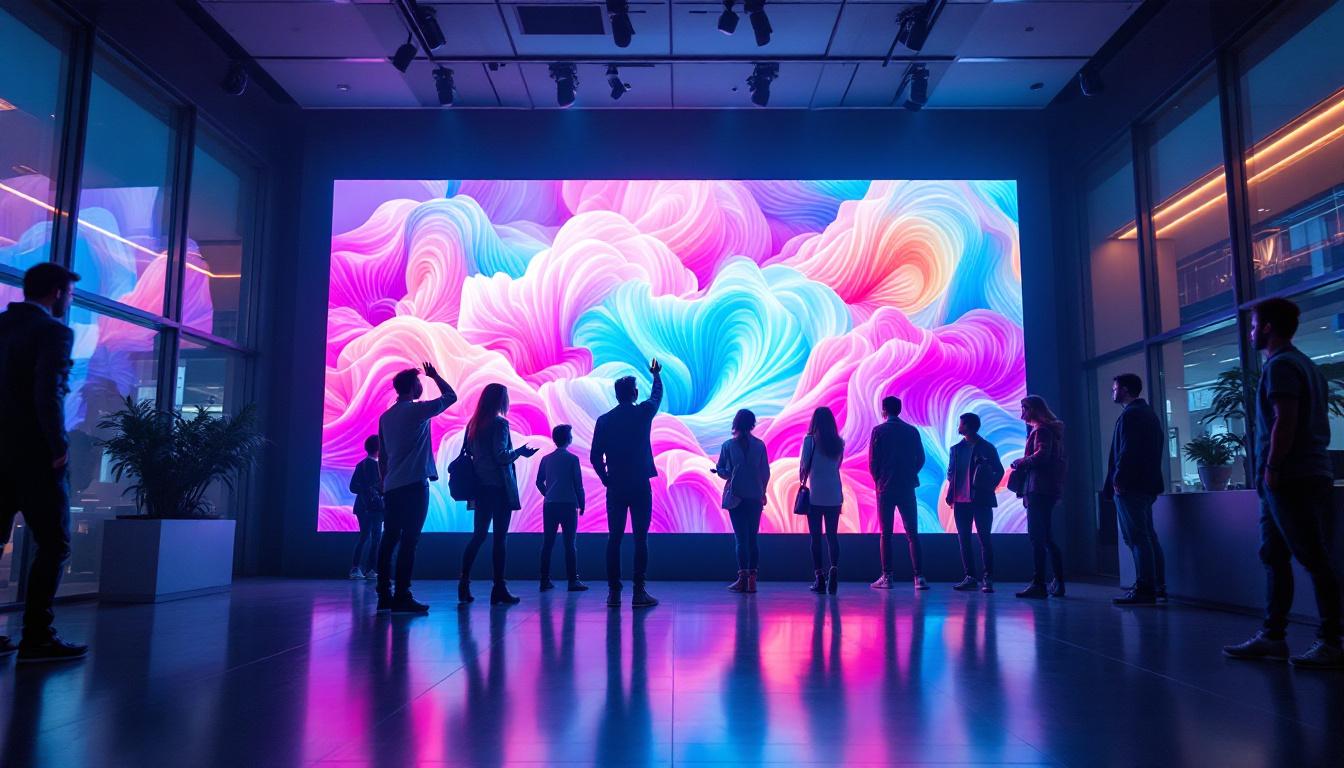
For more complex displays, LED panels or tiles can be integrated into the mural itself. These panels can display static or dynamic images and are often used in digital murals or interactive art installations.
While more expensive and technically demanding than strip lights, LED panels offer unparalleled flexibility in content and effects. They can be programmed to change scenes, display animations, or synchronize with music and other smart home systems.
OLED Displays
Organic Light Emitting Diode (OLED) technology is another option, known for its ability to produce deep blacks and vibrant colors. OLED displays are thinner and more flexible than traditional LED panels, making them suitable for curved or irregular mural surfaces.
However, OLEDs tend to be more costly and less common in home installations compared to LED strips and panels.
Design and Installation Considerations
Successfully integrating 3D wall murals with LED displays requires careful planning and execution. Several factors influence the final outcome, including mural design, lighting placement, electrical requirements, and room layout.
Choosing the Right Mural and LED Combination
The mural’s theme, colors, and textures should harmonize with the LED lighting to avoid visual discord. For instance, a mural with dark, moody tones may benefit from warm white LEDs to create a cozy atmosphere, while a vibrant, colorful mural might be enhanced by RGB LEDs that complement or contrast the artwork.
Consulting with interior designers or lighting specialists can help determine the best combination for the desired effect.
Electrical and Safety Requirements
LED installations require access to power sources and may involve wiring within walls or ceilings. It is essential to comply with local electrical codes and use certified components to ensure safety.
Professional installation is recommended, especially for integrated LED panels or complex lighting systems. This ensures proper insulation, prevents overheating, and maintains the mural’s structural integrity.
Maintenance and Durability
LED components are generally low maintenance, but the mural surface may require regular cleaning to prevent dust buildup, which can diminish lighting effects. Using dust-resistant materials and protective coatings can extend the mural’s lifespan.
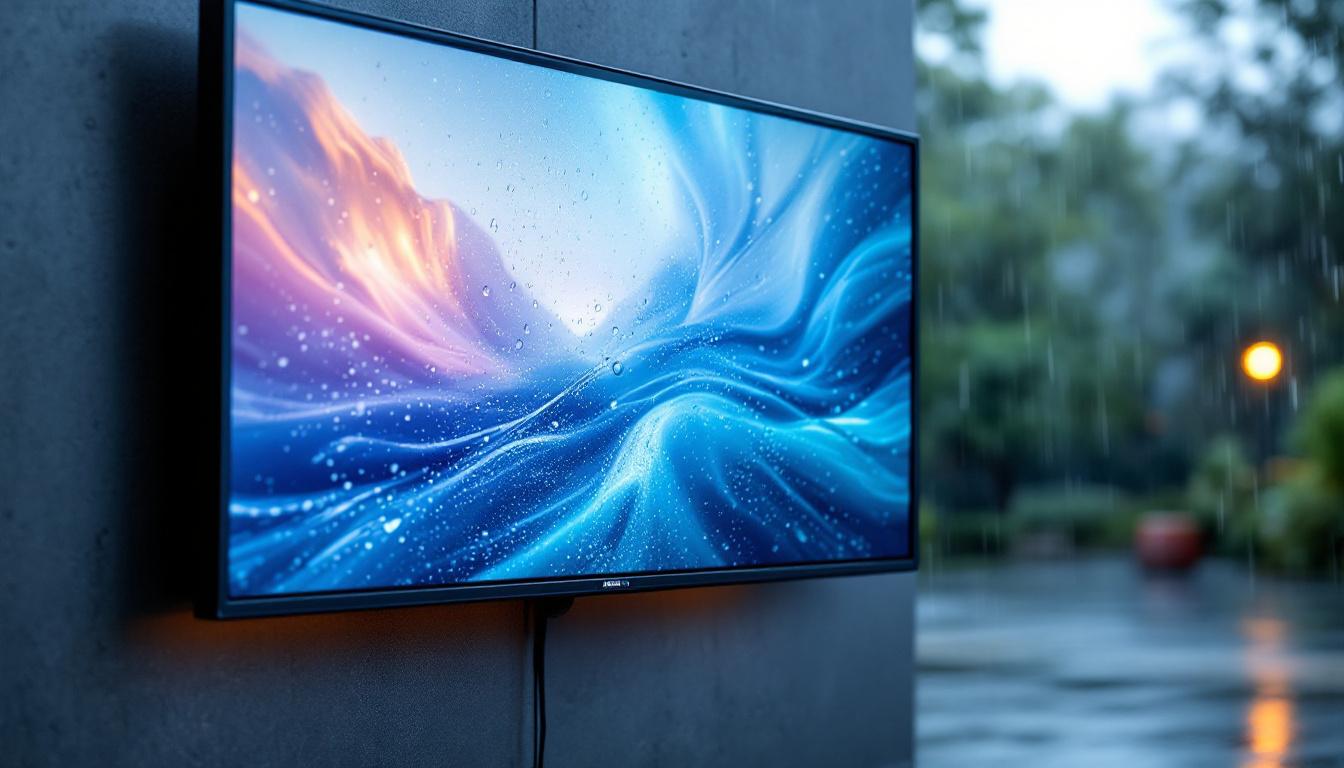
Additionally, selecting LEDs with appropriate IP (Ingress Protection) ratings can safeguard against moisture or accidental splashes, particularly in living rooms with open windows or humid conditions.
Real-World Examples and Trends
Several recent projects and trends illustrate the growing popularity and versatility of 3D wall murals with LED displays in living rooms.
Immersive Nature Scenes
Many homeowners are opting for murals that bring the outdoors inside, such as forests, waterfalls, or underwater scenes. When combined with LED lighting that mimics natural light patterns or water reflections, these murals create calming, immersive environments ideal for relaxation.
Abstract and Geometric Designs
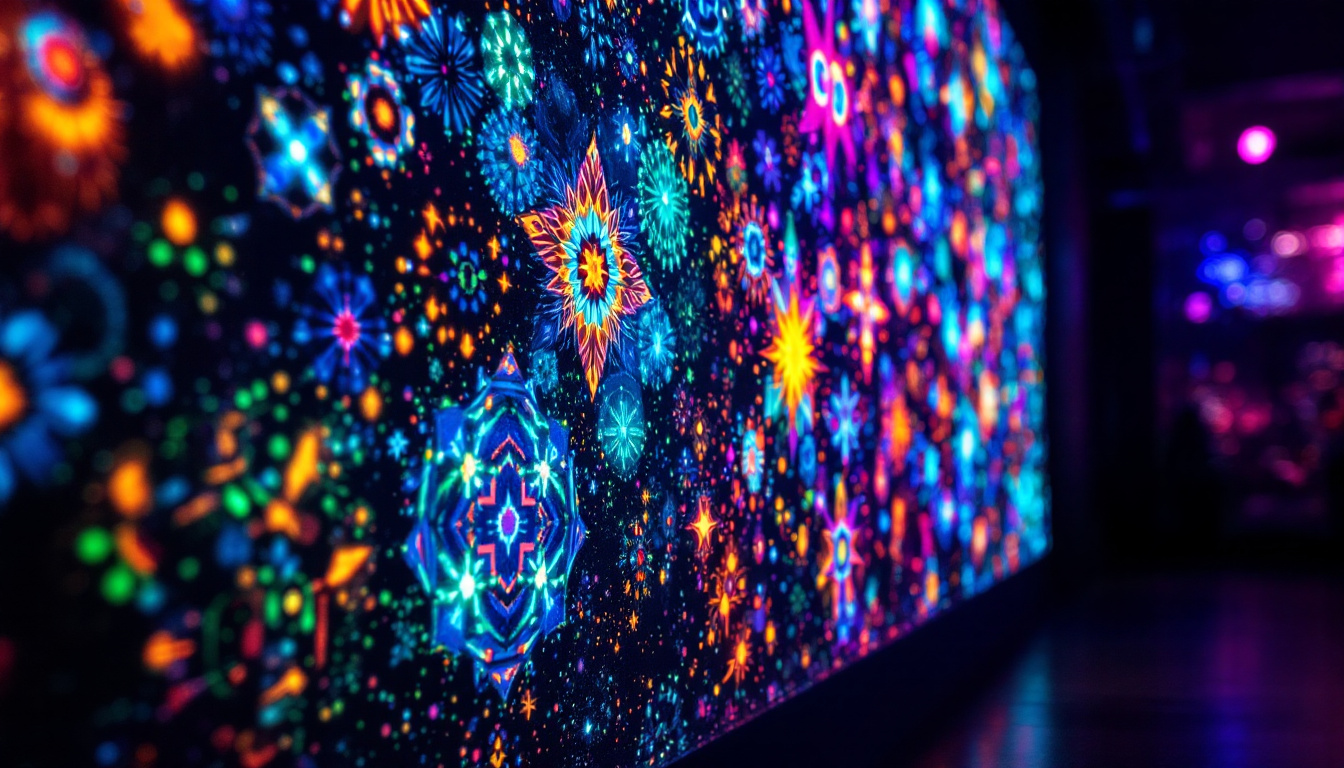
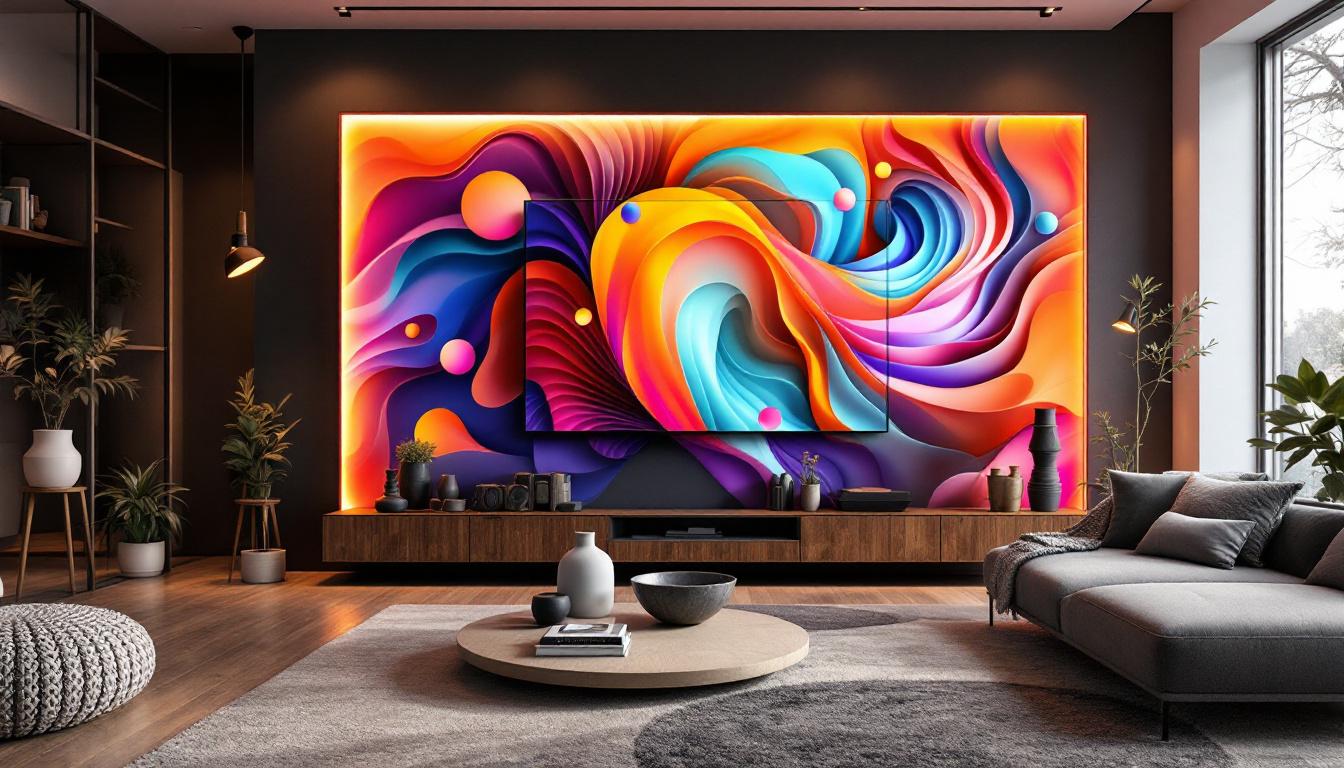
Modern living rooms often feature abstract 3D murals with geometric shapes and patterns. LED lights can highlight edges, create shadows, or cycle through colors to add movement and energy to these designs.
Smart Home Integration
With the rise of smart home technology, LED displays in murals can now be controlled via smartphones, voice assistants, or automated schedules. This allows users to adjust lighting scenes based on time of day, mood, or events, enhancing convenience and personalization.
Conclusion: Elevating Living Room Aesthetics with 3D LED Wall Murals
3D wall murals combined with LED displays represent a fusion of art and technology that can dramatically transform living room spaces. By adding depth, texture, and dynamic lighting, these installations create environments that are both visually stunning and emotionally engaging.
Understanding the types of LED technology, design considerations, and practical installation requirements is essential for achieving the best results. As LED technology continues to advance and become more accessible, the potential for creative and personalized living room murals will only expand, offering homeowners exciting new ways to express style and enhance their living environments.
For those looking to make a bold statement or simply add a touch of modern elegance, 3D LED wall murals offer a compelling solution that blends innovation with aesthetic appeal.
Discover the Future of Living Room Design with LumenMatrix
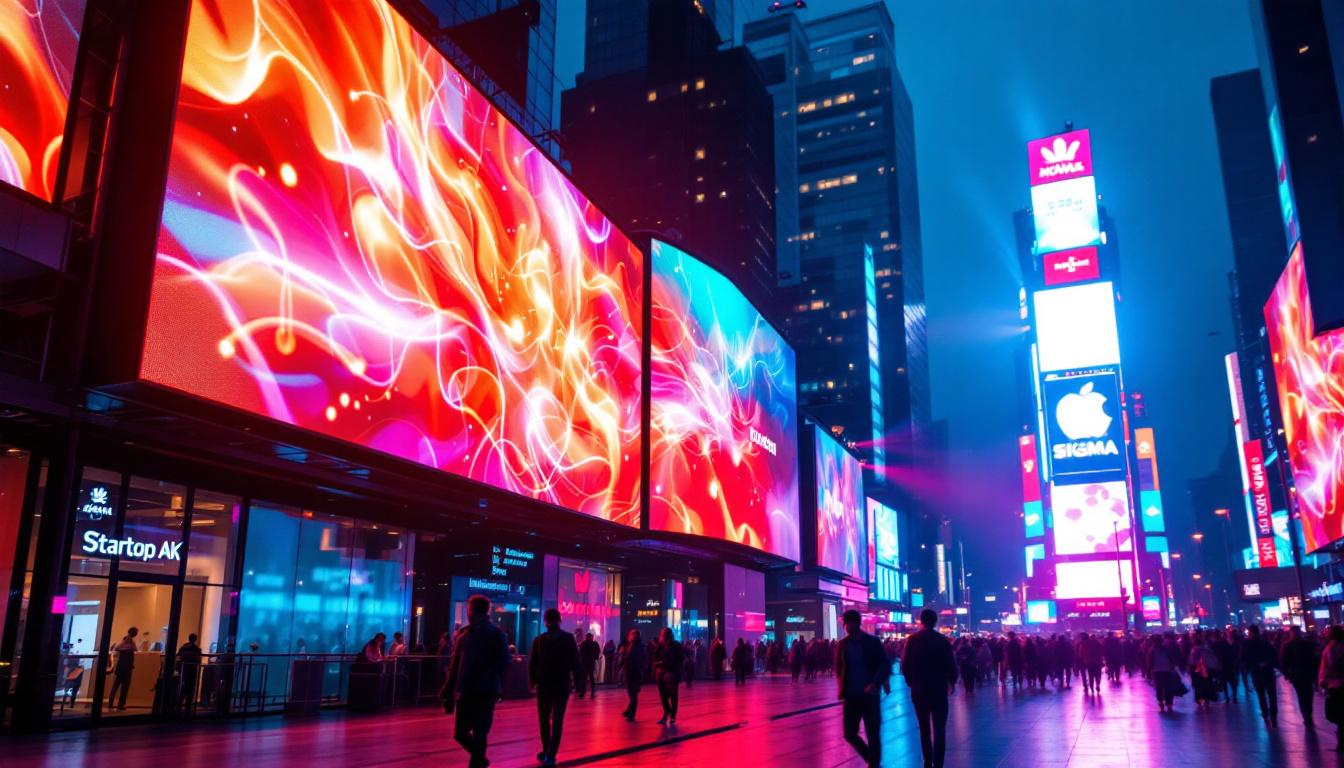
Ready to elevate your living space with the latest in LED display technology? LumenMatrix invites you to explore our diverse range of LED display solutions, perfect for bringing your 3D wall murals to life. From the comfort of your living room to the buzz of a bustling commercial space, our innovative LED modules are designed to captivate and engage. Experience the art of illumination and transform your environment into a dynamic visual journey. Check out LumenMatrix LED Display Solutions today and step into the future of interior design.