In recent years, LED technology has revolutionized the lighting industry, offering energy-efficient, long-lasting, and versatile solutions for both residential and commercial applications. Among the many options available, the 24-watt LED panel light has emerged as a popular choice for modern lighting needs. This article delves into the specifics of the 24-watt LED panel light, explaining its design, benefits, applications, and how it compares to other lighting options.
Understanding LED Panel Lights
What is an LED Panel Light?
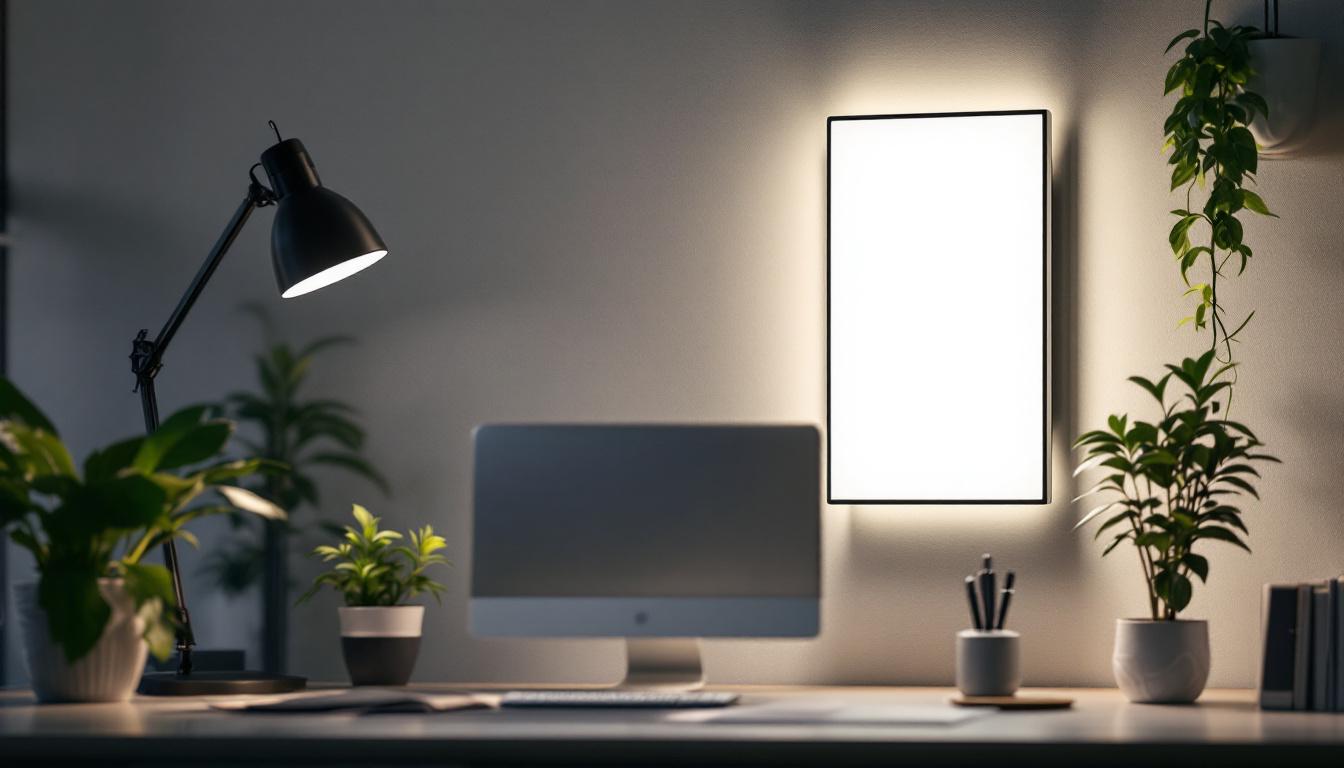
LED panel lights are thin, flat lighting fixtures designed to provide uniform and bright illumination. Unlike traditional bulbs or tubes, LED panels use light-emitting diodes (LEDs) arranged in a grid or array behind a diffuser panel. This setup ensures even light distribution without harsh shadows or glare, making them ideal for environments requiring consistent lighting.
The 24-watt LED panel light typically measures around 600mm x 600mm (2 feet by 2 feet), which fits standard ceiling grids used in offices and commercial spaces. Despite its relatively low wattage, it delivers brightness comparable to or exceeding that of traditional fluorescent fixtures consuming much more power.
How Does a 24-Watt LED Panel Light Work?
At the core of the LED panel light are multiple LEDs connected in series and parallel circuits. When electric current passes through these diodes, they emit light through electroluminescence. The light then passes through a diffuser, which scatters it evenly across the panel’s surface. This design reduces hotspots and glare, creating a comfortable and efficient lighting environment.
Additionally, LED panels often incorporate advanced drivers that regulate voltage and current, ensuring stable performance and protecting the LEDs from power fluctuations. This contributes to the longevity and reliability of the fixture.
Advantages of 24-Watt LED Panel Lights
Energy Efficiency and Cost Savings
One of the most significant benefits of 24-watt LED panel lights is their energy efficiency. Compared to traditional fluorescent or incandescent lighting, these LED panels consume substantially less power while providing equivalent or superior brightness. For example, a 24-watt LED panel can replace a 40-50 watt fluorescent fixture, resulting in energy savings of up to 50% or more.
Over time, these savings translate into reduced electricity bills, making LED panels an economically sound investment for businesses and homeowners alike. According to the U.S. Department of Energy, switching to LED lighting can reduce lighting energy use by 50% to 70%.
Long Lifespan and Low Maintenance
LED panel lights boast a longer lifespan compared to conventional lighting. A typical 24-watt LED panel can last between 30,000 to 50,000 hours, depending on usage and quality. In contrast, fluorescent tubes usually last around 10,000 to 15,000 hours. This extended lifespan means fewer replacements and lower maintenance costs.
Moreover, LED panels do not contain hazardous materials like mercury, which is common in fluorescent lamps. This makes disposal safer and more environmentally friendly.
Improved Light Quality and Comfort
LED panel lights provide superior light quality characterized by high color rendering index (CRI) values, often above 80 or even 90. High CRI means colors appear more natural and vibrant under the light, which is essential for workplaces, retail environments, and healthcare facilities where accurate color perception is critical.
Additionally, LED panels offer flicker-free illumination, reducing eye strain and headaches associated with some fluorescent lights. The even light distribution also minimizes glare, creating a more comfortable atmosphere for occupants.
Applications of 24-Watt LED Panel Lights
Commercial and Office Spaces
Office environments benefit greatly from 24-watt LED panel lights due to their energy efficiency and quality of light. Uniform illumination helps reduce eye fatigue during prolonged computer work, while the sleek design integrates seamlessly into suspended ceiling grids.
Many businesses have adopted LED panels to meet sustainability goals and reduce operational costs. In addition, LED lighting can contribute to improved employee productivity and wellbeing by providing a visually comfortable environment.
Educational Institutions and Healthcare Facilities
Schools, universities, and hospitals require lighting that supports concentration, safety, and comfort. The high CRI and flicker-free nature of LED panel lights make them suitable for classrooms, laboratories, patient rooms, and corridors.
Furthermore, the absence of UV emissions from LED panels helps protect sensitive materials and reduces the risk of skin irritation, which is particularly important in healthcare settings.
Retail and Hospitality
Retail stores and hospitality venues use 24-watt LED panel lights to create inviting atmospheres that highlight products and interior design. The ability to select color temperatures—from warm white to daylight—allows customization to suit brand identity and customer preferences.
Energy savings also contribute to lower operating costs, which is crucial in these competitive industries.
Technical Specifications and Features
Brightness and Luminous Efficacy
The brightness of a 24-watt LED panel light is typically measured in lumens. Depending on the quality and design, these panels can produce between 2000 to 2400 lumens, translating to an efficacy of approximately 80 to 100 lumens per watt. This is significantly higher than traditional lighting technologies.
Such high luminous efficacy means more light output per unit of energy consumed, reinforcing the energy-saving benefits.
Color Temperature Options
Color temperature, measured in Kelvin (K), describes the hue of the light emitted. 24-watt LED panel lights are available in a range of color temperatures, commonly including:
- Warm White (2700K–3000K): Creates a cozy, inviting atmosphere, ideal for hospitality and residential spaces.
- Neutral White (3500K–4000K): Balanced light suitable for offices, classrooms, and retail environments.
- Cool White/Daylight (5000K–6500K): Bright, crisp light that enhances concentration and visibility, often used in healthcare and industrial settings.
Choosing the right color temperature is essential to match the lighting environment to its intended use.
Design and Installation
LED panel lights are designed for easy installation, often fitting directly into standard ceiling grids without additional fixtures. Some models offer surface-mounted or recessed options to accommodate different architectural requirements.
The slim profile—usually less than 15mm thick—allows for a sleek, modern aesthetic that blends well with contemporary interiors.
Comparing 24-Watt LED Panel Lights with Other Lighting Options
LED Panels vs. Fluorescent Tubes
While fluorescent tubes have been a staple in commercial lighting for decades, LED panels offer numerous advantages. Besides energy efficiency and longer lifespan, LED panels provide better light quality and reduced environmental impact.
Fluorescent lights often suffer from flickering and warm-up times, whereas LED panels deliver instant, stable illumination. Additionally, LED panels generate less heat, contributing to lower air conditioning costs.
LED Panels vs. Traditional Incandescent Bulbs
Incandescent bulbs are largely obsolete for commercial use due to their inefficiency and short lifespan. A 24-watt LED panel light can easily replace multiple incandescent bulbs, providing brighter and more uniform light at a fraction of the energy consumption.
Furthermore, LED panels are safer to operate, as they do not get as hot as incandescent bulbs, reducing fire risks.
LED Panels vs. Other LED Fixtures
Compared to LED downlights or spotlights, panel lights offer broader, more uniform illumination, making them suitable for general lighting purposes. While downlights are excellent for accent lighting, LED panels excel in providing ambient light over large areas.
The choice between different LED fixtures depends on the specific lighting design and functional requirements of the space.
Environmental and Economic Impact
Reducing Carbon Footprint
By consuming less electricity, 24-watt LED panel lights contribute to lowering greenhouse gas emissions associated with power generation. According to the International Energy Agency, widespread adoption of LED lighting could reduce global electricity consumption for lighting by nearly 50%, significantly impacting climate change mitigation efforts.
Additionally, the absence of hazardous substances in LED panels reduces environmental contamination during disposal.
Return on Investment
Although the initial cost of LED panel lights can be higher than traditional lighting, the total cost of ownership is lower due to energy savings and reduced maintenance. Many organizations report payback periods of less than two years when switching to LED panel lighting.
Government incentives and rebates for energy-efficient lighting upgrades further improve the financial attractiveness of LED panels.
Choosing the Right 24-Watt LED Panel Light
Assessing Your Lighting Needs
Before selecting a 24-watt LED panel light, it is important to evaluate the specific requirements of the space. Consider factors such as room size, ceiling height, existing lighting conditions, and desired ambiance.
Consulting lighting professionals or using lighting design software can help determine the optimal number and placement of panels to achieve uniform illumination.
Quality and Certification
Ensure that the LED panel lights you choose comply with relevant safety and performance standards, such as UL, CE, or Energy Star certifications. Quality products typically offer better reliability, warranty coverage, and customer support.
Pay attention to specifications like CRI, color temperature consistency, and driver quality to guarantee satisfactory performance.
Installation and Maintenance Considerations
Proper installation is crucial to maximize the benefits of LED panel lighting. Engage qualified electricians or technicians to handle wiring and mounting. Additionally, plan for easy access to fixtures for occasional cleaning or driver replacement.
Regular maintenance, though minimal, helps sustain light output and prolong fixture life.
Conclusion
The 24-watt LED panel light represents a modern, efficient, and versatile lighting solution suitable for a wide range of applications. Its energy-saving capabilities, long lifespan, and superior light quality make it an attractive choice for commercial, educational, healthcare, retail, and residential environments.
By understanding the technology behind LED panel lights and considering factors such as brightness, color temperature, and installation requirements, users can make informed decisions that enhance their spaces while reducing energy costs and environmental impact.
As LED technology continues to advance, 24-watt LED panel lights are poised to remain a cornerstone of sustainable and effective lighting design.
Discover LumenMatrix’s Advanced LED Solutions
Ready to elevate your lighting and display strategy with the latest in LED technology? LumenMatrix offers a comprehensive range of LED display modules, from vibrant Indoor and Outdoor LED Wall Displays to innovative solutions like Vehicle LED Displays and LED Transparent Displays. Embrace the future of visual communication with our captivating and energy-efficient LED options that promise to enhance your brand’s presence and engage your audience like never before. Check out LumenMatrix LED Display Solutions today and transform your space with unparalleled clarity and impact.