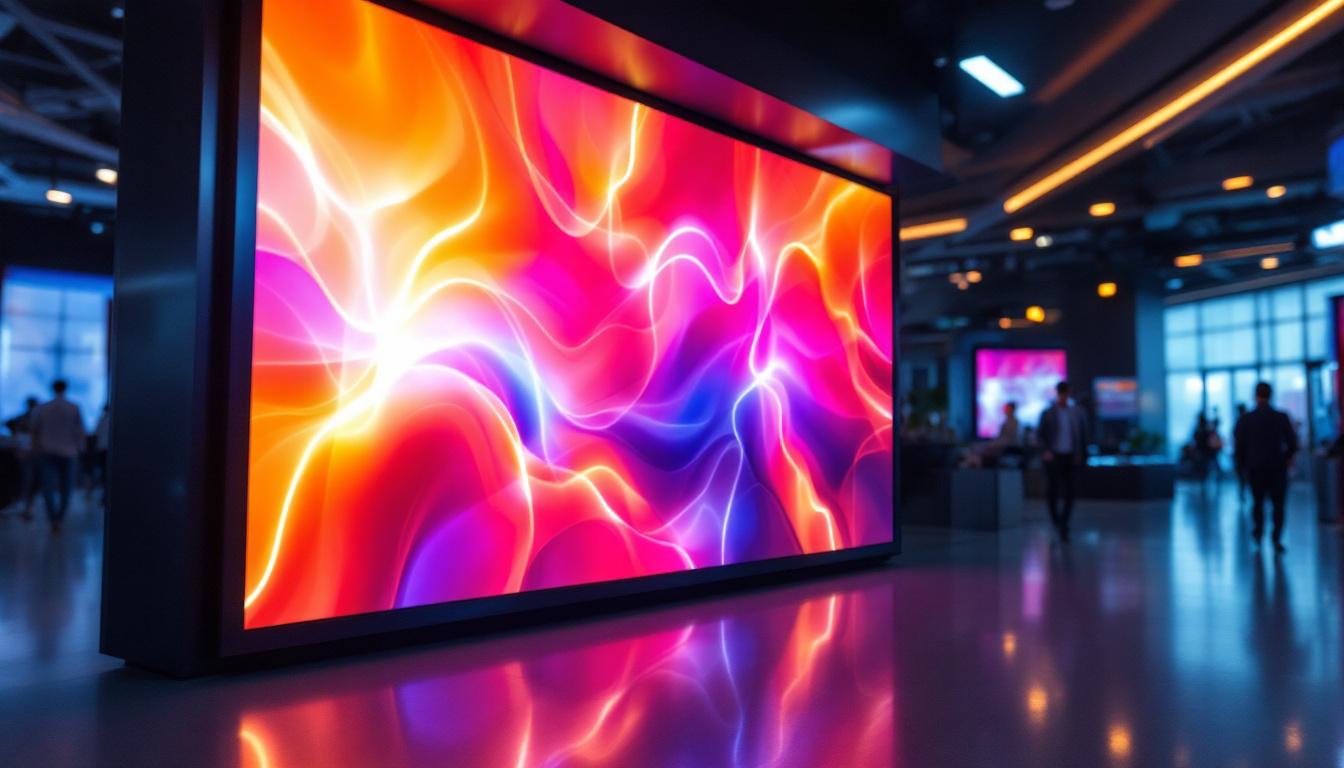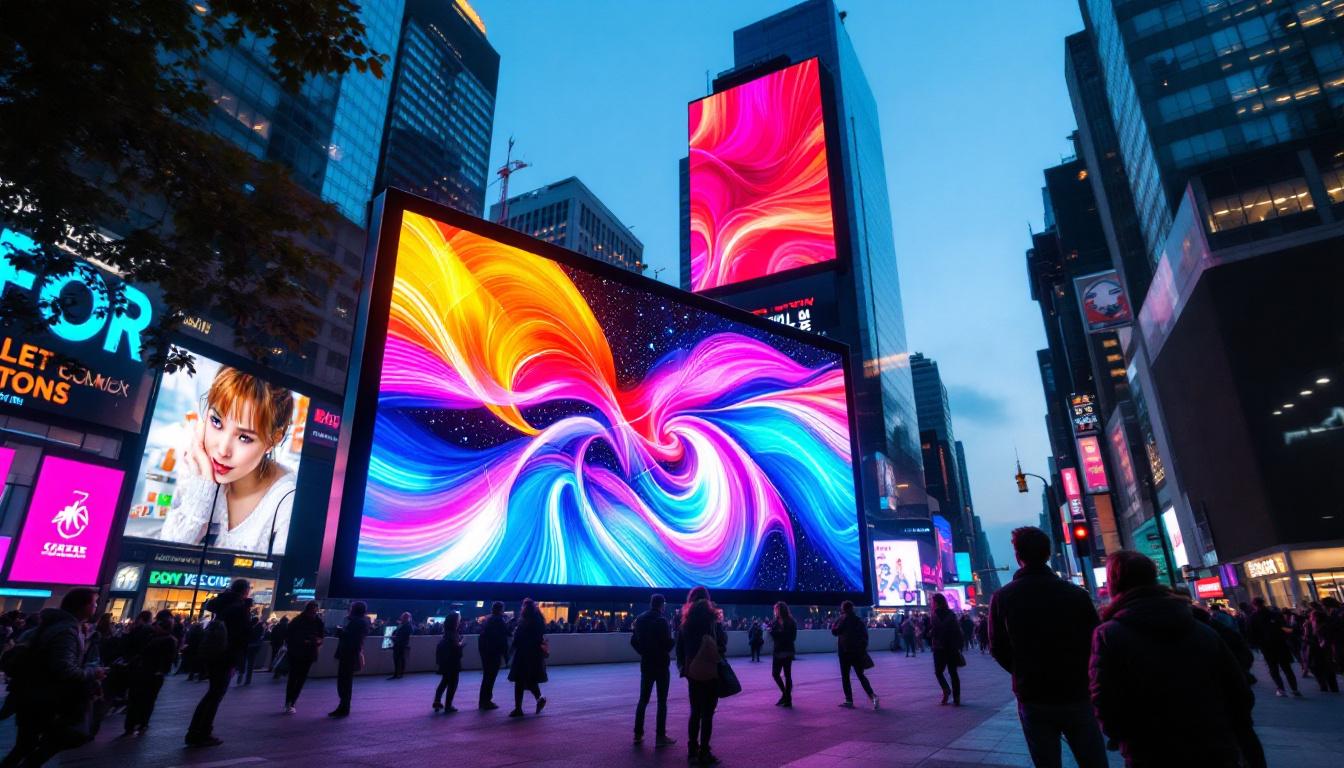
In the rapidly evolving world of digital signage and visual communication, LED displays have become a cornerstone technology. Among the various innovations in this field, the concept of the “Screen Cube” has emerged as a versatile and visually striking solution for both indoor and outdoor applications. This article delves deep into the Screen Cube LED display, explaining what it is, how it works, and why it is gaining popularity across industries.
What Is a Screen Cube LED Display?
A Screen Cube LED display is a three-dimensional digital screen composed of multiple LED panels arranged in a cube shape. Unlike traditional flat LED screens, the Screen Cube offers a 360-degree viewing experience, allowing content to be displayed on all visible faces of the cube simultaneously. This unique form factor transforms the way audiences engage with digital content, making it ideal for exhibitions, retail environments, public spaces, and events. The immersive nature of the Screen Cube captivates viewers, encouraging them to interact with the display from various angles, which can enhance brand messaging and storytelling.
The cube structure typically consists of four vertical LED panels forming the sides, with some models also including top and bottom panels to create a fully enclosed display. The size of each panel and the overall cube can vary significantly depending on the intended use, from compact desktop units to large-scale installations towering several meters high. This versatility allows businesses to tailor the Screen Cube to their specific needs, whether for a small boutique showcasing products or a large-scale event aiming to attract foot traffic and attention.
Key Features of Screen Cube LED Displays
Screen Cubes are distinguished by several technical and design features:
- Multi-Angle Visibility: Content is viewable from multiple directions, increasing audience engagement.
- Seamless Content Integration: The ability to synchronize content across all faces or display different visuals on each side.
- High Resolution and Brightness: Utilizes advanced LED technology to deliver vivid colors and sharp images even in bright environments.
- Modular Design: Panels can be customized and scaled to fit specific spatial requirements.
- Durability: Many Screen Cubes are designed for outdoor use, featuring weatherproof and robust construction.
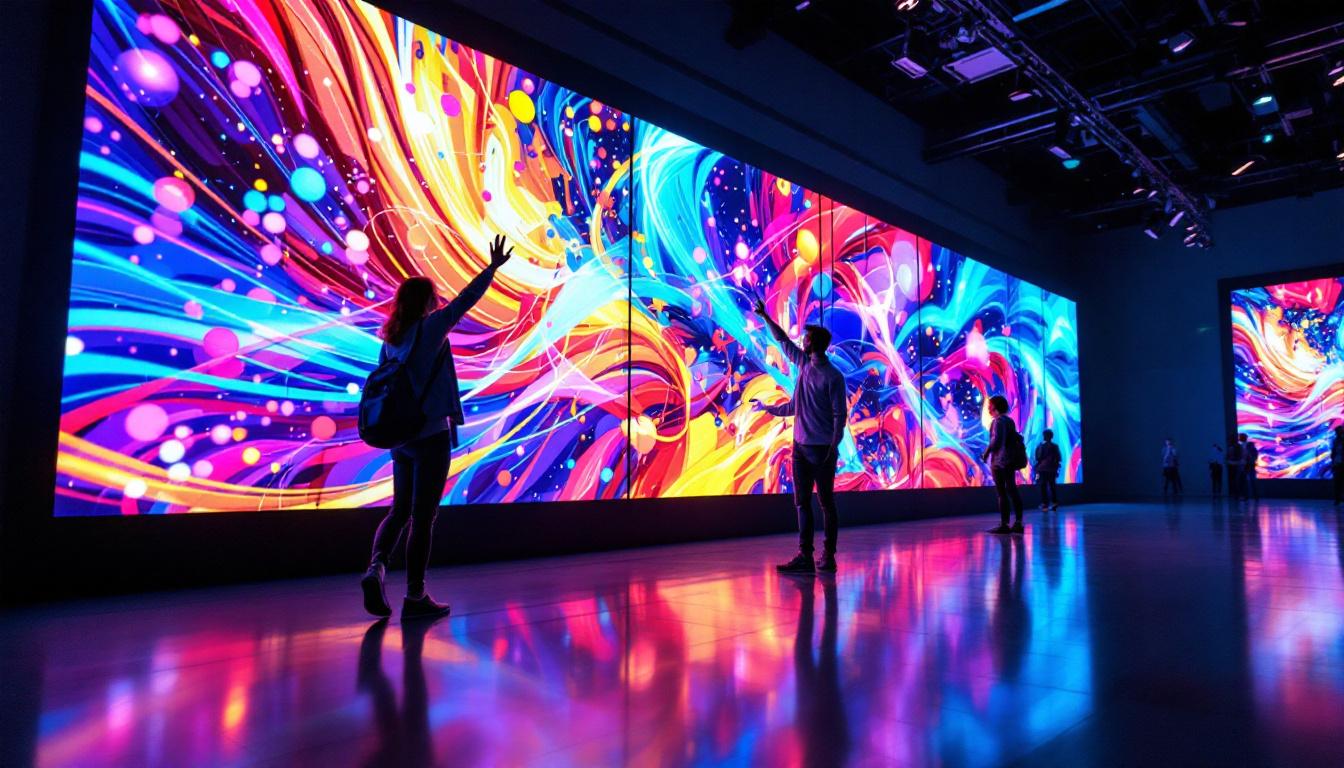
In addition to these features, Screen Cube LED displays often incorporate advanced software solutions that allow for dynamic content management. This means that users can easily update or change the visuals displayed on the cube in real-time, responding to audience preferences or current events. Such flexibility is particularly beneficial in environments like shopping malls or trade shows, where capturing attention quickly is crucial. Furthermore, the integration of interactive elements, such as touch sensors or motion detection, can transform the viewing experience, inviting audiences to engage with the content actively, thus creating memorable interactions.
Moreover, the energy efficiency of modern LED technology means that Screen Cubes can operate with lower power consumption compared to traditional display technologies, making them a more sustainable choice for businesses looking to reduce their environmental footprint. This aspect, combined with their striking visual appeal, positions Screen Cubes as not only a marketing tool but also a statement piece that can enhance the aesthetic of any space. As technology continues to evolve, the potential applications for Screen Cube LED displays are boundless, paving the way for innovative uses in art installations, corporate branding, and beyond.
How Does a Screen Cube LED Display Work?
At its core, a Screen Cube LED display operates on the same principles as traditional LED screens but with added complexity due to its three-dimensional form. Understanding the underlying technology helps appreciate the capabilities and challenges involved in creating these dynamic displays.
LED Technology Basics
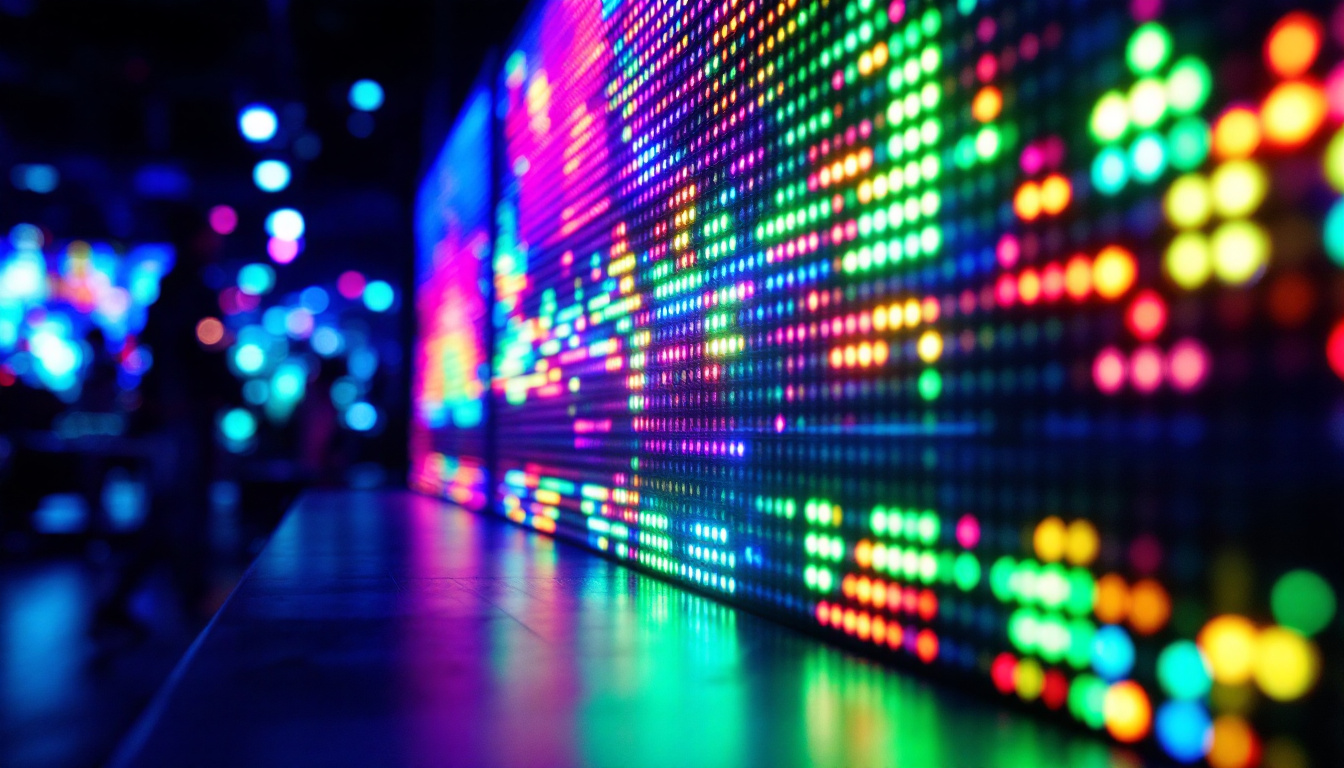
LED (Light Emitting Diode) technology involves tiny semiconductor devices that emit light when an electric current passes through them. These LEDs are arranged in a grid to form pixels, which collectively create images and videos. The brightness, color accuracy, and energy efficiency of LED displays make them superior to older technologies like LCD or projection screens, especially in environments with high ambient light.
Panel Construction and Assembly
Each face of the Screen Cube consists of multiple LED panels, which are manufactured as modular units. These panels are designed to fit together seamlessly, minimizing gaps that could disrupt the visual experience. The cube’s frame supports the panels and houses the necessary wiring and control systems.
Advanced manufacturing techniques ensure that the panels maintain consistent brightness and color reproduction across all sides. This uniformity is crucial because discrepancies would be highly noticeable given the cube’s 360-degree visibility.
Content Management and Synchronization
One of the most compelling aspects of Screen Cube displays is their ability to either synchronize content across all faces or display unique visuals on each side. This is achieved through sophisticated content management systems (CMS) and video processors that control the timing, resolution, and layout of the displayed media.
For example, a retail store might use synchronized branding across all sides to reinforce a product launch, while a museum exhibit could display different informational content on each face to provide a multi-faceted storytelling experience.
Applications of Screen Cube LED Displays
The versatility of Screen Cube LED displays has led to their adoption in a wide range of industries and settings. Their ability to attract attention and deliver immersive content makes them a valuable asset for businesses and organizations looking to enhance their visual communication strategies.
Retail and Advertising
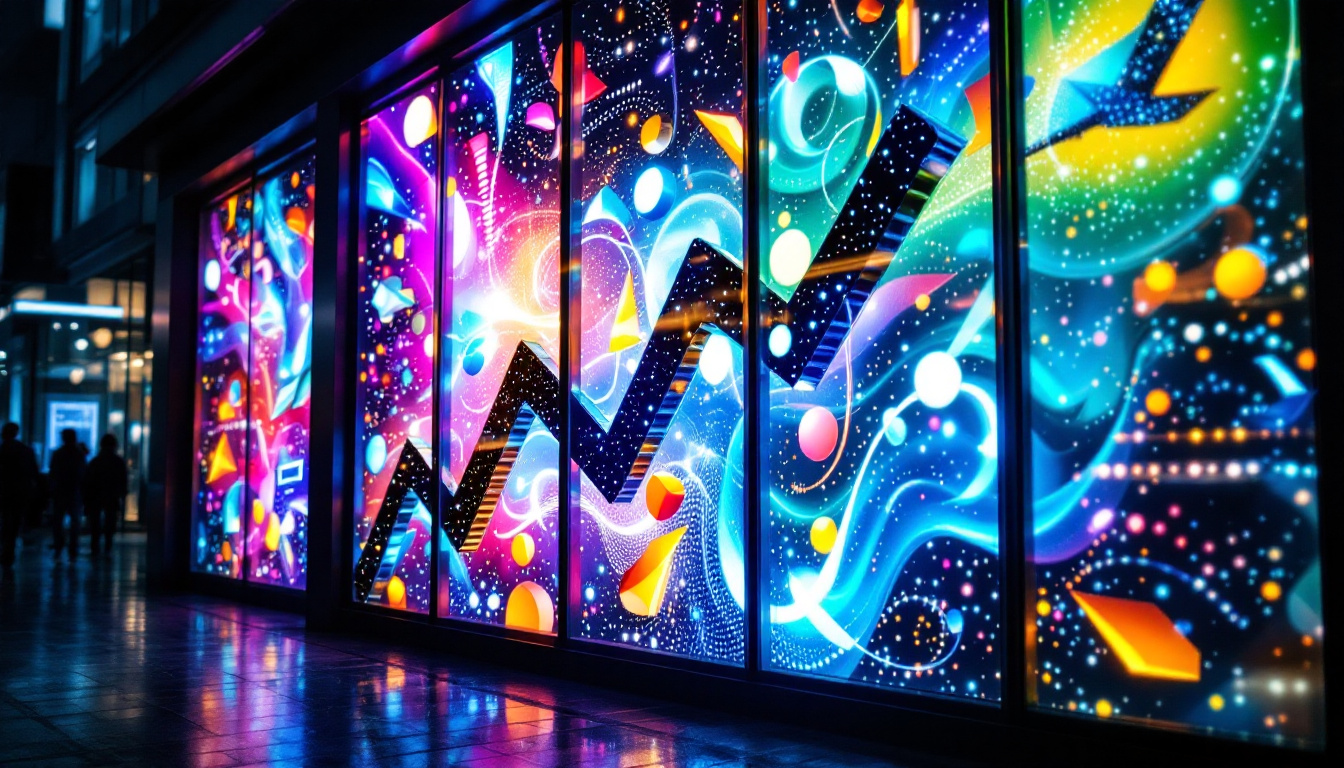
Retail environments benefit greatly from the Screen Cube’s eye-catching design. Positioned in store windows, shopping malls, or trade show booths, these displays can showcase promotional videos, product demonstrations, and interactive content. The 360-degree visibility ensures that no matter where customers approach from, the messaging remains clear and engaging.
According to a 2023 report by the Digital Signage Federation, LED displays, including innovative formats like Screen Cubes, have contributed to a 30% increase in customer engagement rates in retail settings. This statistic underscores the effectiveness of dynamic digital signage in driving foot traffic and sales.
Events and Exhibitions
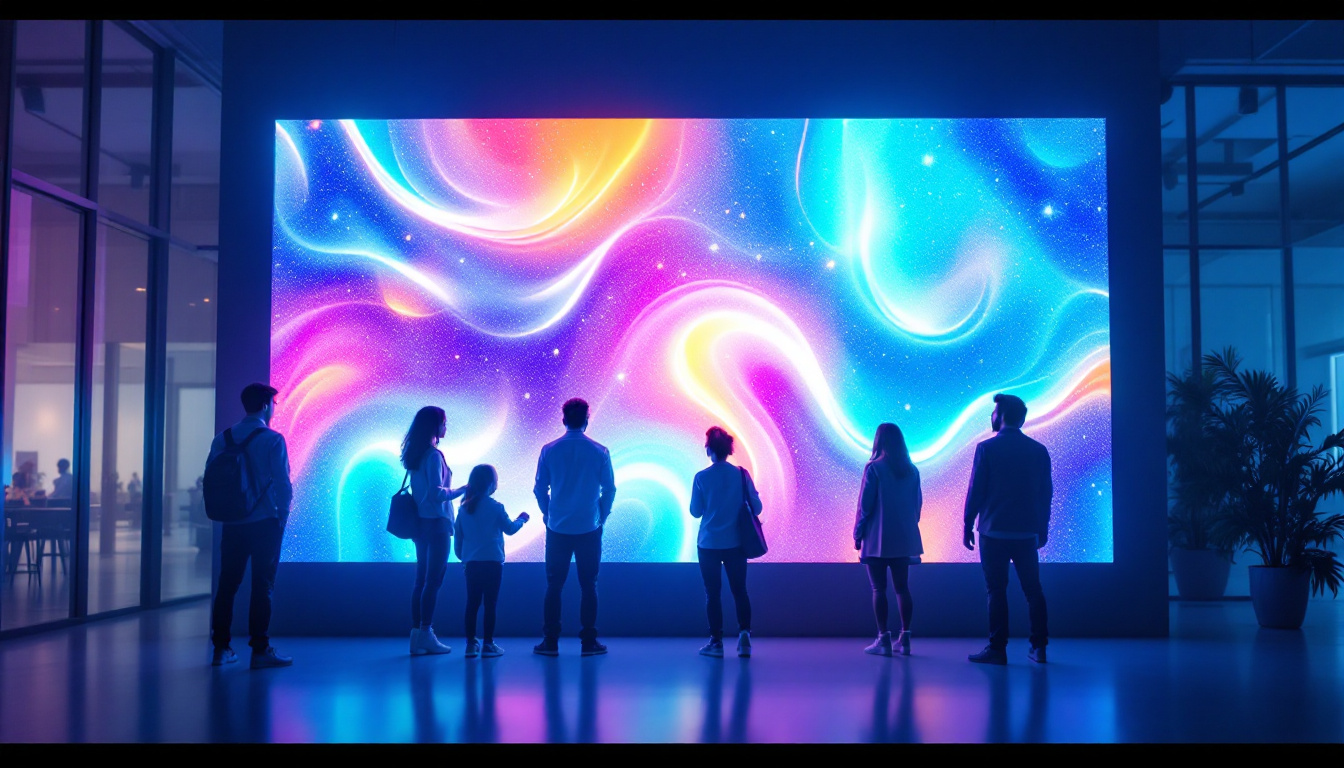
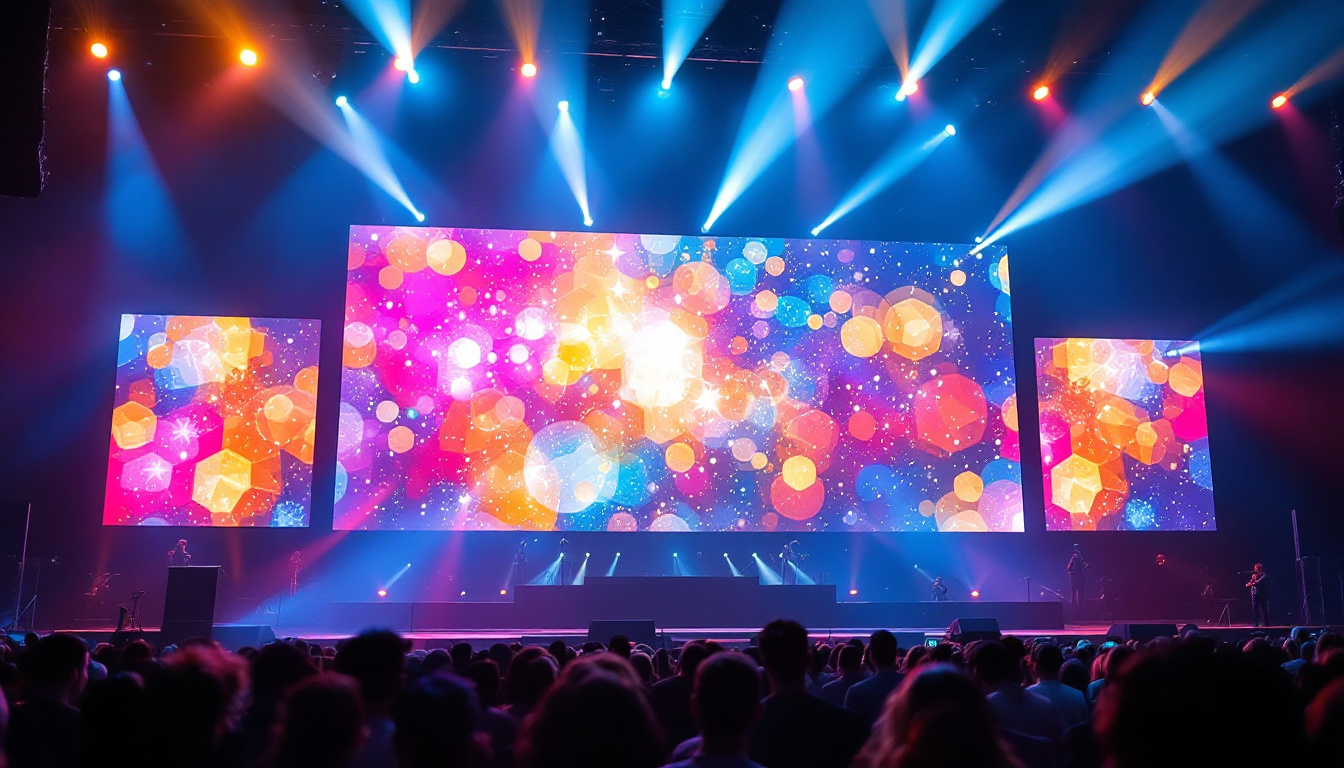
Event organizers and exhibition designers use Screen Cube LED displays to create memorable experiences. Whether it’s a music festival, corporate event, or art installation, the cube’s ability to display vibrant visuals from multiple angles enhances the atmosphere and encourages social sharing.
For instance, at the 2022 Consumer Electronics Show (CES), several exhibitors used large-scale Screen Cubes to showcase new products and interactive demonstrations, attracting thousands of visitors and generating significant media coverage.
Public Spaces and Urban Installations
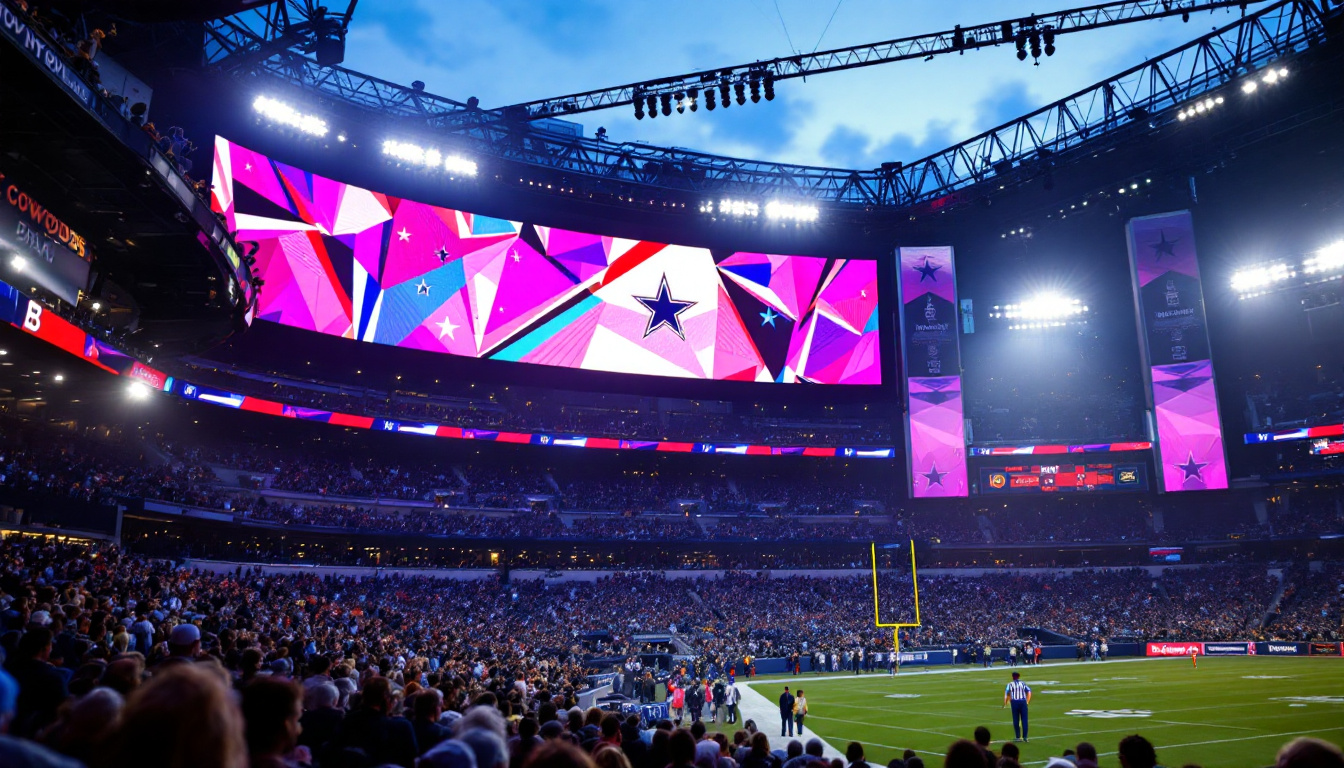
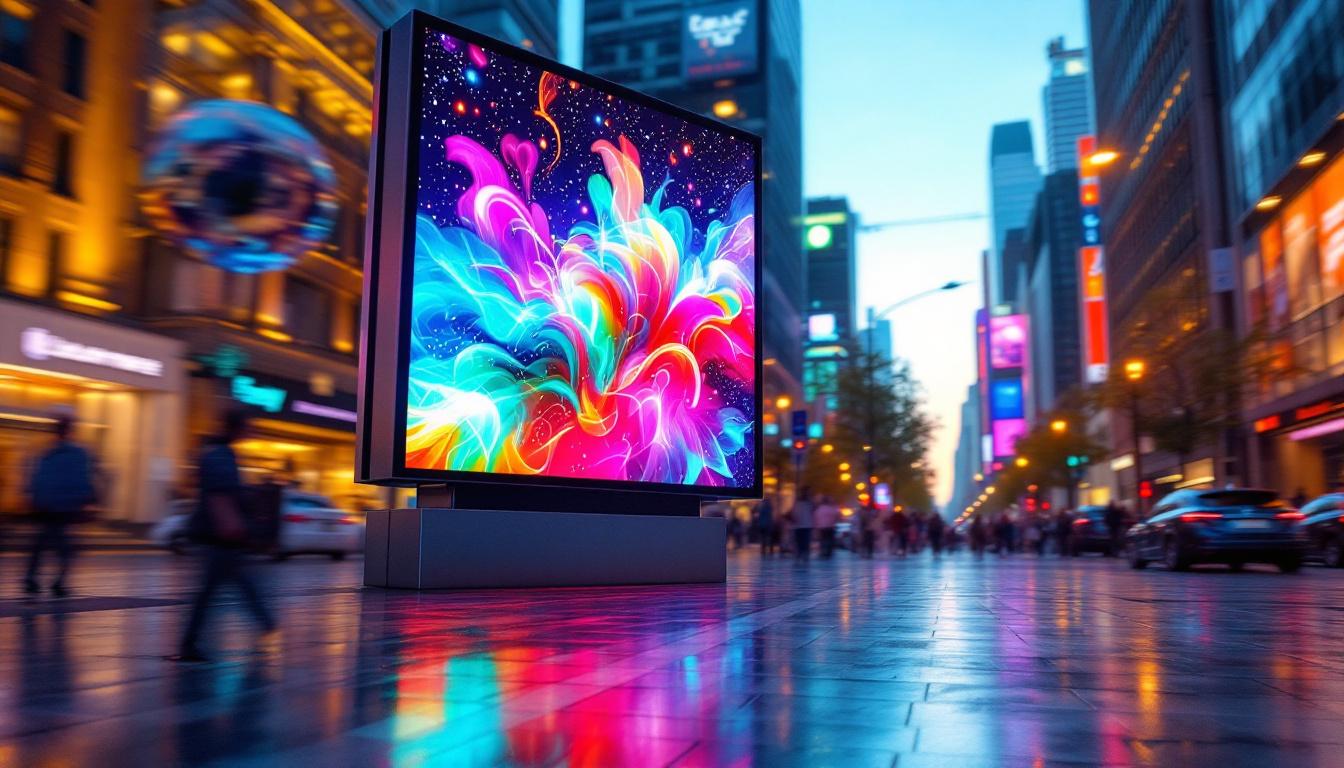
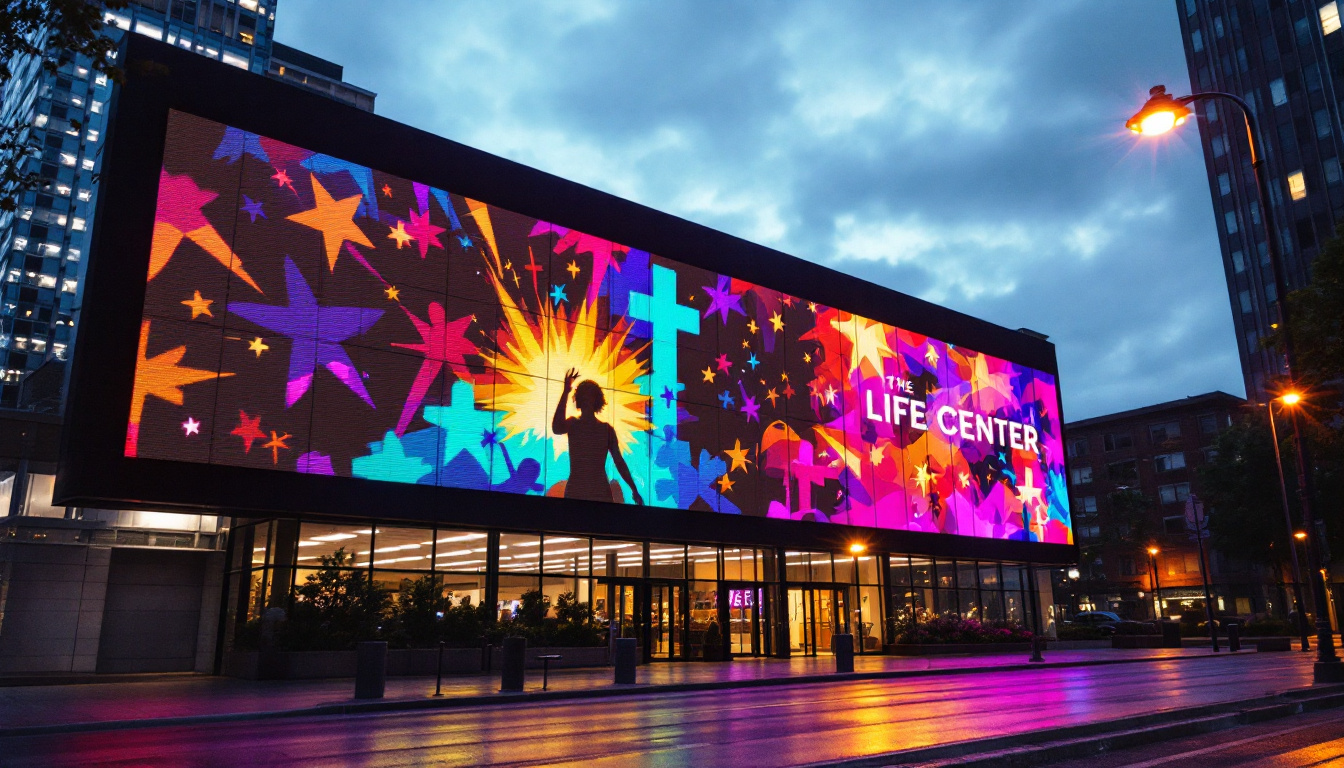
City planners and advertisers have embraced Screen Cube displays for urban environments. These installations can serve as digital billboards, information kiosks, or art pieces. Their robust construction allows them to withstand weather conditions and vandalism, making them suitable for outdoor use.
In cities like Tokyo, New York, and London, Screen Cube displays have been integrated into public squares and transit hubs, providing real-time information, advertising, and entertainment to millions of daily commuters.
Advantages and Challenges of Screen Cube LED Displays
While Screen Cube LED displays offer numerous benefits, they also come with certain challenges that must be considered during planning and implementation.
Advantages
- Enhanced Visibility: The 360-degree design maximizes exposure and audience reach.
- Creative Flexibility: Multiple faces allow for innovative content strategies and storytelling techniques.
- Durability and Longevity: LED technology is energy-efficient and long-lasting, reducing maintenance costs over time.
- Scalability: Modular panels enable customization to fit various sizes and shapes.
Challenges
- Higher Initial Investment: The complexity and materials involved can lead to higher upfront costs compared to traditional flat screens.
- Content Creation Complexity: Designing content that works effectively on multiple faces requires specialized skills and software.
- Installation and Maintenance: The 3D structure demands careful installation and regular maintenance to ensure optimal performance.
- Power Consumption: Although efficient, larger Screen Cubes can consume significant power, necessitating energy management solutions.
Future Trends in Screen Cube LED Technology
The Screen Cube LED display market is poised for continued growth and innovation. Several trends are shaping the future of this technology, making it even more appealing and accessible.
Integration with Interactive Technologies
Touch sensors, motion detection, and augmented reality (AR) are increasingly being integrated with Screen Cube displays. This fusion allows audiences to interact with the content, creating personalized and immersive experiences. For example, an interactive Screen Cube in a retail setting could enable customers to browse product catalogs or customize items directly on the display.
Advancements in LED Materials and Efficiency
Ongoing research into LED materials promises brighter, more energy-efficient, and thinner panels. MicroLED technology, which offers superior resolution and color accuracy, is expected to be incorporated into future Screen Cube designs, enhancing image quality while reducing power consumption.
AI-Driven Content Personalization
Artificial intelligence (AI) is beginning to play a role in content management for digital signage. AI algorithms can analyze audience demographics, behavior, and environmental factors to dynamically adjust the content displayed on Screen Cubes. This level of personalization increases relevance and impact, driving better engagement outcomes.
Conclusion
The Screen Cube LED display represents a significant evolution in digital signage technology, combining innovative design with powerful visual capabilities. Its 360-degree visibility, modular construction, and high-quality LED technology make it an excellent choice for diverse applications ranging from retail and events to public spaces.
As advancements in interactivity, materials, and AI integration continue, Screen Cubes are set to become even more versatile and impactful. For businesses and organizations aiming to captivate audiences and communicate effectively in a crowded digital landscape, investing in Screen Cube LED displays offers a compelling opportunity to stand out and engage like never before.
Discover the Future of Visual Engagement with LumenMatrix
Ready to elevate your visual communication and create unforgettable experiences? LumenMatrix is at the forefront of LED display innovation, offering a wide range of solutions from Indoor and Outdoor LED Wall Displays to specialized options like Vehicle, Sports, and Floor LED Displays. Whether you’re looking to captivate shoppers, energize sports fans, or make a statement in public spaces, our Custom and All-in-One LED Displays, including the transformative LED Transparent Display, are designed to bring your vision to life. Don’t miss the opportunity to transform your space and engage your audience like never before. Check out LumenMatrix LED Display Solutions today and join the revolution in digital signage excellence.