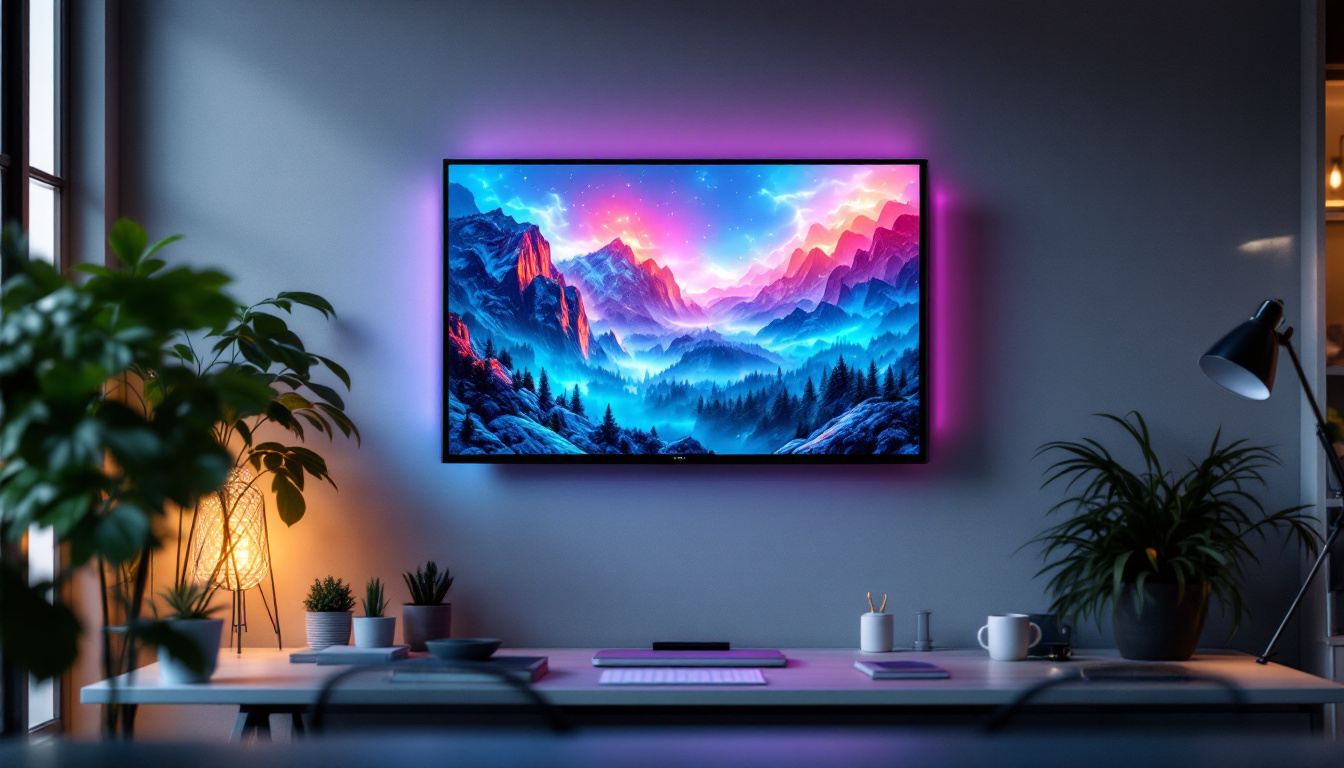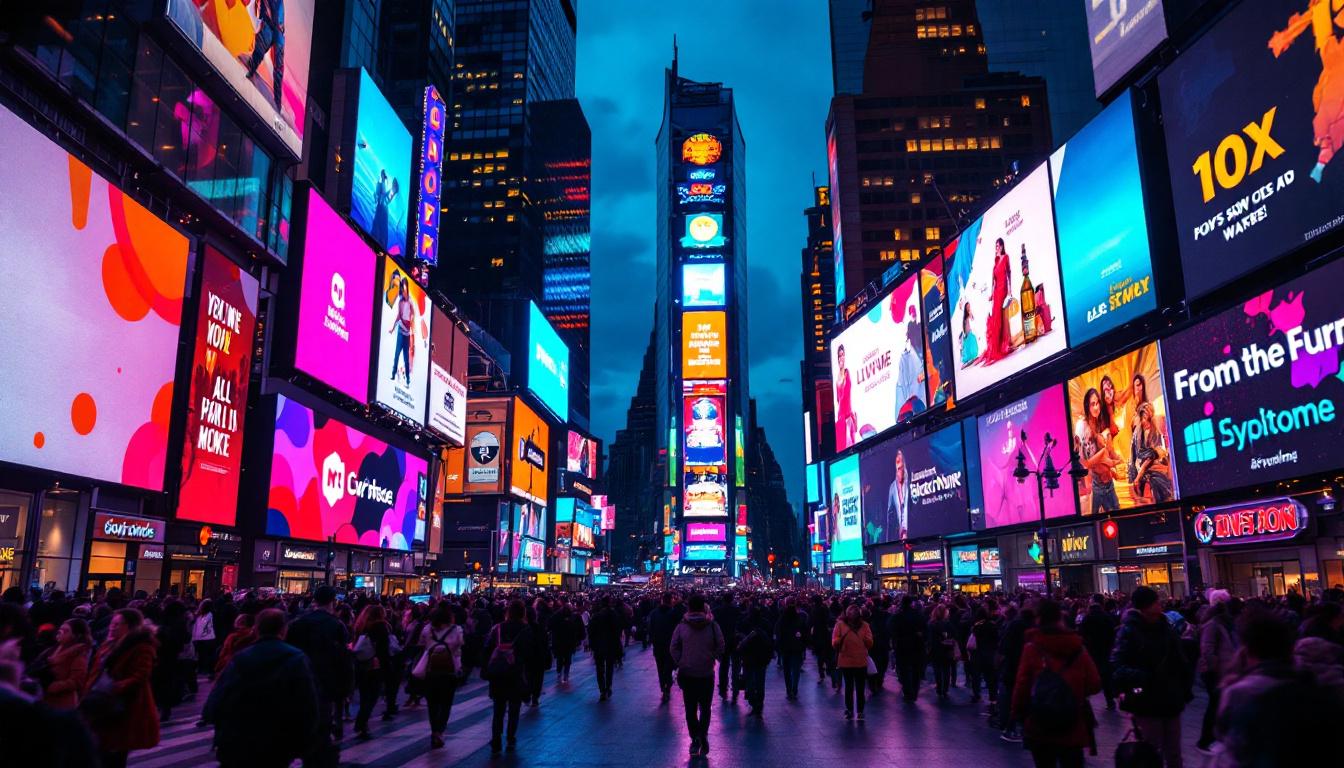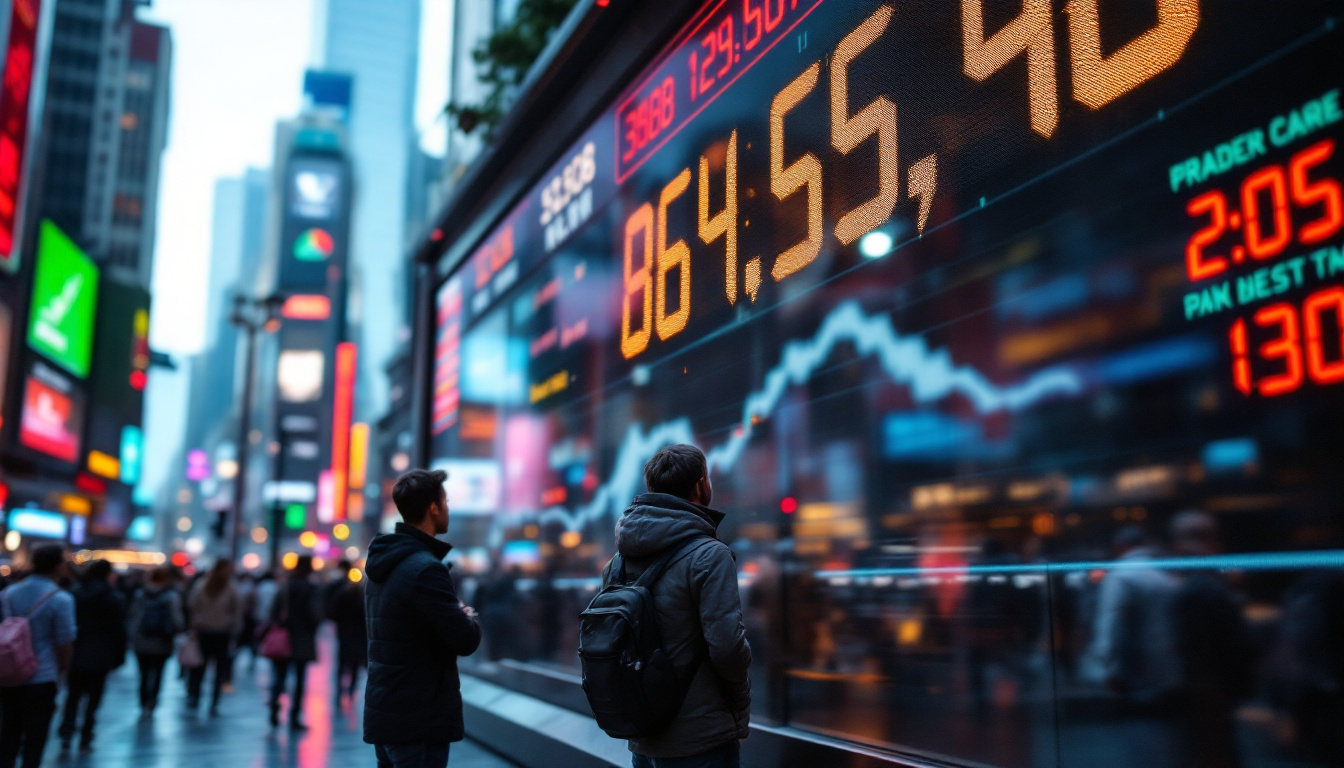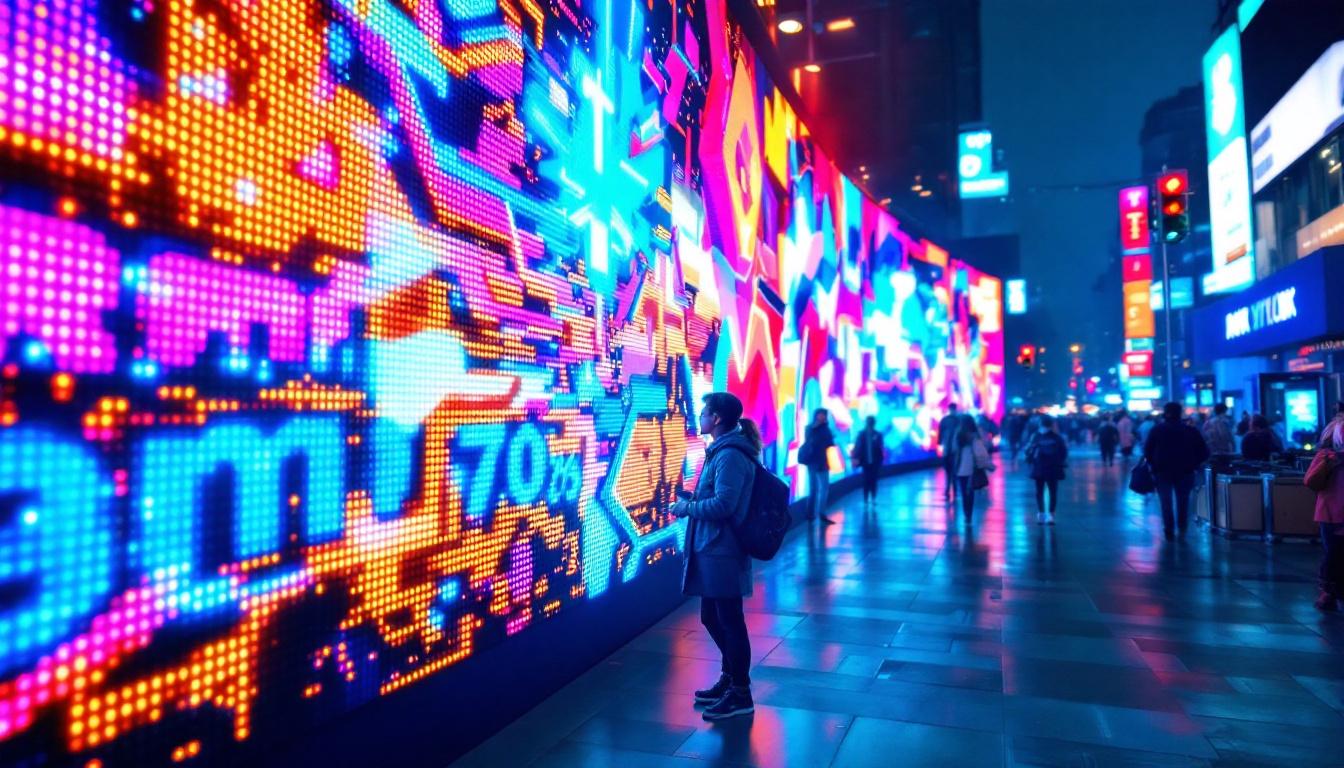
In the rapidly evolving world of digital signage and visual communication, LED displays have become a cornerstone technology. From massive billboards in Times Square to the dynamic screens at sports arenas, LED displays deliver vibrant, high-impact visuals that captivate audiences worldwide. This article delves into the fundamentals of LED displays, their technology, applications, and why they continue to dominate the video display landscape.
Understanding LED Display Technology
LED stands for Light Emitting Diode, a semiconductor device that emits light when an electric current passes through it. Unlike traditional display technologies such as LCD or plasma, LED displays use these tiny diodes as individual pixels to create images and videos. This fundamental difference gives LED displays distinct advantages in brightness, color accuracy, and energy efficiency.
How LED Displays Work
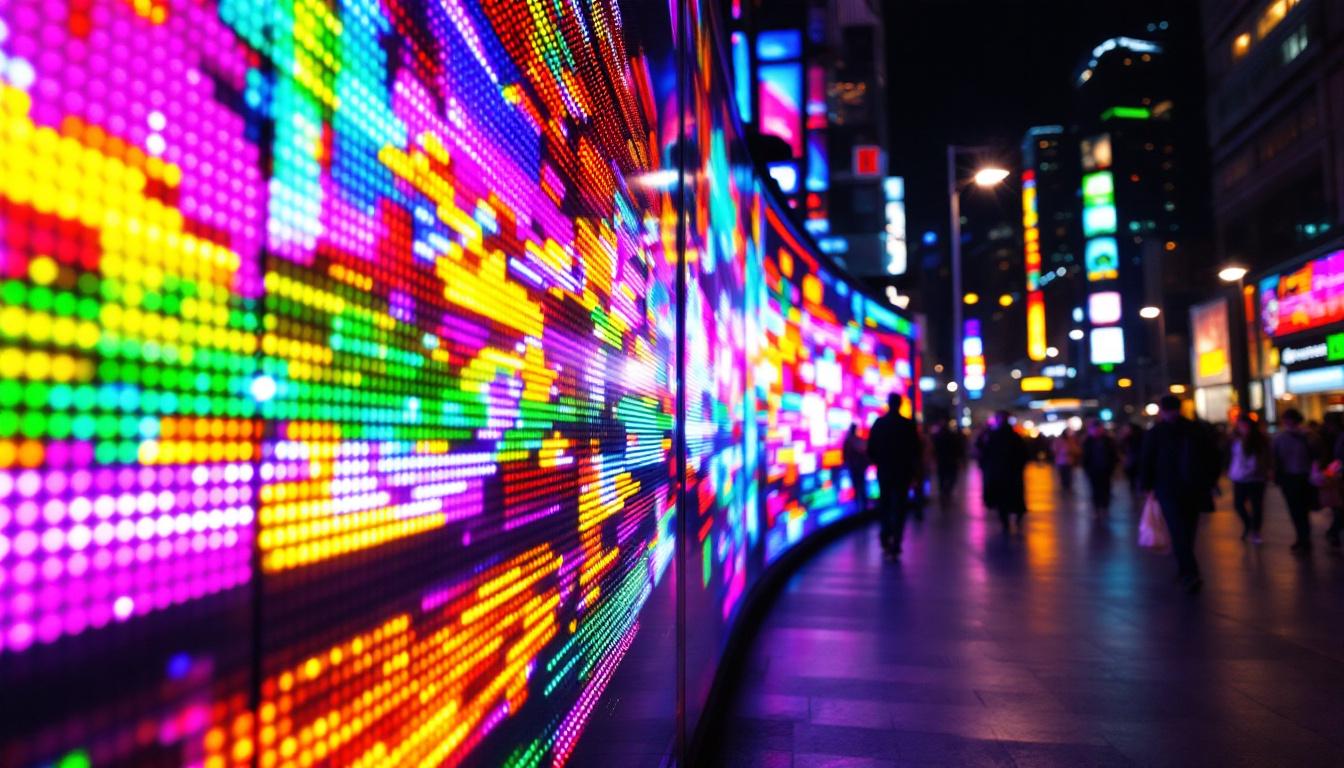
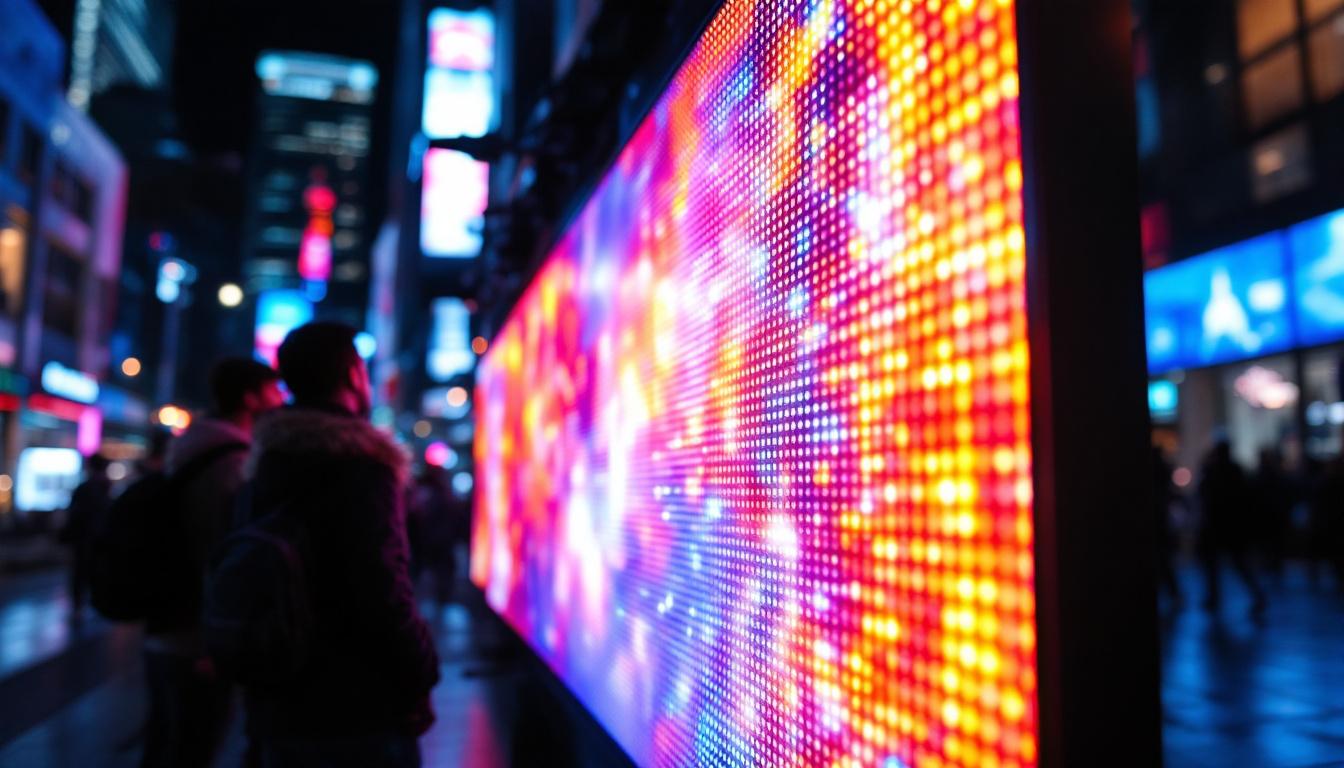
At the core of an LED display are thousands to millions of tiny LEDs arranged in a grid. Each LED acts as a pixel or part of a pixel, emitting light independently. By adjusting the intensity and color of each LED, the display can render complex images and videos with remarkable clarity.
There are two primary types of LED displays: direct-view LED and LED-backlit LCD. Direct-view LED displays use LEDs as the actual pixels, making them ideal for large-scale outdoor and indoor screens. LED-backlit LCDs, on the other hand, use LEDs as a light source behind an LCD panel, common in TVs and computer monitors. This distinction is crucial as it affects not only the display’s performance but also its application in various environments, from high-traffic areas to intimate settings.
Pixel Pitch and Resolution
One of the most critical specifications in LED displays is pixel pitch, which refers to the distance between the centers of two adjacent LEDs. Pixel pitch is measured in millimeters and directly impacts the display’s resolution and viewing distance. Smaller pixel pitches mean higher resolution and closer optimal viewing distances, making them suitable for indoor applications like conference rooms or retail displays.
For example, a 1.2mm pixel pitch LED display offers ultra-high resolution for close-up viewing, while a 10mm pixel pitch is more suitable for large outdoor billboards where viewers are farther away. Understanding pixel pitch helps businesses select the right LED display for their specific needs. Additionally, advancements in technology have led to the development of fine-pitch LED displays that can achieve resolutions comparable to traditional LCDs, allowing for more versatile use in environments that require high-definition visuals.
Moreover, the impact of pixel pitch extends beyond just resolution; it also influences the overall viewing experience. Displays with smaller pixel pitches provide smoother gradients and more vibrant colors, enhancing the viewer’s immersion in the content. This is particularly important in settings such as museums or art galleries, where the fidelity of the display can significantly affect the audience’s appreciation of the artwork. As the demand for high-quality visuals continues to rise, the evolution of pixel pitch technology will likely play a pivotal role in shaping the future of display solutions across various industries.
Advantages of LED Displays Over Other Technologies
LED displays have surged in popularity due to several inherent advantages compared to LCD, plasma, and projection-based systems. These benefits make LED the preferred choice for many commercial and entertainment applications.
Brightness and Visibility
One of the standout features of LED displays is their exceptional brightness. LEDs can achieve brightness levels exceeding 5,000 nits, making them easily visible even in direct sunlight. This is why LED billboards and outdoor signage are so effective—they remain vibrant and readable regardless of ambient lighting conditions.
In contrast, traditional LCD screens typically max out around 300 to 500 nits, which can struggle in bright environments. LED displays’ high brightness ensures messages and visuals are always clear and impactful.
Energy Efficiency and Longevity
LED technology is renowned for its energy efficiency. LEDs consume significantly less power than traditional incandescent or fluorescent lighting and even outperform many LCD backlighting systems. This efficiency translates into lower operating costs, especially for large-scale installations that run continuously.
Additionally, LEDs boast a long lifespan, often rated between 50,000 to 100,000 hours of operation. This durability reduces maintenance needs and replacement costs, making LED displays a cost-effective investment over time.
Color Accuracy and Contrast
LED displays provide superior color reproduction with a wide color gamut and high contrast ratios. Because each LED emits its own light, the displays can achieve true blacks by turning off individual LEDs, unlike LCDs that rely on backlighting and struggle with black levels.
This ability to produce deep blacks and vibrant colors enhances image quality, making LED displays ideal for applications requiring rich visuals, such as concerts, retail advertising, and broadcast studios.
Common Applications of LED Displays
LED displays are incredibly versatile and find use across a broad spectrum of industries. Their adaptability to different sizes, resolutions, and environments makes them suitable for almost any visual communication need.
Outdoor Advertising and Digital Billboards
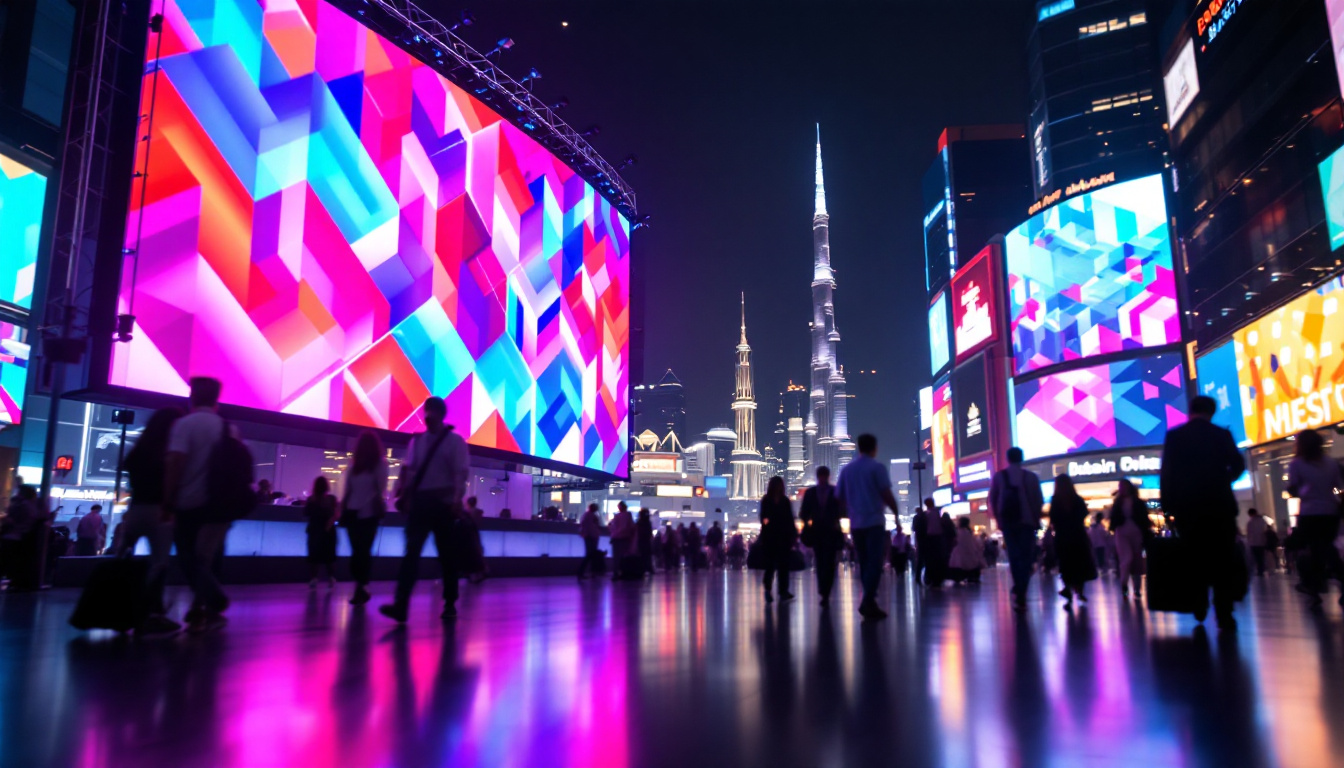
One of the most visible uses of LED displays is in outdoor advertising. Digital billboards equipped with LED panels can display dynamic content that changes throughout the day, allowing advertisers to target specific audiences with timely messages. According to industry reports, the global digital out-of-home (DOOH) advertising market is expected to grow at a CAGR of over 11% through 2027, driven largely by LED technology advancements.
LED billboards are designed to withstand harsh weather conditions, maintain brightness in daylight, and provide high visibility from long distances, making them highly effective for brand promotion and public messaging.
Sports Arenas and Event Venues
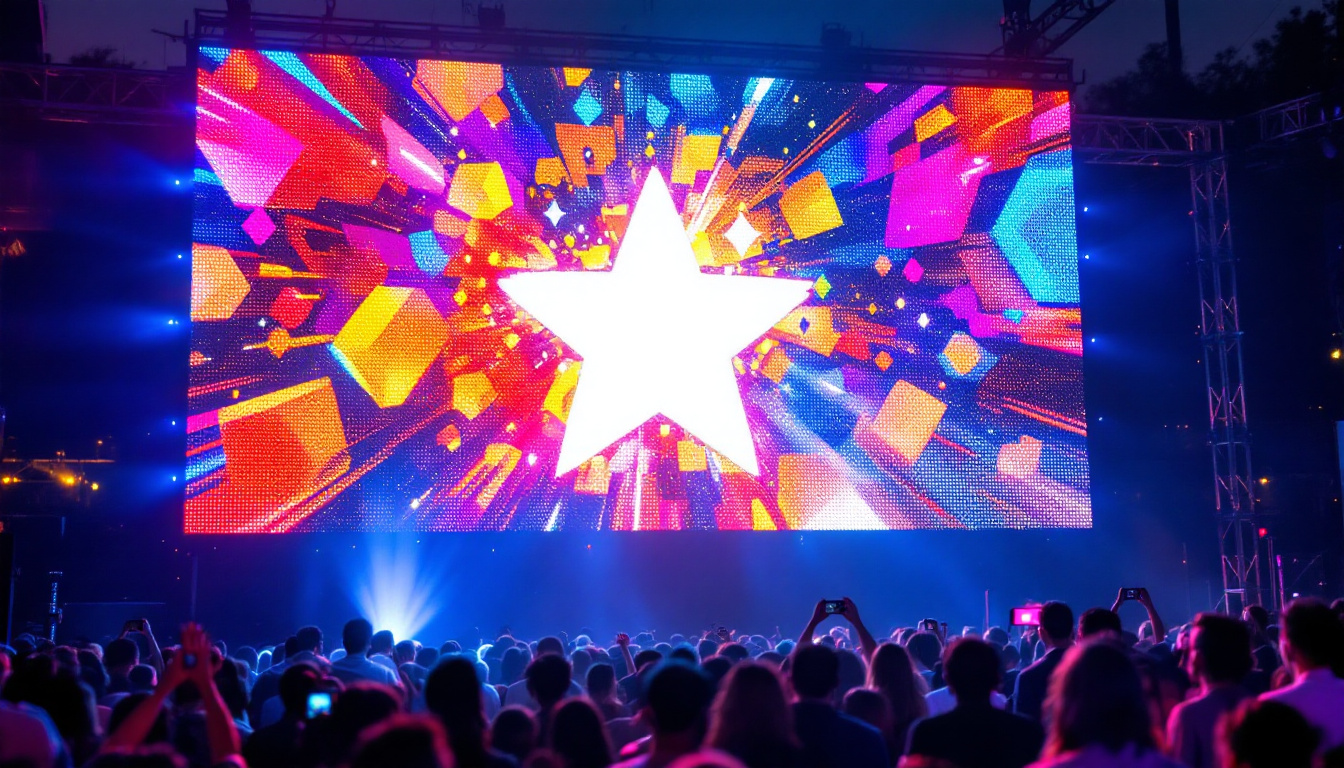
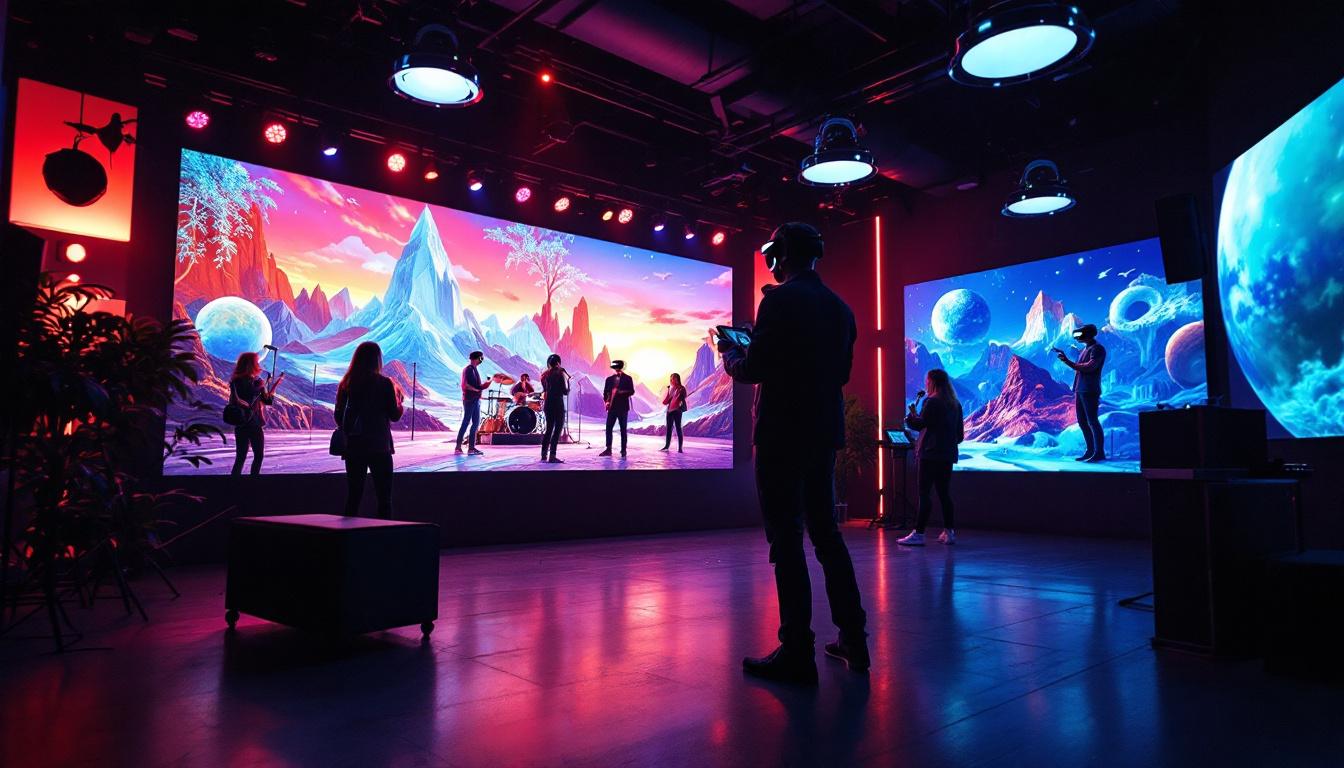
Sports stadiums and concert venues rely heavily on LED displays for scoreboards, video walls, and immersive fan experiences. These displays can be enormous, sometimes exceeding thousands of square feet, and deliver real-time video feeds, instant replays, and interactive content.
The flexibility of LED panels allows for creative configurations, such as curved screens or wrap-around displays, enhancing the viewing experience and engagement for attendees.
Retail and Corporate Environments
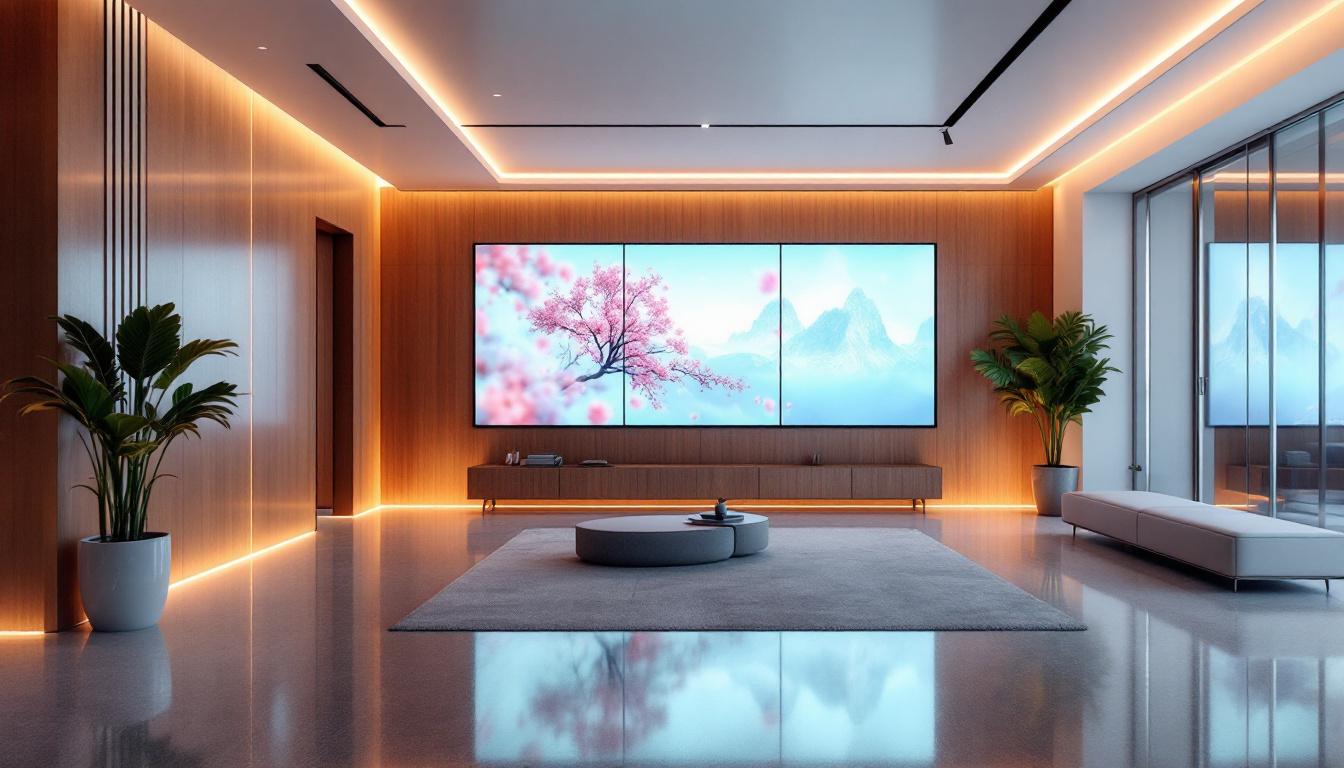
Indoor LED displays are increasingly popular in retail stores, shopping malls, and corporate lobbies. They serve as dynamic signage to promote products, provide information, or enhance brand ambiance. High-resolution LED video walls can attract customer attention more effectively than static posters or traditional signage.
In corporate settings, LED displays are used for presentations, digital dashboards, and video conferencing, offering superior image quality and reliability.
Emerging Trends and Innovations in LED Display Technology
The LED display market continues to innovate, driven by demands for higher resolution, better energy efficiency, and more flexible installation options. Several key trends are shaping the future of LED displays.
MicroLED and MiniLED Technologies
MicroLED and MiniLED represent the next generation of LED display technology. MicroLEDs are incredibly small LEDs, often less than 100 micrometers in size, allowing for ultra-high-resolution displays with exceptional brightness and contrast. This technology promises to combine the best qualities of OLED and traditional LEDs without the drawbacks like burn-in.
MiniLEDs, slightly larger than MicroLEDs but smaller than standard LEDs, are being used to improve LCD backlighting, resulting in better contrast and color accuracy. Both technologies are gaining traction in premium TVs, smartphones, and commercial displays.
Flexible and Transparent LED Displays
Innovations in LED manufacturing have enabled the development of flexible and transparent LED displays. These displays can be curved, bent, or even wrapped around surfaces, opening new possibilities for creative installations in architecture and retail.
Transparent LED screens allow viewers to see through the display while still showing vibrant digital content. This technology is particularly useful for storefront windows and augmented reality applications, blending digital and physical environments seamlessly.
Integration with AI and IoT
Modern LED displays are increasingly integrated with artificial intelligence (AI) and Internet of Things (IoT) technologies. AI can optimize content delivery based on audience demographics, time of day, or environmental conditions, maximizing engagement and advertising effectiveness.
IoT connectivity enables remote monitoring and management of LED displays, reducing downtime and maintenance costs. These smart capabilities are transforming LED displays from static signage into dynamic, interactive communication platforms.
Choosing the Right LED Display for Your Needs
Selecting the appropriate LED display involves careful consideration of several factors to ensure optimal performance and return on investment.
Assessing Viewing Distance and Environment
Understanding where and how the display will be viewed is fundamental. For outdoor billboards viewed from hundreds of feet away, a larger pixel pitch is acceptable. Conversely, indoor displays in close proximity to viewers require finer pixel pitches for clarity.
Environmental conditions such as exposure to sunlight, weather, and ambient lighting also influence the choice of LED modules and protective enclosures.
Resolution and Size Requirements
The resolution needed depends on the content type and viewing distance. High-resolution displays are essential for detailed graphics and video, while simpler text-based messaging may not require as fine a resolution.
Size considerations include physical space constraints and the desired impact. Larger displays can command attention but come with higher costs and installation complexity.
Budget and Maintenance Considerations
LED displays vary widely in price based on technology, size, and features. It’s important to balance upfront costs with long-term operational expenses, including energy consumption and maintenance.
Working with experienced suppliers and installers can help ensure the display is designed for durability and ease of service, minimizing downtime and maximizing lifespan.
Conclusion
LED displays have revolutionized the way information and entertainment are delivered in public and private spaces. Their unmatched brightness, color fidelity, and versatility make them indispensable tools for advertisers, event organizers, retailers, and corporations alike. As technology advances with innovations like MicroLED and smart integration, LED displays will continue to push the boundaries of visual communication.
Understanding the technical aspects, benefits, and applications of LED displays empowers businesses and organizations to make informed decisions, ensuring their messaging is seen, remembered, and impactful in an increasingly digital world.
Discover LumenMatrix’s Advanced LED Display Solutions
Ready to elevate your visual communication strategy with cutting-edge LED technology? Look no further than LumenMatrix, a leader in innovative LED display solutions. From vibrant Indoor and Outdoor LED Wall Displays to dynamic Vehicle and Sports LED Displays, LumenMatrix offers a wide range of products designed to captivate your audience and amplify your message. Whether you’re looking for a Custom LED Display, an All-in-One solution, or a striking LED Transparent Display, LumenMatrix has the expertise to bring your vision to life. Check out LumenMatrix LED Display Solutions today and experience the future of digital signage.