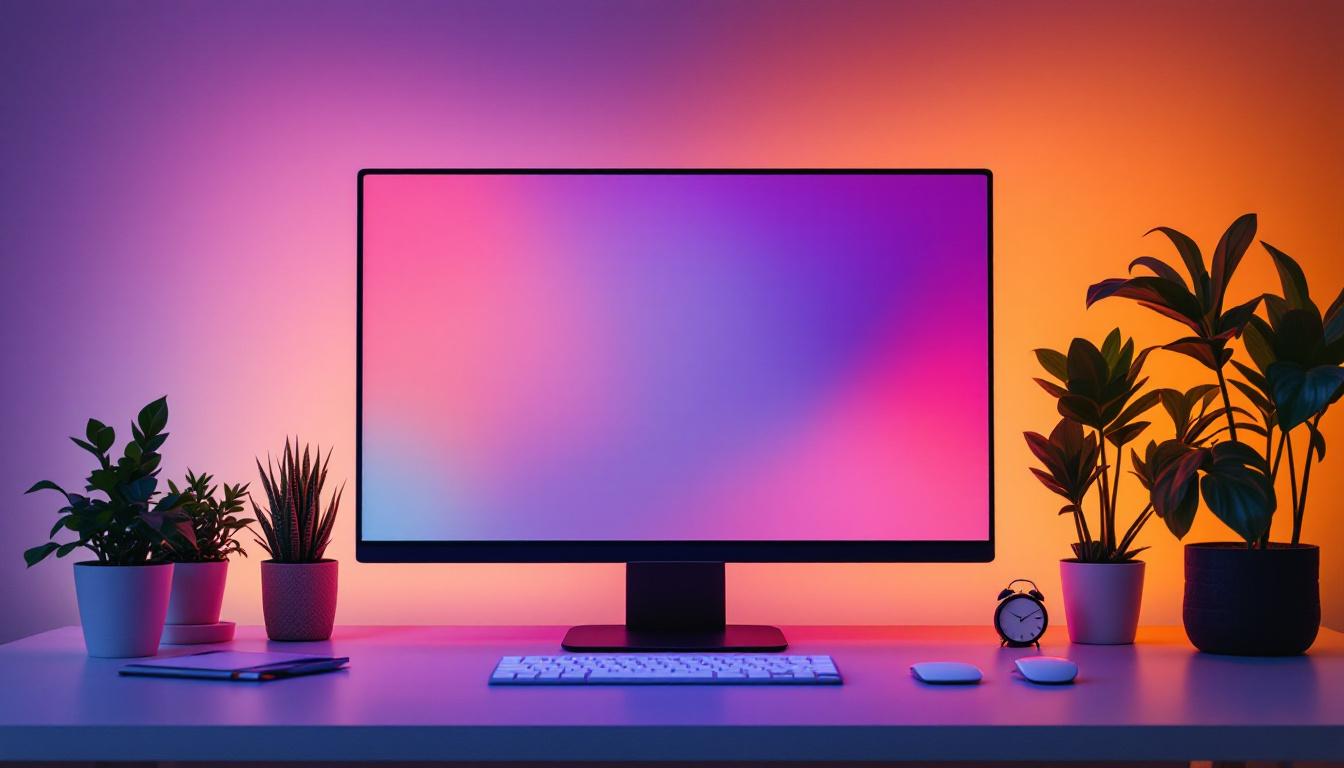
In the evolving world of computer monitors, design and display technology have become critical factors influencing user experience. Among these, the thin bezel design combined with LED display technology has gained significant traction, offering both aesthetic appeal and functional advantages. This article delves into the intricacies of thin bezel monitors with LED displays, exploring their technology, benefits, and why they are becoming the preferred choice for professionals and casual users alike.
Understanding Thin Bezel Monitors
What Is a Thin Bezel?
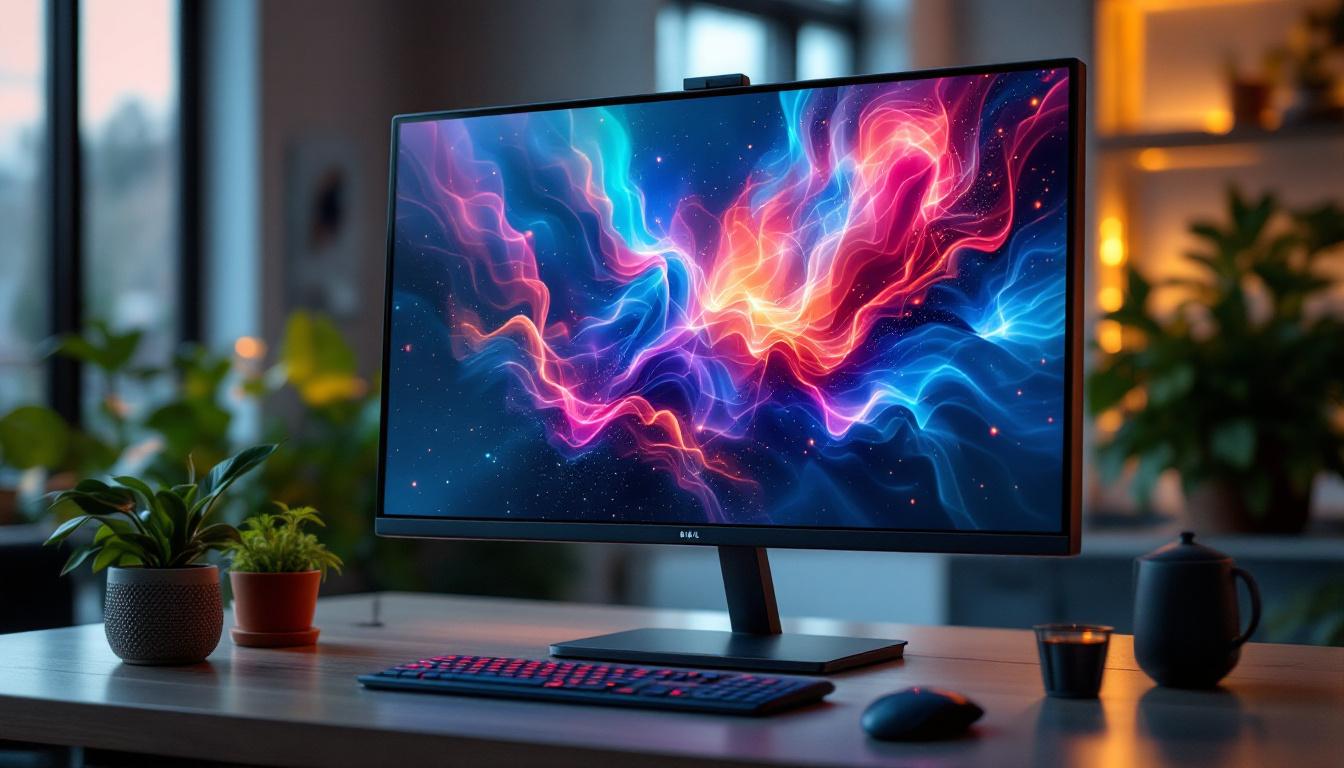
The bezel of a monitor refers to the frame or border that surrounds the screen. Traditionally, bezels were quite thick, sometimes measuring over an inch, which added bulk to the monitor and created a noticeable separation between the display and its surroundings. A thin bezel, by contrast, significantly reduces this frame, often to just a few millimeters.
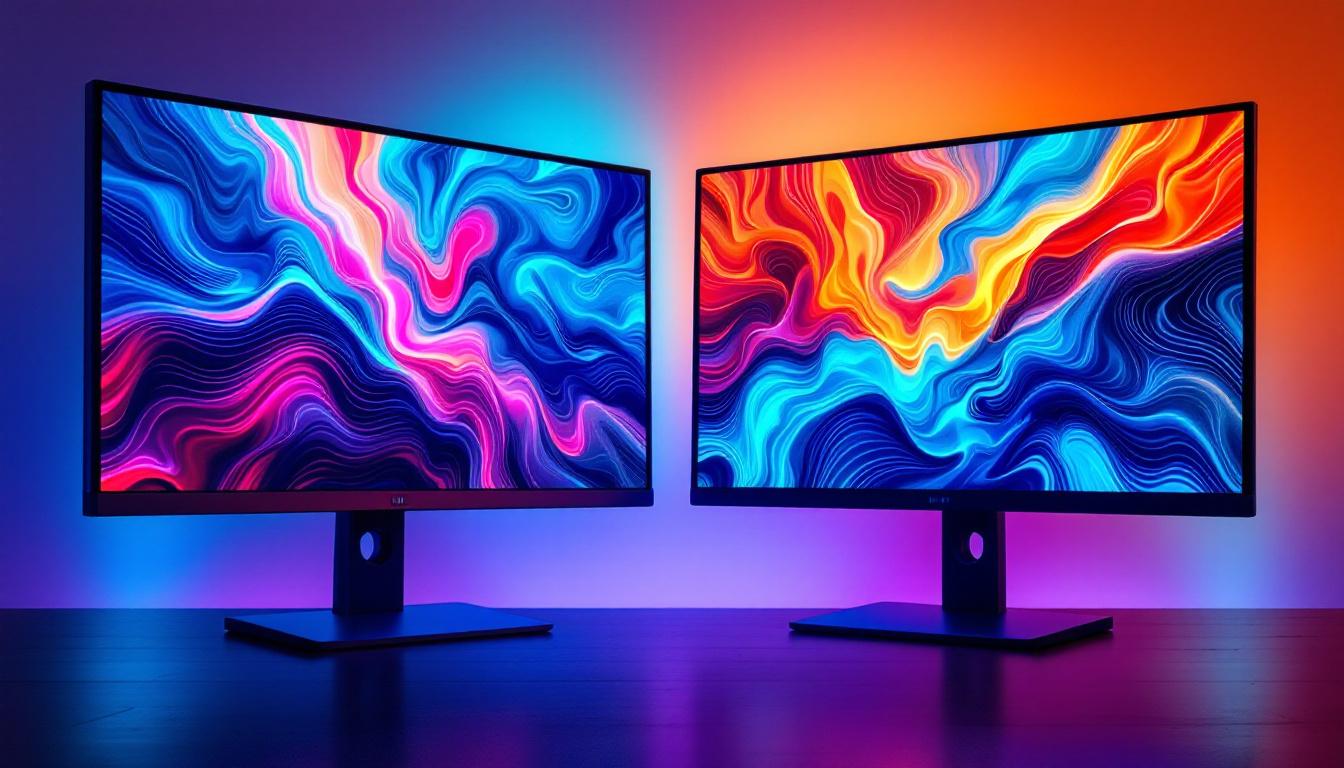
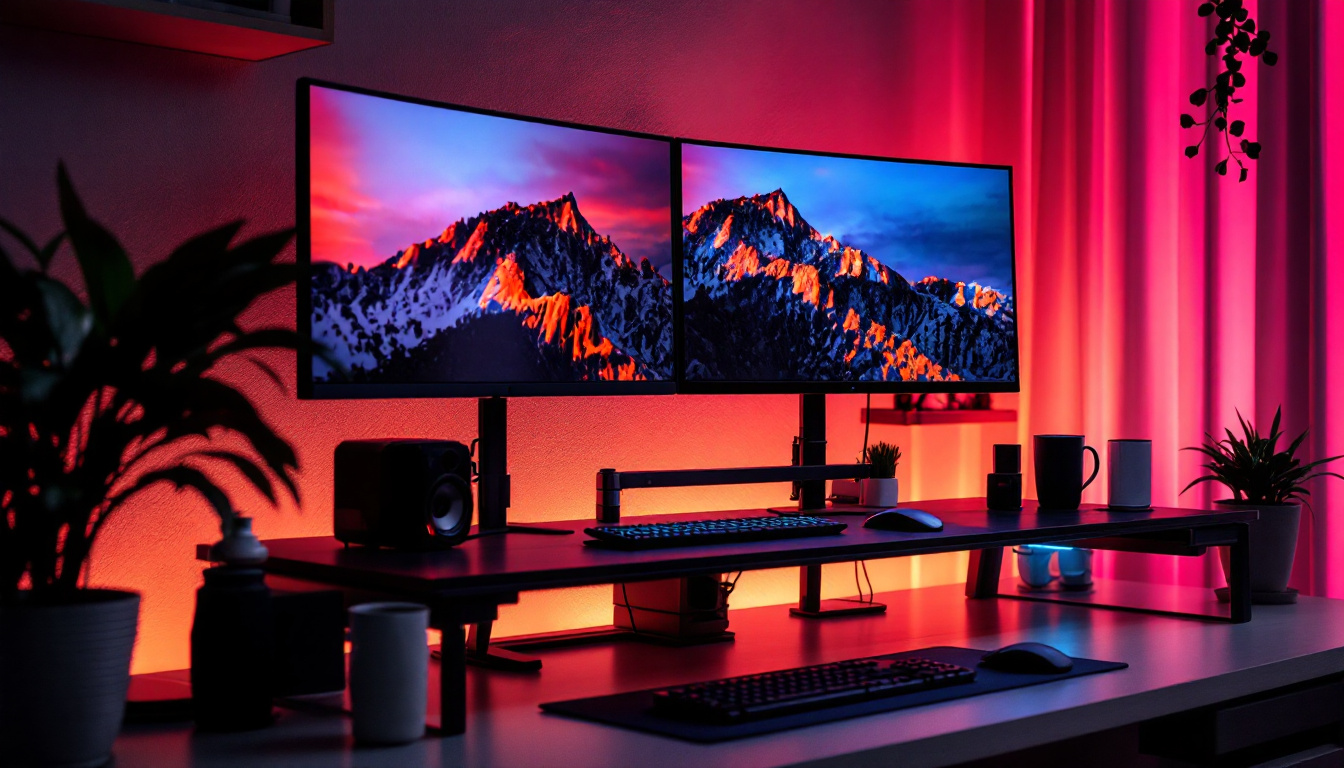
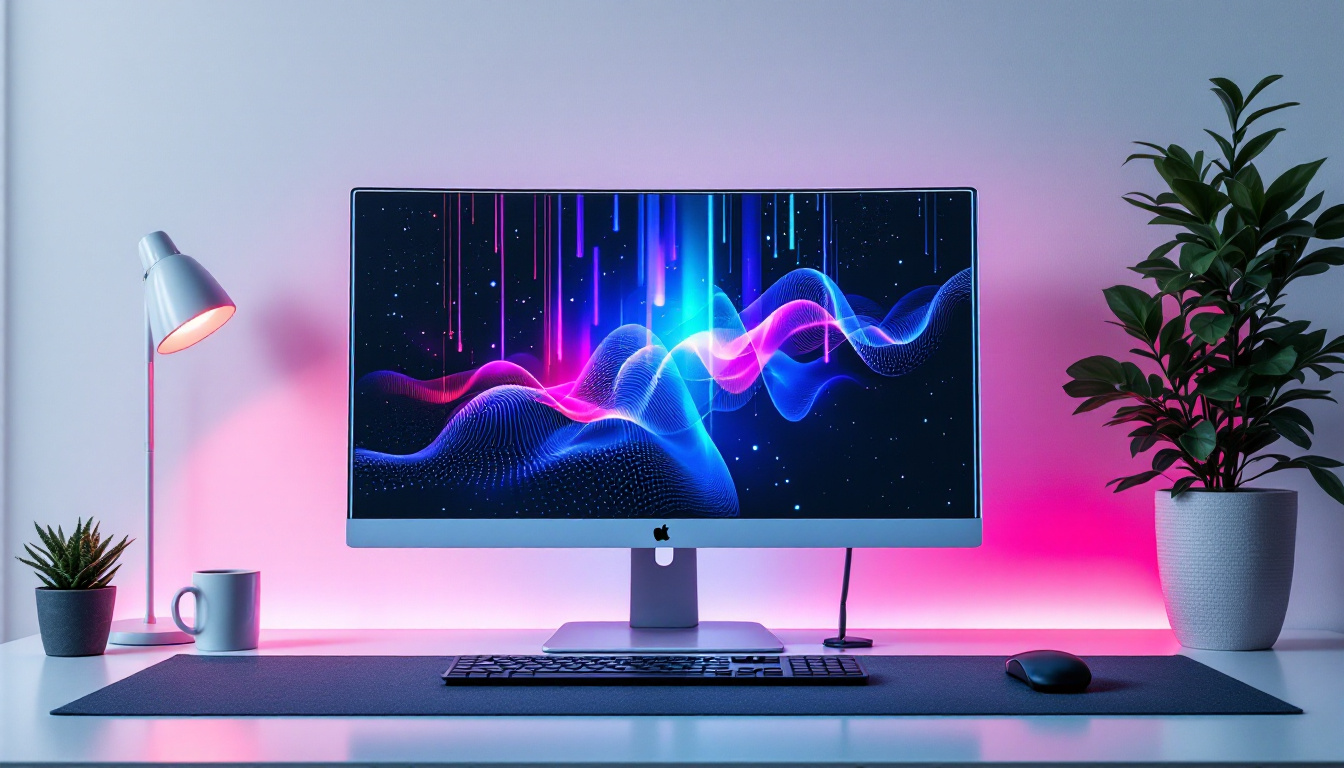
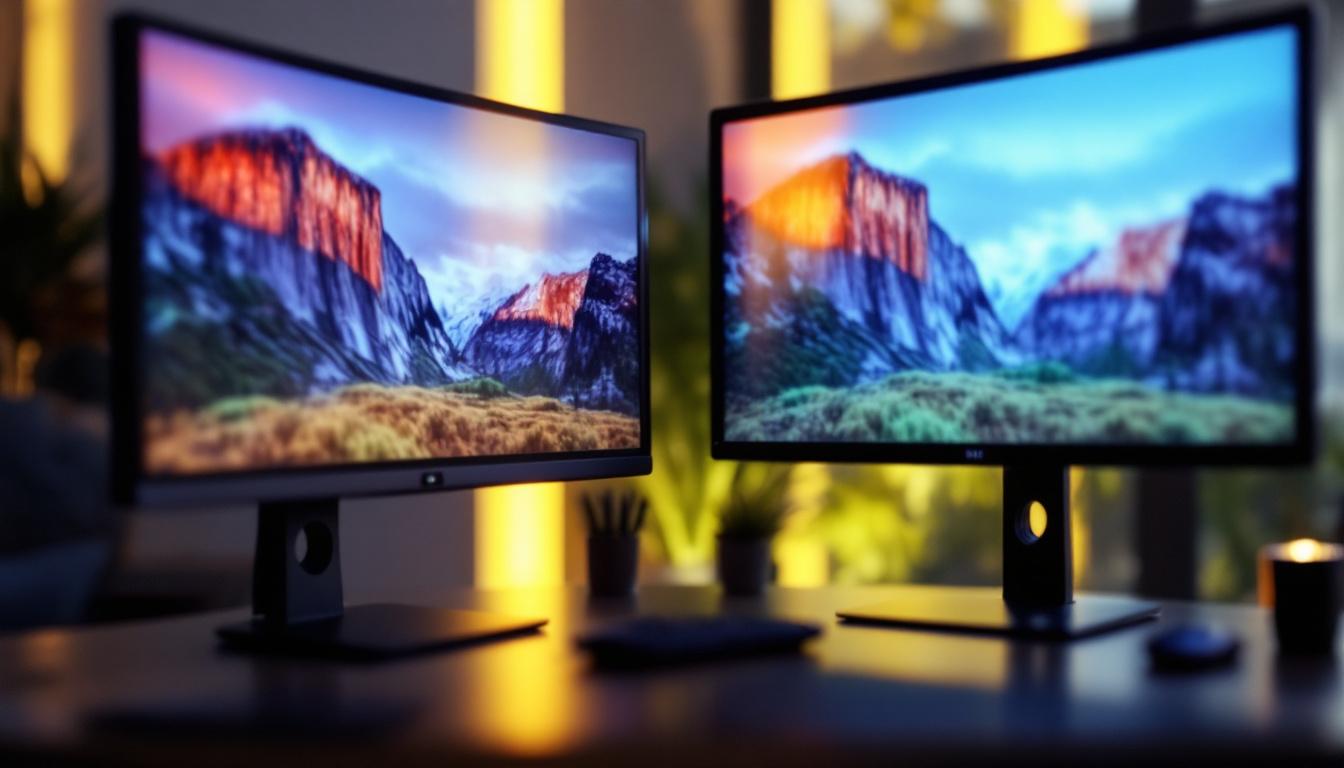
This design innovation is more than just a style choice. Thin bezels contribute to a more immersive viewing experience by maximizing the visible screen area. For users with multi-monitor setups, thin bezels minimize the visual gap between screens, creating a nearly seamless display environment. This feature is particularly beneficial for gamers who rely on quick reflexes and spatial awareness, as it allows for a more cohesive gaming experience without the distraction of thick borders interrupting their field of vision.
Additionally, the reduction in bezel size can also enhance the aesthetic appeal of a workspace, making it feel more modern and less cluttered. Many manufacturers have embraced this trend, often pairing thin bezels with sleek designs and vibrant display technologies such as OLED and IPS panels, which further elevate the overall visual quality.
Why Thin Bezels Matter in Modern Computing
Thin bezel monitors have become increasingly popular in recent years, especially as multi-monitor configurations grow in demand among gamers, designers, and financial professionals. According to a 2023 report by DisplaySearch, monitors with bezels under 5mm have seen a 35% increase in market share over the past two years, reflecting this trend.
Beyond aesthetics, thin bezels help reduce the overall footprint of the monitor, making them ideal for compact workspaces. They also contribute to lighter and sleeker device profiles, which are particularly valued in portable monitor designs and all-in-one PCs. This trend is not just limited to desktop monitors; many laptops now feature thin bezels as well, allowing manufacturers to maximize screen size without increasing the overall size of the device. This is especially advantageous for users who prioritize portability without sacrificing screen real estate.
Moreover, the shift towards thin bezels aligns with the increasing demand for immersive technologies such as virtual reality and augmented reality. As these technologies evolve, the need for displays that can seamlessly integrate into users’ environments becomes paramount. Thin bezels help create a more engaging experience by allowing users to focus on the content rather than being distracted by the physical boundaries of the display. As a result, the future of monitor design is likely to continue embracing this trend, pushing the limits of what is possible in display technology.
The Technology Behind LED Displays
What Is LED Display Technology?
LED stands for Light Emitting Diode, a type of semiconductor that emits light when an electric current passes through it. In the context of computer monitors, LED technology is primarily used for backlighting LCD panels. Unlike older CCFL (Cold Cathode Fluorescent Lamp) backlights, LEDs are more energy-efficient, produce less heat, and allow for thinner panel designs.
There are two main types of LED backlighting used in monitors: edge-lit and full-array. Edge-lit LED monitors position LEDs along the edges of the screen, enabling ultra-thin designs but sometimes compromising uniformity of brightness. Full-array LED backlighting places LEDs directly behind the screen, allowing for better brightness control and contrast through local dimming.
Advantages of LED Displays Over Other Technologies
LED displays offer several benefits compared to older LCD technologies and even some emerging display types. For one, they provide superior energy efficiency, consuming up to 30% less power than CCFL-backlit monitors. This efficiency not only reduces electricity costs but also supports environmental sustainability initiatives.
Moreover, LED displays typically deliver better color accuracy and higher brightness levels, which are crucial for professional applications such as photo and video editing. Their thinner profile also complements the thin bezel design, enabling manufacturers to produce sleek, modern monitors without sacrificing performance.
How Thin Bezel and LED Technology Work Together
Design Synergy for Sleek, Functional Monitors
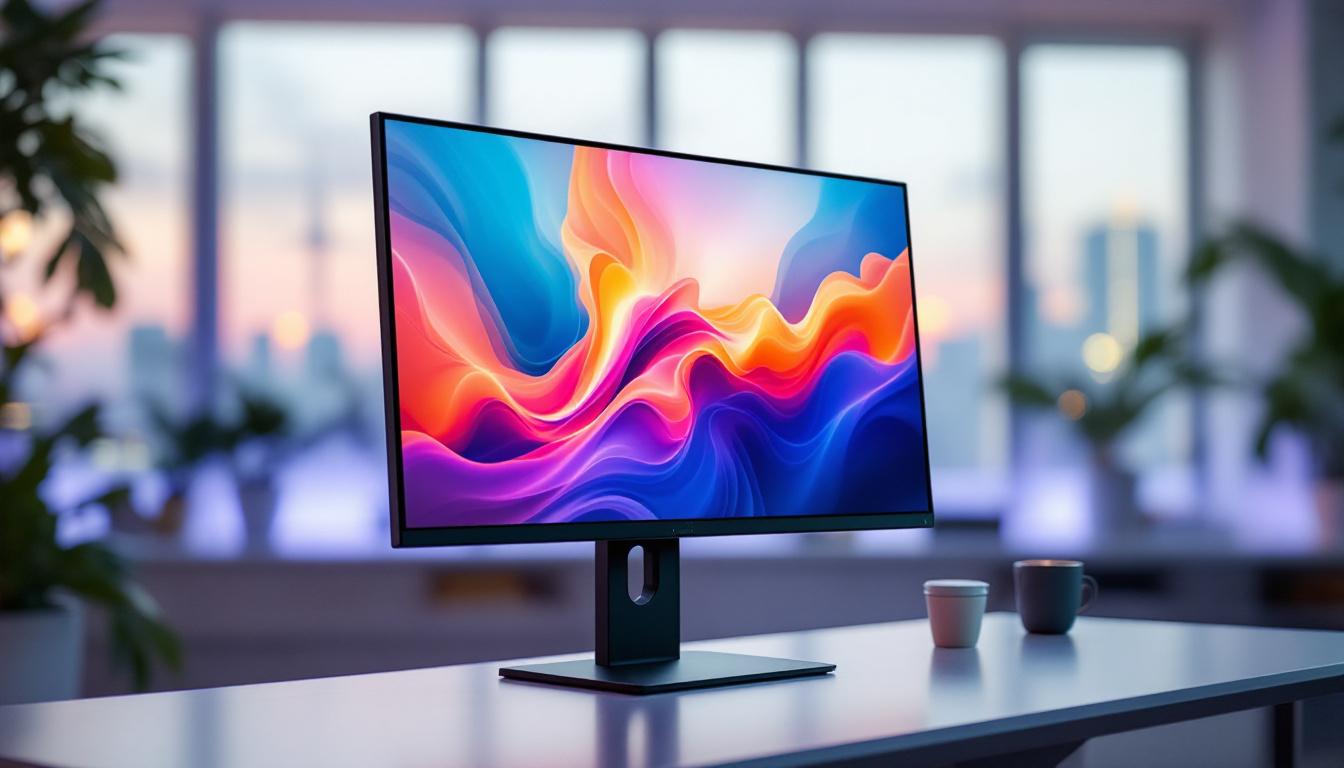
The combination of thin bezel design and LED backlighting technology has revolutionized monitor aesthetics and functionality. LED backlighting allows for thinner panels, which in turn makes it feasible to reduce bezel size without compromising structural integrity or display quality.
Manufacturers leverage this synergy to create monitors that not only look elegant but also enhance user productivity. For example, ultra-thin bezels paired with edge-lit LED panels enable multi-monitor setups that feel like a single continuous screen, which is particularly beneficial for tasks requiring extensive screen real estate.
Impact on User Experience
Users benefit from this combination in several ways. First, the immersive visual experience reduces eye strain, as the minimal bezel distractions allow the eyes to focus more naturally on the content. Second, the improved brightness and color fidelity of LED displays enhance clarity and detail, which is essential for creative professionals and gamers alike.
Furthermore, the lightweight and compact nature of thin bezel LED monitors makes them easier to transport and install, appealing to remote workers and those who frequently change their workspace setup.
Applications and Use Cases of Thin Bezel LED Monitors
Professional Environments
In professional settings such as graphic design studios, video editing suites, and financial trading floors, thin bezel LED monitors have become indispensable. Their ability to deliver high color accuracy and seamless multi-monitor configurations supports complex workflows that demand precision and efficiency.
For instance, financial analysts often rely on multi-monitor arrays to monitor real-time data feeds and perform simultaneous analysis. Thin bezels reduce visual interruptions between screens, helping analysts maintain focus and react swiftly to market changes.
Gaming and Entertainment
Gamers also appreciate thin bezel LED monitors for their immersive qualities. A 2024 survey by the International Gaming Association found that 68% of competitive gamers prefer monitors with bezels under 7mm for multi-screen setups, citing enhanced peripheral vision and reduced distractions.
LED technology contributes to faster response times and higher refresh rates, critical factors for gaming performance. Combined with the thin bezel design, these monitors deliver a more engaging and competitive gaming experience.
Everyday Use and Home Offices
Beyond specialized applications, thin bezel LED monitors are increasingly popular in home offices and general computing. Their sleek appearance complements modern home decor, while the efficient LED backlighting helps reduce energy consumption.
Remote workers benefit from the compact size and lightweight design, which make it easier to optimize limited desk space. Additionally, the enhanced display quality supports video conferencing and multimedia consumption, improving overall productivity and comfort.
Choosing the Right Thin Bezel LED Monitor
Key Features to Consider
When selecting a thin bezel LED monitor, several factors should guide the decision. Screen size and resolution are paramount; larger screens with higher resolutions (such as 4K UHD) provide more workspace and sharper images but may require more powerful hardware to drive them effectively.
Refresh rate and response time are also critical, especially for gamers and video editors. Monitors with refresh rates of 120Hz or higher and response times under 5ms are generally preferred. Additionally, color accuracy metrics such as sRGB and AdobeRGB coverage should be examined for creative professionals.
Connectivity and Ergonomics
Modern monitors offer a variety of connectivity options, including HDMI, DisplayPort, USB-C, and sometimes Thunderbolt. USB-C ports, in particular, enable single-cable solutions for video, data, and power, simplifying desk setups.
Ergonomic features such as adjustable stands, swivel, tilt, and height adjustments contribute to user comfort during extended use. Some thin bezel monitors also support VESA mounts, allowing for flexible placement and multi-monitor configurations.
Future Trends in Thin Bezel LED Monitors
Advancements in Display Technology
The future of thin bezel monitors is closely tied to ongoing advancements in display technologies. Mini-LED and Micro-LED backlighting are emerging as successors to traditional LED, offering even greater brightness, contrast ratios, and energy efficiency. These technologies enable finer local dimming zones, improving HDR performance and color depth.
Additionally, flexible and curved thin bezel monitors are gaining popularity, providing more ergonomic and immersive viewing experiences. These innovations are expected to become mainstream within the next five years, further enhancing the appeal of thin bezel LED displays.
Integration with Smart Features
Smart integration is another trend shaping the future of monitors. Features such as built-in webcams with facial recognition, AI-driven eye strain reduction, and adaptive brightness controls are becoming standard. Thin bezel designs facilitate the inclusion of these technologies without compromising aesthetics.
Moreover, seamless wireless connectivity and compatibility with cloud-based work environments will continue to improve, making thin bezel LED monitors central to the modern digital workspace.
Conclusion
Thin bezel computer monitors with LED displays represent a significant leap forward in both design and technology. By minimizing frame size and leveraging efficient, high-quality LED backlighting, these monitors deliver enhanced visual experiences, improved productivity, and stylish aesthetics suitable for a wide range of users.
Whether for professional applications, gaming, or everyday use, the combination of thin bezels and LED technology offers tangible benefits that justify their growing popularity. As display technologies continue to evolve, these monitors will remain at the forefront of innovation, shaping how users interact with digital content in increasingly immersive and efficient ways.
Discover the Future of Visual Display with LumenMatrix
Ready to elevate your visual experience with the sleek design and superior performance of thin bezel LED monitors? LumenMatrix is at the forefront of LED display innovation, offering a wide array of solutions that cater to your unique needs. From immersive Indoor LED Wall Displays to dynamic Outdoor LED Wall Displays and beyond, our products are designed to captivate and engage. Embrace the cutting-edge of display technology and transform your space with LumenMatrix. Check out LumenMatrix LED Display Solutions today and step into a world of unparalleled clarity and impact.