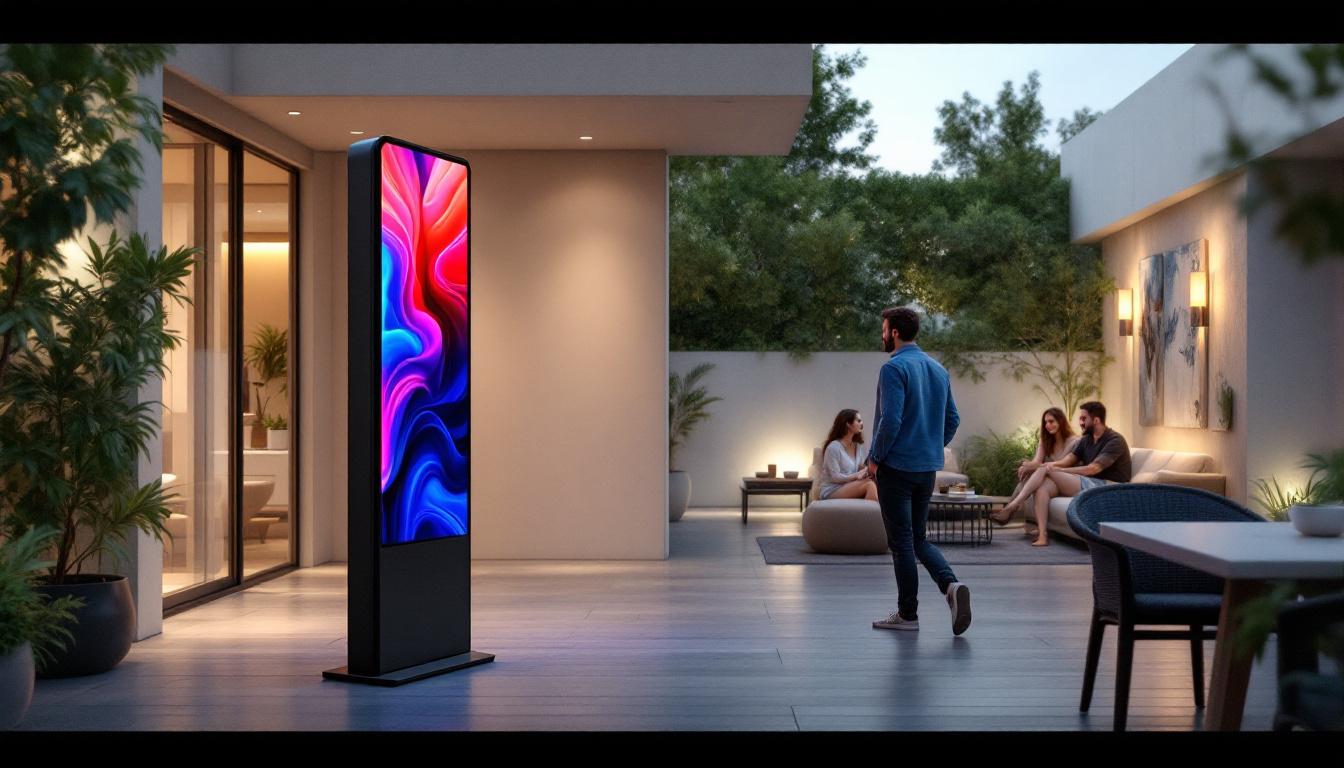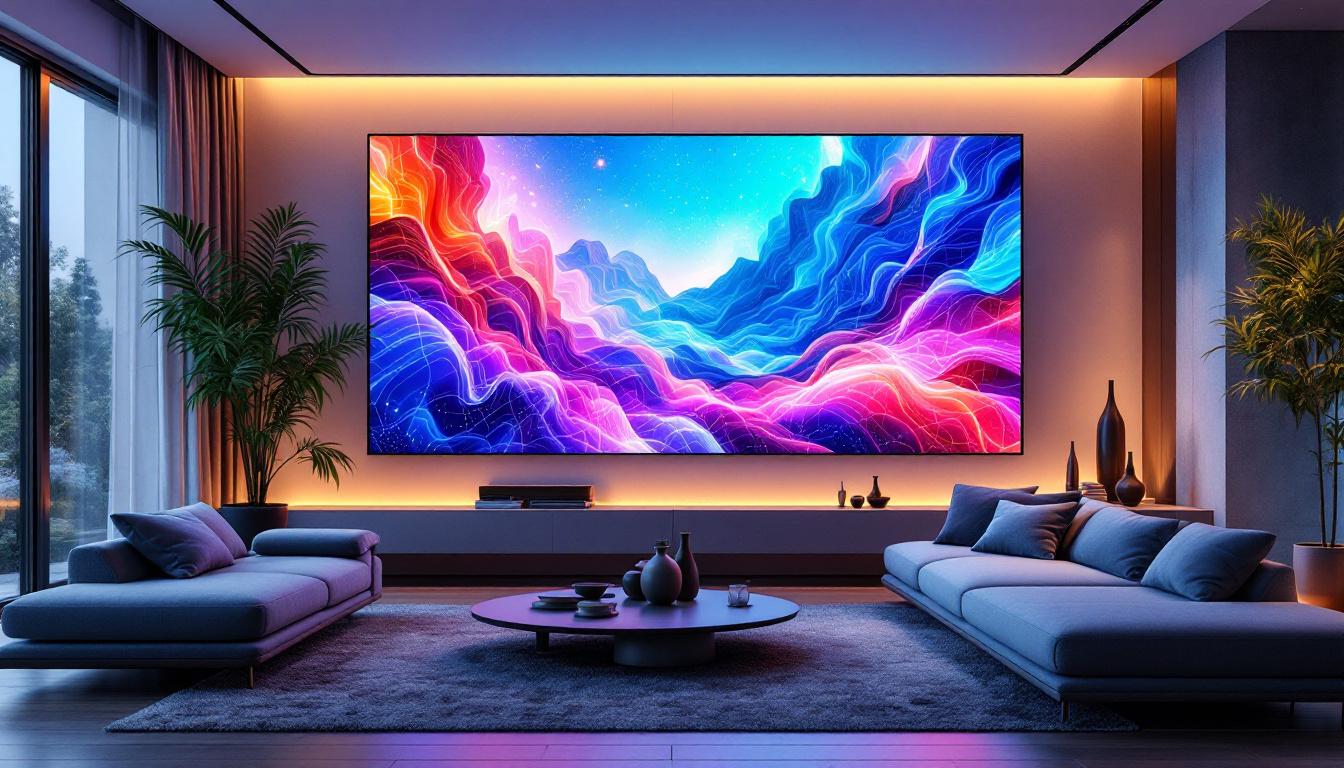
In today’s digital age, the way information is displayed and consumed has dramatically evolved. From traditional billboards to interactive digital signage, the demand for vibrant, dynamic, and energy-efficient display solutions has surged. Among these, LED displays have emerged as a leading technology, particularly for wall-mounted installations. Whether for commercial advertising, corporate environments, or public information systems, smart LED screens offer unparalleled advantages. This article delves deep into the world of smart wall-mounted LED displays, explaining their technology, benefits, applications, and considerations for choosing the right solution.
Understanding LED Display Technology
What is an LED Display?
LED stands for Light Emitting Diode, a semiconductor device that emits light when an electric current passes through it. An LED display is a flat panel display that uses an array of these tiny LEDs to produce images, videos, and text. Unlike LCD or OLED screens, LED displays rely on direct light emission, which results in brighter, more vivid visuals that are easily viewable even in bright environments.
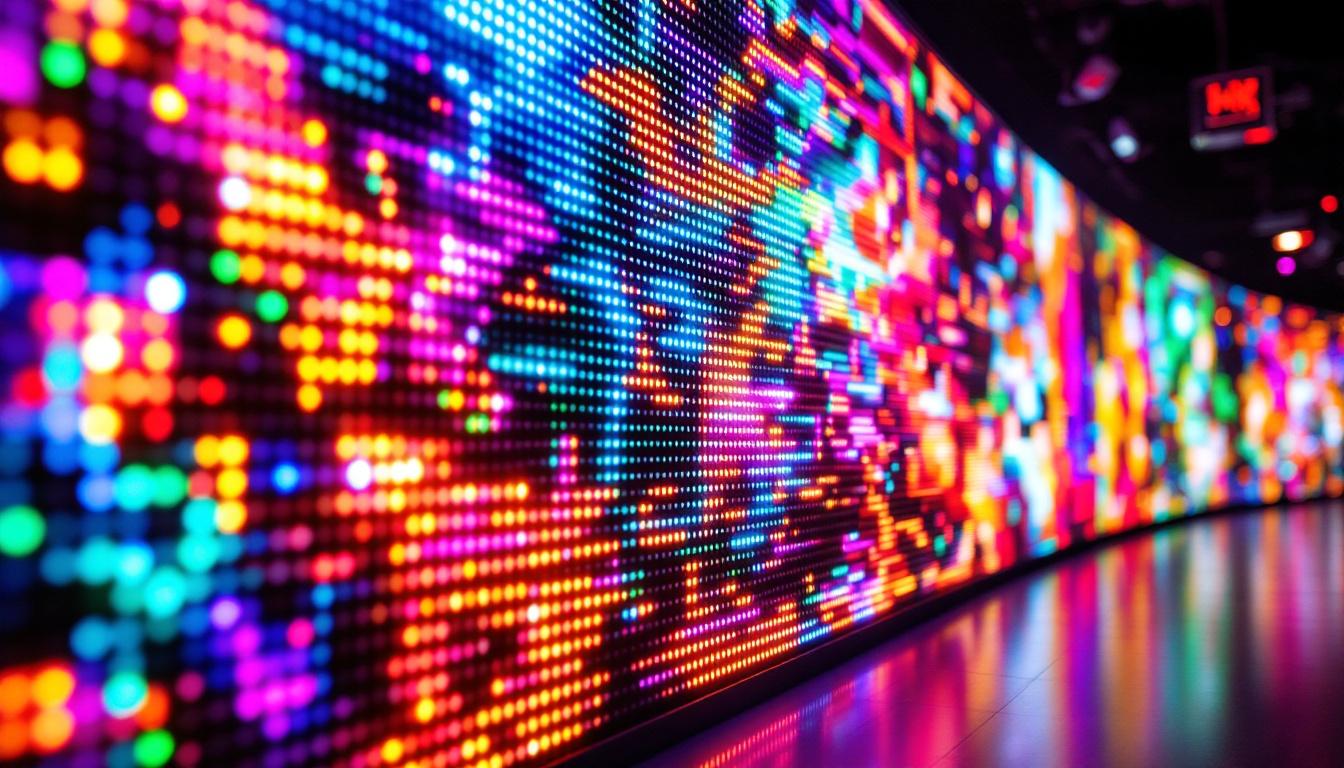
LED displays are composed of thousands to millions of individual LEDs arranged in a grid. Each LED acts as a single pixel or part of a pixel, and by controlling the intensity and color of each LED, the display can render complex images with high resolution and color accuracy. This technology not only enhances the viewing experience but also allows for dynamic content that can be updated in real-time, making LED displays a popular choice for advertising and informational purposes.
Types of LED Displays for Walls
When it comes to wall-mounted LED screens, there are several types to consider:
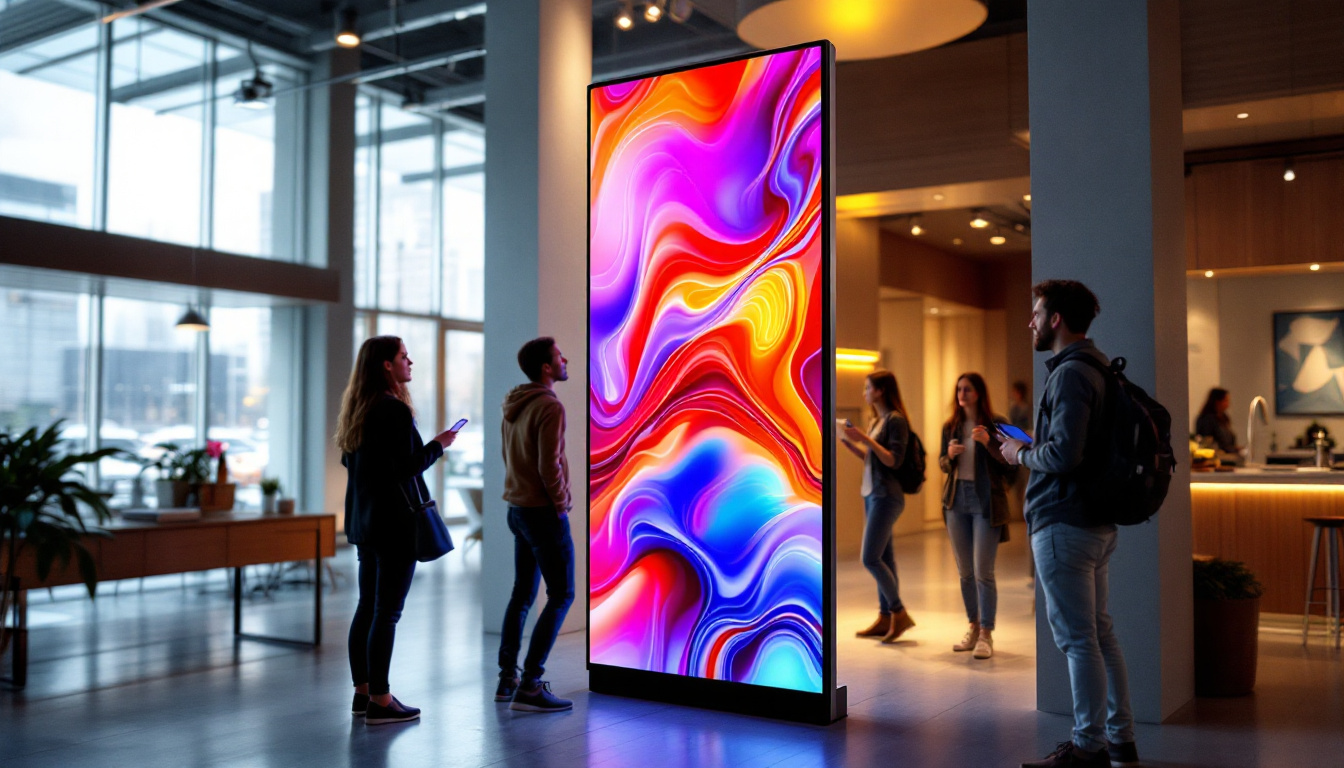
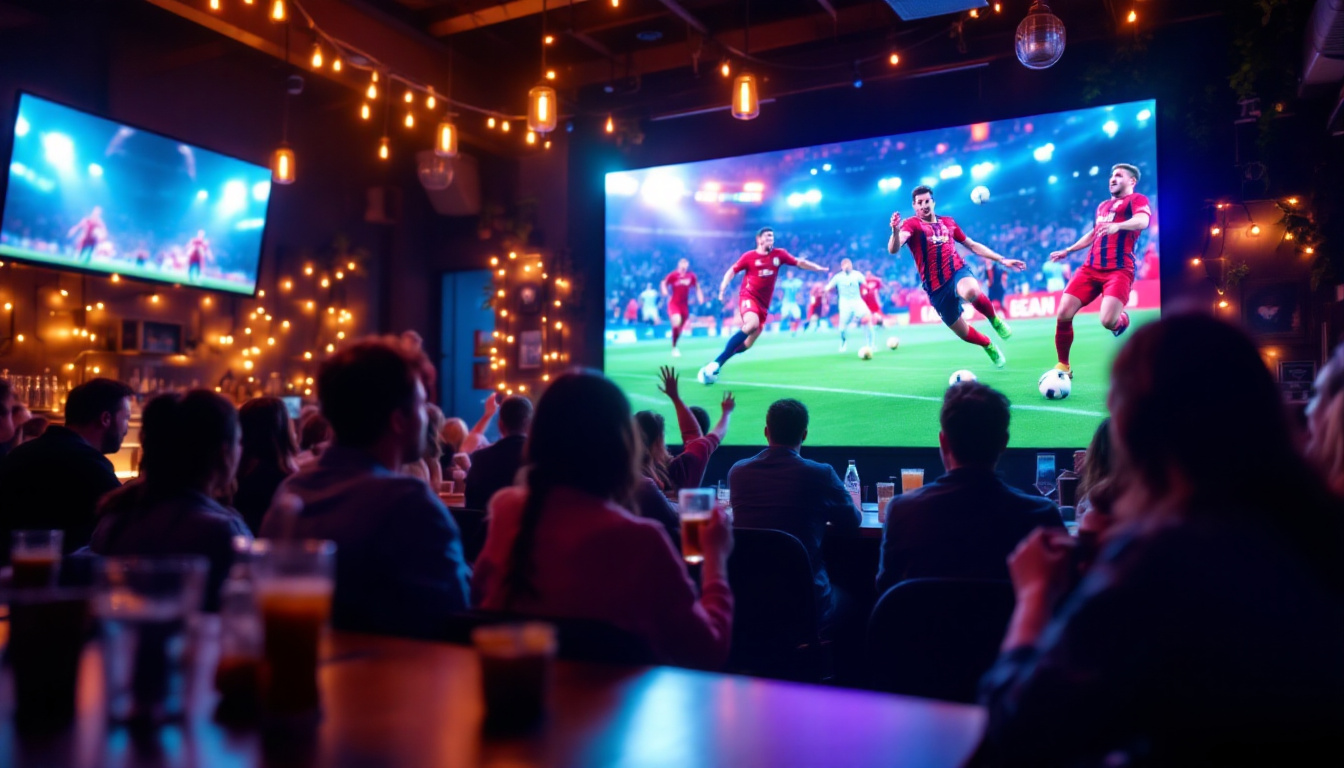
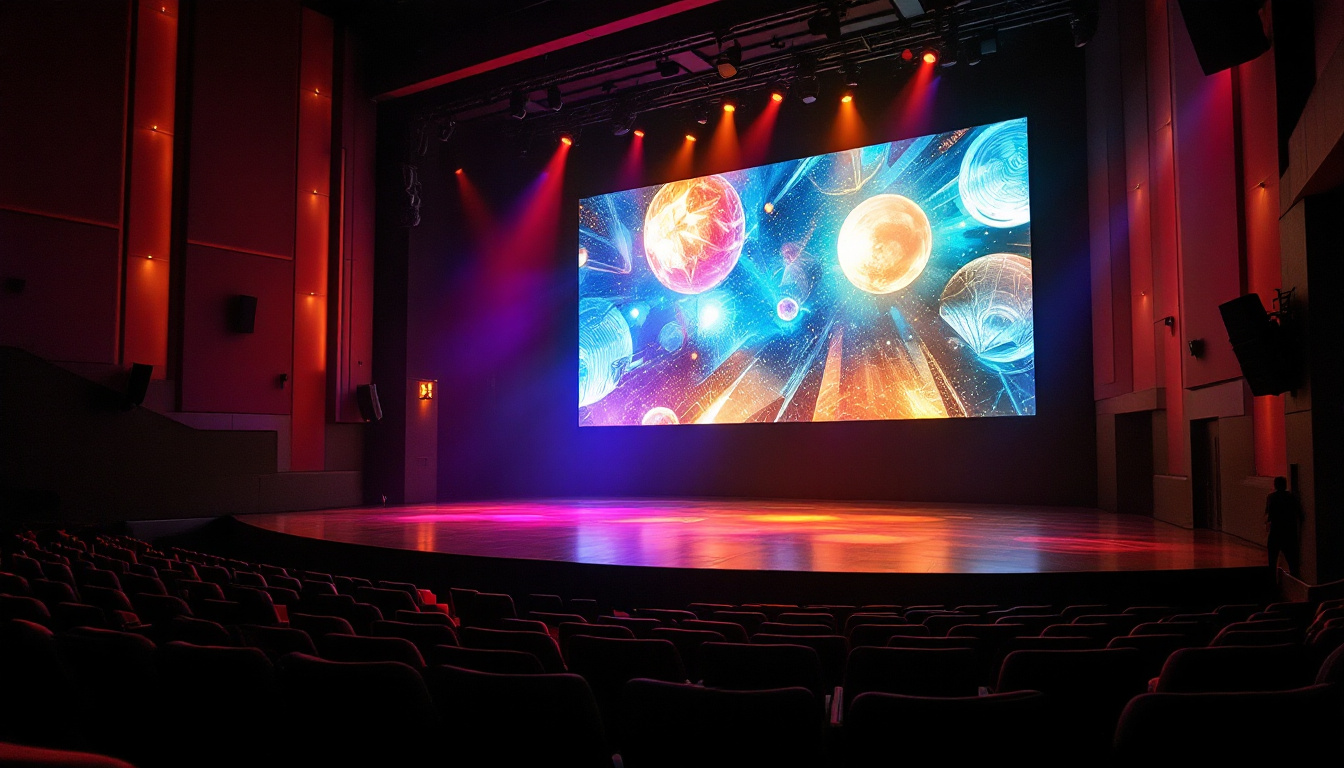
- Indoor LED Displays: Designed for indoor environments such as offices, shopping malls, and conference rooms. These displays have higher pixel density for close viewing distances and typically offer excellent color reproduction. They are often used for presentations, digital signage, and entertainment, providing a vibrant backdrop that can engage audiences effectively.
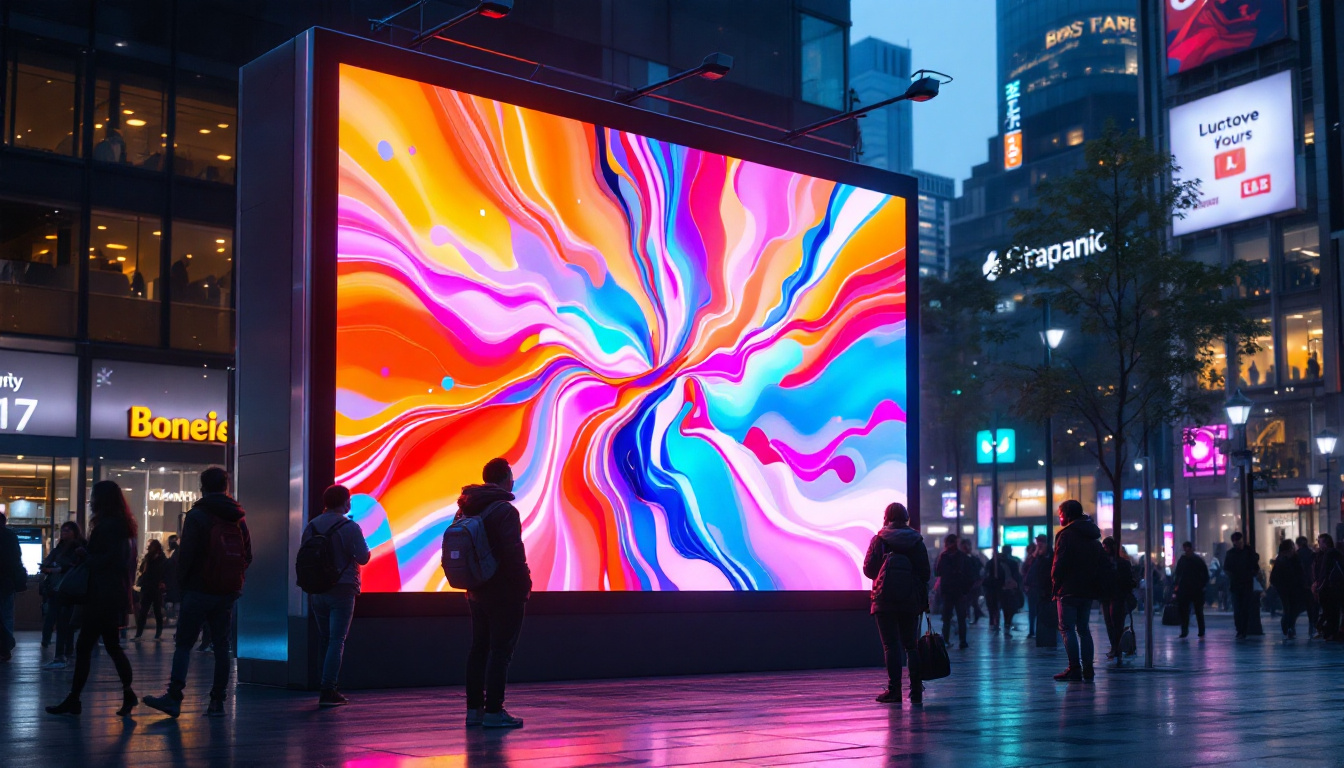
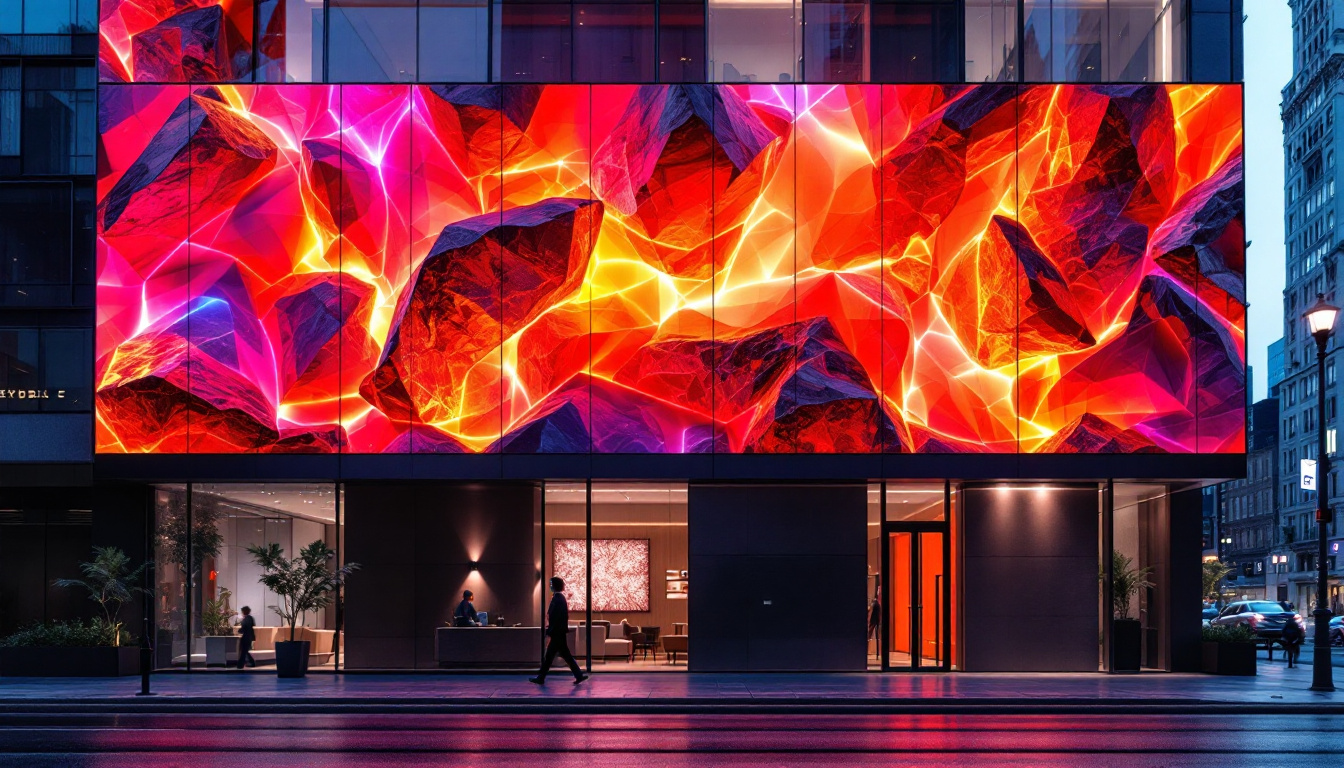
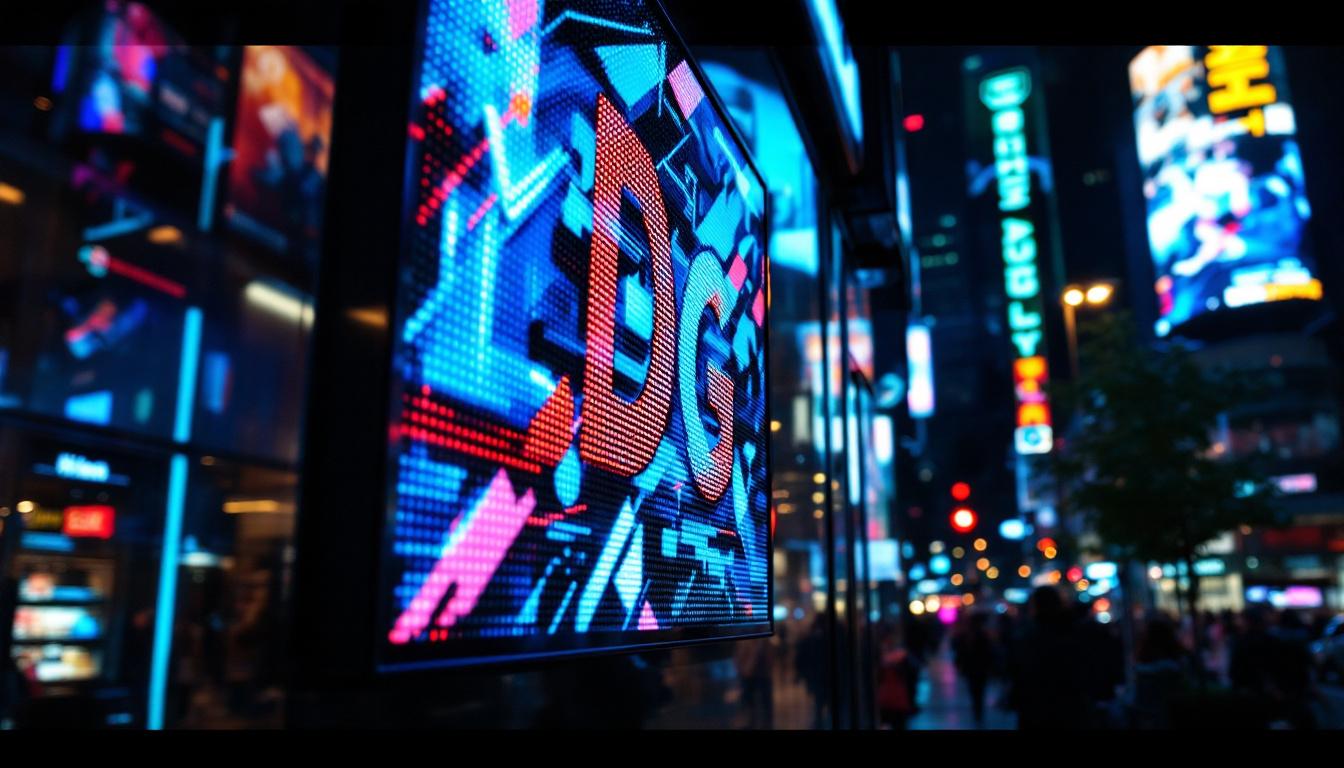
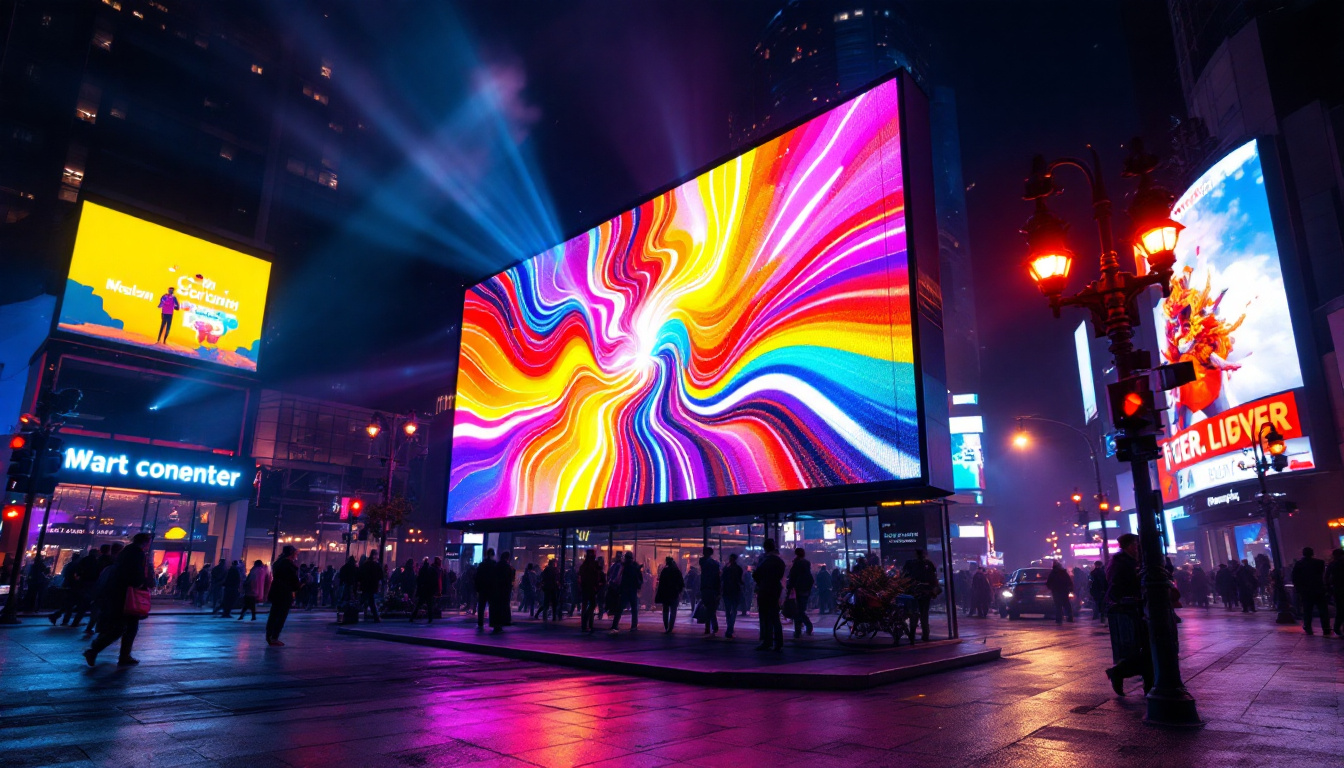
- Outdoor LED Displays: Built to withstand weather conditions like rain, wind, and sunlight. They feature higher brightness levels (often exceeding 5,000 nits) to ensure visibility under direct sunlight. These displays are commonly seen in stadiums, billboards, and public transportation hubs, where they can attract attention and convey messages to large crowds.
- Transparent LED Displays: These are innovative LED panels that allow light to pass through, making them ideal for glass walls or windows. They combine aesthetics with functionality, providing an unobtrusive digital display. This technology is particularly useful in retail environments, where brands can showcase products while maintaining visibility into the store.
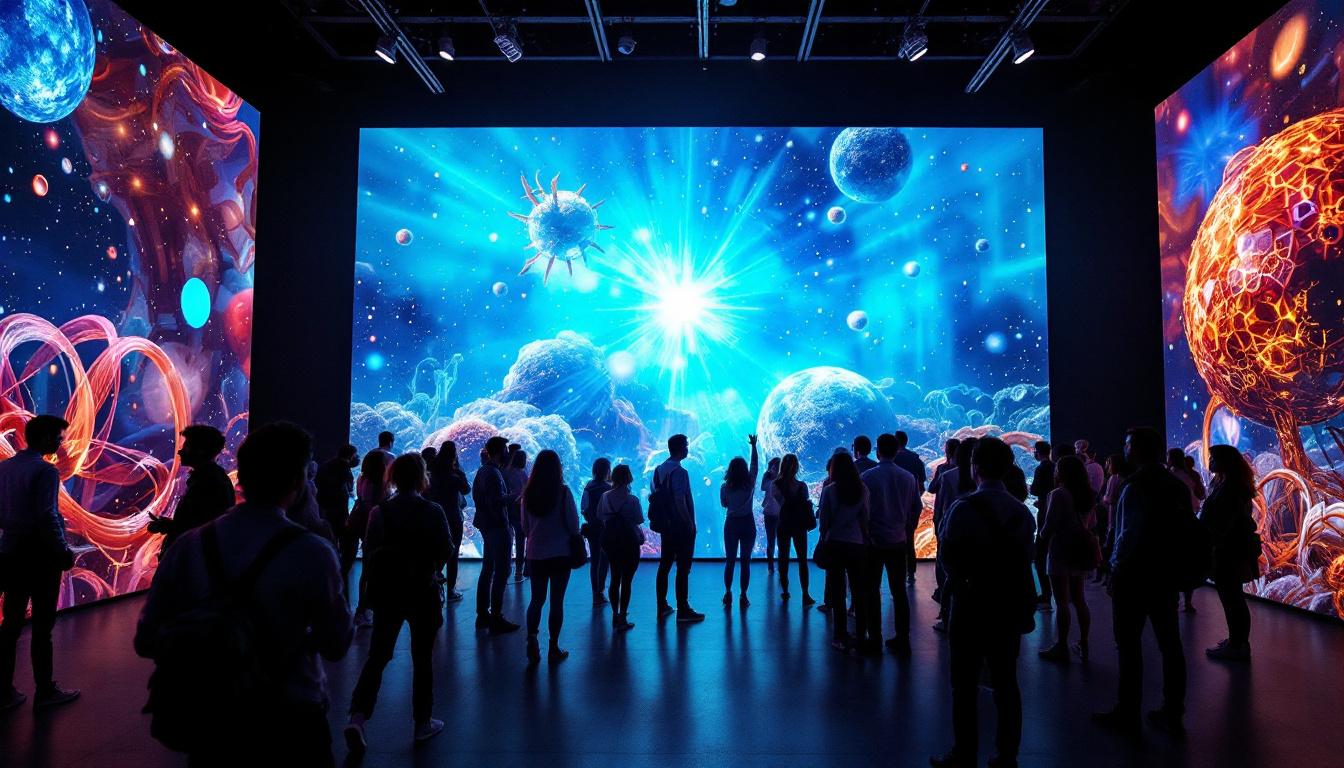
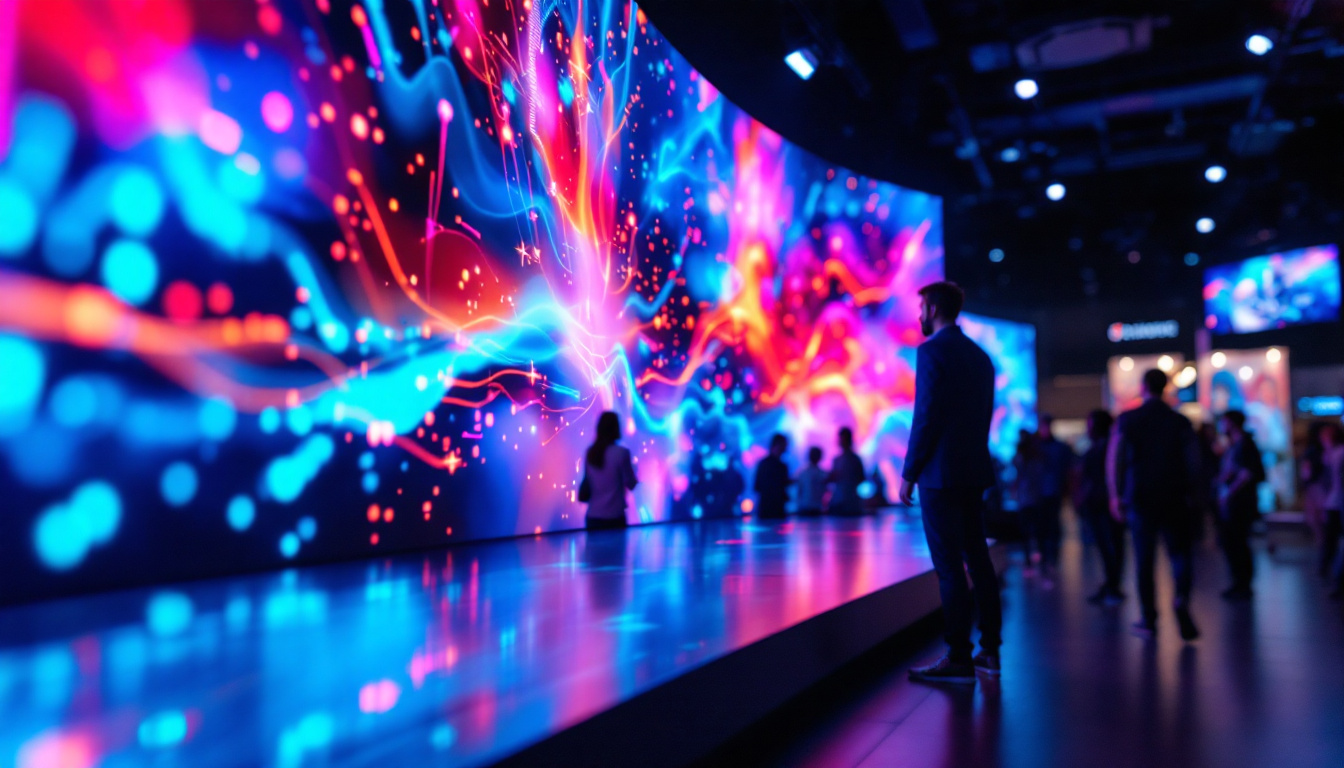
- Flexible and Curved LED Displays: These are designed to fit unconventional wall shapes or create immersive environments, often used in creative commercial spaces or exhibitions. Their adaptability allows for unique designs that can enhance the overall atmosphere of a space, making them popular in art installations and high-end retail displays.
Furthermore, the advancements in LED technology have led to the development of high-definition and ultra-high-definition displays, which offer even greater clarity and detail. This evolution has transformed how businesses and organizations communicate with their audiences, allowing for more engaging and interactive experiences. As LED technology continues to advance, we can expect to see even more innovative applications, such as augmented reality integration and smart display features that respond to viewer interactions.
Another significant aspect of LED displays is their energy efficiency compared to traditional lighting methods. LEDs consume less power, which not only reduces operational costs but also contributes to environmental sustainability. This energy efficiency is particularly beneficial for large-scale installations, where the savings can be substantial over time. As businesses become increasingly focused on sustainability, LED displays offer a compelling solution that aligns with eco-friendly initiatives while delivering high-quality visual content.
Advantages of Smart LED Screens for Walls
Superior Visual Quality
One of the most compelling reasons to choose LED displays for wall installations is their exceptional visual quality. LEDs provide vibrant colors, high contrast ratios, and deep blacks that make content stand out. Unlike traditional projectors or LCD screens, LED displays maintain consistent brightness and clarity regardless of ambient lighting conditions.
Modern LED technology supports high refresh rates and wide viewing angles, which means the displayed content remains sharp and flicker-free from almost any perspective. This is particularly important in public spaces or large conference rooms where viewers are spread out.
Energy Efficiency and Longevity
LEDs are renowned for their energy efficiency. They consume significantly less power compared to other display technologies, such as plasma or incandescent lighting. This efficiency translates to lower operating costs, especially for large-scale or 24/7 installations.
Moreover, LED displays have a long lifespan, often exceeding 100,000 hours of operation. This durability reduces maintenance and replacement expenses, making them a cost-effective choice over time.
Customizability and Scalability
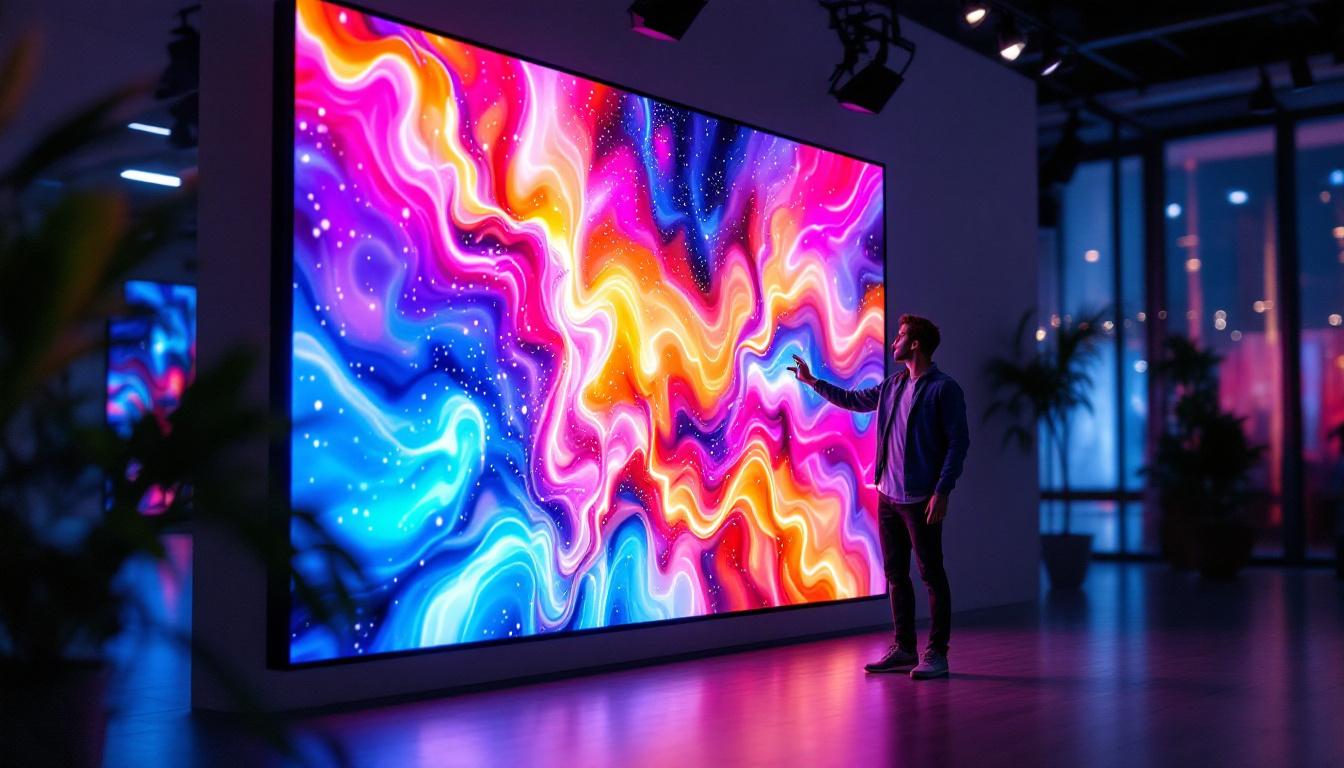
Smart LED screens can be tailored to fit virtually any wall size or shape. Modular designs allow multiple panels to be seamlessly joined, creating large video walls that can span entire building facades or interior walls. This scalability is invaluable for businesses or venues that require flexible display solutions.
Additionally, LED displays support a wide range of content formats and can be integrated with smart control systems. This enables dynamic content management, real-time updates, and interactive capabilities, enhancing user engagement.
Applications of Wall-Mounted LED Displays
Retail and Advertising
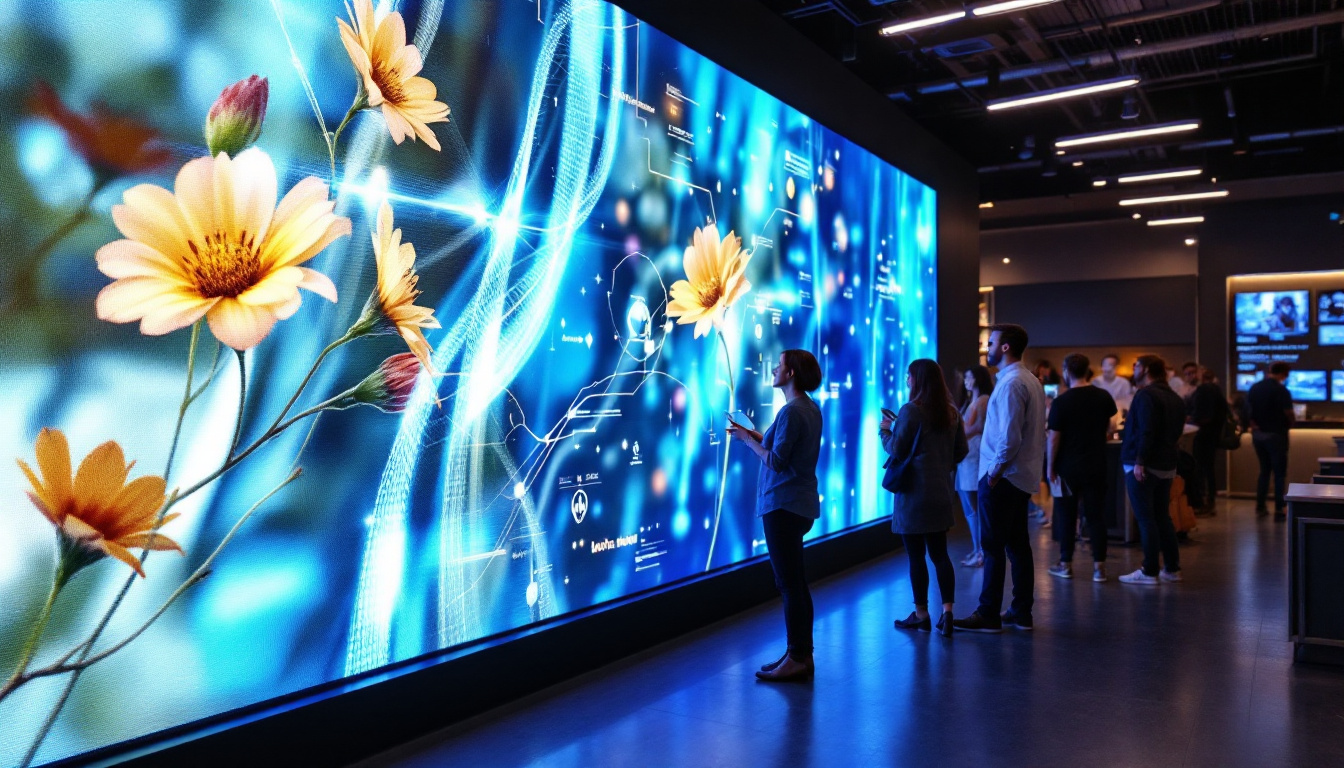
In retail environments, LED wall displays serve as powerful tools for attracting customers and promoting products. Their brightness and color vibrancy make advertisements eye-catching, even in brightly lit stores or outdoor shopping districts.
According to a 2023 report by the Digital Signage Federation, digital signage, including LED displays, can increase customer engagement by up to 30%, leading to higher sales conversions. Retailers use these screens for dynamic promotions, product launches, and interactive customer experiences.
Corporate and Educational Settings
Corporate offices utilize LED wall screens for presentations, video conferencing, and digital dashboards that display key performance indicators in real-time. The ability to customize content and switch between different data sources seamlessly enhances communication and decision-making.
Educational institutions also benefit from LED displays by creating immersive learning environments. Large LED walls can present multimedia content, interactive lessons, and live broadcasts, enriching the educational experience.
Public Spaces and Transportation Hubs
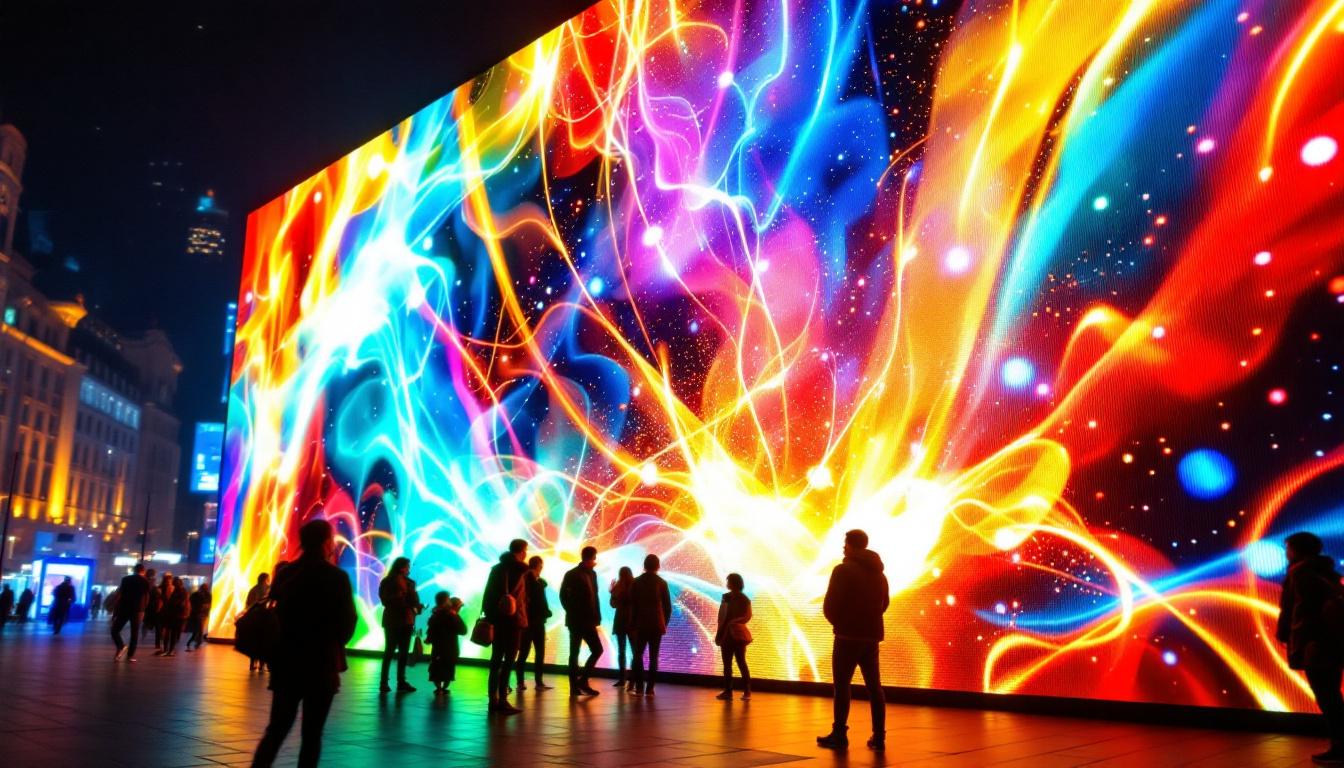
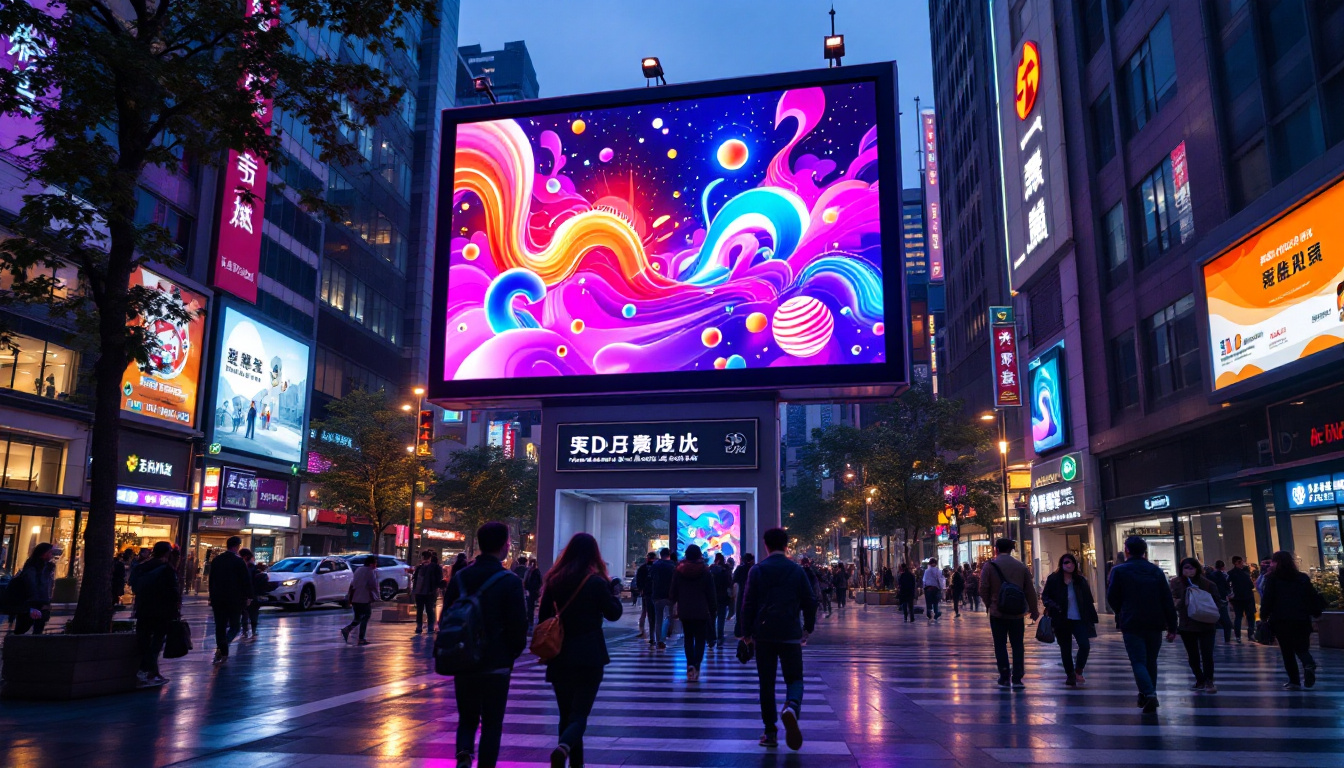
Airports, train stations, and city centers increasingly adopt LED wall displays to provide real-time information such as schedules, alerts, and advertisements. The durability and brightness of outdoor LED screens make them ideal for these high-traffic areas.
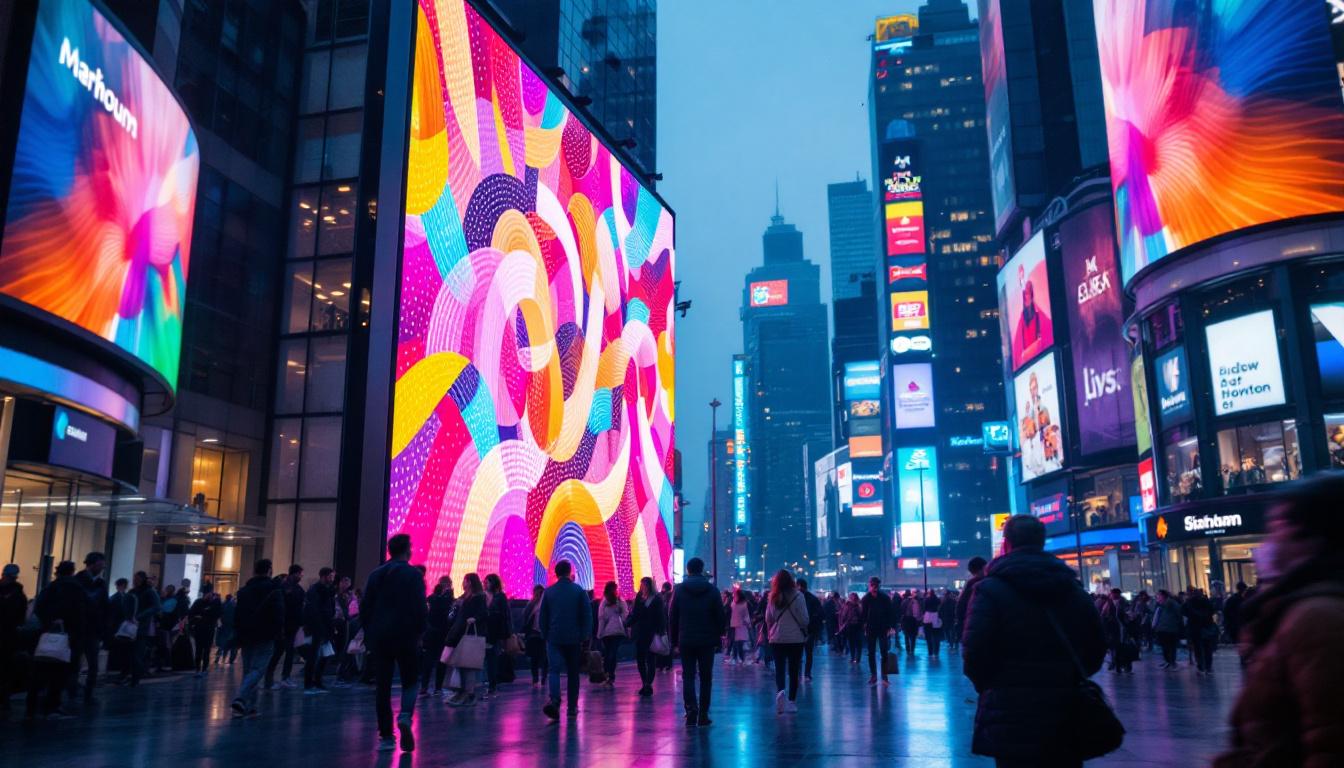
For example, the Times Square LED billboards in New York City are iconic examples of how LED technology can transform urban spaces into vibrant media hubs.
Key Considerations When Choosing a Smart LED Wall Display
Pixel Pitch and Resolution
Pixel pitch refers to the distance between the centers of adjacent LEDs and is measured in millimeters. It directly impacts the resolution and viewing distance of the display. A smaller pixel pitch means higher resolution and better image quality at close range.
For indoor wall-mounted displays viewed from a few feet away, pixel pitches of 1.2mm to 2.5mm are common. Outdoor displays, which are viewed from greater distances, typically have larger pixel pitches ranging from 4mm to 10mm or more.
Brightness and Contrast
Brightness is measured in nits and determines how well the display performs under various lighting conditions. Indoor LED walls usually require 800 to 1,500 nits, while outdoor screens need upwards of 5,000 nits to remain visible in direct sunlight.
Contrast ratio, the difference between the darkest and brightest parts of the image, is also critical for image clarity and depth. High contrast ratios enhance the viewing experience, especially for video content.
Installation and Maintenance
Wall-mounted LED displays require careful planning for installation, including considerations for weight, mounting structure, and access for maintenance. Many LED panels are designed with front and rear serviceability, allowing technicians to perform repairs without dismantling the entire screen.
Choosing a reputable manufacturer with strong technical support and warranty services is essential to ensure long-term reliability.
Connectivity and Smart Features
Modern LED displays often come equipped with smart features such as Wi-Fi connectivity, remote content management, and integration with IoT devices. These capabilities allow users to update content in real-time, schedule playlists, and monitor display health remotely.
Some advanced systems also support interactive touch capabilities, motion sensors, and integration with AI-powered analytics, enabling personalized and engaging user experiences.
Future Trends in LED Wall Displays
Mini-LED and Micro-LED Technologies
Emerging technologies like Mini-LED and Micro-LED promise to revolutionize LED displays further. Mini-LEDs use smaller diodes, allowing for even higher pixel densities and improved contrast ratios. Micro-LEDs, which are microscopic LEDs, offer the potential for displays with exceptional brightness, color accuracy, and energy efficiency, rivaling OLEDs but without their drawbacks.
Integration with Augmented Reality (AR)
As AR technologies advance, LED wall displays are expected to integrate with AR systems to create immersive environments. For example, retail stores could use LED walls combined with AR to provide interactive product demonstrations or virtual try-ons, enhancing customer engagement.
Sustainability and Eco-Friendly Designs
With increasing emphasis on sustainability, manufacturers are developing LED displays with eco-friendly materials, lower power consumption, and recyclability. Smart energy management systems that adjust brightness based on ambient light and usage patterns are becoming standard features.
Conclusion
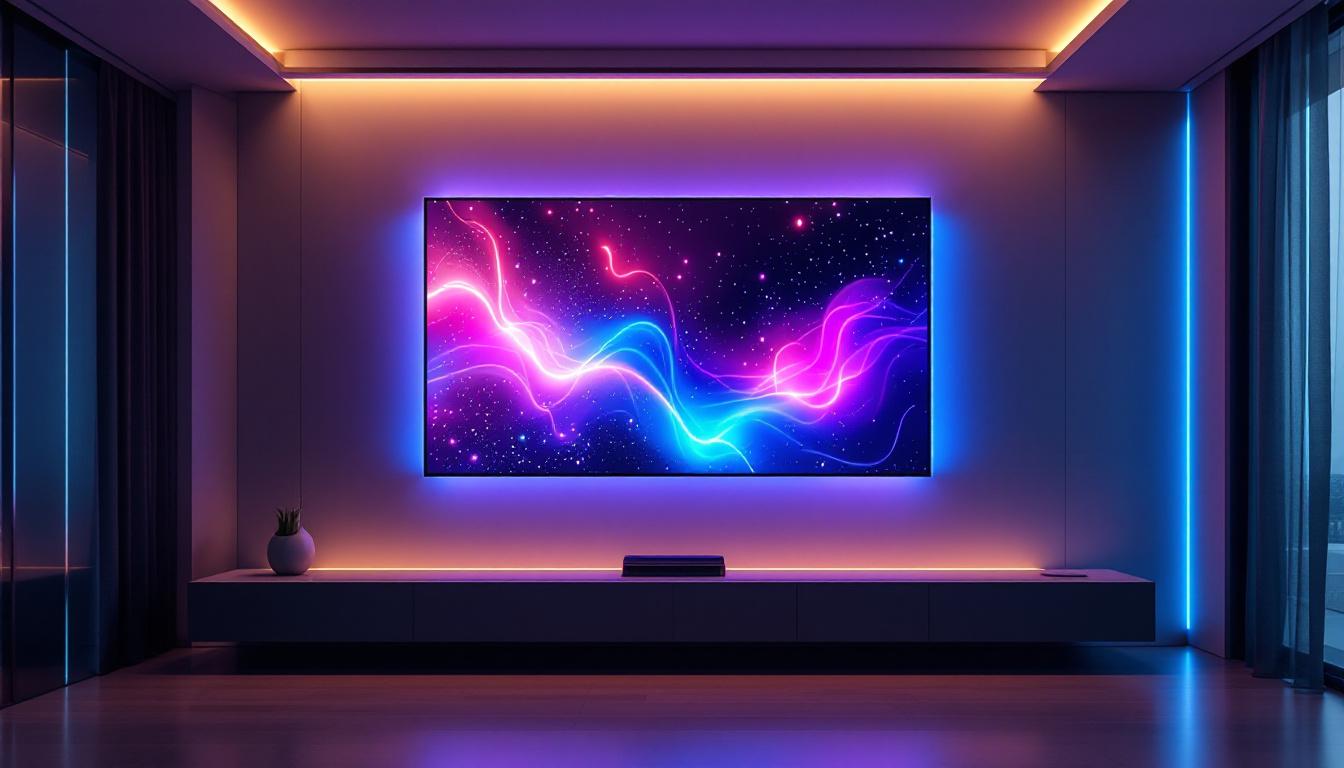
Smart wall-mounted LED displays represent a versatile and powerful medium for communication, advertising, and information dissemination across various sectors. Their superior visual quality, energy efficiency, and adaptability make them an excellent investment for businesses and institutions seeking to enhance their digital presence.
Understanding the technical aspects, applications, and future trends of LED display technology helps stakeholders make informed decisions tailored to their specific needs. As LED technology continues to evolve, it will undoubtedly play a central role in shaping the visual landscapes of the future.
Discover LumenMatrix’s Innovative LED Solutions
Ready to elevate your space with the latest in LED display technology? Look no further than LumenMatrix, where innovation meets visual excellence. Our comprehensive range of LED display modules, from Indoor and Outdoor LED Walls to specialized solutions like Vehicle, Sports, and Floor LED Displays, is designed to captivate and engage your audience. Embrace the future of visual communication with our Custom, All-in-One, and Transparent LED Displays. Experience the transformative power of LumenMatrix and bring your brand’s message to life with clarity and impact. Check out LumenMatrix LED Display Solutions today and see the difference for yourself.