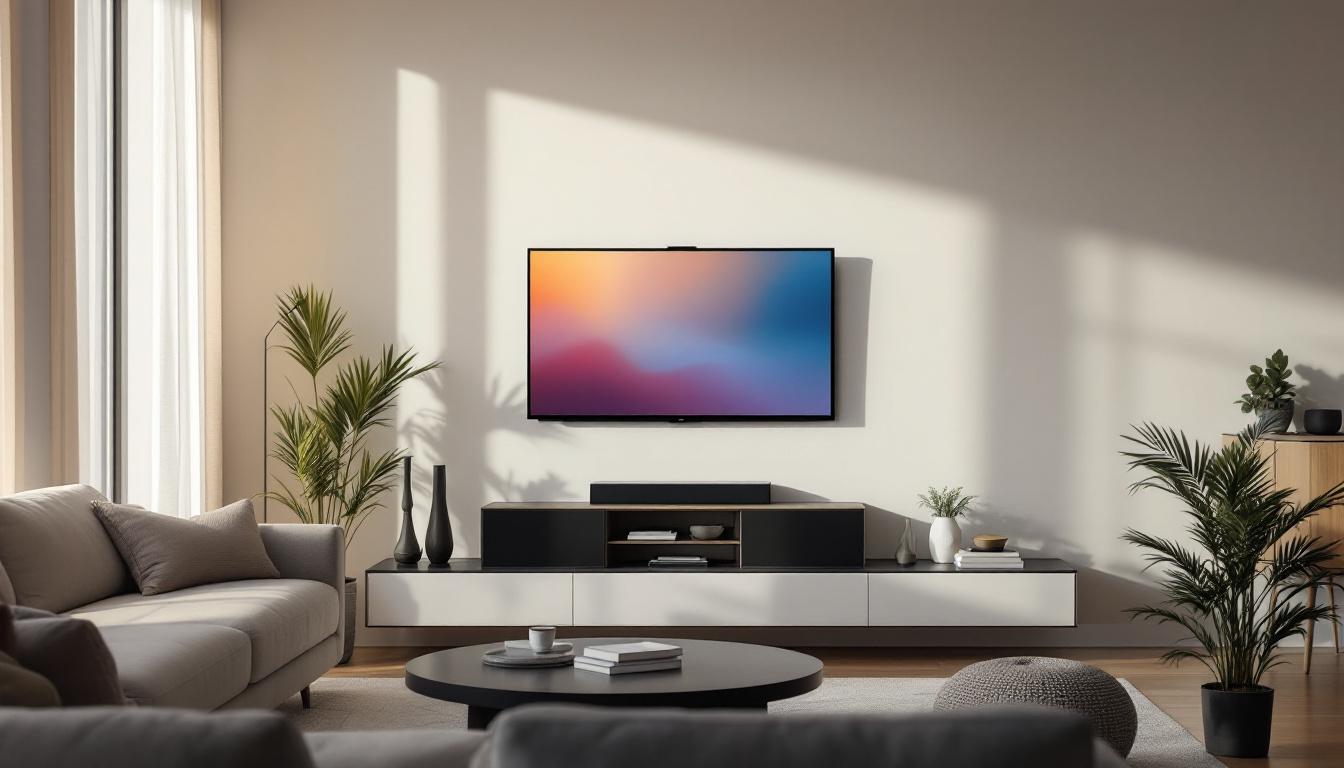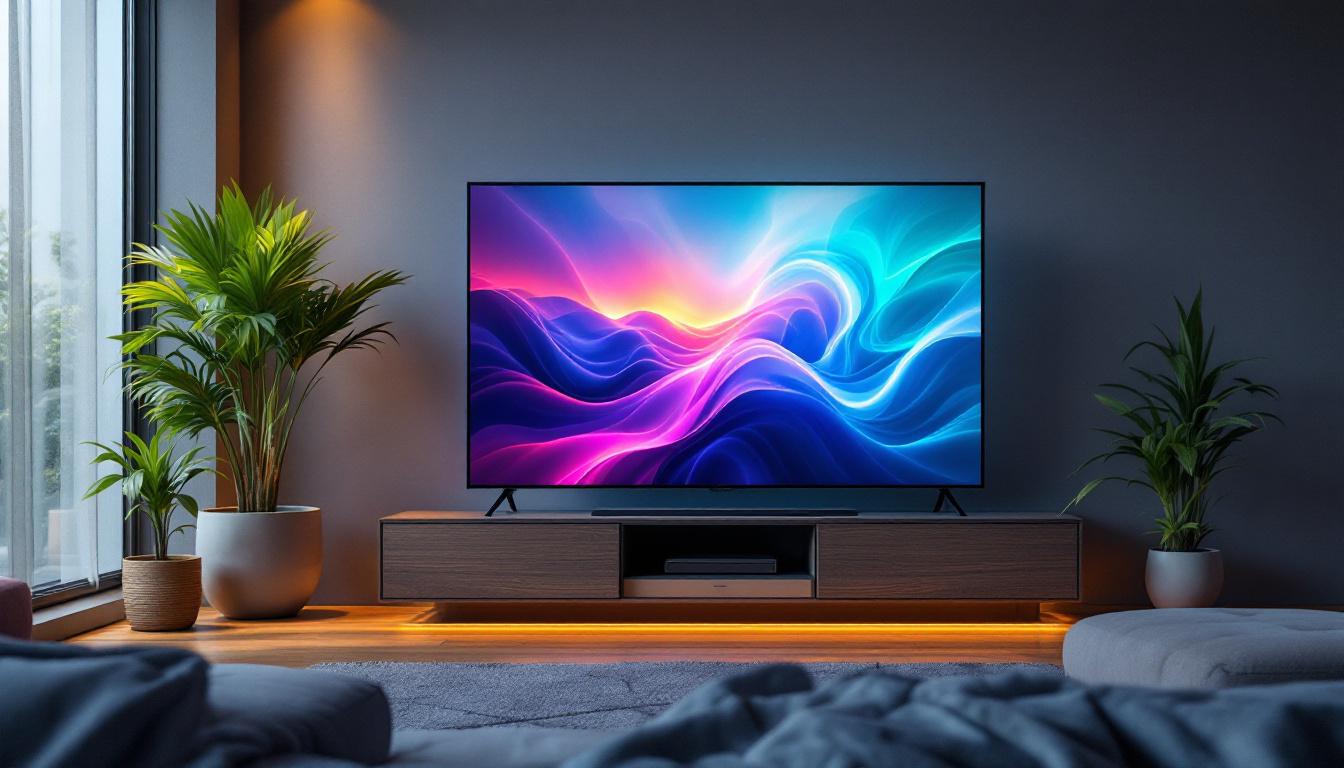
In today’s world of home entertainment, flat screen televisions have become a staple in nearly every household. Among the various types of flat screen TVs, LED displays stand out for their vibrant picture quality, energy efficiency, and sleek design. But what exactly is an LED display, and how does it work? This article delves into the technology behind LED flat screen TVs, explaining their components, advantages, and why they have become the preferred choice for consumers worldwide.
Understanding the Basics: What is an LED Display?
LED stands for Light Emitting Diode, a semiconductor device that emits light when an electric current passes through it. In the context of flat screen TVs, LED displays use these tiny diodes as a backlighting source for LCD (Liquid Crystal Display) panels. Unlike older LCD TVs that relied on cold cathode fluorescent lamps (CCFLs) for backlighting, LED TVs utilize LEDs to illuminate the screen, resulting in better brightness, contrast, and energy efficiency.
It’s important to clarify that LED TVs are essentially LCD TVs with LED backlighting. The LCD panel itself doesn’t emit light; it manipulates light passing through it to create images. The LEDs provide the necessary illumination behind or around the LCD panel, enabling the display to produce vivid colors and sharp images.
Types of LED Backlighting
There are primarily two types of LED backlighting used in flat screen TVs: edge-lit and full-array. Edge-lit LED TVs place LEDs along the edges of the screen, using light guides to distribute light evenly across the panel. This design allows for thinner and lighter TVs but can sometimes lead to uneven brightness or light bleed.
Full-array LED TVs, on the other hand, have LEDs arranged in a grid directly behind the LCD panel. This configuration enables more precise control of brightness levels across different parts of the screen, often referred to as local dimming. Local dimming enhances contrast by dimming dark areas while keeping bright areas illuminated, resulting in deeper blacks and more dynamic images.
How LED Displays Work: The Science Behind the Screen
To appreciate the technology of LED flat screen TVs, it’s helpful to understand how the display produces the images seen on the screen. The process involves several key components working in harmony:
1. The LCD Panel
The LCD panel is made up of millions of tiny liquid crystal pixels. Each pixel can be twisted or aligned by applying an electric current, controlling how much light passes through. When light from the LEDs shines through the panel, the liquid crystals modulate this light to create the desired colors and images.
2. LED Backlighting
The LEDs provide the light source necessary for the LCD panel to function. Depending on the TV’s design, LEDs may be placed along the edges or behind the screen. The intensity and distribution of this light are critical for image quality, affecting brightness, contrast, and color accuracy.
3. Color Filters and Polarizers
Each pixel in the LCD panel contains subpixels with red, green, and blue color filters. By adjusting the amount of light passing through each subpixel, the TV can produce a full spectrum of colors. Polarizers are used to control the orientation of light waves, enhancing image clarity and reducing glare.
4. Image Processing
Modern LED TVs include sophisticated image processors that analyze incoming video signals and optimize them for display. This processing can include noise reduction, upscaling lower resolution content, and enhancing motion clarity.
Advantages of LED Flat Screen TVs
LED technology has revolutionized flat screen TVs, offering several advantages over previous display technologies such as plasma and CCFL-backlit LCDs. These benefits have driven widespread adoption and continue to influence purchasing decisions.
Energy Efficiency and Environmental Impact
LED TVs consume significantly less power compared to plasma and older LCD models. According to the U.S. Department of Energy, LED-backlit LCD TVs can be up to 30% more energy-efficient than CCFL-backlit LCDs. This efficiency not only reduces electricity bills but also lowers the environmental footprint, making LED TVs a more sustainable choice.
Superior Picture Quality
Thanks to the precise control of LED backlighting, LED TVs deliver brighter images with higher contrast ratios. Full-array LED TVs with local dimming can achieve deeper blacks and more vivid colors, enhancing the viewing experience for movies, sports, and gaming. Additionally, LED technology supports higher resolutions, including 4K and 8K, catering to the demand for ultra-high-definition content.
Sleek and Lightweight Design
The compact size of LEDs allows manufacturers to design thinner and lighter TVs without compromising screen size or quality. This sleek form factor fits well in modern living spaces and offers greater flexibility in mounting options, such as wall mounts or stands.
Longer Lifespan and Durability
LEDs have a longer operational lifespan than CCFLs and plasma displays, often exceeding 60,000 hours of use. They are more resistant to screen burn-in, a common issue with plasma TVs, ensuring that images remain clear and consistent over time.
Common Misconceptions About LED TVs
Despite their popularity, some misconceptions about LED TVs persist. Clarifying these points can help consumers make informed decisions when purchasing a flat screen TV.
LED TVs Are Not OLED TVs
While both LED and OLED TVs use light-emitting diodes, the technologies differ fundamentally. OLED (Organic Light Emitting Diode) TVs have self-emitting pixels that produce light individually, eliminating the need for backlighting. This allows OLEDs to achieve perfect blacks and superior contrast but often at a higher price point. LED TVs, by contrast, rely on backlighting and LCD panels, which can limit contrast but offer affordability and brightness advantages.
LED TVs Are Not Just “LCD TVs”
Although LED TVs use LCD panels, the difference lies in the backlighting technology. LED backlighting significantly improves picture quality and energy efficiency compared to older CCFL-backlit LCDs. Therefore, referring to LED TVs simply as LCD TVs overlooks the technological advancements that LEDs bring.
“LED” Does Not Mean the Screen is Made of LEDs
Some consumers mistakenly believe that the entire screen is composed of LEDs. In reality, the LEDs are only the backlighting source. The visible image is produced by the LCD panel modulating the light from these LEDs.
Future Trends in LED Display Technology
The LED display market continues to evolve rapidly, driven by consumer demand for better picture quality, larger screen sizes, and enhanced smart features. Several emerging trends are shaping the future of LED flat screen TVs.
Mini-LED and Micro-LED Innovations
Mini-LED technology uses thousands of tiny LEDs as backlighting, enabling even more precise local dimming zones and improved contrast. This technology bridges the gap between traditional LED and OLED displays, offering superior image quality without some of OLED’s drawbacks.
Micro-LED, a newer technology, involves microscopic LEDs that serve as individual pixels, similar to OLED but with higher brightness and durability. Although currently expensive and limited in availability, Micro-LED promises to redefine flat screen displays in the coming years.
Integration with Smart Home Ecosystems
Modern LED TVs increasingly integrate with smart home systems, offering voice control, AI-driven content recommendations, and seamless connectivity with other devices. This trend enhances user convenience and transforms TVs into central hubs for entertainment and home automation.
Higher Resolutions and Refresh Rates
The push towards 8K resolution and higher refresh rates continues, especially driven by gamers and cinephiles. LED TVs are adapting to support these advancements, providing smoother motion and more detailed images for an immersive experience.
Choosing the Right LED Flat Screen TV
With so many options on the market, selecting the right LED TV can be challenging. Understanding key features and how they impact performance can help buyers make informed choices.
Screen Size and Viewing Distance
Choosing an appropriate screen size depends on the room size and typical viewing distance. A general guideline suggests that the ideal viewing distance is about 1.5 to 2.5 times the diagonal size of the TV screen. For example, a 55-inch TV is best viewed from roughly 6.5 to 11 feet away.
Resolution and HDR Support
Higher resolutions like 4K and 8K provide sharper images, especially on larger screens. Additionally, HDR (High Dynamic Range) support enhances color and contrast, making content appear more lifelike. Look for TVs that support popular HDR formats such as HDR10, Dolby Vision, or HLG.
Backlighting Type and Local Dimming
Full-array LED TVs with local dimming generally offer better contrast and black levels than edge-lit models. While full-array models tend to be pricier, the improved picture quality can be worth the investment for avid viewers.
Smart Features and Connectivity
Consider the TV’s operating system and available apps. Popular platforms include Roku TV, Android TV, and proprietary systems like Samsung’s Tizen or LG’s webOS. Multiple HDMI ports, USB inputs, and wireless connectivity options are also important for connecting gaming consoles, soundbars, and streaming devices.
Budget Considerations
LED TVs come in a wide range of prices. While premium models offer cutting-edge features and superior image quality, mid-range options often provide excellent value for everyday use. Setting a budget and prioritizing must-have features can streamline the selection process.
Conclusion
LED flat screen TVs represent a remarkable blend of advanced technology and user-friendly design. By leveraging LED backlighting with LCD panels, these TVs deliver bright, vibrant images with energy efficiency and durability. Understanding the nuances of LED display technology—from backlighting types to image processing—empowers consumers to make informed choices tailored to their viewing preferences and budgets.
As LED technology continues to evolve with innovations like Mini-LED and Micro-LED, the future of flat screen TVs looks brighter than ever. Whether for casual viewing, gaming, or home theater setups, LED TVs offer a versatile and high-quality solution that meets the demands of modern entertainment.
Discover the Future of Visual Experience with LumenMatrix
Ready to elevate your home entertainment or enhance your business’s brand visibility with cutting-edge LED display technology? LumenMatrix offers a comprehensive range of LED display solutions, from immersive Indoor LED Wall Displays to dynamic Outdoor LED Wall Displays, and beyond. Experience the pinnacle of visual communication with our innovative LED Sports Displays, LED Poster Displays, and even Custom LED solutions tailored to your unique needs. Embrace the future of vibrant, energy-efficient, and captivating displays. Check out LumenMatrix LED Display Solutions today and transform your viewing experience.