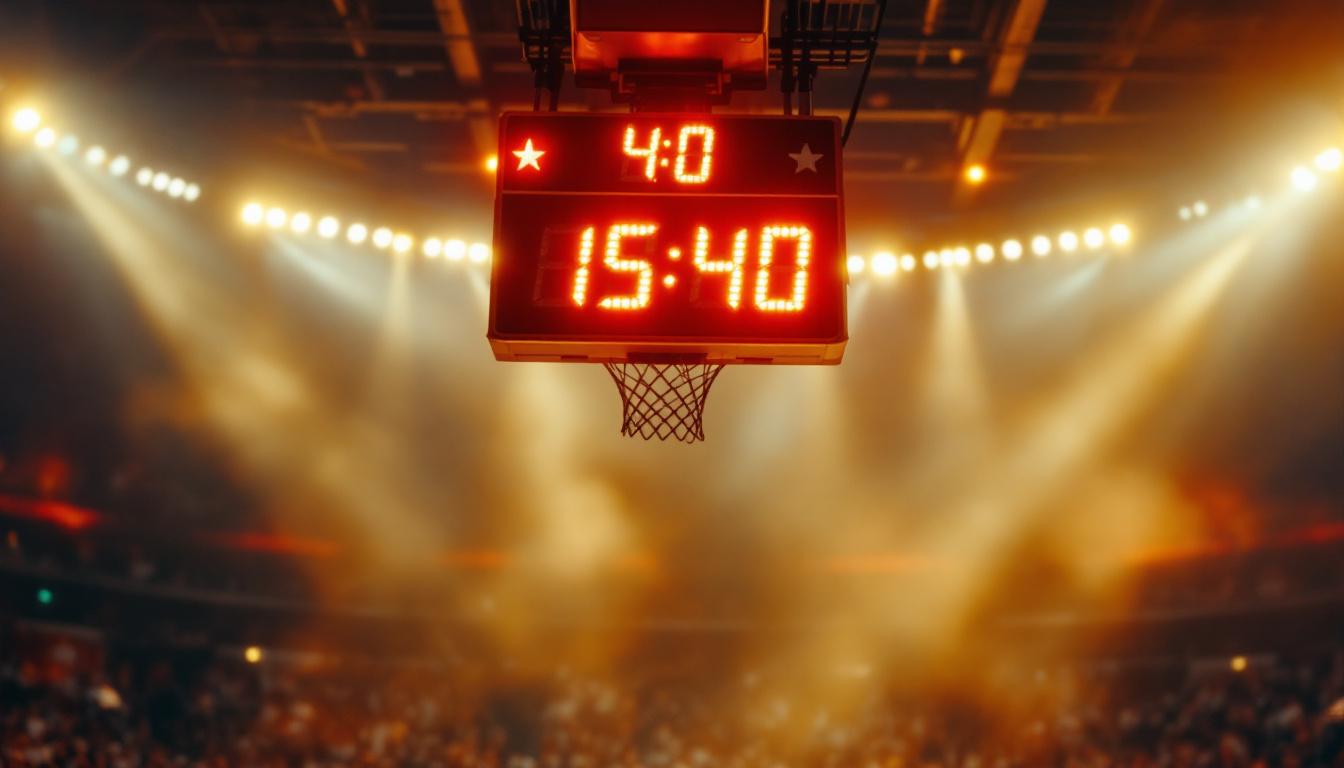
The shot clock is an essential component in many sports, particularly basketball, where it plays a crucial role in maintaining the pace and fairness of the game. At the heart of this system lies the LED display, a technology that has revolutionized how players, referees, and fans interact with the game clock. This article delves into the intricacies of the shot clock LED display, exploring its design, functionality, and impact on modern sports.
Understanding the Shot Clock and Its Purpose
The shot clock is a countdown timer designed to limit the amount of time a team has to attempt a shot during a possession. Introduced in professional basketball in 1954, the shot clock was a game-changer, helping to eliminate stalling tactics and encouraging a faster, more dynamic style of play. Today, the shot clock is standard in basketball leagues worldwide, including the NBA, NCAA, and FIBA competitions.
Typically, the shot clock starts at 24 seconds in professional leagues, though this can vary—college basketball often uses a 30-second shot clock. The timer resets when a team gains possession or when certain game events occur, such as an offensive rebound. The shot clock’s visibility is critical; players, coaches, referees, and spectators rely on it to make split-second decisions.
In addition to its role in maintaining the pace of the game, the shot clock also adds a layer of strategy for teams. Coaches must devise plays that maximize their chances of scoring within the limited timeframe, often leading to creative offensive sets and quick ball movement. Players become adept at making quick decisions, whether it’s shooting, passing, or driving to the basket. This urgency can lead to high-pressure situations that test a player’s skill and composure, making clutch performances in the closing seconds of the shot clock particularly thrilling for fans.
Moreover, the shot clock has evolved over the years, with various leagues experimenting with different rules to enhance gameplay. For instance, the NBA introduced a 14-second reset on the shot clock after an offensive rebound, which encourages teams to take quick shots rather than resetting the entire clock. This rule change has led to an increase in fast-break opportunities and has made the game even more exciting. As basketball continues to evolve, the shot clock remains a fundamental aspect of the sport, shaping how teams approach both offense and defense in their quest for victory.
The Evolution of Shot Clock Displays
Before the advent of LED technology, shot clocks used mechanical or incandescent bulb displays, which were often bulky, less bright, and harder to read from a distance. These earlier models had limitations in visibility, especially in brightly lit arenas or during outdoor games.
The transition to LED (Light Emitting Diode) displays marked a significant improvement. LEDs provide high brightness, energy efficiency, and durability, making them ideal for sports environments. The bright, clear digits of an LED shot clock are visible from all angles and distances, ensuring that everyone in the arena can track the countdown accurately.
Key Advantages of LED Displays in Shot Clocks
- Brightness and Visibility: LED displays are exceptionally bright, ensuring the shot clock is visible even under intense arena lighting or daylight.
- Energy Efficiency: LEDs consume less power compared to older technologies, reducing operational costs and environmental impact.
- Durability and Longevity: LEDs have a longer lifespan and are more resistant to shock and vibration, which is vital in high-activity sports venues.
- Customization: LED displays can be programmed to show different colors, sizes, and even animations, enhancing the visual experience.
Technical Components of an LED Shot Clock Display
At its core, an LED shot clock display consists of several integrated components working together to provide accurate and timely information.
LED Modules and Digit Configuration
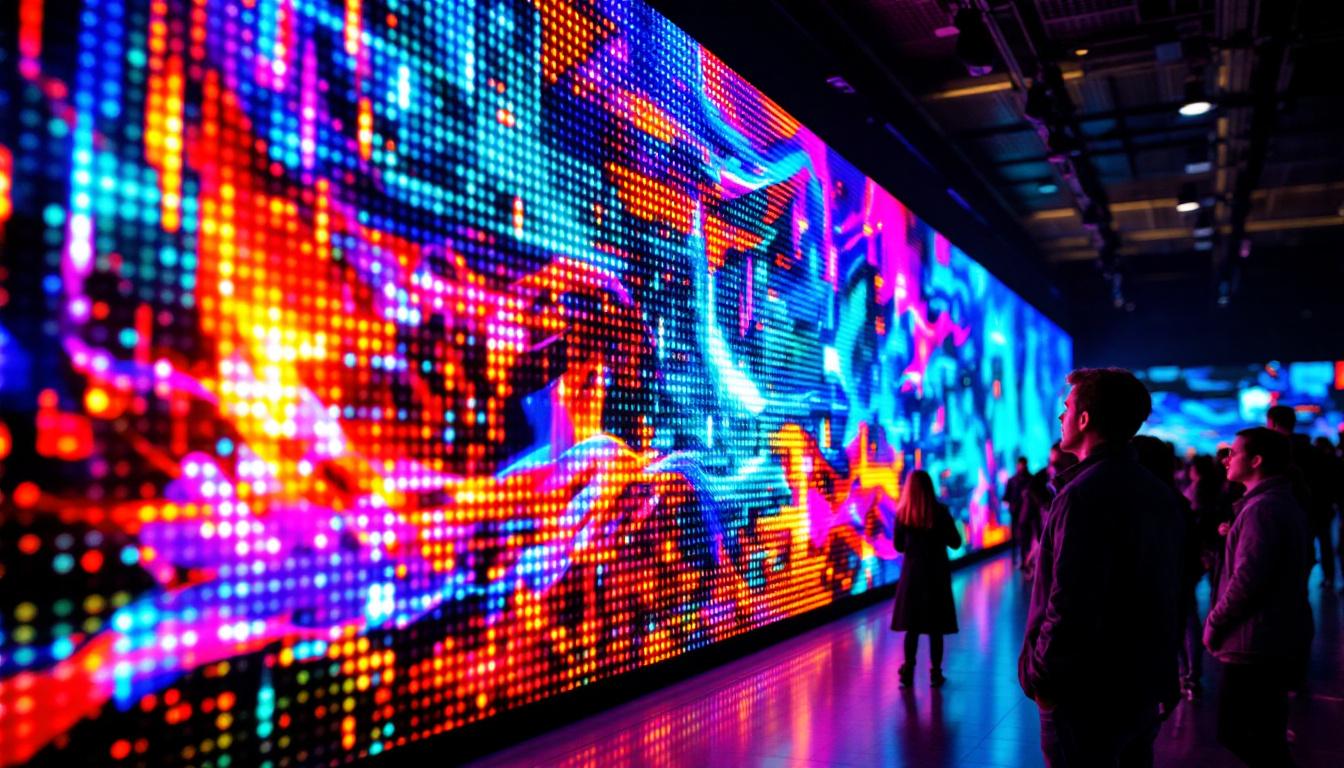
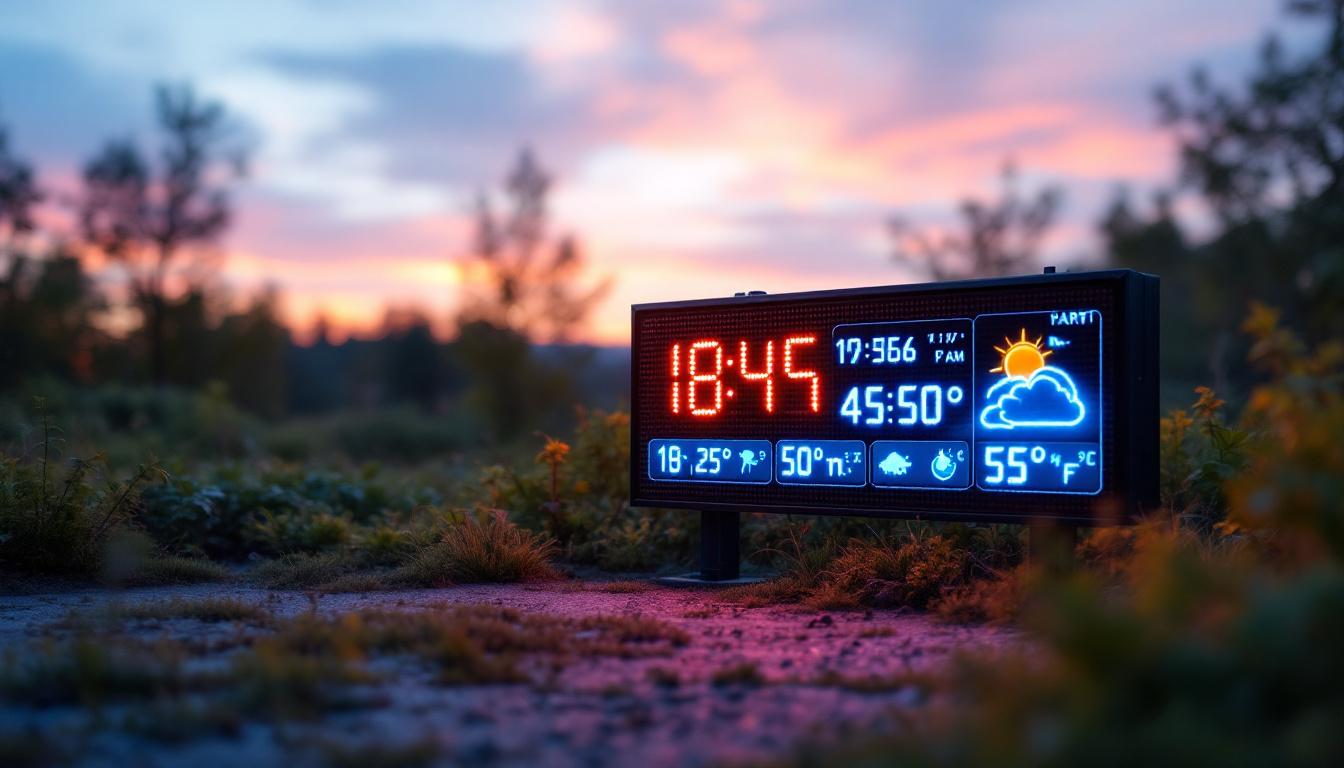
The display is made up of individual LED modules arranged to form digits, usually in a seven-segment format. Each segment consists of multiple LEDs that light up to form numbers from 0 to 9. The size of these digits varies depending on the arena size and viewing distance, with professional setups often featuring digits several feet tall.
Control System and Timing Mechanism
The shot clock is controlled by a microcontroller or embedded system that manages the countdown, resets, and synchronization with the main game clock. This system receives inputs from referees, scorekeepers, or automated sensors and updates the display accordingly. Synchronization is crucial to ensure the shot clock matches the official game time, preventing disputes or confusion.
Power Supply and Connectivity
Reliable power supply is essential for uninterrupted operation. Most shot clock displays are connected to the arena’s power grid with backup battery systems to prevent outages during critical moments. Connectivity options include wired and wireless interfaces, allowing remote control from the scorer’s table or integration with the arena’s scoreboard system.
Integration with Modern Sports Technology
Modern shot clock LED displays are not standalone devices; they are part of a broader ecosystem of sports technology designed to enhance game management and fan engagement.
Synchronization with Game Clocks and Scoreboards
In professional arenas, the shot clock is synchronized with the main game clock and scoreboard to provide a cohesive and accurate timekeeping experience. This integration ensures that when the game clock stops or resets, the shot clock responds accordingly, maintaining consistency across all displays.
Use of Wireless and Networked Systems
Wireless technology has enabled greater flexibility in shot clock placement and control. Networked systems allow multiple displays to be controlled simultaneously, and data can be transmitted in real-time to broadcast centers, mobile apps, and analytics platforms. This connectivity enhances transparency and allows fans to follow the game more closely, even remotely.
Advanced Features: Color Coding and Animations
Some modern shot clock displays incorporate color coding to convey additional information. For example, the digits may turn red when fewer than five seconds remain, alerting players and referees to the urgency. Animations or flashing digits can also be used to signal shot clock violations or other critical events, improving communication on the court.
Impact on Gameplay and Fan Experience
The shot clock LED display significantly influences both gameplay and the spectator experience. Its clear, immediate feedback helps maintain the game’s rhythm and fairness, while also contributing to the excitement and drama of the sport.
Enhancing Player and Coach Decision-Making
Players rely on the shot clock to pace their offensive strategies, deciding when to accelerate or slow down their plays. Coaches use the shot clock information to call timeouts, plan substitutions, and design plays that maximize scoring opportunities within the time constraints. The high visibility of LED displays ensures that this critical information is always accessible.
Improving Referee Accuracy and Fairness
Referees use the shot clock to enforce rules related to shot attempts and possession times. The precise timing and synchronization provided by LED displays reduce human error and disputes, contributing to fairer officiating. Instant visual cues from the shot clock help referees make accurate calls on violations.
Enhancing Spectator Engagement
For fans in the arena or watching broadcasts, the shot clock adds a layer of excitement and understanding. The countdown creates tension, especially in close games where every second counts. The bright, dynamic LED display ensures that spectators can follow the action closely, making the experience more immersive and enjoyable.
Challenges and Considerations in Shot Clock LED Displays
Despite their advantages, implementing and maintaining shot clock LED displays come with challenges that arenas and sports organizations must address.
Visibility Issues in Different Lighting Conditions
While LEDs are bright, extreme lighting conditions such as direct sunlight or reflections can sometimes impair visibility. Designing displays with adjustable brightness and anti-glare coatings helps mitigate these issues, ensuring consistent readability.
Durability and Maintenance
Shot clocks are exposed to physical impacts, humidity, and temperature fluctuations. Regular maintenance, including cleaning and inspection of LED modules and control systems, is essential to prevent failures during games. Advances in ruggedized designs and weatherproofing have improved reliability significantly.
Cost and Installation Complexity
High-quality LED shot clock systems can be expensive to purchase and install, especially in large arenas requiring multiple synchronized displays. However, the investment is justified by the benefits in game quality, fairness, and fan satisfaction. Many organizations also consider modular designs that allow upgrades and expansions over time.
The Future of Shot Clock LED Displays
As technology continues to evolve, shot clock LED displays are poised to become even more sophisticated, integrating with emerging trends in sports technology and fan engagement.
Integration with Augmented Reality and Wearables
Future developments may include augmented reality (AR) overlays that provide players and coaches with real-time shot clock data through smart glasses or wearable devices. This innovation could enhance decision-making without distracting from gameplay.
Artificial Intelligence and Predictive Analytics
AI-powered systems might analyze shot clock data alongside player positioning and game context to offer predictive insights, helping teams optimize their strategies in real-time. Such integration would require highly accurate and responsive LED display systems to keep pace with fast decision-making.
Environmental Sustainability
With increasing focus on sustainability, future shot clock displays will likely emphasize energy efficiency and the use of recyclable materials. Advances in LED technology continue to reduce power consumption and environmental impact, aligning sports infrastructure with global sustainability goals.
Conclusion
The shot clock LED display is more than just a timer; it is a vital element that shapes the dynamics of modern sports. Its evolution from mechanical counters to advanced LED systems has enhanced visibility, accuracy, and integration with broader sports technologies. By providing clear, reliable information, the shot clock supports fair play, strategic depth, and fan engagement.
As arenas and leagues continue to adopt and innovate with LED shot clock technology, the future promises even greater enhancements that will enrich the sporting experience for players, officials, and fans alike. Understanding the technology behind the shot clock LED display offers valuable insight into how a seemingly simple device can have a profound impact on the game.
Explore the Future of Shot Clock Technology with LumenMatrix
Ready to experience the pinnacle of shot clock LED display technology? LumenMatrix is at the forefront of innovation, offering a wide range of LED display solutions that transform the way audiences engage with sports. From Indoor and Outdoor LED Wall Displays to specialized LED Sports Displays, our products are designed to deliver unparalleled clarity and performance. Elevate your game and captivate your fans with our cutting-edge displays. Check out LumenMatrix LED Display Solutions today and join the visual revolution.