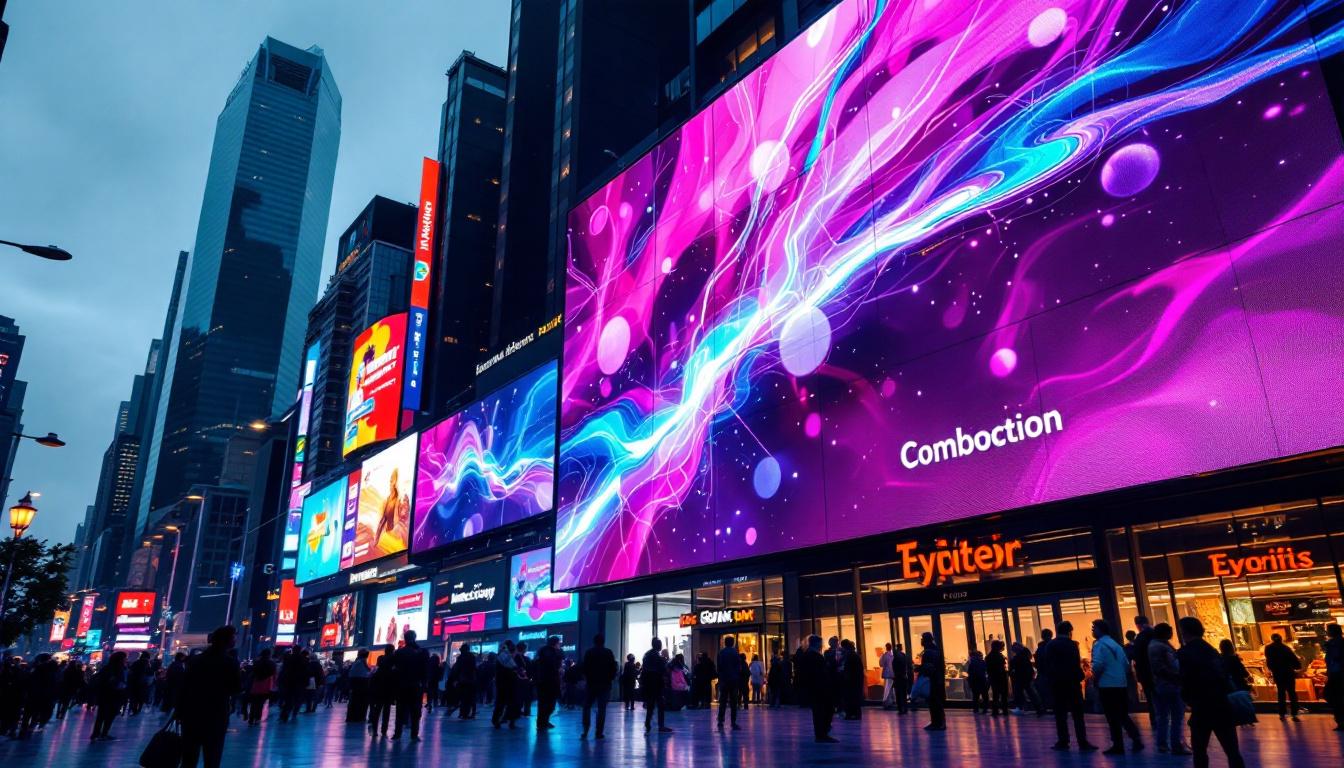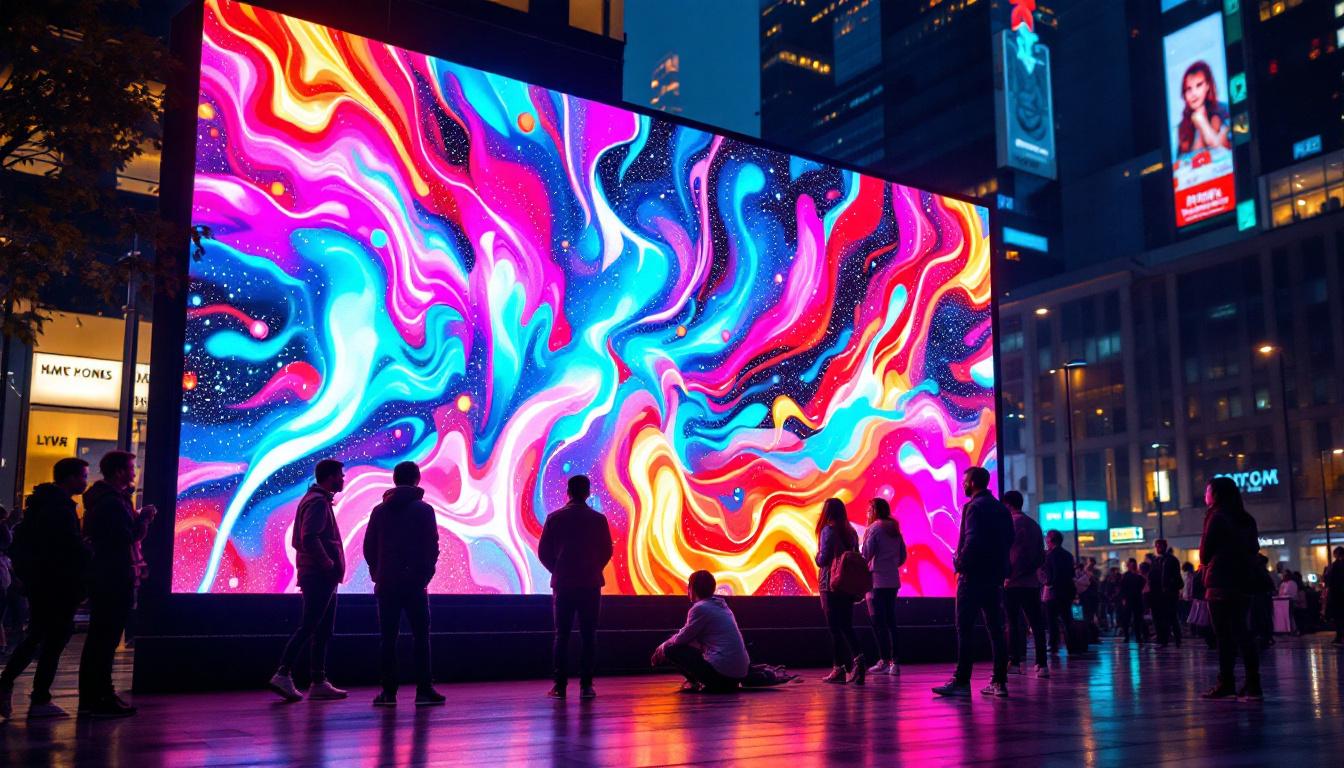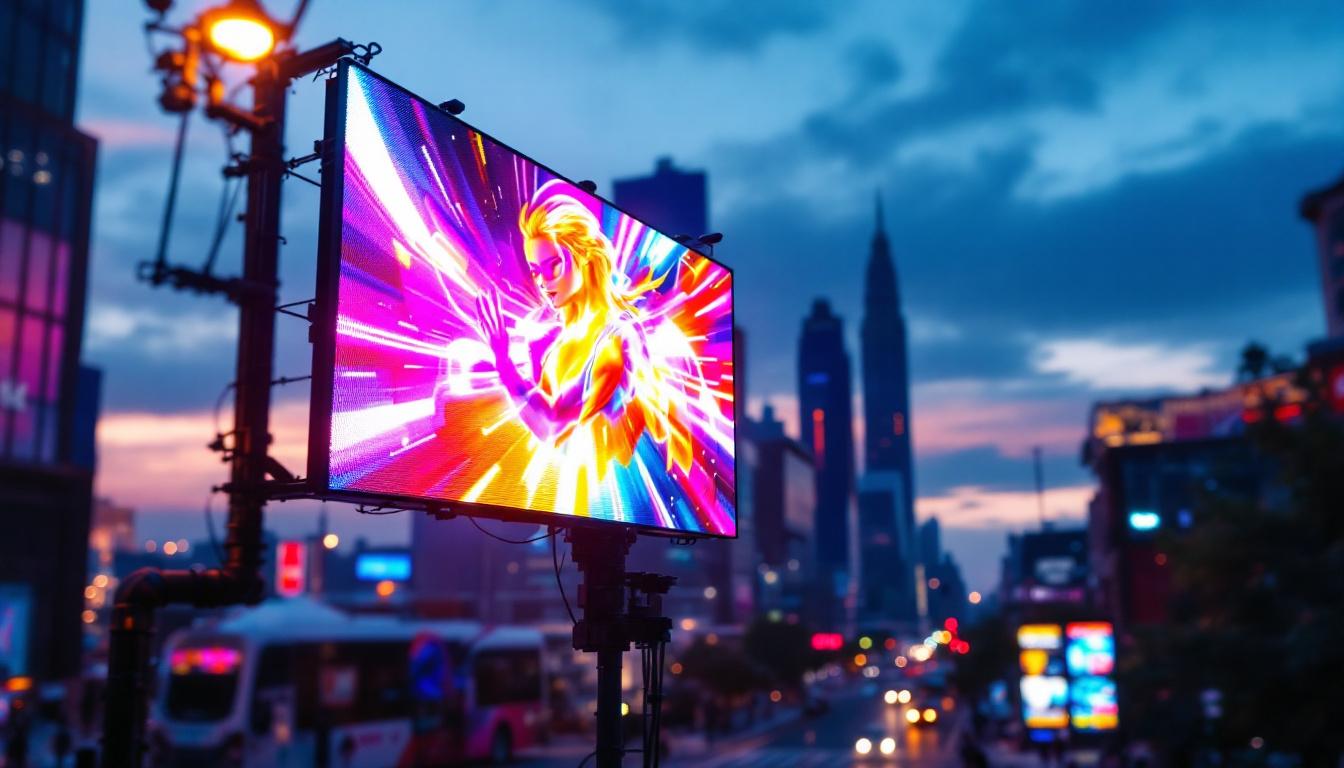
In today’s fast-paced world, LED displays have become an integral part of how information is communicated across various industries. From advertising billboards to transportation hubs, LED technology offers vibrant, dynamic, and energy-efficient solutions that capture attention and convey messages effectively. This article delves into the concept of LED boarding displays, exploring their technology, applications, benefits, and emerging trends.
Understanding LED Display Technology
What is an LED Display?
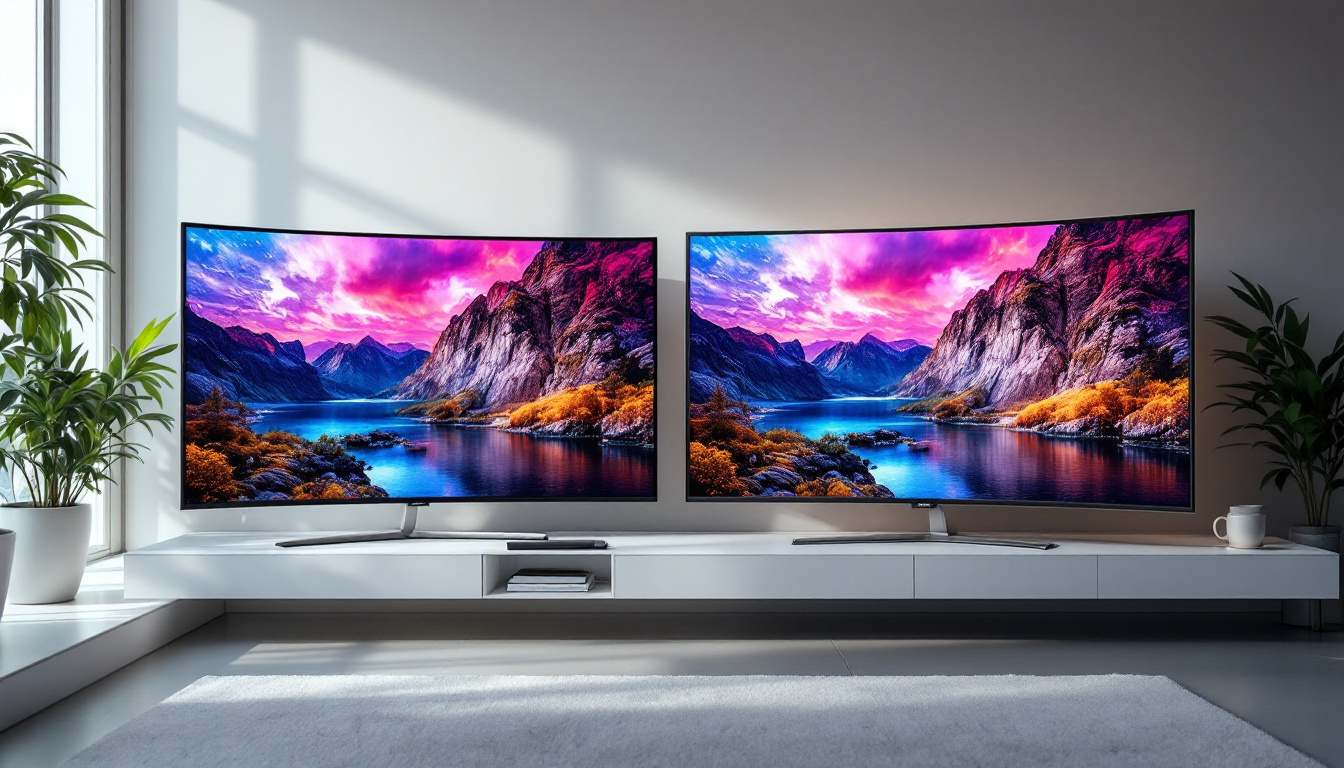
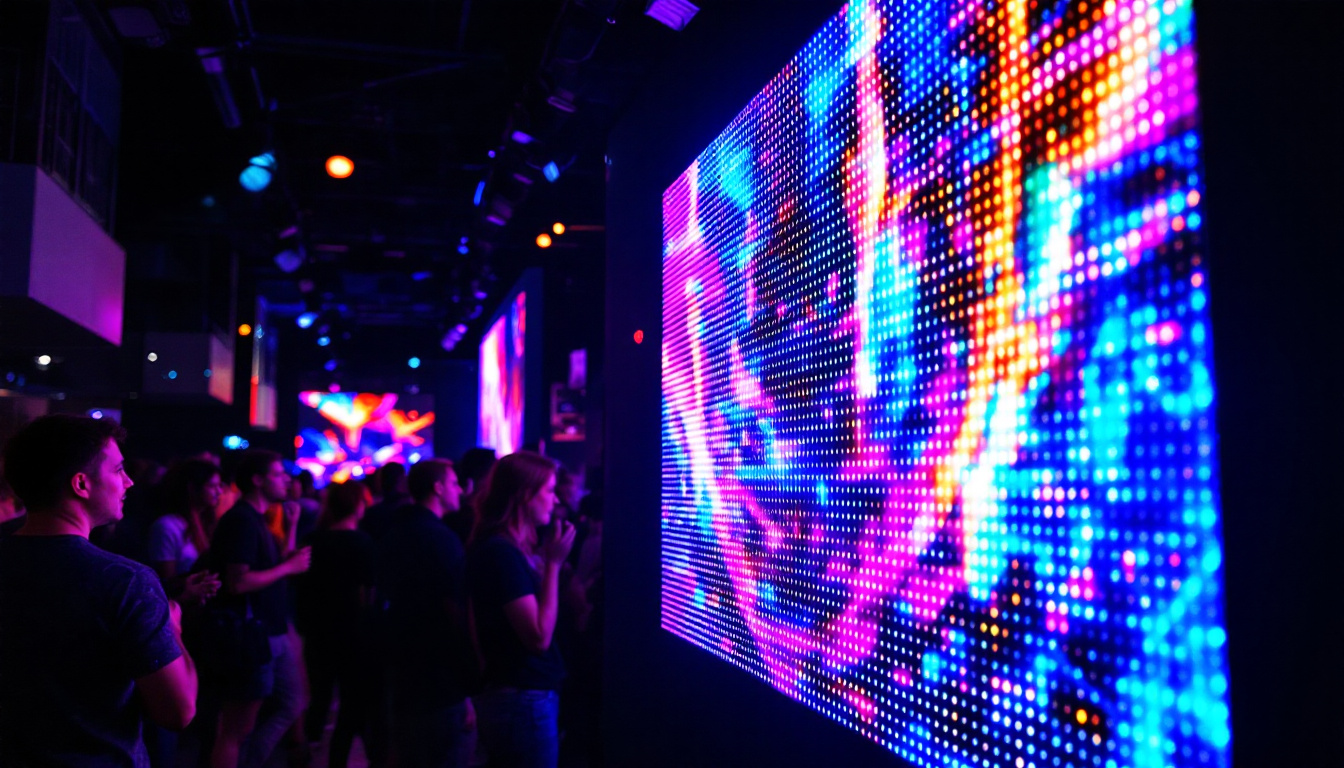
LED stands for Light Emitting Diode, a semiconductor device that emits light when an electric current passes through it. An LED display is a flat panel that uses an array of these tiny LEDs to produce images, videos, or text. Unlike traditional display technologies such as LCD or plasma, LED displays offer superior brightness, contrast, and color fidelity, making them ideal for both indoor and outdoor use.
The core advantage of LED displays lies in their modular design. Each display is composed of multiple LED modules, which can be combined to create screens of virtually any size and resolution. This flexibility allows for customization tailored to specific environments and viewing distances. Furthermore, LED displays are energy-efficient, consuming less power than their predecessors, which not only reduces operational costs but also contributes to environmental sustainability. As technology advances, the lifespan of LED displays has also improved, with many models boasting over 100,000 hours of operational life, making them a long-term investment for businesses and organizations.
Types of LED Displays
LED displays come in various types, primarily categorized by their pixel pitch—the distance between the centers of two adjacent LEDs. A smaller pixel pitch means higher resolution and better image clarity, especially at close range. Common types include:
- Indoor LED Displays: Designed for close viewing distances, these displays have a pixel pitch ranging from 1mm to 4mm. They are used in conference rooms, retail stores, and event venues. The vibrant colors and sharp images they produce enhance presentations and advertisements, capturing the attention of audiences effectively.
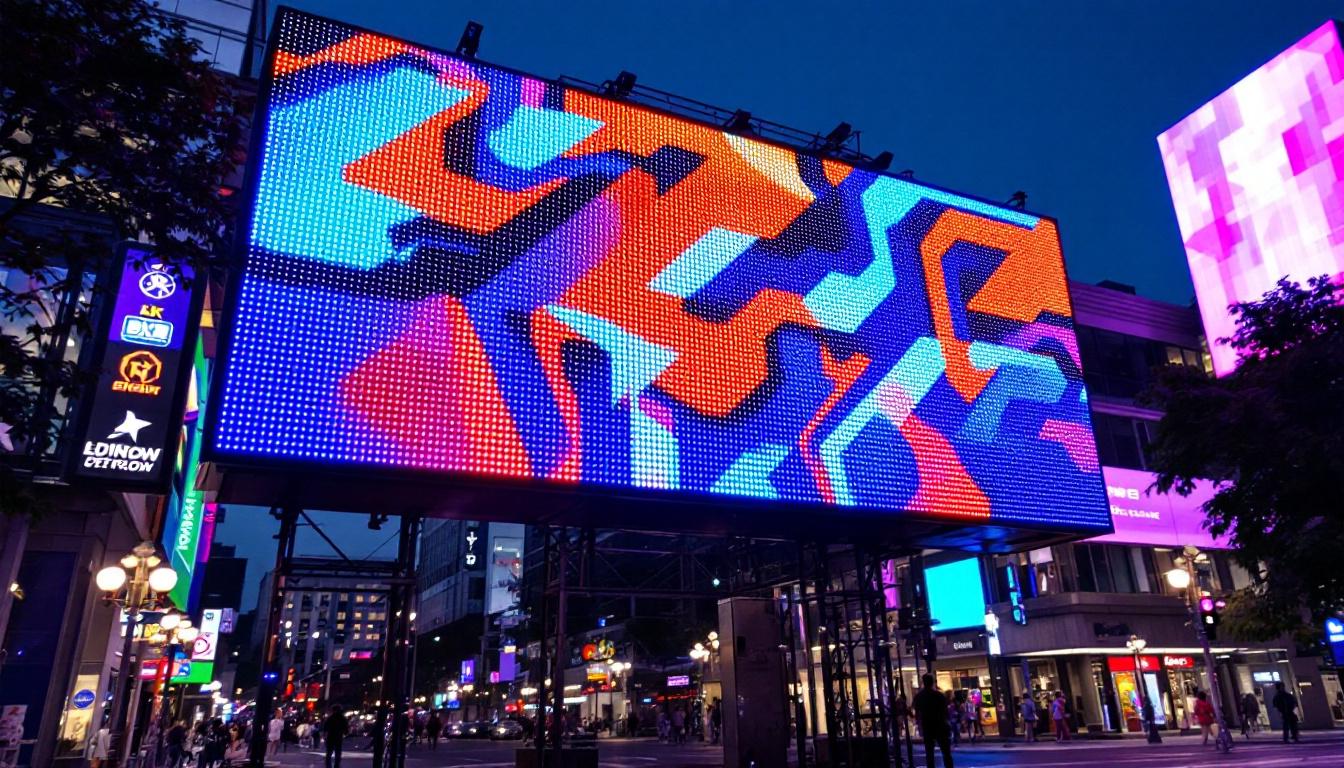
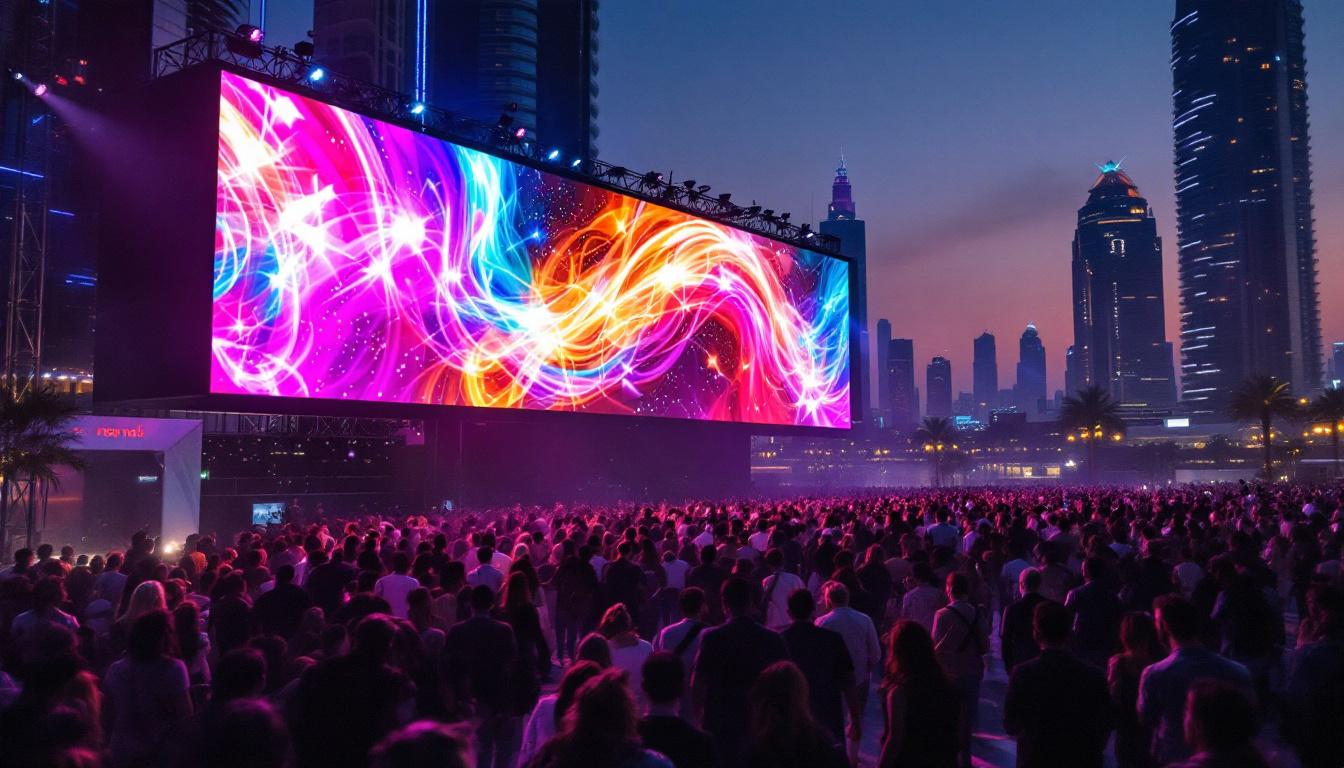
- Outdoor LED Displays: Built to withstand harsh weather conditions, these have a larger pixel pitch (usually 6mm to 20mm) and higher brightness levels to combat sunlight glare. They are commonly found in stadiums, billboards, and transportation terminals. These displays not only serve as advertising platforms but also provide real-time information, such as weather updates and traffic conditions, making them invaluable in urban settings.
- Transparent LED Displays: These innovative displays allow light to pass through, making them suitable for glass facades and shop windows without obstructing the view. This unique feature enables businesses to showcase promotional content while maintaining an open and inviting atmosphere, bridging the gap between digital advertising and physical retail space.
Additionally, there are specialized LED displays like flexible LED screens, which can be bent or shaped to fit unique installations, and interactive LED displays that respond to touch or motion, enhancing user engagement. These advancements in LED technology continue to push the boundaries of creativity and functionality, allowing for more immersive experiences in various applications, from art installations to high-tech advertising solutions.
LED Boarding Displays: Definition and Applications
What is LED Boarding?
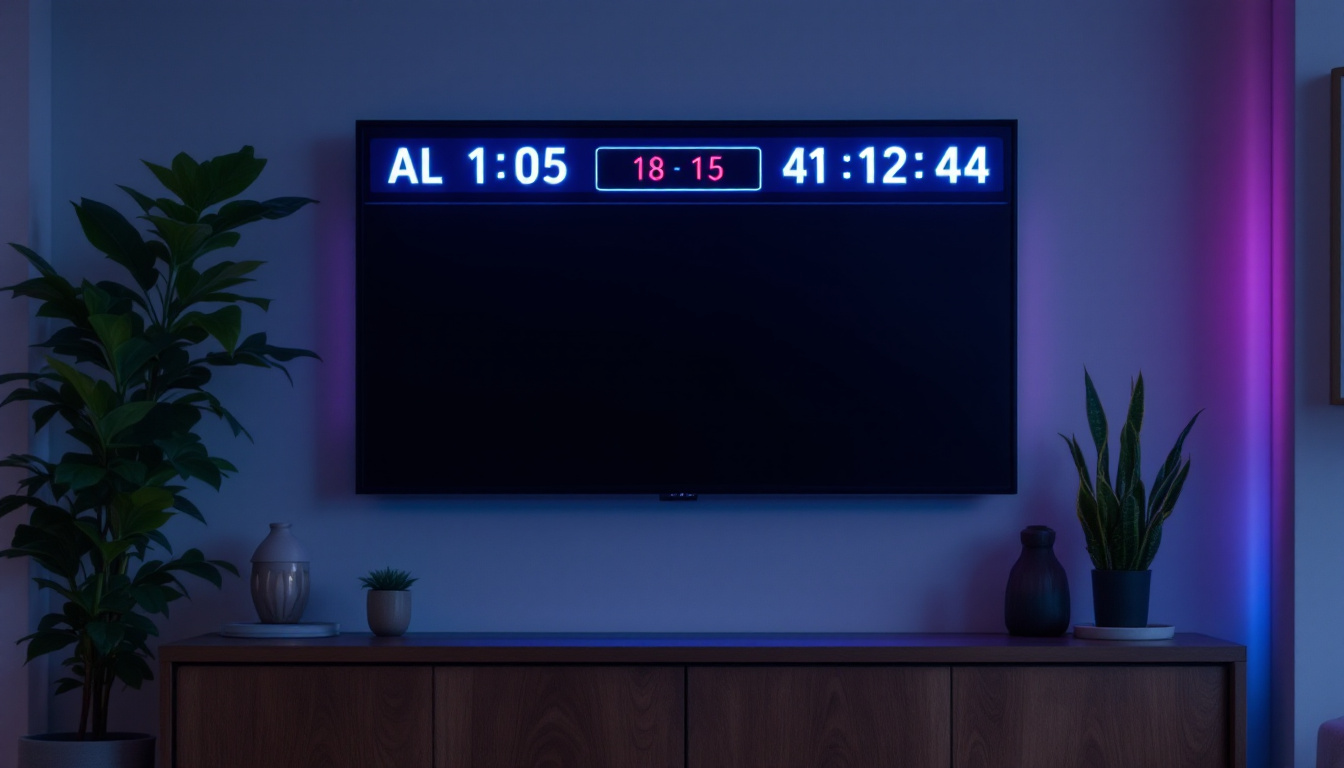
LED boarding refers to the use of LED display technology in transportation hubs such as airports, train stations, and bus terminals to provide real-time information to passengers. These displays are a critical component of modern boarding systems, offering dynamic updates on schedules, gate changes, delays, and other essential travel information.
Unlike static signage, LED boarding displays can be programmed remotely and updated instantly, ensuring passengers receive accurate and timely information. This capability enhances operational efficiency and improves the overall passenger experience. Furthermore, the bright and vibrant nature of LED technology ensures that information is easily visible even in low-light conditions, making it a reliable choice for any time of day.
Key Applications of LED Boarding Displays
LED boarding displays serve multiple functions across various transportation sectors:
- Airports: Flight departure and arrival boards, gate information, baggage claim updates, and emergency announcements.
- Railway Stations: Train schedules, platform assignments, delays, and service alerts.
- Bus Terminals: Bus departure times, route information, and boarding gate notifications.
- Maritime Ports: Ferry schedules, boarding instructions, and safety messages.
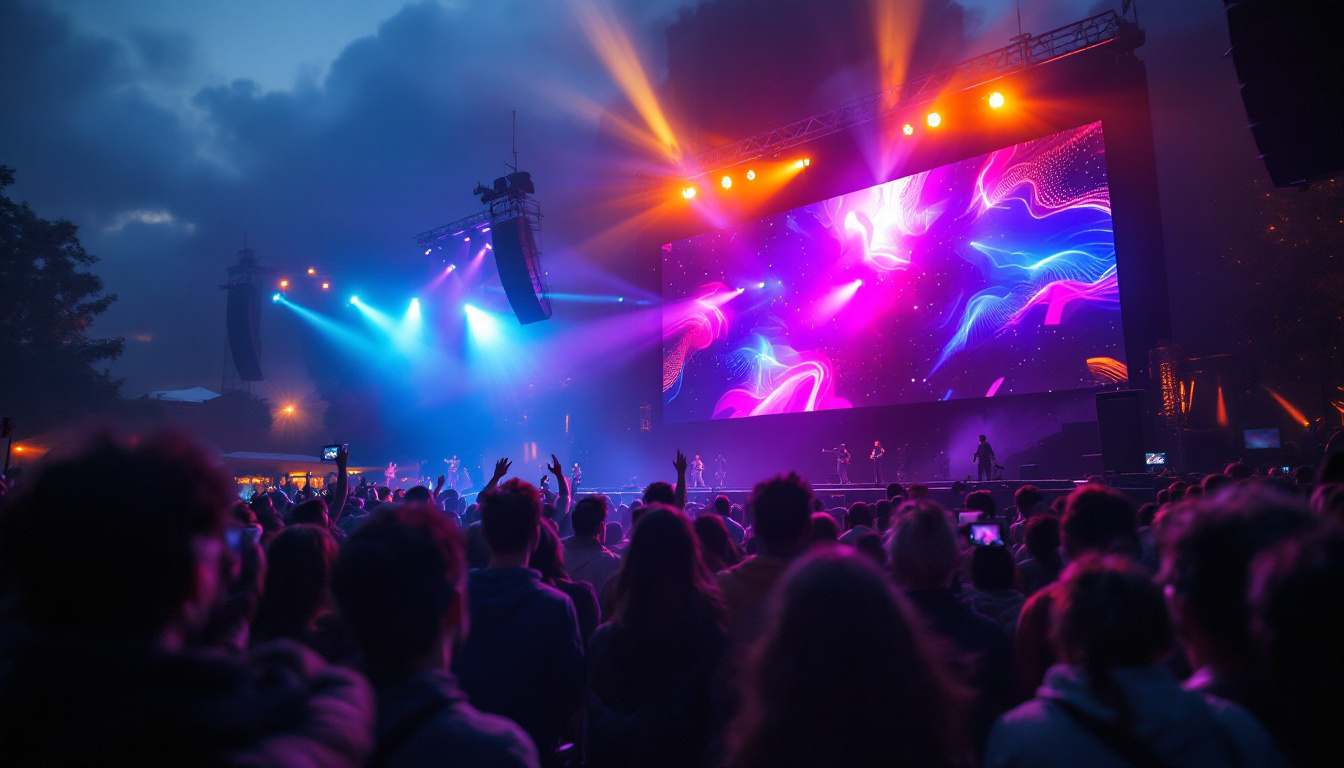
The versatility of LED boarding displays also extends to event venues and stadiums, where they provide seating information, event schedules, and crowd management instructions. In addition to these practical applications, LED displays can be customized to enhance branding and advertising opportunities. For instance, airports and train stations can utilize these displays to showcase local businesses, tourism information, or promotional content, creating a more engaging environment for travelers.
Moreover, the integration of LED boarding displays with mobile applications and digital platforms is becoming increasingly prevalent. Passengers can receive notifications on their smartphones about changes in their travel plans, such as gate changes or delays, which allows for a seamless travel experience. This interconnectedness not only improves communication but also empowers travelers to make informed decisions on the go, reducing stress and enhancing satisfaction during their journey.
Benefits of Using LED Boarding Displays
Enhanced Visibility and Readability
One of the most significant advantages of LED boarding displays is their superior visibility. With brightness levels often exceeding 5,000 nits for outdoor models, these displays remain clear and readable even under direct sunlight. High contrast ratios and vibrant colors further improve legibility, reducing passenger confusion and delays.
Real-Time Information Updates
Transportation schedules are subject to frequent changes due to weather, technical issues, or operational adjustments. LED boarding displays can be updated instantly via centralized control systems, ensuring that passengers receive the latest information without delay. This flexibility is crucial for managing disruptions and maintaining smooth operations.
Energy Efficiency and Durability
Compared to traditional lighting and display technologies, LEDs consume significantly less power, which translates to lower operational costs and a smaller environmental footprint. Additionally, LED modules have a long lifespan—often exceeding 100,000 hours—and are resistant to shock and vibration, making them reliable for continuous use in busy transportation environments.
Customizability and Scalability
LED boarding displays can be tailored to fit specific spatial constraints and informational needs. Whether it’s a small display for a single gate or a large video wall covering an entire terminal, the modular nature of LED technology allows for scalable solutions. Content can be customized with different fonts, colors, animations, and languages to cater to diverse passenger demographics.
Design Considerations for LED Boarding Displays
Choosing the Right Pixel Pitch
The pixel pitch directly influences the display’s resolution and viewing distance. For boarding displays, it’s essential to balance clarity with cost-efficiency. For example, a 4mm pixel pitch is often ideal for indoor airport displays viewed from several meters away, while a 10mm pitch might suffice for outdoor bus terminal screens viewed from a distance.
Brightness and Contrast Requirements
Brightness levels must be sufficient to overcome ambient lighting conditions. Outdoor displays require higher brightness (up to 10,000 nits) to remain visible in daylight, whereas indoor displays typically operate at 800 to 1,500 nits. High contrast ratios improve text readability, especially for critical information like boarding times and gate changes.
Integration with Existing Systems
Modern LED boarding displays are often integrated with transportation management software, flight information systems, and public address systems. Ensuring compatibility and seamless data exchange is vital for real-time updates and coordinated passenger communication.
Durability and Maintenance
Given the high-traffic environments where boarding displays are installed, they must be designed for durability and ease of maintenance. Features such as weatherproof enclosures, anti-glare coatings, and front-access modules simplify upkeep and prolong operational life.
Emerging Trends in LED Boarding Displays
Interactive and Touch-Enabled Displays
Some transportation hubs are adopting interactive LED displays that allow passengers to access personalized information, such as ticket status, directions, and nearby amenities. Touch-enabled LED screens enhance user engagement and reduce the need for physical ticket counters or information desks.
Integration with Artificial Intelligence and IoT
Artificial intelligence (AI) and Internet of Things (IoT) technologies are increasingly integrated with LED boarding systems. AI-powered analytics can predict passenger flow and optimize display content accordingly, while IoT sensors monitor environmental conditions and equipment status to enable predictive maintenance and improve reliability.
Energy Harvesting and Sustainability Initiatives
As sustainability becomes a priority, LED display manufacturers are exploring energy harvesting technologies such as solar power to reduce reliance on grid electricity. Additionally, advances in LED efficiency and recyclable materials contribute to greener transportation infrastructure.
Case Studies: Successful Implementation of LED Boarding Displays
Heathrow Airport, London
Heathrow Airport, one of the world’s busiest airports, has extensively deployed LED boarding displays throughout its terminals. The airport uses high-resolution indoor LED screens to provide real-time flight information, gate changes, and security updates. The displays have improved passenger flow and reduced congestion during peak travel times.
Tokyo Station, Japan
Tokyo Station employs a combination of indoor and outdoor LED displays to manage its complex rail network. The station’s LED boards feature multilingual support and are integrated with mobile apps, allowing passengers to receive synchronized updates on their devices. This system enhances accessibility and passenger convenience.
New York City Bus Terminals
Several bus terminals in New York City have upgraded to LED boarding displays to replace static signage. These displays provide dynamic route information, delay notifications, and emergency alerts. The transition has resulted in improved communication and passenger satisfaction.
Conclusion
LED boarding displays represent a transformative technology in the transportation sector, enhancing how information is delivered to passengers. Their superior visibility, real-time update capabilities, energy efficiency, and adaptability make them indispensable tools for modern airports, train stations, bus terminals, and other transit hubs. As technology advances, the integration of AI, IoT, and interactive features will further elevate the passenger experience, making travel safer, more efficient, and more enjoyable.
For transportation authorities and facility managers, investing in high-quality LED boarding displays is not just a matter of upgrading technology but a strategic move toward operational excellence and passenger satisfaction in an increasingly connected world.
Discover the Future of LED Display Technology with LumenMatrix
Ready to elevate your transportation hub or event venue with the latest in LED display innovation? LumenMatrix is at the forefront of creating immersive visual experiences that captivate and inform. From Indoor and Outdoor LED Wall Displays to specialized solutions like Vehicle LED Displays and LED Sports Displays, our products are designed to revolutionize the way you communicate with your audience. Experience the difference with our Custom LED Displays and All-in-One LED solutions that promise to bring your brand to life. Check out LumenMatrix LED Display Solutions today and join the visual revolution.