In the rapidly evolving world of digital screens, understanding the differences and functionalities of various display technologies is essential. Among the most common and widely used are LCD (Liquid Crystal Display) and LED (Light Emitting Diode) displays. While these terms are often used interchangeably in everyday conversation, they represent distinct technologies with unique characteristics, advantages, and applications.
This article aims to clarify the distinctions between LCD and LED displays, delve into how LED displays work, and explore their practical uses in modern technology. Whether you are a consumer looking to purchase a new screen or a professional in the display industry, gaining a comprehensive understanding of these technologies will help you make informed decisions.
Understanding LCD Technology
What is an LCD?
Liquid Crystal Display (LCD) technology has been a staple in screens for decades, found in everything from computer monitors and televisions to smartphones and digital watches. The core principle behind LCDs involves liquid crystals, which do not emit light themselves but instead manipulate light to create images. This unique property allows for a range of applications, from simple displays to complex screens used in high-definition televisions.
In an LCD, a backlight shines through several layers, including polarizing filters and liquid crystals. The liquid crystals align in response to electrical currents, controlling the amount of light that passes through each pixel. This process creates the images we see on the screen. The technology has evolved significantly, with advancements like In-Plane Switching (IPS) and Twisted Nematic (TN) panels enhancing color accuracy and response times, catering to both casual viewers and professional users.
Advantages of LCD Displays
LCDs offer several benefits that have contributed to their widespread adoption. They are energy-efficient compared to older display technologies like CRTs (Cathode Ray Tubes) and provide sharp, clear images with good color reproduction. Additionally, LCD panels are relatively thin and lightweight, making them ideal for portable devices such as laptops and tablets. This portability has revolutionized how we consume media, allowing for larger screens in smaller devices.
Another advantage is the affordability of LCD technology. Mass production techniques have lowered the cost, making LCD screens accessible to a broad market. Furthermore, LCDs do not suffer from burn-in issues, which can affect some other display types. This reliability has made them the go-to choice for a variety of applications, from educational settings to corporate environments, where consistent performance is essential.
Limitations of LCD Technology
Despite their many strengths, LCDs have some inherent limitations. Because the liquid crystals do not emit light themselves, they rely entirely on backlighting. This can lead to issues with contrast ratios and black levels, as the backlight may bleed through in darker scenes, reducing overall image depth. As a result, many users have turned to newer technologies like OLED (Organic Light Emitting Diode) displays, which offer superior contrast and true blacks by lighting each pixel individually.
Viewing angles can also be a concern. While modern LCDs have improved significantly, some cheaper or older models exhibit color shifting or brightness reduction when viewed from off-center angles. Response times, important for fast-moving images in gaming or video, can sometimes lag behind other technologies. Additionally, the refresh rates of LCDs can be a limiting factor for hardcore gamers, who often seek displays with higher refresh rates to ensure a smooth and responsive experience. As technology continues to advance, manufacturers are working to address these limitations, striving to enhance the overall performance of LCD displays.
What is an LED Display?
LED as a Backlight for LCDs
One of the most common sources of confusion is the term “LED display.” In many cases, what is called an LED TV or monitor is actually an LCD screen that uses LED backlighting instead of older CCFL (Cold Cathode Fluorescent Lamp) backlights.
LED backlighting offers several improvements over CCFLs: it is more energy-efficient, allows for thinner panels, and can provide better brightness and color accuracy. This combination has led to the widespread adoption of LED-backlit LCDs, which dominate the consumer display market today. The transition to LED backlighting has not only enhanced the visual experience but also contributed to a more sustainable approach in electronics, as these displays consume less power and generate less heat, ultimately extending the lifespan of the devices.
True LED Displays
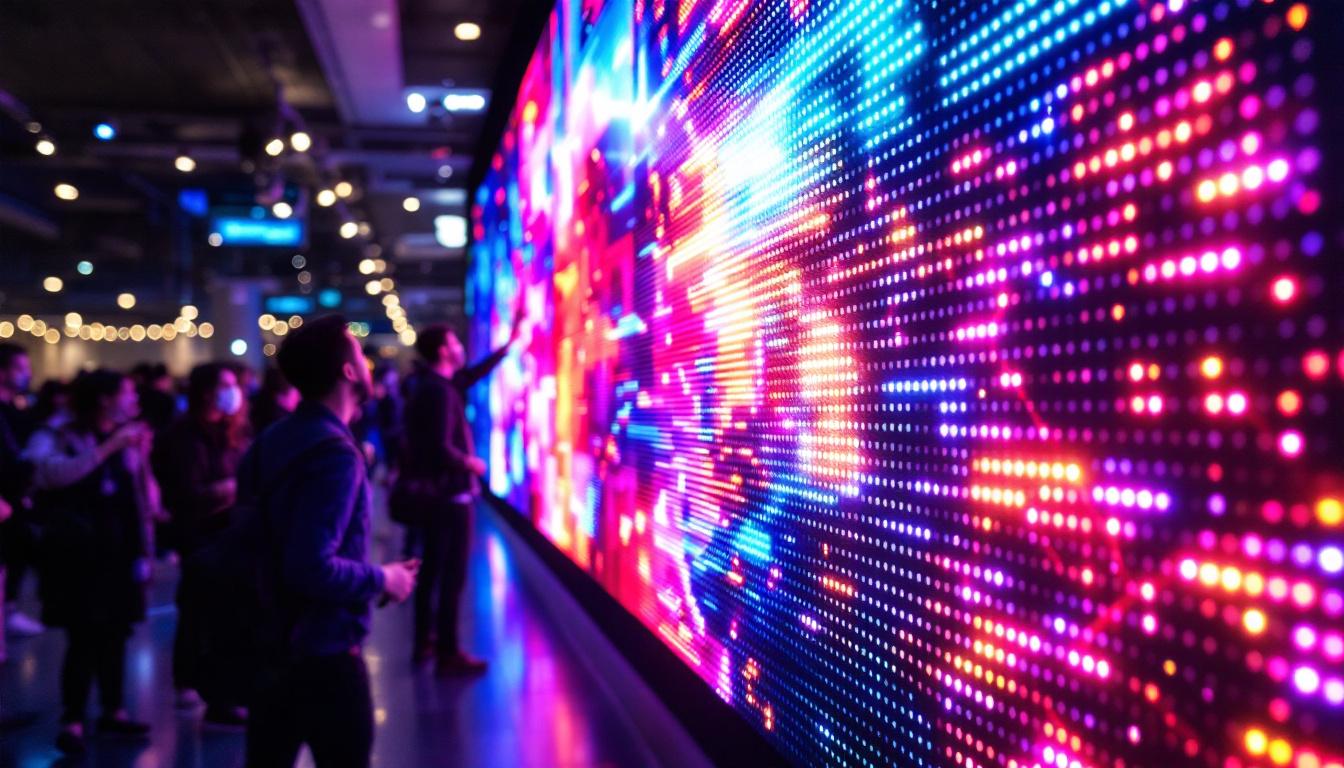
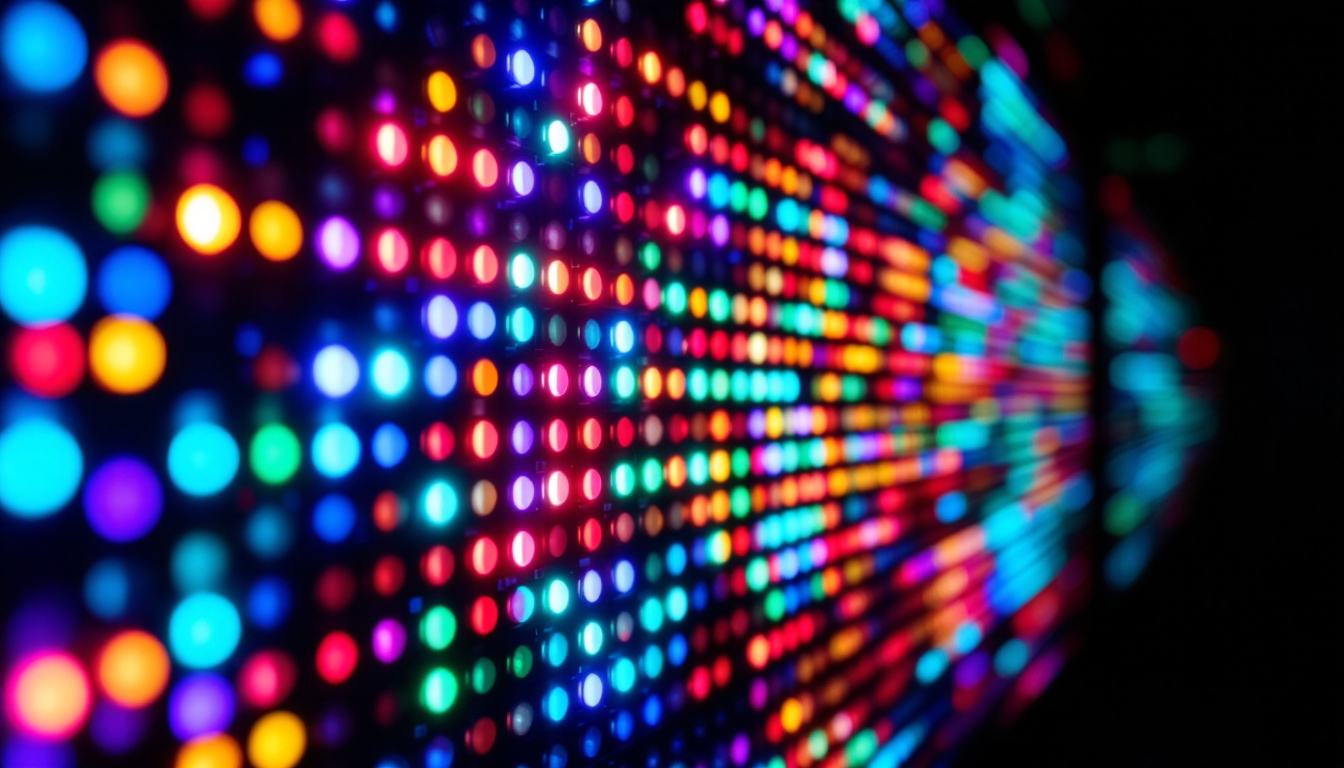
True LED displays, in contrast, consist of arrays of tiny light-emitting diodes that themselves produce the image without the need for a separate backlight. These displays are often used in large-scale applications such as digital billboards, stadium screens, and outdoor advertising due to their high brightness and visibility even in direct sunlight.
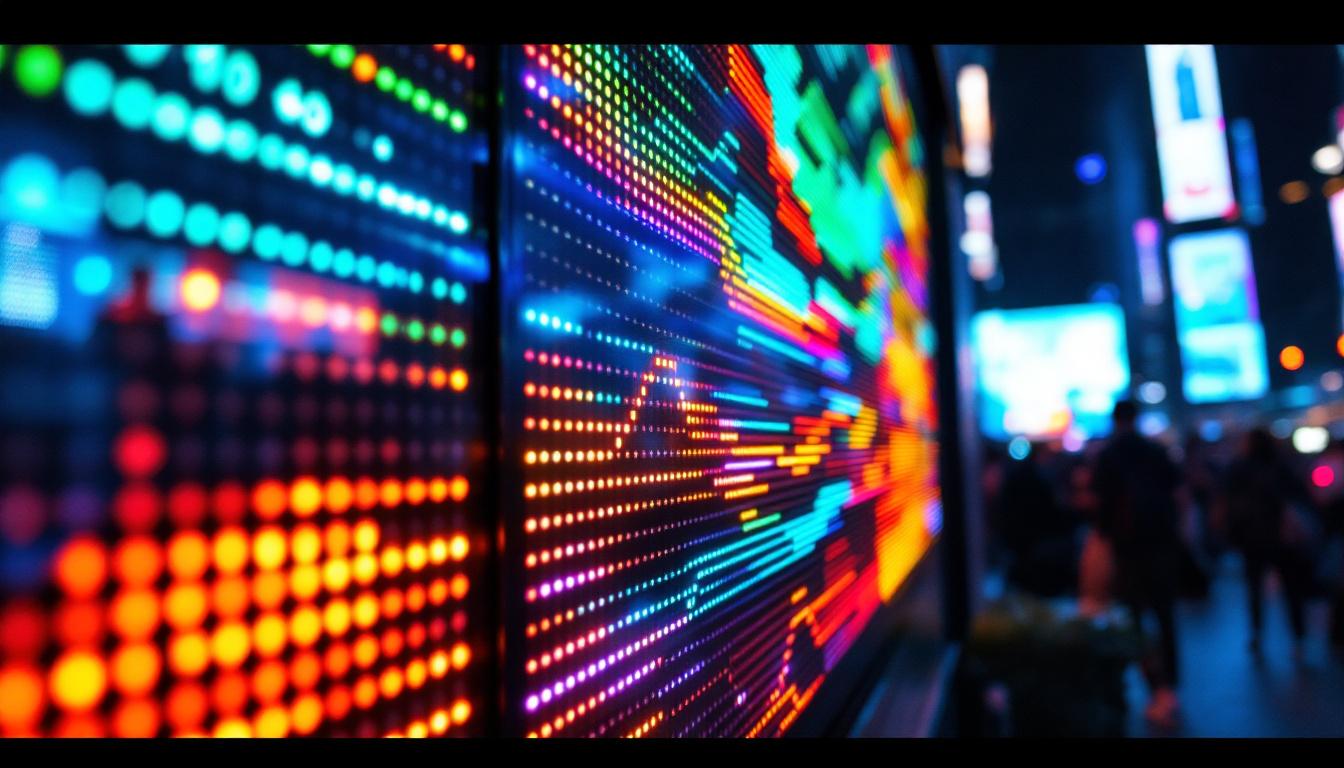
True LED displays can be further categorized into two types: direct view LED and microLED. Direct view LED displays use larger LEDs spaced at intervals, while microLED technology uses microscopic LEDs to create high-resolution screens suitable for televisions and monitors, offering superior contrast and color performance. The innovation behind microLED technology is particularly noteworthy, as it combines the best features of OLED and traditional LED, providing a display that is not only energy-efficient but also capable of achieving incredible pixel density, making it a game-changer for the future of display technology.
Advantages of LED Displays
LED displays, especially true LED types, offer exceptional brightness and contrast ratios. Because each LED emits its own light, blacks can be rendered as true black by simply turning off the LEDs in dark areas of the screen. This capability results in stunning image quality with vibrant colors and deep blacks.
Additionally, LED displays typically have faster response times than LCDs, making them ideal for dynamic content such as sports broadcasts and gaming. Their durability and long lifespan make them suitable for demanding environments, including outdoor installations. Beyond performance, LED displays are also highly customizable, allowing for various shapes and configurations that can fit unique spaces and artistic visions. From curved screens that enhance immersion to modular designs that can be expanded or reconfigured, the versatility of LED technology opens up new possibilities for both commercial and artistic applications, transforming the way we interact with visual media.
Comparing LCD and LED Displays
Image Quality and Color Accuracy
When comparing LCDs with traditional CCFL backlights and LED-backlit LCDs, the latter generally provide better color accuracy and brightness. However, true LED displays, especially those using microLED technology, surpass LCDs in both color fidelity and contrast ratio.
For consumers seeking the best possible image quality, OLED (Organic LED) displays are also worth mentioning. OLEDs, while different from traditional LEDs, share the principle of self-emitting pixels, offering excellent contrast and color performance. However, OLEDs can be more expensive and have potential burn-in issues. This phenomenon occurs when static images are displayed for extended periods, leading to ghosting effects that can diminish the viewing experience. Despite this drawback, the vibrant colors and deep blacks of OLEDs make them a favorite among filmmakers and gamers who prioritize visual immersion.
Energy Efficiency
LED-backlit LCDs are more energy-efficient than older CCFL-backlit LCDs, consuming up to 30-50% less power. True LED displays vary in power consumption depending on size and brightness but are generally efficient for their intended applications.
For portable devices, energy efficiency translates directly into longer battery life, making LED-backlit LCDs the preferred choice for smartphones, tablets, and laptops. Furthermore, as environmental concerns grow, the demand for energy-efficient displays is likely to increase. Manufacturers are responding by developing technologies that not only reduce energy consumption but also utilize sustainable materials, contributing to a greener electronics industry. Innovations such as adaptive brightness control, which adjusts screen brightness based on ambient light conditions, further enhance energy savings while maintaining optimal viewing experiences.
Cost and Availability
LCD technology, especially with LED backlighting, has become highly affordable due to mature manufacturing processes and economies of scale. This affordability makes LCDs the dominant technology in consumer electronics.
True LED displays, particularly large-scale direct view LED screens, tend to be more expensive due to the complexity of manufacturing and installation. MicroLED technology, still emerging, is expected to become more accessible in the coming years, potentially disrupting the market. As production techniques improve and competition increases, prices for microLED displays may decrease, making them a viable option for a broader range of consumers. Additionally, the flexibility of microLED technology allows for innovative applications, such as curved or transparent displays, which could redefine the way we interact with screens in our everyday lives. The future of display technology is not just about resolution and color but also about form factor and versatility, paving the way for exciting advancements in the industry.
Applications of LCD and LED Displays
Consumer Electronics
Most consumer electronics, including televisions, computer monitors, smartphones, and tablets, predominantly use LED-backlit LCD technology. This combination offers a balance of image quality, energy efficiency, and cost-effectiveness suitable for everyday use.
High-end televisions and gaming monitors may incorporate advanced LED technologies such as local dimming and quantum dot enhancements to improve picture quality further.
Commercial and Industrial Uses
True LED displays are widely used in commercial settings, such as digital signage, advertising billboards, and event screens. Their ability to produce bright, vivid images visible in outdoor environments makes them ideal for these purposes.
In industrial applications, LED displays are favored for control rooms, public transportation information systems, and large-scale video walls due to their reliability and scalability.
Emerging Technologies and Future Trends
MicroLED is an emerging display technology that promises the best of both worlds: the self-emissive nature of OLEDs with the longevity and brightness of LEDs. Companies are investing heavily in microLED research, anticipating its use in next-generation televisions, augmented reality devices, and wearable technology.
Additionally, advancements in flexible and transparent LED displays are opening new possibilities for innovative applications in automotive, architecture, and consumer electronics.
Conclusion: Choosing Between LCD and LED Displays
Understanding the nuances between LCD and LED displays is crucial for making informed decisions in both consumer and professional contexts. While LED-backlit LCDs currently dominate the market due to their balance of performance and cost, true LED displays offer unmatched brightness and contrast for specialized applications.
For everyday use, an LED-backlit LCD provides excellent image quality, energy efficiency, and affordability. However, for large-scale, high-brightness needs or cutting-edge display technology, true LED and emerging microLED displays represent the future.
As display technology continues to advance, staying informed about these developments will help consumers and professionals alike select the best screens to meet their needs.
Discover Cutting-Edge LED Display Solutions with LumenMatrix
Ready to experience the future of display technology? LumenMatrix is at the forefront of LED innovation, offering a wide array of advanced LED display modules tailored to your needs. From immersive Indoor and Outdoor LED Wall Displays to dynamic Vehicle and Sports LED Displays, our solutions are designed to captivate and engage your audience. Whether you’re looking for a Custom LED Display, an All-in-One solution, or the sleek aesthetics of a LED Transparent Display, LumenMatrix has the expertise to bring your vision to life. Check out LumenMatrix LED Display Solutions today and elevate your visual communication to new heights.