In the rapidly evolving world of display technology, understanding the differences between plasma and LED displays is essential for consumers, professionals, and enthusiasts alike. Both technologies have played significant roles in shaping the way we view digital content, from home entertainment systems to large-scale commercial screens. This article delves into the fundamentals of plasma and LED displays, compares their features, and explores their relevance in today’s market.
Understanding Plasma Display Technology
What Is a Plasma Display?
Plasma display panels (PDPs) are a type of flat-panel display technology that uses small cells containing electrically charged ionized gases, or plasma, to produce images. Each pixel in a plasma screen is made up of tiny cells filled with neon and xenon gases that emit ultraviolet light when electrically charged. This ultraviolet light then excites phosphor materials coated inside the cells, producing visible light in red, green, or blue. By controlling the intensity of these cells, plasma displays create vibrant, full-color images. The unique mechanism of plasma technology allows for a more immersive viewing experience, making it a popular choice for home theaters and professional displays.
Key Characteristics of Plasma Displays
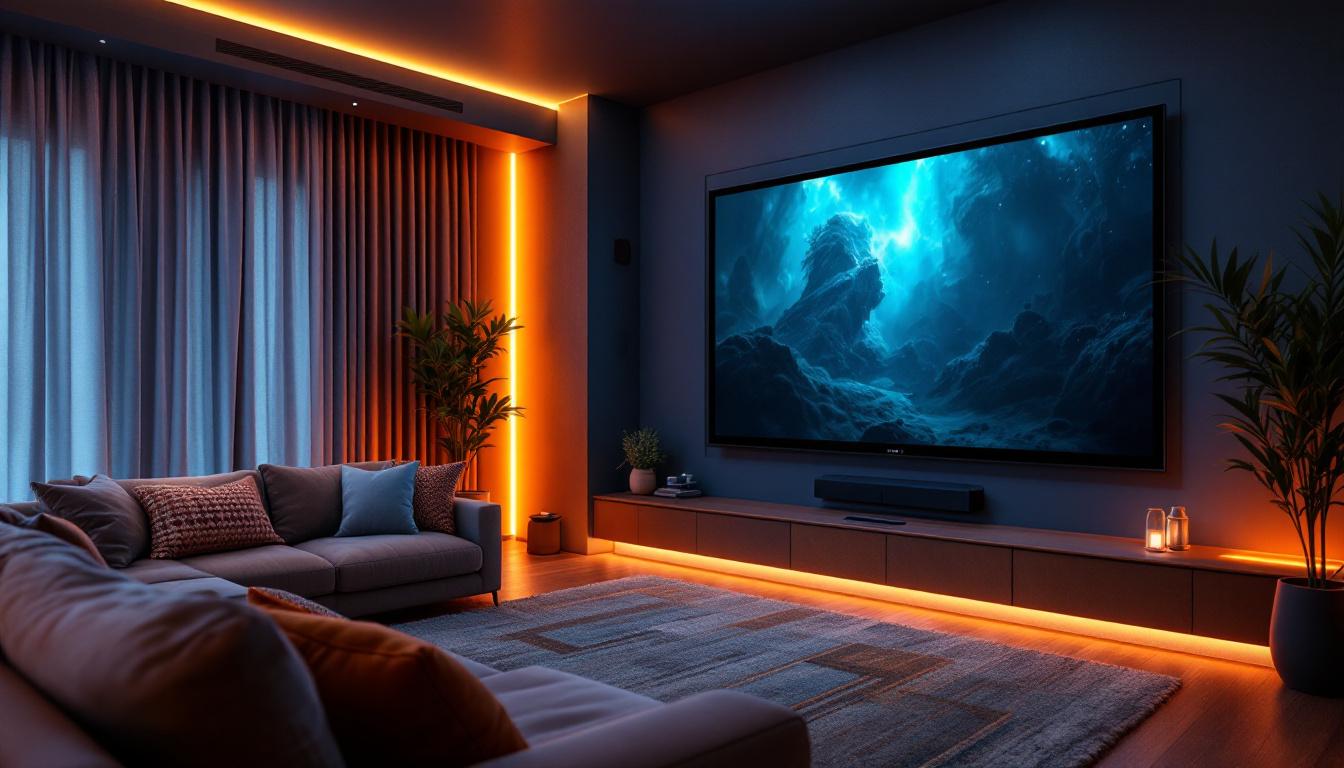
Plasma screens are known for their excellent color accuracy, deep blacks, and wide viewing angles. Unlike LCDs that rely on backlighting, plasma displays emit light directly from each pixel, which allows for superior contrast ratios. This makes plasma particularly appealing for viewing in dimly lit environments or for content requiring rich color depth, such as movies and high-definition broadcasts. The ability to maintain consistent color reproduction across various angles also makes plasma displays ideal for larger viewing parties, where multiple viewers can enjoy the same quality image without significant degradation in color or brightness.
However, plasma displays tend to consume more power than LED alternatives and are generally thicker and heavier. Additionally, they are susceptible to screen burn-in, a phenomenon where static images left on the screen for extended periods cause permanent discoloration. To mitigate this issue, many modern plasma displays come equipped with features such as pixel shifting and screensaver modes that help prevent burn-in by subtly moving images or displaying dynamic content when the screen is idle. Despite these drawbacks, the rich visual experience offered by plasma technology continues to captivate enthusiasts, particularly for applications that prioritize image quality over energy efficiency.
LED Displays: The Modern Standard
What Are LED Displays?
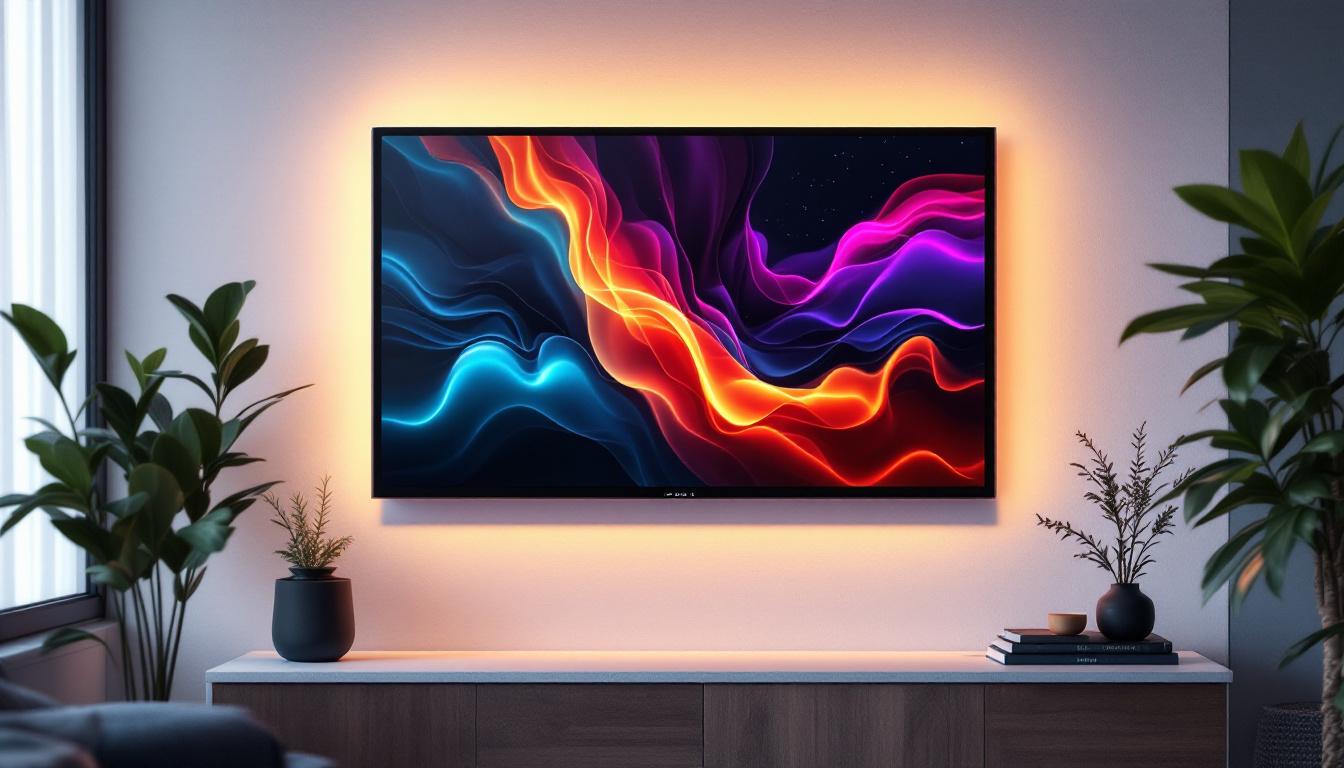
LED displays, or Light Emitting Diode displays, are a type of LCD (Liquid Crystal Display) that use LEDs as a backlight source instead of traditional fluorescent lamps. The liquid crystals themselves do not emit light; instead, the LEDs provide the illumination that passes through the LCD panel to produce images. LED technology has become the dominant standard in display manufacturing due to its energy efficiency, slim profile, and versatility. The shift to LED displays has not only enhanced the quality of visual content but has also significantly reduced energy consumption, making them a more sustainable choice for both consumers and businesses alike.
Types of LED Displays
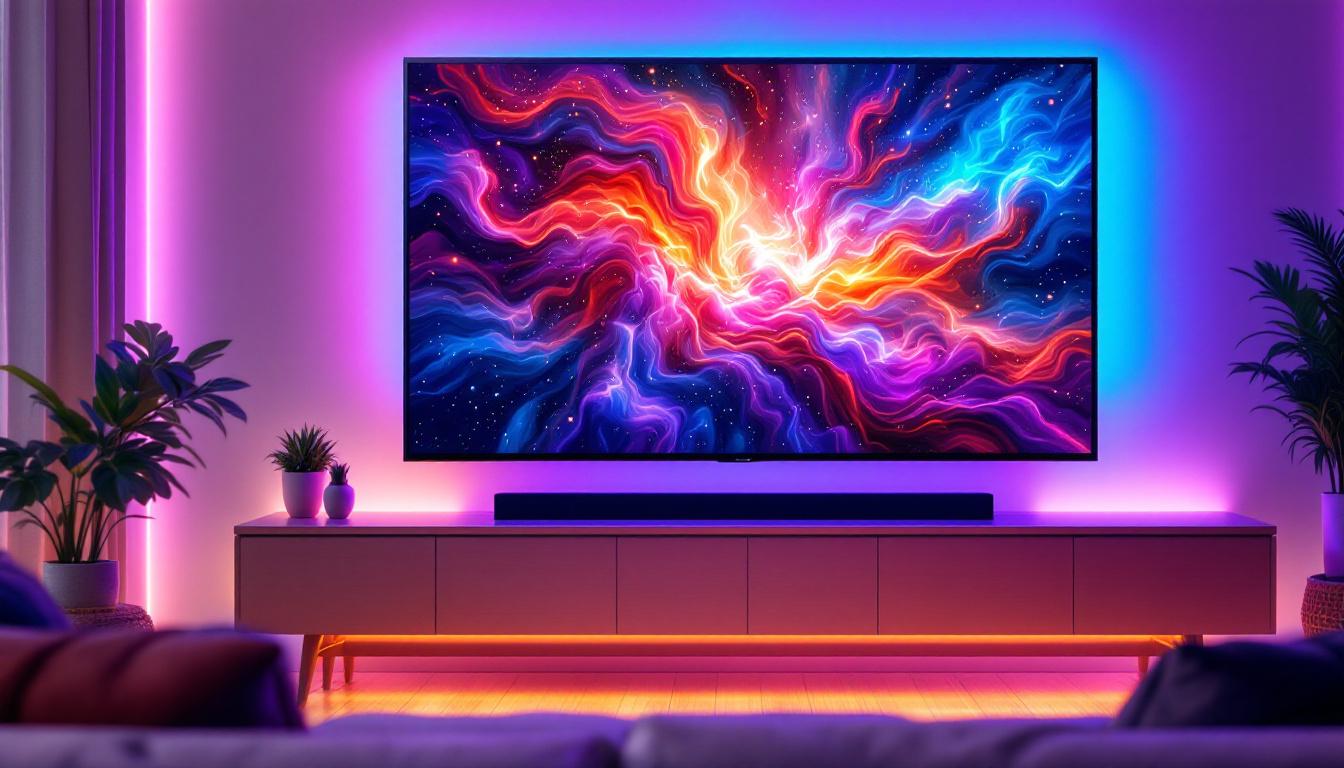
There are two primary types of LED backlighting used in LED displays: edge-lit and full-array. Edge-lit LED displays position LEDs along the edges of the screen, allowing for thinner panels but sometimes resulting in uneven brightness. Full-array LED displays place LEDs directly behind the screen in a grid pattern, enabling local dimming and better contrast control. This technology allows for deeper blacks and more vibrant colors, enhancing the viewing experience, particularly in dark scenes. Furthermore, advancements in full-array technology have led to the development of mini-LED displays, which utilize thousands of tiny LEDs for even more precise control over brightness and contrast.
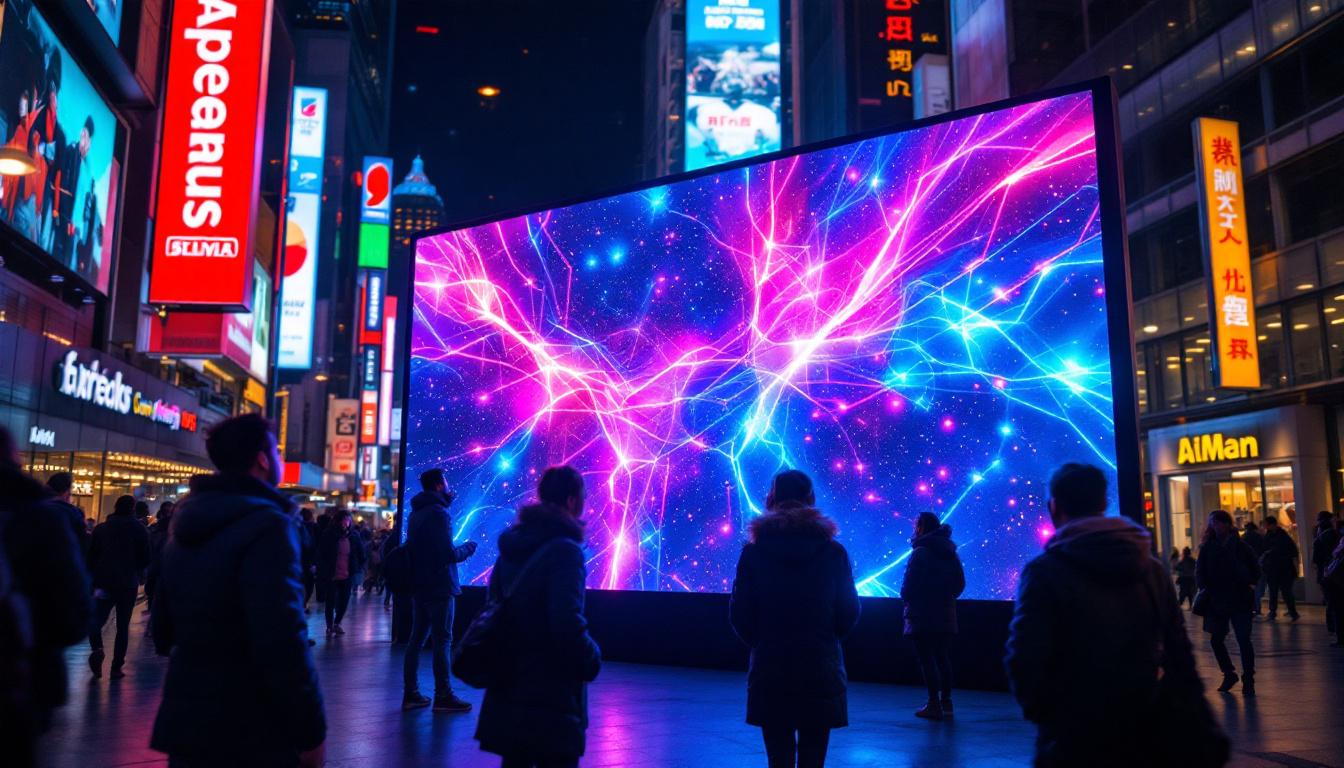
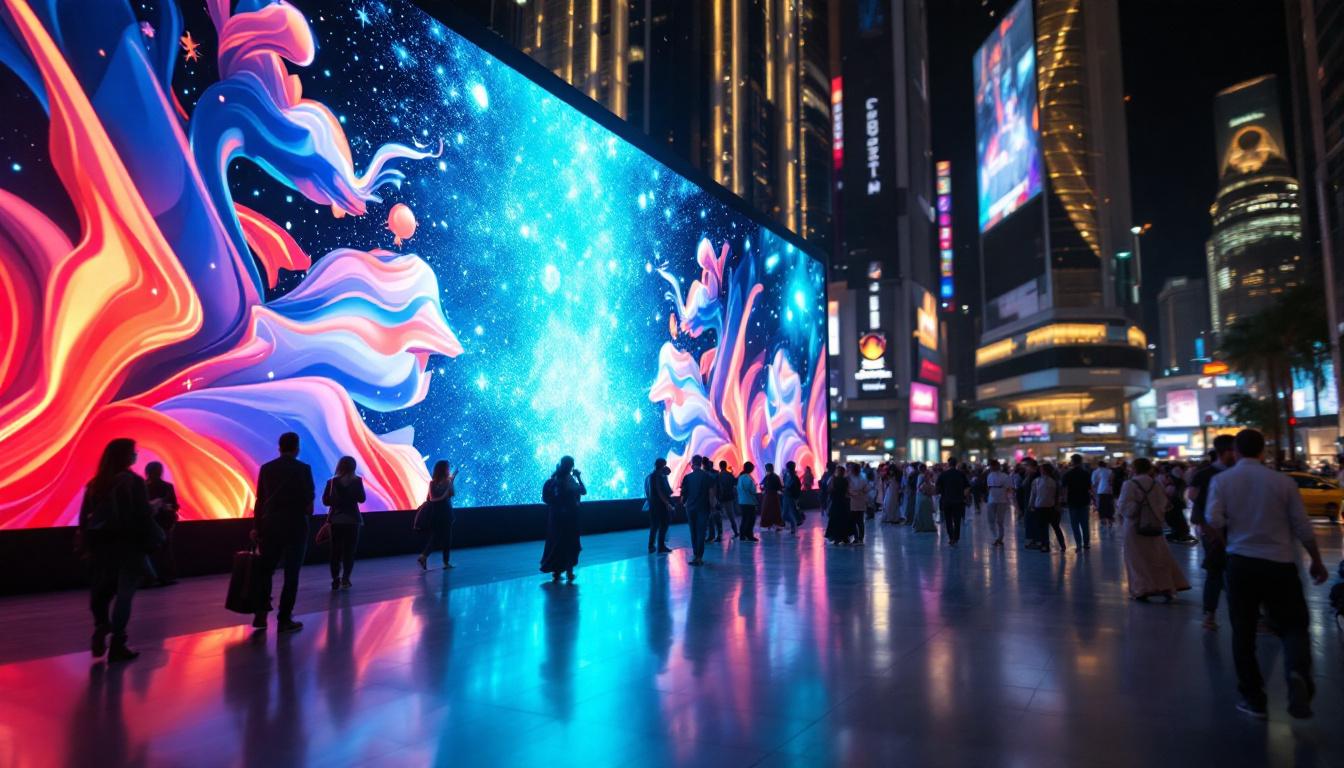
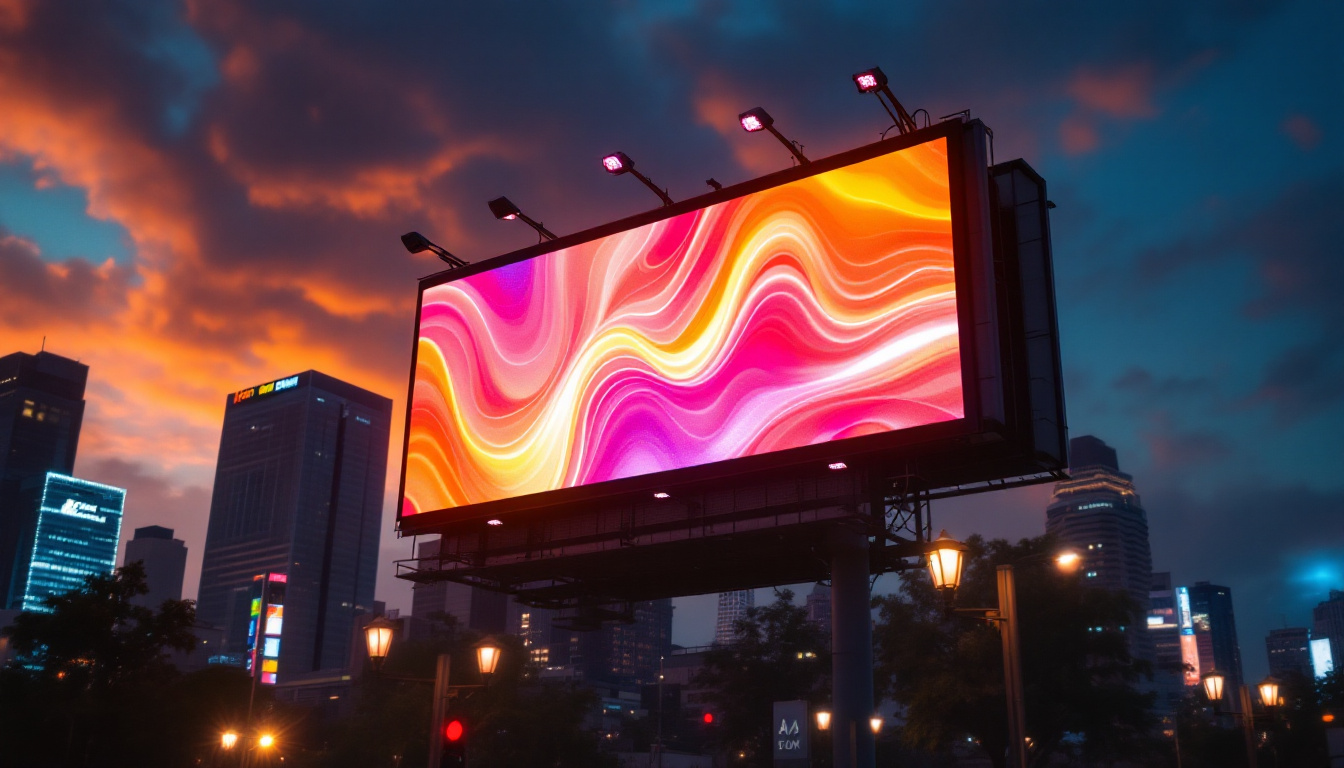
Additionally, there are direct-view LED displays, commonly used in large outdoor screens and digital billboards, which consist of individual LEDs forming each pixel. This is distinct from LED-backlit LCDs but shares the LED technology in its core. Direct-view LED displays are particularly advantageous for outdoor use due to their high brightness levels and ability to maintain visibility in direct sunlight. These displays are increasingly popular for events, concerts, and advertising, as they can be configured in various shapes and sizes, offering unparalleled flexibility in design. The rapid evolution of LED technology has also led to innovations such as transparent and flexible LED screens, which open up new possibilities for creative applications in architecture and advertising.
Comparing Plasma and LED Displays
Image Quality and Color Reproduction
When it comes to image quality, plasma displays historically excelled in delivering deep blacks and vibrant colors due to their emissive nature. The ability of plasma pixels to turn off completely results in true black levels, enhancing contrast and overall picture depth. This made plasma TVs a favorite among cinephiles and professionals requiring color accuracy. The rich color saturation and wide viewing angles of plasma screens also contributed to their appeal, allowing viewers to enjoy a consistent and immersive experience from various positions in the room.
LED displays, particularly those with full-array local dimming, have narrowed the gap considerably. Advances in LED technology and HDR (High Dynamic Range) support have improved black levels and color range, making LED TVs competitive in image quality. However, some purists still prefer plasma for its natural color rendering and smoother motion handling. Additionally, the refresh rates of plasma displays often provide a more fluid motion during fast-paced scenes, which is particularly beneficial for sports and action movies. The debate between the two technologies continues to evoke passionate opinions among enthusiasts, each advocating for their preferred display type based on specific viewing preferences and content types.
Energy Efficiency and Environmental Impact
LED displays are significantly more energy-efficient than plasma screens. On average, plasma TVs consume 30-50% more power than comparable LED models. This difference is crucial for consumers conscious of electricity costs and environmental sustainability. Moreover, the longer lifespan of LED displays reduces electronic waste, contributing to a smaller ecological footprint. As energy consumption becomes an increasingly important factor in consumer electronics, the shift towards LED technology aligns with global efforts to promote greener technology and reduce carbon emissions.
Furthermore, many LED manufacturers are now focusing on sustainable production practices, utilizing recyclable materials and minimizing harmful substances in their manufacturing processes. This commitment to environmental responsibility further enhances the appeal of LED displays, particularly among eco-conscious consumers who seek to make informed choices about their electronic purchases. The growing trend of energy-efficient appliances across various sectors is also influencing the television market, pushing for innovations that prioritize both performance and sustainability.
Durability and Lifespan
LED displays generally have a longer lifespan than plasma screens. Plasma displays typically last around 30,000 to 60,000 hours before brightness diminishes noticeably, whereas LED displays can often exceed 100,000 hours. Additionally, plasma screens are more prone to burn-in and image retention, which can degrade the viewing experience over time. This susceptibility to burn-in occurs when static images remain on the screen for extended periods, leading to ghosting effects that can be frustrating for users who enjoy gaming or watching channels with logos.
In contrast, LED displays utilize a different technology that mitigates these issues, making them more suitable for varied content consumption. The durability of LED screens is further enhanced by their resistance to temperature fluctuations and humidity, which can be a concern in certain environments. As technology continues to evolve, manufacturers are also exploring ways to improve the longevity of plasma displays, but for now, LED remains the more reliable option for consumers seeking a long-lasting viewing solution.
Size and Design Flexibility
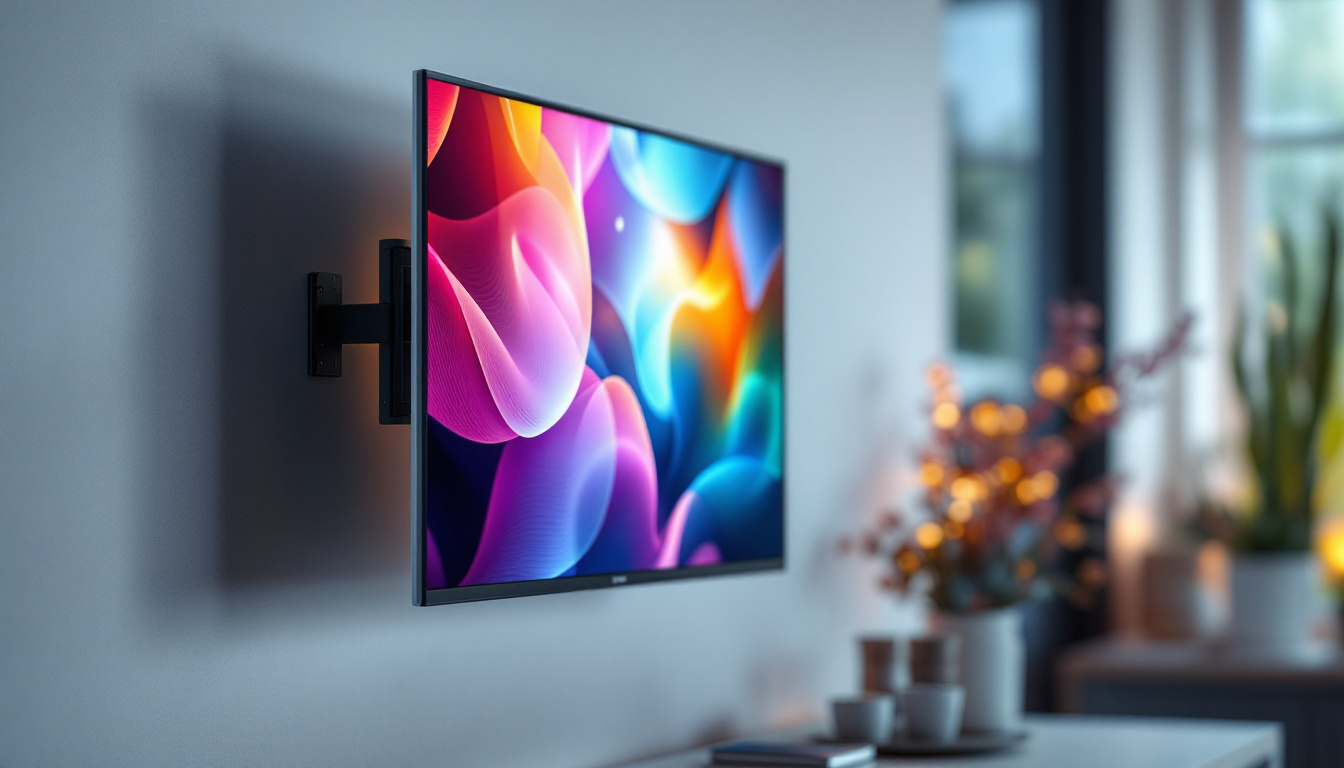
LED technology allows for thinner, lighter, and more flexible designs. This has enabled manufacturers to produce ultra-slim TVs and curved screens, as well as large-scale video walls and commercial displays. Plasma displays, by contrast, tend to be bulkier and heavier, limiting their integration into modern, minimalist living spaces. The versatility of LED technology also means that it can be adapted for various applications, from home theaters to public advertising spaces, making it a preferred choice for both residential and commercial use.
Moreover, the advancements in LED technology have led to innovations such as transparent displays and modular designs, which open up new possibilities for interior design and creative installations. These features allow for seamless integration into diverse environments, enhancing aesthetic appeal while providing high-quality visual experiences. As consumer preferences shift towards personalization and unique design elements, the adaptability of LED displays positions them as a leading choice in the ever-evolving landscape of display technology.
The Decline of Plasma and the Rise of LED
Market Trends and Consumer Preferences
Despite their early popularity, plasma displays have largely disappeared from the consumer market. Major manufacturers ceased plasma production around the mid-2010s due to declining demand and the rapid advancement of LED technology. According to market research, LED and OLED displays now dominate over 95% of global TV sales.
The shift reflects consumer preferences for energy efficiency, slimmer designs, and improved durability. Additionally, the rise of 4K and 8K resolutions, HDR content, and smart TV functionalities have been more readily integrated into LED platforms, further accelerating plasma’s obsolescence.
Current Applications of Plasma Technology
While plasma TVs are no longer produced, plasma technology has influenced other sectors. Large-format plasma displays were once favored for digital signage and control rooms due to their brightness and color fidelity. Today, these applications have transitioned to advanced LED and OLED panels, which offer better performance and reliability.
Future of Display Technologies: Beyond Plasma and LED
Emerging Technologies: OLED and MicroLED
Organic Light Emitting Diode (OLED) displays represent a significant leap forward, combining the emissive qualities of plasma with the energy efficiency and slim form factor of LEDs. OLED pixels emit their own light, enabling perfect blacks and exceptional contrast ratios without the bulk of plasma. This technology dominates premium TV markets and is widely used in smartphones and tablets.
MicroLED is another promising technology that uses microscopic LEDs to form each pixel, offering high brightness, energy efficiency, and longevity without the burn-in issues associated with OLED. Although still expensive and in early stages of commercialization, MicroLED is poised to redefine large-format displays in the near future.
What Consumers Should Consider When Choosing a Display
Choosing the right display depends on several factors including intended use, budget, viewing environment, and personal preferences. For cinematic experiences with deep blacks and rich colors, OLED currently offers the best performance. For budget-conscious buyers seeking energy efficiency and versatility, LED LCDs remain the most practical choice.
Understanding the strengths and limitations of each technology helps consumers make informed decisions that align with their needs and expectations. While plasma displays have faded from the market, their legacy continues to influence modern display innovations.
Conclusion
Plasma and LED displays each represent important milestones in the evolution of screen technology. Plasma displays were once celebrated for their superior color accuracy and contrast but were hampered by energy consumption and durability issues. LED displays have since taken center stage, offering improved efficiency, design flexibility, and integration with modern digital features.
As display technology continues to advance, consumers benefit from a wider array of options tailored to diverse applications. Whether for home entertainment, professional use, or commercial installations, understanding the differences between plasma and LED displays—and the emerging technologies that follow—empowers users to select the best screen for their needs.
Discover Cutting-Edge LED Displays with LumenMatrix
As you consider the vast landscape of display technologies for your next investment, let LumenMatrix guide you to the perfect visual solution. Embrace the future with our innovative LED display modules, designed to bring your content to life with unparalleled clarity and vibrancy. From Indoor and Outdoor LED Walls to specialized solutions like Vehicle and Sports Displays, LumenMatrix offers a comprehensive range of products to meet your unique needs. Experience the transformative power of our Custom, All-in-One, and Transparent LED Displays and see how we’re redefining visual communication. Check out LumenMatrix LED Display Solutions today and step into a world where your message shines brightest.