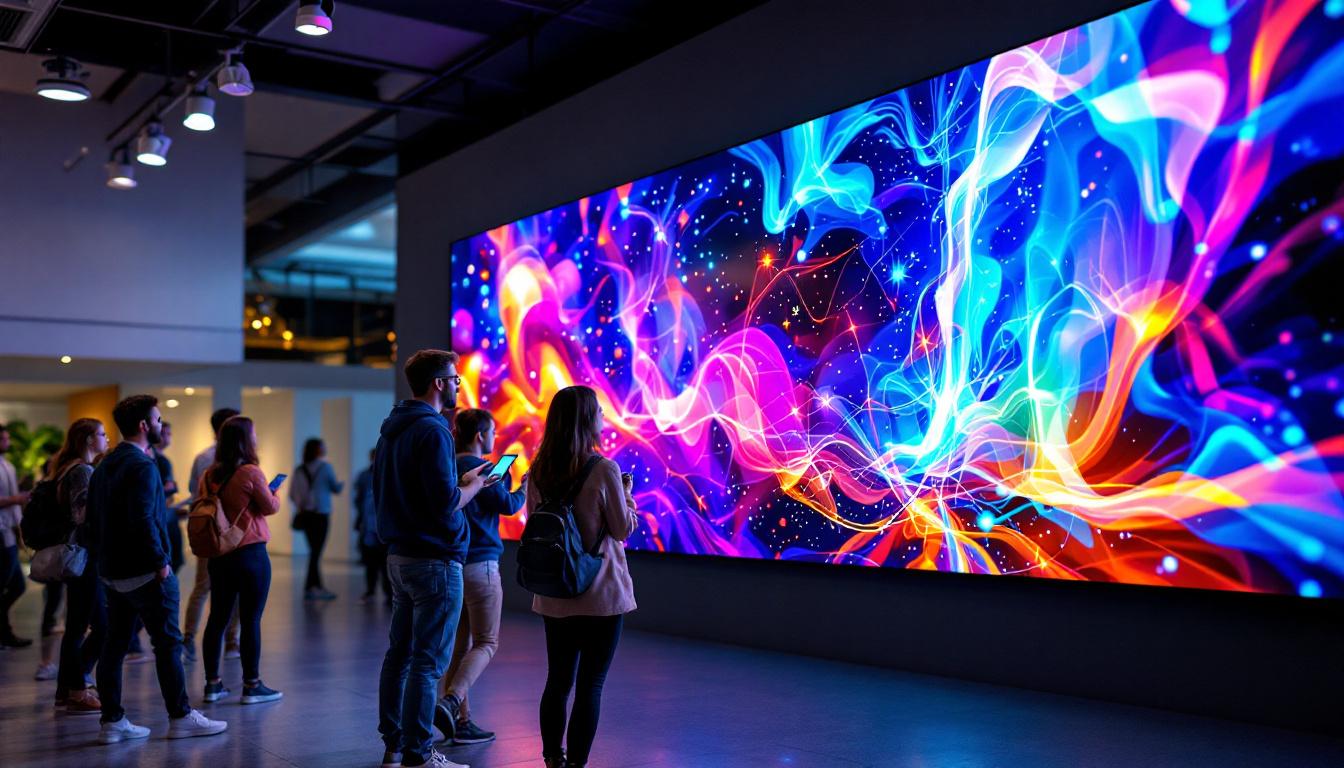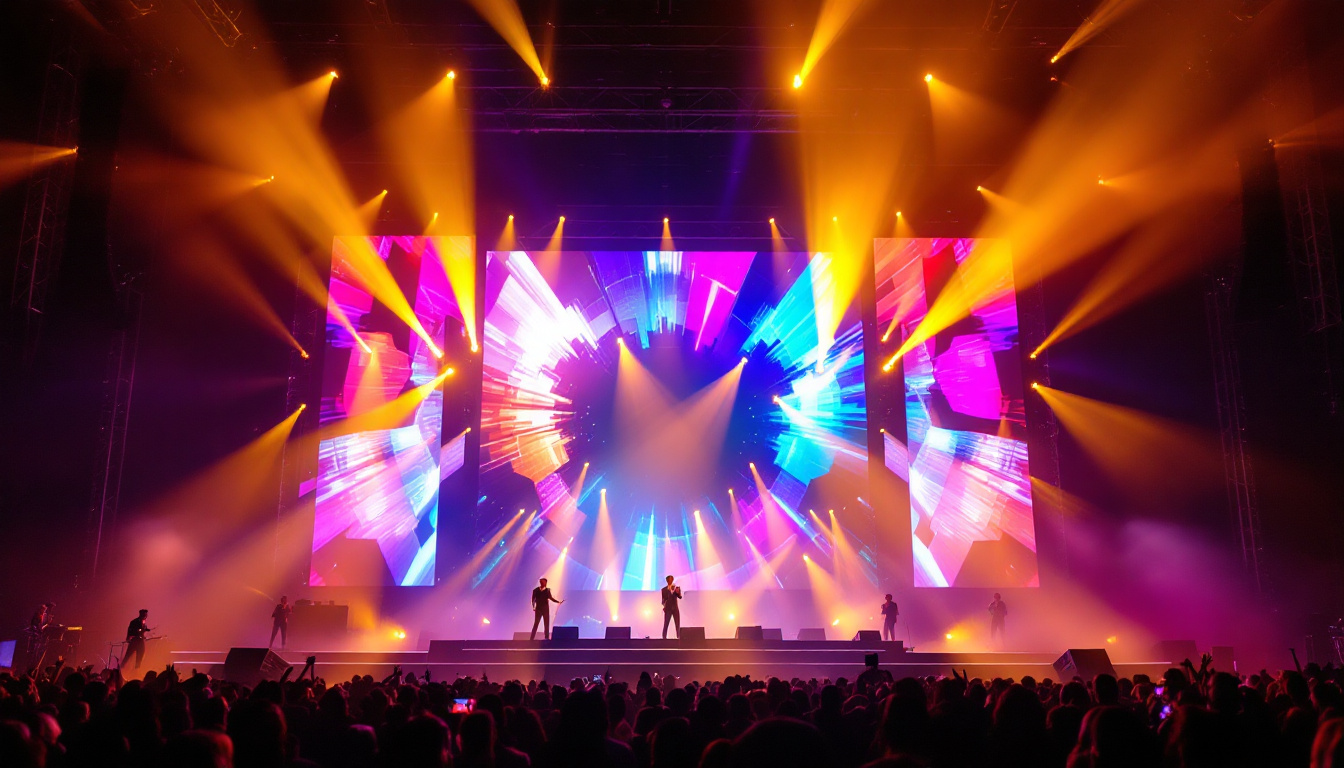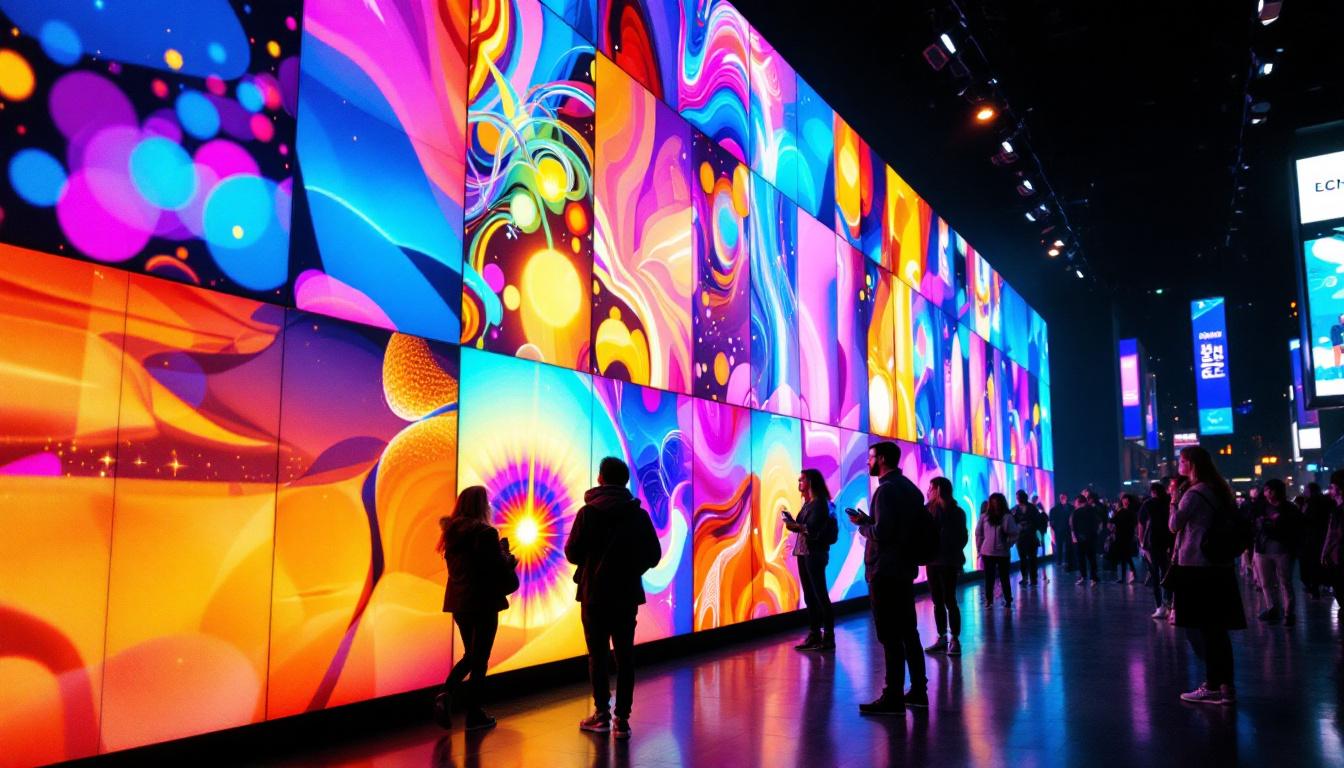
In today’s fast-paced digital world, LED displays have become a cornerstone of visual communication. From vibrant advertising billboards to immersive event backdrops and dynamic retail signage, LED technology is reshaping how brands engage audiences. This article dives deep into the world of LED displays, explaining what they are, how they work, and why they have become indispensable in various industries.
Understanding LED Display Technology
What is an LED Display?
LED stands for Light Emitting Diode, a semiconductor device that emits light when an electric current passes through it. An LED display is a flat panel that uses an array of these tiny diodes to produce images and videos. Unlike traditional LCD or plasma screens, LED displays generate their own light, resulting in brighter visuals and better contrast. This capability allows for vibrant colors and deeper blacks, making them ideal for environments with varying lighting conditions.
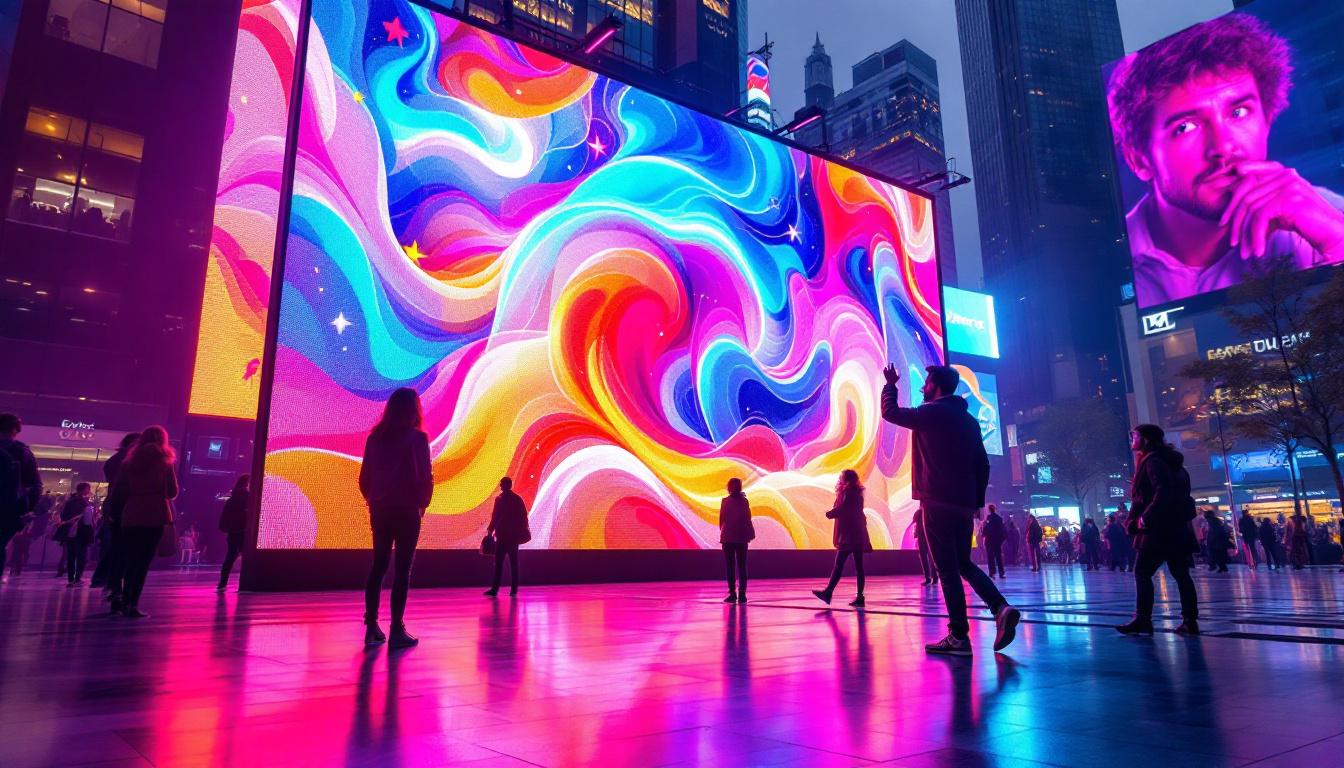
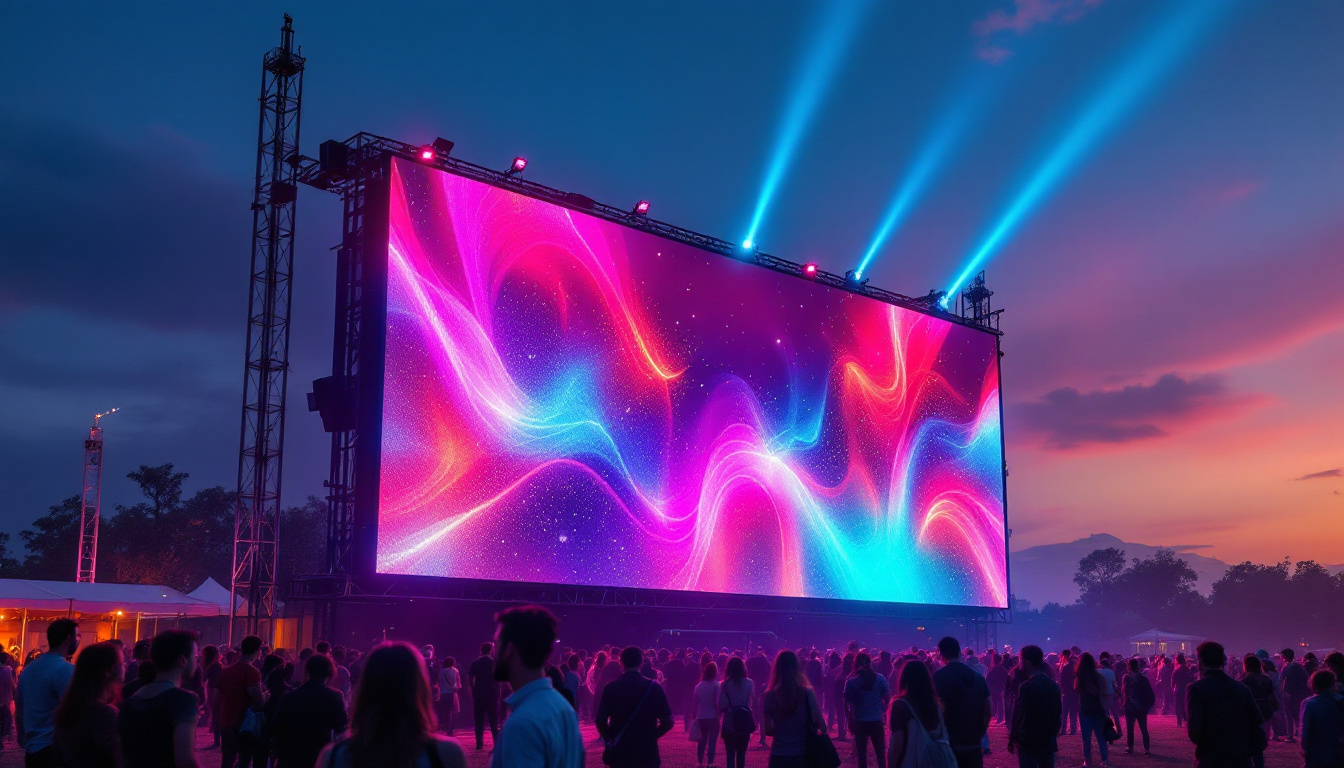
LED displays come in various forms, including indoor and outdoor screens, flexible panels, and transparent versions. They are widely used for digital signage, scoreboards, video walls, and even architectural lighting, thanks to their versatility and scalability. The outdoor variants are particularly designed to withstand harsh weather conditions, featuring protective coatings and enhanced brightness to ensure visibility even under direct sunlight. In contrast, indoor displays often focus on high resolution and color accuracy, catering to environments like retail spaces and conference rooms where detail is paramount.
How Do LED Displays Work?
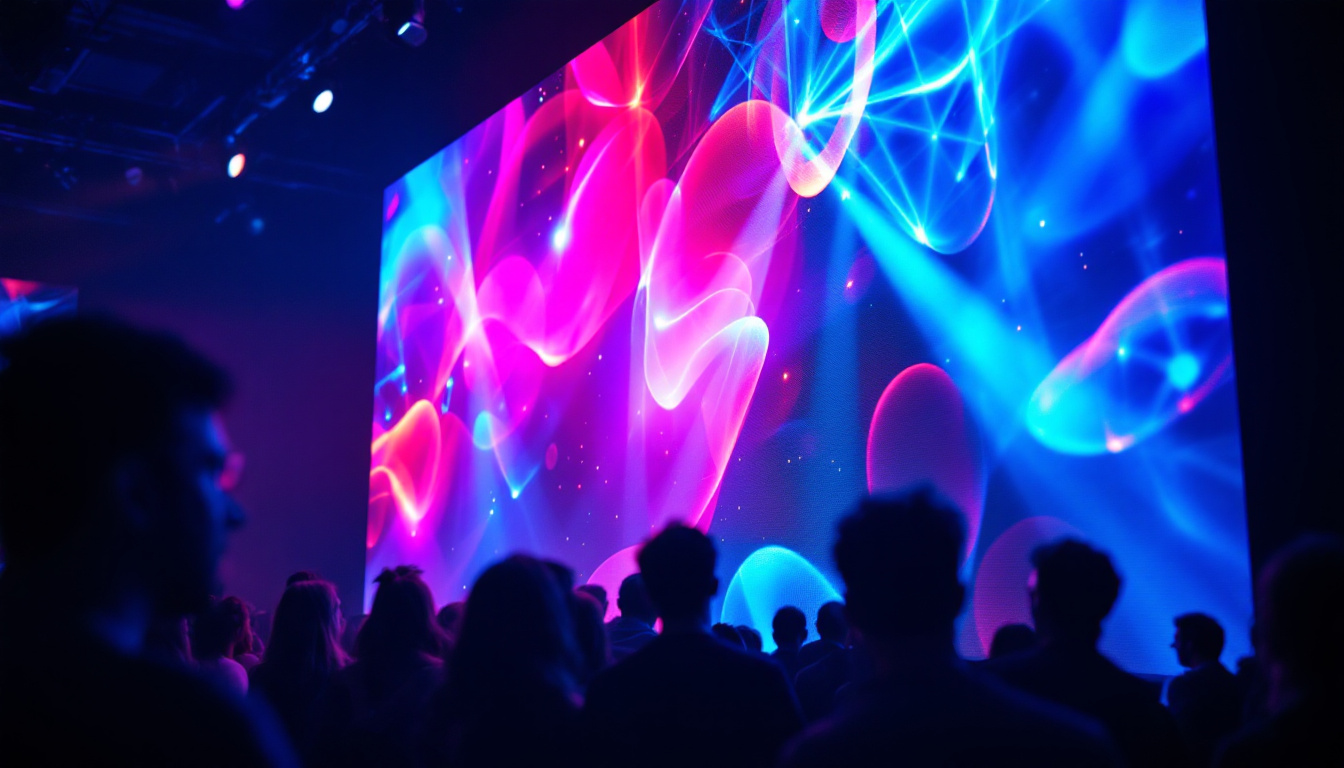
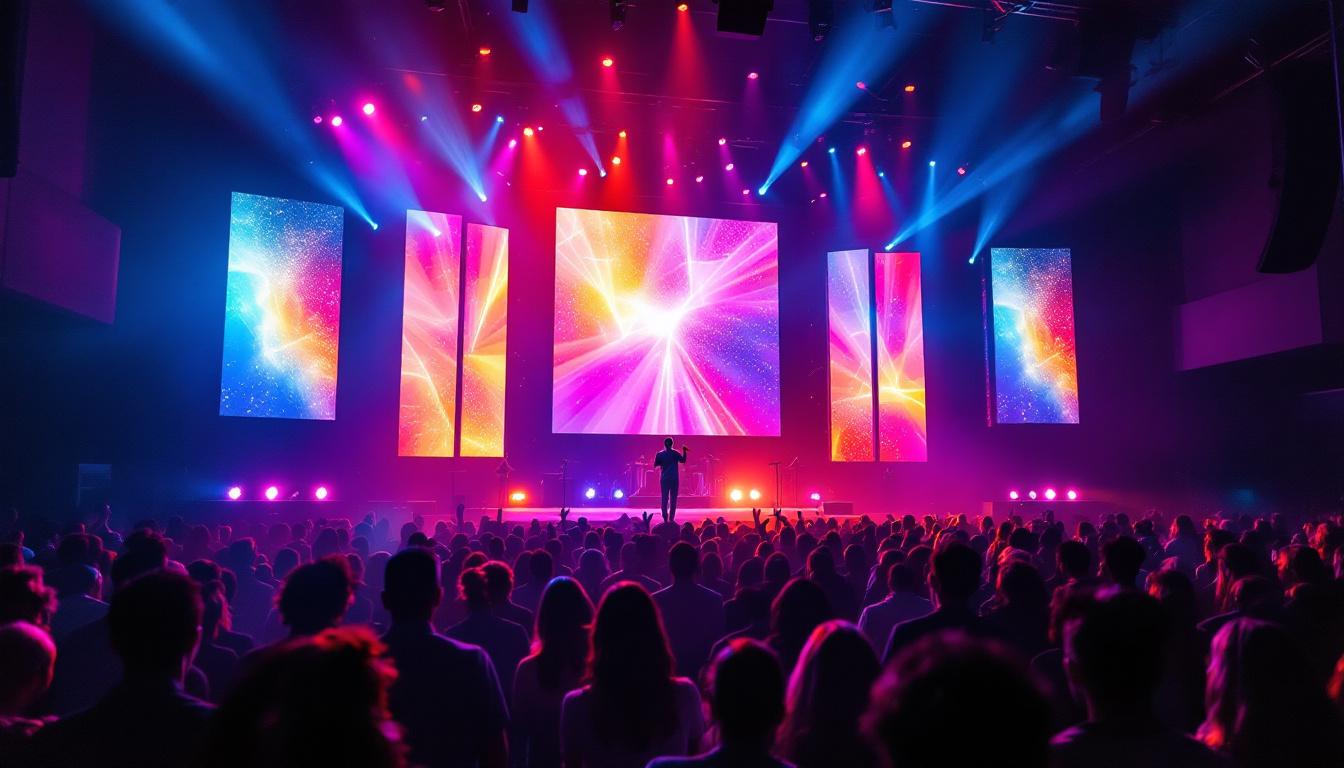
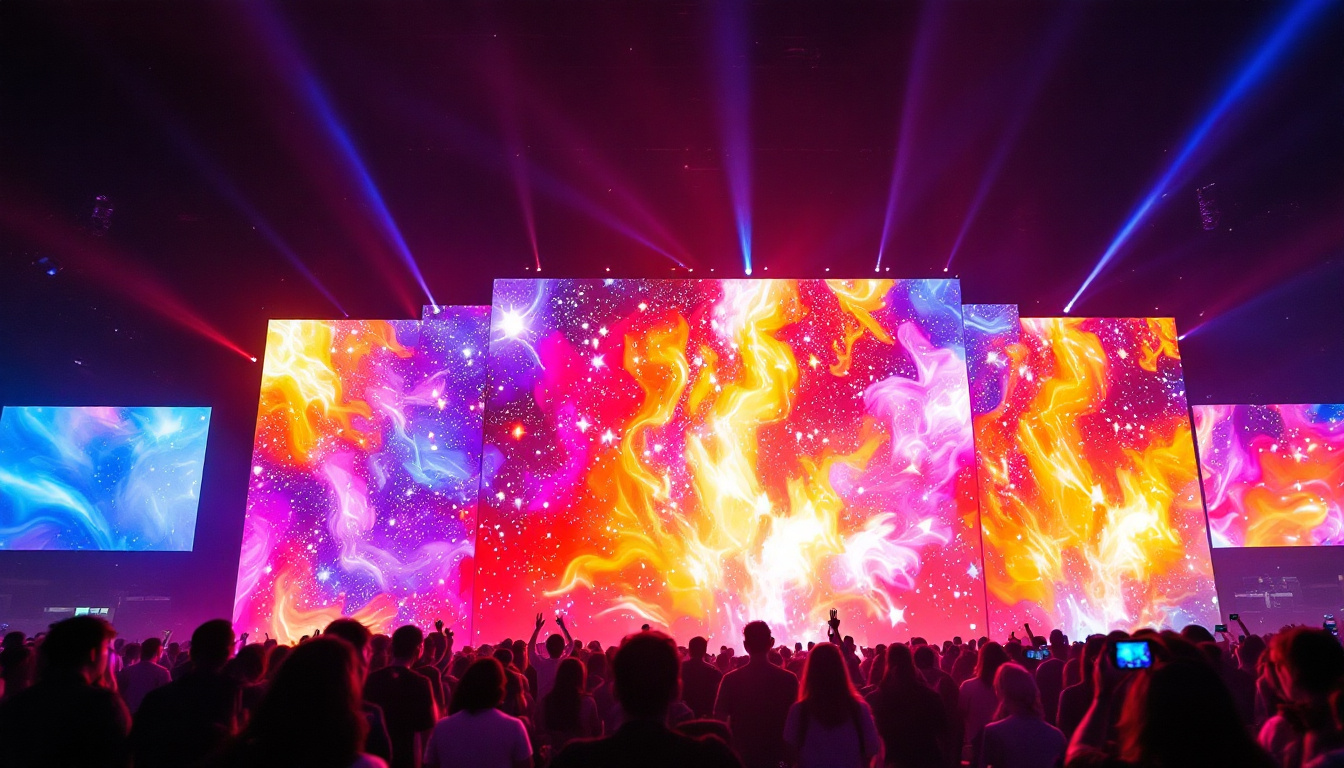
At the core of an LED display is a matrix of individual LEDs arranged in pixels. Each pixel typically consists of red, green, and blue LEDs, which combine to produce a full spectrum of colors through a process called additive color mixing. By controlling the brightness of each LED within a pixel, the display can render detailed images and videos. This pixel arrangement allows for high-definition visuals, making LED displays a popular choice for everything from concerts to sports events, where clarity and impact are essential.
The control system behind an LED display is equally important. It processes incoming video signals and translates them into commands that adjust the LEDs’ brightness and color in real-time. Modern LED displays often incorporate advanced controllers and software to ensure smooth image rendering and synchronization across large video walls. Additionally, many systems now feature connectivity options such as Wi-Fi and Bluetooth, enabling remote management and real-time updates. This connectivity allows for dynamic content changes, making it easy to adapt displays for different audiences or events, enhancing the overall viewer experience.
Types of LED Displays and Their Applications
Indoor vs. Outdoor LED Displays
One of the primary distinctions in LED displays is between indoor and outdoor models. Indoor LED displays are designed for controlled environments with lower brightness levels, typically ranging from 800 to 1,200 nits. Their pixel pitches—the distance between individual LEDs—are smaller, often between 1.2mm and 4mm, allowing for high-resolution images suitable for close viewing. These displays are commonly used in venues such as theaters, conference rooms, and retail spaces, where clarity and detail are paramount. The ability to display dynamic content in vibrant colors makes them an excellent choice for engaging audiences and enhancing the overall atmosphere of an event or location.
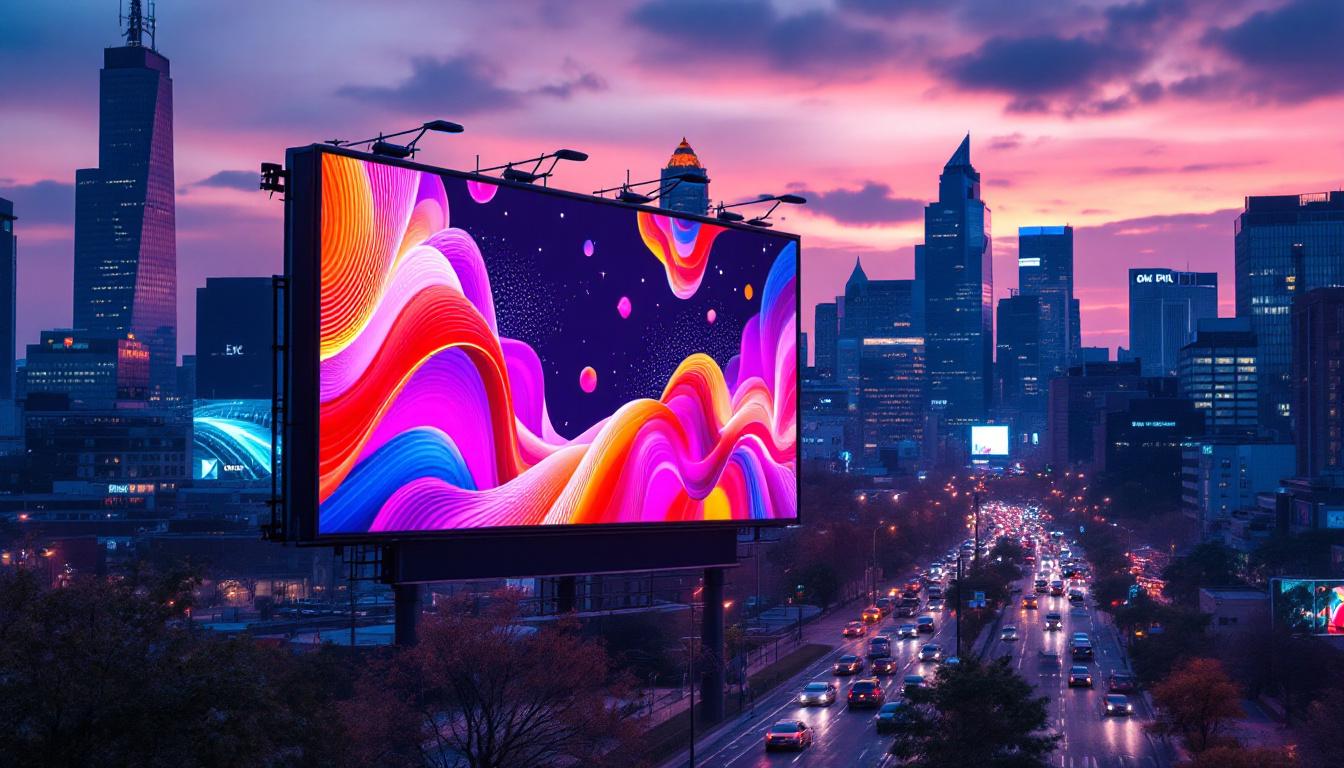
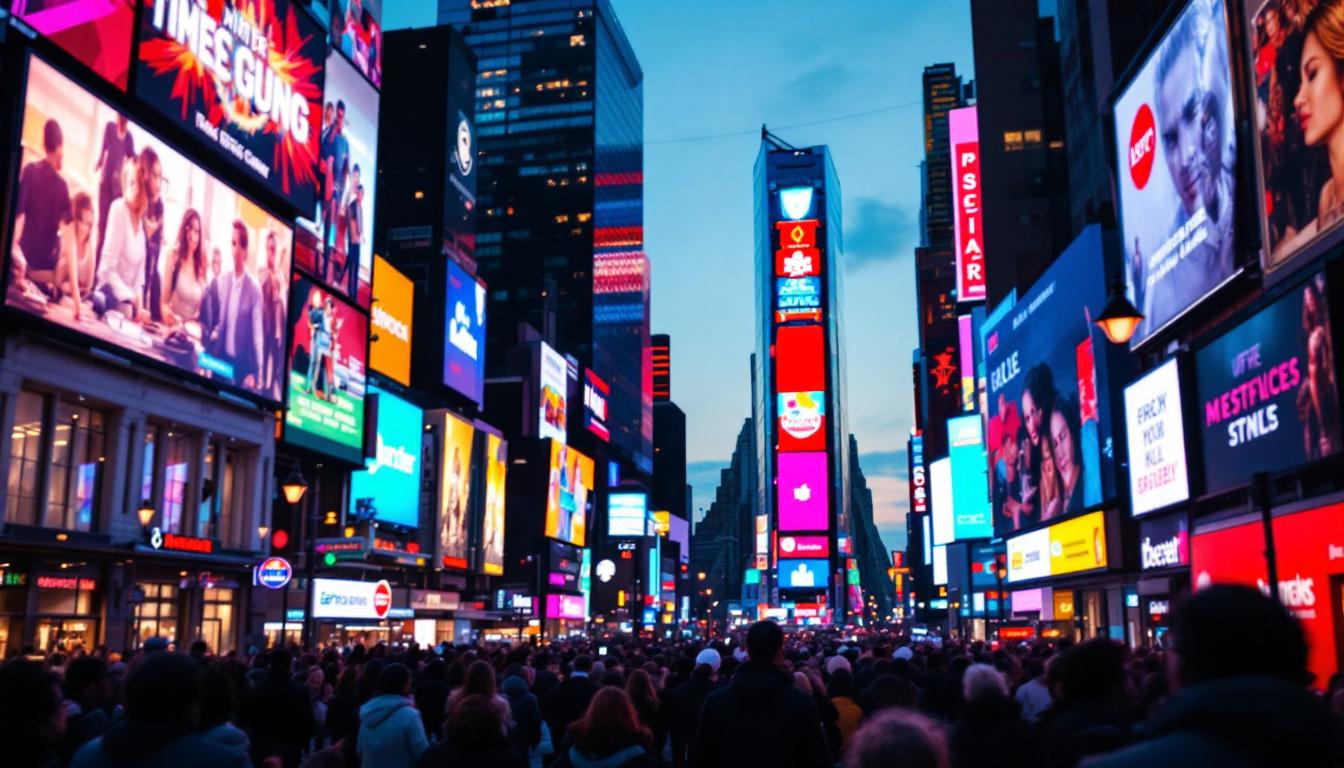
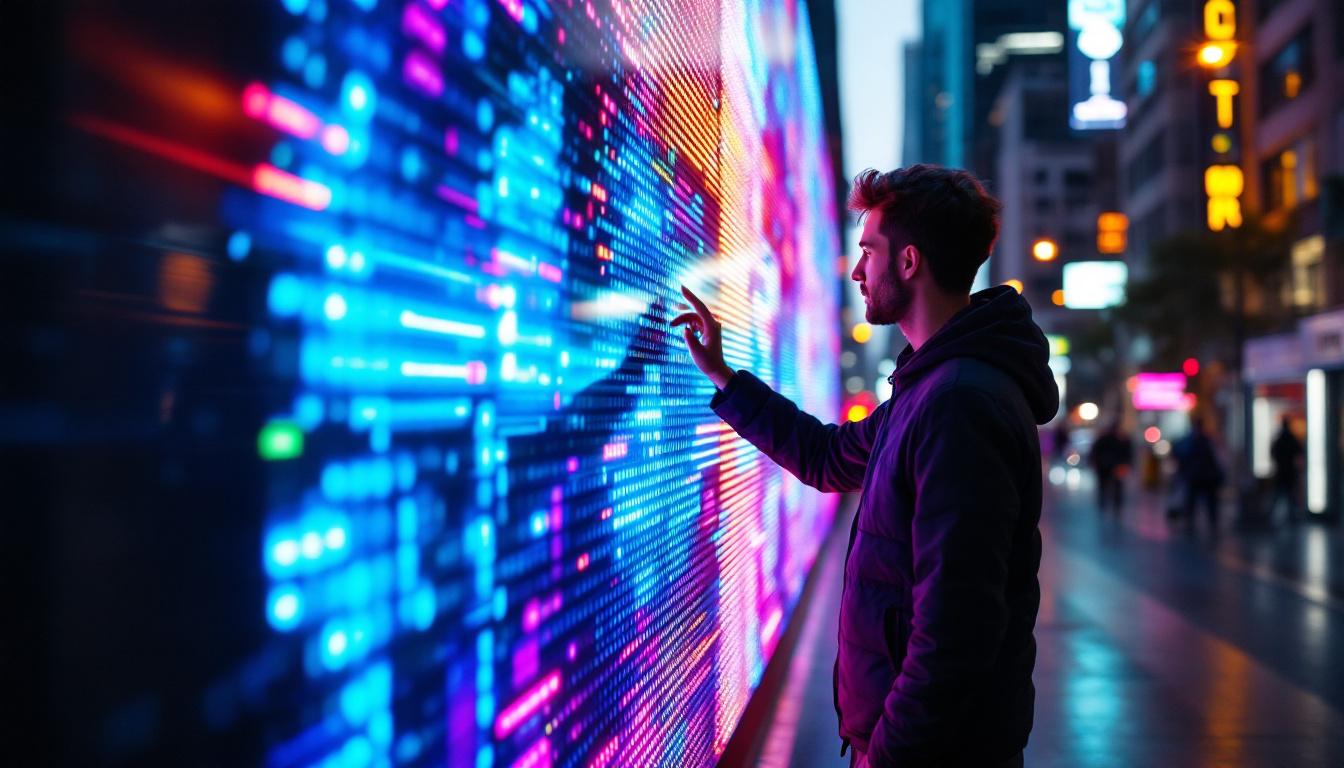
Outdoor LED displays, on the other hand, must contend with sunlight and weather conditions. They feature higher brightness levels, often exceeding 5,000 nits, to maintain visibility even in direct sunlight. Their pixel pitches are larger, usually between 4mm and 20mm, since viewers tend to observe these displays from a greater distance. Additionally, outdoor displays are built with weatherproof enclosures and UV-resistant materials to ensure durability. These displays are frequently utilized for advertising billboards, sports arenas, and public information systems, where they can capture the attention of passersby and convey messages effectively, even in adverse weather conditions.
Specialized LED Displays
Beyond the standard indoor and outdoor categories, there are specialized LED displays designed for unique applications. Transparent LED displays, for example, allow light to pass through the screen, making them ideal for retail storefronts where visibility both inside and outside is crucial. This innovative design enables brands to showcase products while maintaining an open and inviting atmosphere, effectively blending advertising with the physical space. Flexible LED panels can curve around surfaces, enabling creative architectural installations and immersive environments. These adaptable displays are particularly popular in modern art installations and exhibitions, where they can transform traditional spaces into dynamic visual experiences.
Another emerging category is micro-LED displays, which use microscopic LEDs to achieve even higher resolutions and energy efficiency. While still in early stages of commercial deployment, micro-LED technology promises to revolutionize displays in smartphones, TVs, and augmented reality devices. The modular nature of micro-LEDs allows for customizable screen sizes and shapes, paving the way for innovative applications in various industries. Furthermore, the superior color accuracy and contrast ratios of micro-LED displays make them an attractive option for high-end consumer electronics, where visual fidelity is crucial for user experience. As this technology matures, it is expected to redefine standards for display quality across multiple platforms, from personal devices to large-scale installations.
Key Features and Benefits of LED Displays
Brightness and Visibility
One of the standout advantages of LED displays is their exceptional brightness. Unlike LCDs that rely on backlighting, LEDs emit light directly, resulting in vivid images that remain visible under various lighting conditions. This makes LED displays particularly effective for outdoor advertising, where sunlight can wash out less bright screens.
According to recent industry reports, the global LED display market is expected to grow at a compound annual growth rate (CAGR) of over 12% through 2027, driven largely by demand for high-brightness outdoor screens in urban areas.
Energy Efficiency and Longevity
LED technology is inherently energy-efficient. LEDs consume significantly less power compared to traditional display technologies, reducing operating costs and environmental impact. Advances in LED chip design and driver electronics have further improved energy efficiency, enabling longer usage times without overheating.
Moreover, LED displays boast impressive lifespans, often exceeding 100,000 hours of operation. This durability translates into lower maintenance costs and less frequent replacements, making them a cost-effective choice for businesses and public installations.
Color Accuracy and Refresh Rates
Modern LED displays offer excellent color accuracy, capable of rendering millions of colors with high fidelity. This is critical for applications such as retail advertising and live event broadcasting, where visual impact directly influences audience engagement.
High refresh rates, often 3,000 Hz or more, ensure smooth motion without flicker, even when viewed through cameras or smartphones. This feature is essential for live events, sports venues, and digital billboards that display fast-moving content.
Installation and Maintenance Considerations
Modular Design for Scalability
Most LED displays employ a modular design, with panels or cabinets that can be easily assembled and configured to create screens of virtually any size. This modularity allows for scalable installations, from small retail signs to massive stadium video walls.
Modular systems also simplify maintenance. Faulty panels can be replaced individually without dismantling the entire display, minimizing downtime and repair costs.
Environmental and Safety Factors
When installing outdoor LED displays, it is crucial to consider environmental factors such as weatherproofing, wind load, and temperature extremes. High-quality displays are rated with IP (Ingress Protection) codes indicating their resistance to dust and water. For example, an IP65 rating ensures protection against dust ingress and water jets from any direction.
Safety is another key concern, especially for large installations in public spaces. Proper mounting hardware, electrical grounding, and compliance with local regulations are essential to prevent accidents and ensure reliable operation.
Routine Maintenance and Calibration
To maintain optimal performance, LED displays require routine maintenance, including cleaning, inspection, and calibration. Dust and dirt can accumulate on the surface, affecting brightness and image quality. Regular calibration ensures color consistency and uniform brightness across the entire screen, which is particularly important for video walls composed of multiple panels.
Many modern LED systems include remote monitoring capabilities, allowing operators to detect issues early and perform diagnostics without physical access to the display.
Future Trends in LED Display Technology
Integration with Smart Technologies
As the Internet of Things (IoT) continues to expand, LED displays are becoming smarter and more interactive. Integration with sensors, cameras, and AI-powered analytics enables dynamic content that adapts to audience demographics, weather conditions, or time of day. For example, digital billboards can automatically adjust brightness or change advertisements based on real-time data.
Advances in Resolution and Pixel Density
Ongoing innovations are pushing LED displays toward higher resolutions and finer pixel pitches. Ultra-fine pitch displays with pixel spacing below 1mm are now available, enabling use cases previously dominated by LCD or OLED screens. These ultra-high-definition LED displays are ideal for control rooms, broadcast studios, and luxury retail environments where detail and clarity are paramount.
Sustainability and Eco-Friendly Design
Environmental sustainability is a growing priority in display manufacturing. New LED materials and production methods aim to reduce hazardous substances and improve recyclability. Energy-efficient drivers and smart power management systems also contribute to lowering the carbon footprint of LED installations.
As regulations tighten and consumer awareness increases, eco-friendly LED displays will likely become a standard expectation in commercial and public sectors.
Conclusion: Why LED Displays Are a Smart Investment
LED displays have transformed the landscape of visual communication with their brightness, versatility, and durability. Whether for advertising, entertainment, or information dissemination, they offer unmatched impact and flexibility. Businesses and organizations investing in LED technology benefit from long-term cost savings, enhanced audience engagement, and future-proof solutions that can evolve with technological advancements.
Understanding the fundamentals of LED displays—from how they work to the different types and maintenance needs—empowers decision-makers to select the right solutions for their specific applications. As LED technology continues to advance, its role in shaping the digital experience will only grow stronger, making it an essential component of modern interactive environments.
Explore Cutting-Edge LED Solutions with LumenMatrix
Ready to elevate your visual communication strategy with the latest in LED technology? LumenMatrix is at the forefront of innovation, offering a diverse range of LED display solutions tailored to your unique needs. From Indoor and Outdoor LED Wall Displays to specialized options like Vehicle, Sports, and Floor LED Displays, our products are designed to captivate and engage your audience. Discover how our Custom, All-in-One, and Transparent LED Displays can transform your space and message. Check out LumenMatrix LED Display Solutions today and step into the future of digital signage.