In today’s world of digital screens, LED displays have become an integral part of our daily lives, from the television in the living room to the smartphone in our hands. Understanding how LED displays work, their advantages, and their applications can help consumers make informed decisions when choosing technology for their homes or businesses. This article delves into the fundamentals of LED displays, how they differ from other screen technologies, and why they have become the preferred choice for many.
What Is an LED Display?
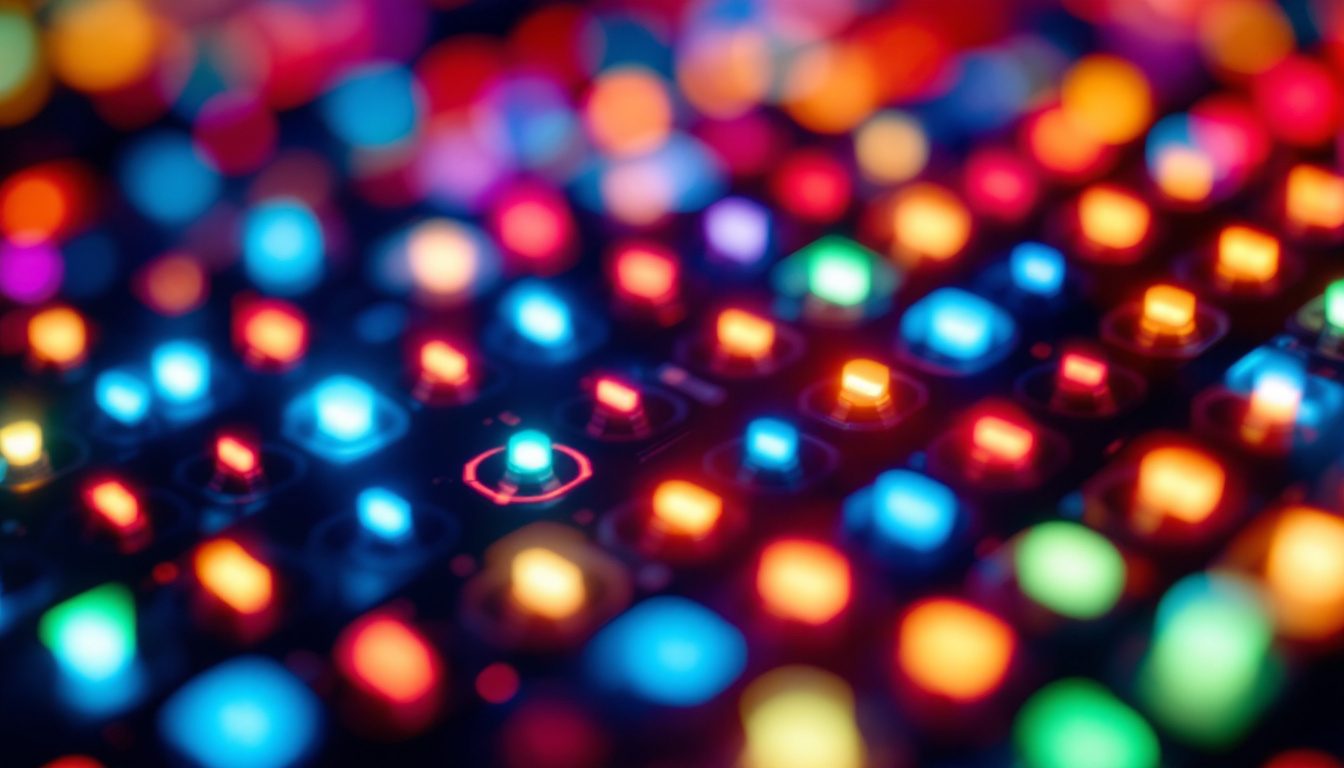
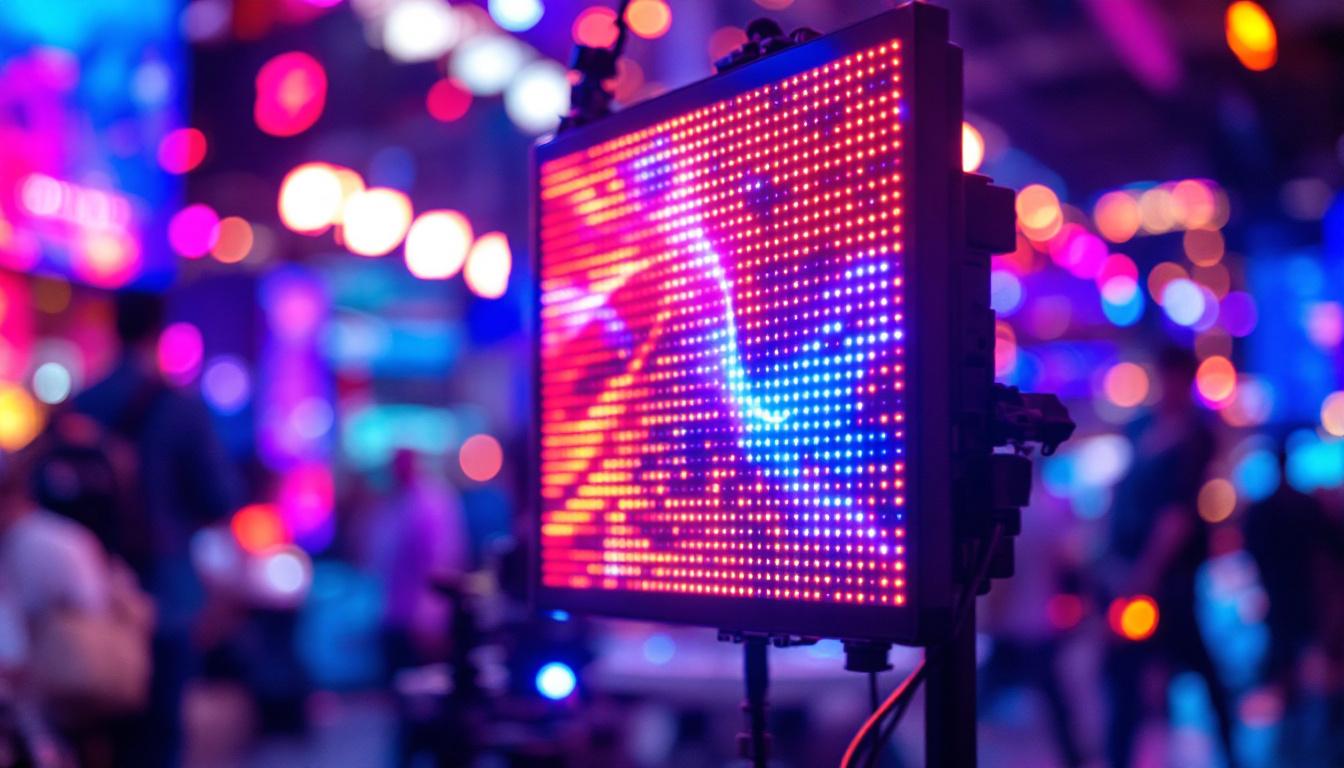
LED stands for Light Emitting Diode, a semiconductor device that emits light when an electric current passes through it. An LED display uses these tiny diodes to create images by controlling the light emitted across a grid of pixels. Each pixel is made up of one or more LEDs, which can emit red, green, and blue light. By varying the intensity of these colors, the display can produce a full spectrum of colors visible to the human eye.
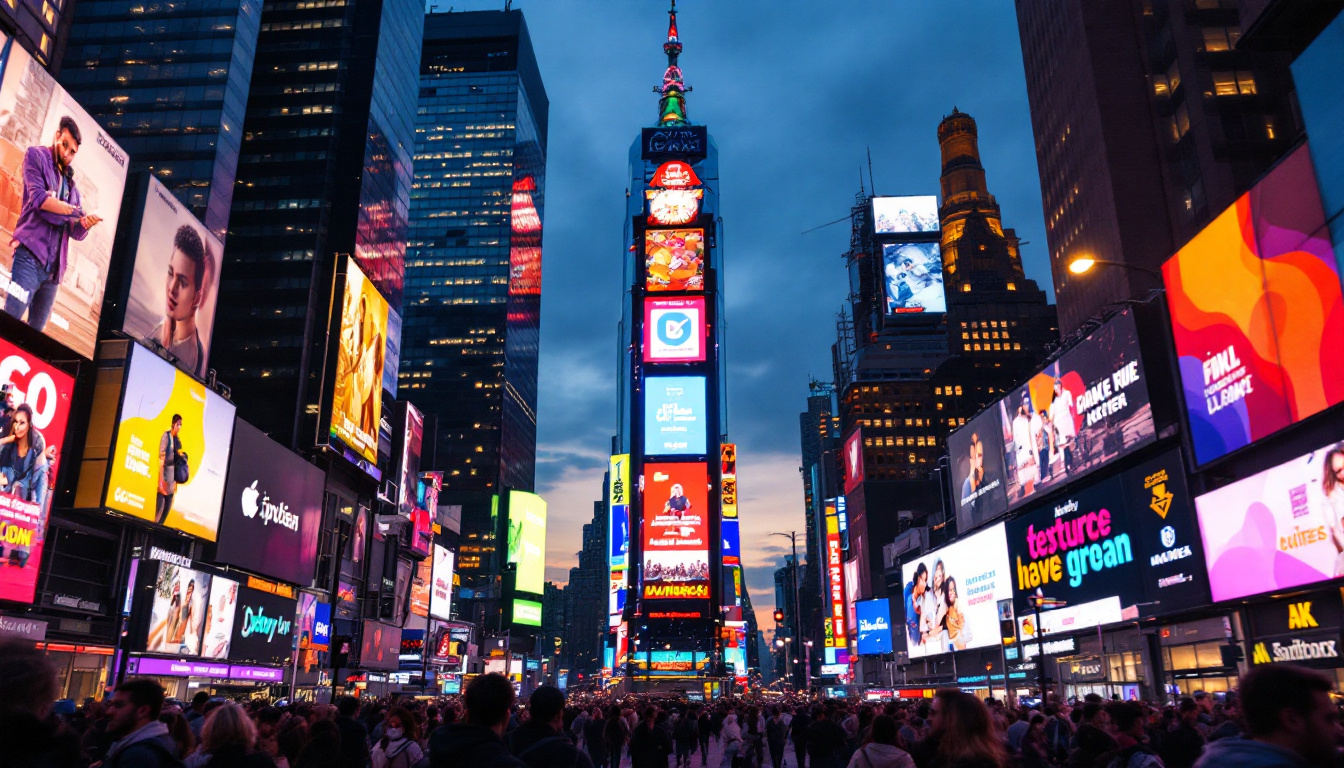
Unlike traditional LCD (Liquid Crystal Display) screens that rely on a backlight to illuminate pixels, LED displays use the diodes themselves as the light source. This fundamental difference leads to several advantages in terms of brightness, contrast, and energy efficiency. LED displays can achieve higher levels of brightness, making them suitable for outdoor use where sunlight can wash out other types of screens. Additionally, the contrast ratio is significantly improved, allowing for deeper blacks and more vibrant colors, which enhances the viewing experience in both well-lit and dark environments.
Types of LED Displays
There are two main categories of LED displays: Direct View LED (DV-LED) and LED-backlit LCDs.
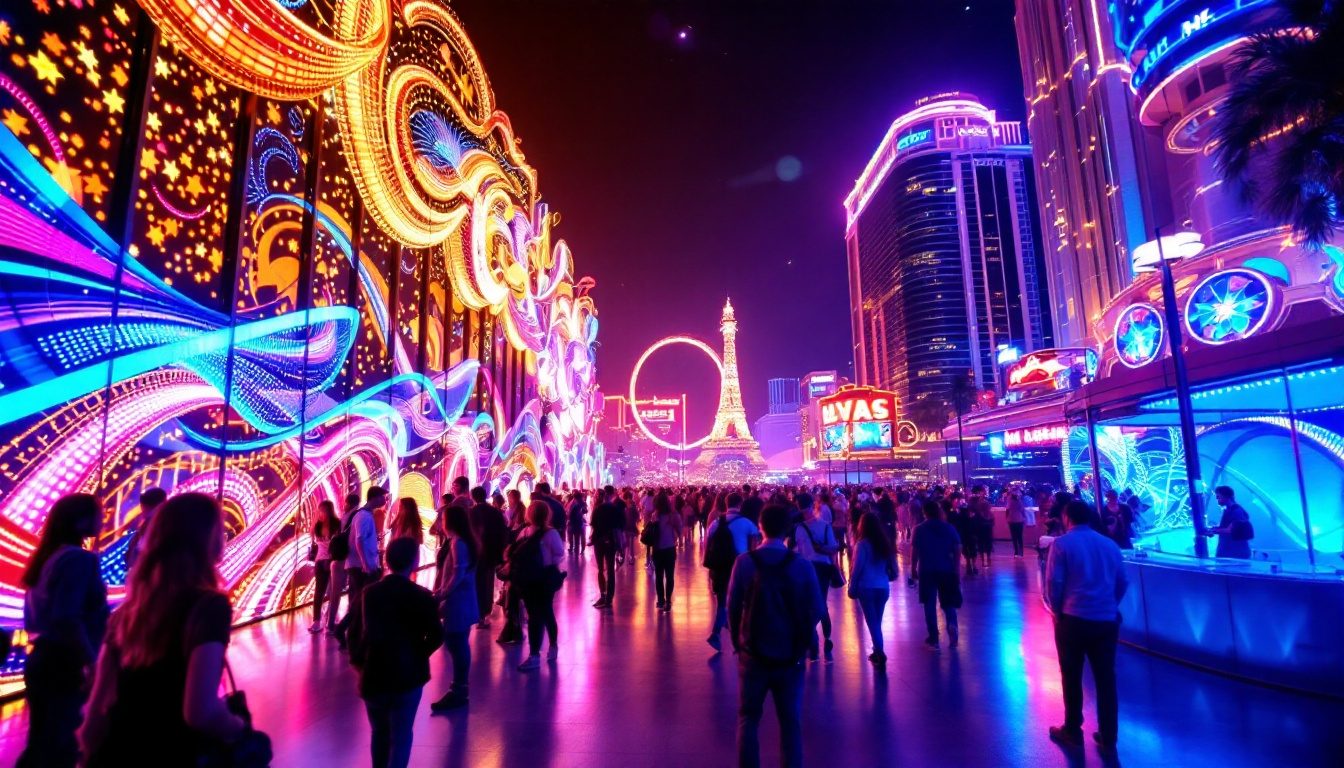
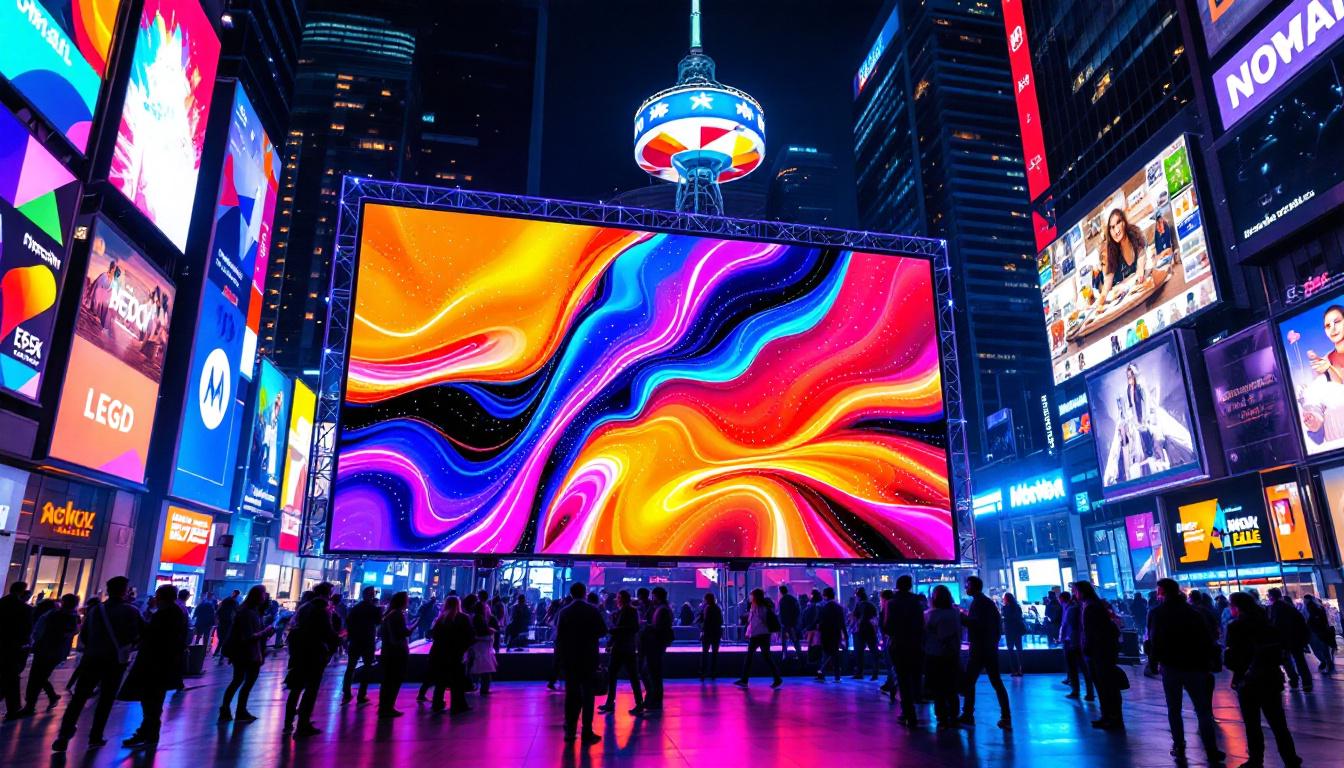
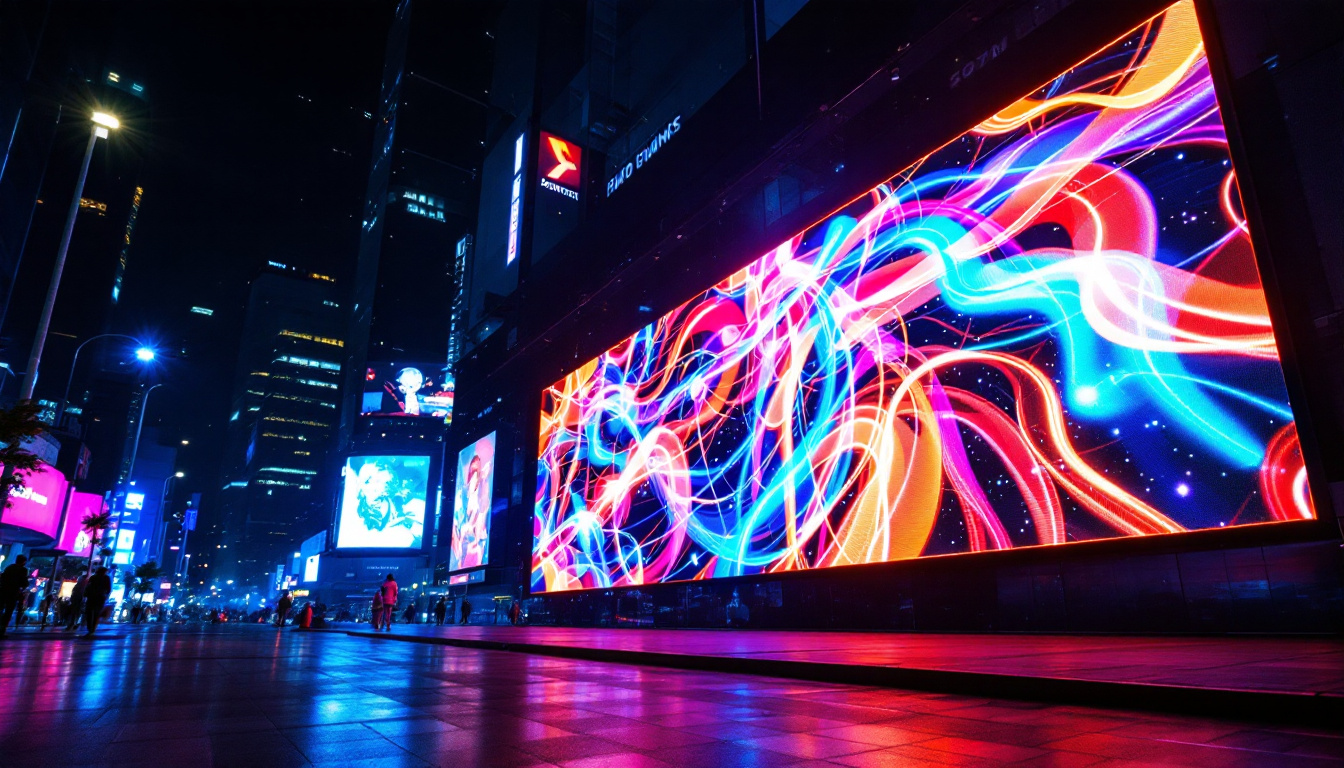
- Direct View LED Displays: These displays use LEDs as the actual pixels. They are commonly found in large outdoor screens, stadium displays, and increasingly in premium television sets. DV-LEDs offer superior brightness and contrast, making them ideal for environments with high ambient light. Furthermore, they can be configured in various shapes and sizes, allowing for creative installations such as curved screens or large video walls that can captivate audiences in ways that traditional displays cannot.
- LED-backlit LCD Displays: Most consumer televisions and monitors fall into this category. Here, the LCD panel controls the image, but the light source behind the panel is an array of LEDs instead of older fluorescent tubes. This method improves energy efficiency and allows for thinner screens while maintaining excellent image quality. The incorporation of local dimming technology in LED-backlit LCDs enhances the contrast even further by allowing specific areas of the screen to dim independently, resulting in a more dynamic range of light and shadow in the displayed images.
In addition to these primary types, LED technology has also paved the way for innovative applications such as transparent displays and flexible screens. Transparent LED displays, for instance, are becoming increasingly popular in retail environments, allowing for eye-catching advertisements without obstructing the view of products behind the screen. Flexible LED displays, on the other hand, open up new possibilities for design and functionality, enabling screens to be integrated into unconventional surfaces or curved structures, thereby expanding the horizons of digital signage and interactive installations.
How LED Displays Work: The Technology Behind the Screen
To appreciate the capabilities of LED displays, it’s important to understand the underlying technology. At the core, LEDs emit light when electrons recombine with holes within the semiconductor material, releasing energy in the form of photons. This process is highly efficient and can be precisely controlled to produce a wide range of colors.
Pixel Composition and Color Mixing
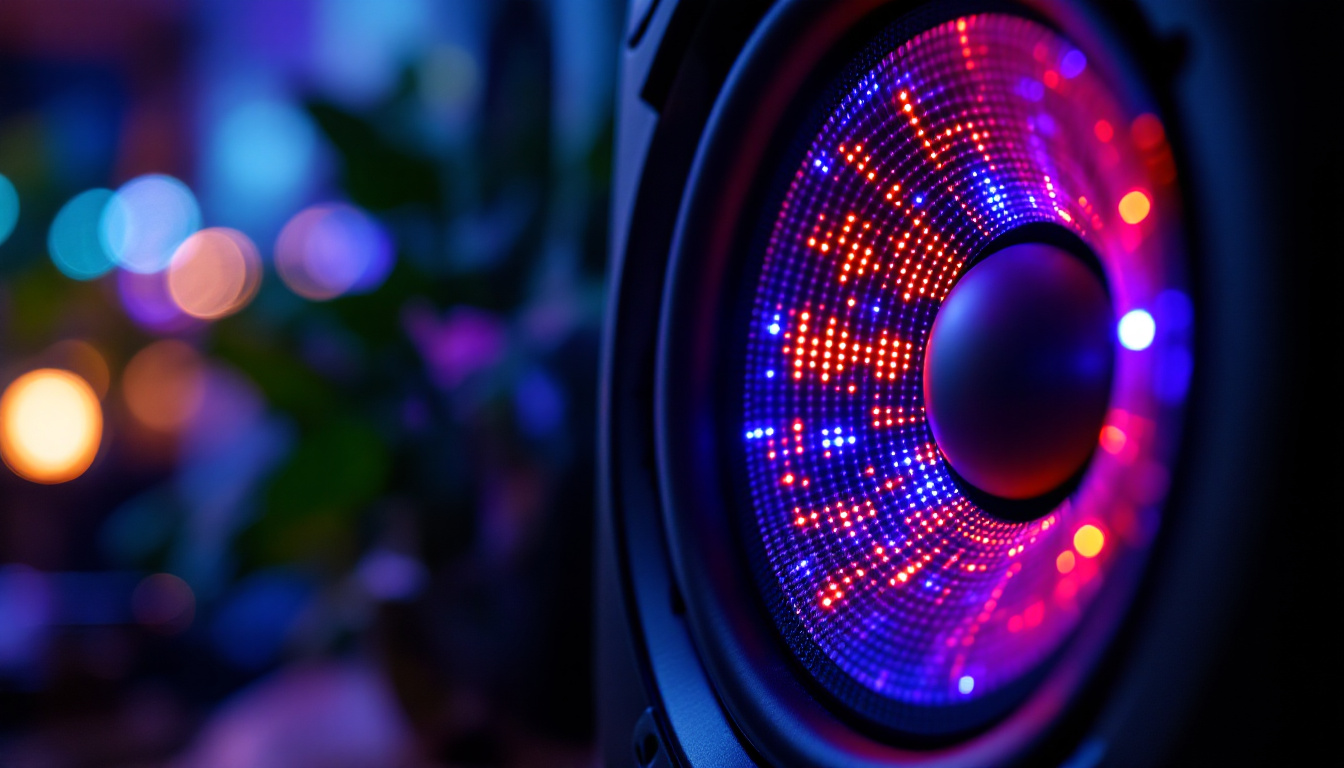
Each pixel in an LED display typically contains sub-pixels in red, green, and blue. By adjusting the brightness of each sub-pixel, the display can mix colors to produce the desired hue. This RGB color model is the foundation of color reproduction in most digital displays.
Advanced LED displays use techniques such as local dimming, where specific areas of the screen can be dimmed or brightened independently, enhancing contrast ratios and producing deeper blacks. This feature is especially prominent in high-end TVs and professional monitors.
Resolution and Pixel Density
The clarity of an LED display depends on its resolution, which refers to the number of pixels arranged horizontally and vertically. Higher resolutions, such as 4K (3840 x 2160 pixels) or 8K (7680 x 4320 pixels), offer more detail and sharper images, particularly on larger screens.
Pixel density, measured in pixels per inch (PPI), is another critical factor. A higher PPI means pixels are packed more tightly, resulting in smoother images and text. This is especially important for devices like smartphones and tablets, where screens are viewed at close distances.
Advantages of LED Displays Over Other Technologies
LED displays have several benefits that have contributed to their widespread adoption across various industries. Comparing LED technology to alternatives like traditional LCDs with fluorescent backlighting, OLEDs, and plasma displays highlights why LEDs are often the preferred choice.
Brightness and Energy Efficiency
LED displays can achieve higher brightness levels than many other technologies, making them suitable for use in brightly lit environments, such as outdoor advertising or rooms with ample natural light. Moreover, LEDs consume less power than fluorescent backlights or plasma displays, which translates into lower energy bills and a reduced environmental footprint.
Longevity and Durability
LEDs have a longer lifespan compared to other light sources used in displays. Typical LED backlights can last upwards of 50,000 hours, significantly outlasting fluorescent tubes. Additionally, LEDs are more resistant to shock and vibration, making them ideal for portable devices and public installations.
Color Accuracy and Contrast
Thanks to their ability to be individually controlled and the use of local dimming, LED displays can produce deeper blacks and more vibrant colors than traditional LCDs. While OLED displays excel in these areas, LEDs offer a balance of performance and cost that makes them attractive for a wide range of applications.
Applications of LED Displays in the Home
LED technology has revolutionized home entertainment and smart living environments. From televisions to lighting solutions, LED displays play a vital role in enhancing user experience and functionality.
LED Televisions and Monitors
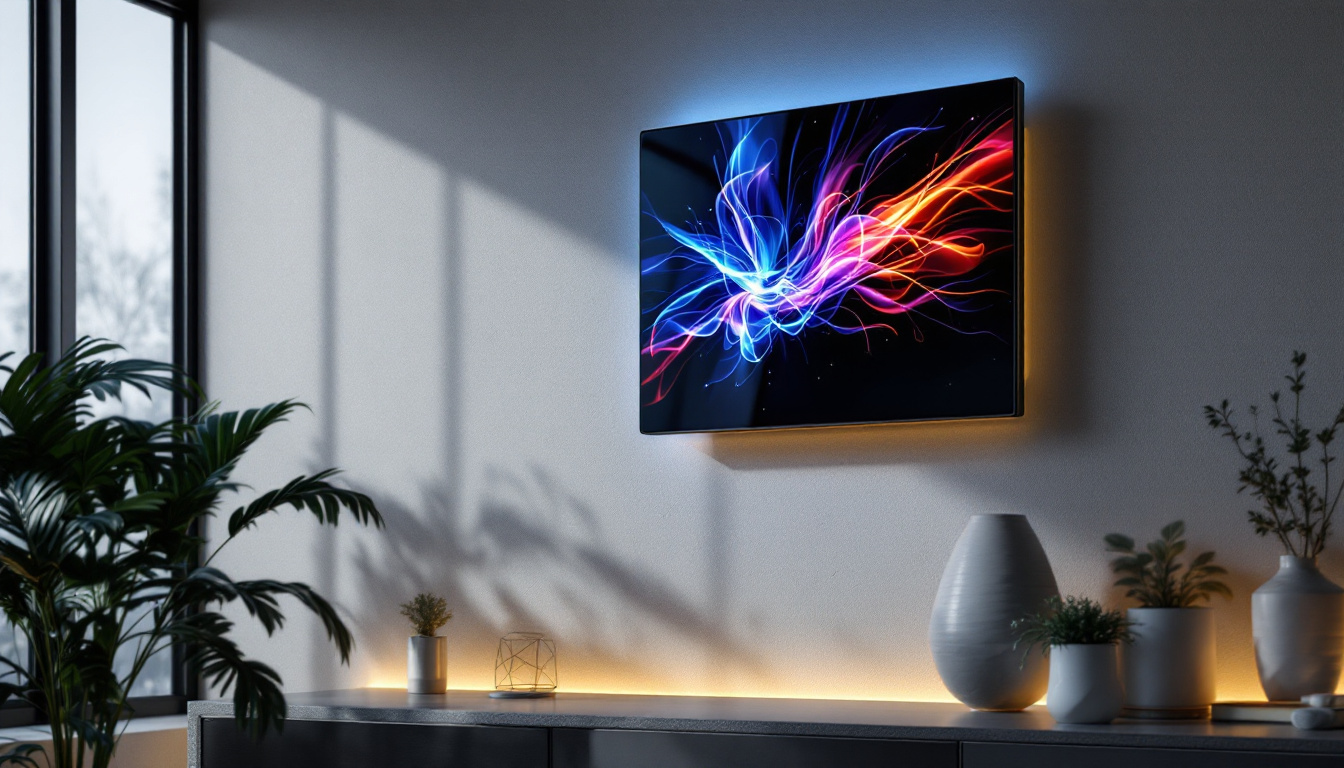
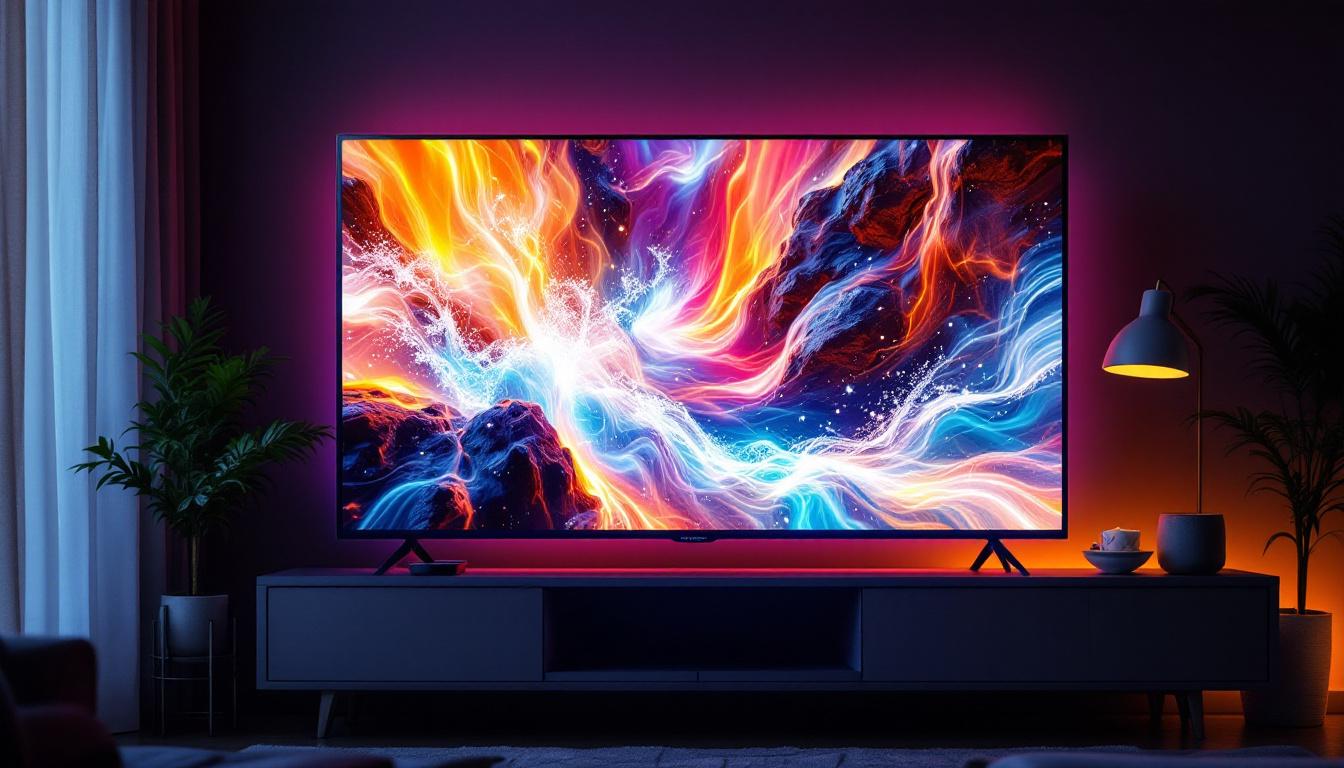
Modern LED TVs dominate the market due to their slim profiles, excellent picture quality, and energy efficiency. With features like 4K resolution, HDR (High Dynamic Range), and smart connectivity, LED TVs provide immersive viewing experiences for movies, gaming, and streaming content.
Computer monitors with LED backlighting offer sharper images and faster refresh rates, which are critical for professional work and gaming. The ability to produce accurate colors makes LED monitors popular among graphic designers and video editors.
Smart Lighting and Displays
Beyond screens, LED technology is integral to smart home lighting systems. LED bulbs can be controlled remotely, adjusted for color temperature and brightness, and programmed for energy savings. Some smart displays incorporate LED panels for visual notifications, home automation controls, and interactive interfaces.
Future Trends in LED Display Technology
The LED display industry continues to evolve rapidly, driven by consumer demand for better image quality, thinner devices, and energy efficiency. Several emerging trends promise to shape the future of LED displays.
MicroLED and MiniLED Innovations
MicroLED technology involves using microscopic LEDs as individual pixels, combining the best features of OLED and traditional LED displays. MicroLEDs offer exceptional brightness, color accuracy, and durability without the burn-in issues associated with OLEDs. Although still in the early stages of commercialization, MicroLEDs are expected to revolutionize premium displays in the coming years.
MiniLEDs, which are smaller than conventional LEDs but larger than MicroLEDs, are already making their way into high-end TVs and monitors. They enable more precise local dimming zones, improving contrast and HDR performance.
Flexible and Transparent LED Displays
Advancements in materials and manufacturing are enabling flexible LED displays that can bend or fold without losing image quality. These innovations open up new possibilities for wearable devices, foldable smartphones, and creative architectural installations.
Transparent LED displays allow images to be projected onto glass surfaces, making them ideal for retail windows, augmented reality applications, and futuristic home decor.
Choosing the Right LED Display for Your Home
With so many options available, selecting the best LED display for your home can be challenging. Consider the following factors to make an informed choice:
Screen Size and Resolution
Choose a screen size that fits your viewing space comfortably. For living rooms, 55 to 75 inches is typical, while smaller bedrooms or offices may benefit from 32 to 43 inches. Opt for at least 4K resolution for a crisp, detailed image, especially on larger screens.
Brightness and Contrast Needs
If your room has a lot of natural light, prioritize displays with higher brightness levels and good anti-reflective coatings. Look for models with local dimming to enhance contrast and black levels.
Smart Features and Connectivity
Modern LED TVs often come with integrated streaming apps, voice control, and compatibility with smart home ecosystems. Ensure the display supports the apps and devices you use most frequently.
Budget and Brand Reputation
While premium LED displays offer cutting-edge features, there are excellent mid-range options that balance performance and price. Research brand reliability, warranty terms, and customer reviews before making a purchase.
Conclusion
LED displays have transformed the way people experience visual content at home, offering superior brightness, energy efficiency, and image quality compared to older technologies. Understanding the distinctions between different types of LED displays, their technological underpinnings, and their applications can empower consumers to select the right products for their needs.
As innovations like MicroLED and flexible displays become more mainstream, the future of LED technology promises even more immersive and versatile viewing experiences. Whether upgrading a home entertainment system or integrating smart lighting solutions, LED displays remain at the forefront of modern digital technology.
Discover the Future of Visual Experience with LumenMatrix
Ready to elevate your home entertainment or business with cutting-edge LED display technology? LumenMatrix offers a diverse range of innovative LED display solutions tailored to your unique needs. From immersive Indoor LED Wall Displays to dynamic Outdoor LED Wall Displays, and from versatile Vehicle LED Displays to sleek LED Poster Displays, our products are designed to captivate and engage. Explore our offerings, including LED Sports Displays, Floor LED Displays, Custom LED Displays, All-in-One LED Displays, and LED Transparent Displays, and join the revolution in visual communication. Check out LumenMatrix LED Display Solutions today and transform your space with unparalleled brightness, energy efficiency, and image quality.