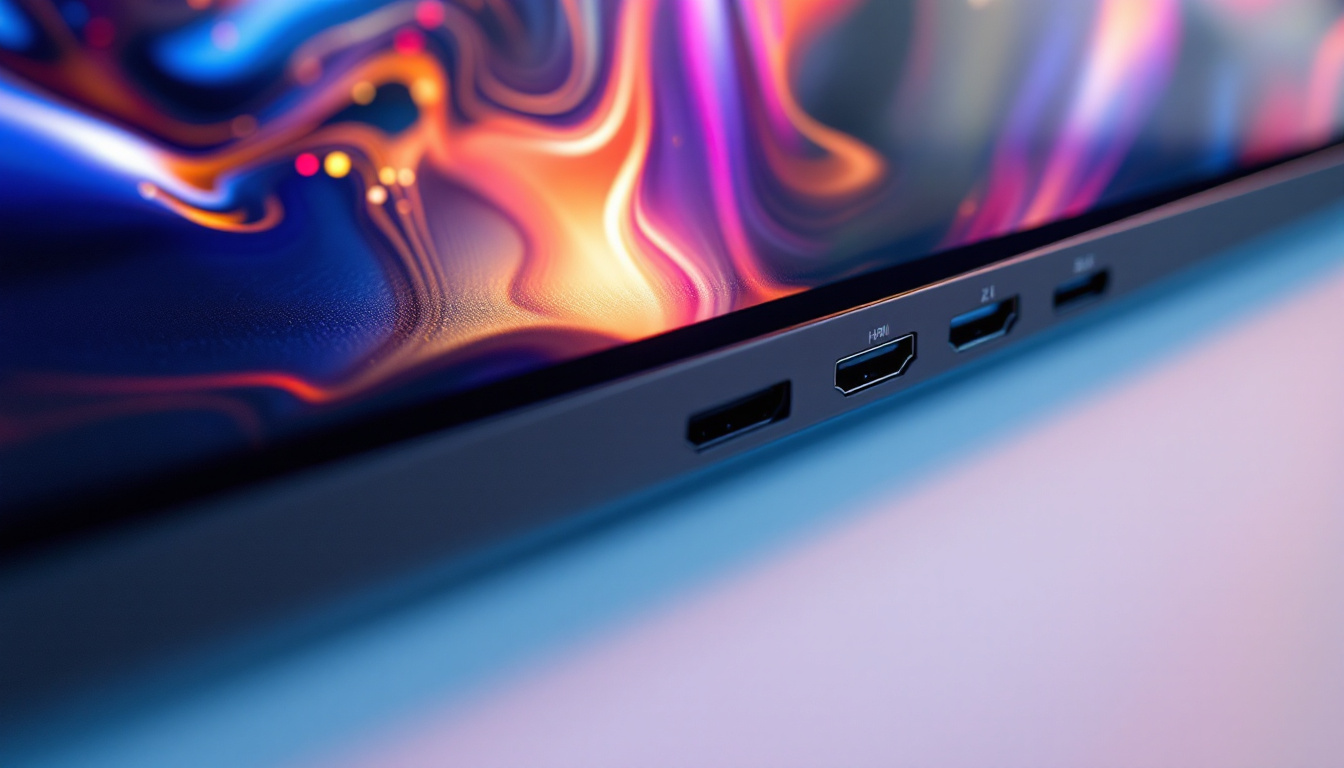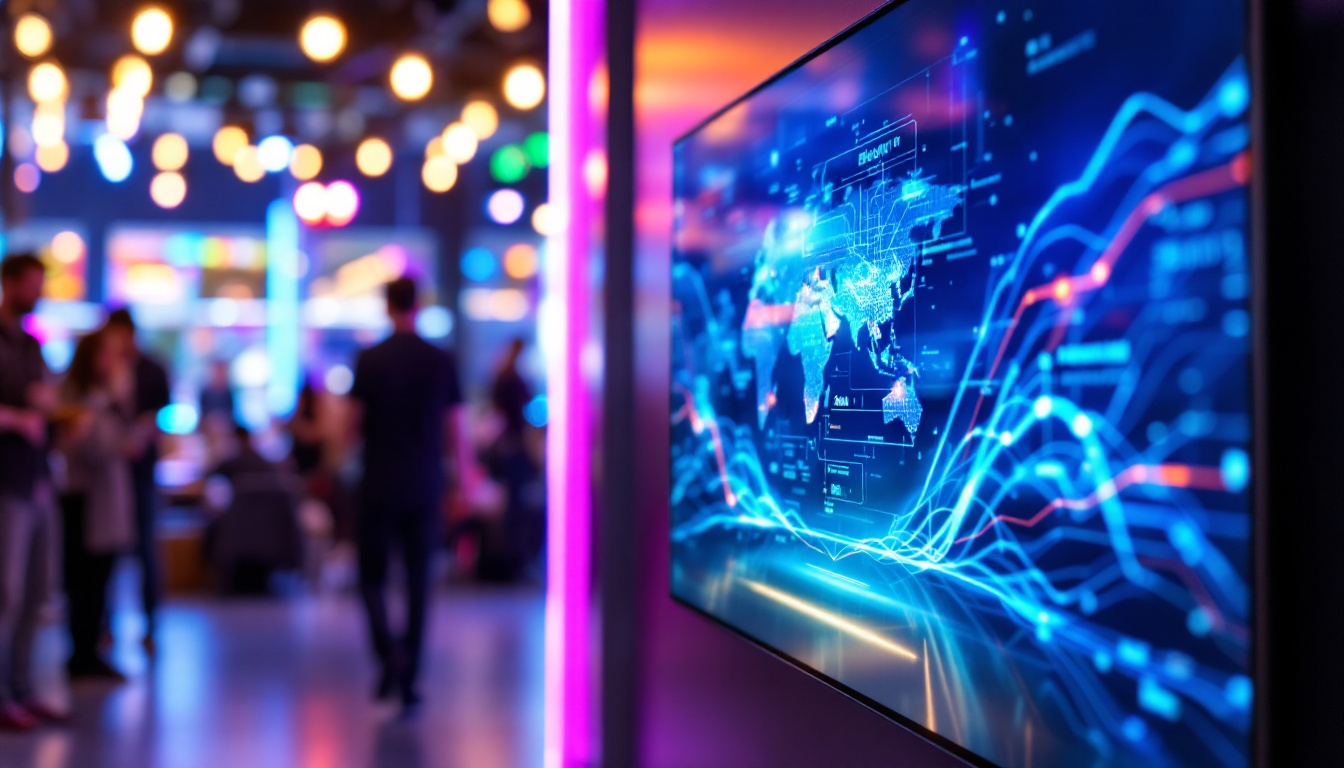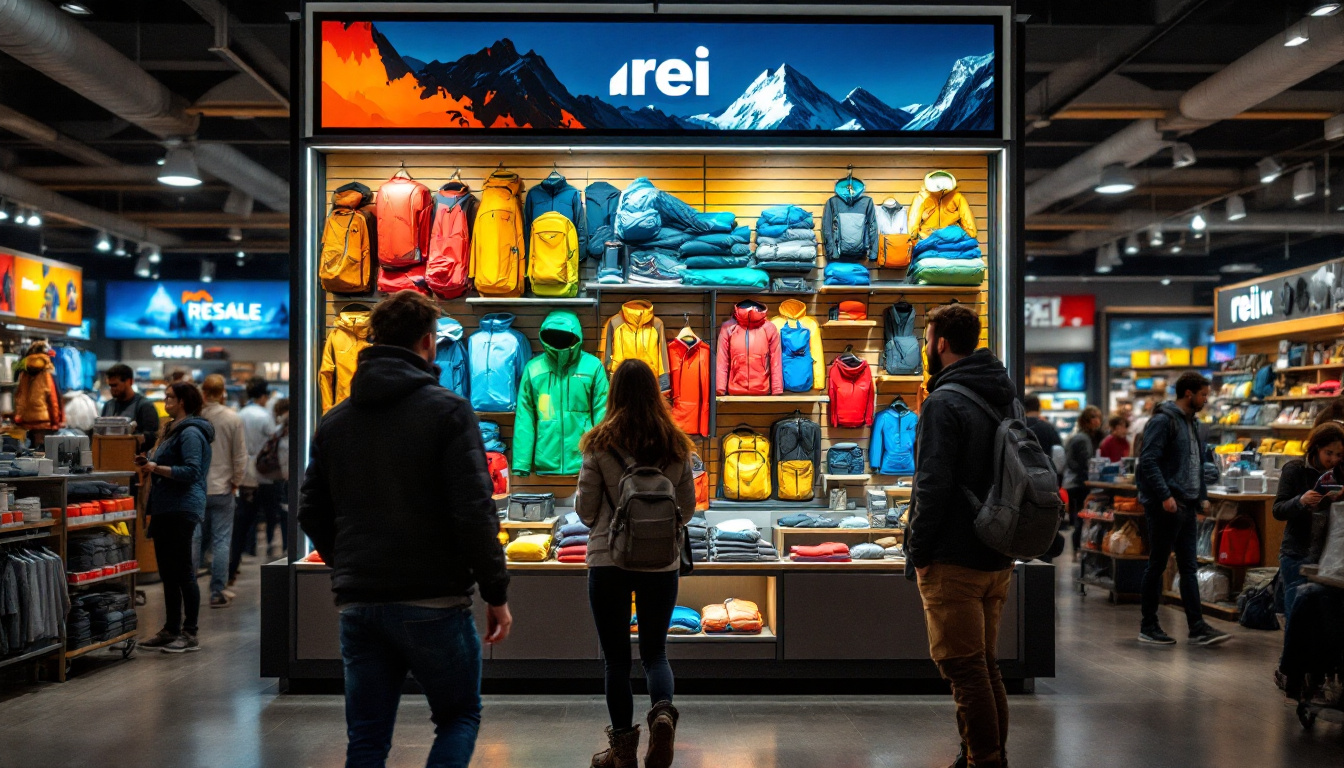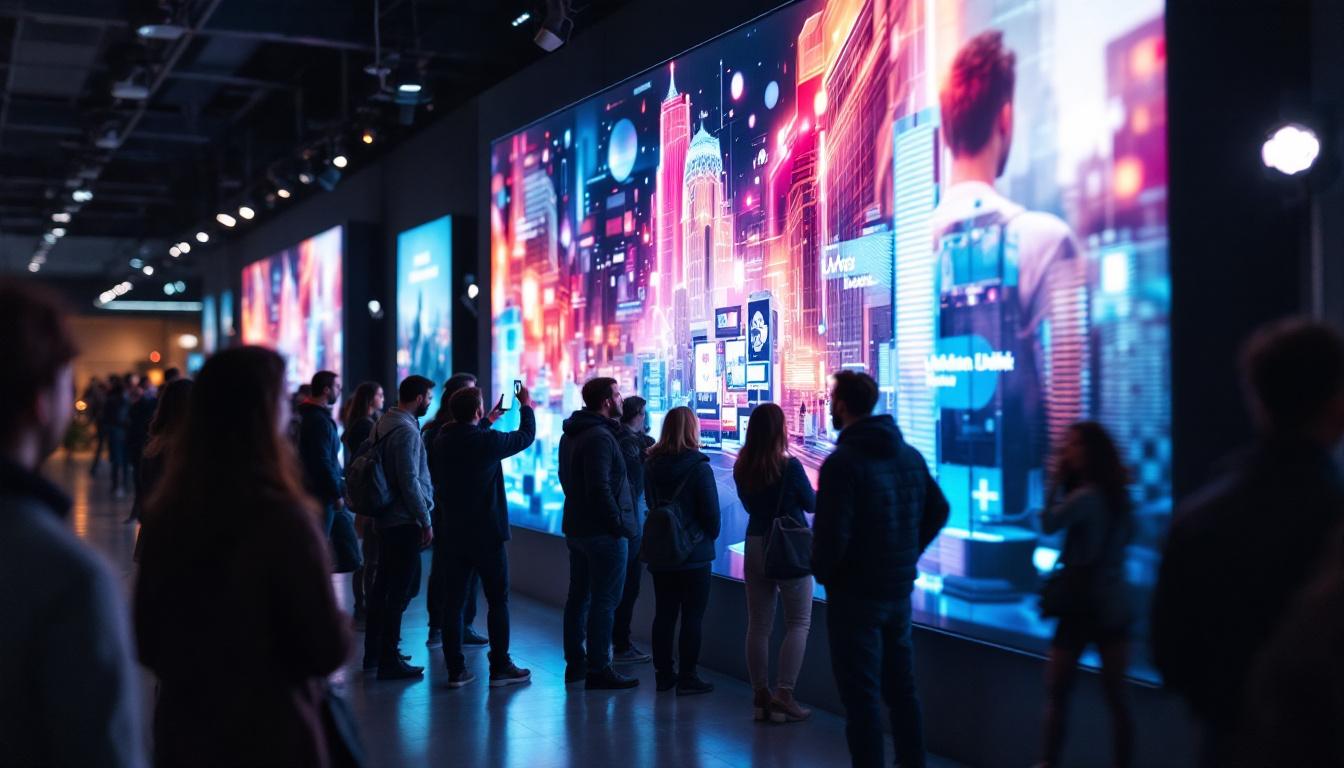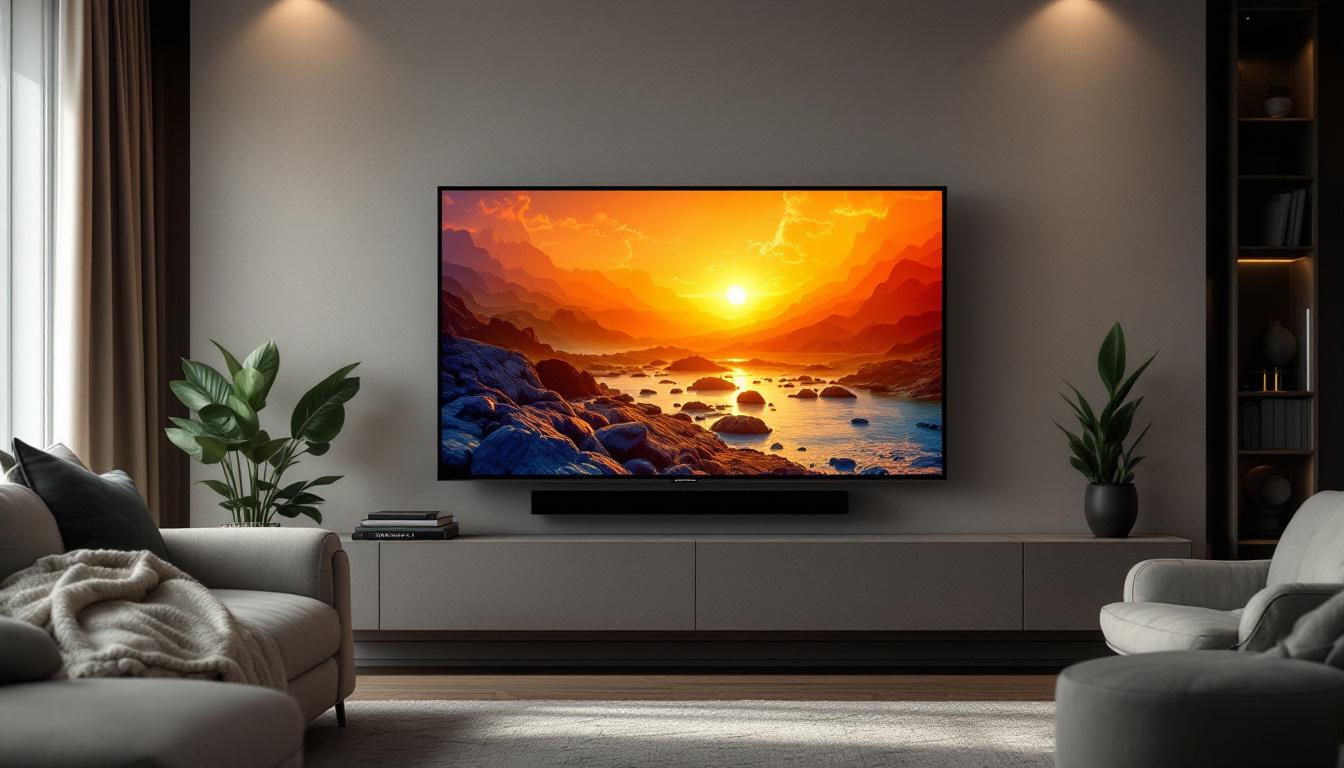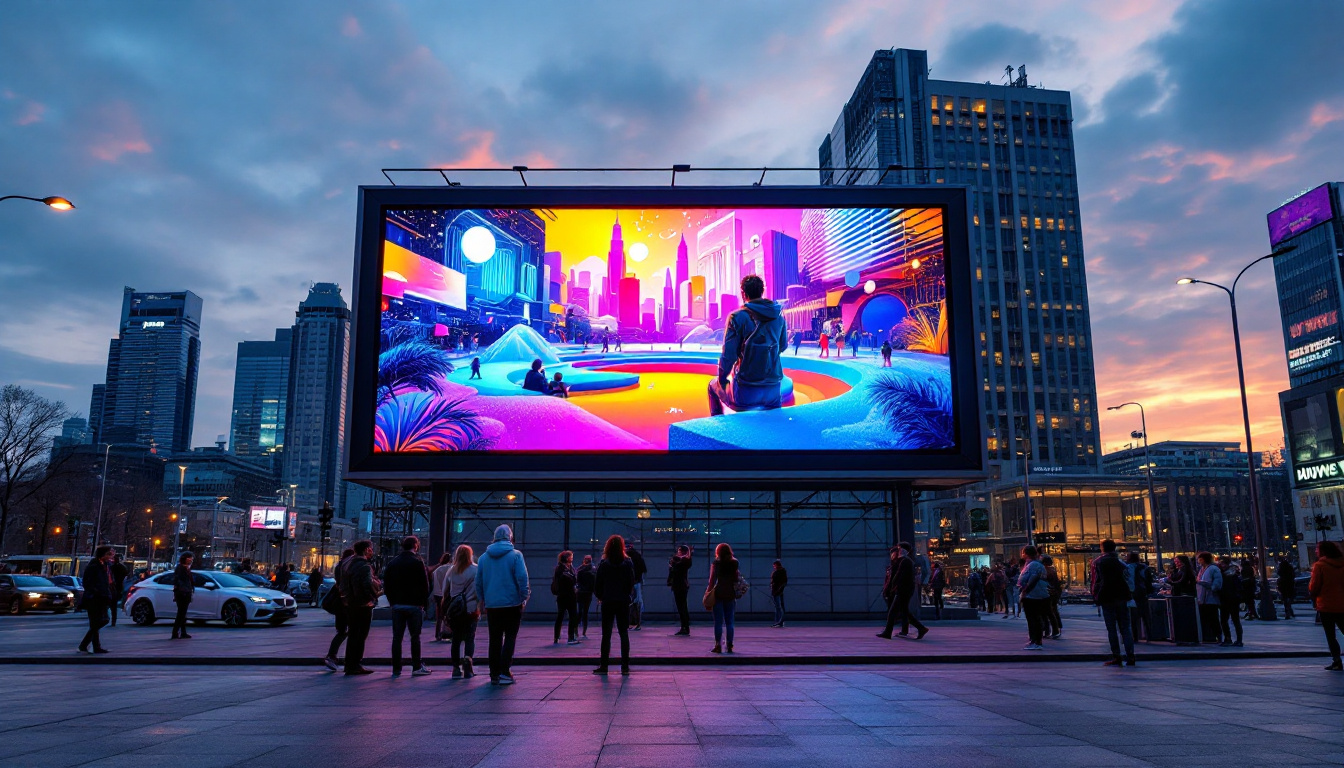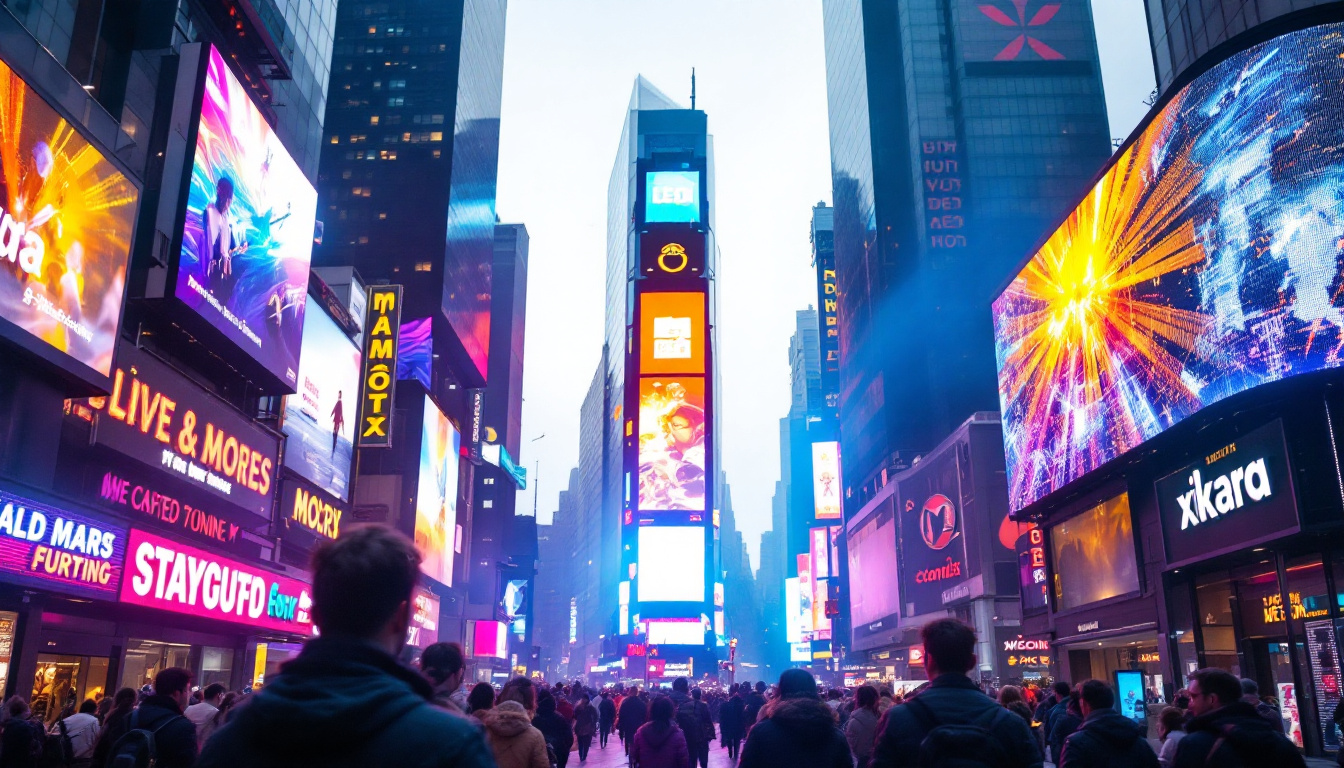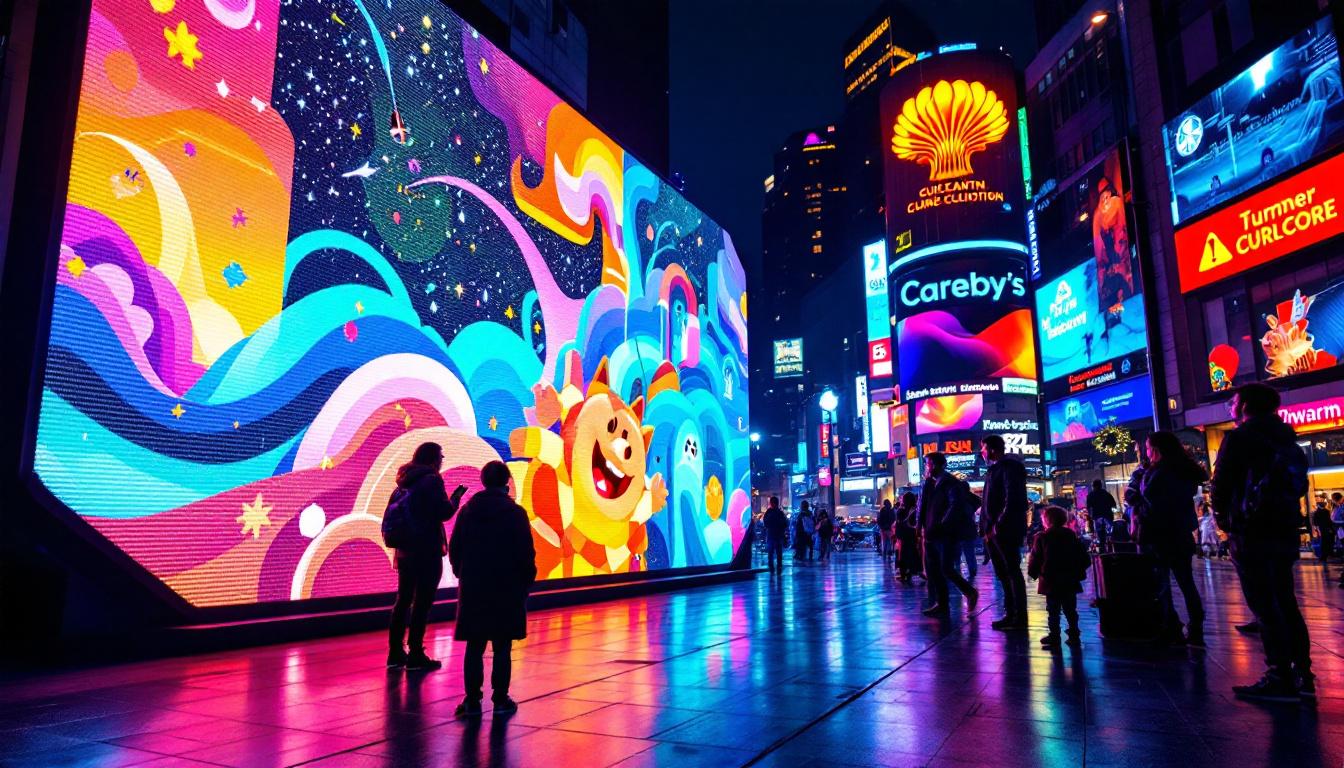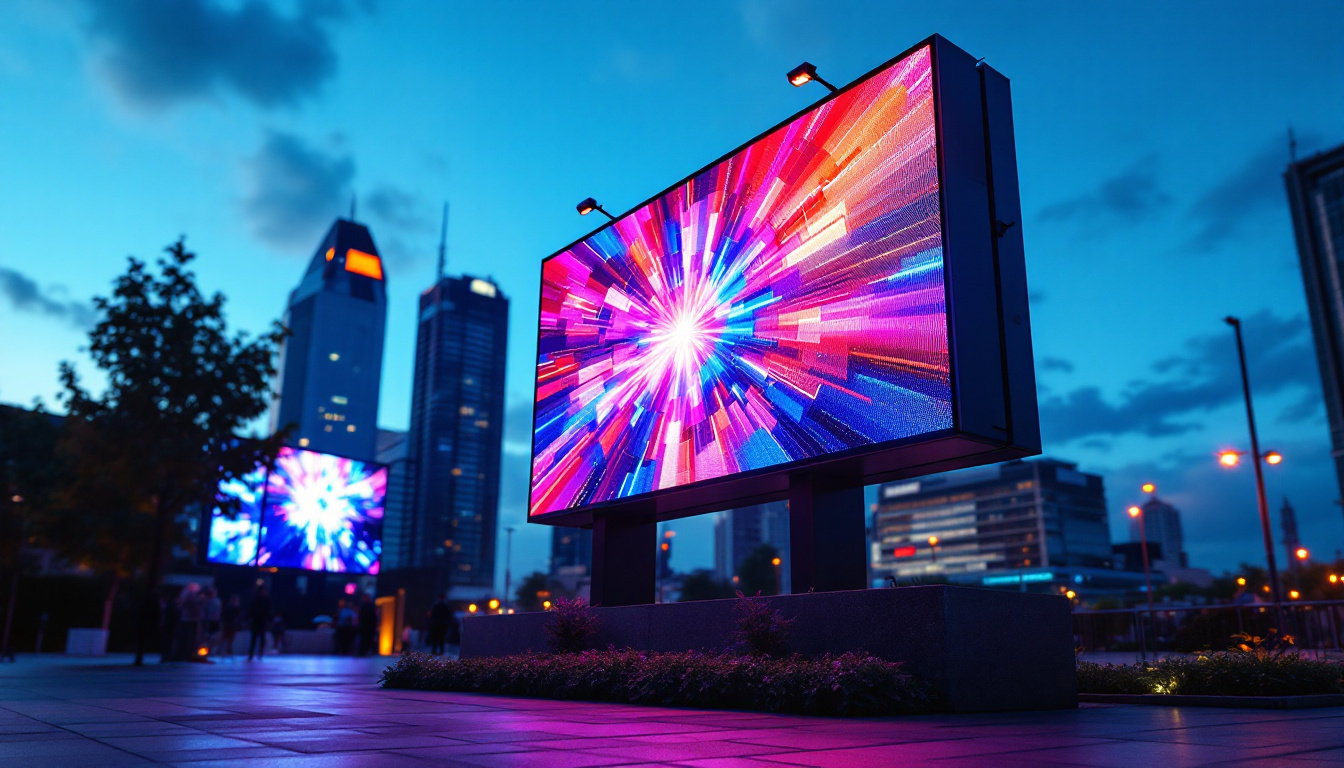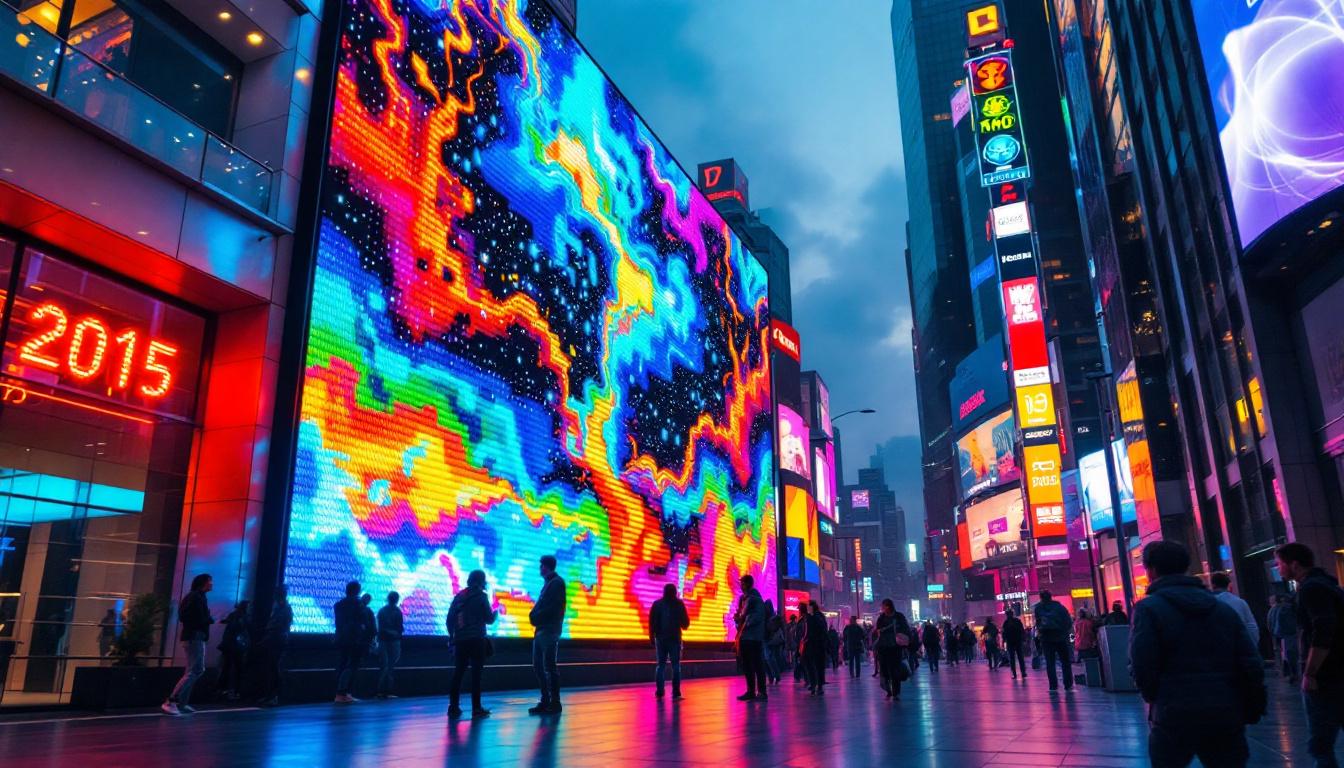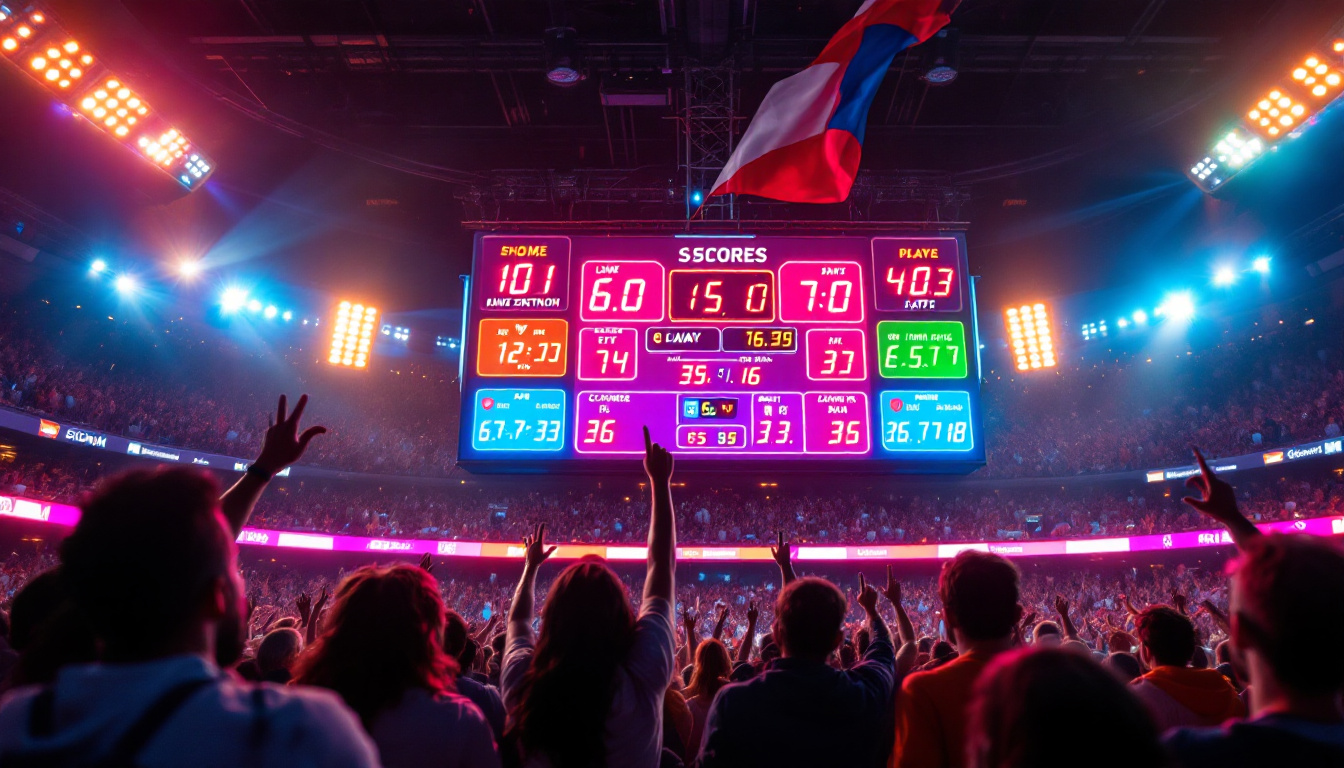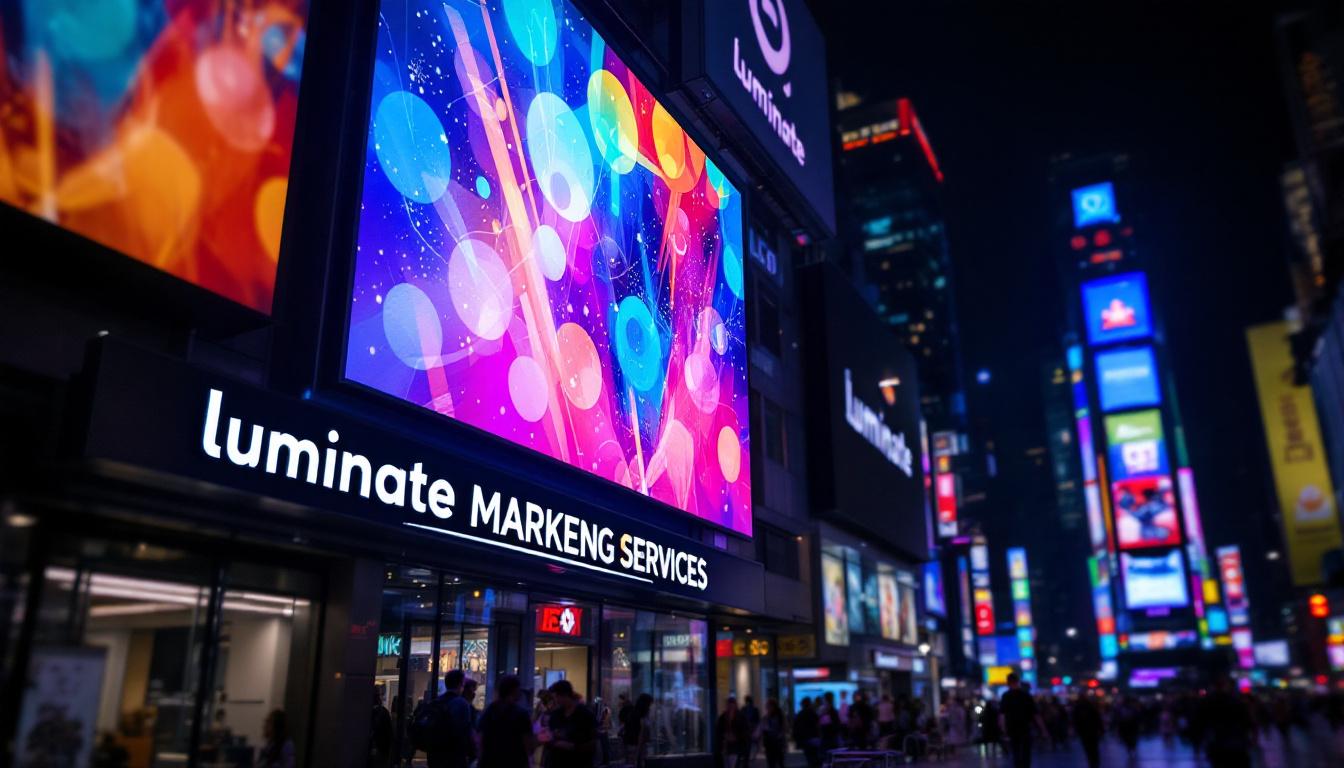
In the rapidly evolving world of digital technology, LED displays have become a cornerstone of visual communication. From vibrant billboards in bustling city centers to the high-definition screens in homes and stadiums, LED displays offer unparalleled brightness, clarity, and versatility. But what exactly is an LED display? How does it work, and why has it become the preferred choice for so many applications? This article delves into the fundamentals of LED displays, exploring their technology, types, advantages, and future trends.
Understanding LED Display Technology
What is an LED Display?
LED stands for Light Emitting Diode, a semiconductor device that emits light when an electric current passes through it. An LED display is a flat panel display that uses an array of these tiny LEDs as pixels to create images, videos, or text. Unlike traditional LCD or plasma screens, LED displays generate their own light, which results in higher brightness and better contrast ratios. This feature makes them particularly suitable for outdoor advertising and large-scale displays, where visibility in bright conditions is crucial.
Each LED in the display acts as a single pixel or part of a pixel, and by controlling the intensity and color of these LEDs, the display can produce a wide range of colors and dynamic images. This self-emissive property allows LED displays to perform exceptionally well in various lighting conditions, including direct sunlight. Furthermore, the durability of LED technology means that these displays can withstand harsh weather conditions, making them ideal for use in stadiums, concerts, and public events. The longevity of LED displays also translates to lower maintenance costs over time, as they typically have a lifespan of over 50,000 hours, significantly outlasting traditional display technologies.
How Do LED Displays Work?
At the core of an LED display is the principle of electroluminescence, where electrical energy is converted into light. When a voltage is applied to the LED, electrons recombine with electron holes within the device, releasing energy in the form of photons—light particles. This process is not only efficient but also allows for rapid response times, which are essential for displaying fast-moving images, such as in video games or live sports broadcasts.
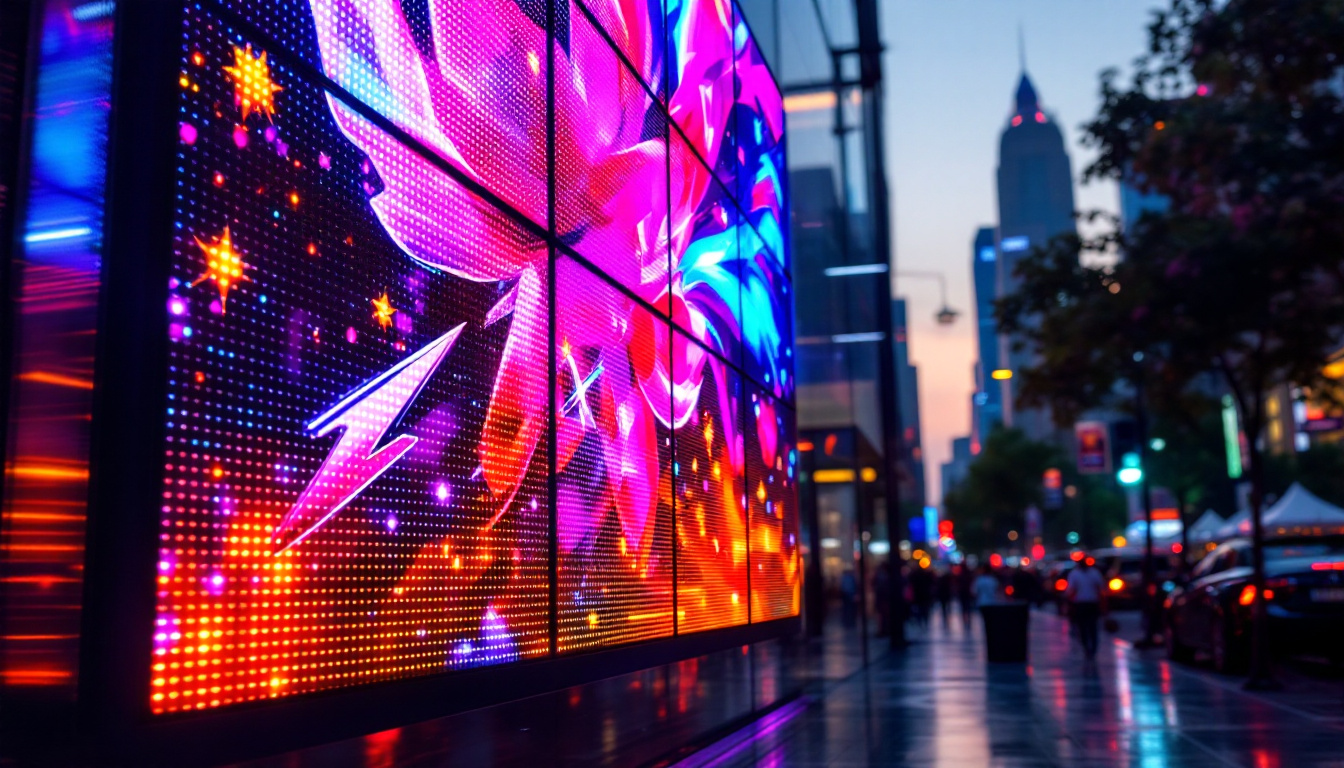
Modern LED displays often use red, green, and blue (RGB) LEDs grouped together to form each pixel. By varying the intensity of each color, the display can produce millions of colors, enabling detailed and vibrant images. The control system behind the display manages the timing and brightness of each LED to render video content smoothly and accurately. Additionally, advancements in technology have led to the development of features such as local dimming, which enhances contrast by adjusting the brightness of specific areas of the screen independently. This capability allows for deeper blacks and more vivid colors, further improving the viewing experience. As a result, LED displays are not only popular in consumer electronics but are also extensively used in commercial applications, including digital signage and broadcast studios, where image quality is paramount.
Types of LED Displays
Indoor vs. Outdoor LED Displays
LED displays are broadly categorized into indoor and outdoor types, each designed to meet specific environmental and usage requirements.
Indoor LED Displays are optimized for close viewing distances and controlled lighting environments. They typically have a higher pixel density, with smaller pixel pitches (the distance between the centers of two adjacent LEDs), often ranging from 0.9mm to 4mm. This allows for crisp, detailed images suitable for conference rooms, retail stores, and broadcast studios. The versatility of indoor displays also enables them to be used for creative applications, such as digital art installations or immersive experiences in museums, where the visual quality can significantly enhance the viewer’s engagement.
Outdoor LED Displays, on the other hand, are built to withstand harsh weather conditions and high ambient light levels. They feature larger pixel pitches, usually between 4mm and 20mm or more, which enables them to be viewed clearly from greater distances. These displays are commonly seen in sports arenas, roadside billboards, and public event spaces. Additionally, outdoor LED displays often incorporate advanced technologies such as automatic brightness adjustment and weatherproofing, ensuring optimal performance regardless of the environmental challenges they face, from rain to direct sunlight.
Direct View LED vs. LED-Backlit LCD
It is important to distinguish between direct view LED displays and LED-backlit LCD screens, as they are often confused.
Direct View LED Displays use LEDs as the actual pixels that emit light to create the image. This means the light source and the image source are one and the same, resulting in higher brightness and better contrast. The ability to create vibrant colors and deep blacks makes direct view LED displays particularly appealing for high-end applications, such as digital signage in luxury retail environments or high-profile events where visual impact is paramount.
LED-Backlit LCDs use LEDs only as a backlight behind a liquid crystal display panel. The LCD modulates this light to form images. While LED-backlit LCDs offer good image quality and are widely used in consumer electronics, they generally cannot match the brightness and contrast levels of direct view LED displays. However, advancements in technology have led to enhanced versions of LED-backlit LCDs, such as those with quantum dot technology, which can provide improved color accuracy and a wider color gamut, making them a strong contender in the market for mid-range televisions and monitors.
MicroLED and MiniLED: The Next Generation
Recent advancements have introduced MicroLED and MiniLED technologies, pushing the boundaries of LED display performance.
MicroLED displays consist of microscopic LEDs that serve as individual pixels. This technology promises exceptional brightness, contrast, and energy efficiency, rivaling OLED displays without the risk of burn-in. MicroLEDs are still emerging in the market but are expected to revolutionize large-format displays and premium consumer screens. Their modular nature allows for flexible screen sizes and shapes, opening up exciting possibilities for custom installations in both commercial and residential settings.
MiniLED technology uses thousands of tiny LEDs as a backlight for LCD panels, allowing for more precise local dimming and improved contrast compared to conventional LED-backlit LCDs. MiniLEDs are gaining popularity in high-end televisions and monitors. This technology not only enhances the viewing experience by delivering deeper blacks and brighter highlights but also contributes to energy efficiency, making it an attractive option for environmentally conscious consumers. As manufacturers continue to innovate, MiniLED displays are likely to become a standard feature in premium devices, further blurring the lines between LCD and OLED technologies.
Advantages of LED Displays
Brightness and Visibility
One of the most significant advantages of LED displays is their superior brightness. LED displays can achieve brightness levels exceeding 5,000 nits, making them easily visible even under direct sunlight. This feature is critical for outdoor advertising, transportation signage, and stadium screens where ambient light conditions are challenging.
Energy Efficiency and Longevity
LED technology is inherently energy-efficient compared to older display technologies like plasma or CCFL-backlit LCDs. LEDs consume less power while delivering higher brightness, which translates to lower operating costs and reduced environmental impact.
Additionally, LEDs have a long operational lifespan, often exceeding 100,000 hours before significant brightness degradation occurs. This durability makes LED displays a cost-effective investment for businesses and public installations.
Flexibility and Scalability
LED displays are highly customizable. They can be manufactured in various sizes and shapes, including curved and flexible panels. This adaptability allows designers and engineers to create immersive visual experiences tailored to specific environments and creative visions.
Moreover, LED displays can be scaled seamlessly by combining multiple panels to form large video walls without compromising image quality. This scalability is particularly valuable for events, control rooms, and advertising.
Color Accuracy and Contrast
Because LEDs emit light directly, LED displays offer excellent color accuracy and deep blacks, resulting in high contrast ratios. This capability enhances the viewing experience, making images appear more lifelike and engaging.
Applications of LED Displays
Advertising and Digital Signage
LED displays have transformed the advertising landscape by enabling dynamic, eye-catching content that can be updated in real time. Digital billboards powered by LED technology are now common in urban centers worldwide, delivering targeted marketing messages with vivid colors and motion graphics.
Retail environments also leverage LED displays for promotional signage, enhancing customer engagement and driving sales.
Sports and Entertainment Venues
Stadiums and arenas utilize massive LED screens to provide spectators with live game footage, replays, and interactive content. These displays improve the overall fan experience and offer additional revenue streams through advertising.
Concerts and theatrical productions employ LED video walls and stage backdrops to create immersive visual effects, elevating the artistic presentation.
Transportation and Public Information
LED displays are widely used in airports, train stations, and bus terminals to convey schedules, alerts, and wayfinding information. Their high visibility and reliability ensure that travelers receive timely updates, enhancing safety and convenience.
Corporate and Control Rooms
In corporate settings, LED video walls serve as powerful tools for presentations, video conferencing, and data visualization. Control rooms in industries such as energy, security, and telecommunications rely on LED displays for real-time monitoring and decision-making.
Future Trends in LED Display Technology
Higher Resolution and Pixel Density
As manufacturing techniques improve, LED displays continue to achieve higher pixel densities, enabling ultra-high-definition resolutions even on large-format screens. This trend will make LED displays more suitable for applications requiring close viewing distances, such as retail and home entertainment.
Integration with Smart Technologies
LED displays are increasingly integrated with IoT (Internet of Things) and AI (Artificial Intelligence) technologies. This integration allows for smarter content management, personalized advertising, and enhanced interactivity, creating more engaging user experiences.
Sustainability and Eco-Friendly Innovations
Manufacturers are focusing on developing eco-friendly LED displays with reduced power consumption and recyclable materials. Innovations in LED chip design and packaging aim to minimize environmental impact while maintaining performance.
Flexible and Transparent LED Displays
Emerging flexible and transparent LED displays open new possibilities for architectural integration and augmented reality applications. These displays can be embedded into windows, glass facades, and curved surfaces, blending digital content seamlessly with physical environments.
Conclusion
LED displays represent a remarkable fusion of technology and design, offering unmatched brightness, durability, and versatility. Their ability to deliver vibrant, high-contrast images in diverse environments has made them indispensable across industries such as advertising, entertainment, transportation, and corporate communications.
As LED technology continues to advance, with innovations like MicroLED and flexible displays on the horizon, the potential applications and benefits will only expand. Understanding the fundamentals of LED displays equips businesses and consumers alike to make informed decisions and harness the full power of this dynamic technology.
Whether illuminating a city skyline or enhancing a conference room presentation, LED displays truly embody the meaning of “luminate”—to shine brightly and captivate audiences worldwide.
Illuminate Your Space with LumenMatrix
Ready to elevate your visual experience with the brilliance of LED technology? LumenMatrix is at the forefront of innovation, offering a wide array of LED display solutions that transform any space into a vibrant canvas for communication and engagement. From the immersive Indoor LED Wall Display to the dynamic Outdoor LED Wall Display, and from the versatile Vehicle LED Display to the sleek LED Poster Display, our products are designed to captivate and illuminate. Discover how our LED Sports Display, Floor LED Display, Custom LED Display, All-in-One LED Display, and LED Transparent Display can revolutionize your visual storytelling. Embrace the future of digital signage with LumenMatrix and let your message shine with clarity and impact. Check out LumenMatrix LED Display Solutions and join the luminary revolution today.