When working with LED displays, understanding dimensions and measurements is crucial for both installation and performance optimization. One common conversion that often arises is translating metric measurements, such as meters, into imperial units like inches. This article explores the conversion of 1.9 meters to inches and delves into how this measurement relates to LED display technology, providing a comprehensive guide for professionals and enthusiasts alike.
Understanding Metric to Imperial Conversion: 1.9 M to Inches
Before diving into LED displays, it’s essential to grasp the basics of measurement conversion. The metric system is widely used internationally, while the imperial system remains prevalent in countries like the United States. Converting between these systems ensures clarity in specifications and helps avoid costly mistakes during manufacturing or installation.
The conversion factor between meters and inches is fixed: 1 meter equals 39.3701 inches. Therefore, to convert 1.9 meters to inches, the calculation is straightforward:
1.9 meters × 39.3701 inches/meter = 74.8032 inches
This means that 1.9 meters is approximately 74.8 inches, or 6 feet 2.8 inches. This conversion is particularly useful in the context of LED displays, where precise measurements impact viewing experience and installation logistics.
Understanding these conversions is not just a matter of academic interest; it has practical implications in various fields, including architecture, engineering, and design. For instance, when designing a space that incorporates LED displays, knowing the exact dimensions in both metric and imperial units can help architects and engineers ensure that the displays fit seamlessly into the intended environment. This is especially critical when dealing with large-scale installations, where even minor discrepancies can lead to significant issues during setup.
Moreover, as global trade continues to expand, professionals in many industries must often navigate between these two systems. For example, a manufacturer in Europe might need to communicate specifications to a client in the U.S. Understanding how to convert measurements accurately can facilitate smoother transactions and enhance collaboration across borders. This knowledge not only aids in the practical aspects of design and installation but also fosters a greater appreciation for the diversity of measurement systems used around the world.
Why Measurement Accuracy Matters in LED Displays
LED displays come in various sizes and resolutions, and the physical dimensions directly influence their application and effectiveness. Whether for outdoor advertising billboards, indoor video walls, or digital signage, knowing exact measurements ensures the display fits the intended space and meets visibility requirements.
For example, a 1.9-meter wide LED display converted to inches helps installers and designers visualize the screen size relative to the environment. This is especially important when coordinating with construction teams or integrating the display into architectural elements. Accurate measurements also play a crucial role in ensuring that the display is not only aesthetically pleasing but also functional, allowing for optimal viewing angles and minimizing glare or obstruction from surrounding structures.
Moreover, pixel pitch—the distance between individual LED pixels—is often specified in millimeters, but the overall display size is usually given in meters or feet. Accurate conversion between units enables better planning for resolution, viewing distance, and content clarity. This precision is vital for applications where detail is paramount, such as in control rooms or high-end retail environments, where every pixel counts in delivering a seamless visual experience.
Impact on Viewing Distance and Image Quality
The size of an LED display, combined with its pixel pitch, determines the optimal viewing distance. For instance, a 1.9-meter wide screen with a fine pixel pitch will deliver crisp images at closer distances, suitable for indoor environments like conference rooms or retail spaces. In these settings, the ability to read text and see intricate details can significantly enhance the effectiveness of presentations or advertisements, making it essential to choose the right specifications based on the intended use.
Conversely, larger displays with coarser pixel pitches are designed for outdoor use where viewers are farther away. Understanding the physical size in inches helps marketers and designers estimate how the display will appear to audiences and adjust content accordingly. This consideration is particularly important for outdoor advertising, where visibility from a distance can make or break a campaign. Additionally, factors such as ambient light conditions and the time of day can influence how the display’s brightness and contrast are perceived, further underscoring the need for precise measurements to ensure optimal performance in various environments.
Applications of a 1.9-Meter Wide LED Display
LED displays measuring approximately 1.9 meters (74.8 inches) in width are versatile and popular across multiple industries. Their size strikes a balance between visibility and space efficiency, making them suitable for various environments.
Retail and Advertising
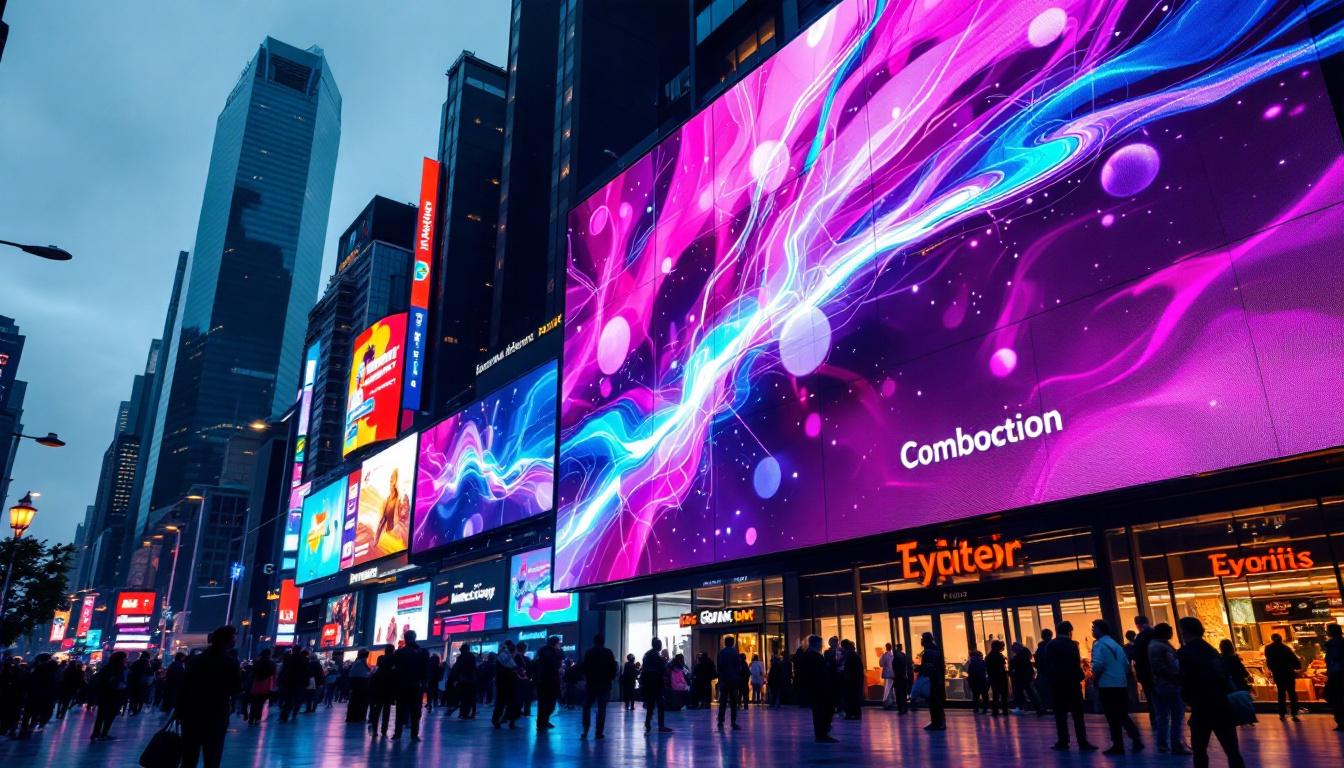
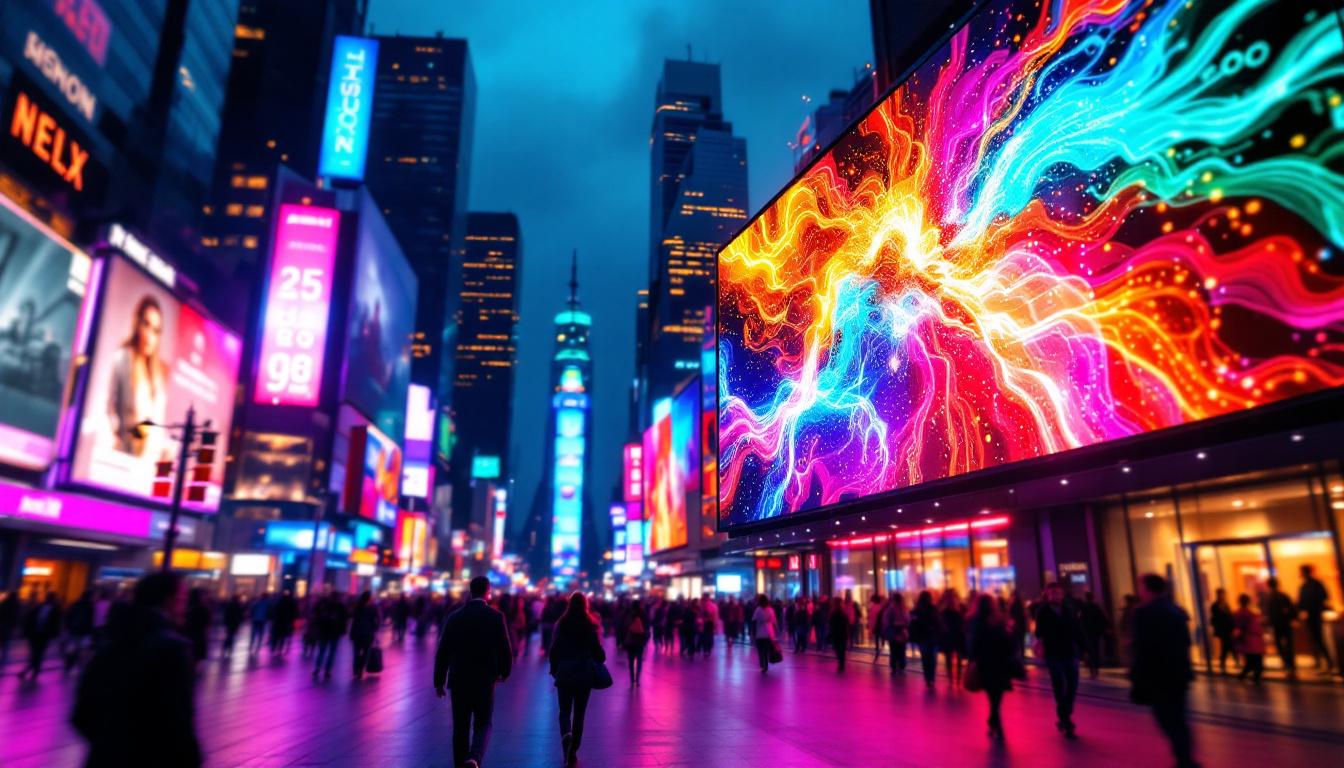
In retail settings, a 1.9-meter LED display can serve as an eye-catching digital signage solution. Positioned above store entrances or within shopping malls, these displays attract customer attention with dynamic content such as promotions, product showcases, and interactive advertisements.
The ability to convert the display size into inches helps retailers plan the installation in relation to ceiling height, wall space, and customer flow, ensuring maximum impact without overwhelming the environment.
Corporate and Event Use
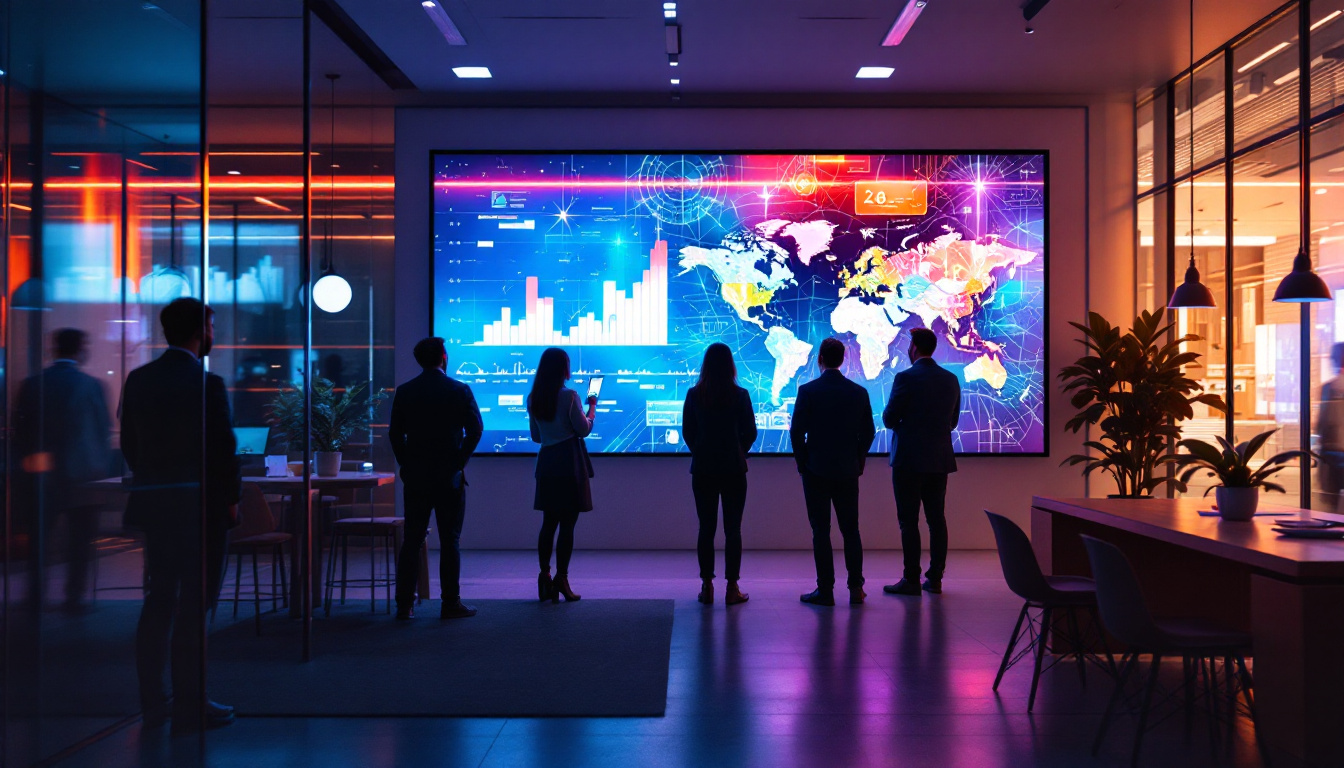
Corporate environments utilize LED displays for presentations, video conferencing, and branding. A 1.9-meter wide screen offers sufficient real estate for clear visuals without dominating the room. Event organizers also favor this size for trade shows and exhibitions, where portability and ease of setup are important.
Knowing the exact dimensions in inches aids logistics teams in transportation and venue preparation, especially when working with international partners accustomed to imperial units.
Broadcast and Control Rooms
Control rooms and broadcast studios often require high-resolution LED video walls for monitoring and live production. A 1.9-meter wide module can be integrated into larger configurations or used standalone for specific monitoring tasks.
Precise measurement conversions facilitate the design of modular systems that fit ergonomic requirements and technical specifications, enhancing operator efficiency and reducing fatigue.
Technical Considerations for LED Displays Around 1.9 M in Width
Beyond physical size, several technical factors influence the performance and suitability of a 1.9-meter LED display. Understanding these elements ensures users select the right product for their needs.
Pixel Pitch and Resolution
Pixel pitch, measured in millimeters, defines the distance between individual LEDs. Smaller pixel pitches yield higher resolution and sharper images but increase cost and power consumption. For a 1.9-meter wide display, common pixel pitches range from 1.5 mm to 4 mm, depending on the application.
For example, a 1.9-meter wide display with a 2 mm pixel pitch would have approximately 950 pixels across its width (1900 mm ÷ 2 mm). This density supports detailed graphics and video, ideal for indoor use.
Brightness and Contrast
Brightness levels, measured in nits, are critical for visibility, especially in outdoor or brightly lit environments. A 1.9-meter LED display intended for outdoor use typically requires higher brightness (5,000 to 7,000 nits) to combat sunlight glare.
Contrast ratio also affects image quality, with higher ratios producing deeper blacks and more vibrant colors. Selecting a display with appropriate brightness and contrast ensures content remains clear and engaging regardless of ambient lighting.
Viewing Angle and Color Accuracy
Wide viewing angles allow audiences to see consistent image quality from different positions. A 1.9-meter display with a viewing angle of 140 degrees or more horizontally and vertically accommodates diverse viewing scenarios.
Color accuracy is essential for brand consistency and visual appeal. High-quality LED modules with calibrated color reproduction ensure that the display’s output matches design intent.
Installation and Maintenance Insights for 1.9 M LED Displays
Installing a 1.9-meter LED display requires careful planning to ensure safety, performance, and longevity. Maintenance considerations also play a role in total cost of ownership and operational uptime.
Structural Support and Mounting
The weight and dimensions of a 1.9-meter LED display demand robust structural support. Whether wall-mounted or integrated into a frame, the installation must account for load distribution and vibration resistance.
Professional installers often use mounting brackets designed to accommodate the specific size and weight of the display, ensuring secure attachment and easy access for servicing.
Power and Connectivity
Power requirements vary based on display size and technology. A 1.9-meter LED display typically requires a stable power supply with surge protection to prevent damage from electrical fluctuations.
Connectivity options include HDMI, DVI, or specialized LED control systems that manage content playback and synchronization. Proper cable management is essential to maintain signal integrity and simplify troubleshooting.
Routine Maintenance and Troubleshooting
Regular cleaning of the LED surface prevents dust buildup that can degrade image quality. Additionally, periodic inspection of electrical components and connections helps identify potential issues before they cause downtime.
Many LED displays feature modular panels that can be replaced individually, reducing repair costs and minimizing disruption.
Conclusion: The Importance of Accurate Measurement and LED Display Knowledge
Converting 1.9 meters to inches—approximately 74.8 inches—may seem like a simple task, but it serves as a foundational step in understanding and working with LED displays. Accurate measurements enable better design, installation, and content delivery, ensuring that LED technology fulfills its potential across various applications.
From retail signage to corporate presentations and broadcast monitoring, a 1.9-meter wide LED display offers a versatile solution that balances size and performance. By considering technical specifications such as pixel pitch, brightness, and viewing angle alongside physical dimensions, users can optimize their LED installations for maximum impact and longevity.
Ultimately, a solid grasp of measurement conversions and LED display technology empowers professionals to make informed decisions, avoid costly errors, and deliver compelling visual experiences.
Discover Cutting-Edge LED Display Solutions with LumenMatrix
Ready to take your visual presentations to the next level? LumenMatrix, a pioneer in LED display technology, offers a comprehensive range of innovative solutions tailored to your needs. Whether you’re looking for an Indoor LED Wall Display, a dynamic Outdoor LED Wall Display, or specialized options like Vehicle LED Displays and LED Sports Displays, LumenMatrix has you covered. Embrace the future of visual communication with our Custom LED Displays, All-in-One LED Displays, and LED Transparent Displays. Elevate your brand’s visibility and captivate your audience with our state-of-the-art LED modules. Check out LumenMatrix LED Display Solutions today and transform your space into a mesmerizing visual experience.