In the evolving world of videography, lighting remains one of the most critical elements in producing high-quality footage. Among the various lighting technologies available today, LED displays have emerged as a versatile and efficient solution for videographers. This article delves into the intricacies of LED display lighting, exploring how it works, its advantages, and practical applications in videography.
Understanding LED Display Technology
What Is an LED Display?
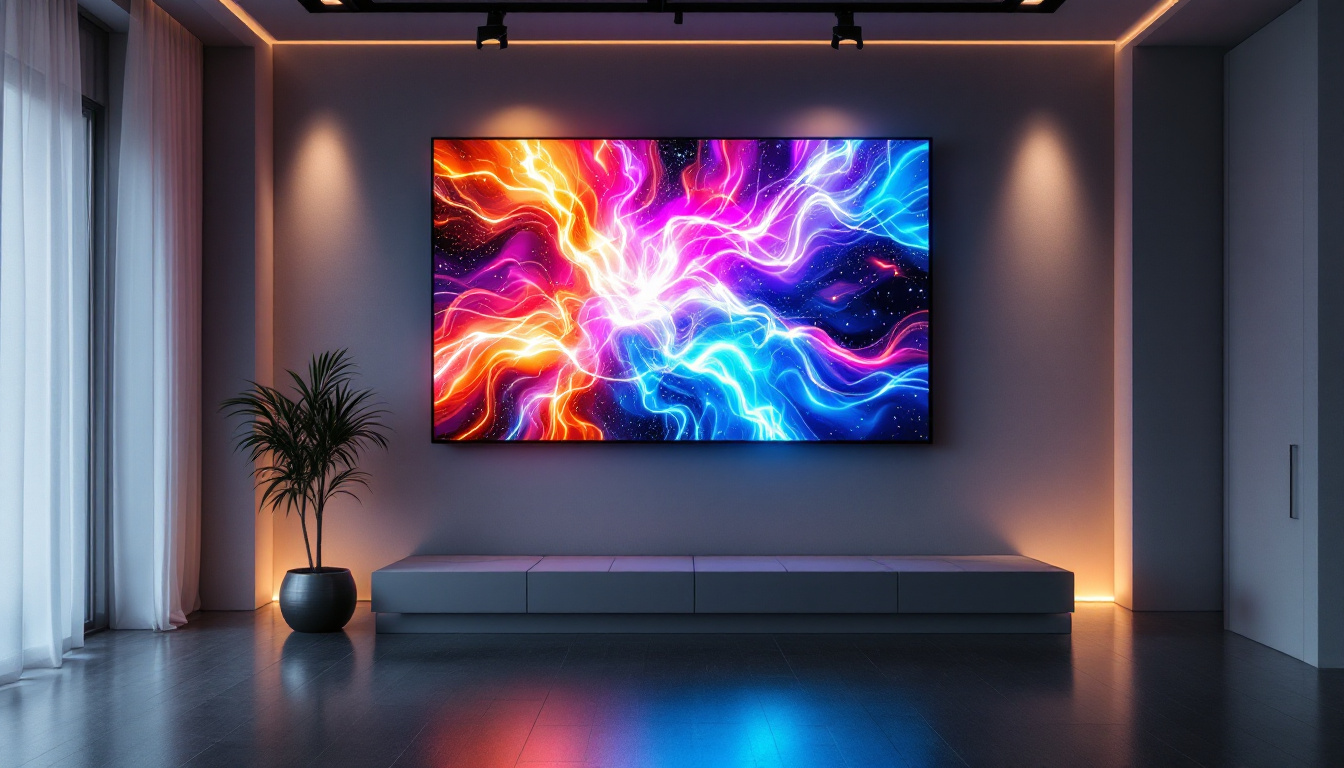
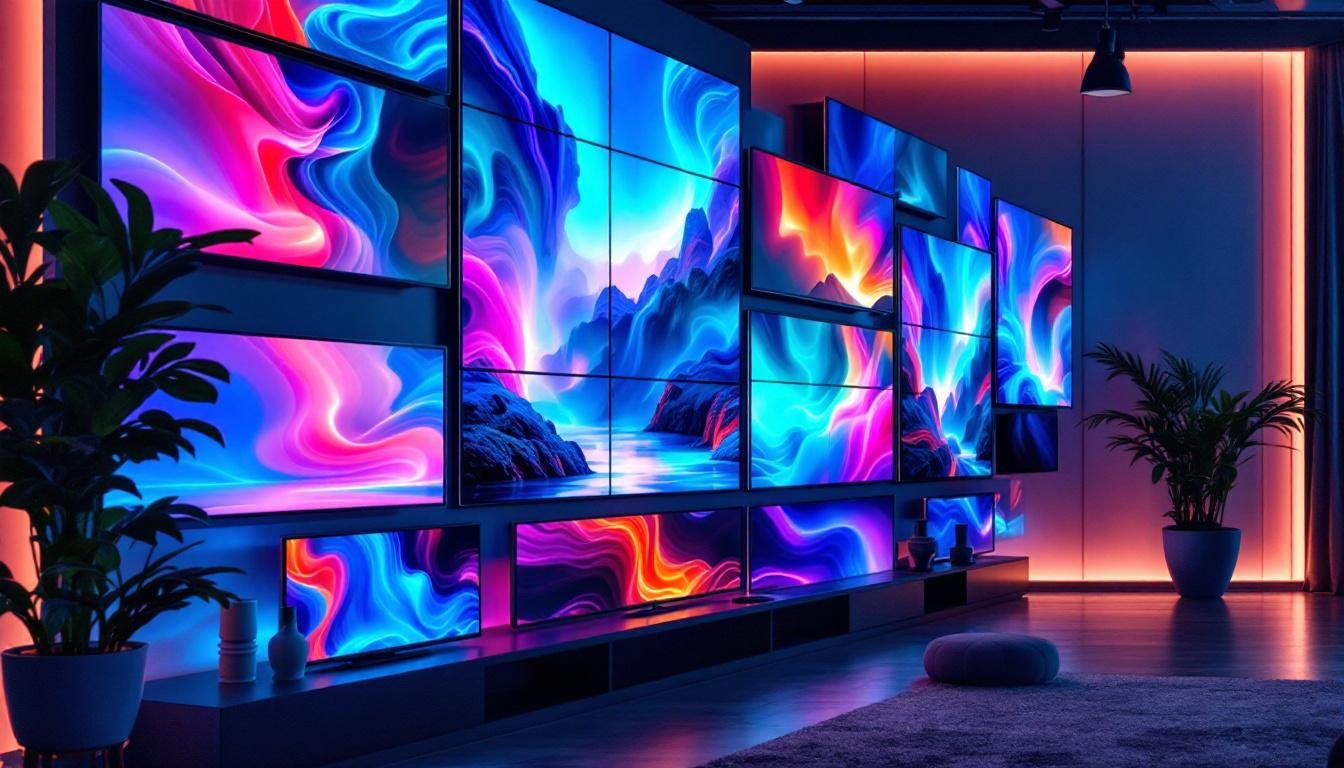
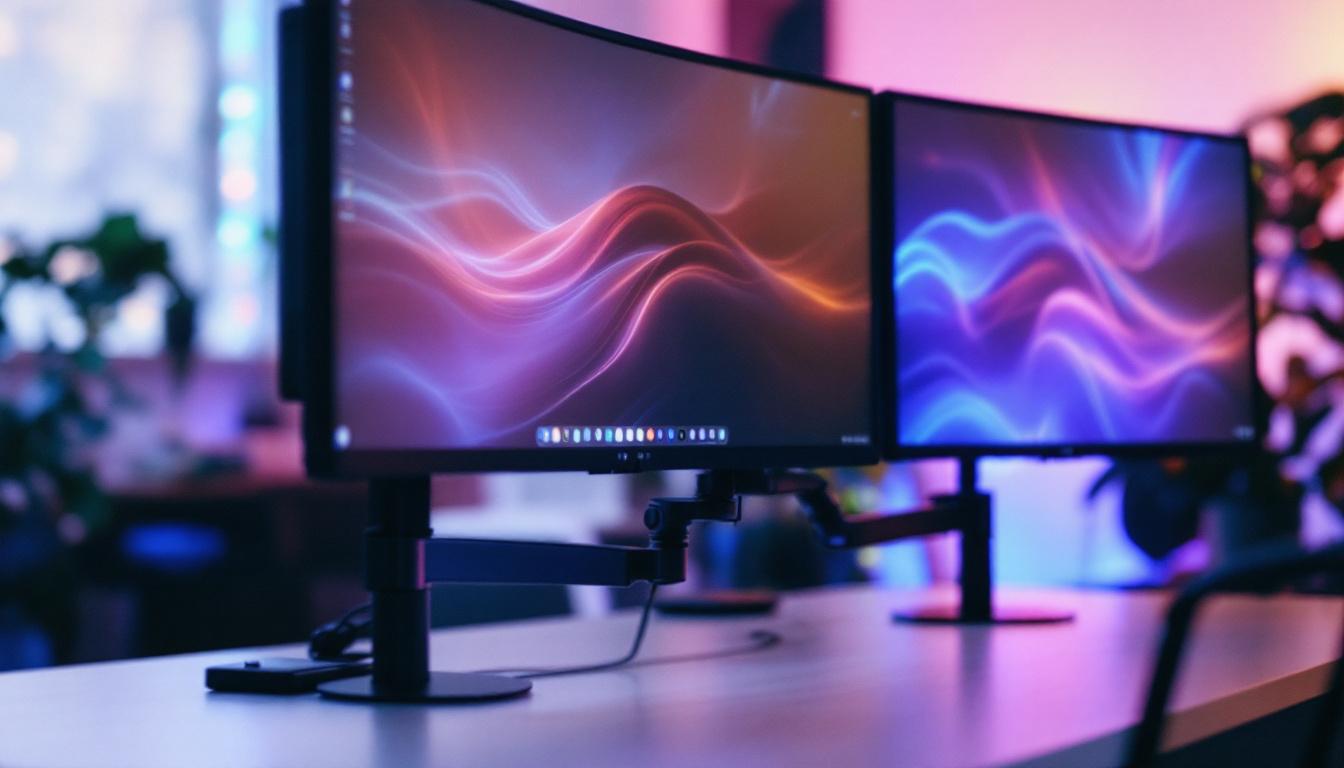
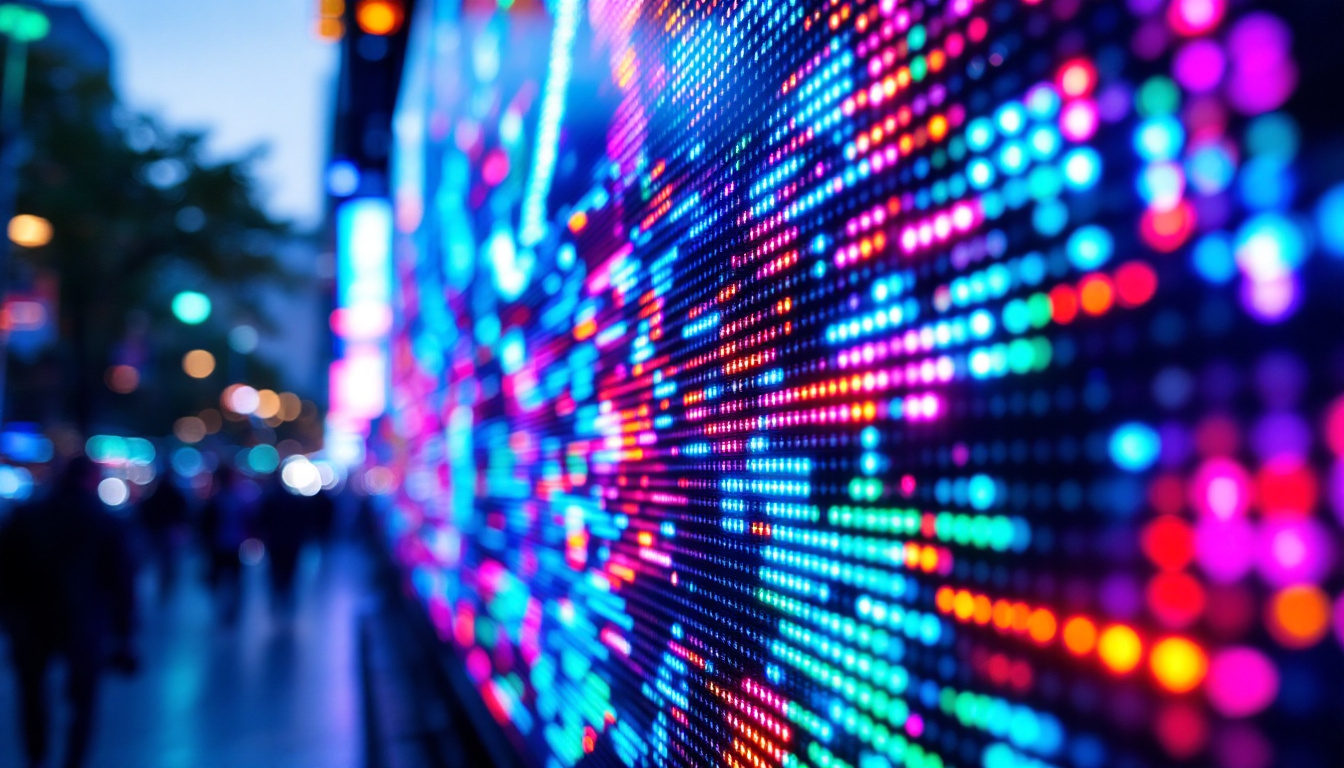
LED stands for Light Emitting Diode, a semiconductor device that emits light when an electric current passes through it. An LED display is a flat panel or screen that uses these diodes to produce images or lighting effects. Unlike traditional lighting sources, LED displays consist of thousands of tiny LEDs arranged in a grid, enabling them to emit controlled light in various colors and intensities.
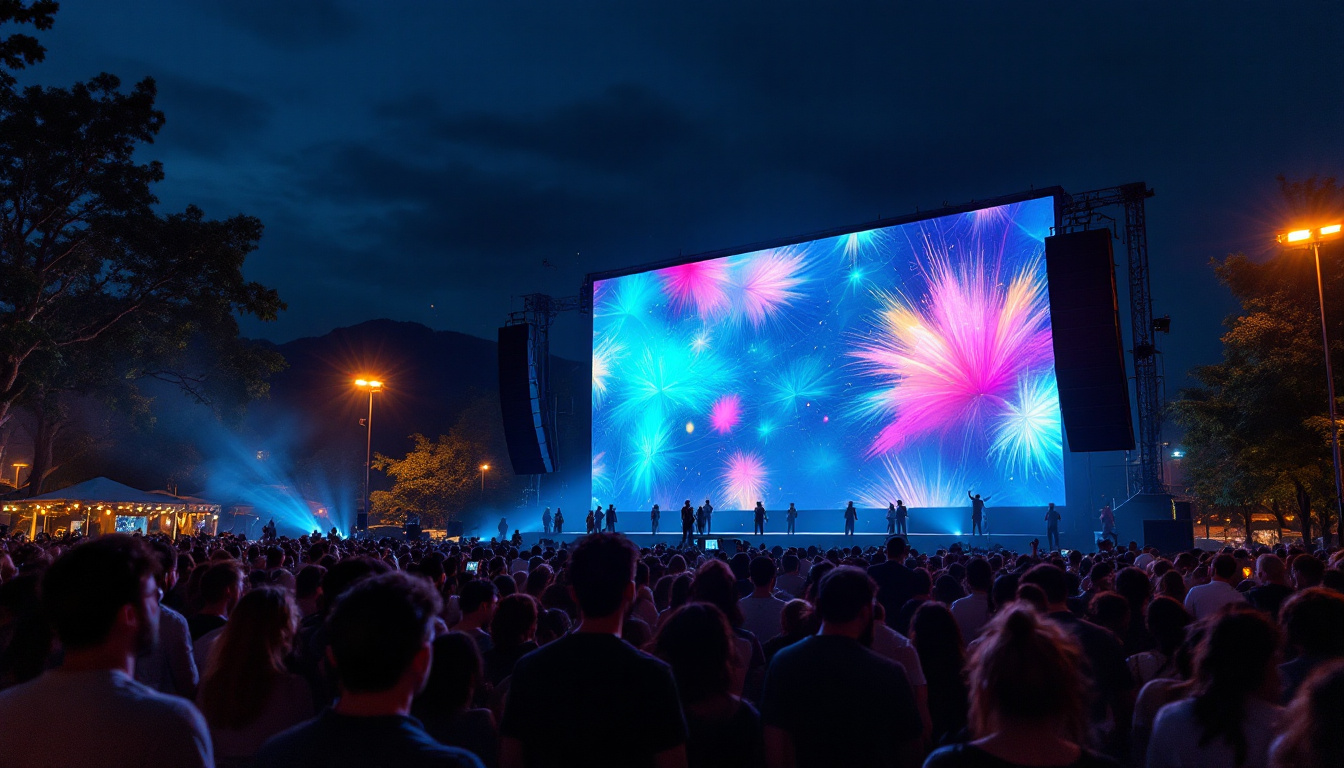
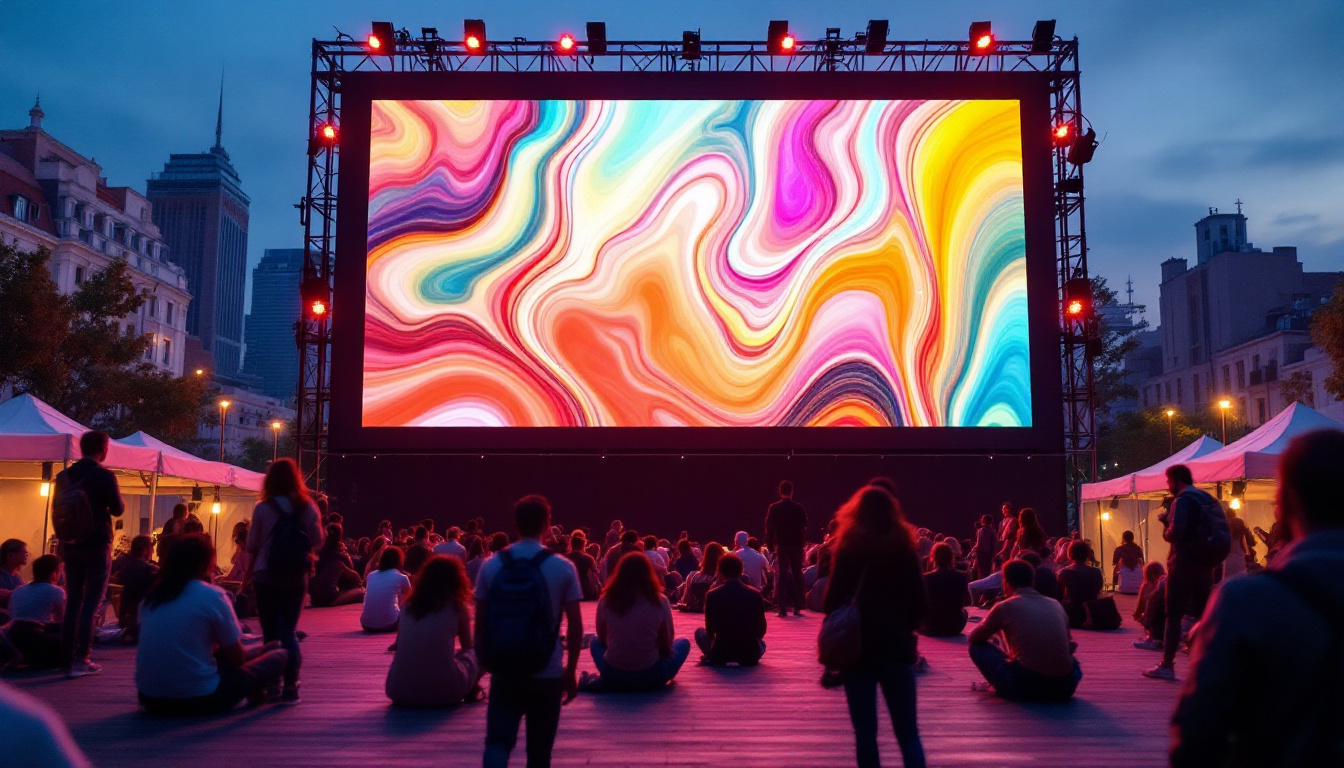
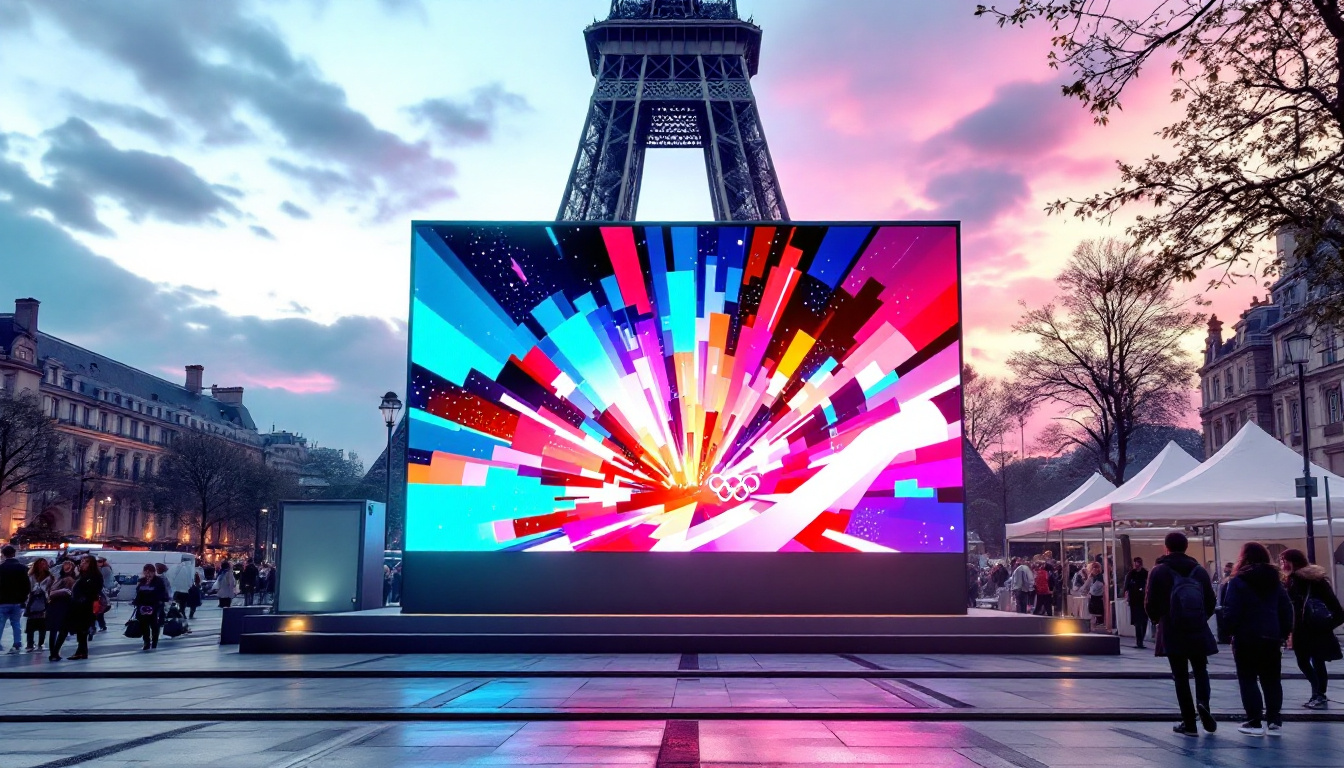
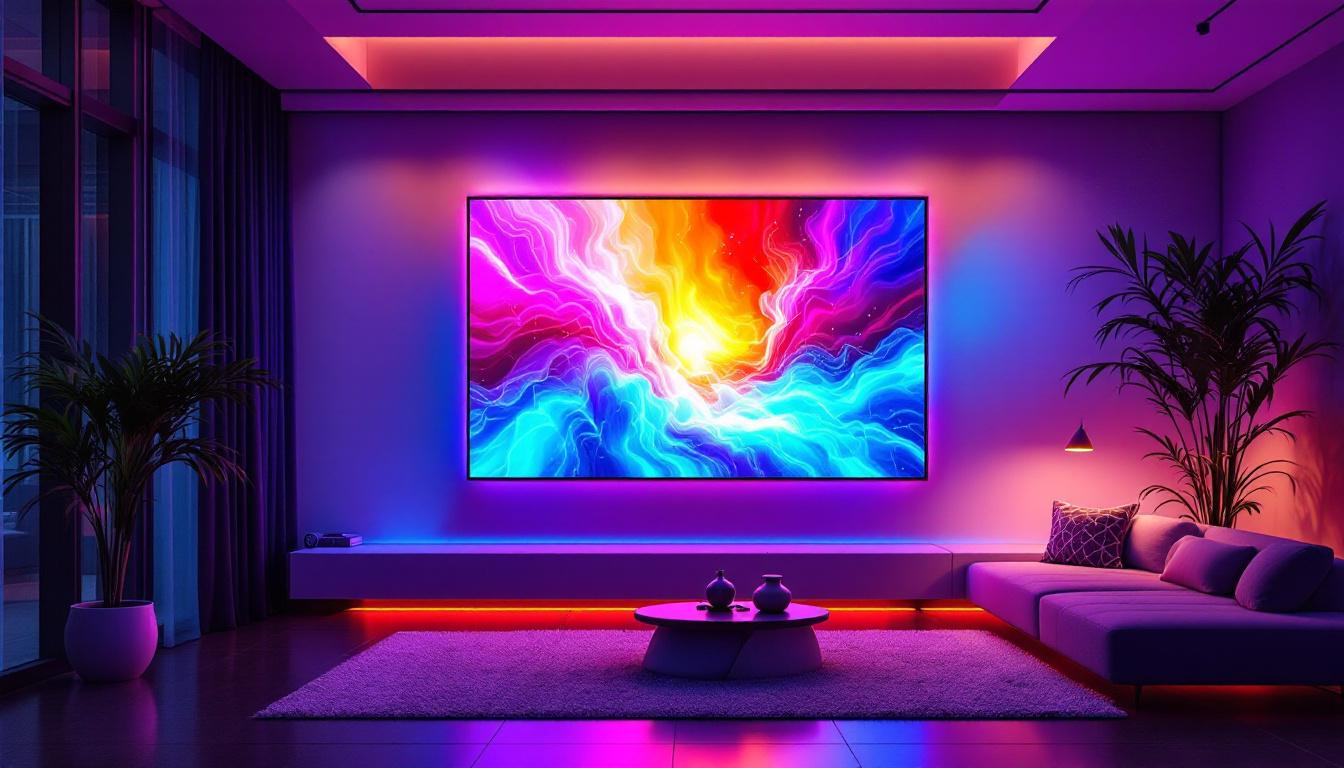
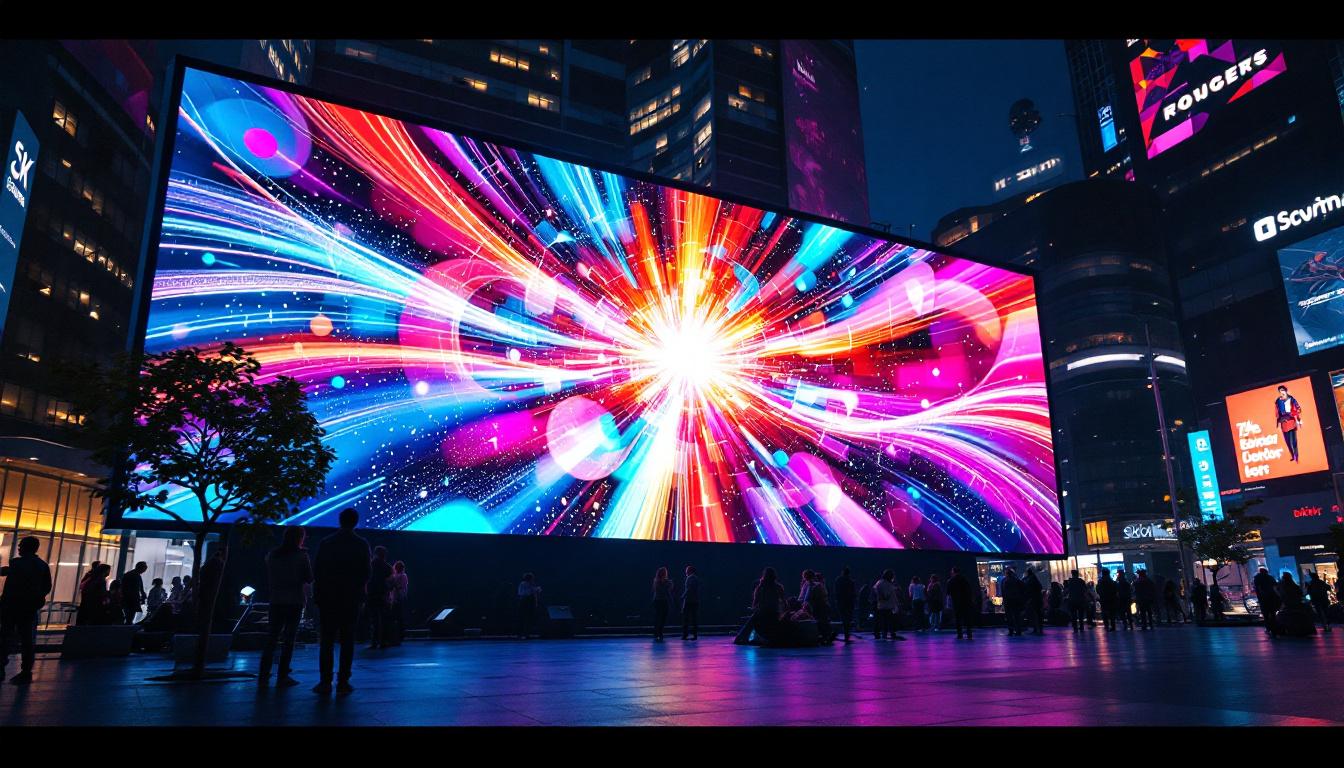
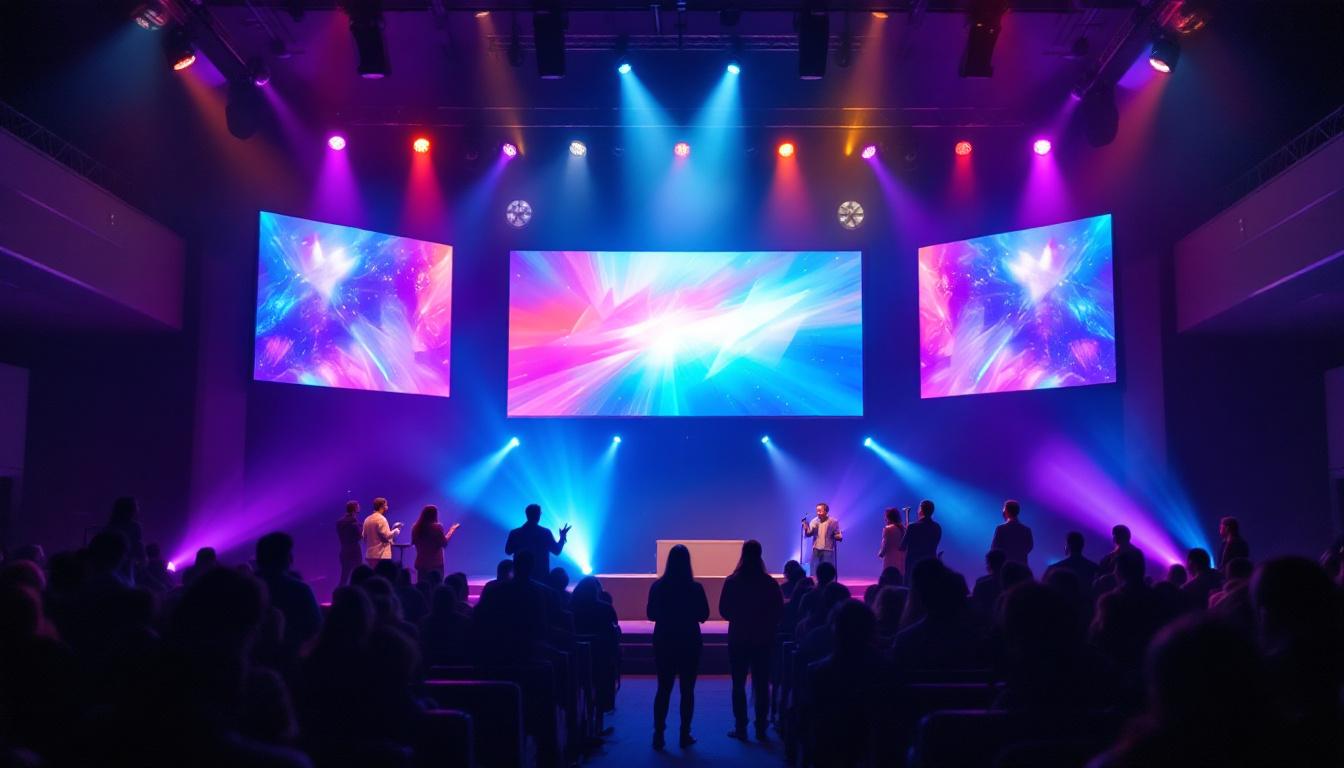
In videography, LED displays are not only used as light sources but also as dynamic backdrops or interactive elements. Their ability to change brightness and color instantaneously makes them ideal for creative lighting setups and immersive environments. This versatility has led to their increasing popularity in live events, concerts, and theatrical productions, where visual impact is crucial. The use of LED technology allows for seamless integration of visuals and lighting, creating a cohesive aesthetic that captivates audiences.
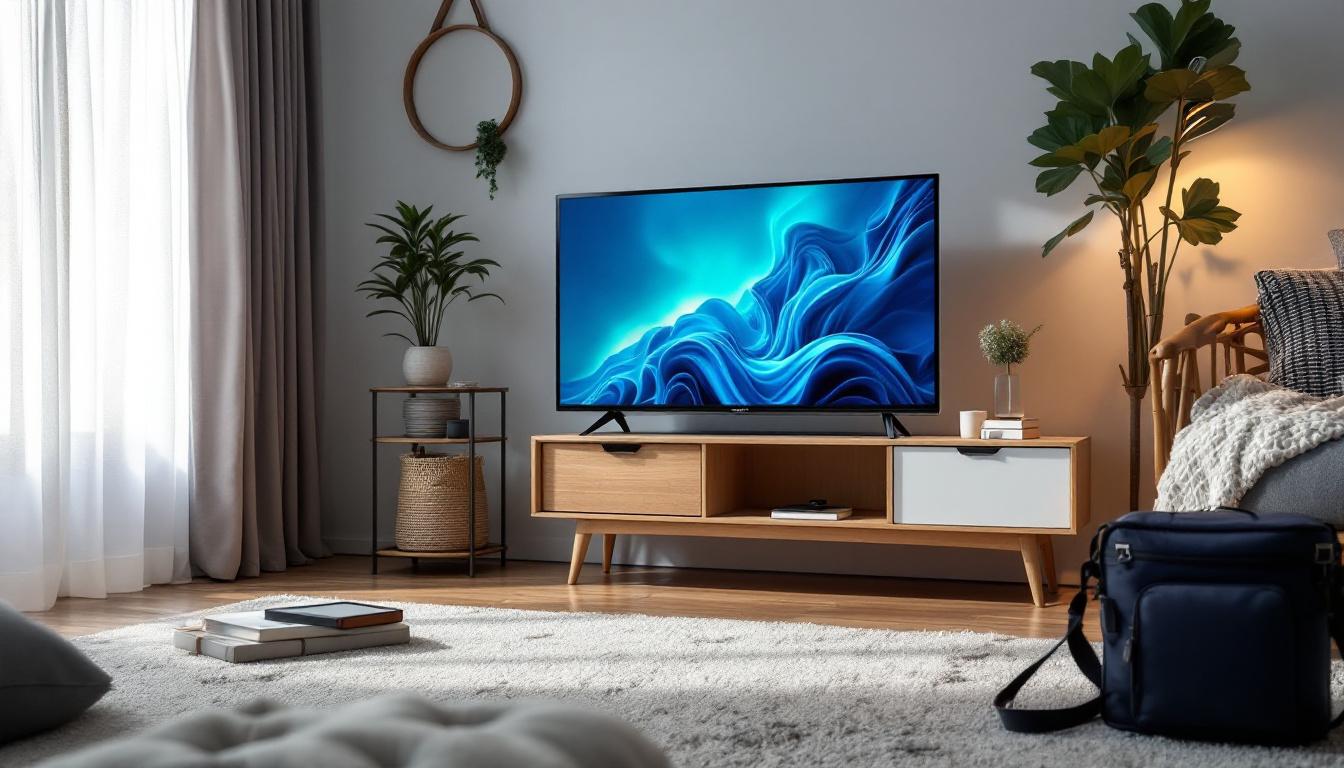
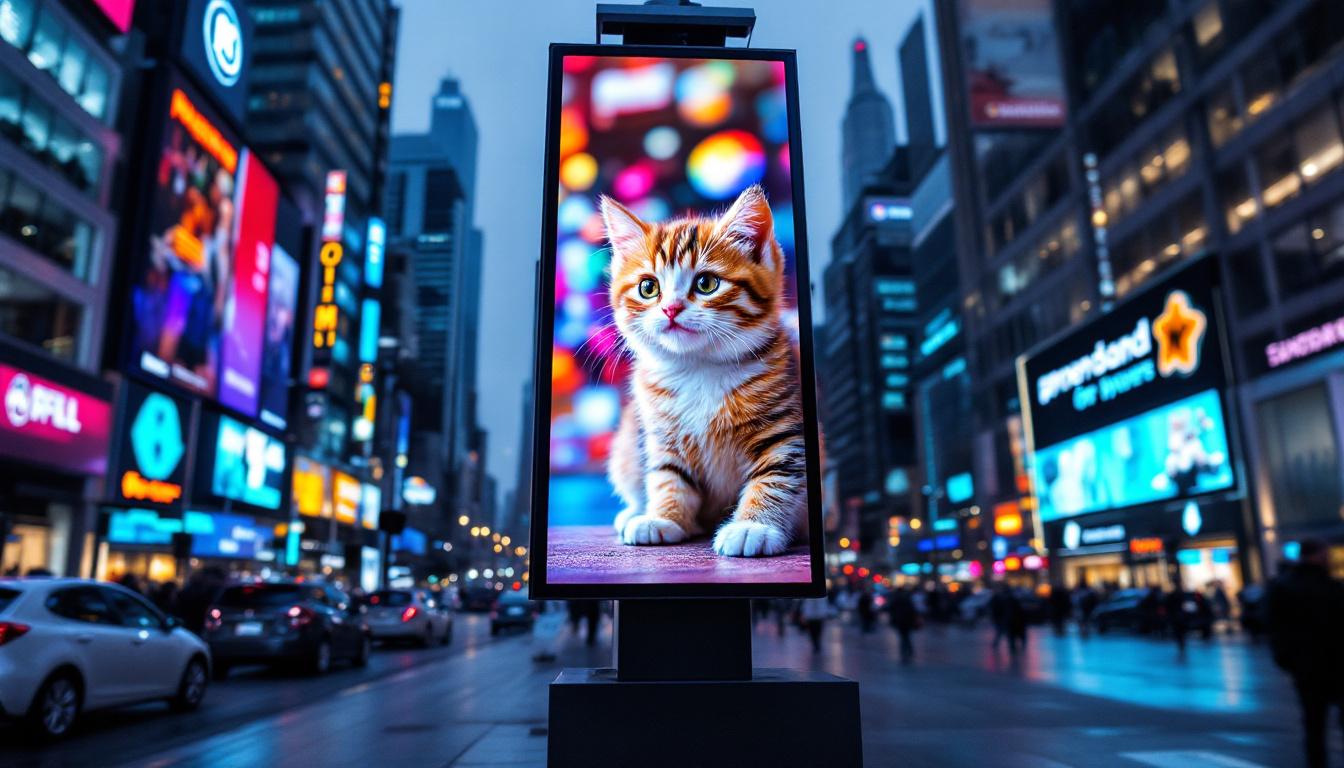
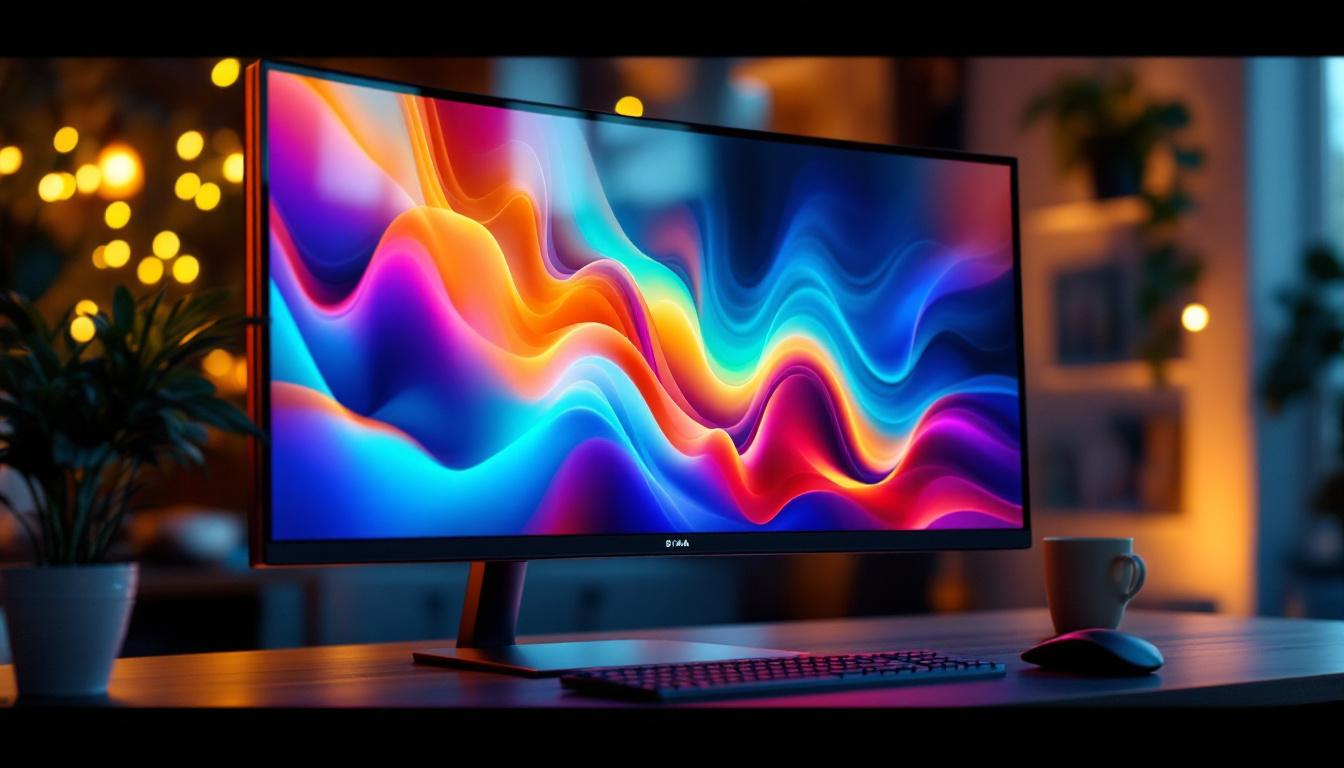
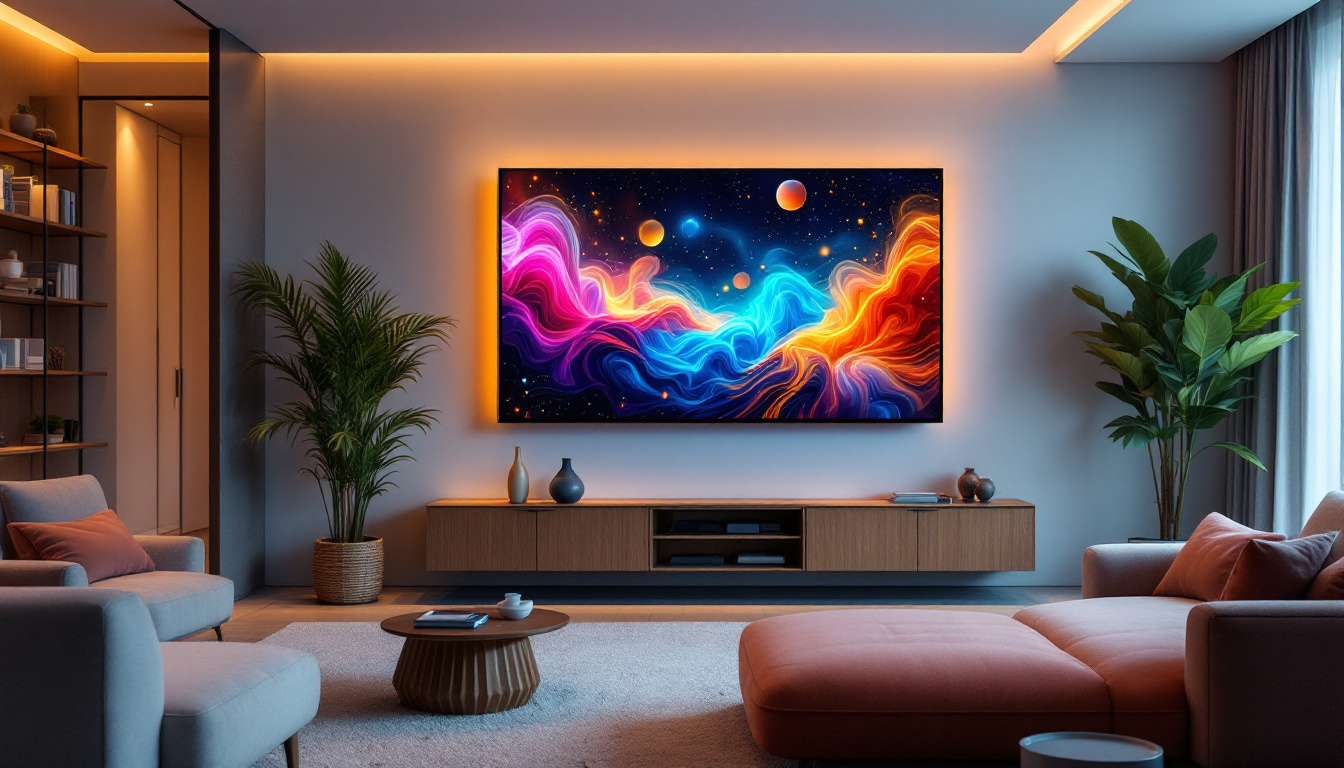
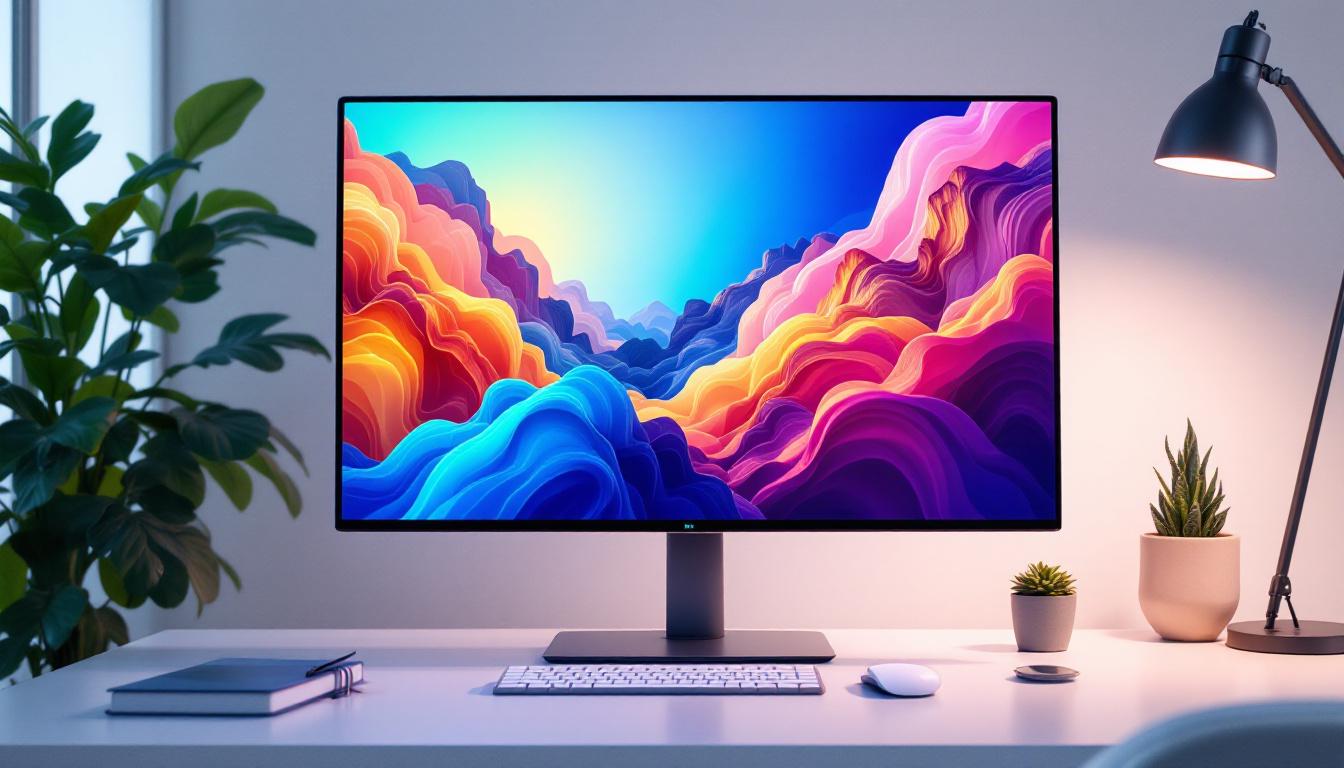
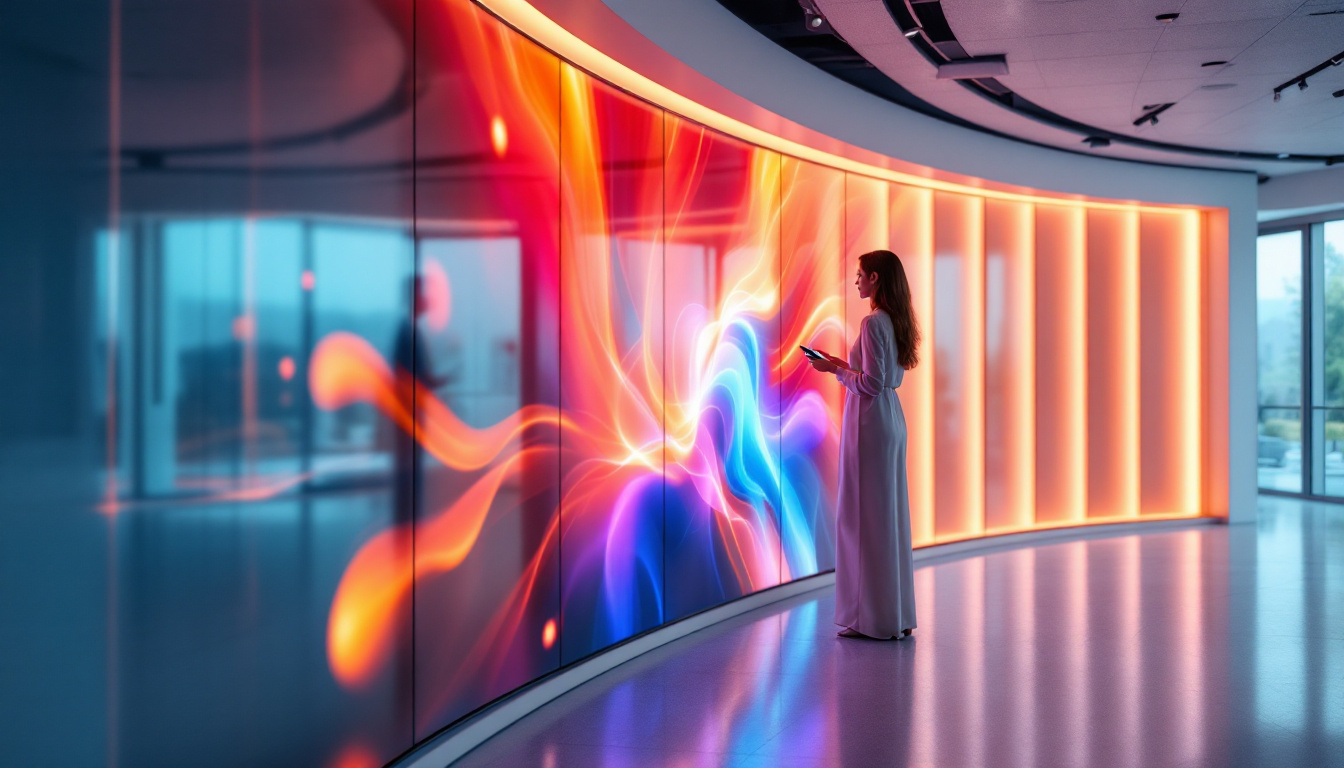
Furthermore, LED displays can be configured in various shapes and sizes, from large outdoor billboards to smaller indoor screens. This adaptability means that they can fit into a wide range of environments, from stadiums to intimate venues, enhancing the overall experience for viewers. The lightweight nature of LED panels also makes them easier to transport and install, further contributing to their appeal in the fast-paced world of event production.
How Do LED Displays Work in Lighting?
LED displays function by controlling the intensity and color of individual diodes to produce the desired lighting effect. This granular control allows for precise manipulation of light temperature, saturation, and direction. Many LED panels used in videography offer adjustable color temperatures ranging from tungsten (around 3200K) to daylight (up to 6500K), enabling videographers to match ambient lighting conditions or create specific moods.
Moreover, LED displays can be programmed to emit patterns or gradients of light, providing dynamic lighting that can change in real time. This capability is particularly valuable in music videos, commercials, and narrative films where lighting is part of the storytelling. The ability to sync lighting effects with music or dialogue adds an extra layer of engagement, allowing for a more immersive viewer experience.
In addition, advancements in LED technology have led to the development of smart LED displays that can be controlled via mobile apps or software. This innovation allows for remote management of lighting setups, making it easier for videographers to adjust settings on the fly without needing to physically access the equipment. Such flexibility is especially beneficial during live performances or shoots where timing is critical, ensuring that the lighting complements the action perfectly.
Advantages of LED Display Lighting in Videography
Energy Efficiency and Longevity
One of the most significant benefits of LED lighting is its energy efficiency. LEDs consume up to 75% less energy compared to traditional incandescent or halogen lights. This efficiency not only reduces electricity costs but also minimizes heat output, which is crucial in confined studio spaces or on-location shoots where temperature control is essential.
LEDs also have an impressive lifespan, often exceeding 50,000 hours of operation. This durability reduces the need for frequent replacements, making LED displays a cost-effective investment for videographers over time.
Color Accuracy and Flexibility
Color accuracy is paramount in videography, where lighting can significantly affect the final image. Modern LED displays offer high Color Rendering Index (CRI) values—often above 90—meaning they render colors more faithfully compared to older lighting technologies. This accuracy ensures that skin tones and set colors appear natural and consistent on camera.
Additionally, the ability to adjust color temperature and hue on LED panels allows videographers to tailor lighting to specific scenes without changing physical gels or filters. This flexibility accelerates the shooting process and expands creative possibilities.
Portability and Ease of Use
LED display panels are generally lightweight and compact, making them highly portable for on-location shoots. Many models come with built-in dimmers, wireless controls, and battery options, enabling quick setup and adjustments without cumbersome wiring or bulky equipment.
This ease of use is particularly advantageous for solo videographers or small crews who need to move quickly between shots or locations. The modular nature of LED panels also allows for scalable lighting setups, from small interview lights to large-scale scene illumination.
Applications of LED Displays in Videography
Dynamic Backgrounds and Set Design
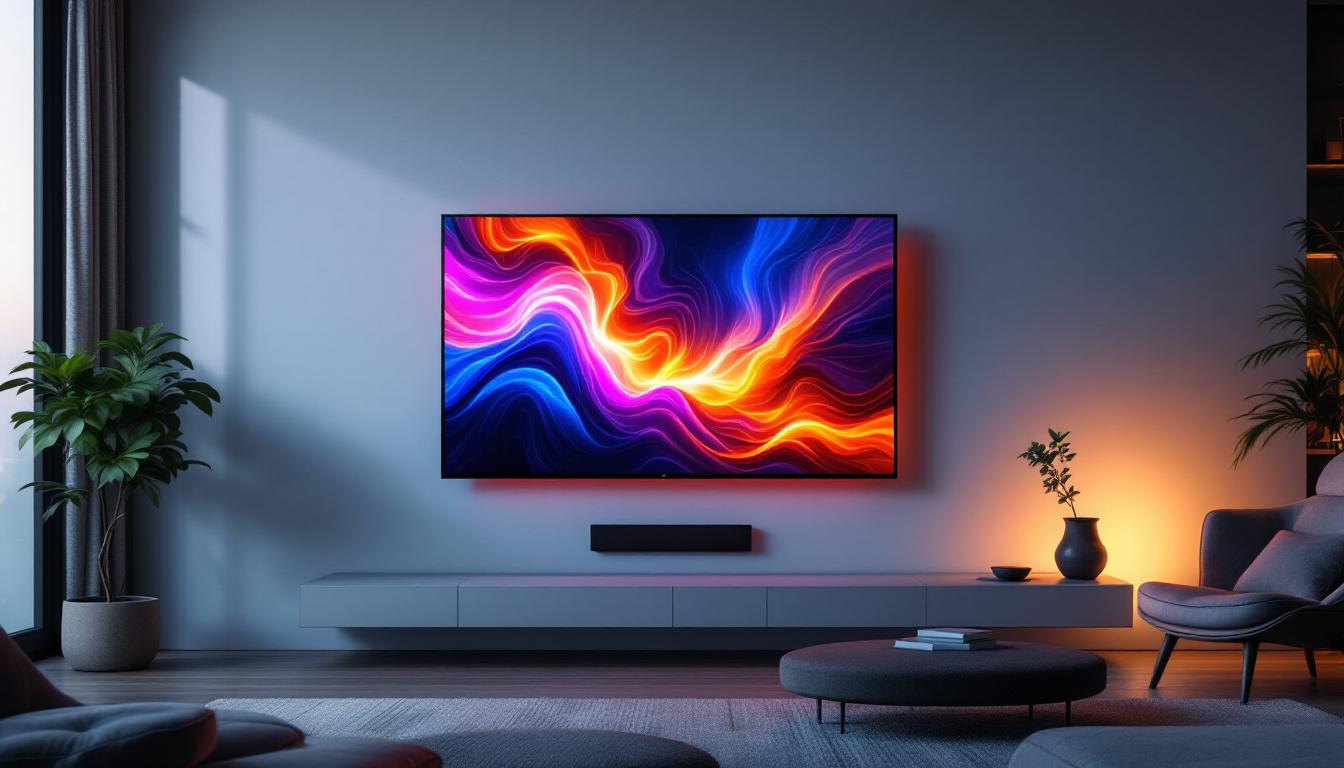
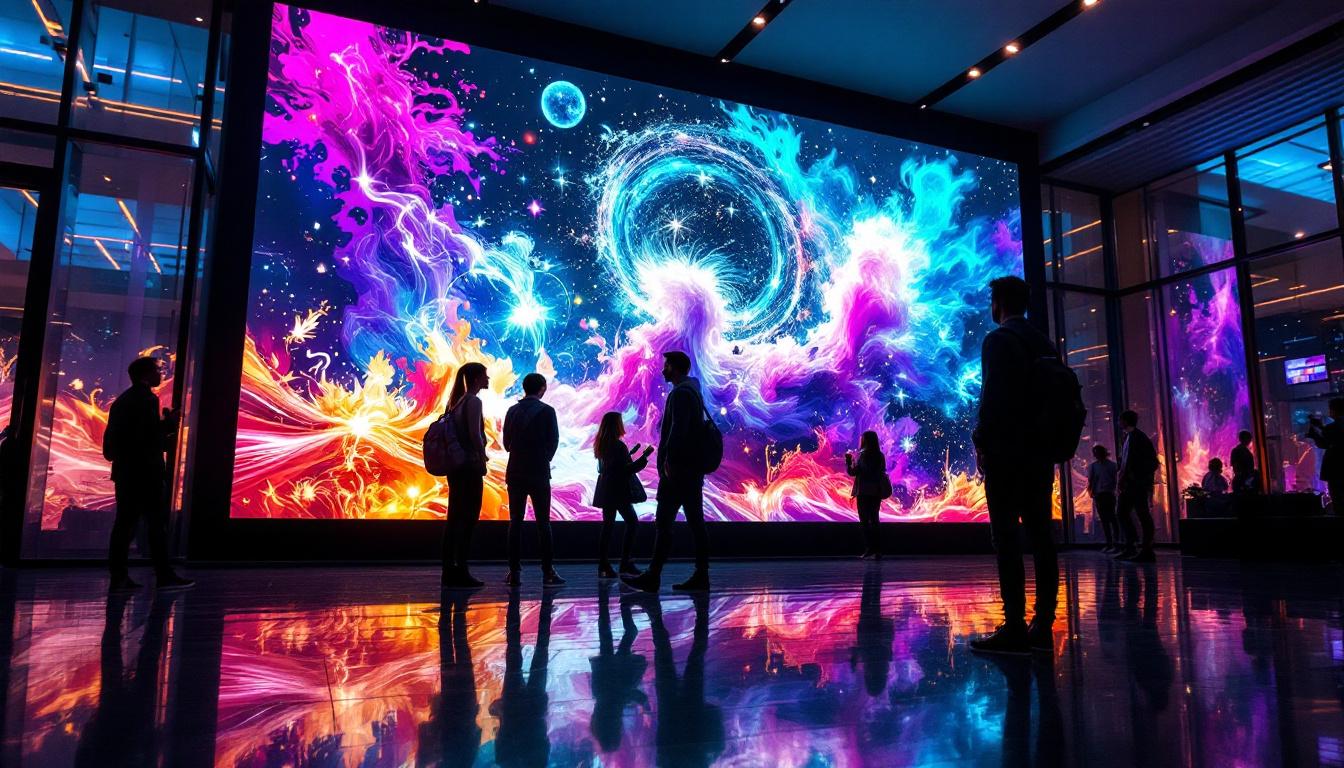
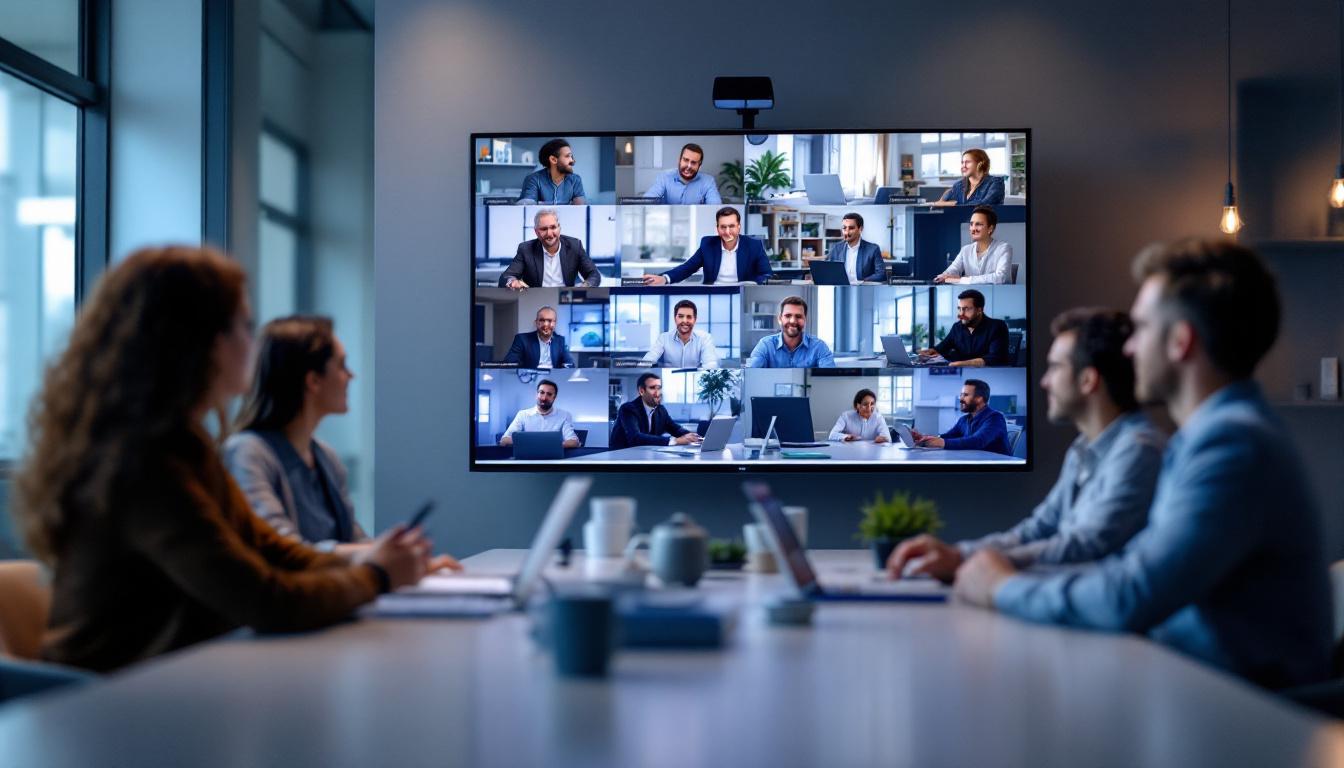
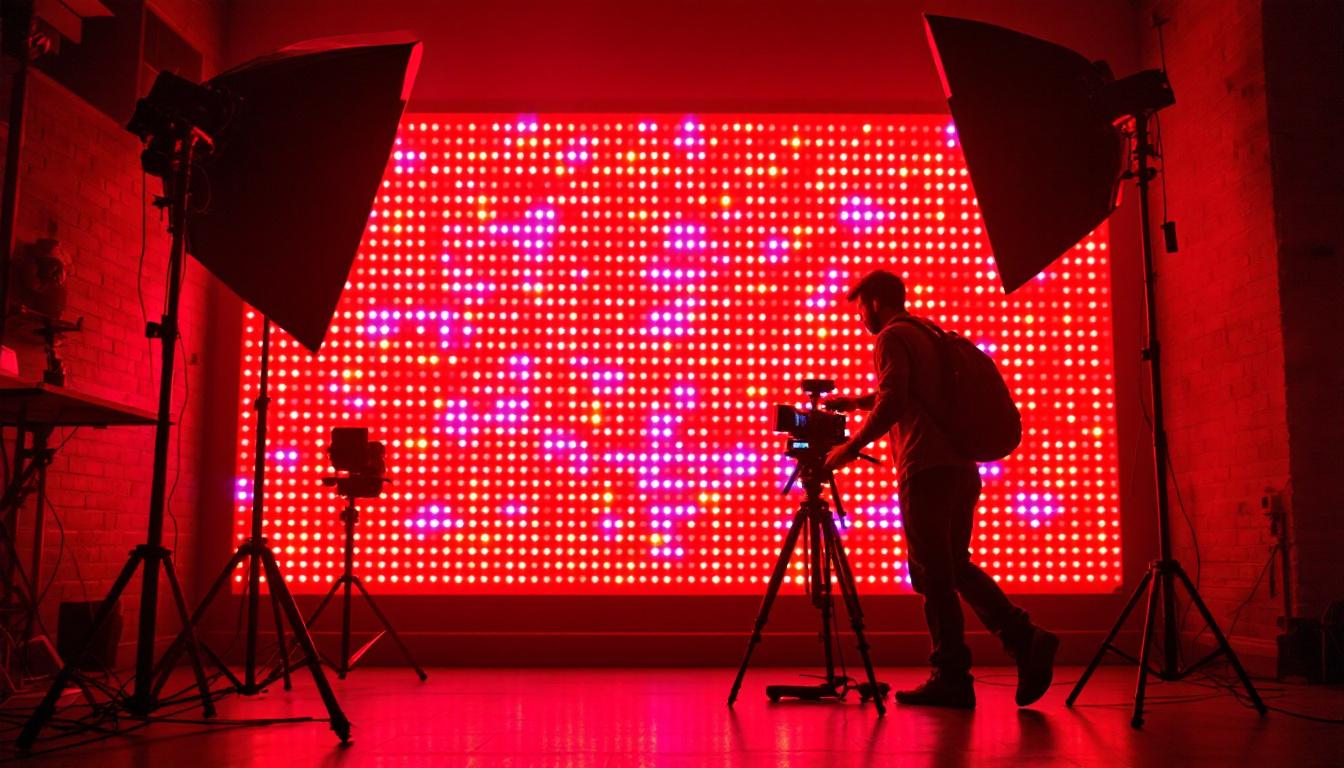
LED displays have revolutionized set design by enabling dynamic, customizable backgrounds that can change instantly during filming. This capability is widely used in music videos, commercials, and live broadcasts where visual impact is critical.
For example, a fashion shoot might use an LED wall to simulate different environments—urban landscapes, abstract patterns, or vibrant colors—without physically changing the set. This not only saves time and budget but also allows for creative experimentation.
Key and Fill Lighting
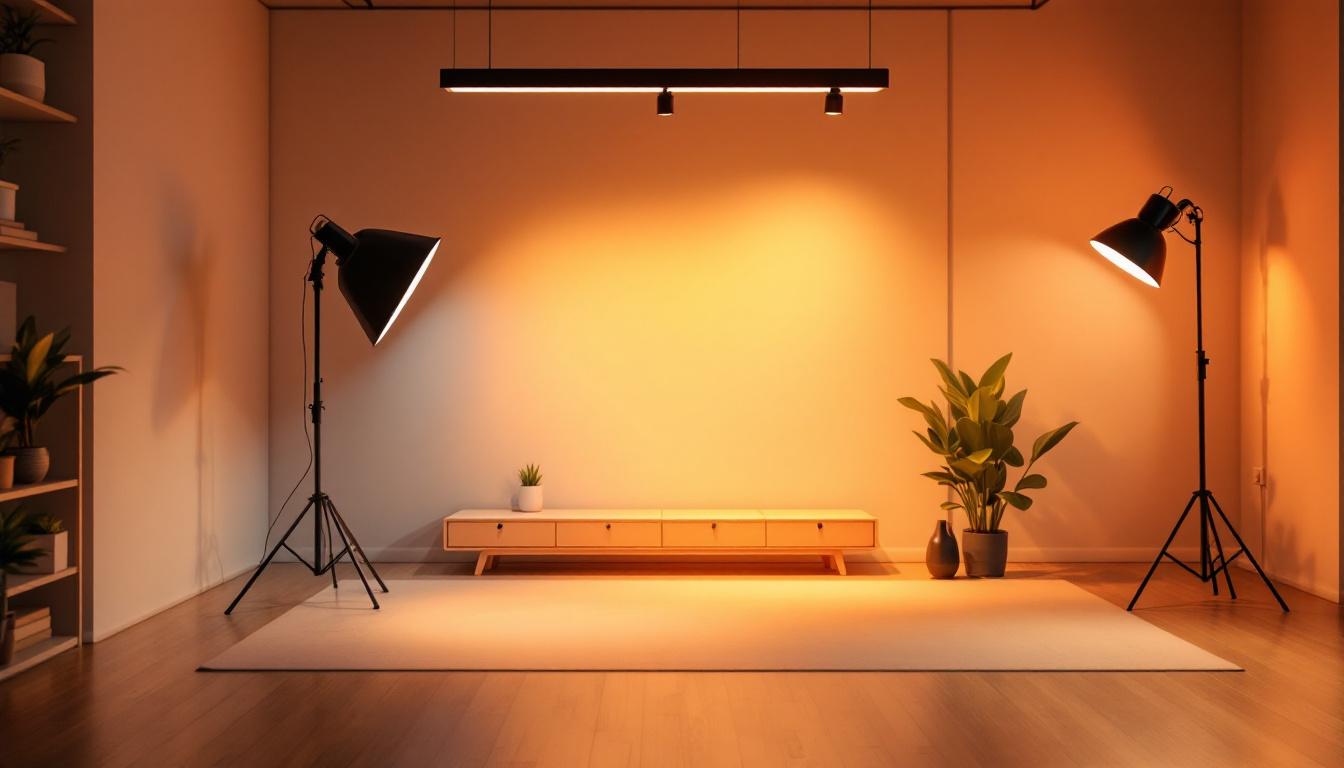
Traditional key and fill lighting setups can be enhanced with LED displays by using panels as soft light sources. Their adjustable brightness and color temperature help achieve balanced lighting that flatters subjects and reduces harsh shadows.
LED panels can be positioned close to the subject without generating excessive heat, which is especially beneficial during long shoots. Additionally, the ability to fine-tune light quality helps maintain consistency across multiple takes or scenes.
Interactive and Immersive Lighting Effects
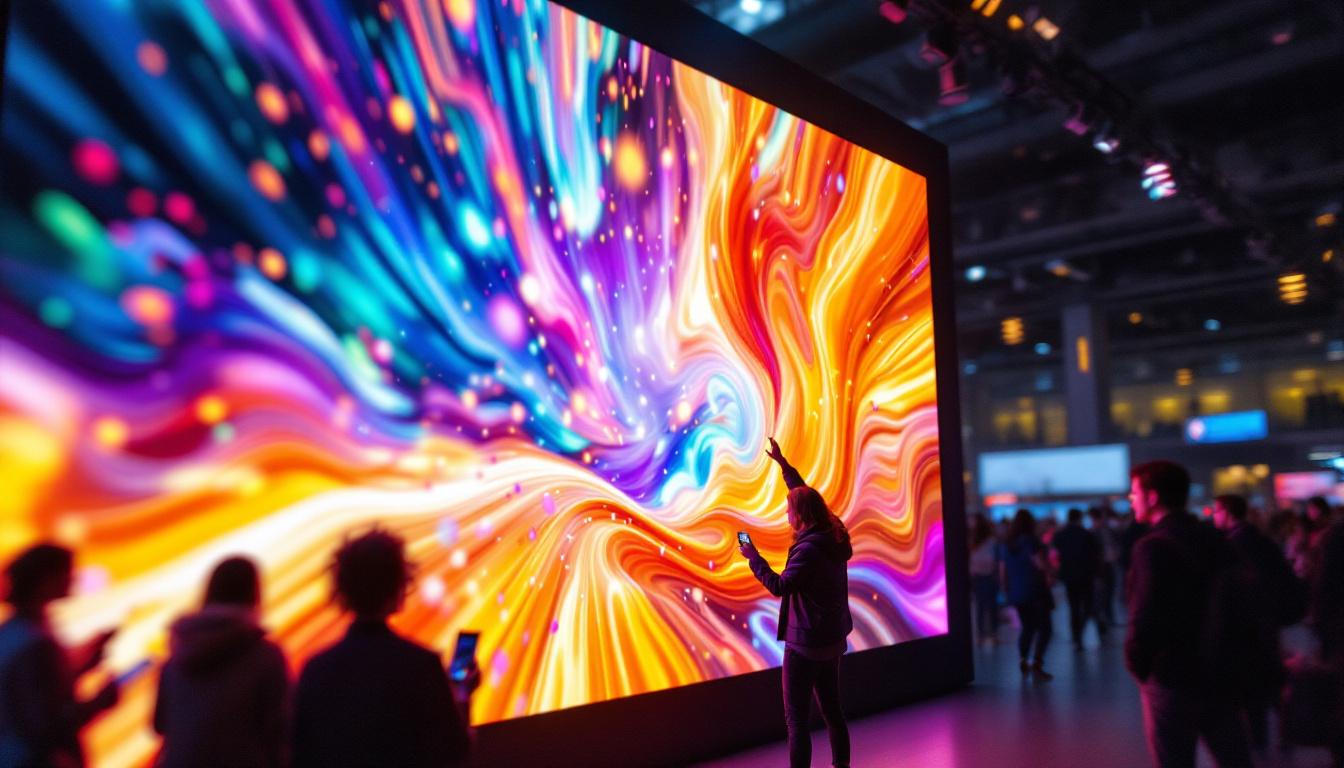
In narrative filmmaking and experimental videography, LED displays enable interactive lighting effects that respond to actors’ movements or environmental cues. For instance, an LED backdrop can change color or pattern based on a character’s emotional state, enhancing storytelling through visual cues.
Immersive experiences, such as virtual production stages, rely heavily on LED walls to create realistic environments that blend physical and digital elements seamlessly. This technology has been employed in high-profile productions like “The Mandalorian,” showcasing its potential to transform traditional filmmaking.
Choosing the Right LED Display for Your Videography Needs
Considerations for Resolution and Pixel Pitch
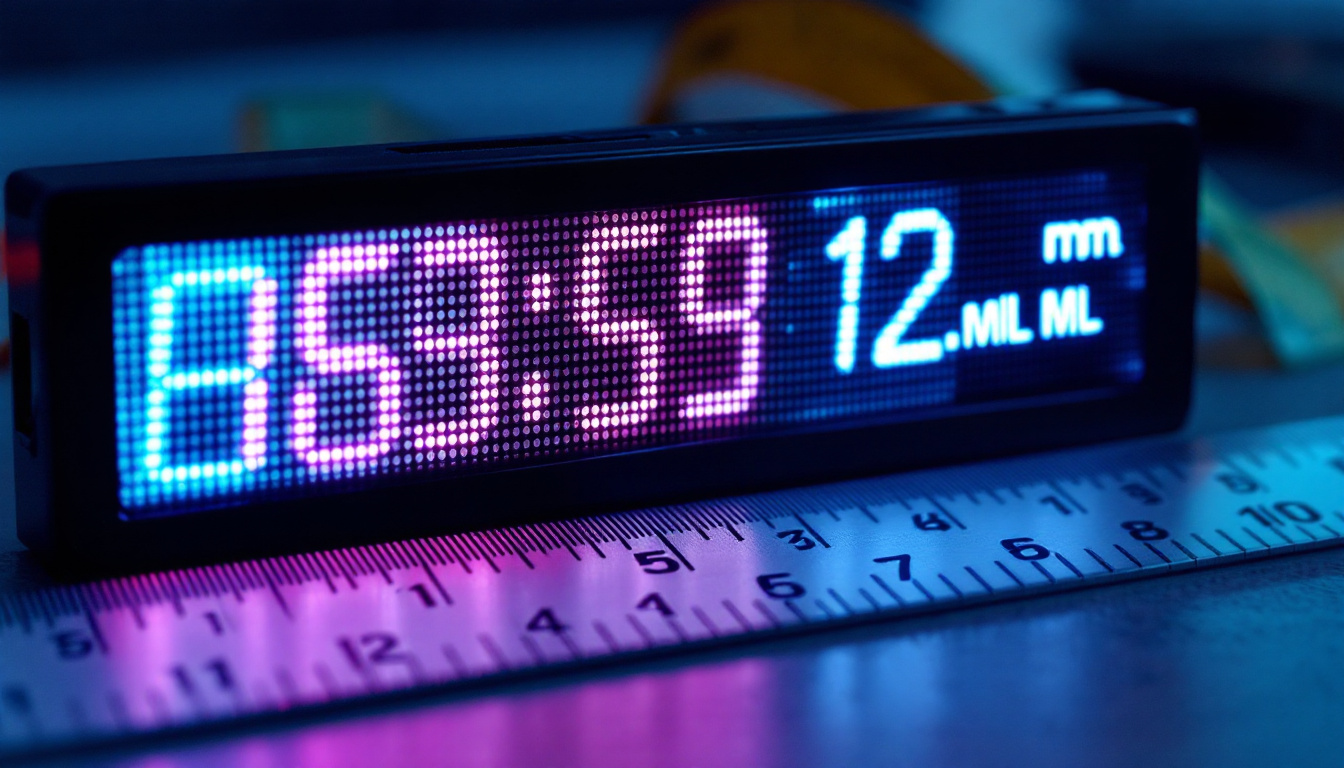
The resolution of an LED display refers to the number of individual LEDs per unit area, while pixel pitch is the distance between these LEDs. For videography lighting, a finer pixel pitch (smaller distance between LEDs) results in smoother light output and more detailed images when used as a backdrop.
Choosing the appropriate resolution depends on the distance between the display and the camera. For close-up shots, high-resolution panels with pixel pitches of 1.5mm to 2.5mm are ideal. For background lighting or large set pieces viewed from a distance, panels with larger pixel pitches may suffice.
Brightness and Dimming Capabilities
Brightness is measured in nits, with higher values indicating more intense light output. For indoor videography, LED displays with brightness levels between 800 and 1500 nits are typically sufficient to compete with ambient lighting and studio lights.
Equally important is the dimming capability. Smooth, flicker-free dimming allows for precise control over light intensity, which is essential for maintaining consistent exposure and avoiding flicker artifacts in video footage.
Color Temperature Range and Control
Look for LED panels that offer a wide color temperature range, ideally from 2700K (warm tungsten) to 6500K (daylight). This range covers most lighting scenarios encountered in videography, from cozy indoor scenes to bright outdoor simulations.
Advanced models provide not only adjustable color temperature but also full RGB control, enabling the creation of custom colors and effects. This feature expands creative options and allows for seamless integration with other lighting elements on set.
Best Practices for Using LED Displays in Videography Lighting
Balancing LED Display Lighting with Ambient Light
When integrating LED displays into a lighting setup, it is crucial to balance their output with existing ambient light sources. Overpowering ambient light can cause unwanted reflections or color shifts, while insufficient LED brightness may result in flat or underexposed footage.
Using light meters and test shots helps determine the optimal LED intensity and positioning. Additionally, diffusers or softboxes can be employed to soften the LED output if necessary, creating a more natural look.
Managing Flicker and Refresh Rates
One common challenge with LED lighting in videography is flicker, which occurs when the refresh rate of the LEDs does not synchronize with the camera’s shutter speed. Flicker can manifest as banding or strobing effects in footage, which are distracting and difficult to correct in post-production.
To avoid flicker, choose LED displays with high refresh rates (above 3000 Hz) and test them with your camera settings before shooting. Many professional LED panels include flicker-free technology designed specifically for video applications.
Creative Experimentation with LED Lighting
LED displays open up numerous creative possibilities for videographers willing to experiment. From color gradients that shift subtly over time to interactive lighting that responds to sound or movement, these displays can transform static scenes into dynamic visual experiences.
Incorporating LED lighting into storytelling requires thoughtful planning and collaboration between the director, cinematographer, and lighting designer. When executed well, LED displays can elevate the production value and emotional impact of any video project.
Conclusion
LED display lighting represents a significant advancement in videography, offering unparalleled flexibility, efficiency, and creative potential. By understanding the technology behind LED displays and how to harness their capabilities effectively, videographers can enhance their lighting setups, improve image quality, and push the boundaries of visual storytelling.
As LED technology continues to evolve, its integration into videography workflows is likely to become even more sophisticated and widespread. Staying informed about the latest developments and best practices will ensure that videographers remain at the forefront of this exciting lighting revolution.
Illuminate Your Vision with LumenMatrix
Ready to take your videography to the next level with cutting-edge LED display lighting? Discover the innovative solutions offered by LumenMatrix, where our commitment to excellence transforms ordinary spaces into extraordinary visual narratives. From the vibrant clarity of an Indoor LED Wall Display to the dynamic versatility of a Custom LED Display, LumenMatrix provides a spectrum of options to meet your creative needs. Elevate your projects with our LED displays and witness how they bring your vision to life with precision and flair. Check out LumenMatrix LED Display Solutions today and join the revolution in visual storytelling.