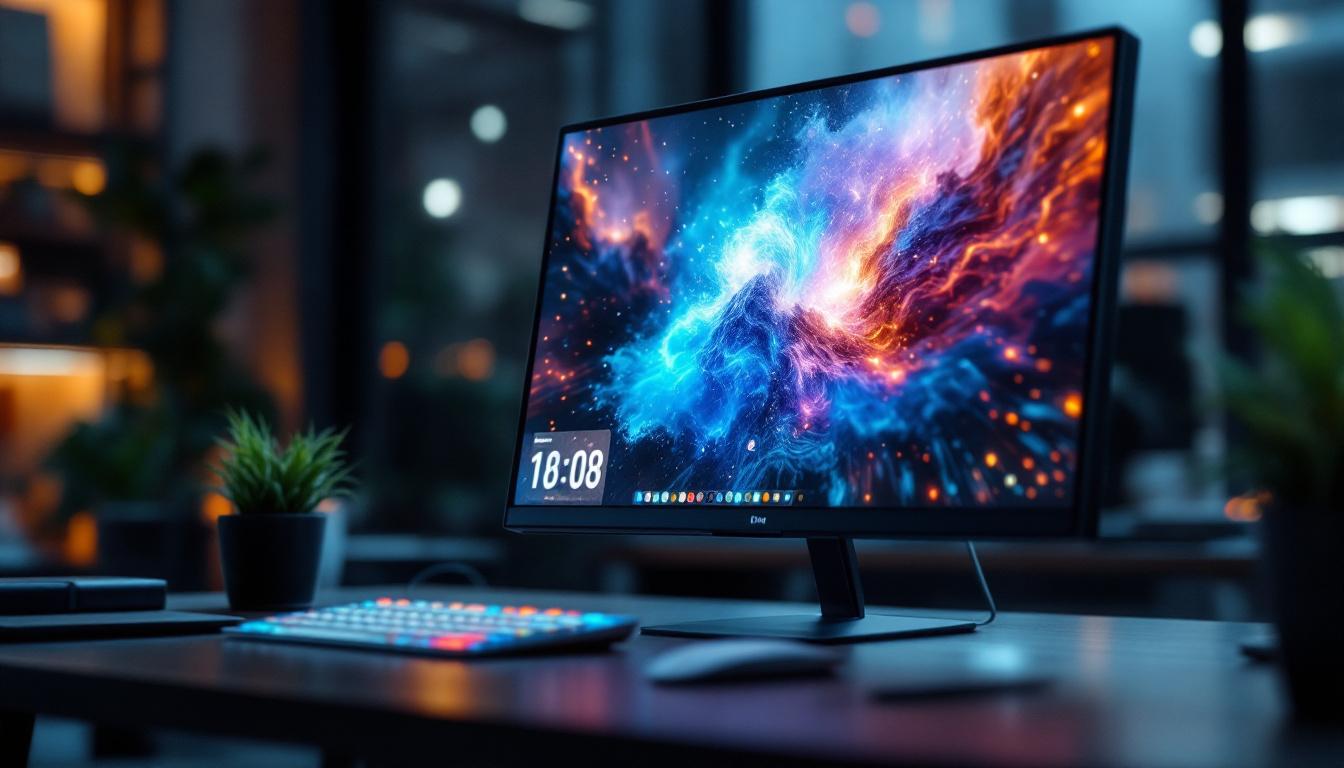
In today’s fast-paced digital world, the demand for portable and efficient display solutions has surged dramatically. Mobile monitors, particularly those featuring LED displays, have become essential tools for professionals, gamers, and casual users alike. But what exactly makes LED technology the preferred choice for mobile monitors? This article delves into the intricacies of LED displays in mobile monitors, exploring their technology, advantages, and practical applications.
Understanding Mobile Monitors and Their Growing Popularity
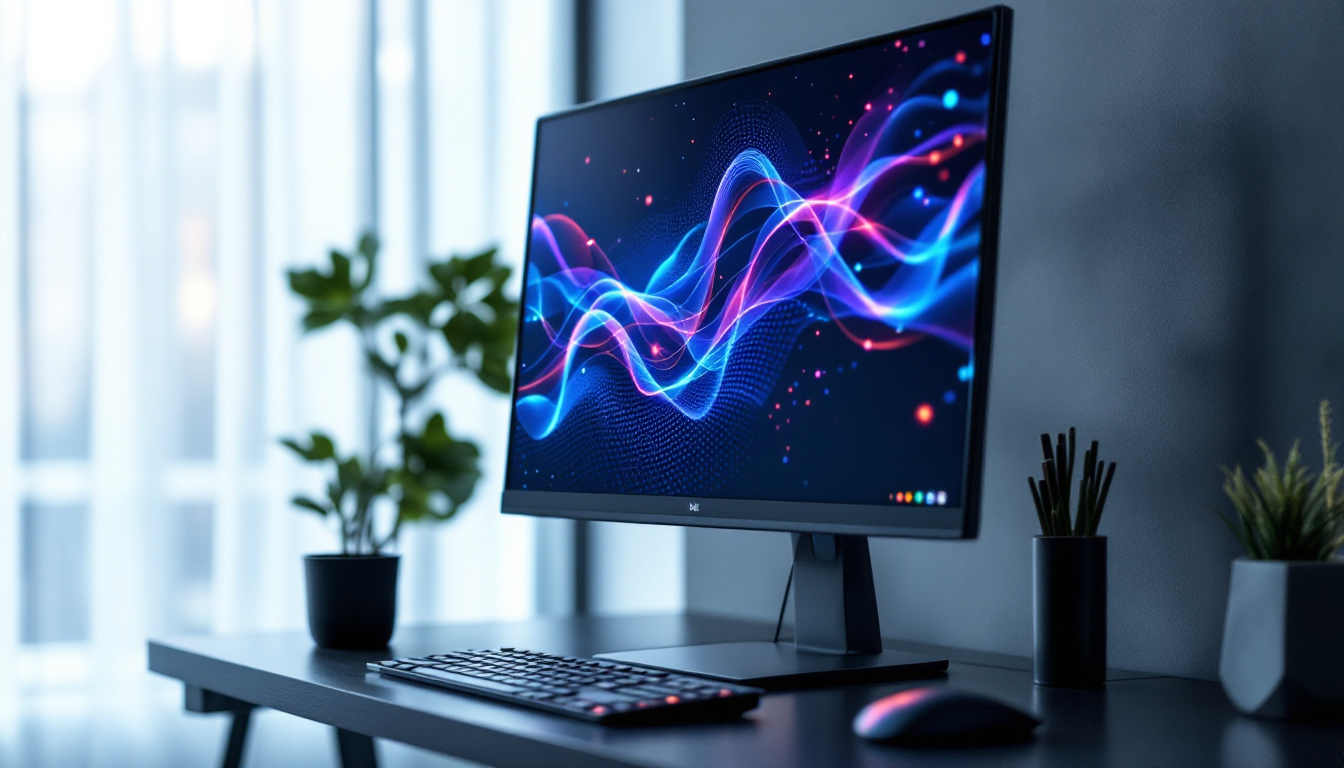
Mobile monitors are compact, lightweight external screens designed to extend or mirror the display of laptops, smartphones, gaming consoles, and other devices. Unlike traditional desktop monitors, these portable displays emphasize convenience without compromising on image quality. The rise in remote work, digital nomadism, and mobile gaming has propelled the mobile monitor market to new heights.
According to a recent market analysis by Grand View Research, the global portable monitor market is expected to grow at a compound annual growth rate (CAGR) of over 7% from 2023 to 2030. This growth is fueled by increasing demand for multi-screen setups on the go, enhanced productivity tools, and the evolution of display technologies. As manufacturers innovate with features like touchscreens, higher resolutions, and improved connectivity options, consumers are increasingly drawn to the versatility that mobile monitors provide.
Key Use Cases Driving Demand
Professionals working remotely benefit from mobile monitors by having a dual-screen setup without the bulk of traditional monitors. Creative professionals, such as photographers and video editors, use these monitors for color-accurate previews and on-site editing. Gamers appreciate the enhanced screen real estate and portability, especially when attending tournaments or gaming with friends. Even students and casual users find mobile monitors useful for multitasking and media consumption. In addition to these primary use cases, mobile monitors are also becoming popular among educators who utilize them for interactive teaching, allowing for a more engaging and dynamic classroom experience, whether in-person or virtual.
Moreover, the integration of advanced technologies such as USB-C connectivity and wireless display capabilities has further enhanced the appeal of mobile monitors. Users can easily connect their devices without the hassle of multiple cables, making it easier to switch between tasks or presentations. This seamless connectivity is particularly beneficial for business professionals who often need to present their work in various settings, from coffee shops to conference rooms. As the demand for flexibility and efficiency continues to rise, mobile monitors are likely to become an essential tool for anyone looking to maximize their productivity on the go.
What Is an LED Display? The Technology Behind the Screen
At the heart of most modern mobile monitors lies the LED display technology. LED stands for Light Emitting Diode, a semiconductor device that emits light when an electric current passes through it. However, when discussing LED displays, it’s important to distinguish between different types of LED implementations in screens.
LED vs. LCD: Clarifying the Terminology
Many mobile monitors are technically LCD (Liquid Crystal Display) panels that use LED backlighting. This means the actual image is produced by liquid crystals manipulating light, while LEDs provide the illumination behind the screen. This combination is often referred to as LED-LCD displays.
True LED displays, such as OLED (Organic LED) panels, use LEDs as individual pixels that emit their own light, allowing for superior contrast and color accuracy. However, OLED mobile monitors are still relatively niche and more expensive compared to LED-LCD counterparts.
Types of LED Backlighting
LED backlighting in mobile monitors can be implemented in two main ways: edge-lit and direct-lit (or full-array). Edge-lit LED monitors position LEDs along the edges of the screen, using light guides to distribute illumination evenly. This design allows for thinner and lighter displays, ideal for portability.
Direct-lit LED monitors have LEDs spread uniformly behind the entire screen, offering better brightness and contrast but often at the cost of increased thickness and weight. Most mobile monitors favor edge-lit LED backlighting due to the portability advantage.
Advantages of LED Displays in Mobile Monitors
LED technology brings several benefits that make mobile monitors attractive for various users. Understanding these advantages helps explain why LED displays dominate the portable monitor market.
Energy Efficiency and Battery Life
One of the standout features of LED displays is their energy efficiency. LEDs consume less power compared to older CCFL (Cold Cathode Fluorescent Lamp) backlights used in traditional LCDs. This efficiency translates into longer battery life when mobile monitors are powered by laptops or external batteries, a critical factor for users on the move.
Brightness and Visibility
LED backlighting provides higher brightness levels, which improves screen visibility in diverse lighting conditions, including bright outdoor environments. Many mobile monitors offer brightness ratings between 250 to 400 nits, with some premium models exceeding 500 nits, ensuring clear and vibrant images even under direct sunlight.
Color Accuracy and Image Quality
LED displays support a wider color gamut and better color reproduction compared to older technologies. This is particularly important for professionals in photography, graphic design, and video production who require precise color accuracy. Advanced LED monitors often cover 100% of sRGB color space or more, delivering rich and true-to-life visuals.
Thin and Lightweight Design
The compact nature of LED backlighting enables manufacturers to produce slim and lightweight mobile monitors. This portability is a key selling point, allowing users to easily carry their monitors in backpacks or laptop bags without added bulk.
Durability and Longevity
LEDs have a longer lifespan than traditional backlighting methods, often rated for tens of thousands of hours of use. This durability ensures mobile monitors remain functional and maintain image quality over extended periods, reducing the need for frequent replacements.
Common Features of LED Mobile Monitors
Mobile monitors with LED displays come equipped with various features designed to enhance user experience. These features often reflect the needs of the target audience, whether for business, gaming, or multimedia consumption.
Connectivity Options
Modern mobile monitors typically support USB-C connections, which provide power, video, and data transfer through a single cable. This simplifies setup and reduces cable clutter. Some models also include HDMI ports to connect with gaming consoles, cameras, or other devices.
Touchscreen Capabilities
Touch-enabled LED mobile monitors are gaining popularity, especially among creative professionals and educators. Touchscreens facilitate intuitive interaction, allowing users to draw, annotate, or navigate applications directly on the display.
Adjustable Stands and Mounting Options
Portability doesn’t mean sacrificing ergonomics. Many mobile monitors come with foldable stands or magnetic covers that double as stands, enabling users to adjust viewing angles for comfort. VESA mounting compatibility is also available on some models for more permanent setups.
Built-in Speakers and Audio Support
While not a primary feature, some mobile monitors include built-in speakers or audio pass-through ports. This can be convenient for video calls or media playback when external audio devices are unavailable.
Choosing the Right LED Mobile Monitor for Your Needs
With a wide variety of LED mobile monitors on the market, selecting the right one can be challenging. Several factors should be considered to ensure the monitor aligns with your specific requirements.
Screen Size and Resolution
Mobile monitors typically range from 12 to 17 inches. Larger screens provide more workspace but can be less portable. Resolution is equally important; Full HD (1920×1080) is standard, but higher resolutions like 4K are available for users needing exceptional detail.
Color Accuracy and Calibration
For professionals in creative fields, color accuracy is paramount. Look for monitors with factory calibration and wide color gamut support. Some models also offer hardware calibration tools to maintain consistent color fidelity.
Portability and Build Quality
Consider the weight, thickness, and materials used. Aluminum or magnesium alloy bodies offer durability without excessive weight. Additionally, protective cases or covers can safeguard the monitor during travel.
Price and Warranty
LED mobile monitors vary in price from budget-friendly options around $150 to premium models exceeding $500. Assess your budget alongside the features offered. A solid warranty and reliable customer support add value and peace of mind.
Future Trends in LED Mobile Monitor Technology
The mobile monitor industry continues to evolve rapidly, driven by advancements in LED technology and user demands. Several emerging trends are shaping the future landscape.
Mini-LED and Micro-LED Innovations
Mini-LED backlighting uses thousands of tiny LEDs to provide more precise local dimming, resulting in improved contrast and HDR performance. Micro-LED technology, which involves self-emissive LEDs like OLED but with higher brightness and durability, promises even better image quality and energy efficiency. These technologies are gradually making their way into mobile monitors.
Flexible and Foldable Displays
Flexible LED displays could revolutionize portability by allowing screens to fold or roll up. While still in early development stages, such innovations could lead to ultra-portable monitors that fit into pockets or small compartments.
Integration with AI and Smart Features
Artificial intelligence may enhance display calibration, adaptive brightness, and blue light filtering automatically based on user behavior and ambient conditions. Smart connectivity features could also streamline multi-device workflows.
Conclusion
LED display technology has become the cornerstone of modern mobile monitors, offering a compelling blend of portability, image quality, and energy efficiency. Whether for professional use, gaming, or everyday productivity, understanding the nuances of LED displays helps users make informed decisions when choosing a mobile monitor.
As the technology continues to advance with innovations like mini-LED and micro-LED, the future of mobile monitors looks brighter and more versatile than ever. Investing in a quality LED mobile monitor today can significantly enhance your digital experience on the go.
Discover the Future of Visual Experience with LumenMatrix
Ready to elevate your visual experience with the latest in LED display technology? Look no further than LumenMatrix, a pioneer in crafting cutting-edge LED display modules that redefine brand visibility and audience engagement. From the immersive Indoor LED Wall Display to the dynamic Outdoor LED Wall Display, and from the versatile Vehicle LED Display to the innovative All-in-One LED Display, LumenMatrix offers an array of solutions tailored to your needs. Embrace the future of digital signage and create unforgettable visual narratives. Check out LumenMatrix LED Display Solutions today and transform the way you communicate visually.