When it comes to selecting the right LED display for your space, understanding the dimensions is crucial. A common question that arises is how to convert screen sizes from inches to feet, especially for large displays like a 135-inch LED screen. This article will explore the conversion of 135 inches to feet, delve into the specifics of LED display technology, and discuss practical considerations for choosing and installing large LED screens.
Understanding Screen Size: Inches to Feet Conversion
Screen sizes for LED displays are typically measured diagonally in inches. The diagonal measurement provides a standardized way to compare screen sizes regardless of aspect ratio. However, when planning for installation or spatial arrangements, converting these measurements into feet can offer a clearer perspective on the actual size of the display.
Converting 135 Inches to Feet
To convert inches to feet, the basic formula is:
Feet = Inches ÷ 12
Applying this to a 135-inch screen:
135 ÷ 12 = 11.25 feet
This means the diagonal length of a 135-inch LED display is 11.25 feet.
Why This Conversion Matters
Understanding the size in feet helps businesses, event planners, and homeowners visualize how much wall space the display will occupy. For instance, an 11.25-foot diagonal screen is quite substantial, often used in conference rooms, auditoriums, or outdoor advertising. Knowing the size in feet aids in planning for mounting, viewing distance, and room layout.
Moreover, the impact of a large display extends beyond mere dimensions. In environments such as retail spaces, a larger screen can significantly enhance customer engagement by showcasing vibrant advertisements or dynamic content. The scale of the display can draw attention from afar, making it an effective tool for marketing and communication. Additionally, in educational settings, a larger screen can facilitate better visibility for all students, ensuring that everyone can see and engage with the material being presented, regardless of their seating position.
Furthermore, when considering the installation of large screens, it is essential to factor in the surrounding environment. The height at which the screen is mounted, the distance from seating areas, and the overall room acoustics can all influence the viewing experience. For example, a screen that is too large for a small room may overwhelm viewers, while one that is too small in a large space may fail to capture attention. Therefore, understanding the conversion from inches to feet not only aids in spatial planning but also enhances the effectiveness of the display in fulfilling its intended purpose.
Breaking Down the Dimensions of a 135-Inch LED Display
While the diagonal measurement is helpful, knowing the width and height of the screen provides a more practical understanding of the space it will cover.
Aspect Ratio and Its Impact
Most modern LED displays use a 16:9 aspect ratio, which means the width is 16 units for every 9 units of height. This ratio is standard for HDTV and many digital displays.
Using the Pythagorean theorem, the width (W) and height (H) can be calculated from the diagonal (D) and aspect ratio:
W = D × (16 / √(16² + 9²))
H = D × (9 / √(16² + 9²))
Calculating for 135 inches:
√(16² + 9²) = √(256 + 81) = √337 ≈ 18.36
Width = 135 × (16 / 18.36) ≈ 135 × 0.8716 ≈ 117.67 inches
Height = 135 × (9 / 18.36) ≈ 135 × 0.4903 ≈ 66.19 inches
Converting Width and Height to Feet
To convert these to feet:
Width: 117.67 ÷ 12 ≈ 9.81 feet
Height: 66.19 ÷ 12 ≈ 5.52 feet
Therefore, a 135-inch LED display with a 16:9 aspect ratio measures approximately 9.8 feet wide and 5.5 feet tall.
Understanding the dimensions of a display is crucial for various applications, whether for home theaters, conference rooms, or public displays. For instance, in a home theater setup, a screen of this size can create an immersive viewing experience, making movies and sports events feel larger than life. In a corporate environment, the same dimensions can enhance presentations, allowing for clear visibility of graphs and images from the back of a large room.
Moreover, the placement of such a display should be carefully considered. A screen that is too large or too small for the viewing distance can lead to discomfort or strain. The ideal viewing distance for a 135-inch display is generally around 10 to 15 feet, ensuring that viewers can appreciate the details without feeling overwhelmed. This consideration is especially important in settings like classrooms or auditoriums, where audience engagement is key.
The Technology Behind LED Displays
Understanding what makes LED displays unique helps in appreciating why size and resolution matter. LED stands for Light Emitting Diode, and these displays use an array of tiny LEDs to create images.
How LED Displays Work
Each pixel on an LED display consists of red, green, and blue diodes. By varying the intensity of each diode, the display can produce a wide range of colors. This technology offers several advantages:
- Brightness: LED displays are known for their high brightness levels, making them suitable for both indoor and outdoor environments.
- Energy Efficiency: LEDs consume less power compared to traditional display technologies like LCDs or plasma screens.
- Longevity: LED panels typically have longer lifespans, often exceeding 50,000 hours of use.
- Thin and Lightweight: LED displays can be made slim and light, facilitating easier installation.
Types of LED Displays
LED displays come in various configurations, including:
- Direct View LED (DVLED): These displays use LEDs as the actual pixels, offering vibrant colors and high brightness. They are ideal for large-format screens like billboards and stadium displays.
- LED-Backlit LCD: These are LCD screens illuminated by LED backlights. They are common in consumer TVs and monitors but differ from DVLED in image quality and brightness.
Choosing the Right 135-Inch LED Display for Your Needs
Selecting a large LED display involves more than just understanding size. Factors such as resolution, pixel pitch, viewing distance, and installation environment play critical roles.
Resolution and Pixel Pitch
Resolution refers to the number of pixels on the screen, which directly affects image clarity. Pixel pitch is the distance between the centers of two adjacent pixels, usually measured in millimeters. A smaller pixel pitch means higher resolution and sharper images, especially important for close viewing distances.
For a 135-inch display, common pixel pitches range from 1.5mm to 4mm for indoor use. For outdoor applications, larger pixel pitches (e.g., 6mm or more) are typical due to greater viewing distances.
Viewing Distance Considerations
The optimal viewing distance depends on the pixel pitch and screen size. A general rule is that the minimum viewing distance should be at least 1.5 to 2 times the screen width for comfortable viewing without noticing individual pixels.
For a 9.8-foot-wide screen, this translates to a minimum viewing distance of approximately 15 to 20 feet. This ensures the audience experiences crisp and clear images.
Installation Environment
Consider whether the LED display will be used indoors or outdoors. Outdoor screens require weatherproofing, higher brightness to combat sunlight, and robust construction. Indoor displays can focus more on resolution and color accuracy.
Additionally, the mounting options—wall-mounted, free-standing, or ceiling-hung—will influence the choice of display and installation method.
Practical Applications of a 135-Inch LED Display
Large LED displays measuring around 135 inches are versatile and popular across various sectors.
Corporate and Conference Use
In corporate settings, a 135-inch LED screen is ideal for boardrooms, conference halls, and presentation areas. The size allows for clear visibility by all attendees, enhancing communication during meetings and events.
Entertainment and Home Theater
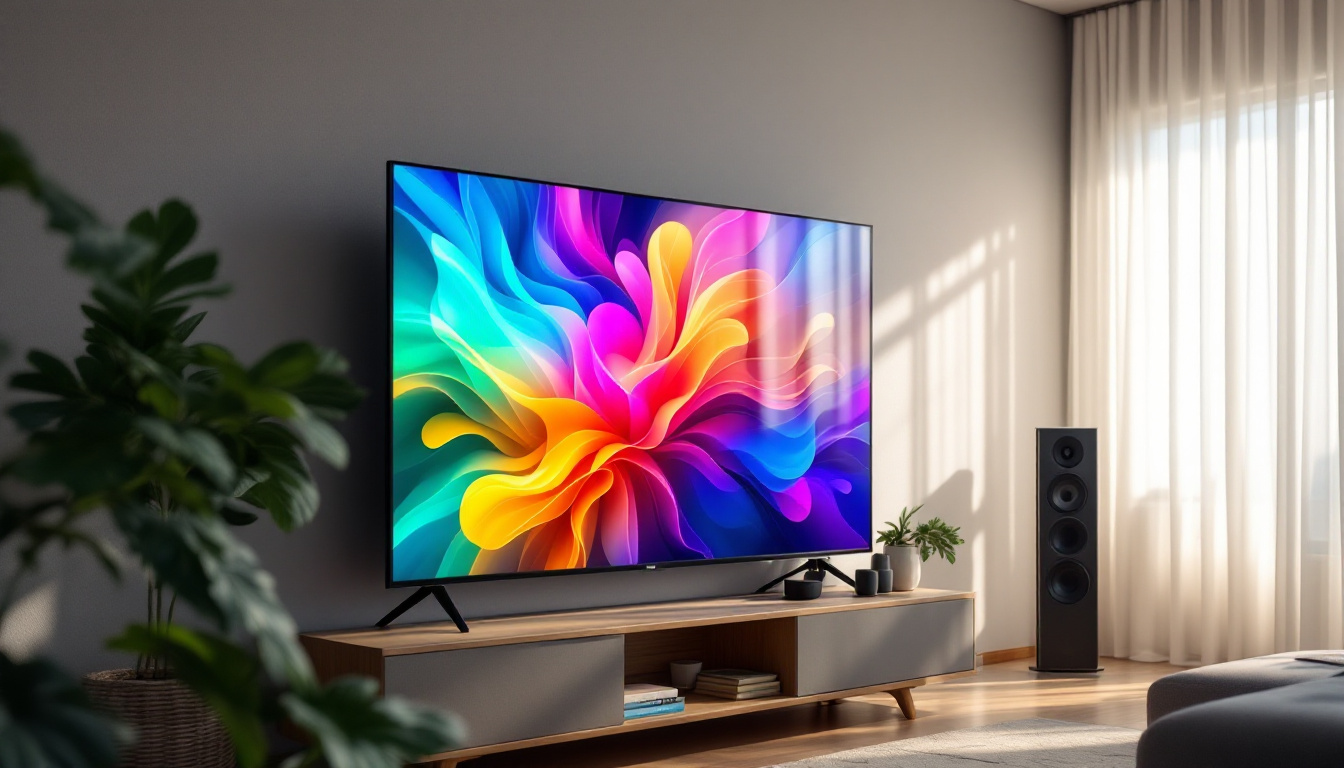
For home theaters, a 135-inch screen offers an immersive viewing experience rivaling commercial cinemas. Paired with high-resolution content and surround sound, it transforms any room into a premium entertainment space.
Advertising and Digital Signage
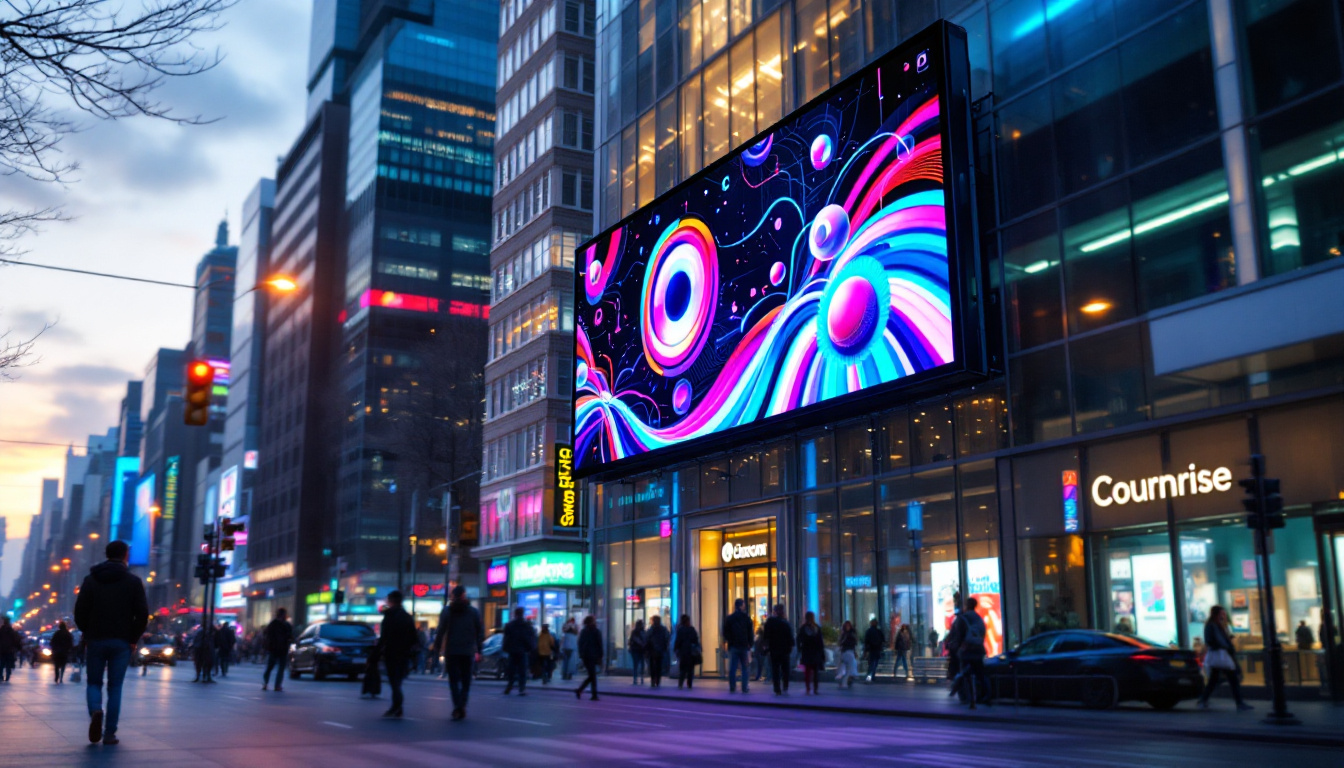
Outdoor digital billboards and retail signage often use large LED displays to attract attention. A 135-inch screen provides ample space for dynamic advertising content, improving brand visibility and customer engagement.
Sports and Events
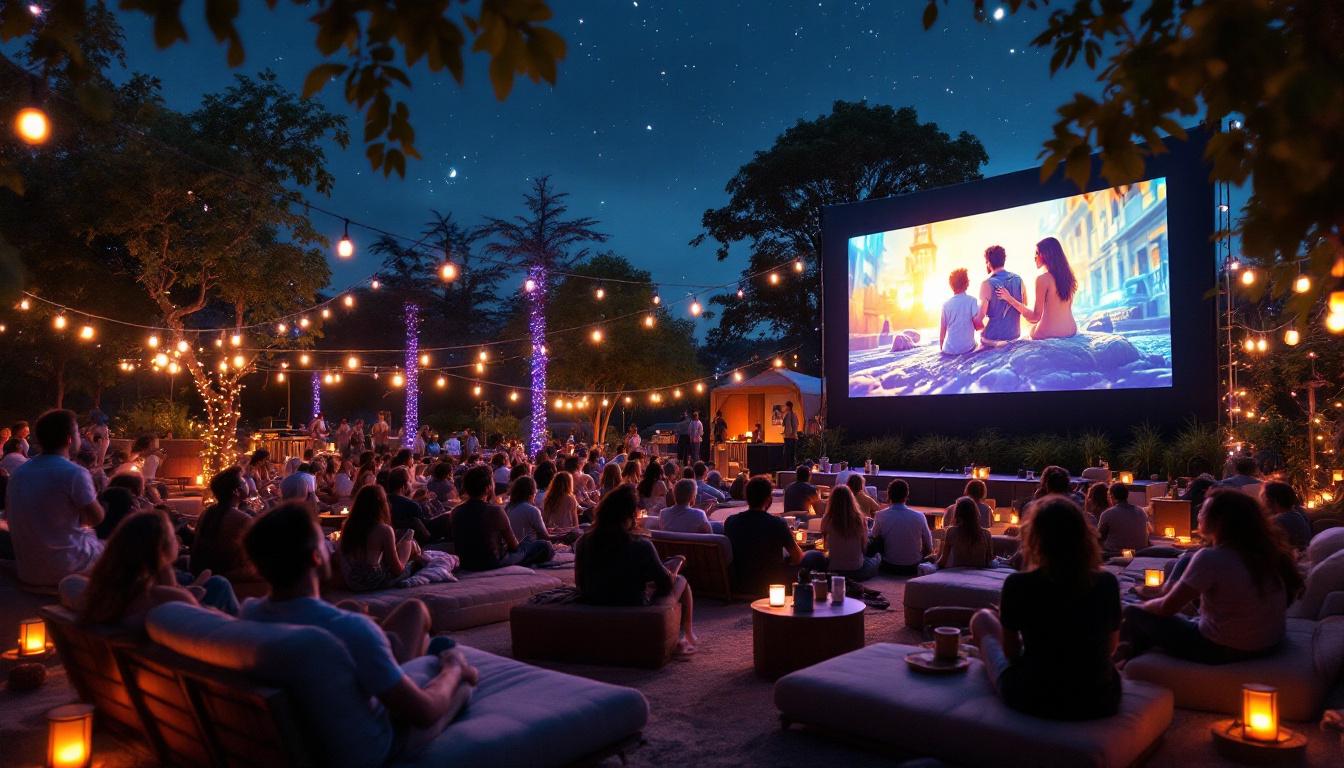
Stadiums and event venues utilize large LED screens to broadcast live action, replays, and information to spectators. The size and brightness of a 135-inch LED display ensure visibility even in bright daylight conditions.
Maintenance and Longevity of LED Displays
Proper maintenance can significantly extend the life and performance of LED displays.
Regular Cleaning
Dust and dirt accumulation can reduce brightness and image quality. Using soft, dry cloths or specialized cleaning solutions designed for LED screens helps maintain clarity.
Software Updates and Calibration
Keeping the display’s firmware and control software up to date ensures optimal performance and access to new features. Periodic calibration maintains color accuracy and brightness uniformity.
Environmental Protection
For outdoor displays, protecting against moisture, extreme temperatures, and physical damage is essential. Choosing displays with appropriate IP ratings (Ingress Protection) guarantees resistance to dust and water.
Conclusion
Understanding the conversion of 135 inches to feet provides a foundational perspective on the size of large LED displays. At approximately 11.25 feet diagonally, with a width near 9.8 feet and height around 5.5 feet (assuming a 16:9 aspect ratio), these displays offer significant visual impact.
LED technology continues to evolve, offering brighter, more energy-efficient, and higher-resolution options suitable for diverse applications. Whether for corporate presentations, home theaters, advertising, or events, selecting the right 135-inch LED display involves careful consideration of resolution, pixel pitch, viewing distance, and installation environment.
With proper maintenance and installation, a 135-inch LED display can provide years of vibrant, high-quality visuals that enhance any space or event.
Discover LumenMatrix LED Display Solutions
Ready to elevate your space with a large LED display that offers both size and sophistication? LumenMatrix is at the forefront of LED display technology, providing a wide array of solutions to meet your specific needs. From captivating Indoor LED Wall Displays to dynamic Outdoor LED Wall Displays, and from versatile Vehicle LED Displays to innovative Custom LED Displays, our products are designed to make a lasting impression. Experience the future of visual communication with LumenMatrix and let us help you create an environment that truly stands out. Check out LumenMatrix LED Display Solutions today and transform your visual engagement.