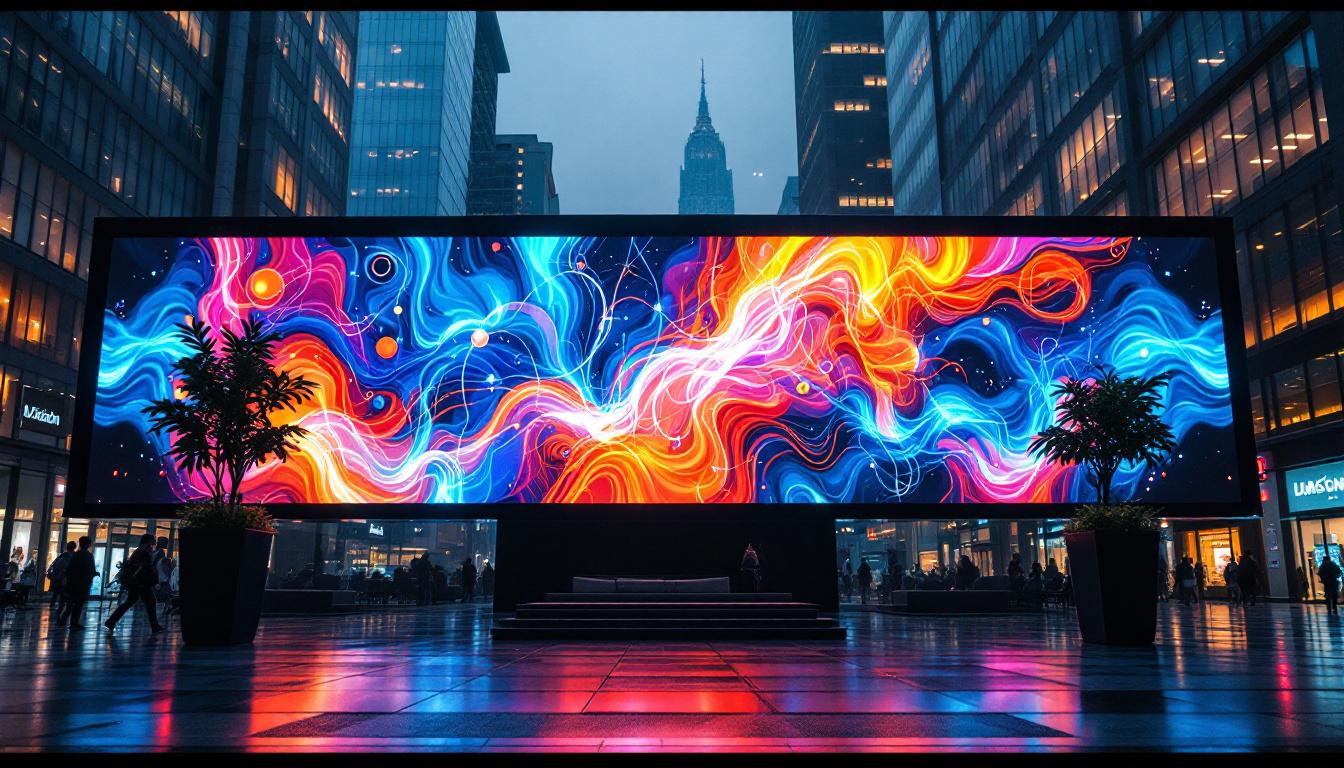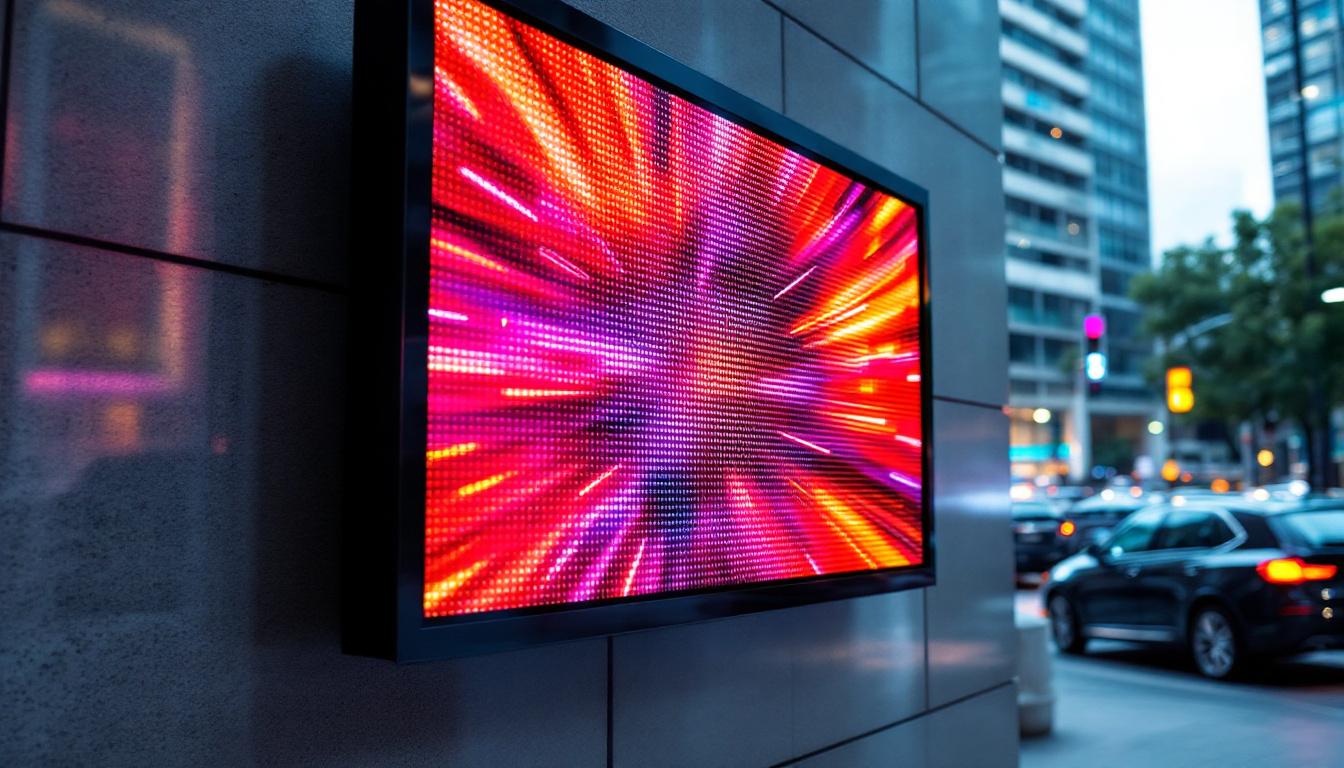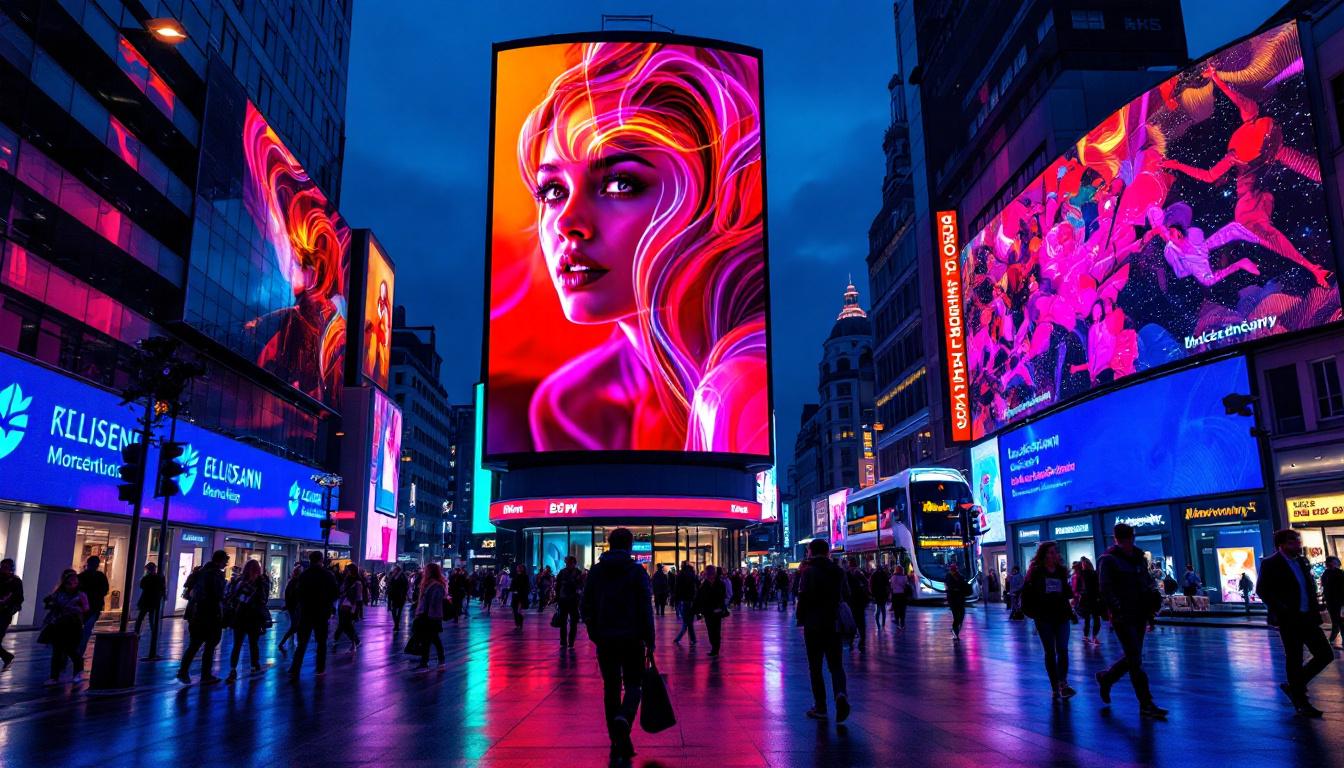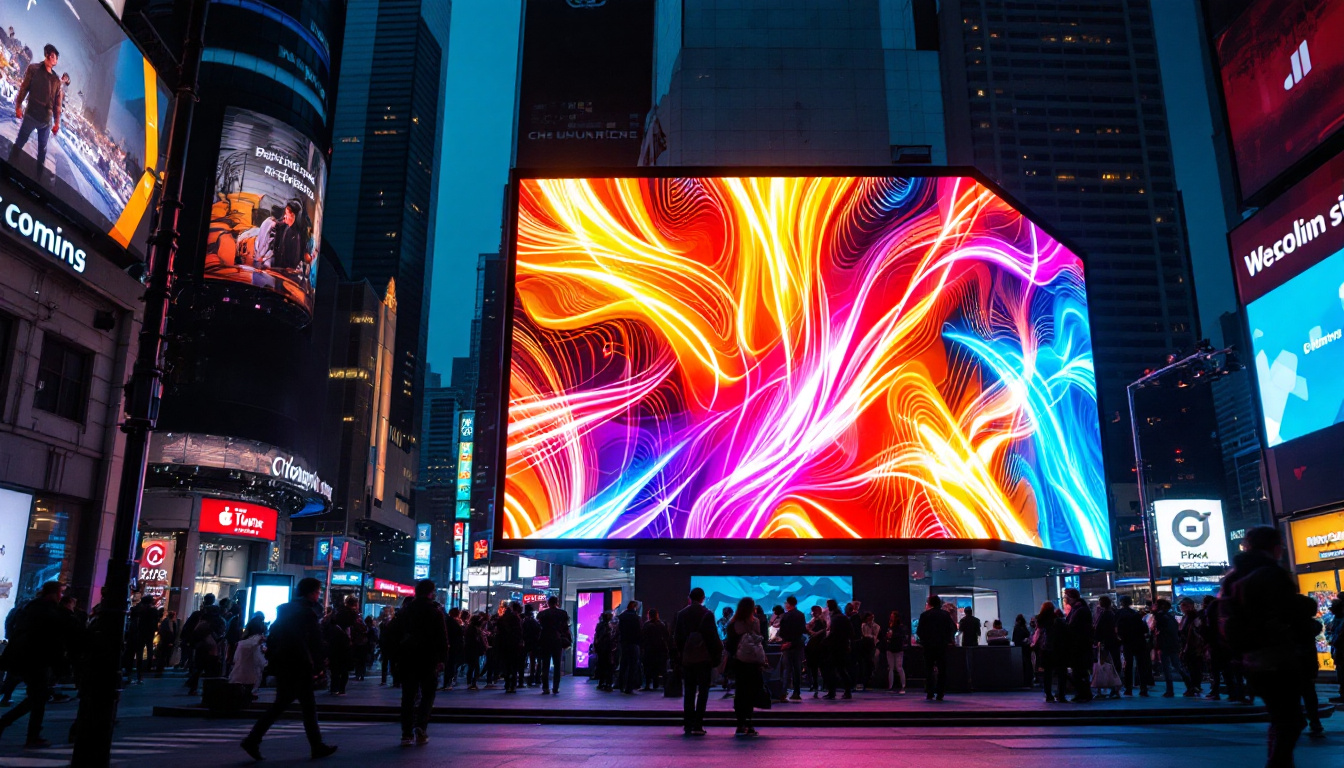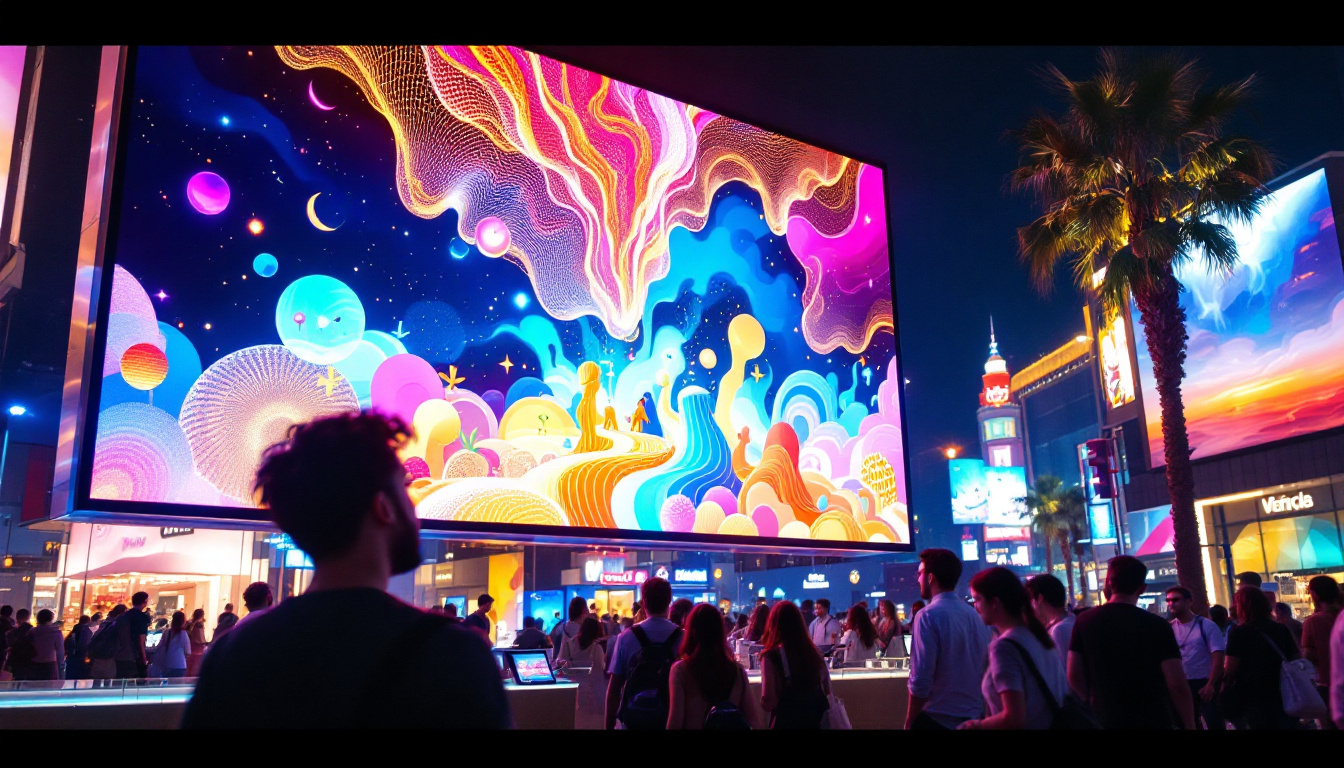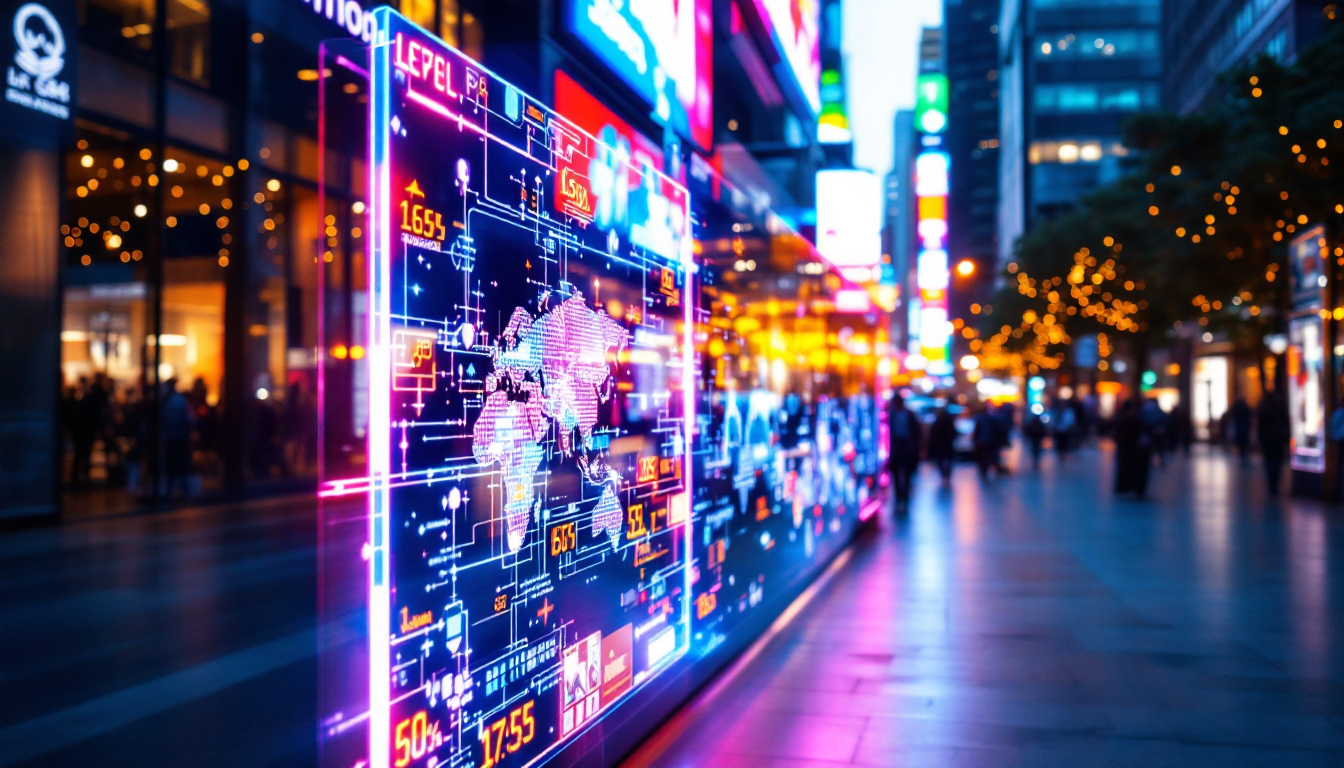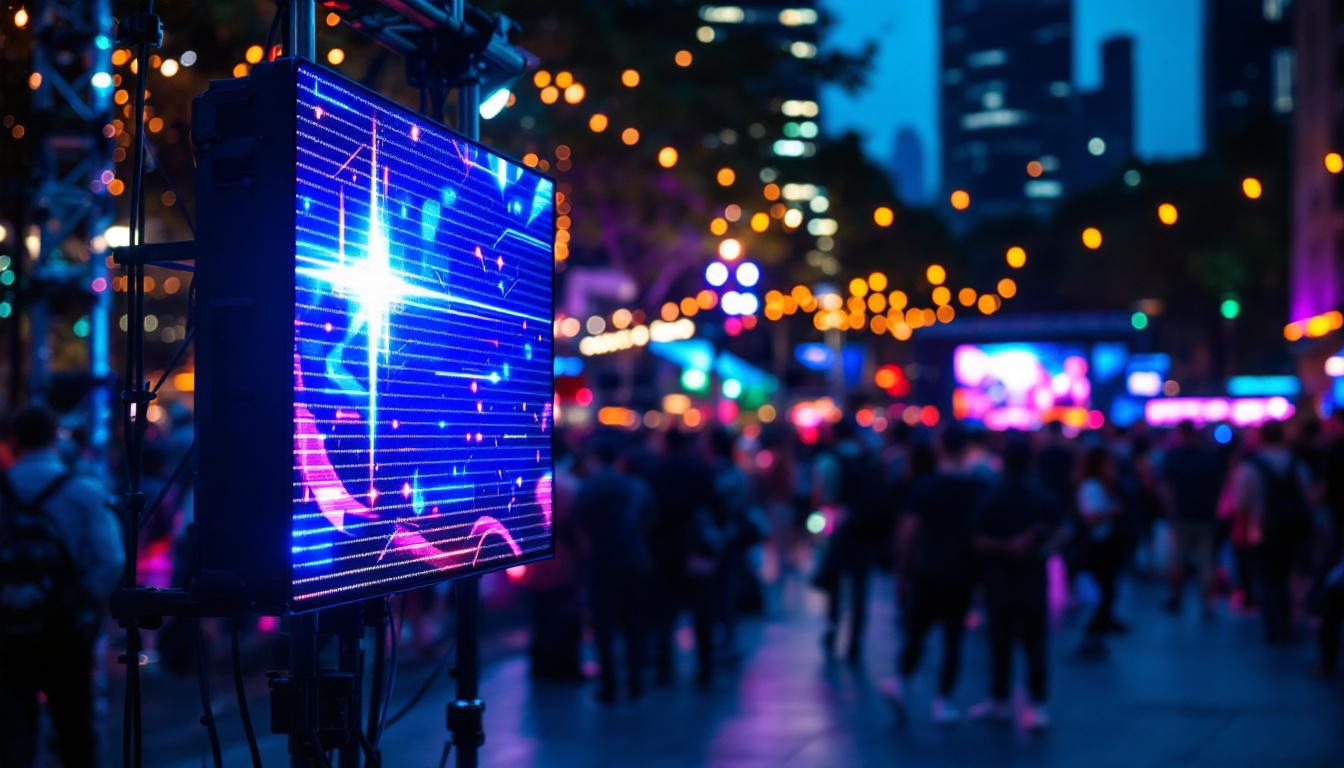
Large outdoor LED screens have become a ubiquitous feature in public spaces worldwide, from bustling city squares and sports stadiums to concert venues and advertising billboards. These vibrant, high-resolution displays captivate audiences with their brightness, clarity, and dynamic content capabilities. But what exactly makes up these big outdoor screens, and why are LED displays the technology of choice? This article delves into the fundamentals of outdoor LED displays, exploring their technology, applications, benefits, and considerations for use.
Understanding LED Technology in Outdoor Displays
What is an LED Display?
LED stands for Light Emitting Diode, a semiconductor device that emits light when an electric current passes through it. In the context of outdoor screens, thousands or even millions of these tiny diodes are arranged in a matrix to form pixels, which collectively produce images and videos. Unlike traditional LCD or projection screens, LED displays generate their own light, making them exceptionally bright and visible even in direct sunlight.
The core advantage of LED technology lies in its energy efficiency, durability, and scalability. LED displays can be constructed in various sizes, from small digital signs to massive video walls covering entire building facades. Their modular design allows for easy maintenance and customization, which is particularly important for outdoor environments where weather and wear can be challenging. Additionally, many modern LED displays are equipped with advanced features such as automatic brightness adjustment, which optimizes visibility based on ambient light conditions, ensuring that content remains vibrant and engaging at all times.
How Do Outdoor LED Screens Work?
Each pixel on an LED screen typically consists of three sub-pixels: red, green, and blue (RGB). By varying the intensity of these sub-pixels, the screen can display a wide spectrum of colors. Outdoor LED screens are designed with higher brightness levels—often exceeding 5,000 nits—to ensure clear visibility in daylight conditions. This high brightness capability is essential for outdoor advertising, live event broadcasting, and public information displays, where competing with natural sunlight is a constant challenge.
The pixel pitch, which is the distance between the centers of two adjacent pixels, plays a crucial role in determining image clarity and viewing distance. For outdoor applications, pixel pitches generally range from 4mm to 20mm or more. Smaller pixel pitches offer higher resolution but are more expensive and typically used for screens viewed from closer distances. Furthermore, advancements in LED technology have led to the development of fine-pitch displays, which are becoming increasingly popular for outdoor use, allowing for stunning visual experiences even from afar. These innovations not only enhance the viewing experience but also contribute to the growing trend of interactive displays, where viewers can engage with content in real-time through touch or motion sensors, further blurring the lines between digital and physical environments.
Applications of Big Outdoor LED Screens
Advertising and Digital Billboards
One of the most common uses of large outdoor LED screens is in advertising. Digital billboards have revolutionized the advertising industry by allowing dynamic, real-time content updates. According to recent market reports, the global digital out-of-home (DOOH) advertising market is expected to grow at a compound annual growth rate (CAGR) of over 10% through 2027, driven largely by the adoption of LED screens.
Brands leverage these screens to display eye-catching visuals, interactive content, and targeted advertisements that can change based on time of day, weather, or audience demographics. For example, Times Square in New York City is renowned for its massive LED billboards that create an immersive advertising environment. These digital platforms allow brands to engage with consumers in innovative ways, such as incorporating QR codes for instant promotions or interactive polls that encourage audience participation. This level of engagement not only captivates viewers but also fosters a deeper connection between the brand and its audience.
Sports and Entertainment Venues
Stadiums and arenas use large LED screens to enhance the spectator experience. These screens display live action, replays, scores, and interactive content, making events more engaging. The ability to deliver high-definition video content on a grand scale has become essential for modern sports venues.
For instance, the AT&T Stadium in Texas features one of the largest high-definition LED displays in the world, measuring over 160 feet wide and 72 feet tall. Such installations not only improve visibility for attendees but also open new revenue streams through sponsorships and advertising. Beyond sports, these screens are also utilized for concerts and live performances, where they can showcase stunning visuals and effects that complement the music, creating a multi-sensory experience for fans. The integration of LED technology in these venues has transformed how audiences interact with events, making them feel like part of the action.
Public Information and Community Engagement
Governments and municipalities utilize outdoor LED screens for public announcements, emergency alerts, and community information. These screens can be strategically placed in high-traffic areas to disseminate important messages quickly and effectively.
During emergencies such as severe weather events or public health crises, LED screens serve as critical communication tools. Their ability to display clear, legible messages in real-time can help save lives and keep communities informed. Additionally, these screens can be used for community engagement initiatives, showcasing local events, public service announcements, and educational campaigns. By providing a platform for local artists and organizations, municipalities can foster a sense of community pride and involvement, turning these digital displays into vibrant hubs of information and culture. Furthermore, the interactive capabilities of LED screens can encourage citizen participation through social media integration, allowing residents to share their thoughts and experiences in real-time, thereby enhancing community dialogue and connection.
Key Benefits of Outdoor LED Displays
High Brightness and Visibility
Outdoor LED screens are engineered to deliver exceptional brightness levels, often between 5,000 and 8,000 nits, which is significantly higher than indoor displays. This brightness ensures that content remains vibrant and legible even under direct sunlight, a critical factor for outdoor visibility.
Durability and Weather Resistance
LED displays designed for outdoor use are built to withstand harsh environmental conditions, including rain, wind, dust, and temperature fluctuations. They typically feature IP65 or higher ratings, indicating strong protection against water and dust ingress.
Additionally, LED modules are made from robust materials such as aluminum or steel and often include protective coatings to prevent corrosion. This durability translates to lower maintenance costs and longer operational lifespans, often exceeding 100,000 hours of use.
Energy Efficiency and Cost-Effectiveness
Compared to other display technologies, LEDs consume less power while delivering superior brightness and color quality. This energy efficiency reduces operational costs, an important consideration for large-scale installations that run continuously.
Moreover, the modular design of LED screens allows for easy repair and component replacement, minimizing downtime and maintenance expenses. Over time, these factors contribute to a favorable total cost of ownership.
Considerations When Choosing an Outdoor LED Screen
Pixel Pitch and Viewing Distance
Choosing the appropriate pixel pitch is essential for ensuring optimal image quality. For large outdoor screens viewed from a distance of 20 meters or more, a pixel pitch of 10mm to 20mm is typically sufficient. Closer viewing distances require smaller pixel pitches to maintain image sharpness.
Understanding the target audience’s typical viewing distance helps in selecting the right resolution and pixel density, balancing cost and performance.
Brightness and Ambient Light Conditions
Ambient lighting conditions vary depending on location and time of day. In environments with intense sunlight, screens with higher brightness ratings (above 6,000 nits) are necessary to maintain visibility. Conversely, in shaded or nighttime settings, adjustable brightness controls can prevent glare and reduce power consumption.
Installation and Structural Support
Outdoor LED screens can be heavy and require robust structural support. Installation must consider wind loads, mounting surfaces, and local regulations. Professional engineering assessments ensure that the screen is securely mounted and safe for public spaces.
Content Management and Connectivity
Modern LED screens are often integrated with content management systems (CMS) that allow remote control and scheduling of displayed content. Reliable connectivity options, including wired and wireless networks, are crucial for seamless operation.
Some advanced systems support interactive features, such as touch capabilities or integration with mobile devices, enhancing audience engagement.
Future Trends in Outdoor LED Displays
Higher Resolution and Smaller Pixel Pitches
Technological advancements continue to push the boundaries of LED display resolution. Smaller pixel pitches enable ultra-high-definition images, even on large-scale screens. This trend is particularly relevant for applications requiring close-up viewing, such as retail displays and interactive kiosks.
Flexible and Transparent LED Screens
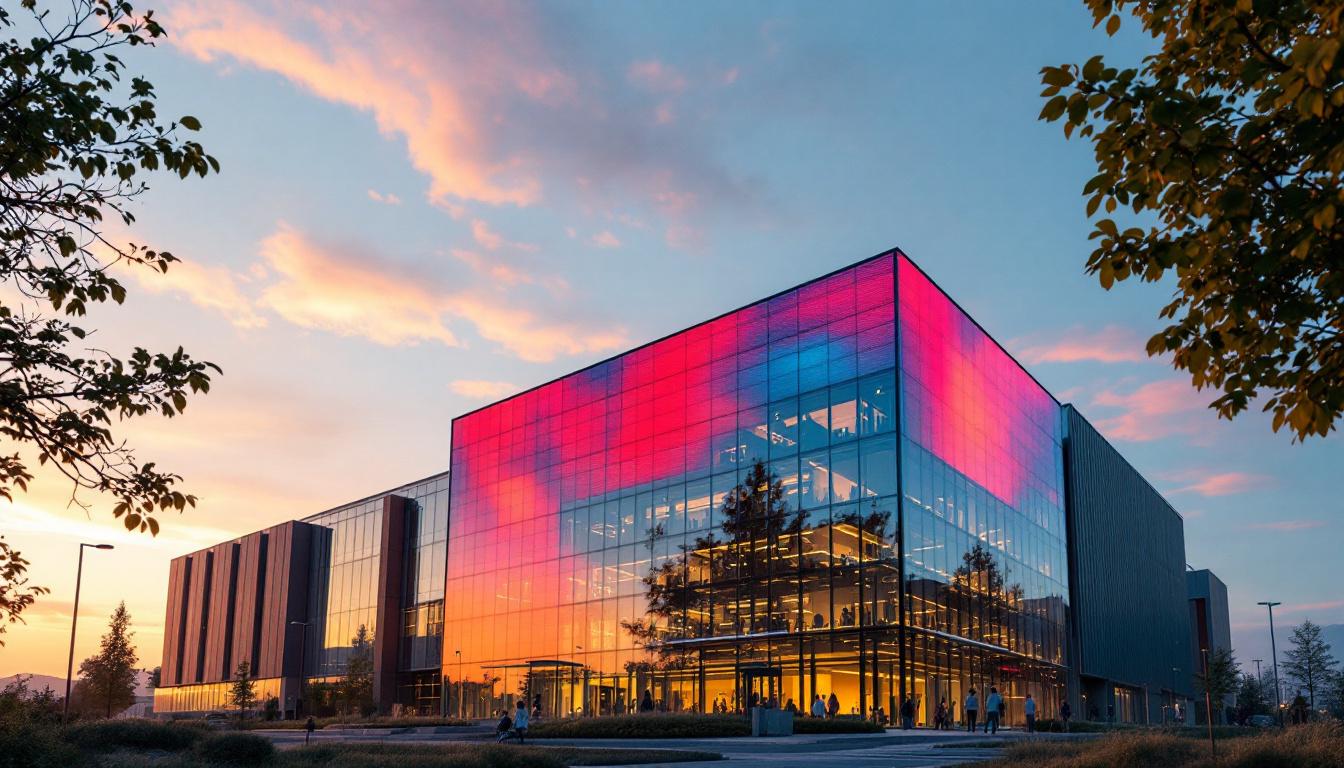
Innovations in LED technology have led to flexible and transparent displays that can conform to curved surfaces or be integrated into glass facades. These developments open new creative possibilities for architects and advertisers, blending digital content seamlessly with physical environments.
Energy Harvesting and Sustainability
As sustainability becomes a priority, manufacturers are exploring ways to reduce the environmental impact of LED displays. This includes integrating solar panels to power screens or using recycled materials in manufacturing. Energy-efficient designs and smart brightness controls also contribute to greener operations.
Conclusion
Big outdoor LED screens represent a powerful communication medium that combines technological sophistication with practical benefits. Their ability to deliver bright, dynamic content in diverse environments makes them invaluable for advertising, entertainment, public information, and beyond.
Understanding the underlying technology, key benefits, and critical considerations helps stakeholders make informed decisions when selecting and deploying outdoor LED displays. As innovation continues to advance, these screens will become even more versatile, engaging, and sustainable, shaping the future of outdoor visual communication.
Illuminate Your Space with LumenMatrix
Ready to elevate your outdoor space with the vibrant, dynamic appeal of LED displays? LumenMatrix is at the forefront of LED display technology, offering a wide array of solutions tailored to your unique needs. From dazzling outdoor LED walls to interactive sports displays and transparent screens, our products are designed to captivate and engage your audience. Discover how LumenMatrix can transform your visual communication and enhance your brand’s presence. Check out LumenMatrix LED Display Solutions today and step into the future of digital signage.