In the rapidly evolving world of digital displays, LED technology has emerged as a dominant force, transforming how we experience visuals in everything from smartphones to stadium screens. The term écran LED (LED screen) refers to displays that utilize light-emitting diodes (LEDs) as their core light source, offering vibrant colors, high brightness, and energy efficiency. This article delves into the fundamentals of LED displays, exploring their technology, types, applications, and future trends to provide a comprehensive understanding of why they have become integral to modern visual communication.
Understanding LED Display Technology
What is an LED Display?
An LED display is a flat panel display that uses an array of light-emitting diodes as pixels to produce images. Unlike traditional LCD screens that rely on backlighting, LED displays use these tiny diodes to emit light directly, resulting in superior brightness and contrast. This direct emission of light allows for deeper blacks and more vivid colors, making LED displays highly desirable for both indoor and outdoor applications. The versatility of LED technology has led to its widespread adoption in various fields, from entertainment to advertising, and even in architectural lighting.
The basic building block of an LED display is the pixel, which is typically composed of red, green, and blue (RGB) LEDs. By adjusting the intensity of each LED within a pixel, the display can produce a broad spectrum of colors. This RGB combination is fundamental to achieving the rich, dynamic images that LED screens are known for. Additionally, the ability to control each pixel independently allows for advanced visual effects, such as animations and transitions, enhancing the viewer’s experience. As a result, LED displays are not only used for static images but also for dynamic content that captivates audiences.
Types of LEDs Used in Displays
LEDs come in various forms, and the type used in a display significantly impacts its performance and application. The two main categories are:
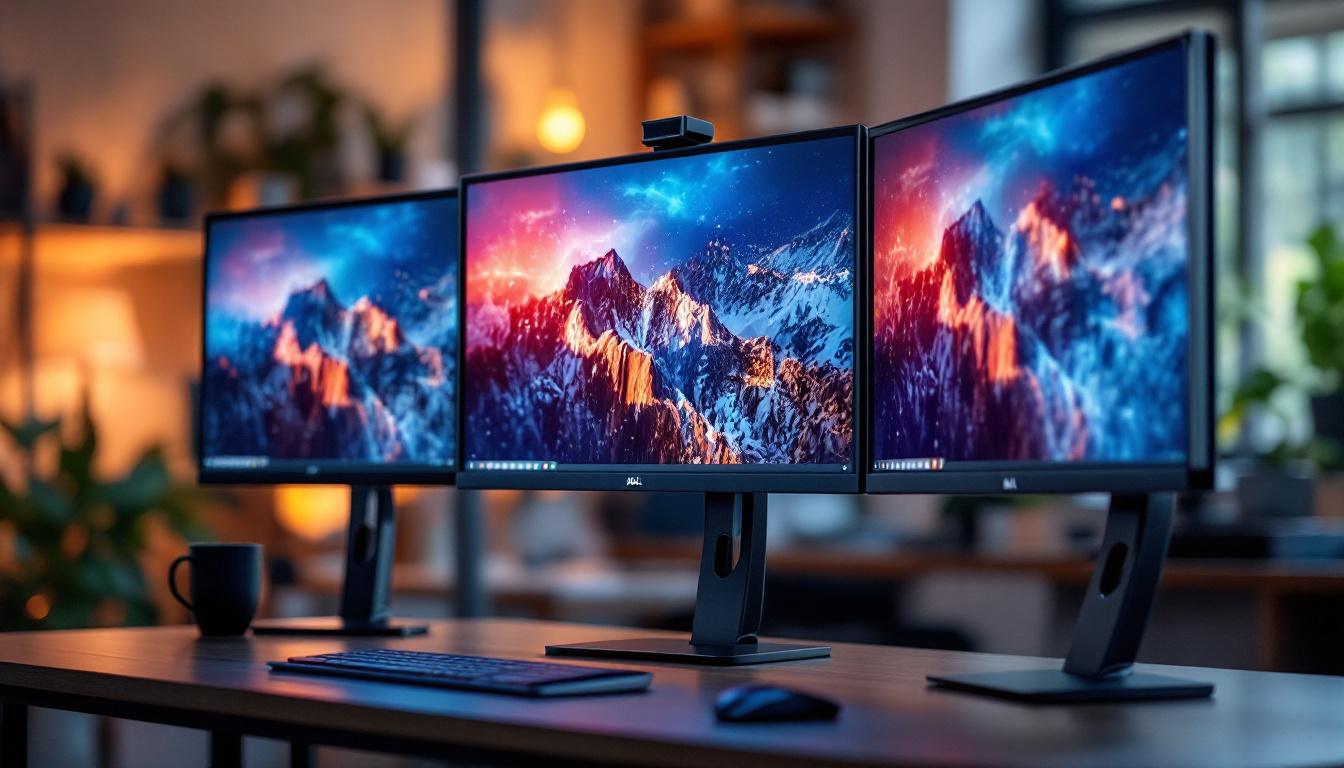
- Surface-Mounted Device (SMD) LEDs: These are tiny LEDs mounted directly on the surface of a circuit board. SMD LEDs are compact and capable of producing high-resolution images, making them ideal for indoor displays such as televisions, monitors, and advertising panels. Their small size allows for a denser arrangement of pixels, which results in sharper images and finer details, essential for applications where viewers are close to the screen.
- Through-Hole LEDs: Larger than SMDs, these LEDs are inserted into holes on a circuit board. They are commonly used in outdoor displays due to their durability and brightness, though they typically offer lower resolution compared to SMDs. Their robust construction makes them resistant to environmental factors such as rain and dust, ensuring consistent performance in various weather conditions.
Advancements in LED technology continue to improve brightness, color accuracy, and energy efficiency, pushing the boundaries of what LED displays can achieve. Innovations such as organic LEDs (OLEDs) and microLEDs are emerging, offering even greater potential for display quality and flexibility. OLEDs, for instance, provide exceptional color reproduction and contrast ratios, while microLEDs promise to deliver high brightness and efficiency without the drawbacks of traditional LED technology. These advancements are paving the way for the next generation of displays, which may redefine how we interact with visual content in our daily lives.
Key Features and Advantages of LED Displays
Brightness and Visibility
One of the standout features of LED displays is their exceptional brightness. LEDs can achieve luminance levels far exceeding those of traditional LCD or plasma screens, often reaching thousands of nits. This high brightness ensures that LED screens remain visible even under direct sunlight, which is why they are the preferred choice for outdoor advertising billboards, sports arenas, and public information displays.
Moreover, LED displays offer wide viewing angles, allowing the image to remain clear and vibrant regardless of the viewer’s position. This is particularly important in environments where audiences are spread out over large areas.
Energy Efficiency and Longevity
LED technology is renowned for its energy efficiency. Compared to other display technologies, LEDs consume significantly less power while delivering superior brightness. This translates into lower operating costs and reduced environmental impact, aligning with global efforts toward sustainability.
Additionally, LED displays boast impressive longevity. Typical LED modules can last upwards of 50,000 to 100,000 hours before noticeable degradation occurs. This durability makes them a cost-effective investment over time, especially for commercial and public installations.
Color Accuracy and Contrast
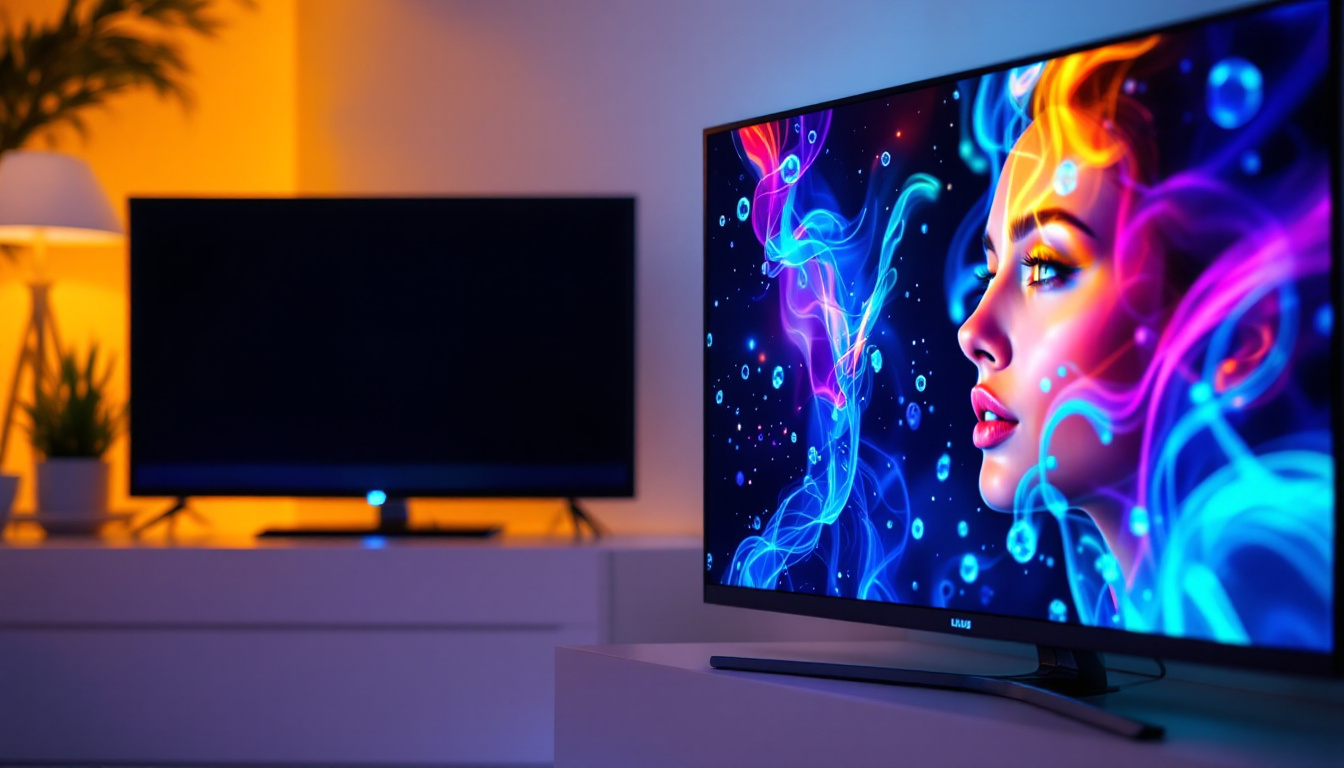
Because LEDs emit light directly, they provide excellent contrast ratios and deep blacks, which are difficult to achieve with backlit LCDs. This capability enhances the overall image quality, making LED displays ideal for applications requiring precise color reproduction, such as digital signage, broadcasting, and high-end retail displays.
Applications of LED Displays
Indoor LED Displays
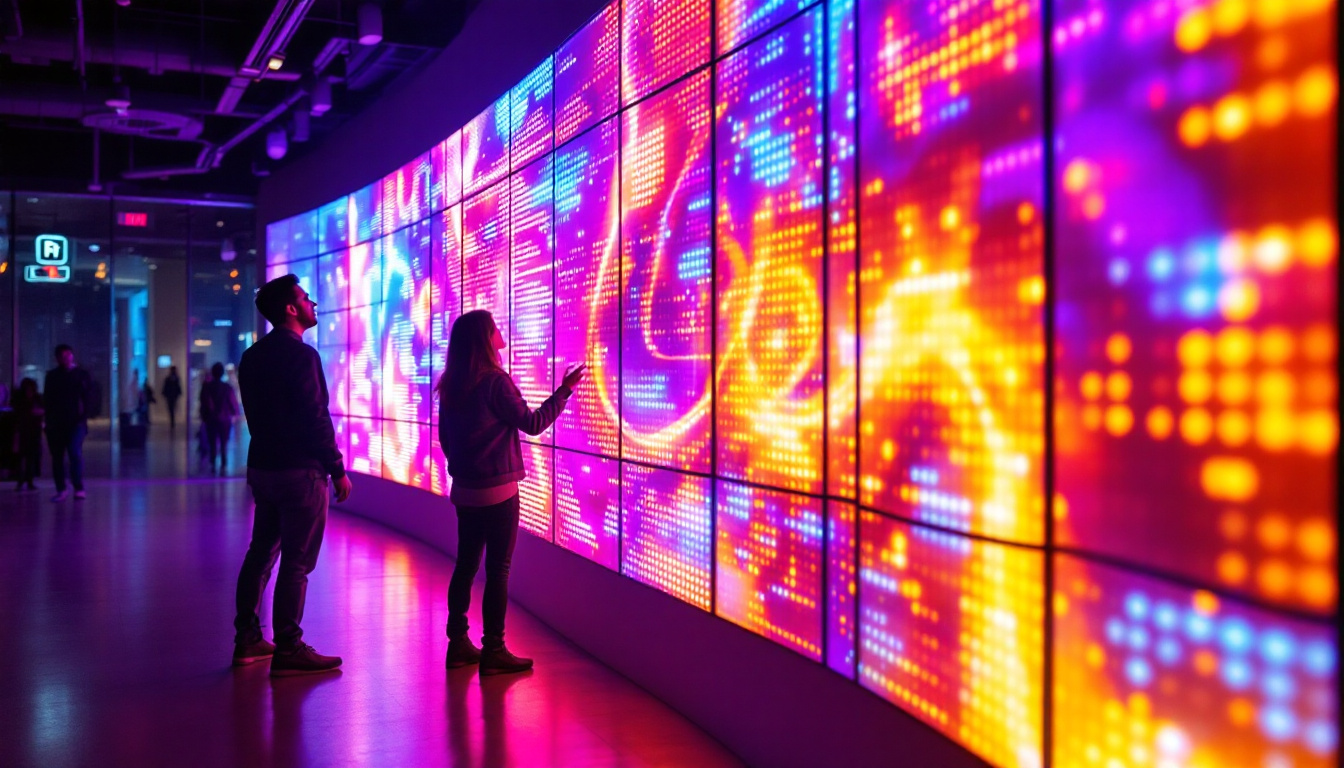
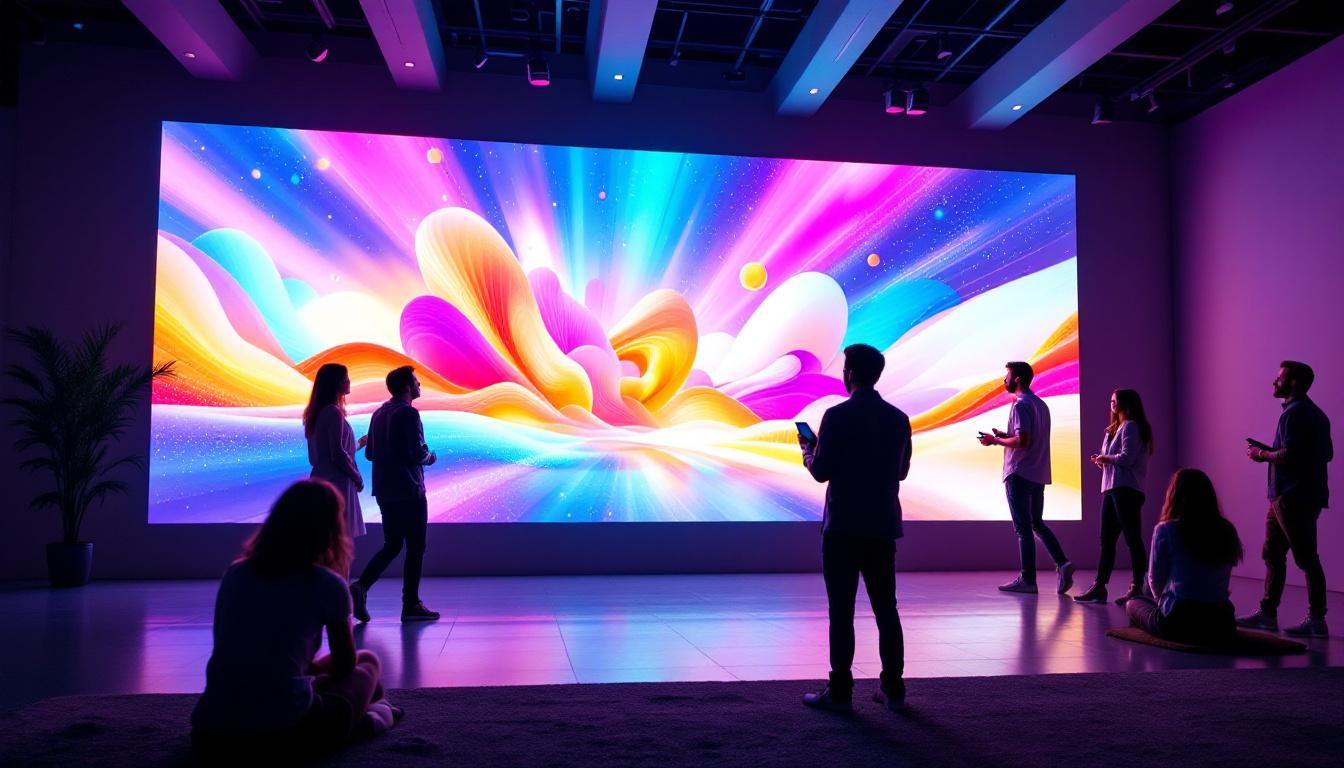
Indoor LED displays have become ubiquitous in retail environments, corporate settings, and entertainment venues. Their high resolution and brightness make them perfect for digital signage, video walls, and interactive kiosks. For example, major airports and shopping malls use indoor LED screens to provide real-time information and advertisements, enhancing the customer experience.
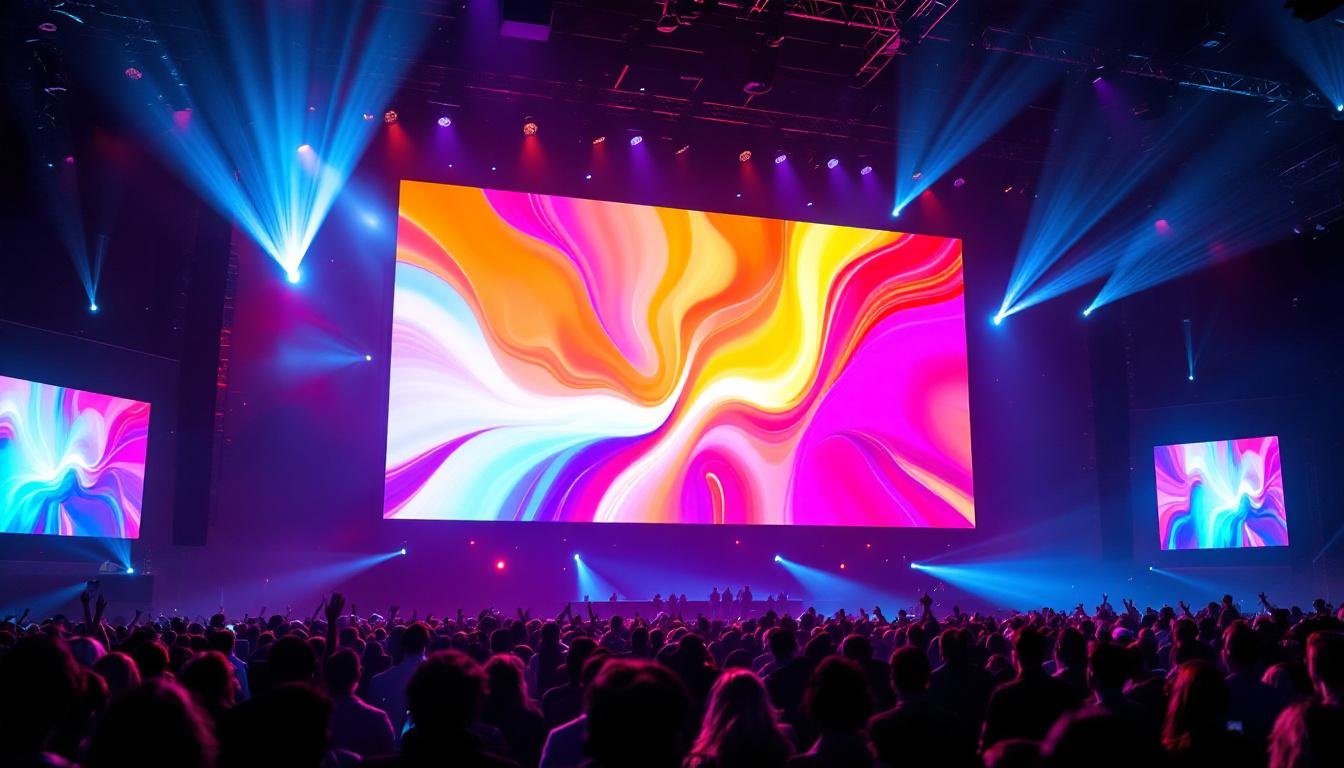
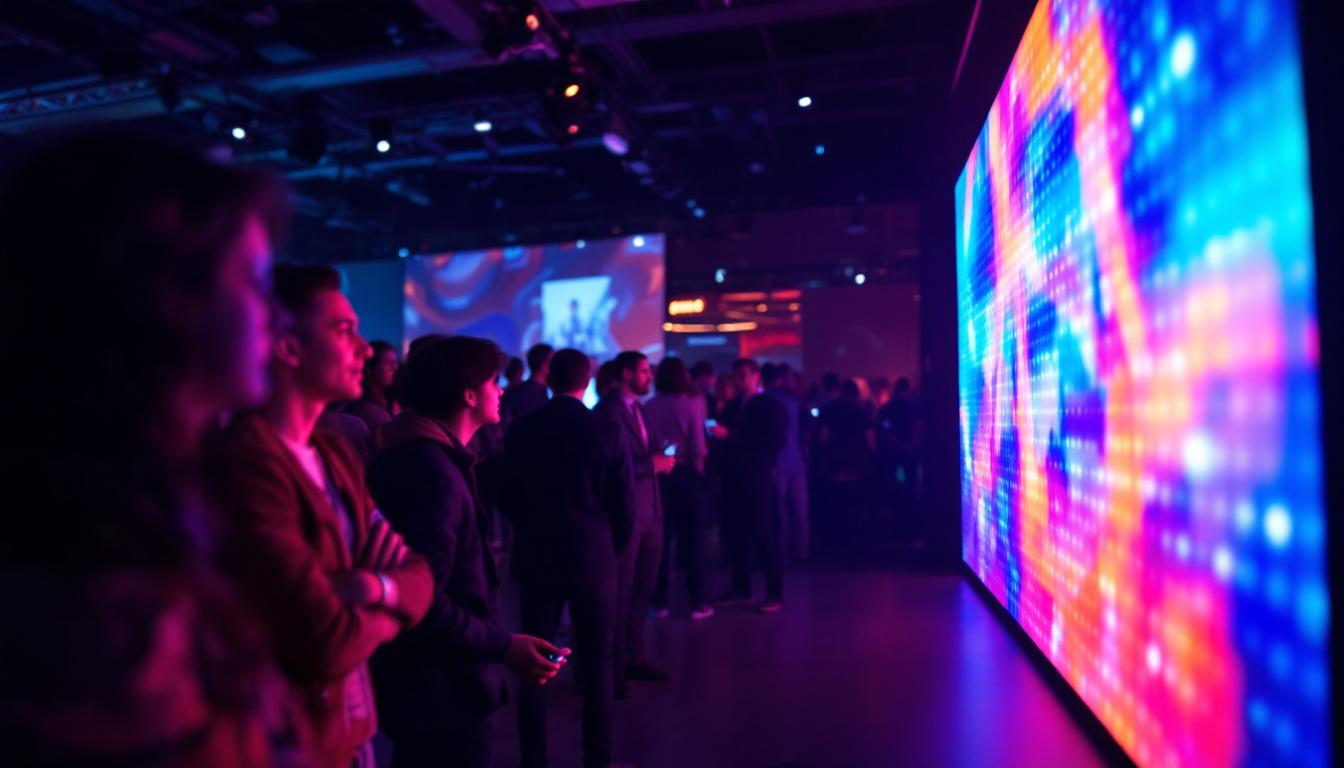
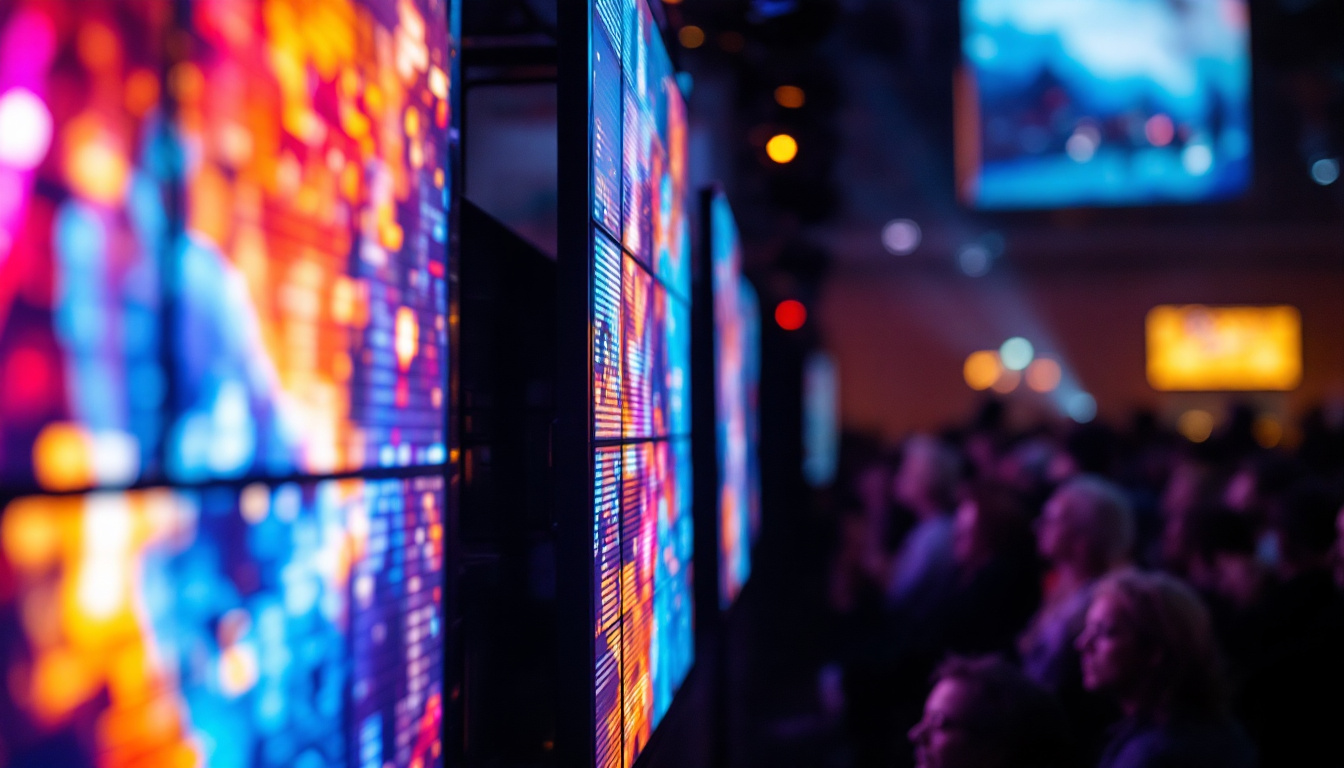
In the realm of entertainment, LED displays are integral to concerts, theaters, and television studios. They enable dynamic backdrops and immersive visual effects, elevating production value and audience engagement.
Outdoor LED Displays
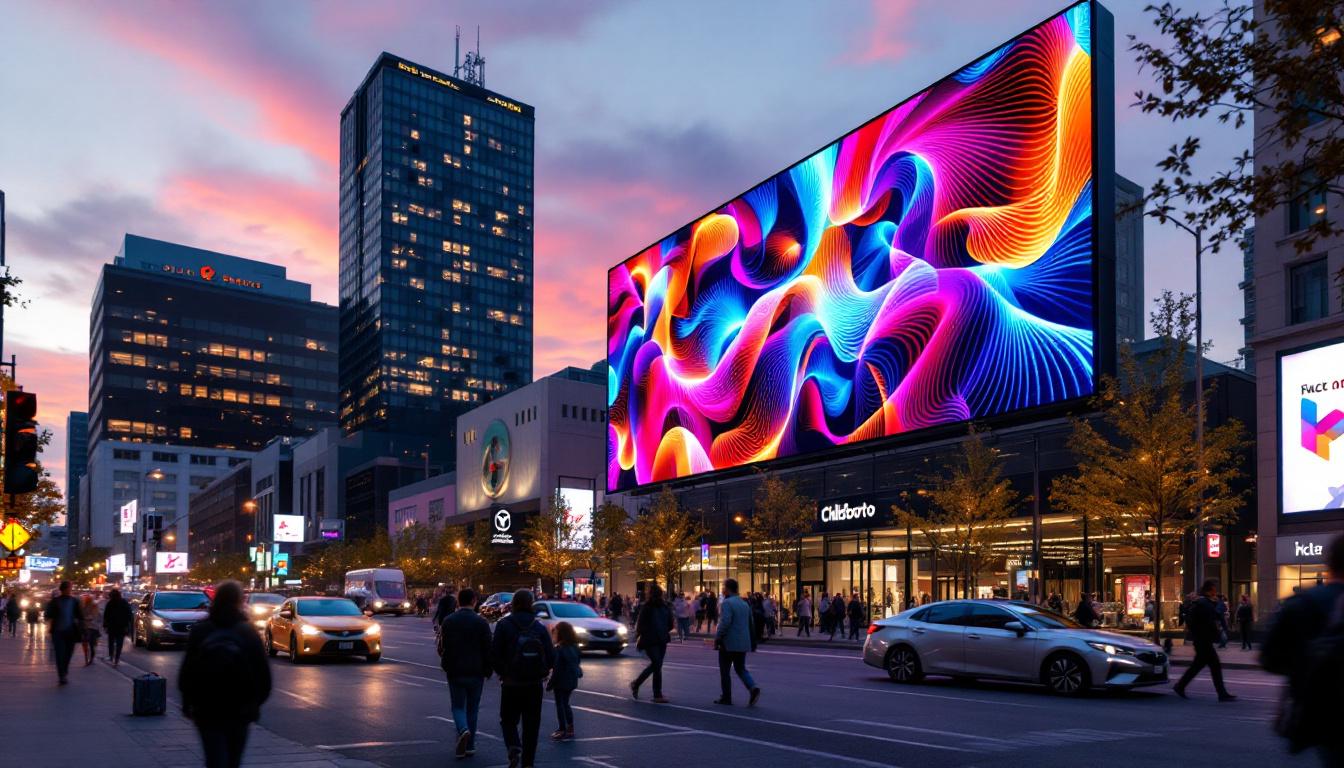
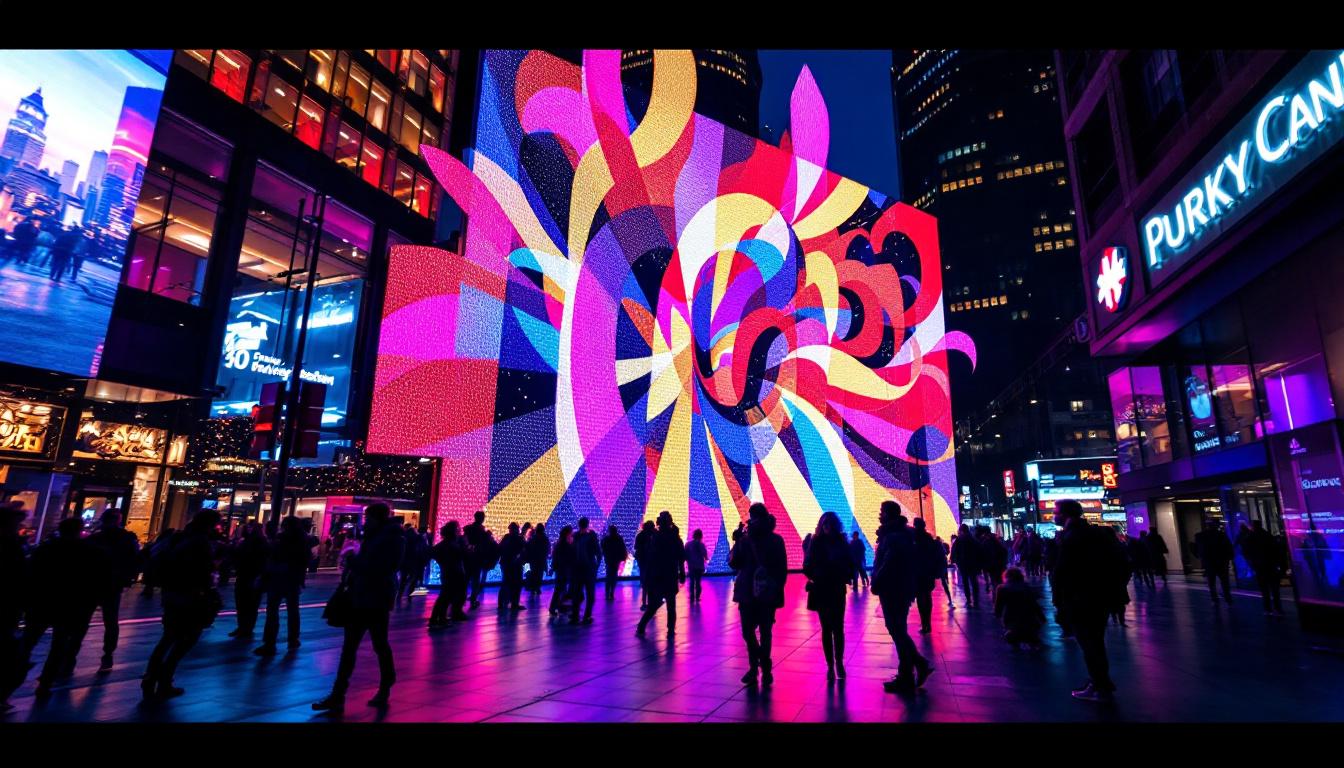
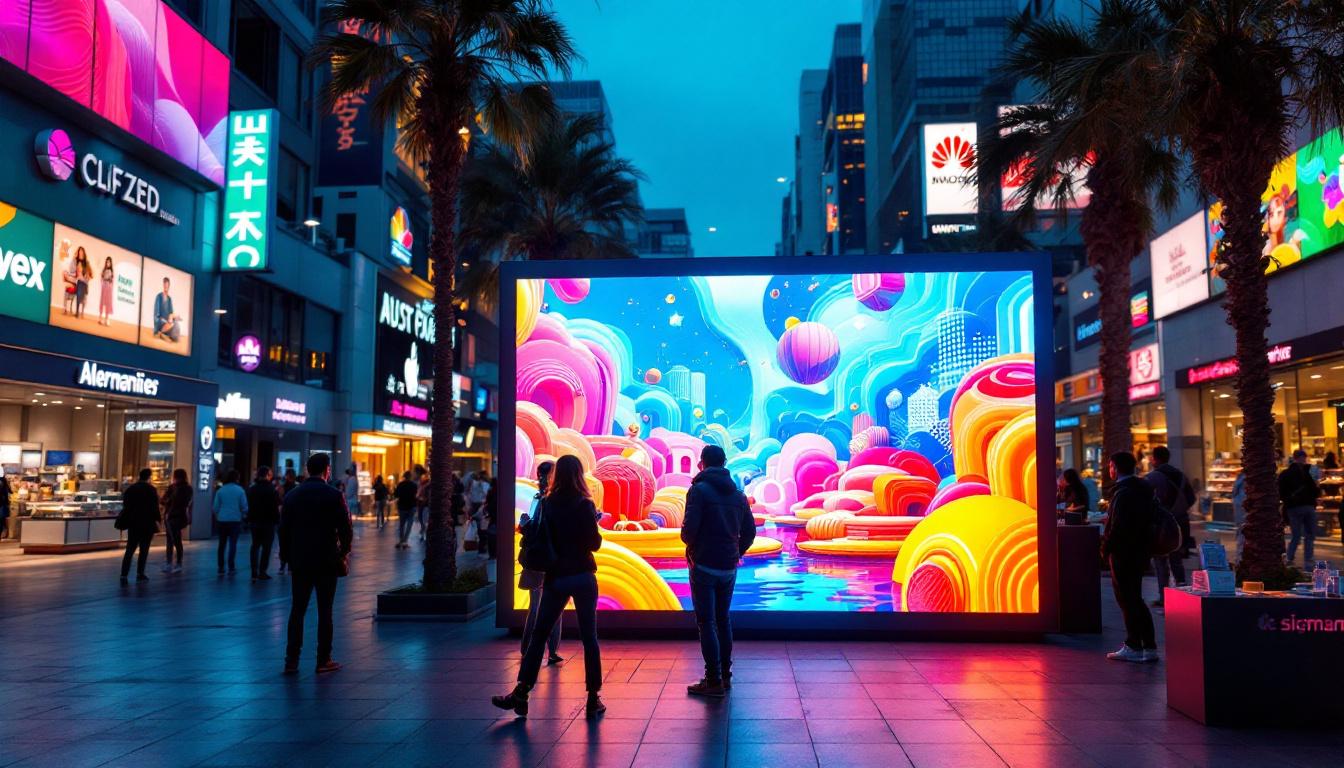
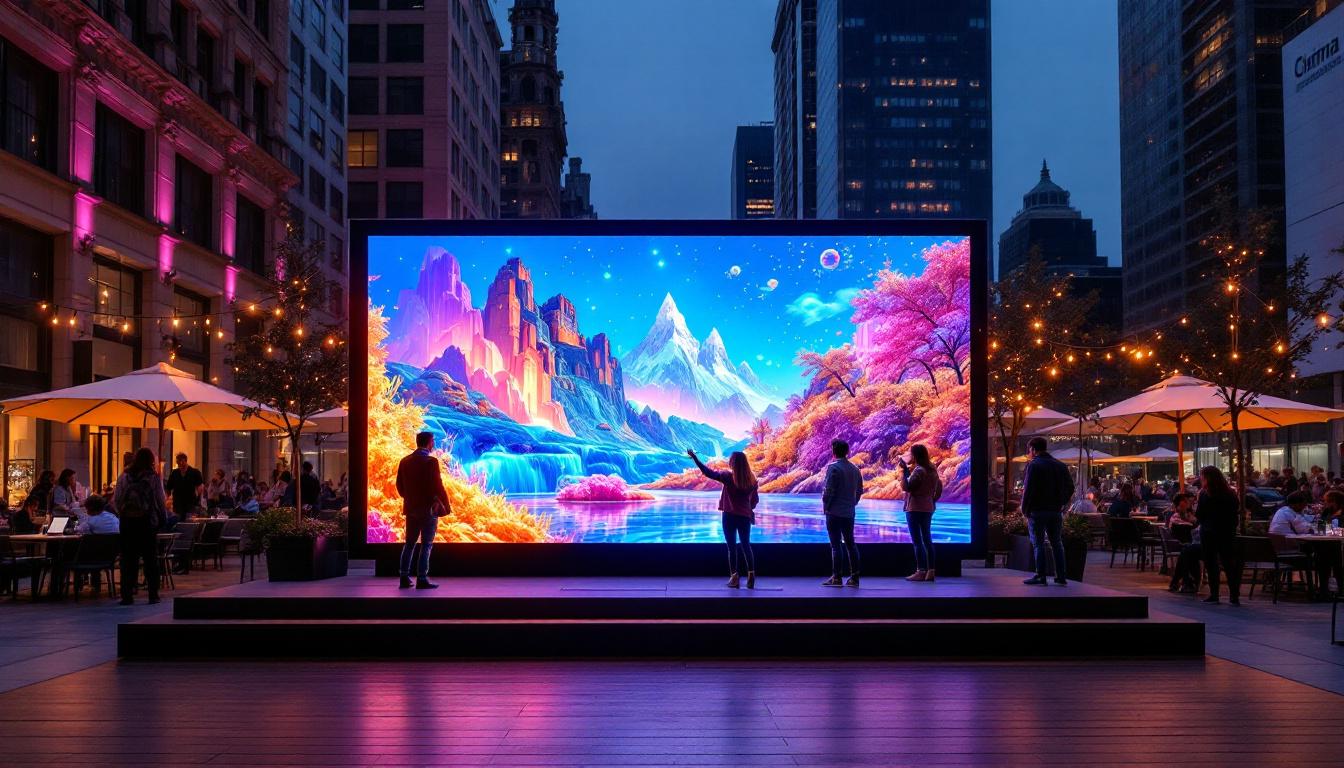
Outdoor LED screens are designed to withstand harsh weather conditions while maintaining visibility in bright daylight. They are commonly used for billboards, sports stadiums, traffic signs, and public event displays. The ability to display vibrant, eye-catching content makes them a powerful tool for advertisers and event organizers alike.
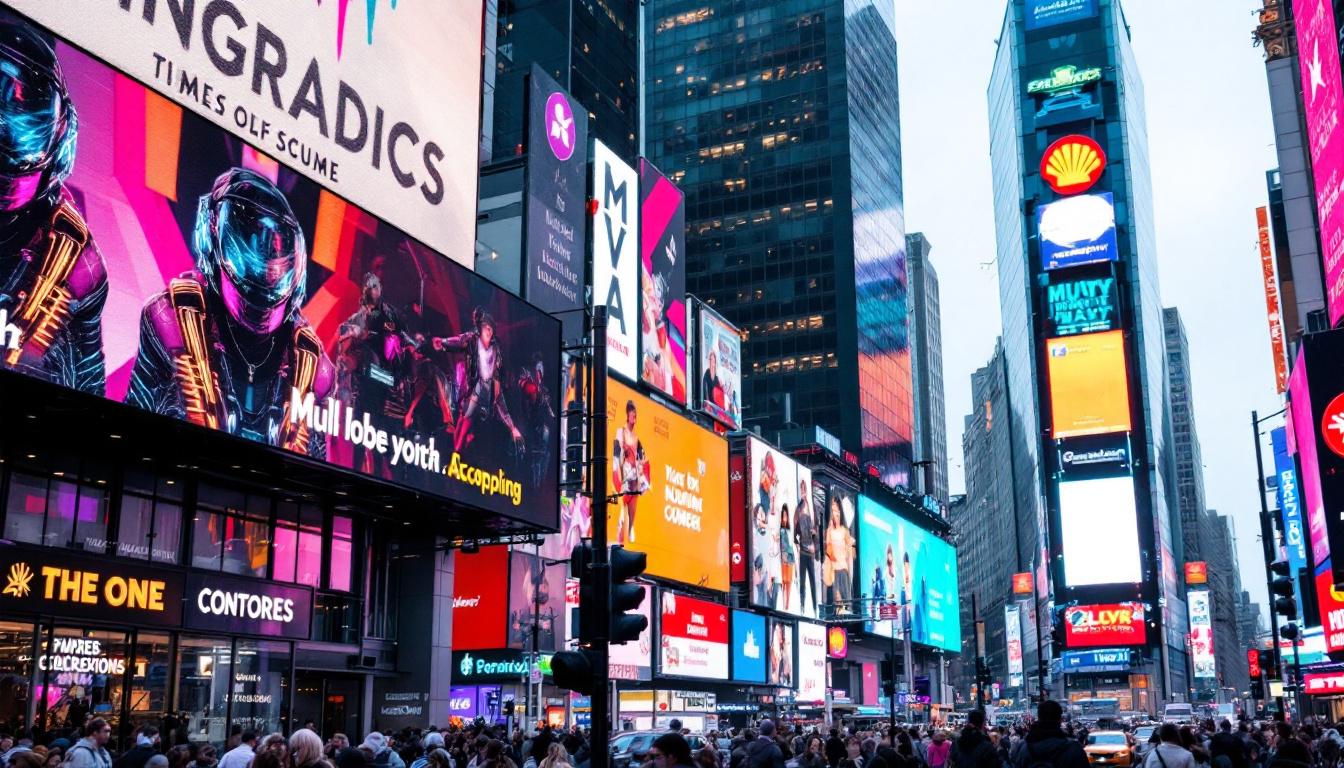
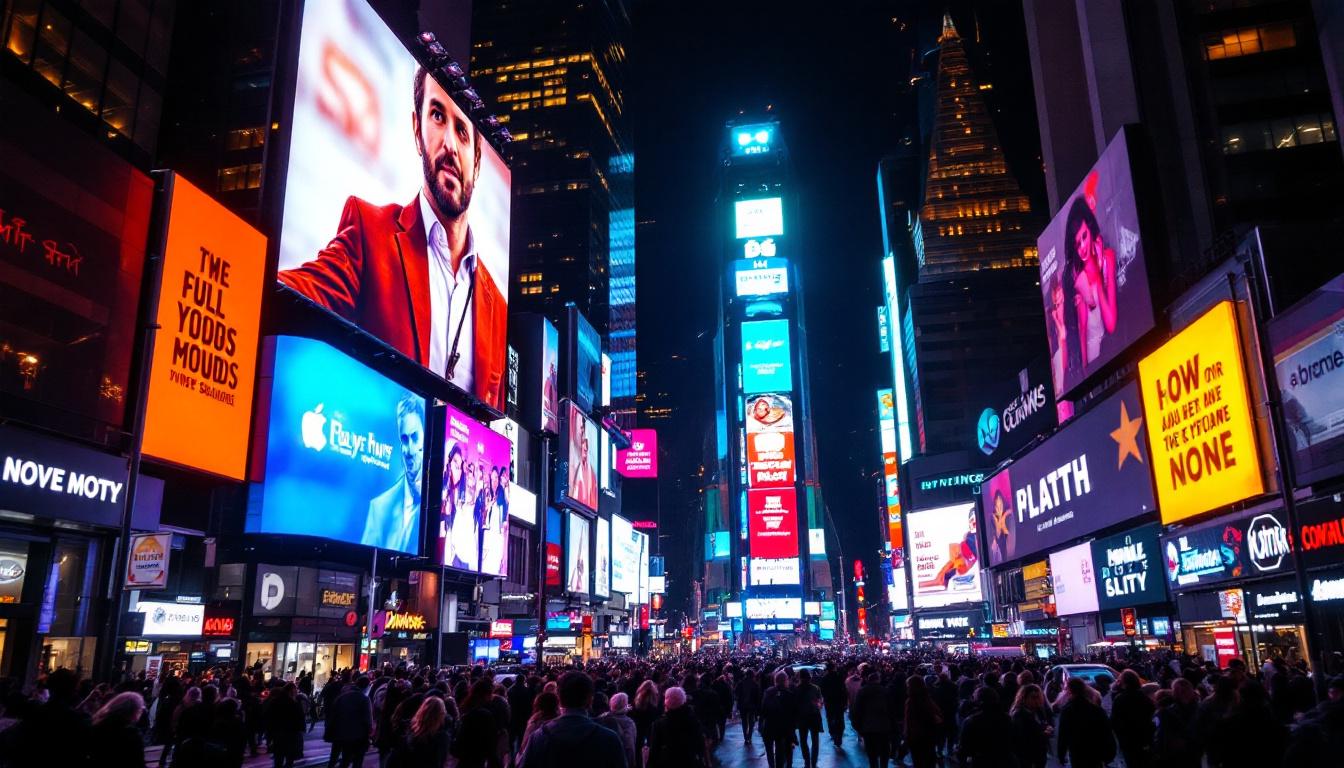
For instance, Times Square in New York City is famous for its massive outdoor LED billboards, which attract millions of viewers daily. Such installations demonstrate the scale and impact that LED technology can achieve.
Specialized Uses: Transportation and Public Safety
LED displays also play a crucial role in transportation systems, including digital signage at train stations, airports, and bus stops. These displays provide real-time updates, directions, and safety messages, improving passenger flow and safety.
In public safety, LED screens are used for emergency alerts and information dissemination. Their high visibility ensures critical messages reach a broad audience quickly, which can be vital during natural disasters or other emergencies.
Technical Considerations When Choosing an LED Display
Resolution and Pixel Pitch
Resolution is a key factor that determines the clarity and detail of an LED display. It is influenced by the pixel pitch, which is the distance between the centers of two adjacent pixels. A smaller pixel pitch means higher resolution and sharper images, suitable for close viewing distances.
For indoor applications where viewers are close to the screen, pixel pitches as low as 1.2 mm are common. Outdoor displays, viewed from greater distances, typically use larger pixel pitches ranging from 4 mm to 20 mm or more. Choosing the appropriate pixel pitch ensures optimal image quality without unnecessary costs.
Brightness and Contrast Ratios
Brightness requirements vary depending on the installation environment. Outdoor LED displays may need to exceed 5,000 nits to remain visible in direct sunlight, while indoor displays generally require 500 to 1,000 nits. Contrast ratio, the difference between the brightest and darkest parts of an image, also affects visual quality and should be considered when selecting a display.
Durability and Maintenance
LED displays intended for outdoor use must be rugged and weather-resistant, often featuring IP65 or higher ratings to protect against dust and water. Maintenance accessibility is another important consideration, as large LED screens require periodic servicing to replace faulty modules or clean surfaces.
Modular designs, where individual LED panels can be easily swapped, help minimize downtime and maintenance costs. Additionally, some advanced displays incorporate self-diagnostic systems to detect and report issues proactively.
The Future of LED Displays
Mini-LED and Micro-LED Technologies
Emerging innovations such as Mini-LED and Micro-LED displays promise to push LED technology further. Mini-LEDs use thousands of tiny LEDs as backlighting for LCD panels, offering improved contrast and brightness. Meanwhile, Micro-LEDs consist of microscopic LEDs that serve as individual pixels, enabling even higher resolutions, better energy efficiency, and longer lifespans.
These technologies are expected to revolutionize consumer electronics, including televisions, smartphones, and augmented reality devices, by delivering unparalleled image quality and performance.
Integration with Smart Technologies
LED displays are increasingly integrated with smart technologies, including IoT connectivity and AI-driven content management. This integration allows for dynamic content updates, personalized advertising, and enhanced interactivity. For example, smart LED billboards can adjust brightness based on ambient light or display targeted ads based on audience demographics.
Sustainability and Environmental Impact
As environmental concerns grow, LED manufacturers are focusing on sustainable production methods and recyclable materials. The energy efficiency of LED displays contributes to reducing carbon footprints, and ongoing research aims to minimize hazardous substances used in manufacturing.
Consumers and businesses alike are prioritizing eco-friendly solutions, making sustainability a critical factor in the future development and adoption of LED display technology.
Conclusion
Écran LED technology has transformed the landscape of digital displays, offering unmatched brightness, color accuracy, and versatility across a wide range of applications. From vibrant indoor video walls to massive outdoor billboards, LED displays continue to captivate audiences and deliver impactful visual experiences.
Understanding the underlying technology, key features, and practical considerations is essential for businesses and individuals looking to invest in LED displays. As advancements like Mini-LED and Micro-LED emerge, the future holds exciting possibilities for even more immersive and sustainable display solutions.
Whether for advertising, entertainment, public safety, or information dissemination, LED displays remain at the forefront of visual communication, illuminating the way forward in a digitally connected world.
Discover LumenMatrix LED Display Solutions
Ready to elevate your visual experience with the latest in LED display technology? Look no further than LumenMatrix, a pioneer in crafting innovative LED displays that bring your brand to life. Whether you’re in need of an Indoor LED Wall Display for your retail space, an Outdoor LED Wall Display for impactful advertising, or any of our specialized solutions like Vehicle, Sports, or Floor LED Displays, LumenMatrix has you covered. Embrace the future of digital signage with our Custom, All-in-One, or Transparent LED Displays, designed to engage and captivate your audience. Check out LumenMatrix LED Display Solutions today and start creating unforgettable visual narratives for your business.