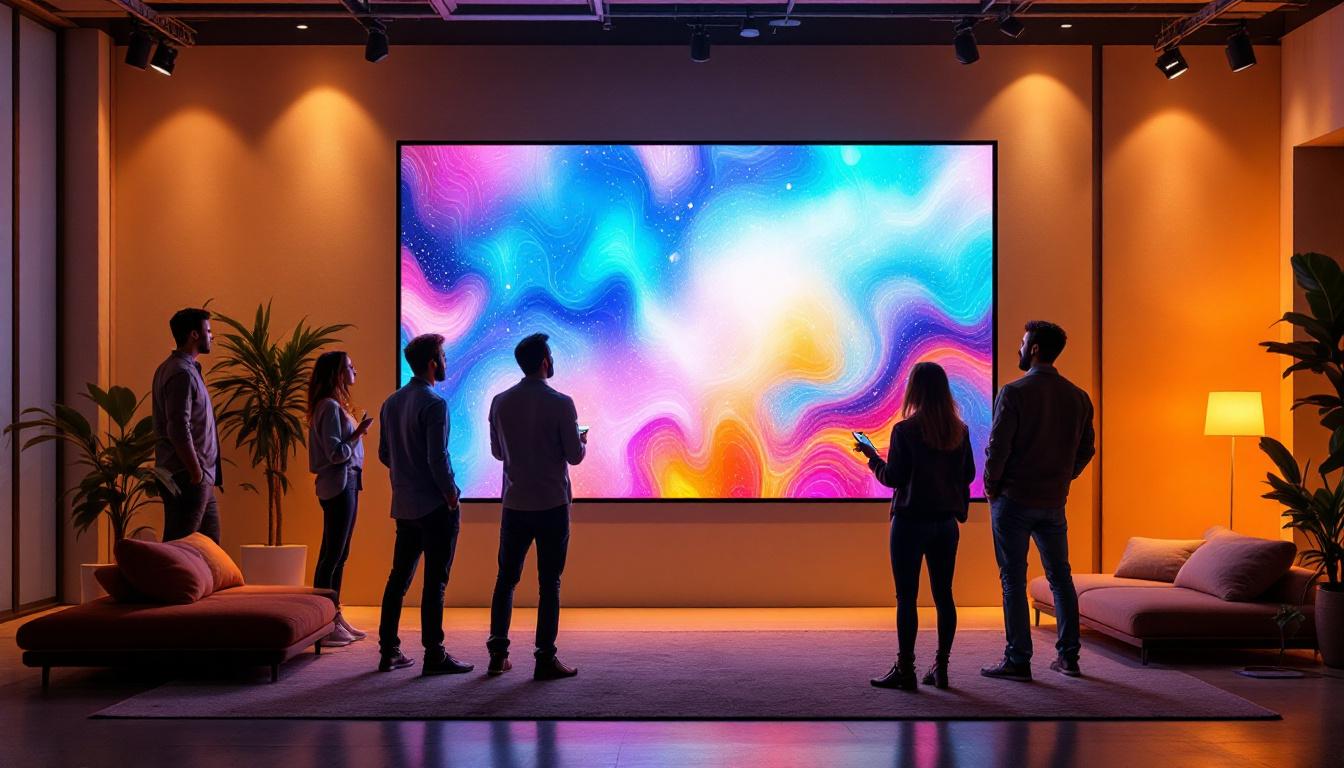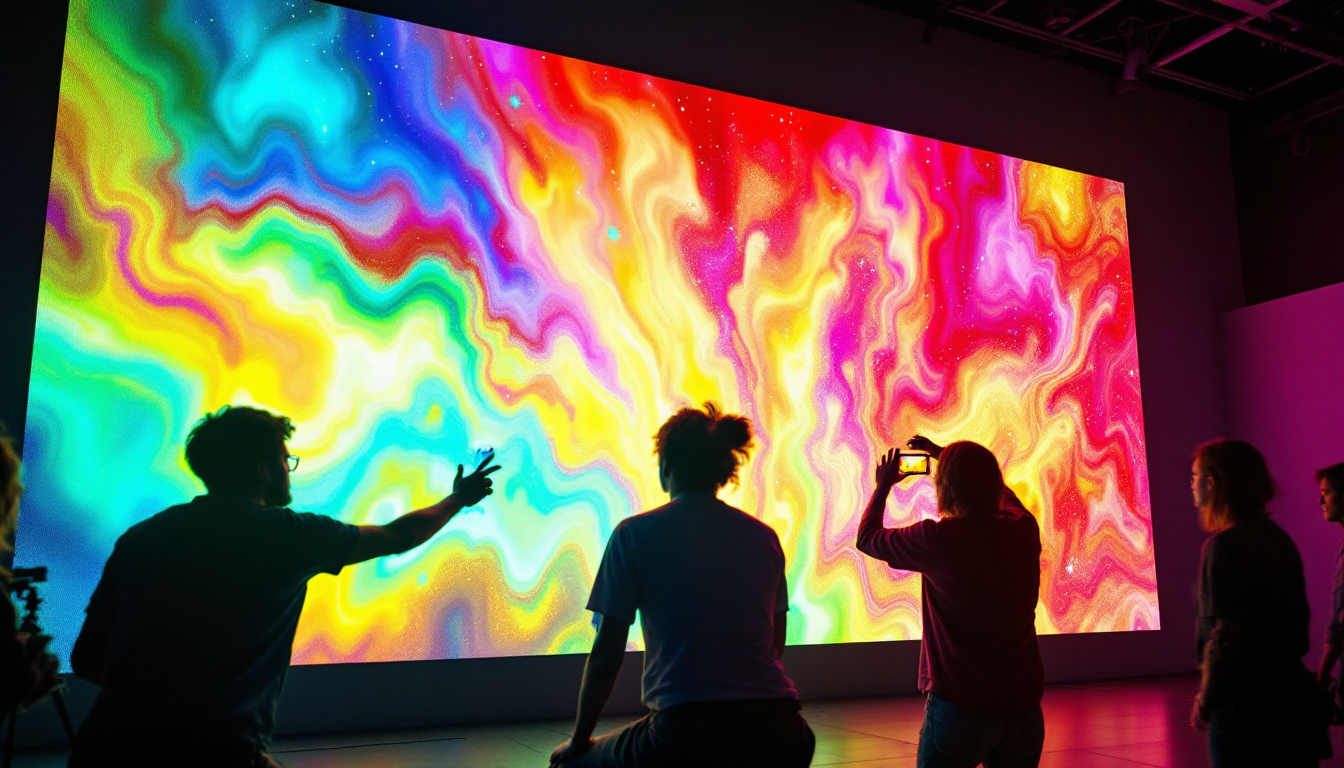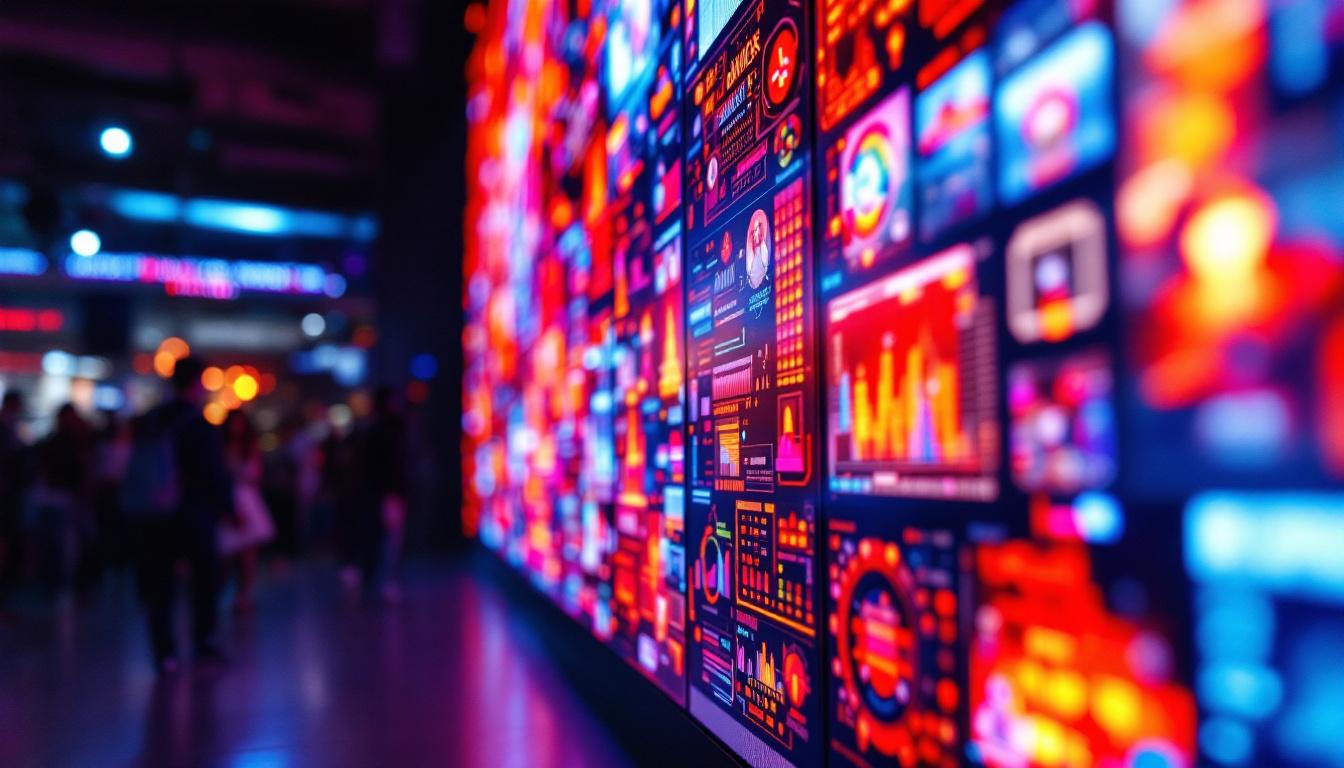
In today’s digital age, visual communication plays a pivotal role in capturing attention and conveying messages effectively. Among the most dynamic and impactful display technologies available, LED screen video walls stand out for their brightness, versatility, and scalability. Whether used in retail environments, corporate settings, entertainment venues, or public spaces, LED video walls offer unparalleled visual experiences that traditional displays struggle to match.
This article delves deep into the world of LED screen video walls, explaining the technology behind LED displays, their key advantages, typical applications, and important considerations for selecting and deploying these impressive visual systems.
Understanding LED Technology: The Foundation of Video Walls
What is an LED Screen?
LED, or Light Emitting Diode, screens consist of an array of tiny light sources that emit light when an electrical current passes through them. Unlike LCD or OLED displays, which rely on backlighting or organic compounds, LEDs produce their own light, resulting in brighter images and better contrast ratios.
Each pixel on an LED screen is composed of red, green, and blue diodes that combine to create a full spectrum of colors. By adjusting the intensity of each diode, the screen can display millions of colors with high precision. This self-emissive property is what makes LED displays exceptionally vibrant and visible even in bright ambient lighting conditions. Moreover, the longevity of LED technology is noteworthy; these screens can last tens of thousands of hours, significantly reducing the need for frequent replacements and maintenance, making them a cost-effective choice in the long run.
How Do LED Video Walls Work?
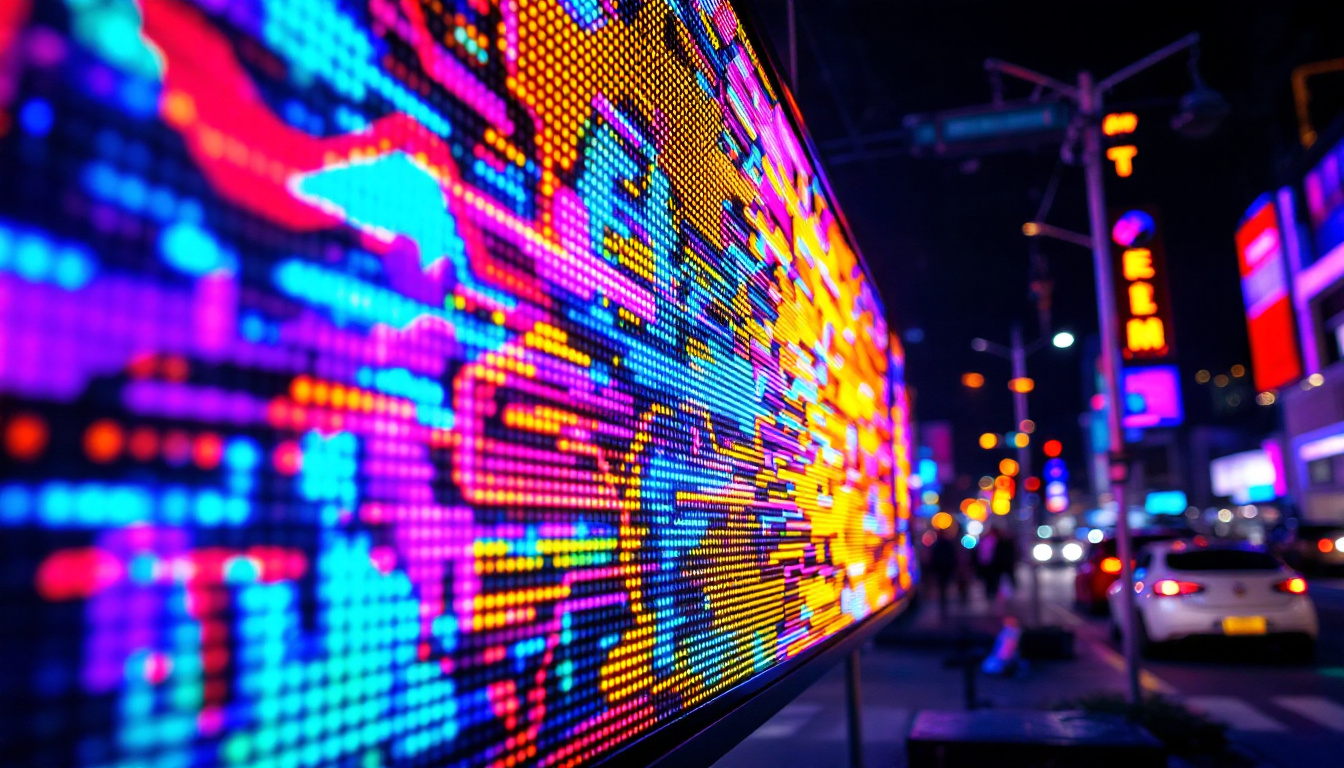
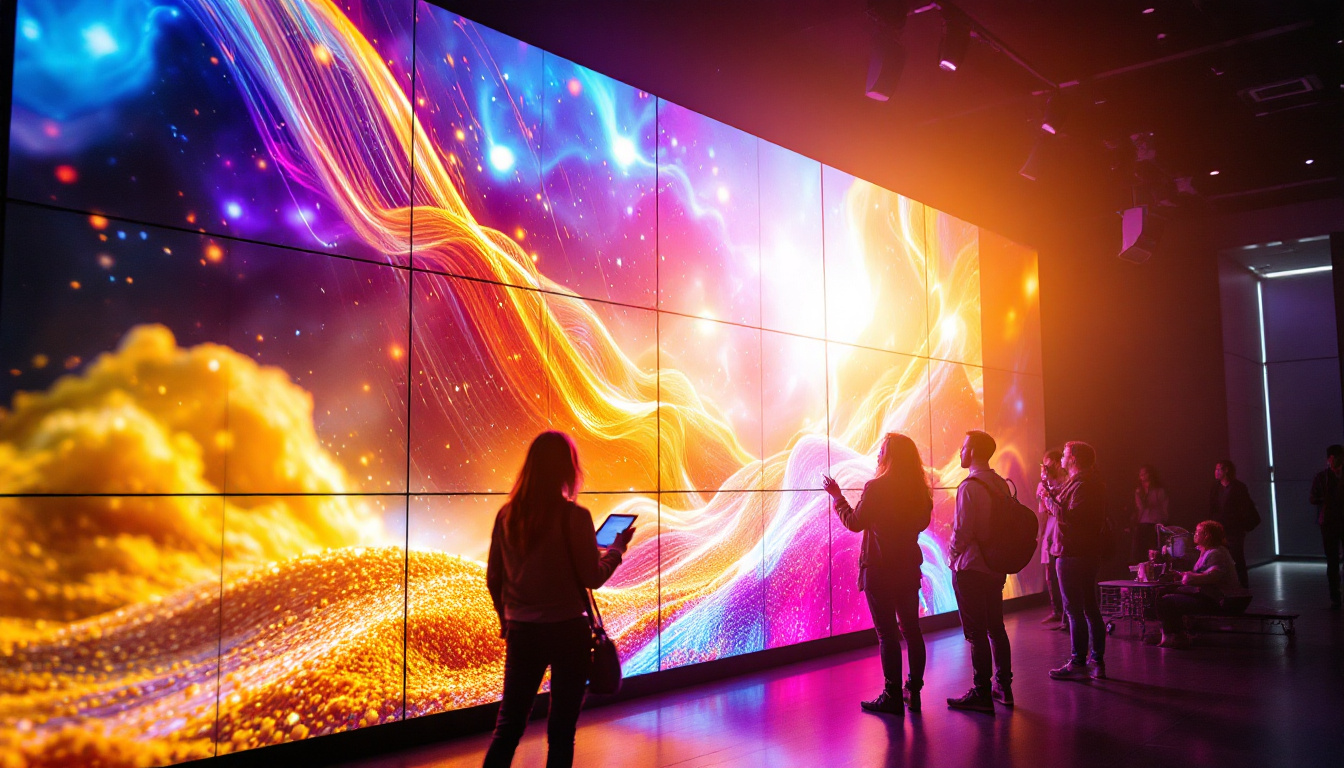
LED video walls are large-scale displays made by seamlessly joining multiple LED panels or modules. These panels are designed to fit together with minimal bezels, creating a continuous, expansive screen surface. The video wall is controlled by a processor that splits the video signal across the individual panels, ensuring synchronized and coherent imagery.
Modern LED video walls support high resolutions and refresh rates, enabling smooth video playback and detailed graphics. The modular nature allows for flexible configurations, from simple rectangular screens to complex curved or irregular shapes, catering to a wide range of creative and functional needs. Additionally, many LED video walls come equipped with advanced features such as real-time content management systems, allowing operators to easily switch between different media sources or display dynamic content tailored to specific audiences. This adaptability makes LED video walls an ideal choice for various applications, from advertising and live events to immersive installations in museums and galleries.
Key Advantages of LED Video Walls
Brightness and Visibility in Any Environment
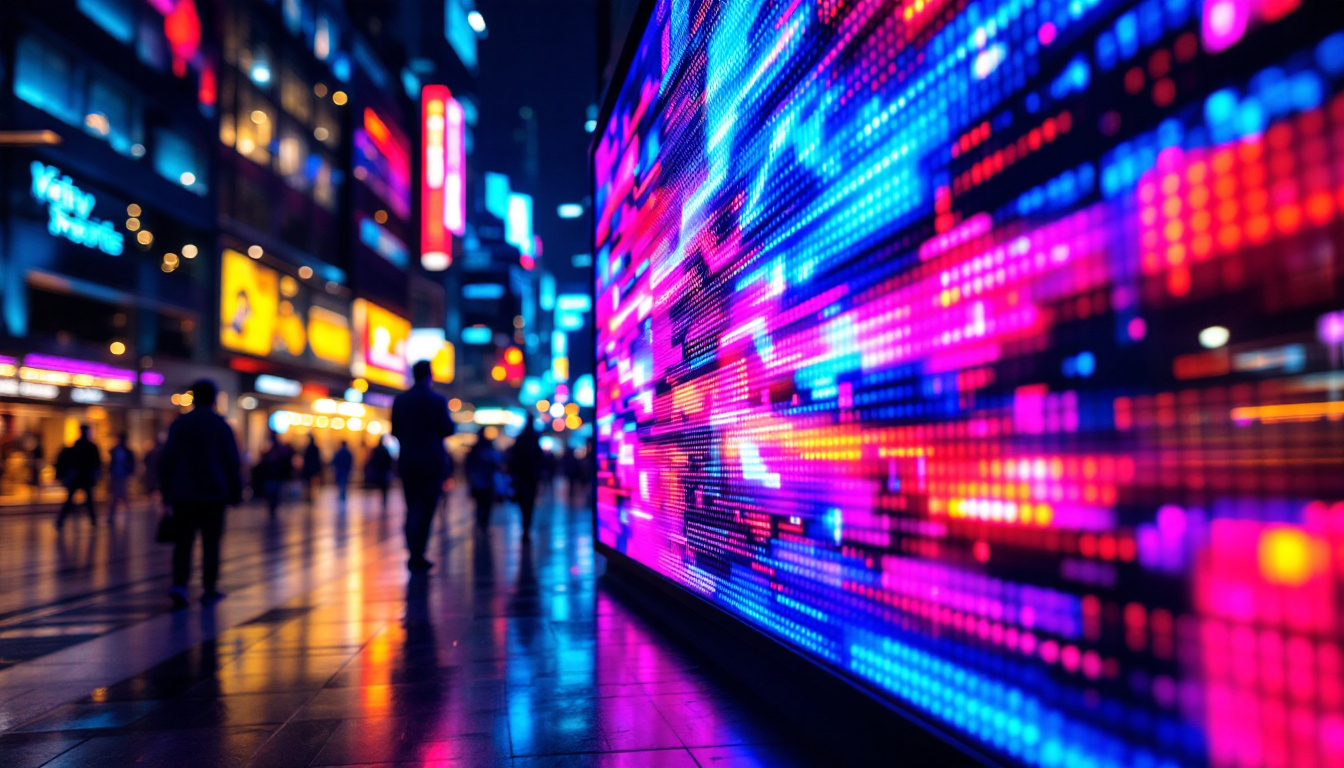
One of the most significant benefits of LED video walls is their exceptional brightness. Typical LED displays can achieve brightness levels of 1,000 to 5,000 nits or more, far surpassing conventional LCD screens that usually max out around 300 to 500 nits. This makes LED video walls clearly visible even under direct sunlight, making them ideal for outdoor advertising, stadiums, and transportation hubs.
Furthermore, LED screens maintain their clarity and color accuracy across wide viewing angles, ensuring that content looks vibrant and sharp from virtually any position in front of the display. This characteristic is particularly beneficial in crowded environments where viewers may be scattered in various locations. The ability to deliver consistent quality across a broad spectrum of angles enhances audience engagement and ensures that important messages are communicated effectively, regardless of where viewers are situated.
Scalability and Customization
LED video walls are highly scalable. Whether a business needs a modest 4×2 panel array or a massive 20×10 installation, LED modules can be combined to meet exact size requirements. This scalability is complemented by the ability to customize pixel pitch—the distance between individual LEDs—to balance resolution and cost based on viewing distance and use case.
For example, a retail store might opt for a fine pixel pitch (e.g., 1.2mm) to display detailed product visuals up close, while a sports arena might use a larger pitch (e.g., 10mm) for visibility from far away. This flexibility allows businesses to tailor their displays to their specific needs, ensuring that they maximize the impact of their visual communications. Additionally, the modular nature of LED video walls means that they can be easily expanded or reconfigured as a business grows or as new technologies emerge, making them a future-proof investment.
Durability and Energy Efficiency
LED video walls are built to last. Outdoor LED panels typically feature weatherproof designs with IP65 or higher ratings, protecting against dust, moisture, and extreme temperatures. This robustness reduces maintenance costs and downtime. The longevity of LED technology also means that businesses can enjoy years of reliable performance without the frequent replacements that other display technologies might require.
Additionally, LEDs consume less power compared to other large-format display technologies, contributing to lower operational costs and a smaller environmental footprint. Advances in LED efficiency continue to improve energy consumption without sacrificing brightness or performance. This energy efficiency is not only beneficial for reducing utility bills but also aligns with the growing emphasis on sustainability in business practices. By choosing LED video walls, companies can demonstrate their commitment to eco-friendly solutions while enjoying the benefits of cutting-edge display technology.
Common Applications of LED Video Walls
Retail and Advertising
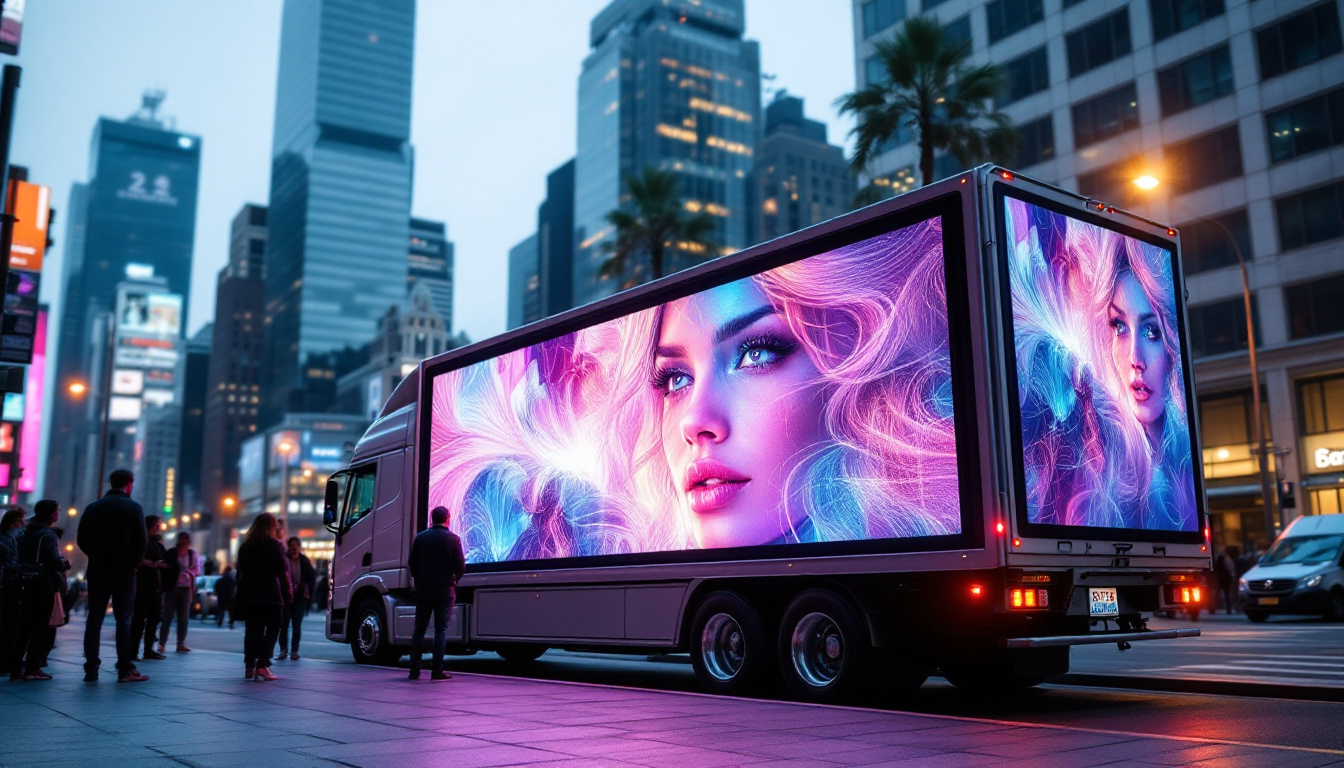
Retailers leverage LED video walls to create immersive shopping experiences and dynamic advertising displays. Large-format LED walls in storefront windows or inside malls can showcase promotional content, new product launches, or interactive visuals that attract and engage customers.
According to a 2023 study by the Digital Signage Federation, digital signage including LED video walls can increase customer dwell time by up to 30% and boost sales by 20%. This makes LED video walls a powerful tool for driving revenue in competitive retail environments.
Corporate and Control Rooms
In corporate settings, LED video walls are often used in boardrooms, lobbies, and control centers. Their ability to display multiple data streams simultaneously and in high resolution supports decision-making and collaboration. For example, network operations centers use video walls to monitor real-time data, enhancing situational awareness and response times.
Furthermore, the sleek, modern aesthetic of LED walls contributes to a professional atmosphere and reinforces brand identity during presentations and meetings.
Entertainment and Events
Concerts, theaters, and sports venues frequently employ LED video walls to deliver captivating visuals that complement live performances. The high brightness and color fidelity ensure that audiences enjoy vivid imagery regardless of venue size or lighting conditions.
Major events like the Super Bowl and music festivals often feature massive LED walls as central elements of stage design, creating immersive environments that enhance audience engagement.
Transportation and Public Spaces
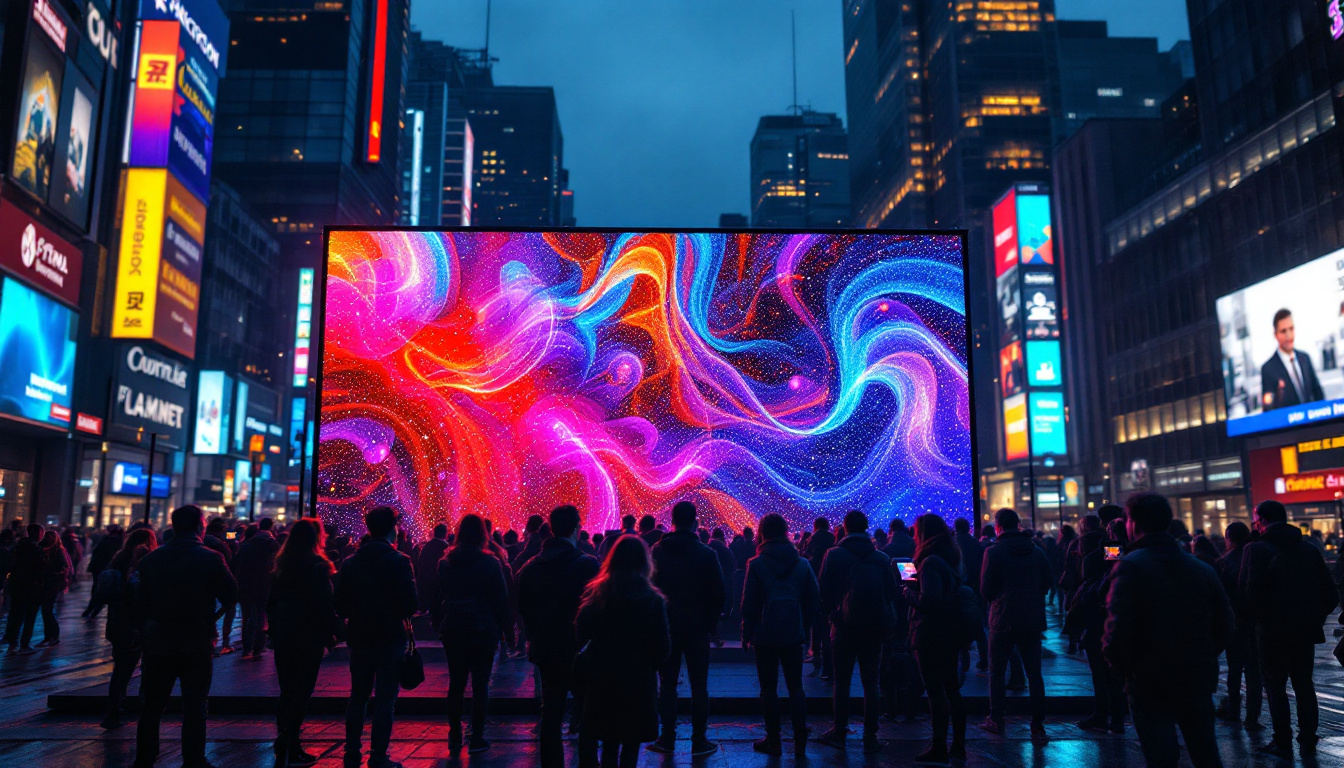
Airports, train stations, and city squares utilize LED video walls for wayfinding, public announcements, and advertising. Their ability to display clear information in bright, often outdoor environments improves passenger experience and safety.
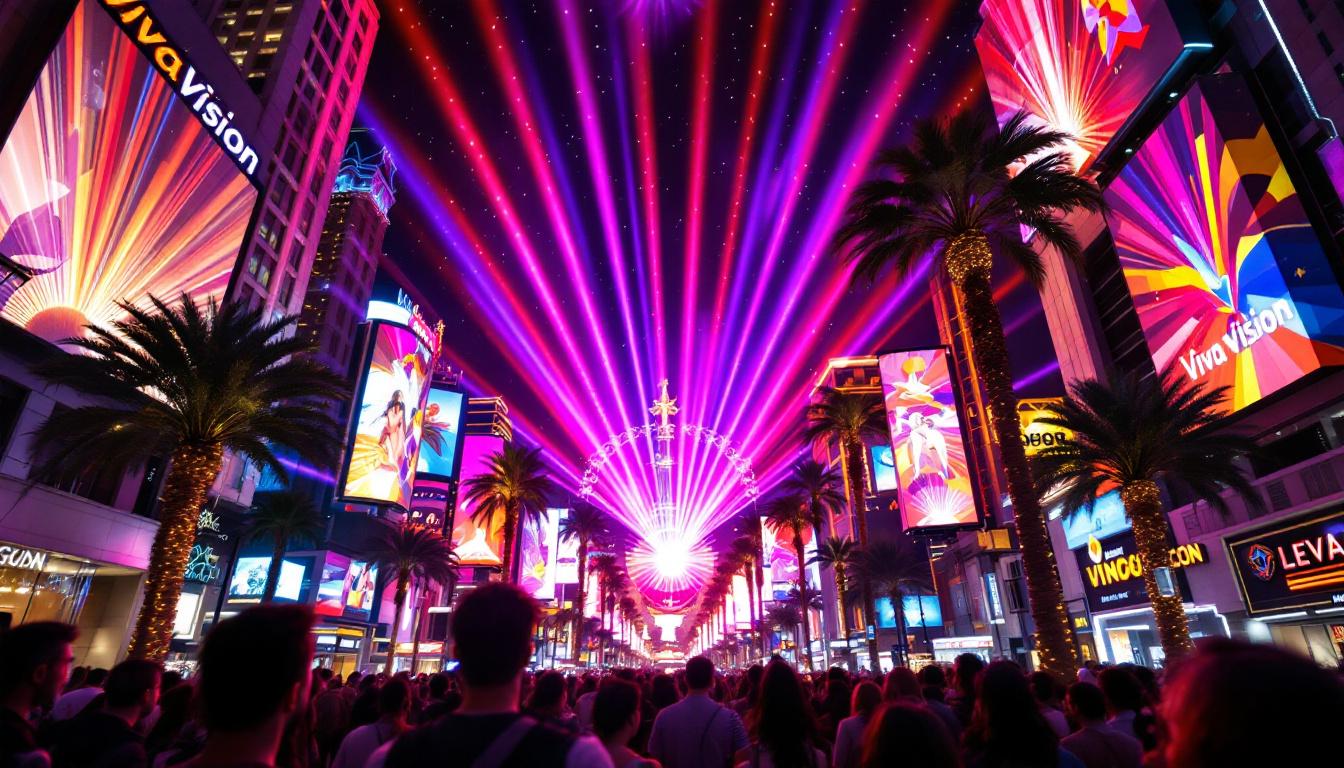
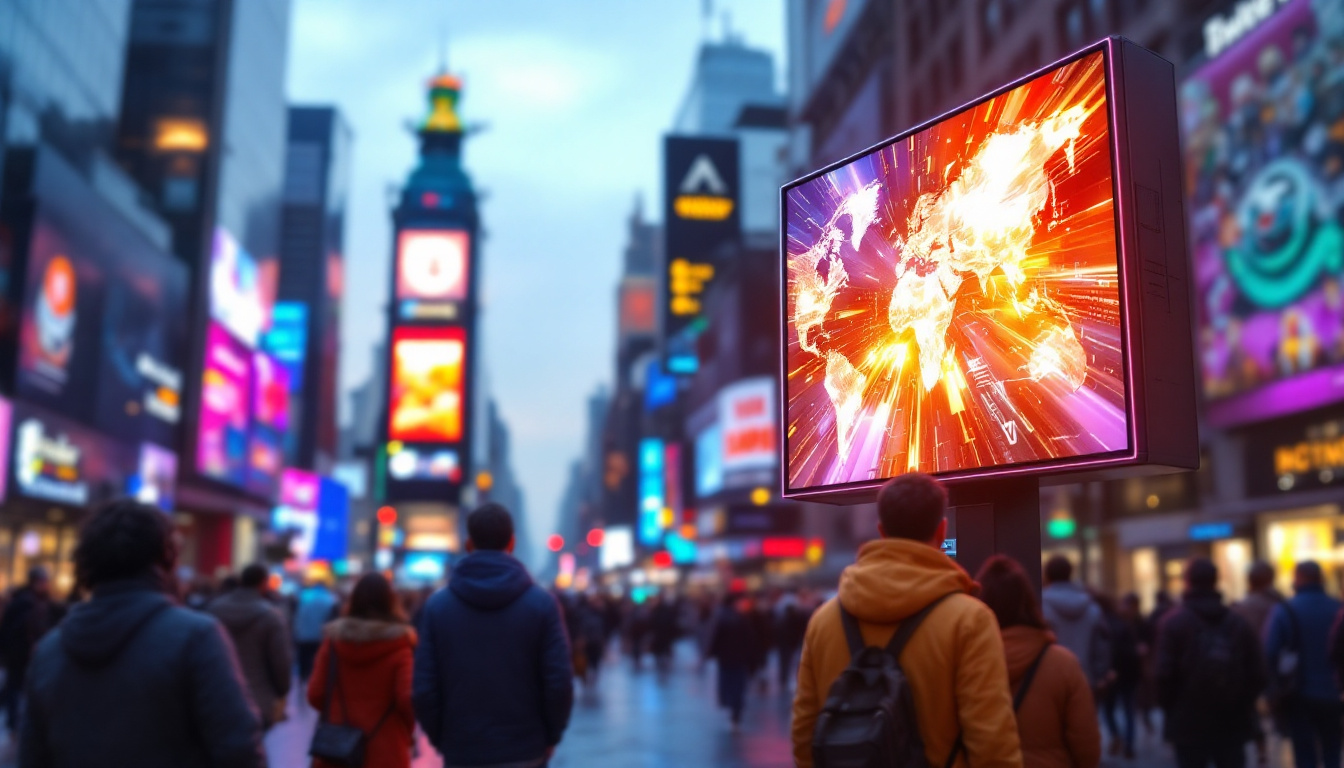
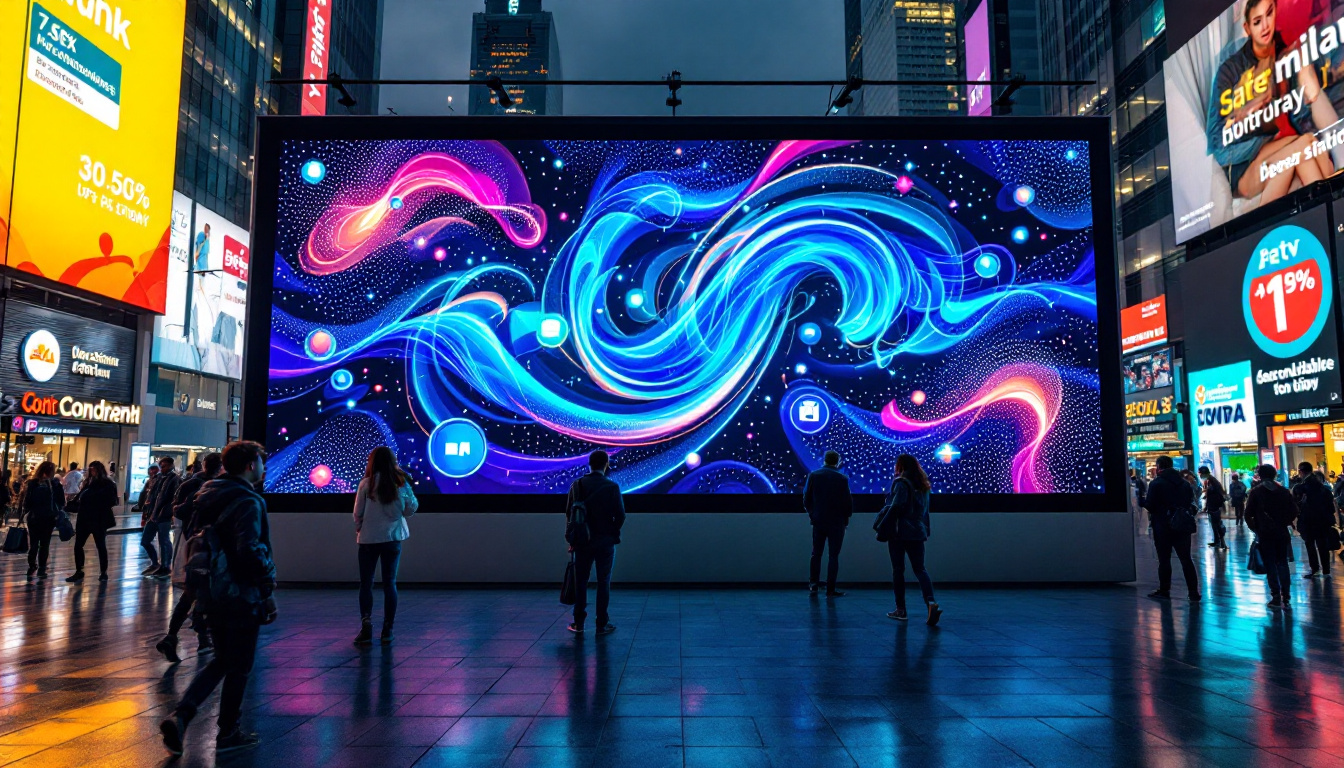
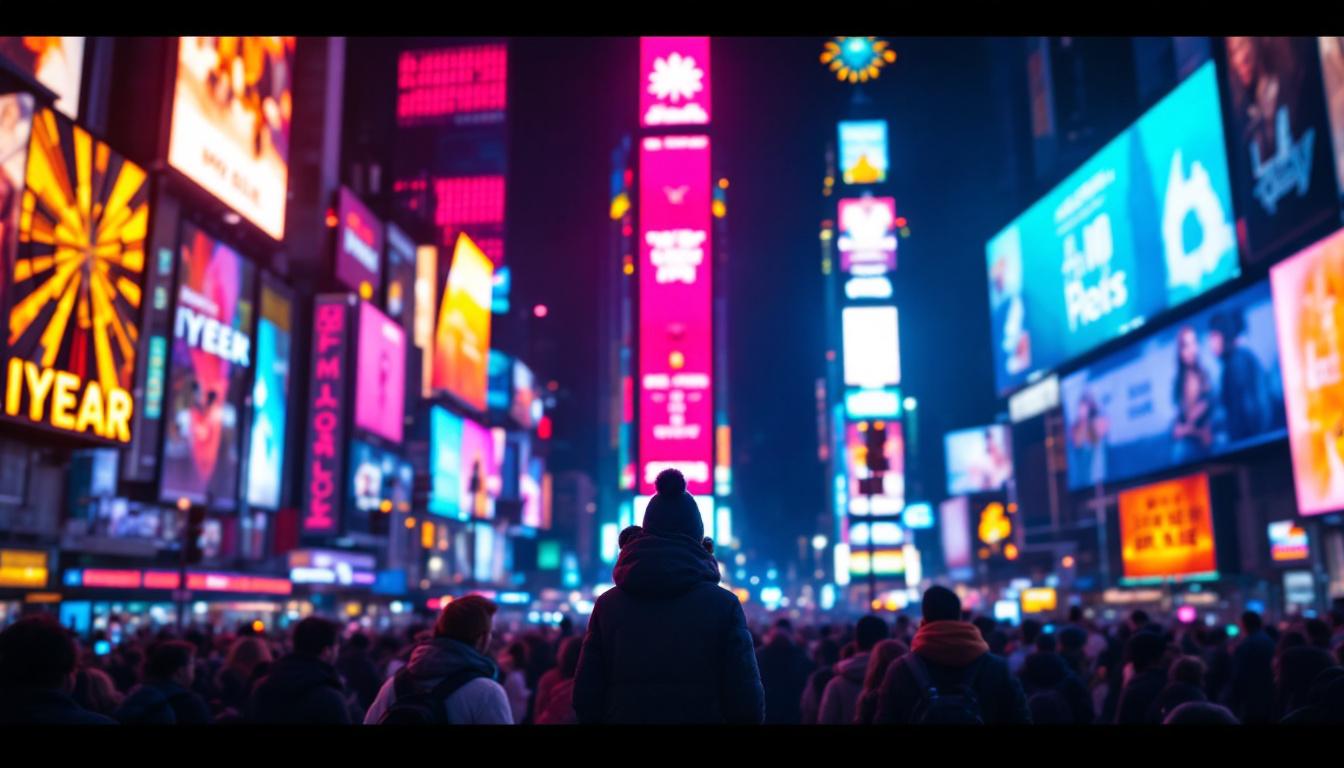
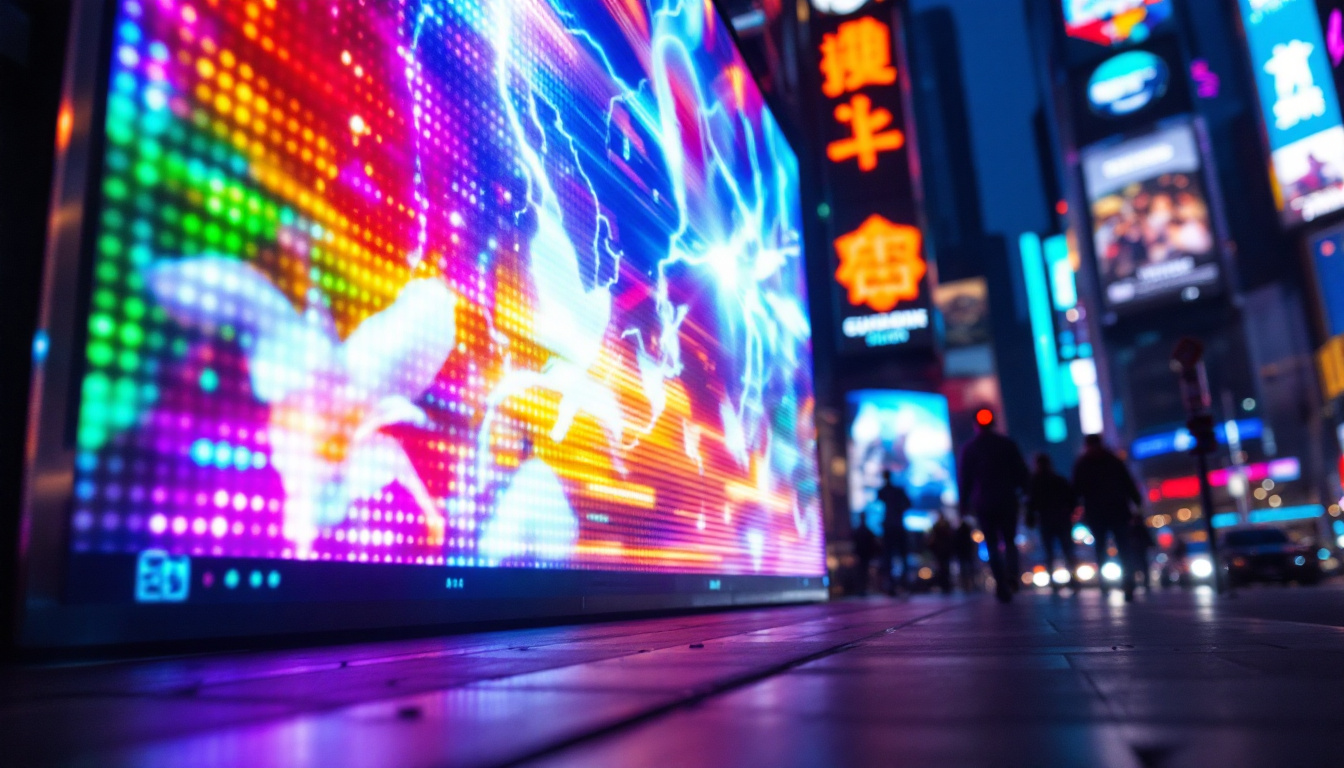
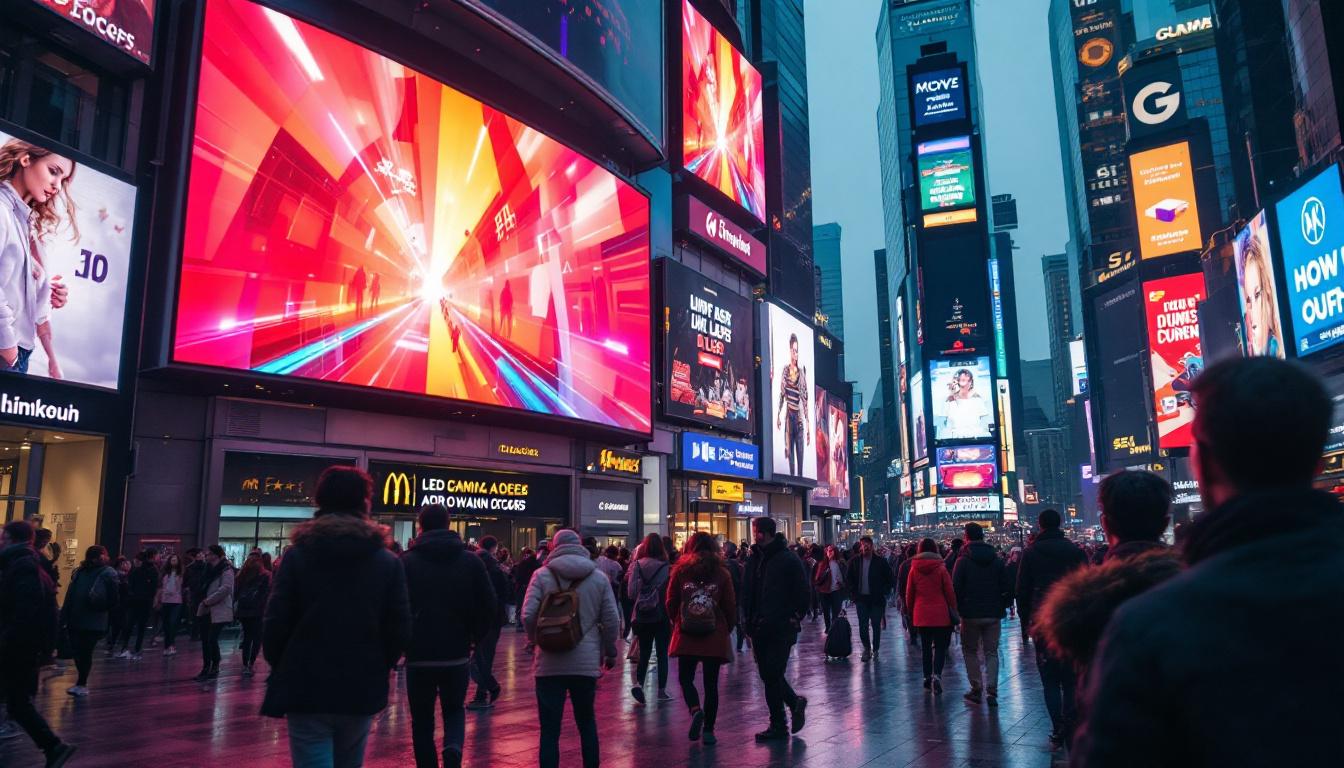
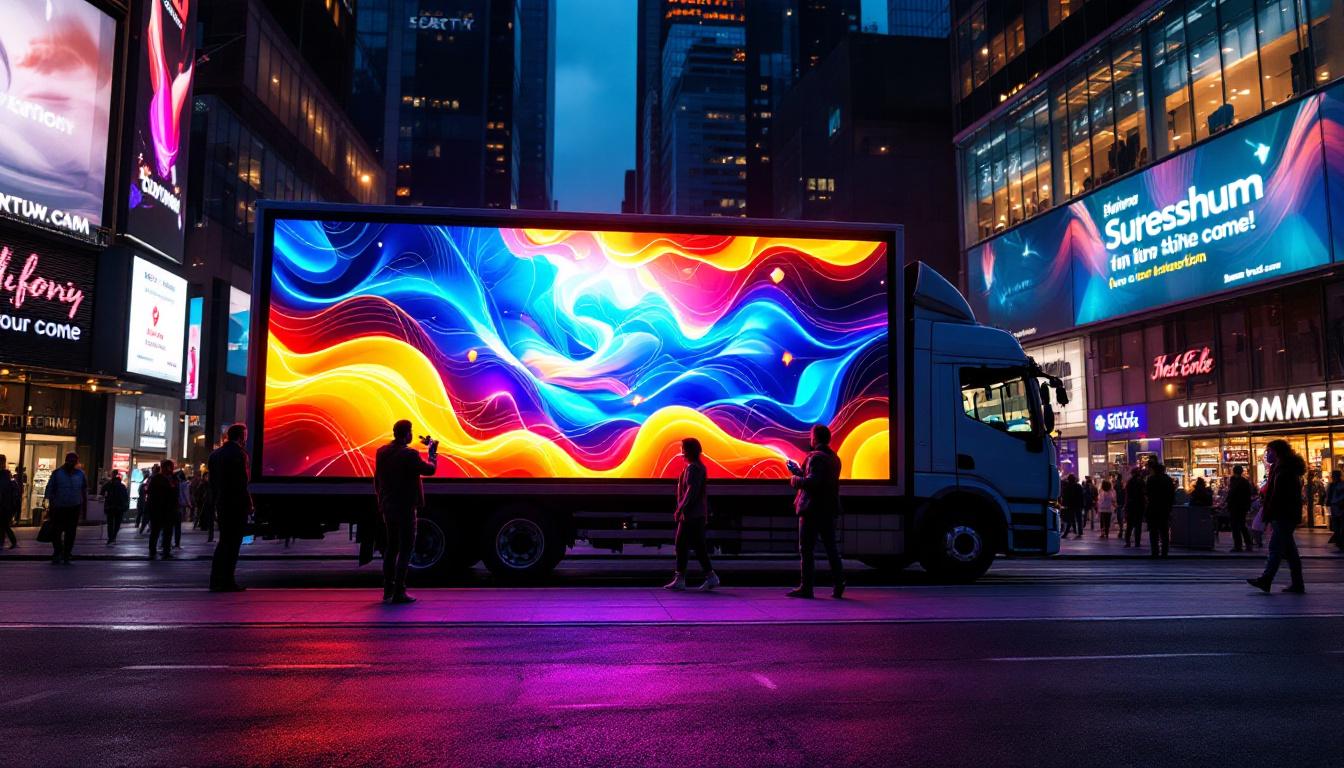
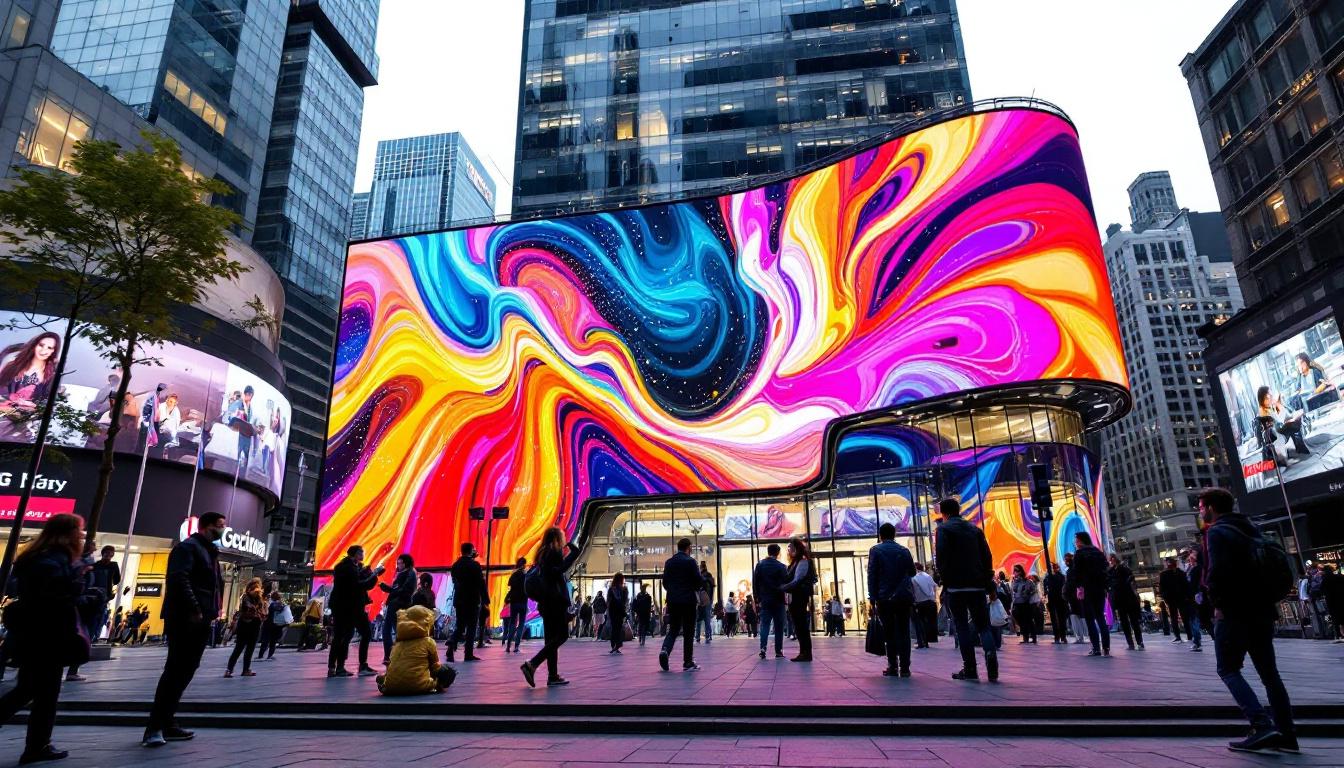
For example, the Times Square LED billboards in New York City are iconic examples of how LED video walls can transform urban landscapes into vibrant communication hubs.
Choosing the Right LED Video Wall: Important Considerations
Pixel Pitch and Resolution
Pixel pitch is a critical factor when selecting an LED video wall. It determines the density of LEDs per square meter and directly influences image sharpness. Smaller pixel pitches yield higher resolution, making them suitable for close viewing distances, while larger pitches are cost-effective for displays viewed from afar.
For indoor environments where viewers are close, pixel pitches between 1mm and 2.5mm are common. Outdoor installations often use pitches from 6mm to 20mm, balancing visibility and budget.
Brightness and Contrast Requirements
Understanding the ambient lighting conditions where the video wall will be installed is essential. Outdoor screens require higher brightness levels (often above 5,000 nits) to remain legible in sunlight. Indoor screens typically need lower brightness but benefit from high contrast ratios to deliver deep blacks and vibrant colors.
Some LED video walls incorporate ambient light sensors that automatically adjust brightness, optimizing energy use and visual comfort.
Installation and Maintenance
Installation complexity varies depending on the size and configuration of the video wall. Modular LED panels are designed for straightforward assembly, but factors such as mounting structure, power supply, and ventilation must be carefully planned.
Maintenance access is another important consideration. Front-serviceable LED panels allow for easier repairs and cleaning, reducing downtime and operational disruption.
Content Management and Control Systems
The effectiveness of an LED video wall depends heavily on its content management system (CMS). A robust CMS enables seamless content scheduling, real-time updates, and multi-source integration. Many modern LED video walls support remote management, allowing operators to control displays from anywhere via cloud-based platforms.
Choosing a CMS compatible with existing infrastructure and user-friendly for content creators ensures maximum return on investment.
The Future of LED Video Walls
Technological Innovations
LED technology continues to evolve rapidly. MicroLED displays, which use even smaller LEDs, promise higher resolutions and better energy efficiency. Transparent LED panels are gaining traction, enabling see-through video walls that blend digital content with physical environments.
Advances in AI-driven content optimization and interactive capabilities are also transforming how audiences engage with LED video walls, making them more personalized and immersive.
Expanding Use Cases
Beyond traditional applications, LED video walls are increasingly integrated into smart cities, augmented reality experiences, and digital art installations. Their adaptability and visual impact make them ideal for creative and functional innovations across industries.
As costs continue to decrease and technology matures, LED video walls are expected to become even more prevalent in everyday environments.
Conclusion
LED screen video walls represent a powerful medium for visual communication, combining brightness, scalability, and durability to deliver stunning imagery in a variety of settings. Understanding the underlying technology, advantages, and key considerations helps businesses and organizations make informed decisions about deploying LED video walls that meet their specific needs.
Whether enhancing brand presence, improving operational efficiency, or creating unforgettable entertainment experiences, LED video walls are shaping the future of digital displays with their unmatched versatility and impact.
Discover LumenMatrix LED Display Solutions
Ready to elevate your visual communication with the brilliance of LED technology? Explore LumenMatrix’s comprehensive range of LED display solutions, from vibrant Indoor and Outdoor LED Wall Displays to innovative Custom and Transparent LED options. Each product is crafted with precision to ensure your message resonates with clarity and impact. Embrace the future of digital signage with LumenMatrix and create experiences that captivate and engage. Check out LumenMatrix LED Display Solutions today and transform your space into a dynamic visual showcase.