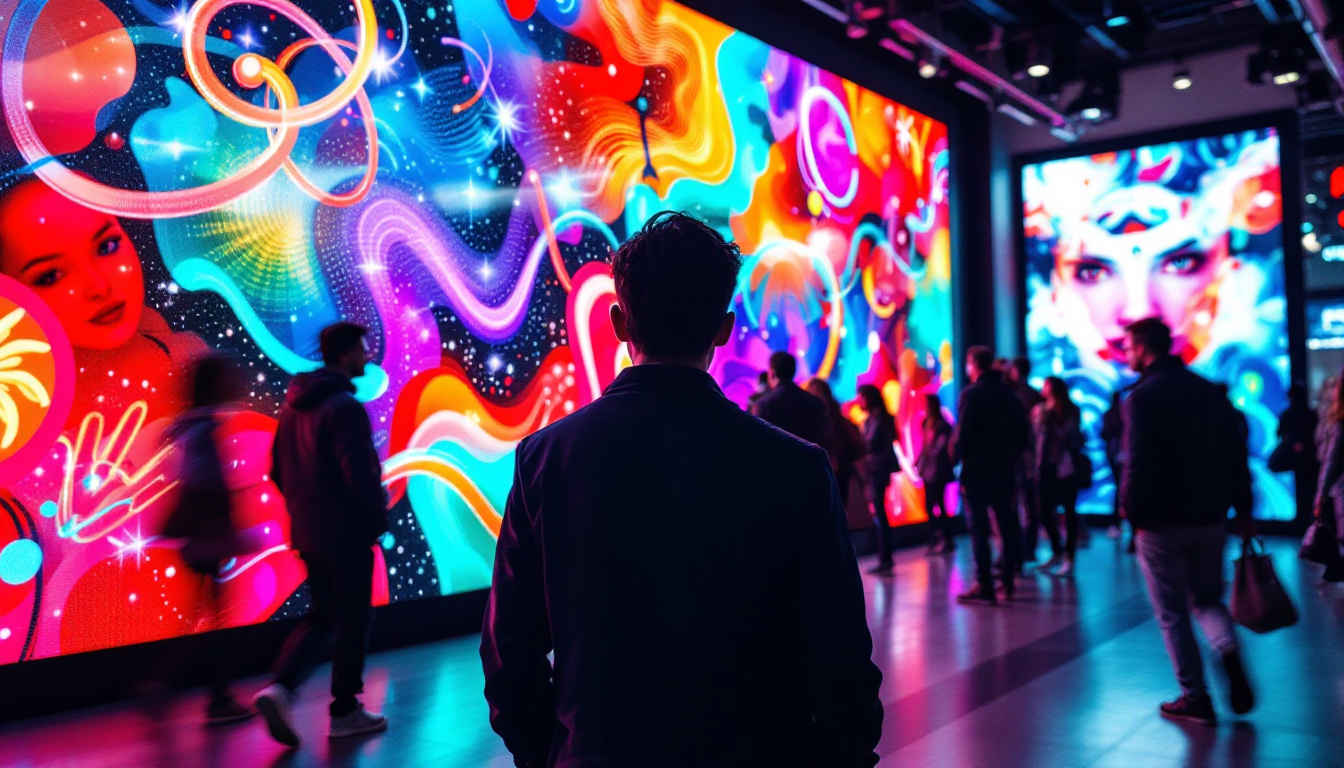
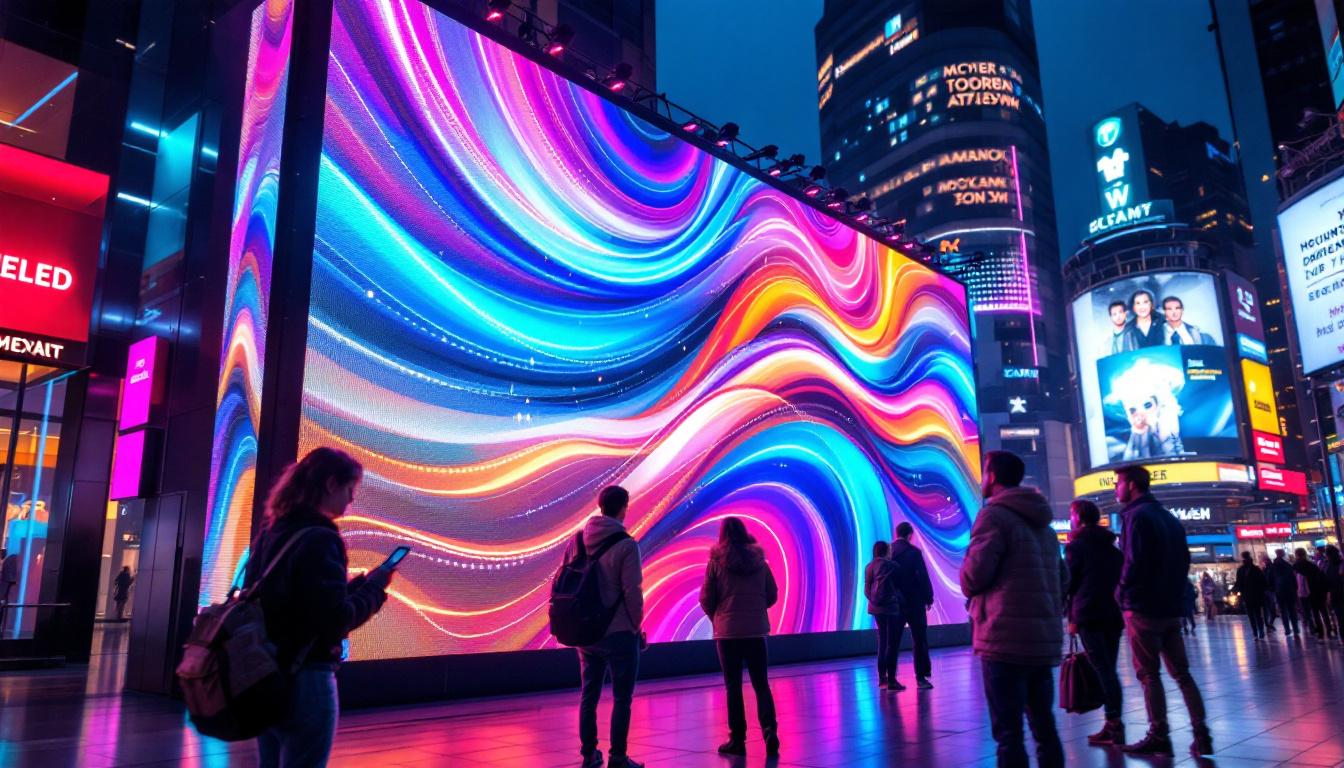
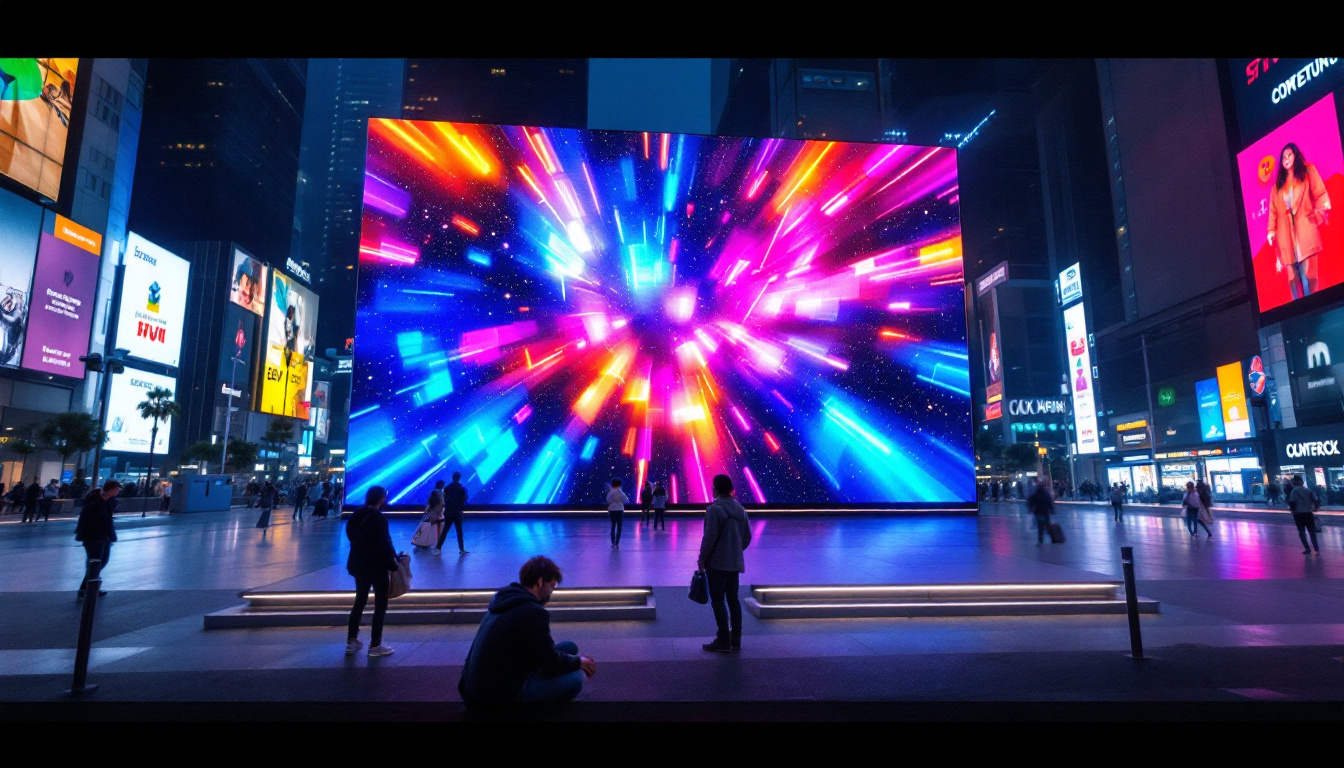
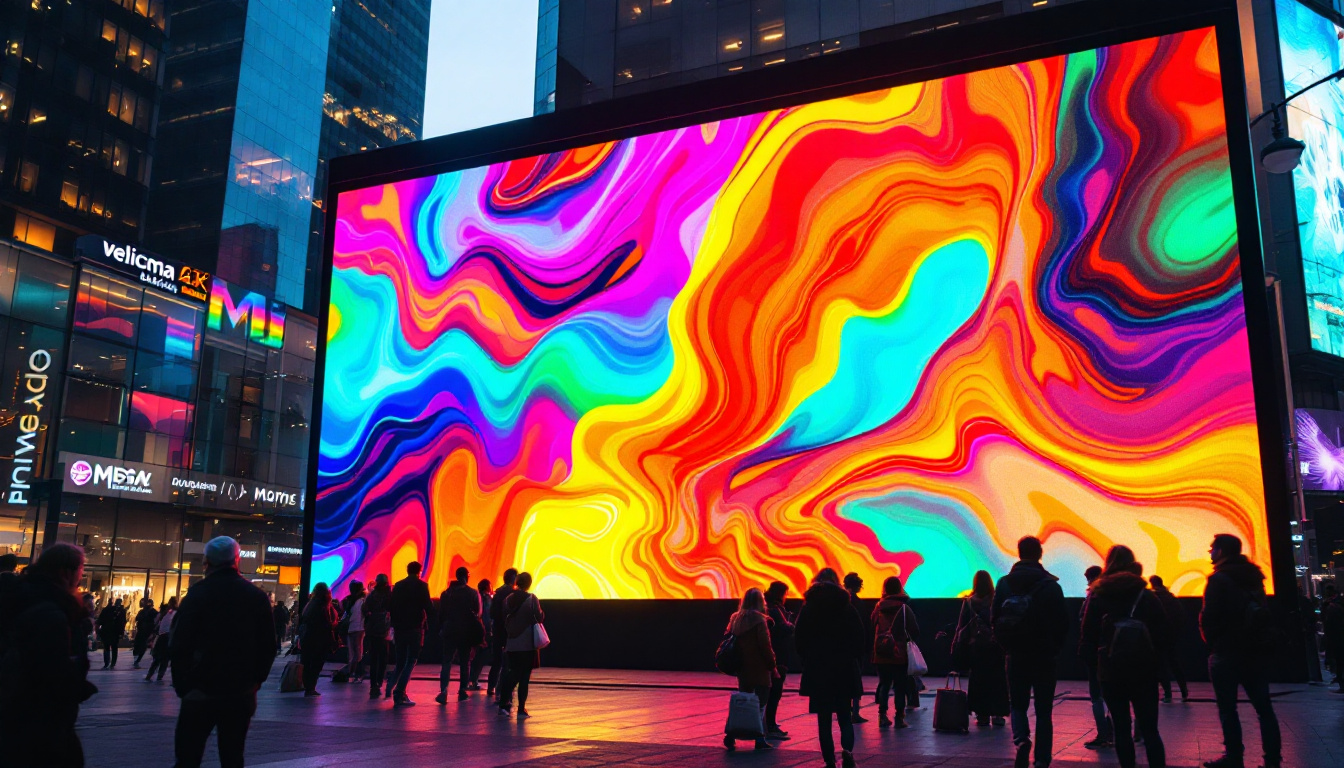
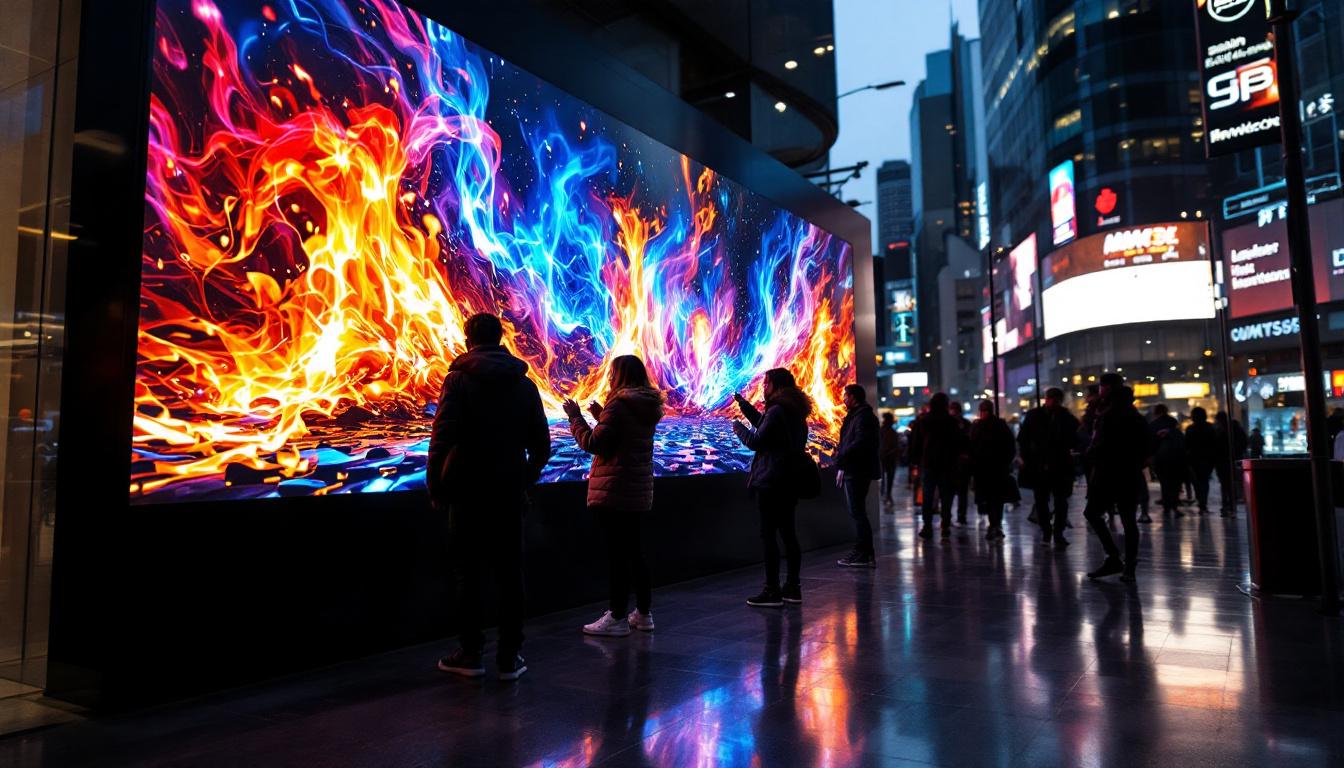
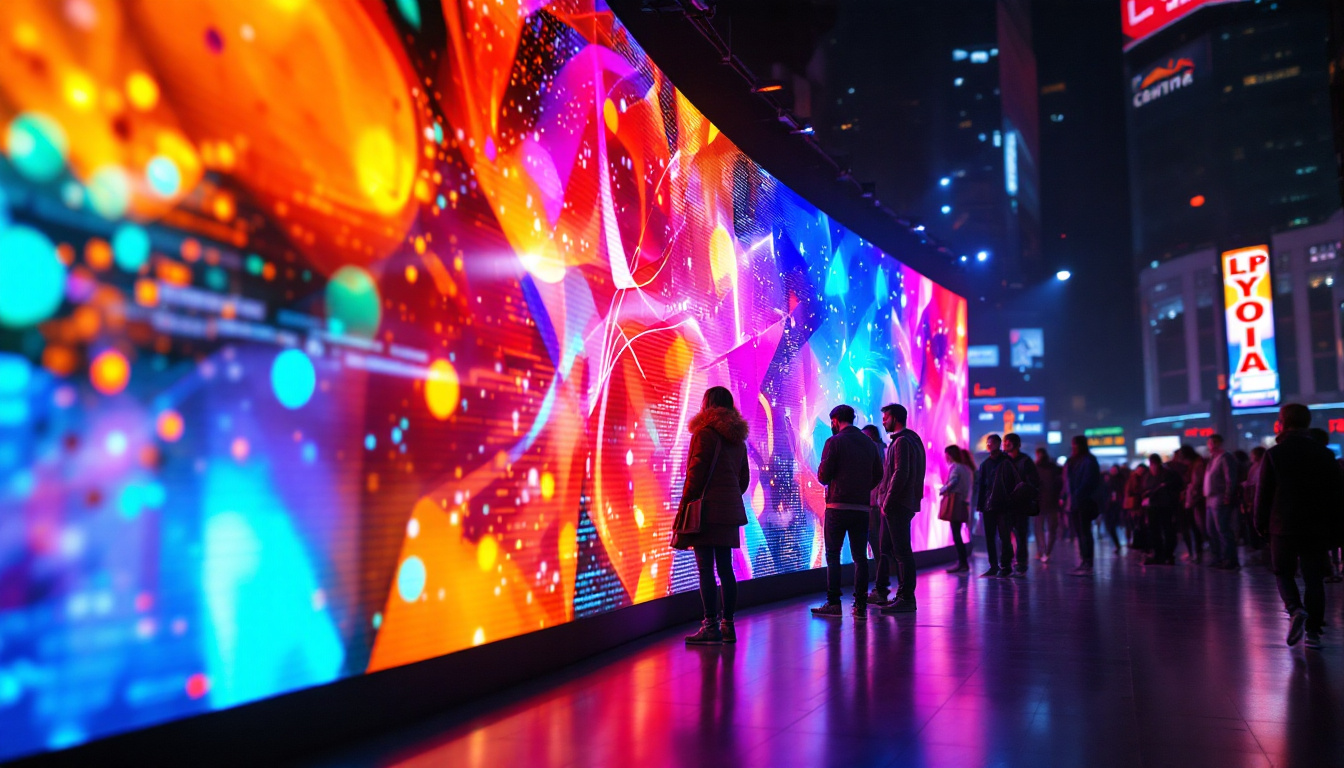
In the dynamic world of event production and digital advertising, the flying LED screen has emerged as a revolutionary technology. Combining portability, versatility, and high-impact visual performance, flying LED screens are transforming how audiences experience live events, concerts, exhibitions, and large-scale presentations. This article delves deep into the concept of flying LED screens, exploring their technology, applications, and the advantages they offer over traditional display methods.
What Is a Flying LED Screen?
A flying LED screen is a type of LED display panel designed to be suspended or “flown” above a venue or event space. Unlike fixed LED walls that are mounted on stands or walls, flying LED screens can be hung from rigging points, trusses, or ceiling structures, offering unparalleled flexibility in positioning and visibility. This adaptability makes them particularly popular for concerts, festivals, corporate events, and theatrical productions where dynamic visual storytelling is essential.
These screens are composed of modular LED panels that can be assembled into various sizes and shapes depending on the event’s requirements. The term “flying” refers to the suspension method, which allows the screen to be elevated, often centrally located, to maximize audience sightlines and create immersive visual experiences. The ability to customize the height and angle of the display enhances the overall atmosphere of an event, allowing for creative staging and impactful presentations that can captivate audiences from multiple angles.
Technical Components of Flying LED Screens
Flying LED screens rely on several key components to function effectively:
- Modular LED Panels: Lightweight, durable panels with high-resolution LED pixels that can be connected to form large displays.
- Rigging Systems: Specialized hardware such as clamps, chains, and motors designed to safely suspend the screen from overhead structures.
- Control Systems: Hardware and software that manage content playback, synchronization, and brightness control across the entire screen.
- Power Supply and Cabling: Efficient power distribution and data transmission cables that ensure seamless operation during events.
These elements work together to create a display that is not only visually stunning but also safe and reliable for both performers and audiences. The modular nature of the panels allows for quick assembly and disassembly, making it easy to transport and set up at various locations. Additionally, advancements in LED technology have led to improvements in brightness and color accuracy, ensuring that the visuals remain vibrant even in well-lit environments. This capability is crucial for outdoor events where natural light can often wash out traditional display technologies.
Moreover, flying LED screens are increasingly being integrated with interactive technologies, allowing for real-time audience engagement. Features such as live polling, social media feeds, and augmented reality effects can be displayed on these screens, creating a two-way communication channel between performers and attendees. This interactivity not only enhances the viewer experience but also opens up new avenues for creative expression, making flying LED screens a pivotal element in modern event production.
Advantages of Flying LED Screens
Flying LED screens offer several distinct advantages that make them a preferred choice for event organizers and production companies worldwide.
Enhanced Visibility and Audience Engagement
By suspending the screen above the audience, flying LED displays eliminate obstructions and provide a clear line of sight from virtually every angle. This elevated positioning is especially beneficial in large venues such as stadiums, arenas, and convention centers where traditional floor-based screens might be blocked by crowds or equipment.
The immersive nature of flying LED screens helps captivate audiences, making it easier to convey messages, showcase performers, or display dynamic content that enhances the overall event experience. The ability to present high-definition visuals from a bird’s-eye view not only amplifies the impact of the content but also fosters a more inclusive atmosphere, allowing even those seated at the back to feel connected to the performance. This level of engagement can significantly enhance audience retention and satisfaction, leading to a more memorable event.
Flexibility and Customization
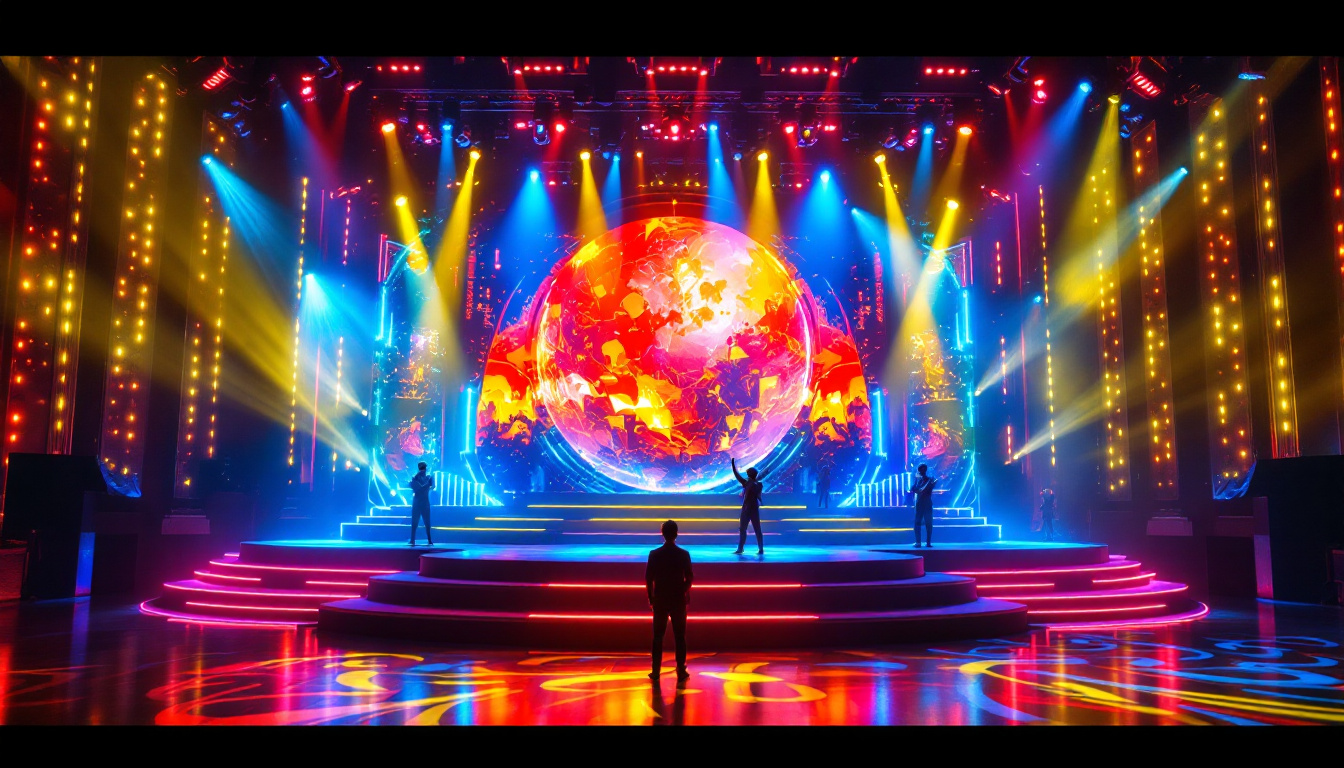
The modular design of flying LED screens allows for extensive customization in size and shape. Whether it’s a circular display suspended over a stage or a large rectangular screen hanging in a convention hall, the panels can be configured to suit the specific needs of the event.
This adaptability extends to content as well, with advanced control systems enabling real-time content changes, interactive features, and synchronization with other multimedia elements. Event planners can tailor their presentations to fit the theme of the event seamlessly, using vibrant graphics, animations, and even live feeds to create a dynamic narrative. This level of customization not only enhances the aesthetic appeal but also ensures that the content resonates with the audience, making each event unique and impactful.
Space Efficiency
In venues where floor space is limited or needs to be kept clear for performances and audience movement, flying LED screens provide an excellent solution. By utilizing overhead space, they free up valuable ground area, reducing clutter and improving safety.
Quick Installation and Dismantling
Modern flying LED screens are designed for rapid assembly and disassembly, often featuring lightweight materials and user-friendly rigging systems. This efficiency is crucial for touring events, festivals, and exhibitions where setup time is limited and logistics are complex.
Applications of Flying LED Screens
The versatility of flying LED screens has led to their adoption across a wide range of industries and event types.
Live Concerts and Music Festivals
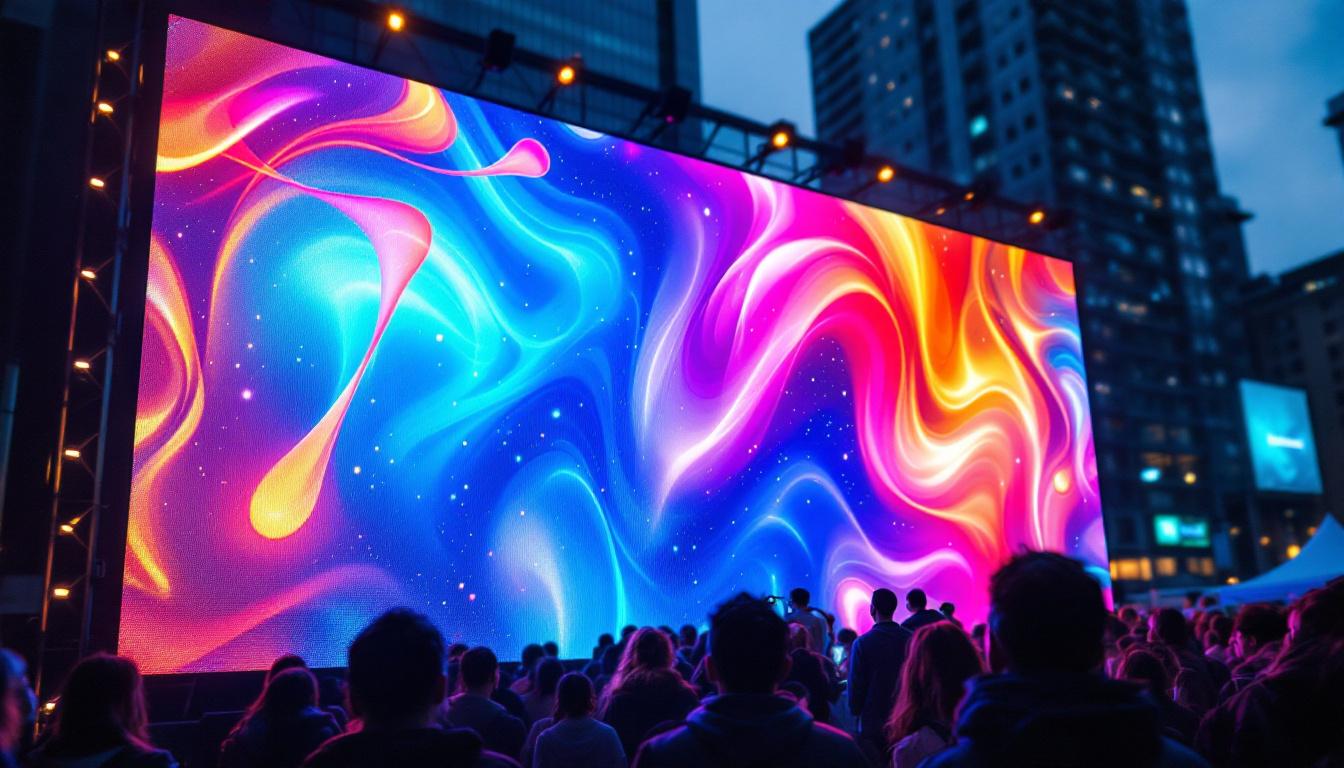
One of the most prominent uses of flying LED screens is in live music events. Artists and production teams leverage these screens to display live video feeds, visual effects, and interactive content that complement performances. The ability to position screens above the stage or audience enhances visibility and creates a memorable atmosphere.
Sporting Events
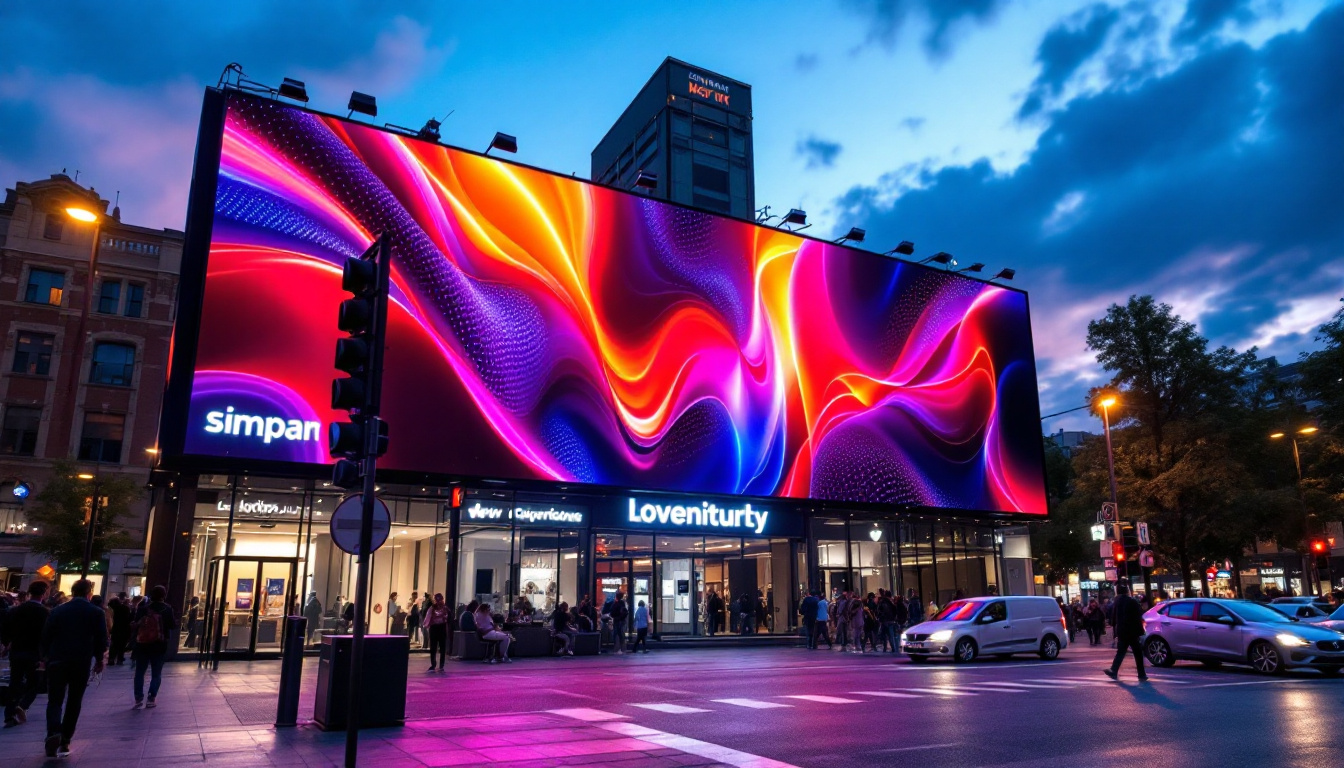
In stadiums and arenas, flying LED screens are used to display scores, instant replays, advertisements, and fan engagement content. Their elevated placement ensures that spectators across the venue have a clear view, improving the overall spectator experience.
Corporate Events and Trade Shows
Corporate presentations, product launches, and trade exhibitions benefit from flying LED screens by providing dynamic backdrops and engaging visual aids. The screens can be tailored to fit the branding and messaging needs of the event, helping companies make a strong impression.
Theatrical Productions and Conferences
Theatre productions utilize flying LED screens for set design and special effects, adding depth and visual interest to performances. Similarly, conferences use these screens to display presentations, speaker information, and live feeds, enhancing communication and audience engagement.
Key Considerations When Using Flying LED Screens
While flying LED screens offer numerous benefits, there are important factors to consider to ensure successful deployment.
Structural Safety and Load Capacity
Safety is paramount when suspending heavy LED screens above audiences. Rigging systems must be carefully engineered to support the weight of the screen and withstand environmental conditions such as wind or vibrations. Compliance with local safety regulations and standards is essential.
Pixel Pitch and Resolution
The pixel pitch, or the distance between individual LED pixels, affects the screen’s resolution and viewing distance. Flying LED screens intended for large venues typically use pixel pitches ranging from 3mm to 10mm, balancing image clarity with cost and power consumption.
Brightness and Ambient Light Conditions
LED screen brightness must be sufficient to overcome ambient light, especially for outdoor or well-lit indoor venues. High-brightness LEDs ensure content remains visible and vibrant even in challenging lighting environments.
Content Management and Synchronization
Managing content across a flying LED screen requires robust control systems capable of handling high data throughput and synchronization. This is particularly important for live events where real-time video feeds and dynamic content changes are common.
Future Trends in Flying LED Screen Technology
The flying LED screen market continues to evolve rapidly, driven by advances in LED technology, materials science, and digital content management.
Increasing Resolution and Pixel Density
As LED manufacturing techniques improve, flying LED screens are achieving higher resolutions with finer pixel pitches. This trend enables even sharper images and more detailed visuals, enhancing the audience experience.
Lightweight and Flexible Panels
Innovations in materials are producing lighter and more flexible LED panels, making flying screens easier to rig and allowing for creative shapes and curved displays that were previously impossible.
Integration with Augmented Reality (AR) and Interactive Technologies
Future flying LED screens may incorporate AR elements and interactive features, enabling audiences to engage with content in novel ways. Gesture recognition, touch sensitivity, and real-time data integration are areas of active development.
Energy Efficiency and Sustainability
With growing emphasis on sustainability, manufacturers are focusing on reducing power consumption and using eco-friendly materials in LED screen production. This not only lowers operational costs but also aligns with environmental responsibility goals.
Conclusion
Flying LED screens represent a significant advancement in digital display technology, offering unmatched flexibility, visibility, and impact for a wide range of events and applications. Their ability to transform spaces and captivate audiences makes them an invaluable tool for event producers, advertisers, and content creators alike.
As technology continues to progress, flying LED screens will become even more versatile, immersive, and sustainable, shaping the future of live entertainment and digital communication. Understanding their capabilities and considerations is essential for anyone looking to leverage this exciting technology to its fullest potential.
Discover LumenMatrix LED Display Solutions
Ready to elevate your event with the transformative power of flying LED screens? LumenMatrix is at the forefront of LED display innovation, offering a diverse range of solutions that bring your vision to life. From Indoor and Outdoor LED Walls to specialized displays for vehicles, sports, and even customizable options, our technology is designed to captivate and engage. Experience the future of visual communication with LumenMatrix and let us help you make a lasting impression. Check out LumenMatrix LED Display Solutions today and see the difference cutting-edge technology can make.