In the rapidly evolving world of digital signage and visual communication, LED displays have become a cornerstone technology. From vibrant advertising billboards to immersive event backdrops, LED walls offer unmatched brightness, flexibility, and visual impact. For businesses and event organizers seeking to captivate audiences, understanding LED display technology and sourcing the right LED wall supplier is essential. This article delves into the fundamentals of LED displays, explores their applications, and provides guidance on selecting a reliable LED wall supplier.
Understanding LED Display Technology
LED, or Light Emitting Diode, technology has revolutionized the way images and videos are presented in public and private spaces. Unlike traditional LCD or projection screens, LED displays use an array of tiny diodes that emit light when an electric current passes through them. This direct light emission results in superior brightness, contrast, and color vibrancy. The advancement in LED technology has not only improved the visual experience but has also made displays more energy-efficient, contributing to a reduction in overall power consumption in various applications.
How LED Displays Work
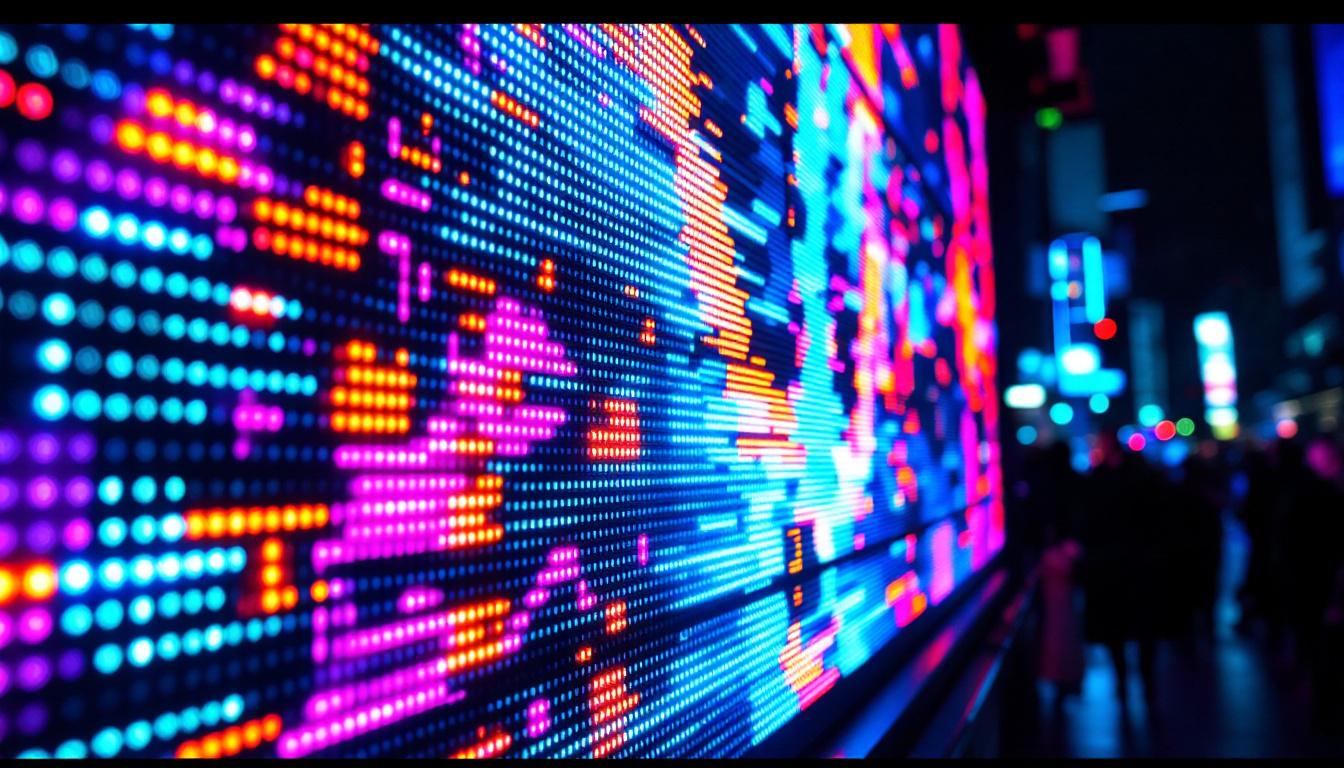
Each LED display consists of numerous pixels, and each pixel is made up of red, green, and blue diodes. By varying the intensity of these diodes, the display can produce a full spectrum of colors. The pixels are arranged in a grid, and the density of these pixels—measured in pixels per inch (PPI) or pixel pitch—determines the display’s resolution and clarity. The ability to control each diode independently allows for dynamic content that can change in real-time, making LED displays ideal for applications like live event broadcasting and digital signage.
Pixel pitch, typically measured in millimeters, is the distance between the centers of two adjacent pixels. A smaller pixel pitch means higher resolution and is ideal for close viewing distances, such as indoor retail displays or control rooms. Larger pixel pitches are suitable for outdoor billboards where viewers are farther away. Additionally, advancements in technology have led to the development of high-density displays that maintain clarity even at close distances, enhancing the viewer’s experience in environments such as museums and galleries.
Types of LED Displays
LED displays come in various forms tailored to different environments and purposes:
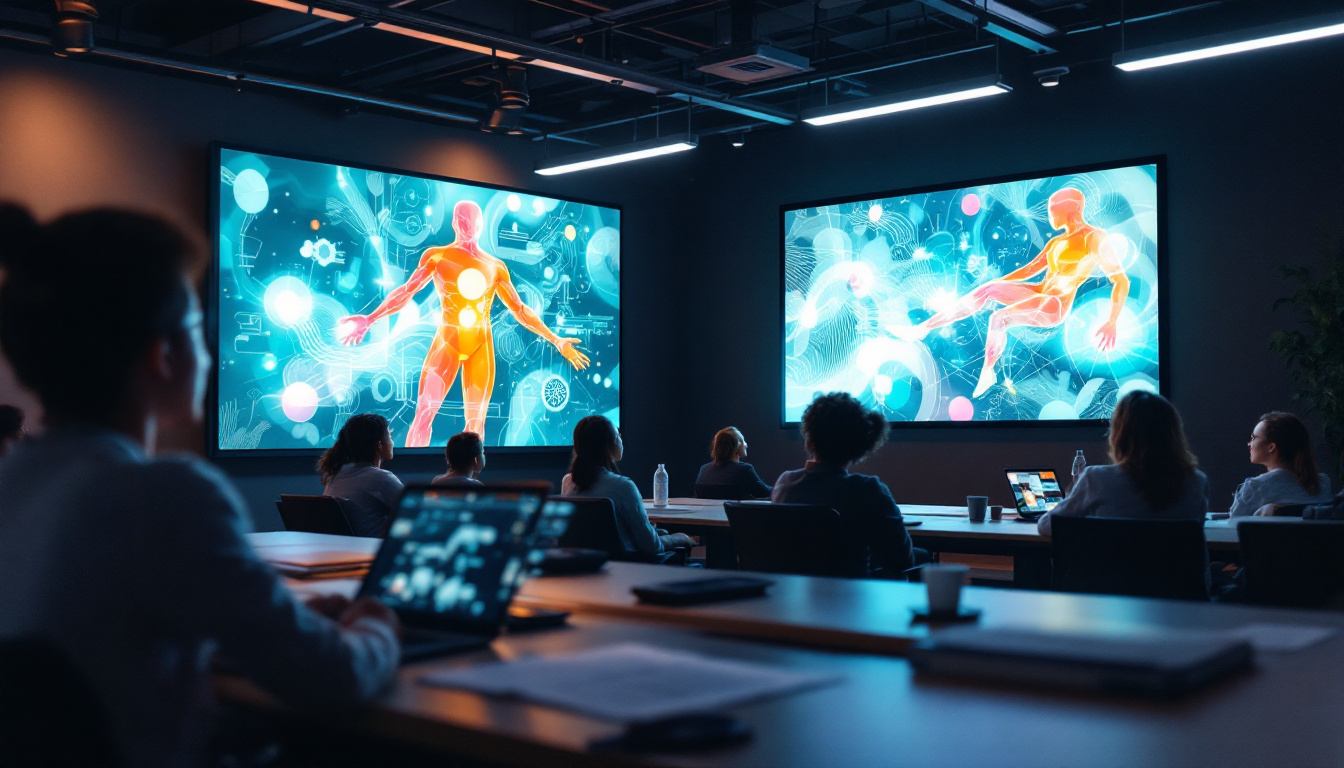
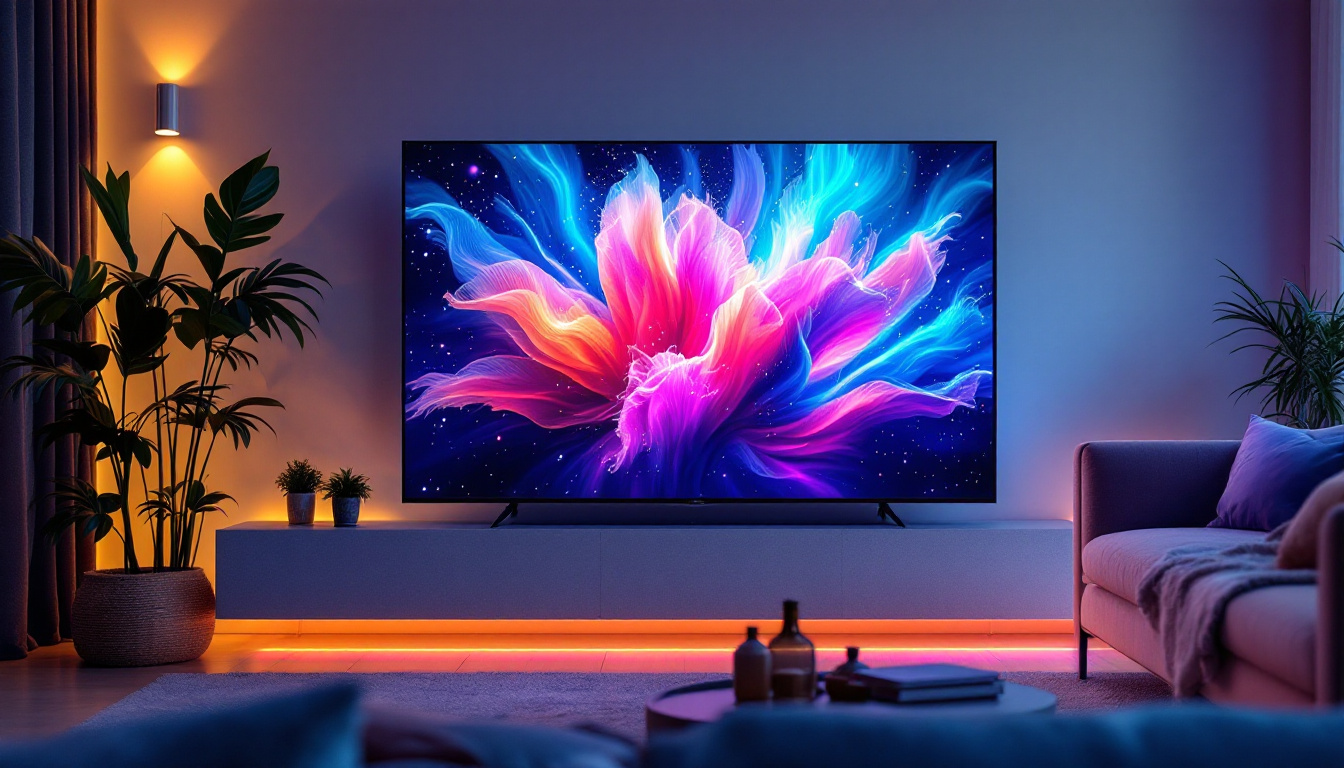
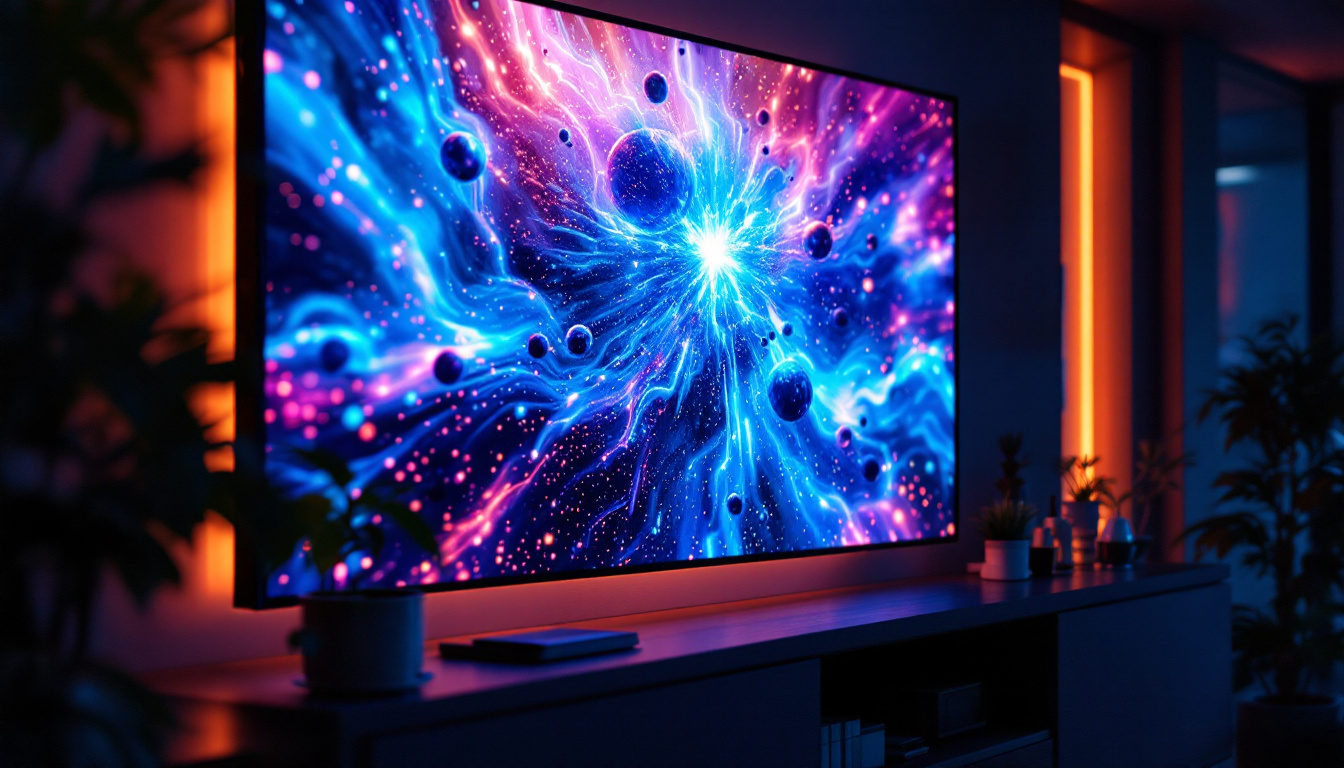
- Indoor LED Displays: Designed for close-range viewing, these displays have a fine pixel pitch (usually between 1mm and 4mm). They are used in retail stores, conference rooms, and indoor events. The vibrant colors and sharp images can captivate audiences, making them perfect for advertising and presentations.
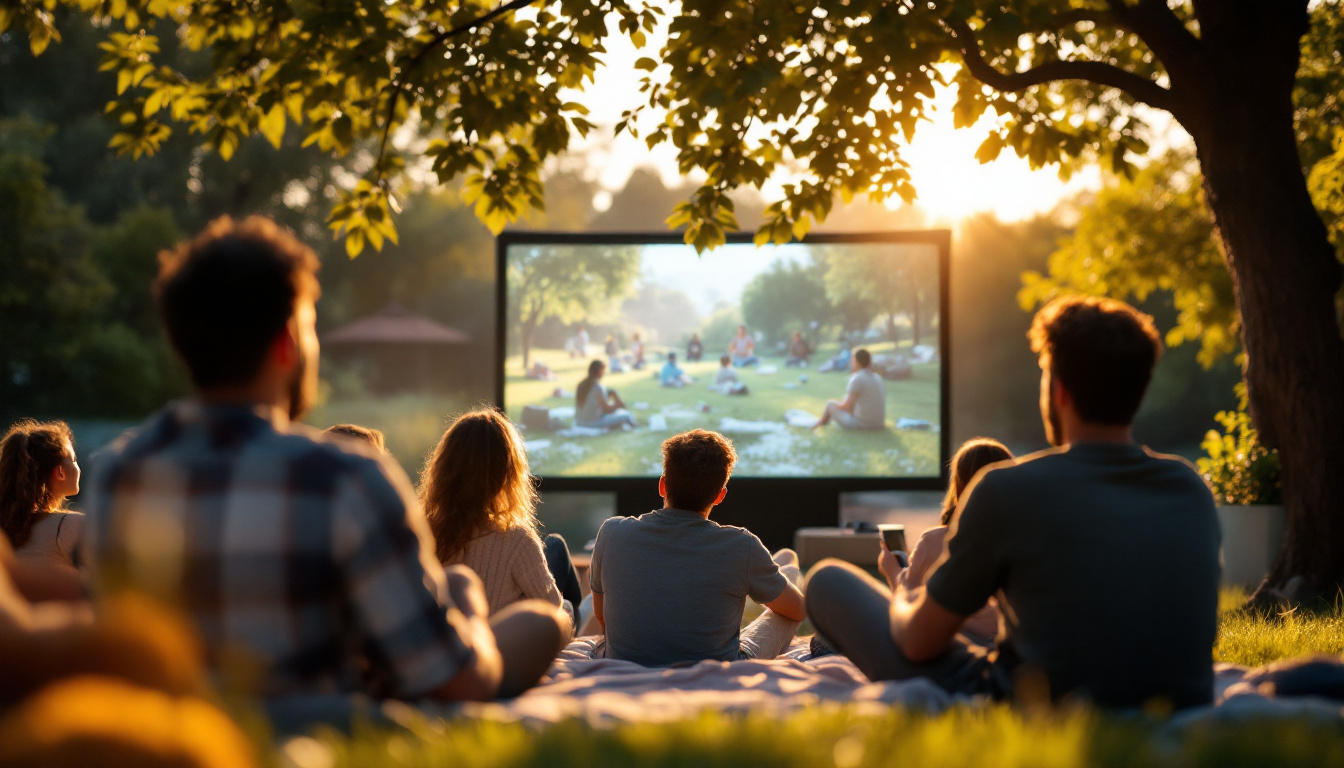
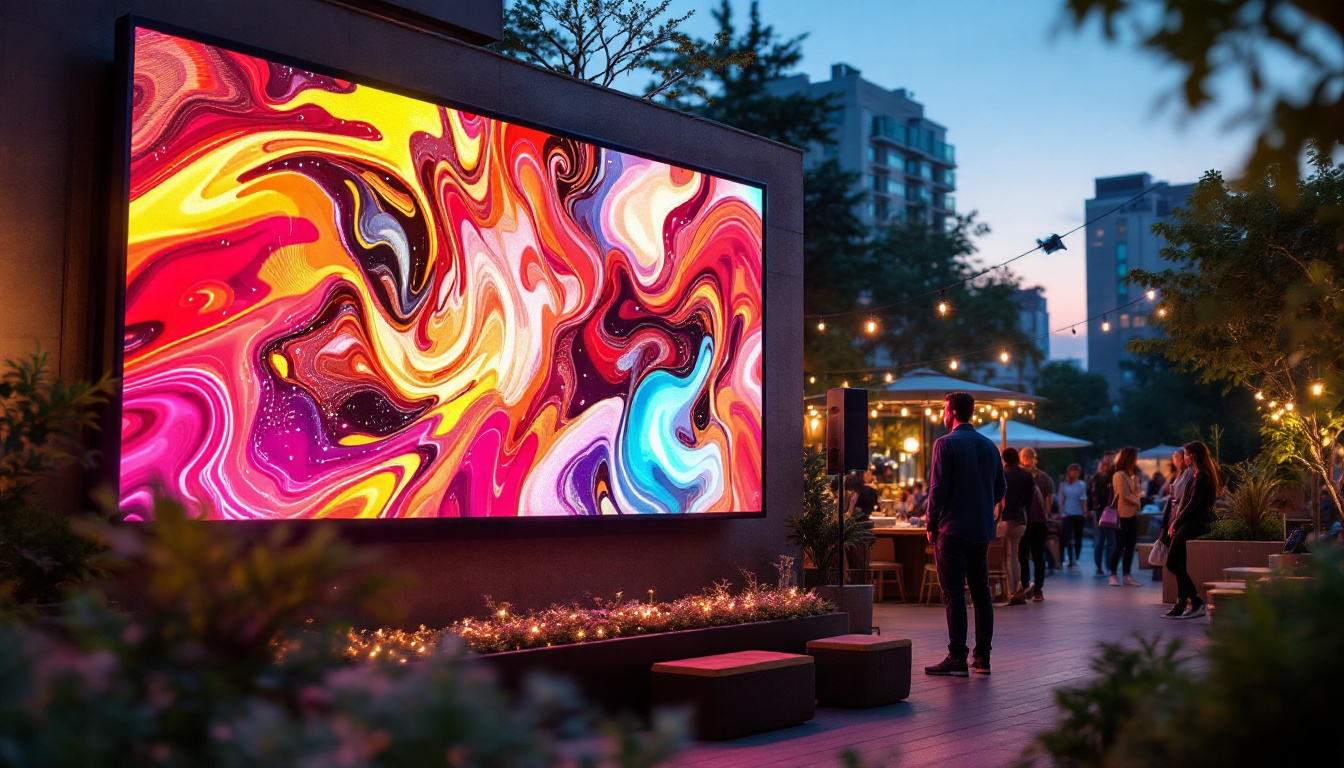
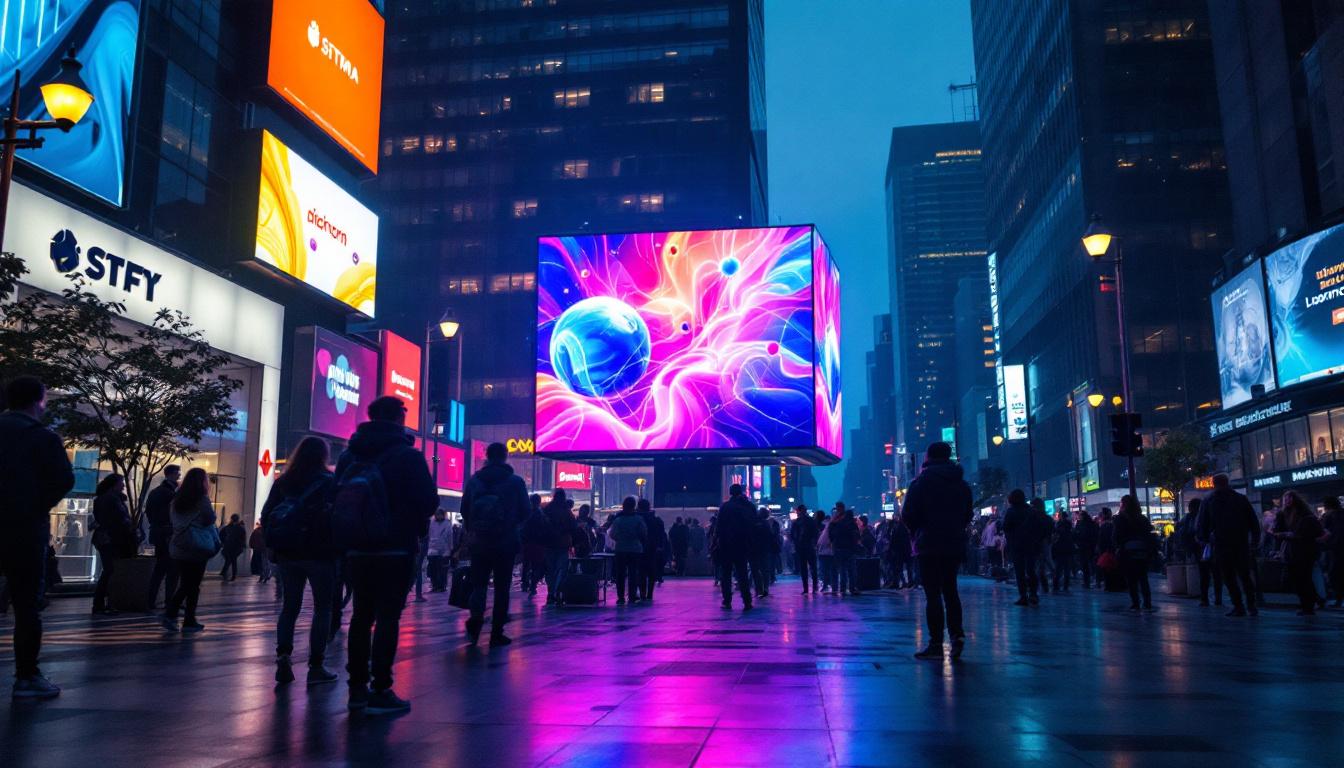
- Outdoor LED Displays: Built to withstand weather conditions, these displays have a larger pixel pitch (often 6mm to 20mm) and higher brightness levels—up to 6,000 nits or more—to combat sunlight glare. Their durability and visibility make them ideal for stadiums, public squares, and roadside advertising, where they can attract attention even in bright daylight.
- Flexible and Transparent LED Displays: These innovative displays can bend or allow light to pass through, making them ideal for creative architectural installations and window advertising. Their versatility opens up new possibilities for designers, allowing for seamless integration into various structures and enhancing the aesthetic appeal of buildings.
Moreover, the integration of smart technology into LED displays has further expanded their capabilities. With features such as remote monitoring, content scheduling, and interactive touch capabilities, modern LED displays can serve as powerful communication tools. This evolution has made them indispensable in sectors ranging from retail to transportation, where real-time information is crucial. As technology continues to advance, we can expect even more innovative applications of LED displays in the future, pushing the boundaries of visual communication.
Applications of LED Walls Across Industries
LED walls have become indispensable tools in a wide range of industries due to their versatility and impact. Their ability to deliver dynamic, high-quality visuals has transformed marketing, entertainment, and communication strategies.
Advertising and Marketing
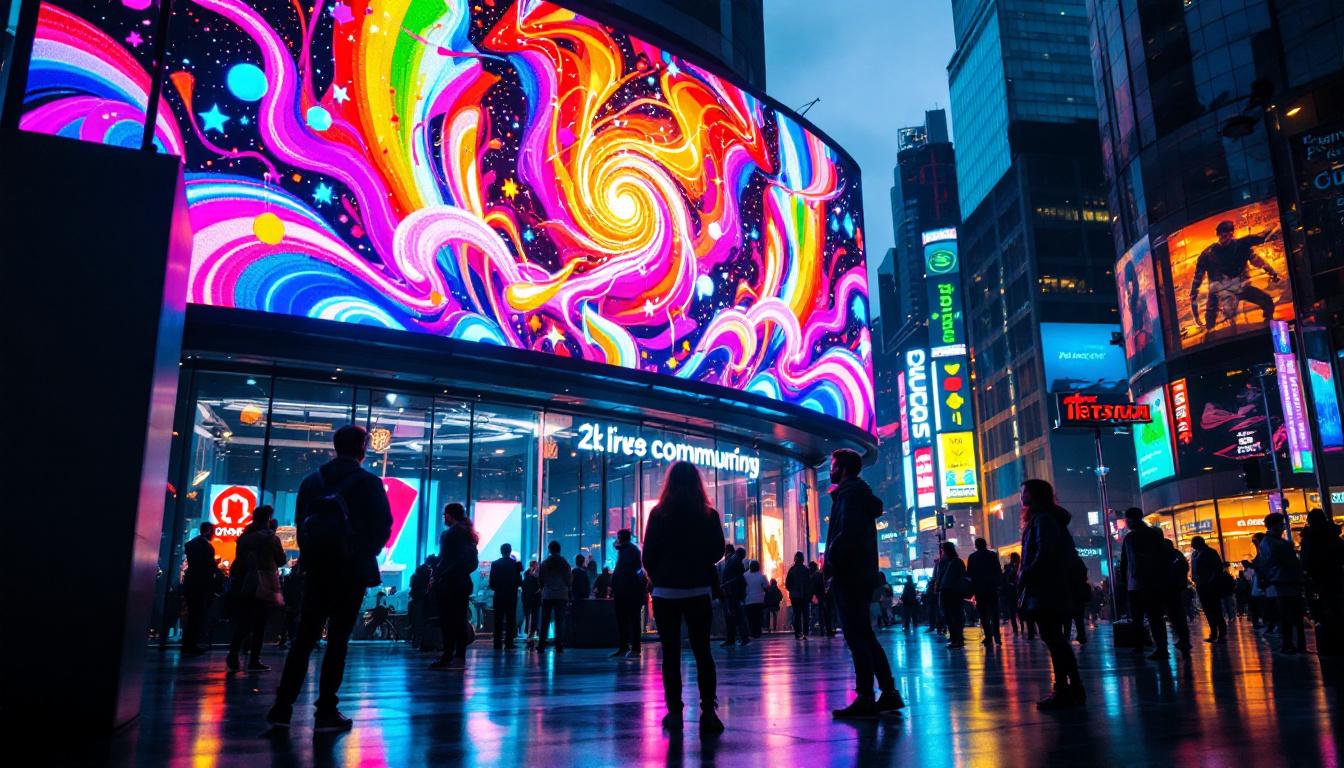
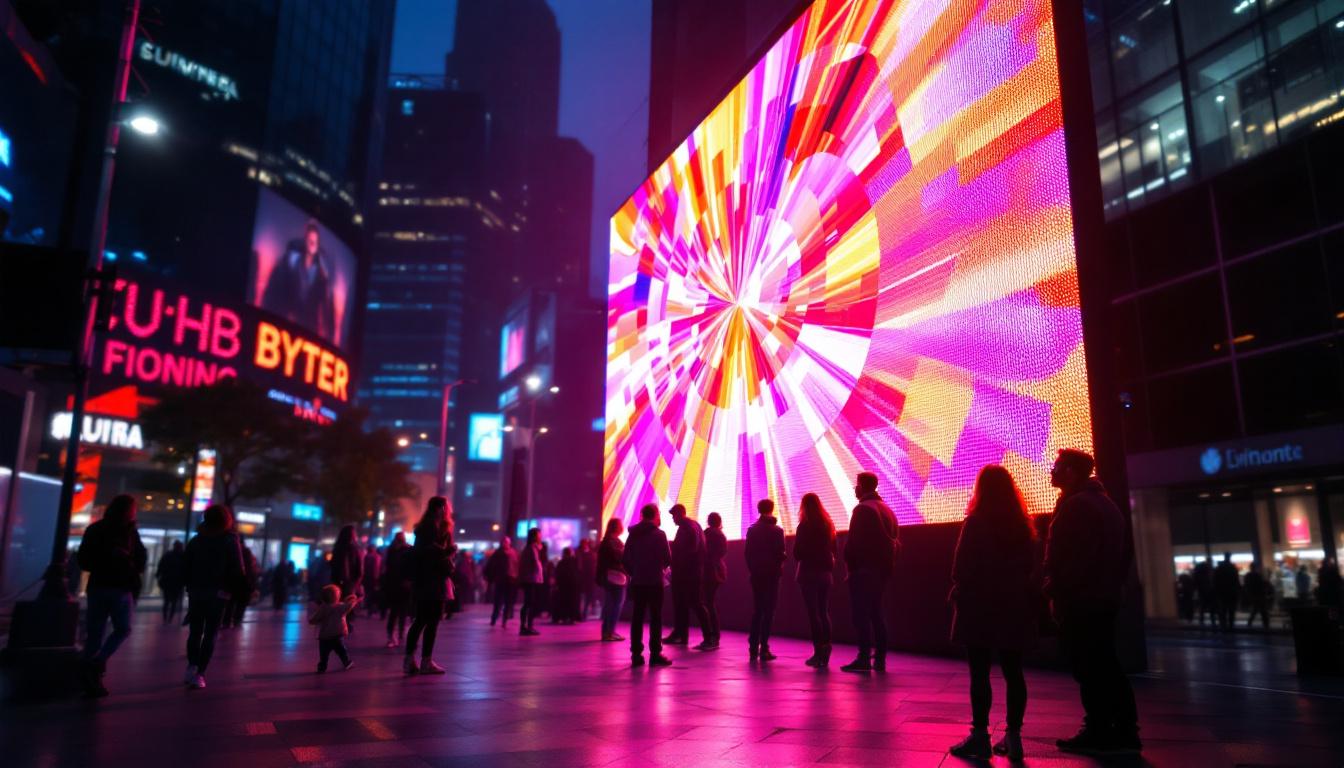
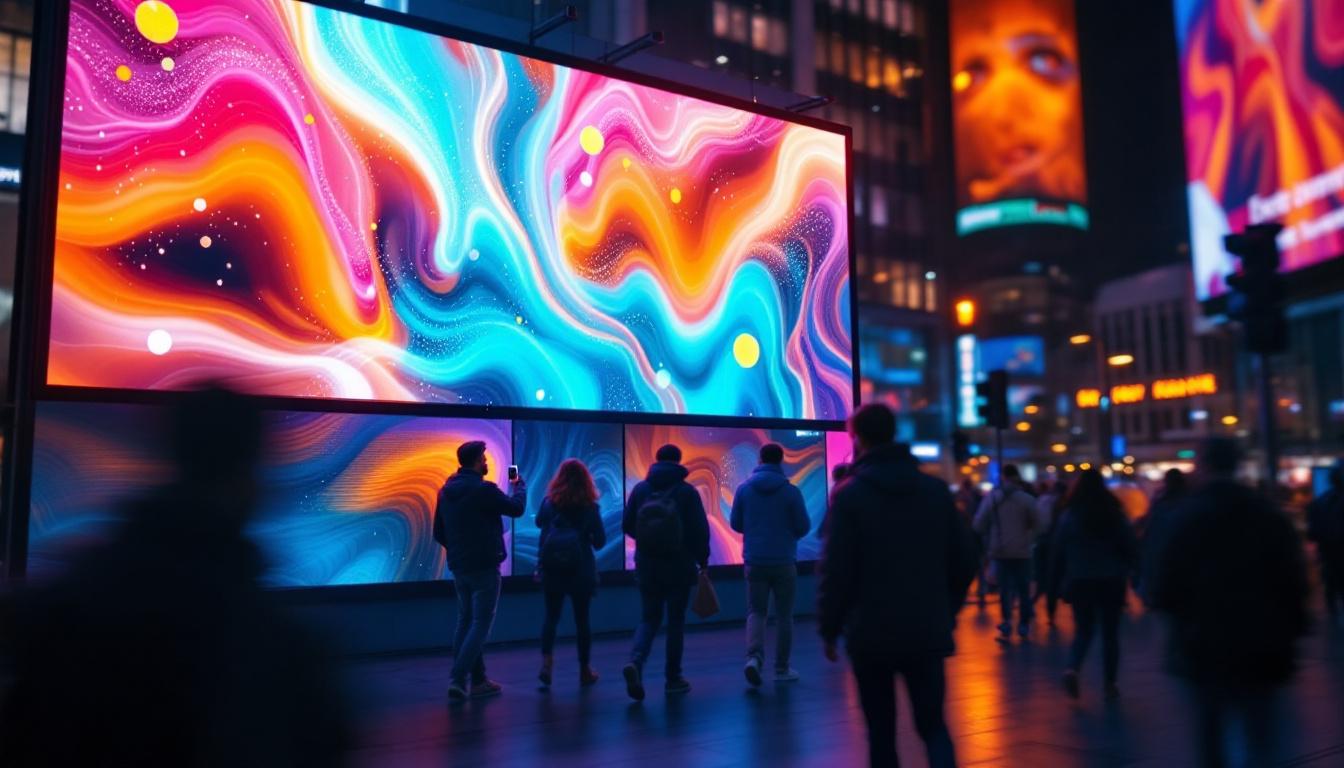
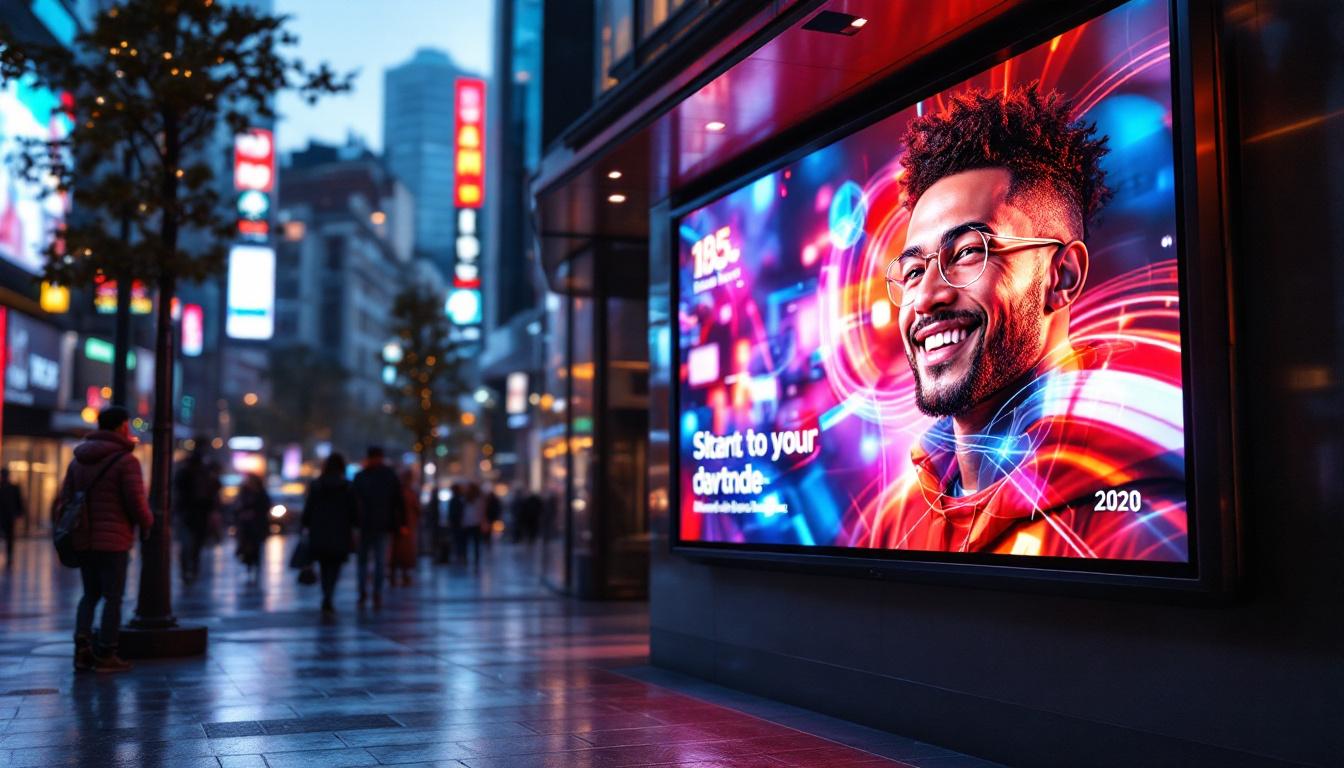
Outdoor LED billboards are among the most common applications, offering advertisers a platform to display vivid, eye-catching content 24/7. According to the Outdoor Advertising Association of America, digital billboards can increase ad recall by up to 47% compared to static signs. The flexibility to update content remotely and instantly makes LED walls a cost-effective solution for campaigns requiring frequent changes. Moreover, with the integration of data analytics, advertisers can tailor their messages to specific audiences based on location, time, and even weather conditions, further enhancing the effectiveness of their campaigns.
Entertainment and Events
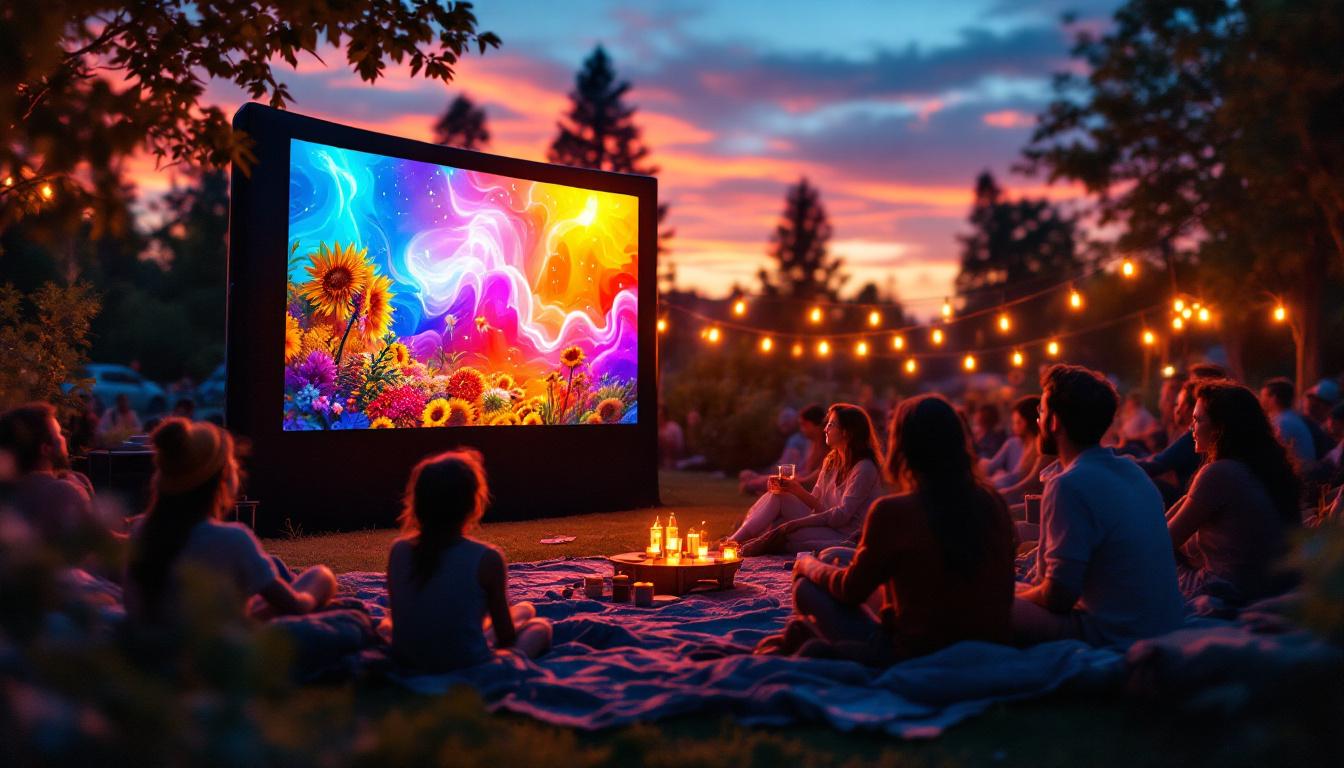
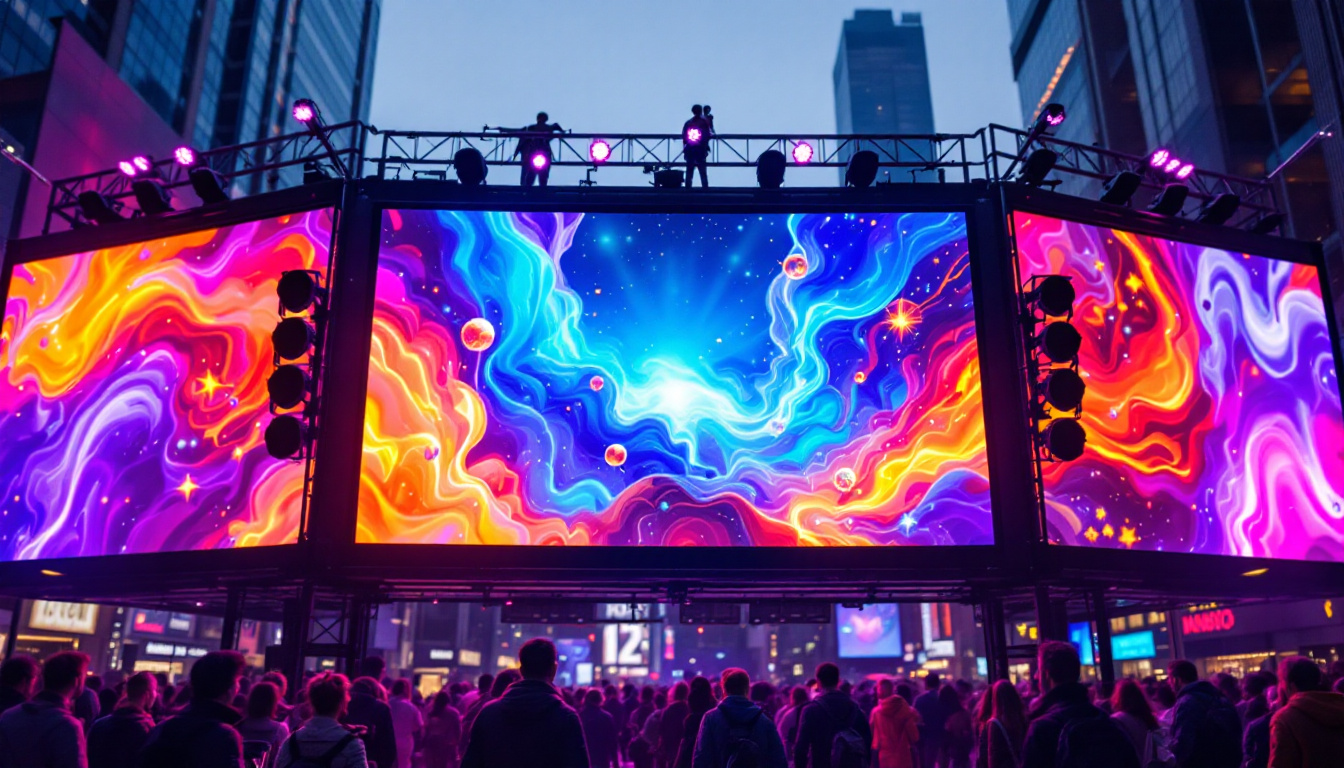
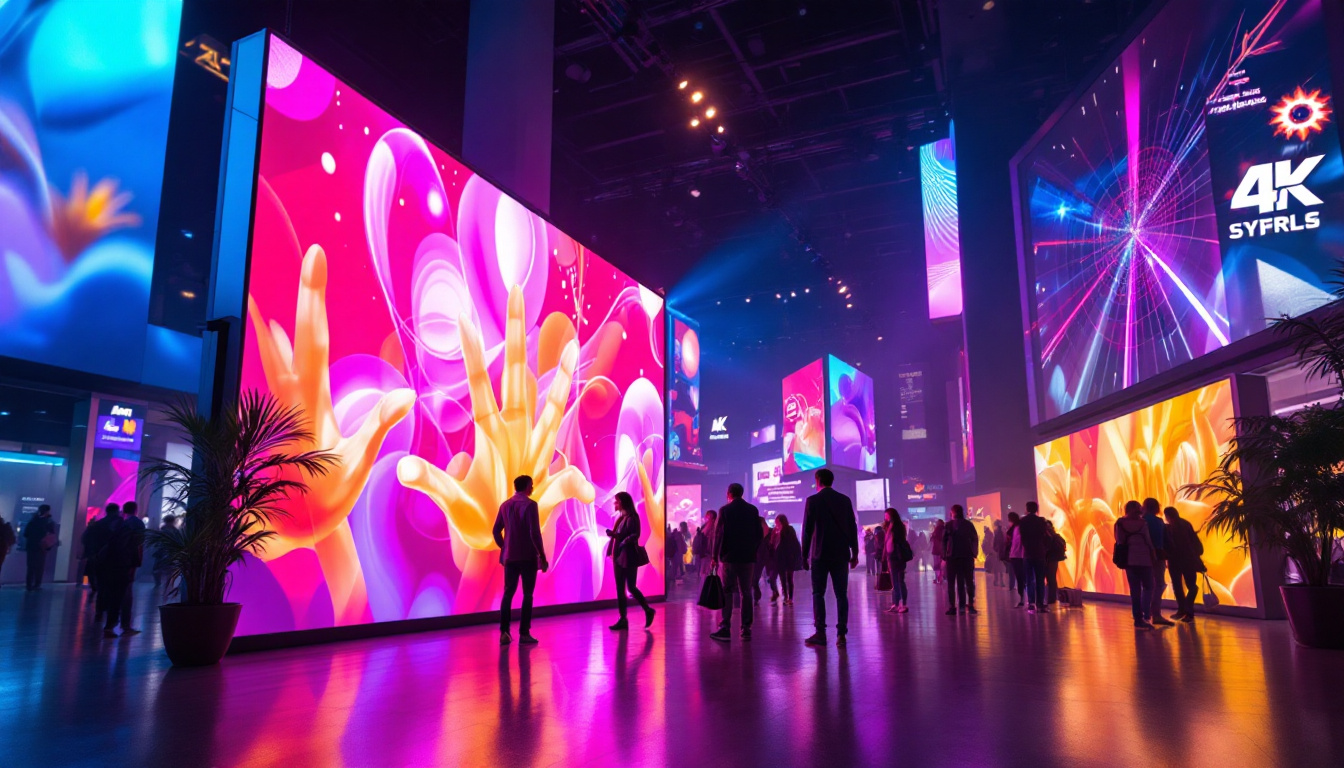
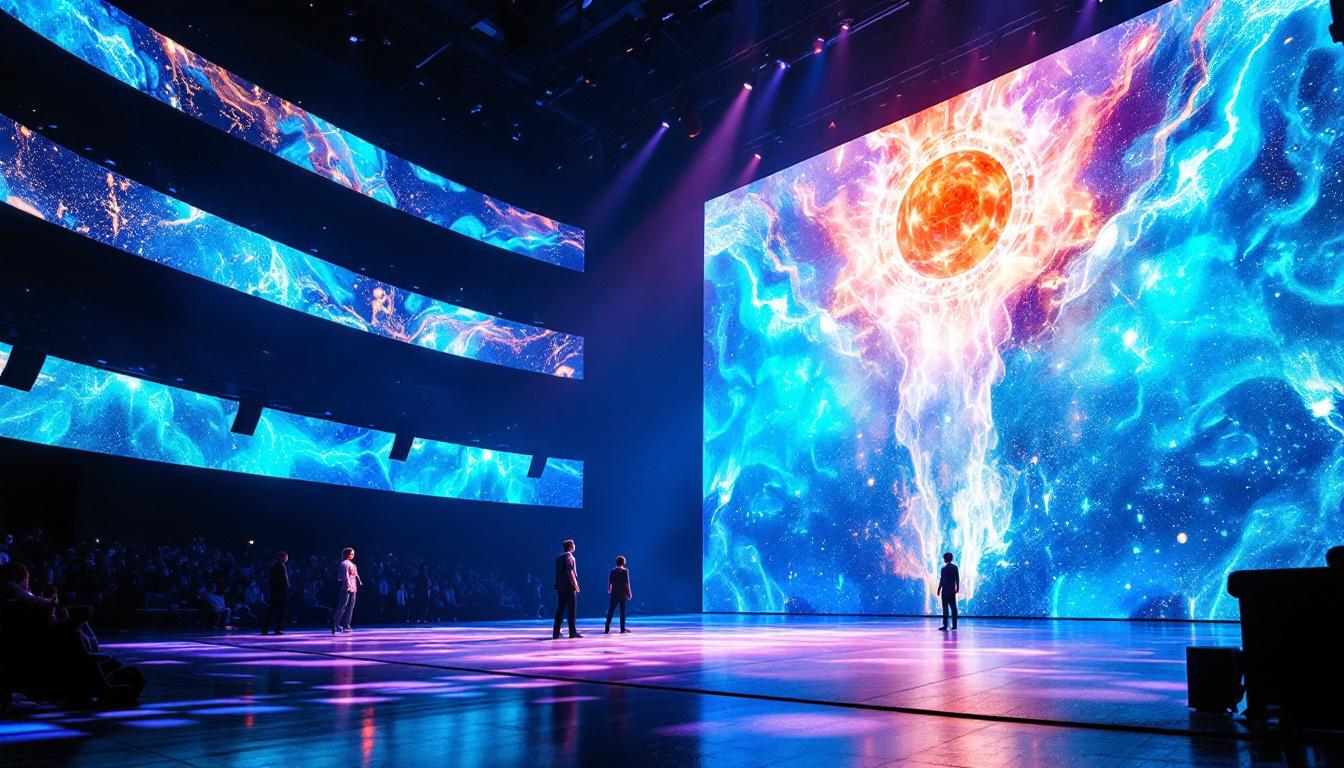
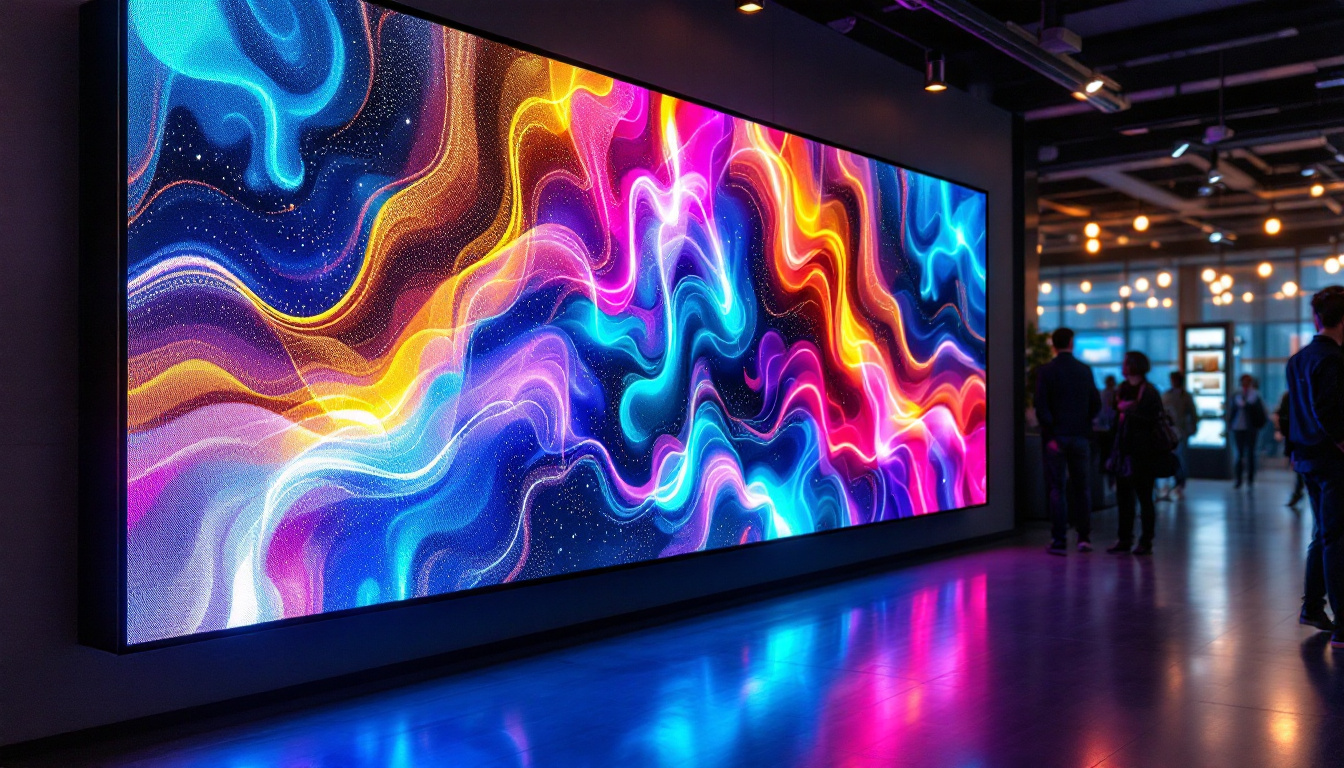
Concerts, festivals, and corporate events frequently utilize large LED walls as stage backdrops or immersive visual elements. Their high brightness and color accuracy ensure visibility even in bright daylight or large venues. For example, major music festivals like Coachella and Tomorrowland employ massive LED walls to enhance the audience experience, creating stunning visual narratives synchronized with performances. Beyond music events, LED walls are also pivotal in sports arenas, where they display live game footage, player statistics, and engaging graphics that keep fans entertained and informed throughout the event.
Retail and Hospitality
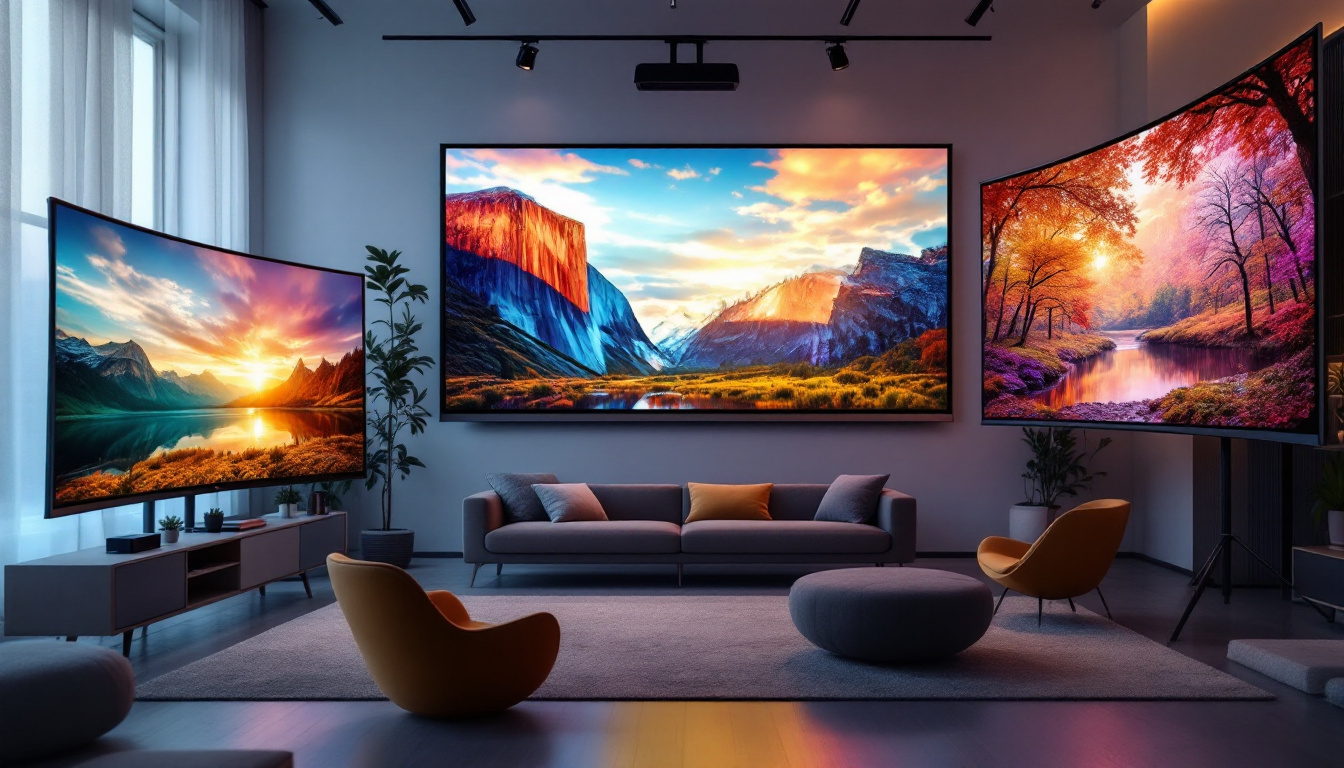
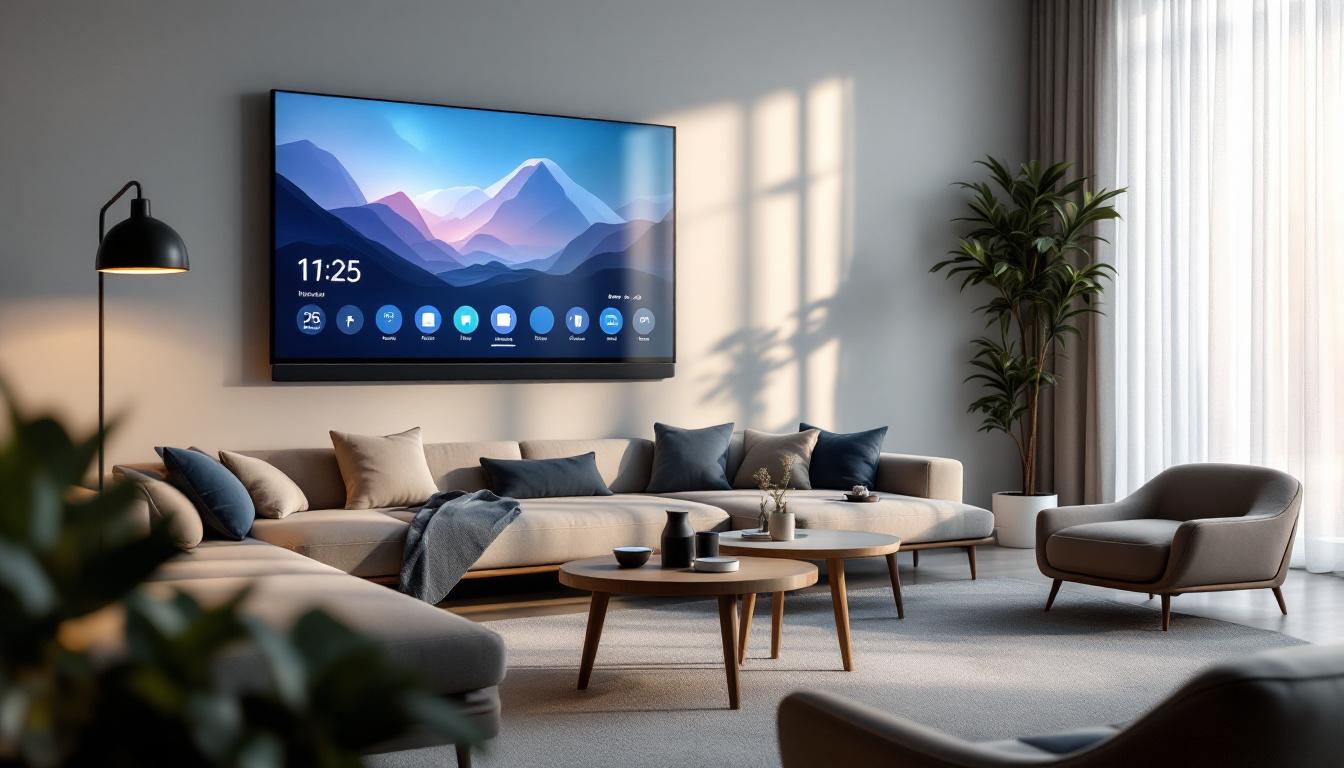
Indoor LED walls in retail environments help brands engage customers through interactive and dynamic displays. Hotels and casinos often use LED walls in lobbies and gaming floors to create luxurious atmospheres and promote services. The ability to customize content in real-time allows businesses to tailor messaging based on time of day, promotions, or customer demographics. Additionally, the integration of augmented reality with LED technology is gaining traction, allowing retailers to create immersive shopping experiences where customers can visualize products in dynamic settings, thereby enhancing their overall shopping journey.
Corporate and Control Rooms
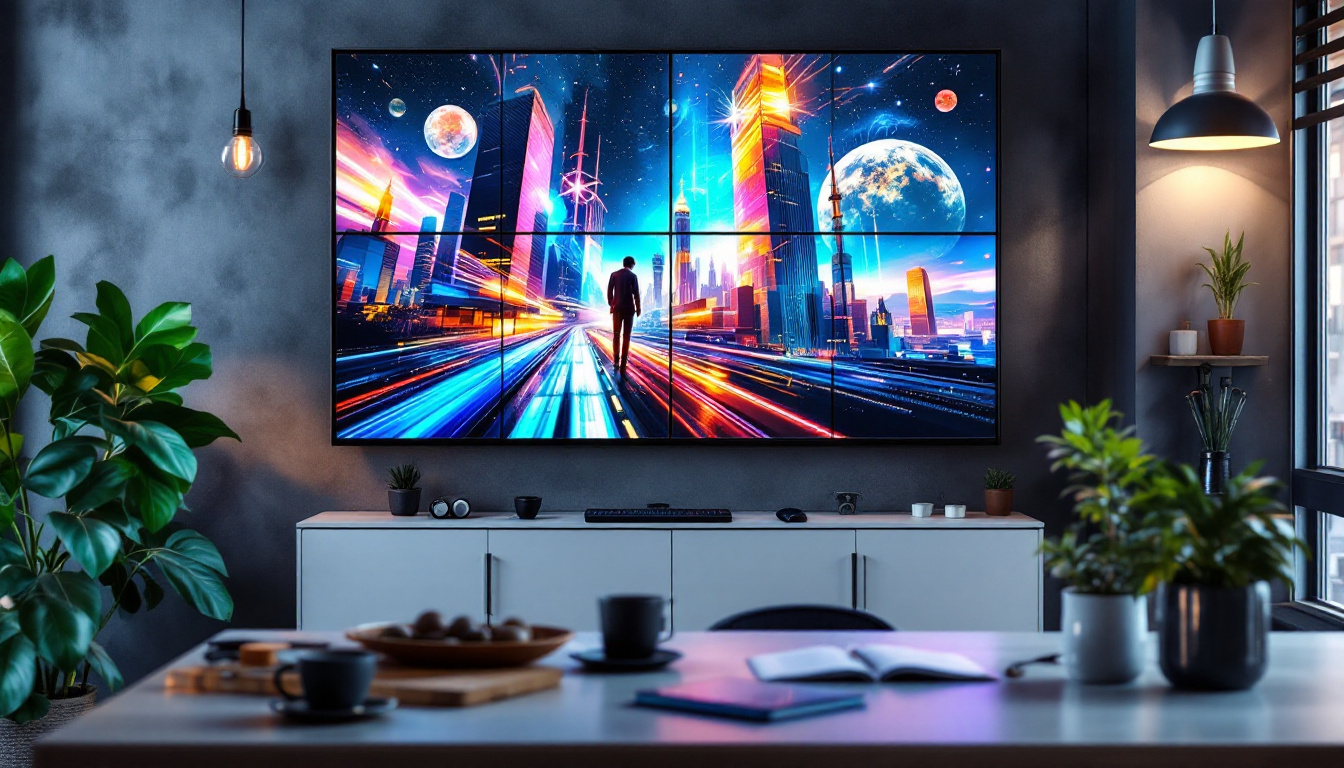
LED walls are critical in corporate settings for presentations, video conferencing, and data visualization. Control rooms for utilities, transportation, and emergency services rely on large LED displays to monitor operations and respond quickly to incidents. The clarity and reliability of LED technology ensure that critical information is always visible and accessible. Furthermore, these displays can be configured into various shapes and sizes, allowing organizations to create tailored setups that maximize space and improve collaboration among teams. This adaptability not only enhances communication but also fosters a more engaging environment for brainstorming and decision-making processes.
Choosing the Right LED Wall Supplier
Selecting a reputable LED wall supplier is a crucial step in ensuring the success of any LED display project. The supplier’s expertise, product quality, and after-sales support can significantly affect the overall performance and longevity of the installation.
Evaluating Product Quality
High-quality LED panels are essential for achieving consistent brightness, color accuracy, and durability. When evaluating suppliers, consider the following factors:
- LED Chip Quality: Premium suppliers use LEDs from reputable manufacturers such as Nichia, Cree, or Samsung, which offer better brightness and lifespan.
- Module Design: Look for modular designs that allow easy maintenance and replacement of individual panels without dismantling the entire display.
- Brightness and Contrast: Verify that the display meets the required brightness levels for the intended environment, especially for outdoor use.
- Certifications: Ensure the supplier’s products comply with international standards such as CE, RoHS, and UL for safety and environmental considerations.
Customization and Flexibility
A good LED wall supplier should offer customization options to fit specific project needs, including size, resolution, pixel pitch, and mounting options. Whether the project requires a curved display, transparent panels, or integration with interactive technologies, the supplier’s ability to tailor solutions is vital.
Installation and Technical Support
Professional installation services are critical to ensure the LED wall functions correctly and safely. Suppliers that provide comprehensive installation support, including site surveys, structural assessments, and calibration, add significant value. Additionally, ongoing technical support and maintenance services help prevent downtime and extend the display’s lifespan.
Warranty and After-Sales Service
Reliable suppliers offer warranties covering LED modules, power supplies, and controllers. A typical warranty period ranges from 2 to 5 years, reflecting confidence in product durability. After-sales service, including troubleshooting, spare parts availability, and software updates, is equally important for long-term satisfaction.
Emerging Trends in LED Display Technology
The LED display industry continues to innovate, driven by advances in materials, electronics, and software. Staying informed about these trends helps businesses and event organizers make future-proof investments.
Mini and Micro LED Displays
Mini LED and Micro LED technologies feature significantly smaller diodes than traditional LEDs, enabling even higher resolutions and improved color accuracy. These displays are gaining traction in premium indoor applications such as broadcast studios, museums, and high-end retail. Micro LED, in particular, offers the potential for self-emissive displays with exceptional contrast and energy efficiency.
Interactive and Smart LED Walls
Integration of touch sensors, motion detection, and AI-driven content management is transforming LED walls into interactive experiences. Smart LED walls can adapt content based on audience behavior, environmental conditions, or real-time data feeds, enhancing engagement and personalization.
Energy Efficiency and Sustainability
Manufacturers are increasingly focusing on reducing power consumption and using eco-friendly materials. LED displays are inherently more energy-efficient than traditional lighting, but innovations in driver electronics and heat dissipation further improve sustainability. Additionally, modular designs facilitate easier recycling and upgrades, reducing electronic waste.
Conclusion
LED walls have become indispensable tools for dynamic visual communication across numerous industries. Their superior brightness, flexibility, and durability make them ideal for advertising, entertainment, retail, corporate, and control room applications. Understanding the technology behind LED displays and carefully selecting a qualified LED wall supplier ensures optimal performance and return on investment.
As LED technology continues to advance with innovations like Mini LED, Micro LED, and interactive features, the possibilities for creative and impactful visual experiences will only expand. Partnering with a knowledgeable and reliable LED wall supplier is the first step toward harnessing the full potential of LED displays in any project.
Discover LumenMatrix’s Advanced LED Display Solutions
Ready to elevate your visual communication with cutting-edge LED technology? Look no further than LumenMatrix, a pioneer in crafting immersive LED display modules for every application. Whether you need an Indoor LED Wall Display for your corporate headquarters, an Outdoor LED Wall Display for impactful advertising, or any of our specialized solutions like Vehicle, Sports, or Floor LED Displays, LumenMatrix has you covered. Embrace the future of digital signage with our Custom, All-in-One, or Transparent LED Displays, designed to captivate and engage your audience like never before. Check out LumenMatrix LED Display Solutions today and start your journey towards revolutionizing your visual displays.